⚠️ New PayPal Scam — Stay Alert & Protect Your Account 😶🌫️🛡️
A new PayPal-themed scam is circulating — typically via email, SMS, or fake web pages — trying to trick people into giving up login details, 2FA codes, or payment info. These messages often look urgent (“your account is limited”, “unauthorized charge”) and try to push you to click a link or call a fake support number. 🚨📧
How to spot it: look for bad spelling/grammar, mismatched sender addresses, shortened or strange links, requests for one-time passwords or full credentials, and pages that don’t load at paypal.com when you manually type the site. Legitimate PayPal messages will never ask for your password via email. 🔎✉️
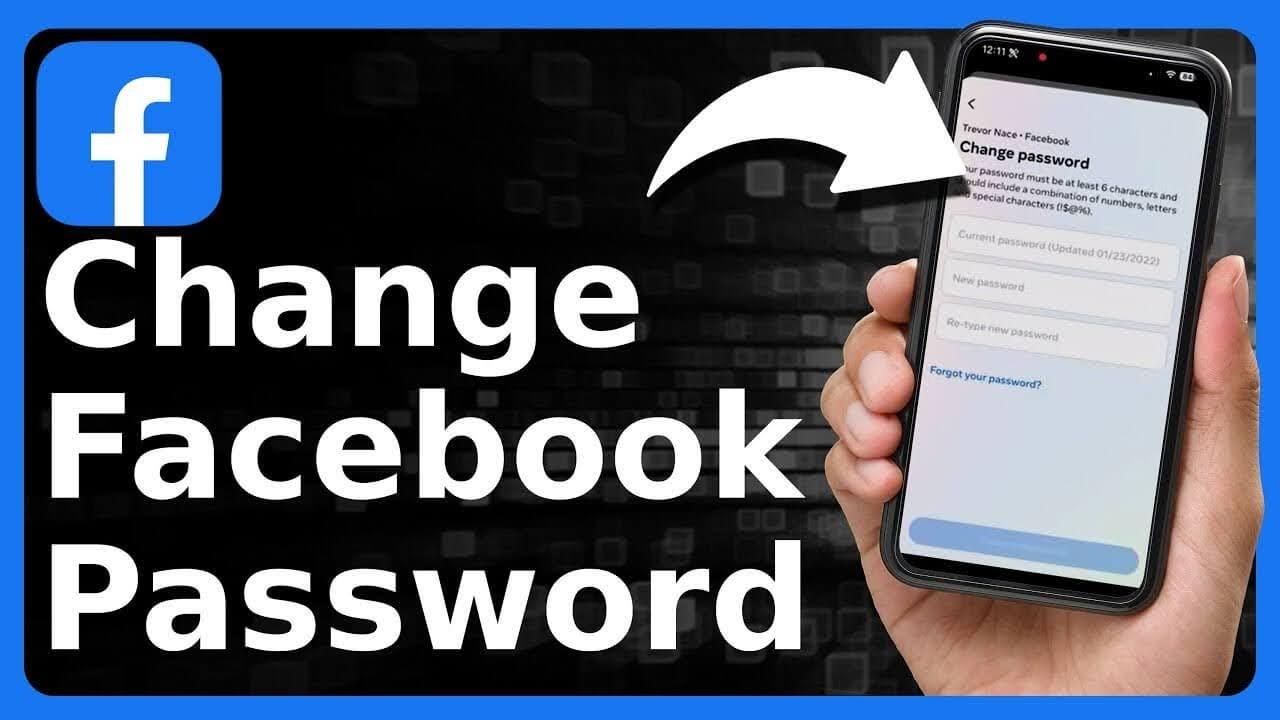
What to do right now: don’t click the link. Open a browser and go directly to paypal.com (or use the official app) to check account activity. If you entered info, change your PayPal password immediately, revoke any suspicious linked payment methods, and enable or reconfigure 2-factor authentication. 🔐🔁
Report & recover: forward phishing emails to PayPal (use their official reporting flow — check PayPal’s Help Center) and report fraudulent transactions to your bank/card issuer. If you lost money or sensitive data, contact local law enforcement and keep evidence (screenshots, email headers). 📝📞
Prevention tips: enable MFA, use a unique strong password (password manager helps), keep devices patched, and don’t trust unsolicited calls claiming to be “PayPal support.” If a message pressures you to act now, that’s a red flag. 🧰✅
⚠️ Disclaimer: For awareness & defensive purposes only. I can’t investigate individual accounts — contact PayPal & your bank for case-specific help. 🚫🔒
#PayPal #Phishing #ScamAlert #DigitalScam #CyberSecurity #InfoSec #FraudPrevention #AccountSafety #2FA #StaySafe