
Freelancer Finances 101: Tracking, Budgeting, and Getting Paid Without Losing Your Soul
Freelancing offers freedom but requires freelancers to manage their finances, often without prior knowledge. A sustainable accounting system should be simple and adaptable, focusing on tracking income and expenses, setting financial rules, and establishing boundaries. It's vital to approach invoicing and budgeting neutrally, ensuring one's worth isn’t tied to financial challenges.#BudgetingTips

Smart Spending: How Many Book Awards Should You Enter? https://selfpublishingadvice.org/smart-spending/ #Process5&6:Marketing&Promotion #publishingadvice #authormarketing #hannahjacobson #awardstrategy #budgetingtips #bookawards
Smart Spending: How Many Book Awards Should You Enter?
In this Alliance of Independent Authors post, Book Award Adviser Hannah Jacobson explains how to set a smart, realistic budget for award submissions and decide how many competitions are worth your time and money.
https://selfpublishingadvice.org/smart-spending/
#Process5And6MarketingAndPromotion #authormarketing #awardstrategy #bookawards #budgetingtips

7 Simple Steps to Strengthen Your Financial Wellness
Financial wellness isn’t about being rich — it’s about being in control. It’s the peace of mind that comes from knowing where your money goes, planning ahead, and building a safety net for the future.
At Truth Group, I work with clients every day who want to make smarter decisions — whether that’s budgeting better, saving for a home, or planning an investment strategy. Here’s a simple 7-step plan you can start today to boost your financial health.
1. Create a Clear Financial Goal
Every strong plan starts with a goal.Ask yourself: What am I working toward? It could be owning your first home, buying an investment property, paying off debt, or growing your savings.
Once your goal is clear, write it down and make it measurable — for example, “Save $20,000 for a home deposit by next December.”
✅ Pro Tip: Keep your goal visible. A small daily reminder helps you stay motivated and focused.
2. Build a Realistic Financial Plan
A goal without a plan is just a wish. Map out the exact steps you need to take — how much to save each month, what expenses you can reduce, and how long it will take to reach your target.
At Truth Group, I help clients develop tailored financial plans that fit their lifestyle, not just their numbers. A structured plan brings clarity and confidence.
3. Write Up a Monthly Budget
Your budget is your blueprint. It helps you understand what’s coming in, what’s going out, and where you can make small adjustments to get ahead.
Start by tracking your spending for a month — you’ll quickly see where your money’s really going. From there, create simple categories for essentials, savings, and lifestyle.
4. Apply the 50/20/30 Rule
The 50/20/30 rule is one of the easiest ways to structure your budget:
50% for needs (rent, mortgage, food, utilities)
20% for savings and investments
30% for wants (dining out, entertainment, travel)
This approach keeps your finances balanced and ensures you’re not just working for today — but planning for tomorrow too.
5. Eat In More Often
It sounds simple, but it’s powerful. Cutting down on takeout and coffee runs can easily save hundreds each month. Cooking at home also makes it easier to plan meals and manage grocery costs.
Even small changes — like bringing lunch to work twice a week — can make a noticeable difference in your savings over time.
6. Build an Emergency Fund
Life happens — and when it does, you want to be ready.An emergency fund acts as your financial safety net for unexpected events like job loss, car repairs, or medical bills.
Aim for three to six months of living expenses. If that sounds overwhelming, start small — even $1,000 can make a difference and give you peace of mind.
7. Set Calendar Reminders for Bills & Subscriptions
Avoid late fees and forgotten charges by scheduling monthly reminders for your bills, subscriptions, and repayments.
It’s a simple habit that helps you stay organised and on top of your money. Plus, reviewing your subscriptions regularly ensures you’re not paying for services you don’t use.
Final Thoughts
Financial wellness doesn’t happen overnight — it’s built through consistent, mindful habits. Start with these seven steps, and you’ll quickly notice more control, confidence, and calm in your financial life.
If you’d like help creating a personalised financial plan or exploring how your savings can work harder for you, I’d be happy to guide you.
💬 [Book a Free Financial Wellness Chat with Truth Group]
#TruthGroup #BudgetingTips #EmergencyFund #FinancialWellness #MoneyManagement


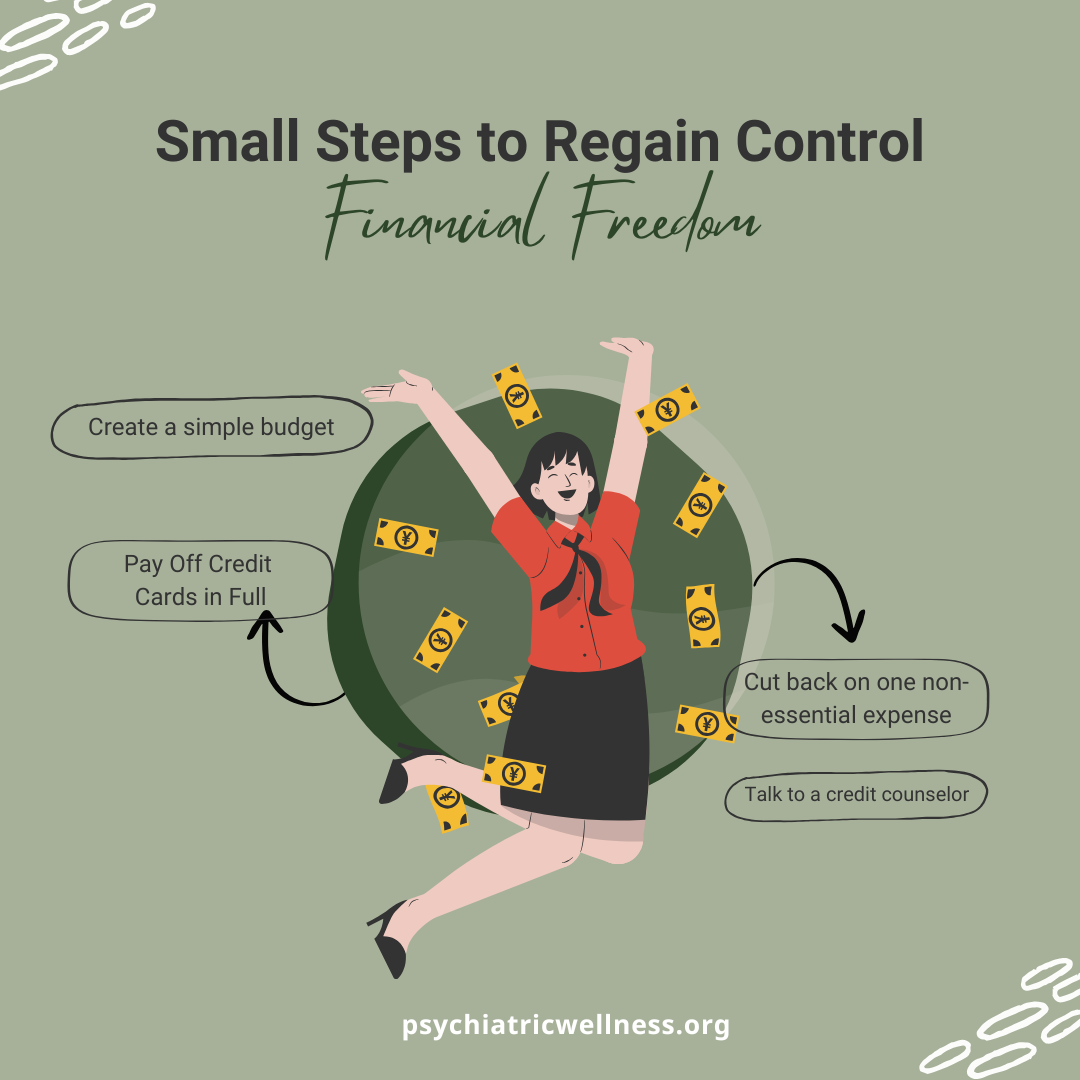
Control comes from small, intentional steps. Even one today can make you feel lighter.
For guidance and mental health support, visit https://zurl.co/8AO4g or call us at (405) 437-0205.
#FinancialHealth #StressManagement #BudgetingTips #PsychiatricWellness

Master the envelope budgeting method to organize your income, control spending, and achieve financial goals efficiently. #BudgetingTips #FinancialPlanning

Breaking the paycheck-to-paycheck cycle starts with a plan. First, create a budget 📝 to see where your money is going and find areas to save. Prioritize building an emergency fund 💰, no matter how small the contributions are.
Next, look for ways to increase your income 📈 with a side hustle or extra work.
For more information🔗https://therupeeguide.in/how-to-stop-living-paycheck-to-paycheck/
#PaycheckToPaycheck #FinancialFreedom #BudgetingTips #MoneyManagement #TheRupeeGuide


How to know when your budget just isn't working... #budget #budgeting #budgetingtips
Posted into FLIPBOARD USER GROUP @flipboard-user-group-JanetteSpeyer

🧱 Building Your Own System: Lessons from the Founding Fathers
📅 Tonight – Wednesday, July 23 at 7:30 PM ET
The Founding Fathers built something new—and so can you. Join us to learn how to build a financial system that fits your goals through saving, budgeting, and investing.
✨ Start your path to financial freedom.
🔗 pennyforward.com/membership


Frugal Living Hacks: Spend Less, Enjoy More
Reading Time: 9 minutes
Are you tired of living paycheck to paycheck? Imagine having the financial freedom to pursue your passions without breaking the bank.
Living on a budget is more than just cutting costs. It’s about making smart money choices that match your values and goals. By spending less than you make, you can pay off debt, save, or invest in your future.
By using money-saving tips and being more frugal, you can manage your money better. This way, you can enjoy life without worrying about money.
Key Takeaways
- Learn how to make conscious financial decisions that align with your values.
- Discover simple money-saving tips to reduce expenses.
- Understand the benefits of adopting a budget-friendly lifestyle.
- Find out how to use the difference between your income and expenses to pay off debt or invest.
- Achieve financial freedom and security by living on less than you earn.
Understanding Frugal Living and Its Benefits
Frugal living is more than saving money. It’s a lifestyle that makes you think about how you spend. It helps you stay financially stable, pay off debt, and live a more fulfilling life.
What is Frugal Living?
Frugal living means saving money without giving up quality of life. It’s about being thrifty and using what you have wisely. Simple steps like cooking at home, canceling unused subscriptions, and finding free fun can help.
Key frugal living principles include:
- Being mindful of your spending habits
- Avoiding unnecessary expenses
- Finding ways to save money on everyday items
- Investing in quality over quantity
Benefits of Being Frugal
Frugal living offers many benefits, such as:
- Reduced debt: Spending less and saving more helps pay off debts and gain financial freedom.
- Increased savings: Frugal living builds a safety net and helps reach long-term financial goals.
- Less financial stress: Living within your means reduces financial stress and anxiety.
Being frugal also helps you appreciate what you have. You find joy in the simple things.
Common Misconceptions
Some think frugal living is too restrictive or cheap. But it’s not. It’s about making choices that match your values and goals. It’s not about missing out on fun, but being smart with your spending.
Common wrong ideas about frugal living include:
- It’s too restrictive
- It’s only for people with low incomes
- It’s boring and unfulfilling
In truth, frugal living is freeing and empowering. It lets you focus on what truly matters to you.
Budgeting Basics for Frugal Living
Effective budgeting is key to a frugal lifestyle. It helps you manage your money better. This way, you can achieve financial stability and live more affordably.
Creating a Monthly Budget
First, track your income and expenses to understand your finances. List all your income sources and fixed costs like rent and groceries. Then, find ways to cut back on spending to save more.
Use the 50/30/20 rule to guide your budget. Allocate 50% for necessities, 30% for fun, and 20% for savings and debt. Remember to include savings and emergency funds in your budget.
Tools and Apps to Help You Budget
Today, many tools and apps can simplify budgeting. Apps like Mint, YNAB, and Personal Capital help track spending and set goals. They offer updates and alerts to keep you on track.
- Mint: Offers detailed tracking and budgeting.
- YNAB: Helps manage finances by assigning jobs to every dollar.
- Personal Capital: Gives a full view of your finances, including investments.
Tips for Sticking to Your Budget
Sticking to a budget is the real challenge. To stay on track, automate savings and avoid impulse buys. Set up automatic transfers to savings or investments.
Also, wait before buying non-essential items. This helps you decide if you really need it. It’s a simple way to live more frugally.
Regularly review and adjust your budget. Your financial situation can change, and so should your budget. By sticking to your budget and making adjustments, you can enjoy the benefits of frugal living.
Smart Shopping Strategies
Smart shopping is key for saving money and living frugally. Being aware of your spending and making smart choices can cut costs. You don’t have to give up quality of life to save money.
Finding the Best Deals
Finding great deals is a top way to save. Compare prices, look for discounts, and catch sales. Online tools and apps help find the best offers.
- Use price comparison websites to find the best deals.
- Sign up for newsletters from your favorite retailers to receive exclusive offers.
- Follow your favorite brands on social media to stay informed about promotions.
These strategies help you save money on your purchases and keep your budget in check.
Utilizing Coupons and Promo Codes
Coupons and promo codes are great for saving. Look for them online, in newspapers, and through loyalty programs. Many retailers offer digital coupons for your loyalty cards or checkout.
- Look for coupon websites and apps that aggregate offers from various retailers.
- Check the websites of your favorite stores for promo codes.
- Use cashback apps that offer rewards on your purchases.
Using coupons and promo codes can lead to significant savings on your shopping.
Shopping Off-Season
Shopping off-season is another smart move. Retailers discount seasonal items at the end of the season. Buying off-season means lower prices for what you need.
- Buy winter clothing in spring and summer clothing in fall.
- Purchase holiday decorations after the holiday season.
- Shop for seasonal produce during its peak to save on groceries.
Shopping off-season lets you stock up on essentials at lower prices. This saves money all year.
In conclusion, smart shopping strategies like finding deals, using coupons, and shopping off-season save money. Being mindful of spending and making smart choices leads to a more thrifty living lifestyle. This way, you can enjoy a more financially stable life.
Meal Planning on a Budget
Meal planning is key to a budget-friendly lifestyle. It lets you enjoy tasty meals without spending too much. By planning meals in advance, you skip last-minute takeouts and cut down on food waste. This saves you money.
Simple Meal Ideas
You don’t need to be a great chef to make simple, budget-friendly meals. Here are some easy ideas:
- Pasta with marinara sauce and veggies
- Grilled chicken or fish with roasted veggies
- Lentil soup with crusty bread
- Stir-fries with rice, your choice of protein, and veggies
Bulk Buying vs. Fresh Produce
At the grocery store, you’ll decide between buying in bulk or fresh produce. Bulk buying is cheaper for items like grains, beans, and canned goods. But, think about how long they last and how much you’ll use to avoid waste.
Buying fresh produce might cost more, but it’s vital for a healthy diet. To save, choose seasonal produce. It’s often cheaper and fresher.
Meal Prep Tips
Meal prep saves time and money. Here are some meal prep tips:
- Plan your meals for the week.
- Make a grocery list from your meal plan.
- Cook in bulk and divide your meals.
- Use containers that are airtight and safe for microwaving.
By using these frugal living tips and tricks for meal planning, you can live a budget-friendly lifestyle. You won’t have to give up taste or nutrition.
Thrifting and Second-Hand Finds
Thrifting and second-hand shopping are great ways to live frugally. It’s not just about saving money. It’s about finding unique items that tell a story and add character to your life.
Best Places to Shop Second-Hand
There are many places to find second-hand items. Some popular spots include:
- Local thrift stores and charity shops
- Estate sales and garage sales
- Online marketplaces like eBay, Craigslist, and Facebook Marketplace
- Consignment stores and vintage shops
Tips for a successful thrifting experience:
- Arrive early to snag the best deals
- Inspect items carefully for damage or needed repairs
- Don’t be afraid to negotiate prices
Tips for Successful Thrifting
To thrive in thrifting, keep an open mind. Be willing to dig through racks and shelves. You can find hidden gems if you’re patient and persistent.
Some other tips to keep in mind:
- Keep a list of items you’re looking for to help you stay focused
- Consider shopping during off-peak seasons when competition is lower
- Don’t overlook accessories and other smaller items that can add up
Upcycling and DIY Ideas
Thrifting is also about upcycling and repurposing old items. With a little imagination, you can turn an old piece of furniture into a unique decorative piece. Or transform vintage clothing into new accessories.
Some ideas to get you started:
- Turn an old ladder into a bookshelf or storage unit
- Upcycle vintage t-shirts into reusable bags or quilts
- Refurbish old furniture with a fresh coat of paint or new hardware
By embracing thrifting and second-hand shopping, you can save money, reduce waste, and add some personality to your life. Happy thrifting!
Energy Efficiency to Save Money
Living frugally means saving money without giving up comfort. Simple habits and a few changes can cut your energy use and bills. This way, you can enjoy your home without breaking the bank.
Reducing Your Energy Bills
Start saving by following some easy steps. Use LED bulbs to cut down on lighting costs. Also, turn off lights, gadgets, and appliances when you’re not using them to avoid standby power.
- Adjust your thermostat to use less energy for heating and cooling.
- Use power strips to easily turn off multiple devices at once.
- Upgrade to energy-efficient window treatments to reduce heat loss.
Using Energy-Efficient Appliances
Choosing energy-efficient appliances is a smart move. Look for the ENERGY STAR label on new appliances. It means they meet high energy standards set by the U.S. Environmental Protection Agency.
Energy-efficient appliances offer many benefits:
- They use less energy, which lowers your bills.
- You might get rebates or incentives from utilities or the government.
- They also help the environment by reducing greenhouse gas emissions.
The Importance of Home Insulation
Home insulation is key to energy efficiency. It keeps your home warm in winter and cool in summer. This saves money on heating and cooling and makes your home more comfortable.
To check if your home is well-insulated, look at your attic, walls, and floors. Add insulation if needed. Seal gaps around windows and doors to stop heat from escaping.
Travel Hacks for the Frugal Explorer
Living frugally can also apply to travel. You can see the world without spending a lot. By watching your spending and planning, you can have great travel experiences without breaking the bank.
Finding cheap flights and places to stay is key. Booking early and being flexible with your travel dates can save you money.
Affordable Flights and Accommodations
To get cheaper flights, use websites that compare prices and set up alerts. Booking early can also get you better deals. For places to stay, think about hostels, guesthouses, or vacation rentals. They’re often cheaper than fancy hotels.
- Use travel apps to compare prices and find deals.
- Consider traveling during the off-season.
- Look for package deals that include flights and accommodations.
Budget-Friendly Destinations
Picking the right place to visit can also save you money. Look for places that are easy on your wallet, like national parks or cities with free attractions.
Some great places to visit on a budget include:
- Portland, Oregon, known for its food trucks and coffee culture.
- Budapest, Hungary, which offers rich history and thermal baths at affordable prices.
- Costa Rica, a great spot for eco-tourism and outdoor activities.
Maximizing Travel Rewards
Using travel rewards and loyalty programs is a smart way to save. Credit cards, hotel programs, and airline miles can lead to big savings or upgrades.
To get the most from your rewards, follow these tips:
- Choose credit cards that offer rewards aligned with your travel habits.
- Sign up for loyalty programs with your favorite airlines and hotels.
- Use travel rewards credit cards for daily purchases to accumulate points.
By using these travel hacks, you can have a more frugal and enjoyable trip. Whether you’re a seasoned traveler or new to exploring, these tips can enhance your adventures.
Entertainment on a Budget
You don’t have to spend a lot to have fun. Here are some ways to enjoy yourself without breaking the bank. A budget-friendly lifestyle means finding creative ways to have fun with your loved ones.
Free and Low-Cost Entertainment Options
There are many free or low-cost ways to have fun, depending on where you live. Many cities have free outdoor concerts or movie screenings in the summer. You can also explore local parks or hiking trails for a fun day out.
Visiting museums and galleries during off-peak hours or on free admission days is another great way to enjoy culture without spending much.
- Look for community events, such as festivals or street fairs, which are often free or low-cost.
- Game nights with friends using board games you already own are a great way to socialize without spending much.
- Consider DIY projects or crafting as a fun and creative outlet.
Utilizing Public Libraries
Your local public library is a treasure trove for entertainment on a budget. Libraries offer more than just books; they have free access to movies, music, and e-books. Many libraries also host free events, such as author readings, children’s storytime, and other community activities.
To get the most out of your library:
- Explore their digital collections, which may include e-books, audiobooks, and streaming services.
- Attend events and workshops; many are not only free but also enriching.
- Use interlibrary loan services to access books and media not available in your local library.
Hosting Budget-Friendly Gatherings
You don’t have to spend a lot to have fun with friends. Potluck dinners where everyone brings a dish to share are a great way to enjoy a variety of foods without the high cost. You can also host game nights, movie nights, or outdoor BBQs, which are generally low-cost but high in fun.
To keep your gatherings budget-friendly:
- Keep the guest list small to save on food, drinks, and supplies.
- Choose activities that are low-cost or free, such as playing games you already own.
- Consider having a bring-your-own policy for drinks or desserts to share the cost.
By using these frugal living hacks for entertainment, you can enjoy a rich and fulfilling social life without straining your budget. For more tips and ideas, consider visiting a frugal living blog for inspiration and guidance on maintaining a budget-friendly lifestyle.
DIY Projects to Save Money
Doing DIY projects is a smart way to save money and make your home better. You can save cash, learn new skills, and feel proud of what you make.
Home Improvement Projects You Can Do Yourself
Doing home improvement projects yourself can cut down on labor costs. Simple tasks like painting walls, making shelving, and fixing faucets are good starters. These projects save money and make you feel accomplished.
- Painting: A fresh coat of paint can change a room. Pick affordable paints and do it yourself.
- Shelving: Make your own shelving with cheap materials from hardware stores.
- Plumbing: Fixing leaks and unclogging drains are easy DIY tasks that save on plumbing bills.
Crafting Gifts and Decorations
Making your own gifts and decorations is thoughtful and saves money. You can make candles, photo albums, and planters with stuff you have at home.
- Candles: Melt old wax, add new scents, and make unique candles.
- Photo Albums: Use old stuff to make personalized photo albums.
- Planters: Turn old containers into pretty planters for your plants.
Saving Money with DIY Repairs
DIY repairs are a great way to save money. From fixing appliances to repairing furniture, doing it yourself saves a lot. Start with simple repairs like fixing a torn screen or tightening loose furniture joints.
- Appliance Repair: Learn to fix common appliance problems instead of calling a technician.
- Furniture Repair: Fixing your furniture instead of replacing it saves money and is good for the environment.
By doing DIY projects, you can follow save money strategies and live more thriftily. Whether it’s home improvement, crafting, or repairs, the savings can be big. So, get creative, roll up your sleeves, and start saving with DIY projects today!
Building a Frugal Community
Living frugally is better with friends who get it. You can share tips, learn new things, and stay on track with your budget. It makes the journey more fun.
Connecting with Like-Minded Individuals
Join online forums and social media groups for frugal living. These places are full of helpful info and support. You can talk about your wins and challenges.
Local Meetups and Neighborhood Sharing
Go to local meetups for frugal folks. It’s a great way to meet people and learn from them. You can also share ideas with your neighbors.
Creating a frugal community makes living sustainably more enjoyable. It’s a team effort.
#BudgetingTips #FinancialWellness #FrugalLifestyle #MinimizeExpenses #MoneySavingStrategies #SmartSpending #ThriftyLiving


💵What if your paycheck wasn't the finish line, but the launchpad to real financial freedom?
BEYOND THE PAYCHECK: Your Easy Guide To Retirement Planning, by GERVAIS HARERIMANA
Free until July 16th!

Do you wish you knew how to make, save, and manage money—the money skills no one ever taught you? 💰
Money Skills for Teens, by John Brooks
Free until July 12th!



Let's rebuild together with #PostDivorceFinance and #BudgetingTips.

New to budgeting? My MoneySmartStart post shows how to create a monthly budget in 5 easy steps! 💰 Save money with these tips. #BudgetingTips #PersonalFinance
https://moneystartsmart.wordpress.com/2025/05/31/how-to-create-a-monthly-budget-in-5-simple-steps/
New to budgeting? Avoid these 5 common mistakes with my latest MoneySmartStart post! 💰 Learn tips to save money and master your finances. #PersonalFinance #BudgetingTips
https://moneystartsmart.wordpress.com/2025/05/30/5-common-budgeting-mistakes-to-avoid-as-a-beginner/

Thinking about a family budget? Get a FREE budget planner and ideas:
frugalnook.com/family-budge...
#FamilyBudget #BudgetingTips #SaveMoney #FrugalLiving #BudgetFriendly #MoneySavingTips #FamilyFinance #FinancialPlanning #BudgetLife #DebtFreeJourney #SavingsGoals #FamilyMoneyMatters


💸 New Podcast Alert!
"What We Spend" by @Audacy dives deep into real personal finance stories — the highs, the lows, and everything in between. 🔍✨
Get inspired, learn, and maybe rethink your own spending habits.
🎧 https://thepodcasting.org/what-we-spend-podcast-by-audacy-explores-personal-financial-journeys/
#WhatWeSpend #PersonalFinance #MoneyMatters #FinancePodcast #Audacy #PodcastRecommendation #BudgetingTips #FinancialWellness #PodcastLife

Thinking about buying your first home but unsure where to start? Understand your budget first! Calculate your monthly income vs. expenses to see what you can afford. Use online mortgage calculators for estimates based on various home prices. What’s one question you have about the home-buying process? Let’s discuss! #RealEstateTips #HomeBuying #BudgetingTips
Client Info
Server: https://mastodon.social
Version: 2025.07
Repository: https://github.com/cyevgeniy/lmst