#dailyprompt2139

2025-12-01

I sometimes, but not always, try to avoid it… Weekly Recap 12/1/2025

The topic of eating meat is a loaded question — one which I am not prepared to fully address in this short discussion.

I will say that, for a variety of reasons, I sometimes opt to not eat red meat.

On the other hand, I also ate the majority of a very sketchy hotdog at the movies yesterday. It was supposed to be beef, but who’s to say for certain?

There’s many thoughts in my mind, but the two foremost are:

  • The treatment of animals is abhorrent
  • Beef and pork do not often agree with my body

Can we try to only source our beef from cows that lived “happy lives”? Maybe. But that easily becomes cost-prohibitive. I’ve pretty much moved on from ordering a steak at a restaurant, but I haven’t been able to cut my cravings for a cheeseburger or trash drive-thru food every now and then.

My opinions on this matter are constantly evolving; however, sometimes practicality and convenience outweigh moral fortitude. Is that bad? I don’t know. There should be balance in all things.

What I do know for sure is that I have to take a moment to stop and be grateful for my food, whatever it is. If I don’t do that, I’ve discovered that my body tends to reject it. So that hotdog I ate yesterday, as sketchy as it was, received a moment of gratitude. I closed my eyes and pictured cows living out happy lives, then I thanked them for giving me some of their energy.

Daily writing prompt What are your feelings about eating meat? View all responses

Good morning and happy Monday, friends. And happy start to December!

I hope everyone had a pleasant holiday week filled with all the shopping and consumerism that you chose to handle. I thought an article on gratitude would be seasonally appropriate, so that’s what I wrote about last week.

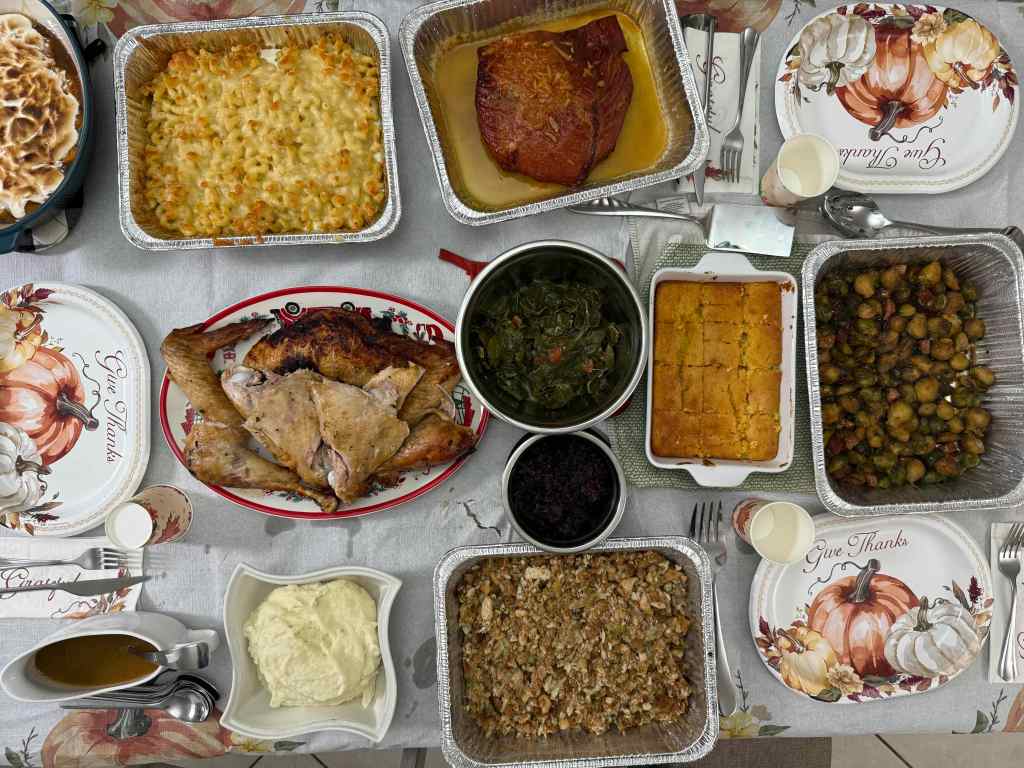
We had quite the spread for our Thanksgiving meal.

It was delicious! We’re very full and our fridge is full of leftovers.

Preparation for all this food was quite an ordeal. I think we made approximately 7,928 trips to grocery stores over the course of the week.

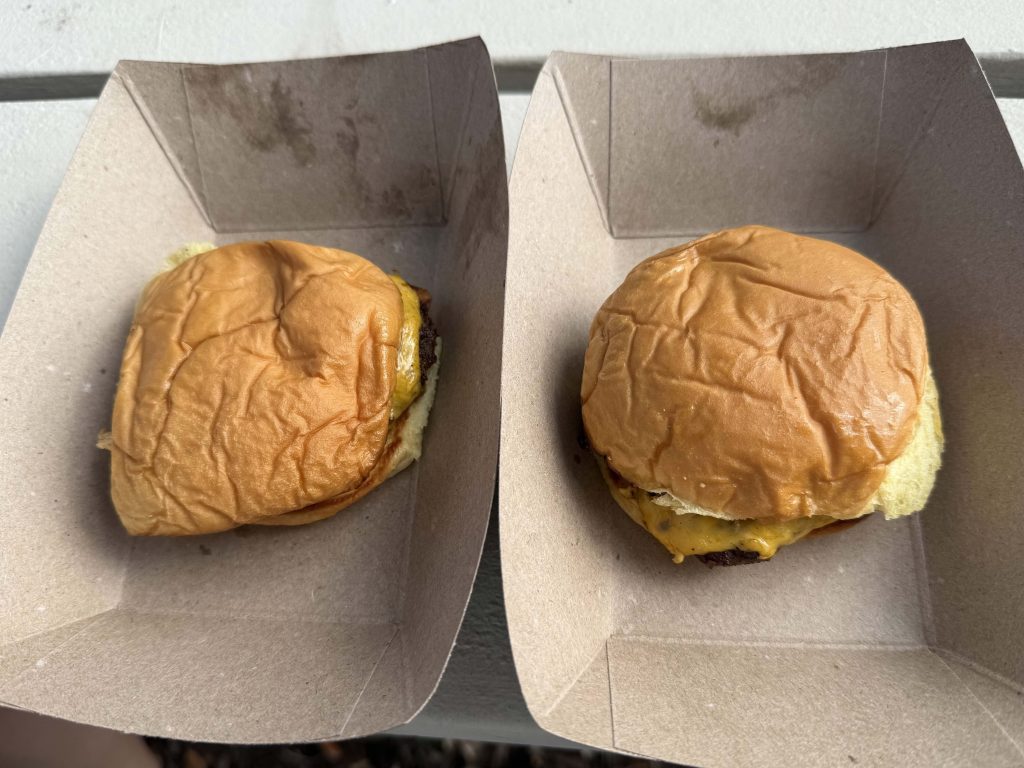
On Sunday, we went to the Farmer’s Market. It honestly seemed pretty dead. I guess most people were tired from other weekend shopping, but we did grab a delicious smashburger.

I’ll be honest with you… we did go out on Black Friday and attempt to do some shopping. We just wanted to find a new kitchen trash can. All of the deals were terrible! It was a total failure. Further reinforcement of my loathing for retail shopping.

I’m rounding up about 2/3 rough completion on my next book — just the first attempt of me throwing words on pages (of which there are currently 250+), and not including all the time it will take me to go back through for edits and revisions. Still, that’s a good chunk of words.

I finished up the latest episode of M3, which is linked at the top of this post and features Craig Spencer and his book, Witchcraft Unchained. Later this month, I’ll have another episode with Jack Chanek, returning to discuss his latest book, Tarot for the Magically Inclined. If you don’t like waiting, it’ll be up on Patreon for supporters in just a couple of days.

Okay, I can’t not talk about Stranger Things. For the past few weeks, Selene and I have prepped for the new release by rewatching Seasons 1 – 4. And sometime within the 48 hours surrounding Thanksgiving, we were able to binge the first few episodes of Season 5. If more episodes were available… we would have watched those, too. Can’t wait to see how everything ends!

And on Sunday, we watched Wicked: For Good. I’m happy to have finally seen the full story, but no musical will ever top Phantom for me.

That’s all for today, my friends. I’ve got a busy day of runarounds and… I might just be picking up our Christmas/Yule tree.

Stay tuned for more soon!

#dailyprompt #dailyprompt2139 #food #meat #strangerThings #thanksgiving #updates #wicked
Fleisch oder nicht?

Wie denkst du über Fleischkonsum? Erst kürzlich habe ich bei #sozusagen über das „Farbe bekennen“ geschrieben. Jetzt ist es soweit: Beim Fleischkonsum kann man sich nicht elegant herauswinden. Und: Ja, ich esse auch Fleisch und Wurst - und das auch mit Genuss. Wenn es nicht einfach dabei bleiben soll, dann müssen wir uns über das Genießen unterhalten- und den Unterschied zur Sättigung elementarer Bedürfnisse. Essen gehört da nun auch einmal zentral dazu. Hunger leiden zu […]

anwaltsblog.wordpress.com/2025

Glowith – Glow Every Day, Grow Every Waymsnanda29@aarya045.com
2025-12-01

“I Am a Pure Vegetarian Woman — And This Is My Truth”

What are your feelings about eating meat? I did not become a pure vegetarian woman out of pressure, obligation, or inherited tradition. My story is simpler, quieter — a story formed in the kitchen of my childhood, in the aromas that shaped my memories, and in the values that eventually shaped my identity. Today, when I call myself a pure vegetarian woman, I am not just talking about what I eat. I am talking about who I am, what I choose, and what I believe in. For many people, food is […]

aarya045.com/2025/12/01/i-am-a

2024-12-02

Trail to Table: Navigating the Ethics and Practicality of Eating Meat as a Hiker

Daily writing prompt What are your feelings about eating meat? View all responses

As someone who has walked thousands of miles across some of America’s most stunning landscapes, I often find myself pondering the relationship between what fuels me and the environment I cherish. Hiking teaches us to respect the natural world, but what does that mean when it comes to the food we pack, especially meat?

In this blog, I’ll explore the complex feelings and decisions surrounding eating meat as a hiker, from the ethical dilemmas to the practical realities. Whether you’re a meat lover, a vegetarian, or just trying to make better choices, let’s unpack the connection between our food, our bodies, and the trails we tread.

Why Meat Matters to Hikers

Meat has long been a staple for hikers because of its dense calorie and protein content, essential for fueling long, grueling days on the trail. Jerky, summer sausage, and freeze-dried meals with meat are ubiquitous in hiking circles for a reason: they’re lightweight, shelf-stable, and nutritionally dense.

Yet, the convenience of meat comes with questions. How sustainable is it? What about the animals behind those meals? And can we balance our need for efficient trail food with our desire to leave no trace—not just in nature, but in the broader ecosystem?

The Ethical Debate: To Meat or Not to Meat?

For many hikers, the ethical considerations of eating meat begin to weigh heavier as they develop a deeper connection to the natural world. Watching a herd of elk graze in Yellowstone or hearing coyotes howl in Death Valley, it’s hard not to wonder about the life cycles of animals and their value beyond human consumption.

Factory Farming vs. Wild Spaces

The industrial farming system, with its high carbon emissions, habitat destruction, and questionable animal welfare practices, feels at odds with the ethos of hiking. Choosing meat from these sources may seem hypocritical when we’re out to appreciate pristine wilderness.

Hunting as an Ethical Option

Some hikers embrace hunting as a more ethical way to consume meat. Harvesting wild game directly connects people to their food sources and can be done sustainably. But hunting isn’t for everyone—it requires skill, licensing, and a particular mindset that not all hikers possess or agree with.

Practicality on the Trail

From a practical standpoint, eating meat can sometimes feel unavoidable on long treks. Meat provides amino acids and fats that are harder to source from plant-based options, especially in a lightweight, packable format.

Trail-Friendly Meat Options

Jerky: High in protein and easy to store, jerky remains a go-to for hikers. However, look for brands that prioritize grass-fed or ethically raised animals.

Canned Meat: While heavier, items like tuna or chicken can be a quick protein boost. Look for brands using sustainable fishing practices.

Freeze-Dried Meals: Many brands now offer ethically sourced meat in their dehydrated meals, though they often come with a higher price tag.

Exploring Plant-Based Alternatives

For hikers who want to avoid meat, plant-based options have come a long way. From dehydrated tofu to lentil-based protein bars, there are countless ways to stay fueled without animal products.

Pros of Going Plant-Based on the Trail

Lightweight Options: Dehydrated beans, lentils, and textured vegetable proteins (TVP) are easy to pack and cook.

Eco-Friendly: Plant-based diets have a lower carbon footprint, aligning with the Leave No Trace principles.

Shelf Stability: Many vegetarian foods last longer without refrigeration.

Cons to Consider

Caloric Density: Plant-based foods are often less calorie-dense than meat, requiring more food to meet energy needs.

Preparation Time: Some plant-based meals, like lentils or quinoa, take longer to cook, which can be challenging in areas with limited water or fire restrictions.

My Personal Journey with Meat

My relationship with eating meat has evolved over the years. Growing up in Alabama, barbecue and fried chicken were staples of life. Yet, spending so much time in nature, I’ve grown more conscious of the environmental and ethical costs of those choices.

When I worked at the Grand Canyon, I started experimenting with reducing my meat intake, driven partly by the camaraderie of vegetarian coworkers and partly by the stunning wildlife I encountered daily. However, as a hiker, I still pack jerky or summer sausage for particularly demanding trips. The balance I’ve found lies in being intentional: I try to source meat responsibly and supplement with plant-based options when possible.

Tips for Ethical Eating on the Trail

1. Plan Ahead

Research brands that prioritize sustainability, like those offering grass-fed or free-range options.

2. Mix It Up

Combine meat-based and plant-based foods to diversify your trail diet and reduce meat consumption overall.

3. Support Local Farmers

When restocking in trail towns, opt for locally sourced meat or fresh produce to support regional ecosystems.

4. Go Dehydrated

Dehydrate your own meat or plant-based proteins at home to control ingredients and reduce waste.

5. Be Mindful of Packaging

Opt for products with minimal or recyclable packaging to minimize trail trash.

The Bigger Picture: Sustainability and Impact

As hikers, we often pride ourselves on being stewards of the land, but our food choices can have ripple effects beyond the trail. Reducing meat consumption, choosing sustainable options, or going plant-based altogether can lessen our environmental impact.

At the same time, there’s no one-size-fits-all solution. Your nutritional needs, hiking style, and personal values will all play a role in shaping your trail diet. The key is to make informed choices that align with your ethics while meeting the demands of the trail.

Final Thoughts

Eating meat as a hiker is a deeply personal decision influenced by ethics, practicality, and the realities of trail life. Whether you’re chomping on jerky at the summit or savoring a plant-based stew under the stars, what matters most is awareness.

By thinking critically about the food we carry, we not only fuel our bodies but also take steps toward a more sustainable future—one that preserves the wild spaces we love to explore.

So, what’s your approach to eating meat on the trail? Let me know in the comments, and let’s keep the conversation going as we strive to balance nutrition, ethics, and adventure.

The Ethical Meat Handbook, Revised and Expanded 2nd Edition

Leigh will teach you how to raise animals, butcher them, and cook and cure their meat. Even better, she explains what it means and why it matters.

Get on Amazon

#dailyprompt #dailyprompt2139 #eatingMeatOnTheTrail #ecoConsciousHikers #ethicalHiking #ethicalMeatConsumption #hikingNutrition #meatAlternativesForHikers #meatAndSustainability #practicalTrailMeals #proteinForHiking #sustainableHikingFood #trailFoodEthics #vegetarianHikers

2024-12-01

Meaty or Veggie?

What are your feelings about eating meat?

I’m indifferent about meat consumption, and that indifference tilts more towards the anti-meat region when it shifts due to health reasons.

Although there’s a lot of sociopolitical issues about meat consumption in recent years in regards to how it is affecting the climate due to greenhouse gases like methane belched by cows, this has not sufficiently informed a pro or anti-meat stance for me because it has only fueled marketing of neo-dietary options.

There are the vegetarian groups spearheading anti-meat campaigns and citing animal cruelty as their moral code for going against meat eating. This creates a dilemma that puts both the vegetarian community and the meat eating community in a bind, and both sides conveniently ignore it.

The argument is that animals have consciousness and perhaps intelligence, and this is true. If they have all the characteristics of living things as taught in the elementary integrated science, then this claim is viable. And since animals are members of the ecosystem, they possess these qualities which are essential for their functioning.

How vegetarians see this consciousness is limited to mammals only. Thinking this way allows some vegetarians to conveniently consume seafoods.

But are fishes, crabs and shrimps without consciousness and intelligence? Certainly not, and this is the meat eater’s defense!

Meat lovers passionately argue that these sea creatures are conscious and intelligent too. They also add that plants are conscious and intelligent living beings as well. This argument allows meat lovers to conveniently carry on with their more obvious permissible carnivorism.

So the question is, should we stop eating every living thing, animals or plants? If yes, are lab grown equivalents therefore pacifying enough for our moral astuteness? In preserving the consciousness and intelligence in other living species, do we return to eating ourselves or other humans?

Most importantly, what is the expected end to the argument for other living species being worthy of equal living dignity as humans? “

Perhaps having an answer to this question can be the thing that gets to determine the direction in which my opinion tips.

Now, if we step out of the fantastic idealism around other species being conscious and intelligent, and step into real life, we may be able to address more immediate realities.

Meat lovers, Vegetarians, Water drinkers (and water is a conscious and intelligent being too!), air breathers…have you ever hit a deer or had a deer scare on your commute before?

I have. The damage was colossal. My insurance company increased my monthly premium to more than double of what I was paying before that incidence. Most people who have had this experience have reported it negatively.

Because of how much deers are costing insurance companies and individuals, the government decided that deers can be hunted for sport to reduce their damage to lives and vehicles.

But are deers not considered conscious and intelligent too? Don’t bother with answering this one. It is obvious at this point that deers (lions, bears, sharks, etc) are not intelligent enough to avoid causing harm to humans.

All I’m saying is that ecosystem regulation is necessary. Imagine a world overgrown with living plants of all sorts? Unimaginable, right? Because that’s a whole forest right there.

Now, imagine a world full of all sorts of animals reproducing endlessly? Nightmare, yeah? Nightmare!

Finally, imagine waters overflowing with crabs, oysters, fishes of all sorts washing ashore…no beach, literally, no!

Before trying to convince me for or against any of the sociopolitical dietary divides, you must first of all explain to me what humanity aims to accomplish by putting up the argument for the consciousness of living species as the reason why they shouldn’t be eaten by humans.

#dailyprompt #dailyprompt2139

2023-12-04

What are your feelings about eating meat?

Daily writing prompt

I’m trying to answer this one on my phone while sitting in a hotel room in Vermont. I’m not sure how the tags should go, but I’ll figure it out.

I have no issues with eating meat. None at all. I eat chicken all the time. I used to eat beef all the time but since having gastric bypass surgery it’s a bit of a challenge chewing up little bite sized morsels enough that they don’t cause problems for me when swallowed. It hasn’t stopped me from eating beef, but it does take me a long time to get through small portions.

Pork is okay but we don’t have it often. Turkey is amazing but prepping it is a ton of work so we don’t have that often either. I’ve dabbled in duck before and liked it, and I’ve really enjoyed bison in the past, though I don’t think I’ve had it since surgery (have I?). I’ve never tried venison but that might be because we have deer in the woods behind our house and I want to be friends with them.

I’m not opposed to vegetarianism at all, in fact I sort of have a curiosity about it. I wouldn’t be fully on board, chicken and steak and turkey are way too delicious to swear off, but I’ve thought about declaring one or two days a week as veggie days.

So meat is good, but no-meat is pretty good too. As long as you are getting the nutrition you need, go with whatever floats your boat.

https://robertjames1971.blog/2023/12/04/meat/

#dailyprompt #dailyprompt2139

Client Info

Server: https://mastodon.social
Version: 2025.07
Repository: https://github.com/cyevgeniy/lmst