#ChipTech

Tom's Hardware Italiatomshw
2026-01-30

💻 Nonostante la produzione di chip proprietari, Microsoft non smette di fare shopping da NVIDIA! 🔌🌐

🔗 tomshw.it/business/microsoft-c

Tom's Hardware Italiatomshw
2025-11-07

🔬 "Produrre chip non è un gioco da ragazzi", rilancia NVIDIA al piano di Musk. Un viaggio nella complessità della tecnologia... 🚀

🔗 tomshw.it/hardware/nvidia-cost

FloriseraFlorisera
2025-08-03

From bulky BJTs to sleek nMOS tech: silicon wafers get carefully selected, isolated with LOCOS, and doped via ion implantation. Polysilicon gates guide source/drain formation, while aluminum wiring connects it all. Final touches like sintering & passivation boost performance and durability. Tiny steps, huge impact! ⚙️💡
florisera.com/basic-nmos-techn

FloriseraFlorisera
2025-07-31

From 1μm to 0.1μm tech, CMOS scaling hit big limits: voltage stayed constant first, causing high electric fields and reliability issues. Later, voltage scaled down too, keeping fields steady. New tricks like salicides & rapid thermal annealing helped boost performance and cut leakage. Copper replaced aluminum for faster interconnects! ⚡🔬
florisera.com/scaling-of-cmos-

BLE VoiceJim8888
2025-07-11

🎙️ Cracked: Bluetooth Audio Chip's Buzzing Mystery!

Tech buffs on Mastodon, here's an update. A Hungarian client faced a "buzz" while playing KT1025A BT201 - recorded audio on PC.

After replicating the setup and testing, we found the root cause: power supply. 4 AA batteries (6V) over - volted the chip, creating the noise. 3 AA batteries (4.5V) fixed it.

Ever dealt with similar chip noise issues? Share your thoughts!

linkedin.com/pulse/kt1025a-bt2

🎙️ Cracked: Bluetooth Audio Chip's Buzzing Mystery!
Tech buffs on Mastodon, here's an update. A Hungarian client faced a "buzz" while playing KT1025A BT201 - recorded audio on PC.
After replicating the setup and testing, we found the root cause: power supply. 4 AA batteries (6V) over - volted the chip, creating the noise. 3 AA batteries (4.5V) fixed it.
Our KT1025A has a wide - tolerance LDO, and the KT1025 BT201 Module has a good sales record in China.
Ever dealt with similar chip noise issues? Share your thoughts!
#BluetoothAudioChip #KT1025A #Debugging #ChipTech🎙️ Solved: Bluetooth Audio Chip Recording Noise Mystery!
Hey Mastodon techies! We recently had a head - scratcher. A Hungarian customer reported a "buzzing/humming noise" when playing back audio recorded with our KT1025A BT201 test board on a PC.
We dived right in. First, we replicated the test setup: PC connected to the module via serial port for commands, SD card for audio storage, and USB for power. The result? The buzzing sound persisted even after trying different power modes.
But then, together with the customer, we discovered the culprit - power supply. Using 4 AA batteries (6V) exceeded the chip's power range, causing the noise. Switching to 3 AA batteries (4.5V) made the noise disappear.
Our KT1025A chip has a built - in LDO with a wide voltage tolerance. And our KT1025 BT201 Module has a solid track record in the Chinese market, with tens of thousands of units shipped.
This is a great example of how we handle customer issues and ensure product quality. What are your experiences with chip - related noise problems? Let's chat!
#BluetoothAudioChip #KT1025A #Debugging #ChipTechDesign Principles Related to the Chip's Power Supply Voltage
1. The chip includes a built - in LDO that outputs 3.3V via PIN12, enabling it to power peripheral circuits, though this is not typically recommended.
2. Thanks to the built - in LDO, the chip supports a wide power supply voltage range, from as high as 5V (or even 5.2V) down to 3.2V, and can operate at a minimum of 2.9V in extreme cases.
3. Allowing up to 5V ensures redundancy and stability for the chip's internal 3.3V LDO supply while accommodating compatibility with peripheral circuits that may share the same power source.
Question 20 in the document "BT201_Frequently Asked Questions_FAQ_V3_Updated to 43" in the technical resources package for the 【KT1025A Bluetooth Chip】 also provides details about the chip's power supply specifications. A screenshot is included below.
By the way, our KT1025 BT201 Module has been sold in the domestic market of China for several years, with tens of thousands of shipments. I say this to tell you that you don't need to worry about its quality and reliability.
#BluetoothAudioChip #RecordingNoise #KT1025A #DebuggingRecord🚀 Solved the Recording Noise Issue of Bluetooth Audio Chip!
Recently, we had a case where a Hungarian customer reported a buzzing noise when playing back recorded audio from our KT1025A BT201 test board on a PC. Through collaborative debugging, we found that the root cause was an over - voltage issue. Using 4 AA batteries (6V) exceeded the chip's power supply range, while 3 AA batteries (4.5V) worked fine.
Our KT1025A chip has a built - in LDO with a wide voltage tolerance. And our KT1025 BT201 Module has a proven track record in the Chinese market with tens of thousands of shipments.
This experience shows our commitment to quality and after - sales support. Let's discuss more about chip debugging and optimization in the comments! #BluetoothAudioChip #KT1025A #Debugging #ChipTechnology
BLE VoiceJim8888
2025-07-11

🎙️ Cracked: Bluetooth Audio Chip's Buzzing Mystery!

Tech buffs on Mastodon, here's an update. A Hungarian client faced a "buzz" while playing KT1025A BT201 - recorded audio on PC.

After replicating the setup and testing, we found the root cause: power supply. 4 AA batteries (6V) over - volted the chip, creating the noise. 3 AA batteries (4.5V) fixed it.

Ever dealt with similar chip noise issues? Share your thoughts!

linkedin.com/pulse/kt1025a-bt2

Design Principles Related to the Chip's Power Supply Voltage
The chip includes a built - in LDO that outputs 3.3V via PIN12, enabling it to power peripheral circuits, though this is not typically recommended.
Thanks to the built - in LDO, the chip supports a wide power supply voltage range, from as high as 5V (or even 5.2V) down to 3.2V, and can operate at a minimum of 2.9V in extreme cases.
Allowing up to 5V ensures redundancy and stability for the chip's internal 3.3V LDO supply while accommodating compatibility with peripheral circuits that may share the same power source.
Question 20 in the document "BT201_Frequently Asked Questions_FAQ_V3_Updated to 43" in the technical resources package for the 【KT1025A Bluetooth Chip】 also provides details about the chip's power supply specifications. A screenshot is included below.
By the way, our KT1025 BT201 Module has been sold in the domestic market of China for several years, with tens of thousands of shipments. I say this to tell you that you don't need to worry about its quality and reliability.
#BluetoothAudioChip #RecordingNoise #KT1025A #DebuggingRecord🚀 Solved the Recording Noise Issue of Bluetooth Audio Chip!
Recently, we had a case where a Hungarian customer reported a buzzing noise when playing back recorded audio from our KT1025A BT201 test board on a PC. Through collaborative debugging, we found that the root cause was an over - voltage issue. Using 4 AA batteries (6V) exceeded the chip's power supply range, while 3 AA batteries (4.5V) worked fine.
Our KT1025A chip has a built - in LDO with a wide voltage tolerance. And our KT1025 BT201 Module has a proven track record in the Chinese market with tens of thousands of shipments.
This experience shows our commitment to quality and after - sales support. Let's discuss more about chip debugging and optimization in the comments! #BluetoothAudioChip #KT1025A #Debugging #ChipTechnology🎙️ Solved: Bluetooth Audio Chip Recording Noise Mystery!
Hey Mastodon techies! We recently had a head - scratcher. A Hungarian customer reported a "buzzing/humming noise" when playing back audio recorded with our KT1025A BT201 test board on a PC.
We dived right in. First, we replicated the test setup: PC connected to the module via serial port for commands, SD card for audio storage, and USB for power. The result? The buzzing sound persisted even after trying different power modes.
But then, together with the customer, we discovered the culprit - power supply. Using 4 AA batteries (6V) exceeded the chip's power range, causing the noise. Switching to 3 AA batteries (4.5V) made the noise disappear.
Our KT1025A chip has a built - in LDO with a wide voltage tolerance. And our KT1025 BT201 Module has a solid track record in the Chinese market, with tens of thousands of units shipped.
This is a great example of how we handle customer issues and ensure product quality. What are your experiences with chip - related noise problems? Let's chat!
#BluetoothAudioChip #KT1025A #Debugging #ChipTech🎙️ Cracked: Bluetooth Audio Chip's Buzzing Mystery!
Tech buffs on Mastodon, here's an update. A Hungarian client faced a "buzz" while playing KT1025A BT201 - recorded audio on PC.
After replicating the setup and testing, we found the root cause: power supply. 4 AA batteries (6V) over - volted the chip, creating the noise. 3 AA batteries (4.5V) fixed it.
Our KT1025A has a wide - tolerance LDO, and the KT1025 BT201 Module has a good sales record in China.
Ever dealt with similar chip noise issues? Share your thoughts!
#BluetoothAudioChip #KT1025A #Debugging #ChipTech
PUPUWEB Blogpupuweb
2025-01-08

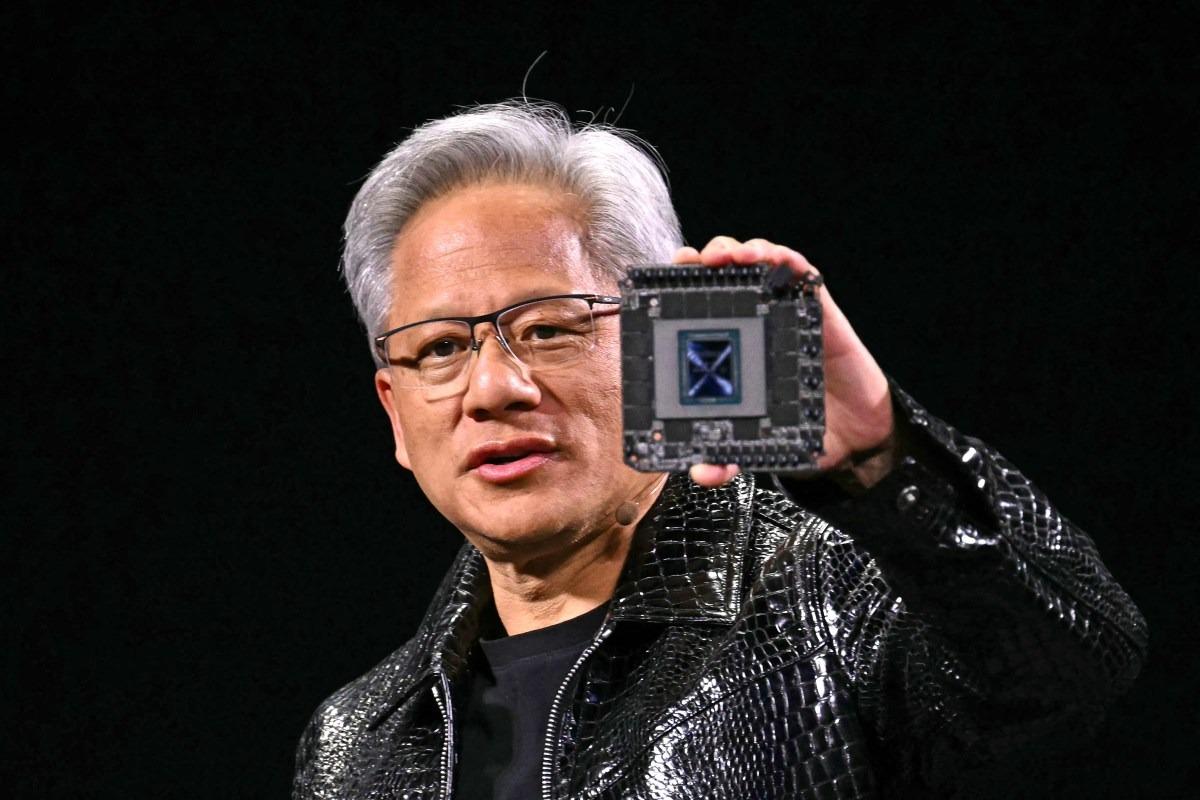
🚨 Nvidia CEO Jensen Huang announces MediaTek will sell the CPU chip unveiled for Project DIGITS, Nvidia's first desktop computer. 💻🚀 Big moves in the tech world!

PUPUWEB Blogpupuweb
2025-01-08

🚨 claims 's AI chips are advancing faster than ! 💥 Today's chips are 1,000x more powerful than 10 years ago. 🔥 The future of AI is here! 🤖

Norobiik @Norobiik@noc.socialNorobiik@noc.social
2023-03-25

Gordon Moore, one of Intel’s co-founders and a Silicon Valley titan, died today at 94 years old, according to a press release from the company. He was part of the “traitorous eight” who founded Fairchild #Semiconductor, which became an incubator for many other #SiliconValley companies — including #AMD

#GordonMoore, #Intel co-founder and creator of Moore’s Law, has died | #ChipTech | The Verge
theverge.com/2023/3/24/2365584

Gordon Moore with glasses, laughing. A long slender microphone is attached behind his right ear

Client Info

Server: https://mastodon.social
Version: 2025.07
Repository: https://github.com/cyevgeniy/lmst