
Salt Mines of Maras
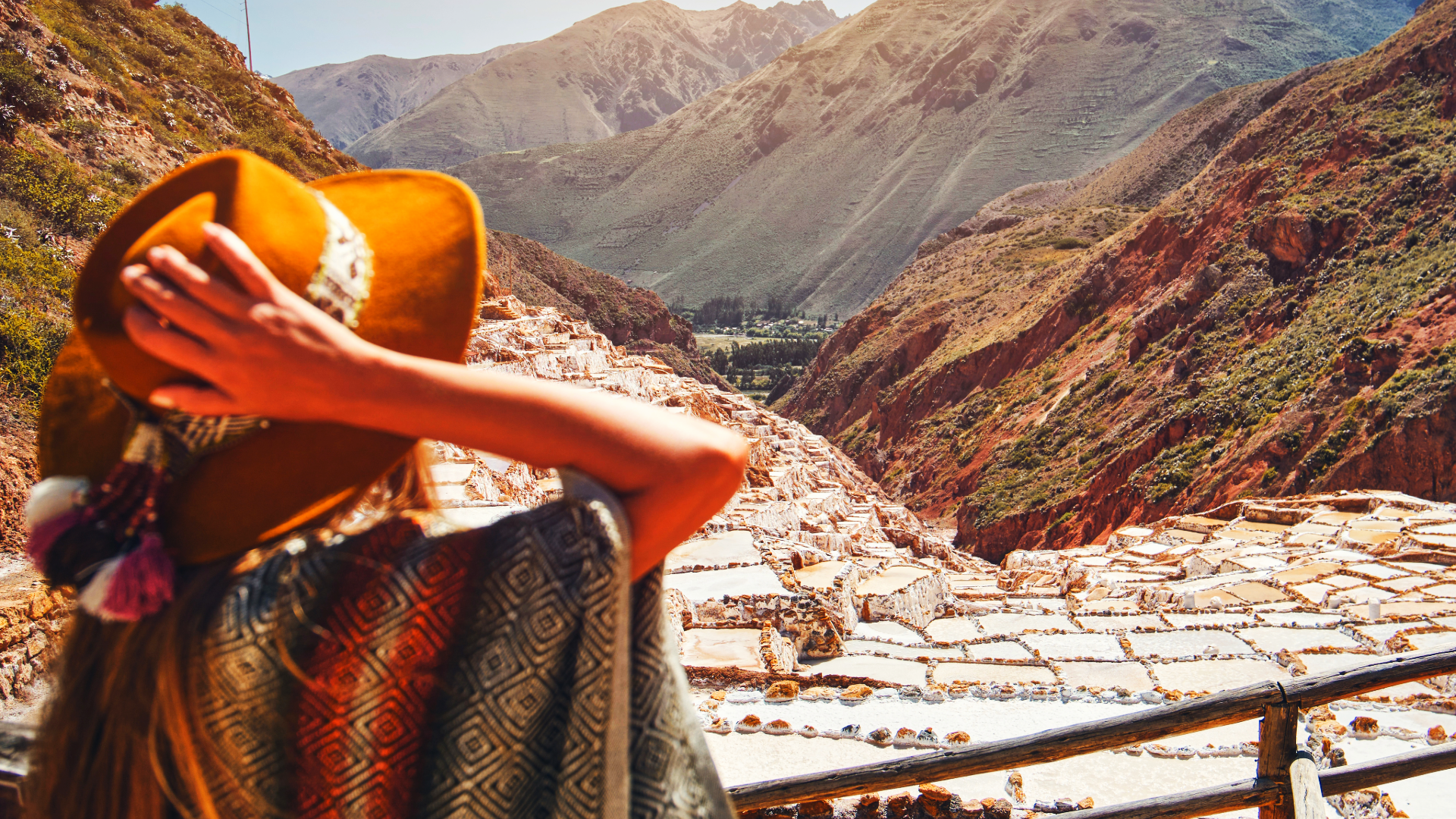
It’s incredible how something as simple as salt can become a masterpiece of nature and tradition. The Salt Mines of Maras shimmer under the Andean sun it’s both surreal and grounding.
Source:https://orangenationperu.com/sacred-valley-tour-to-machu-picchu/
#MarasSaltMines #IncaTradition #CulturalPeru
#IncaTradition

Looking for a trek that combines nature and culture? The Lares Trek offers remote villages, natural beauty, and hot springs plus a stunning finale at Machu Picchu.
Source:https://perutopexperience.com/tours/4-day-lares-trek-to-machu-picchu/
#PeruTrekking #LaresToMachuPicchu #AndeanLife #TrekWithPurpose #IncaTradition


Hidden in the Sacred Valley, the Salineras de Maras are over 3,000 salt pools carved into the mountainside. Still harvested by local families using Inca techniques, these dazzling white terraces are a stunning fusion of nature, history, and tradition. A perfect stop for any cultural traveler in Peru.
Source:https://orangenationperu.com/
#Maras #SalinerasDeMaras #PeruTravel #SacredValley #IncaTradition #SaltMines #CulturalHeritage #VisitPeru #AndeanLandscapes #PeruMagic
In the highlands of Peru, the women of Chinchero keep ancient textile traditions alive. Using natural dyes and backstrap looms, they weave stories into every thread symbols of the earth, the cosmos, and their Inca heritage.
Source:https://orangenationperu.com/
#Chinchero #PeruvianTextiles #AndeanWeaving #CulturalHeritage #VisitPeru #IncaTradition #SacredValley #EthicalTravel #HandmadeInPeru #WeavingStories

Q’eswachaka: The Last Inca Rope Bridge
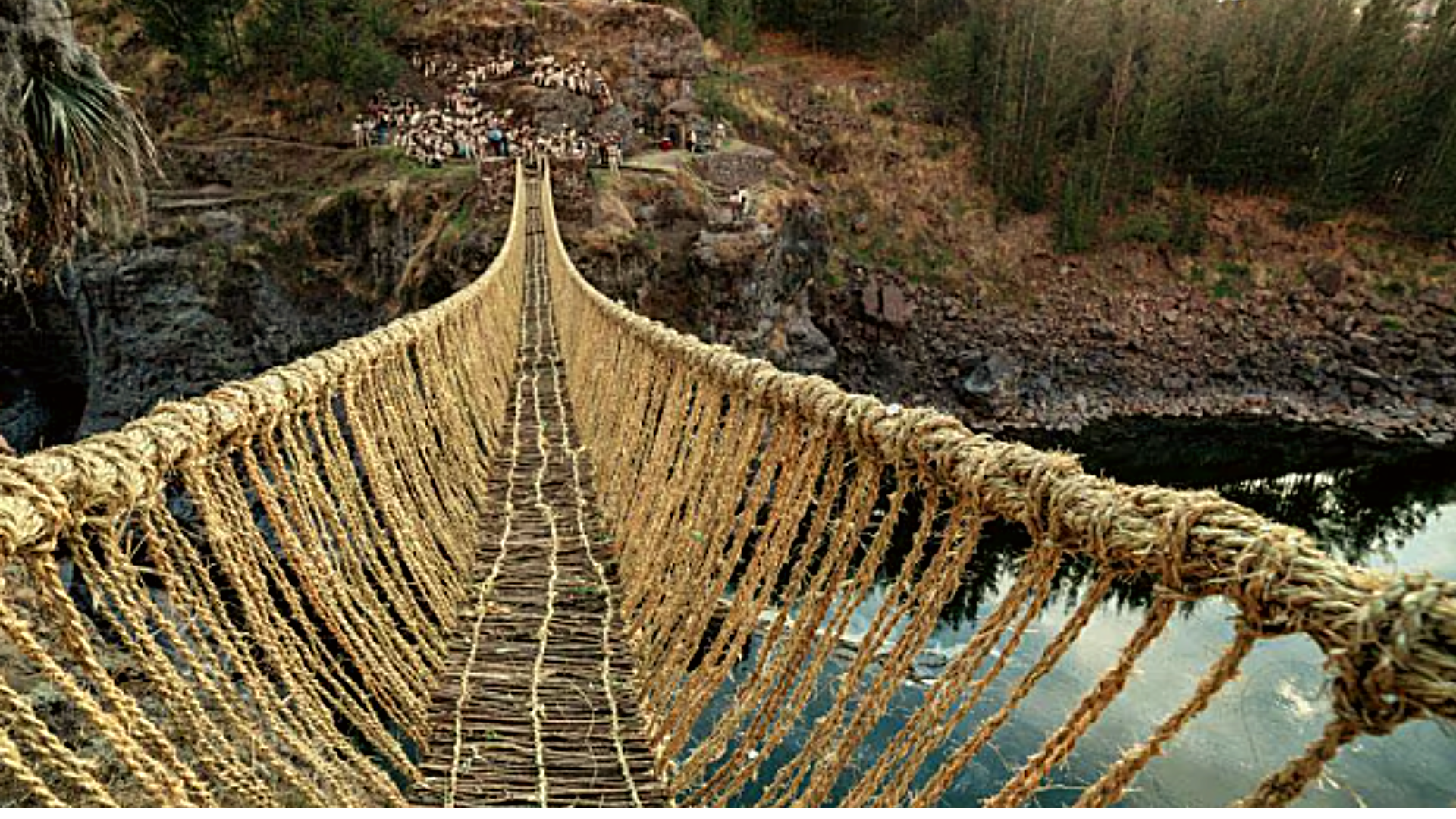
Woven entirely by hand using traditional techniques, the Q’eswachaka Bridge spans the Apurímac River as a living piece of Inca engineering. Rebuilt each year by local communities, it connects not just landbut generations of cultural heritage. A true testament to resilience and identity.
Source:https://xplormachupicchu.com/
#Qeswachaka #IncaTradition #Cusco #CulturalHeritage #PeruTravel

Every year, four Quechua communities come together to weave and renew the Q’eswachaka, the last Inca rope bridge still in use.
Made entirely of ichu grass and suspended over the Apurímac River, this bridge is more than architecture—it’s a living tradition, a sacred ritual of unity, identity, and respect for Pachamama.
Crossing Q’eswachaka is stepping into the heart of the Andes.
Source:https://healingtreecostarica.com/en
#Qeswachaka #IncaTradition #LivingCulture #AndeanHeritage #CuscoPeru #AncestralWisdom
Q’eswachaka: A Bridge Between Worlds
Hidden in the Andes of southern Peru, Q’eswachaka is the last Inca rope bridge still standing — and still rebuilt each year by hand. Made from braided ichu grass and stretching across the Apurímac River, this bridge is more than a crossing; it’s a living tradition carried out by local communities in a four-day ritual.
Source:https://machupicchulatinamerica.com/
#Qeswachaka #IncaTradition #LivingCulture #CuscoPeru #IncaBridge #PeruTravel

Client Info
Server: https://mastodon.social
Version: 2025.07
Repository: https://github.com/cyevgeniy/lmst