#Tlingit, south of Frederick Sound, who live in the northernmost reaches of the Western Red cedar forest.
#Tlingit
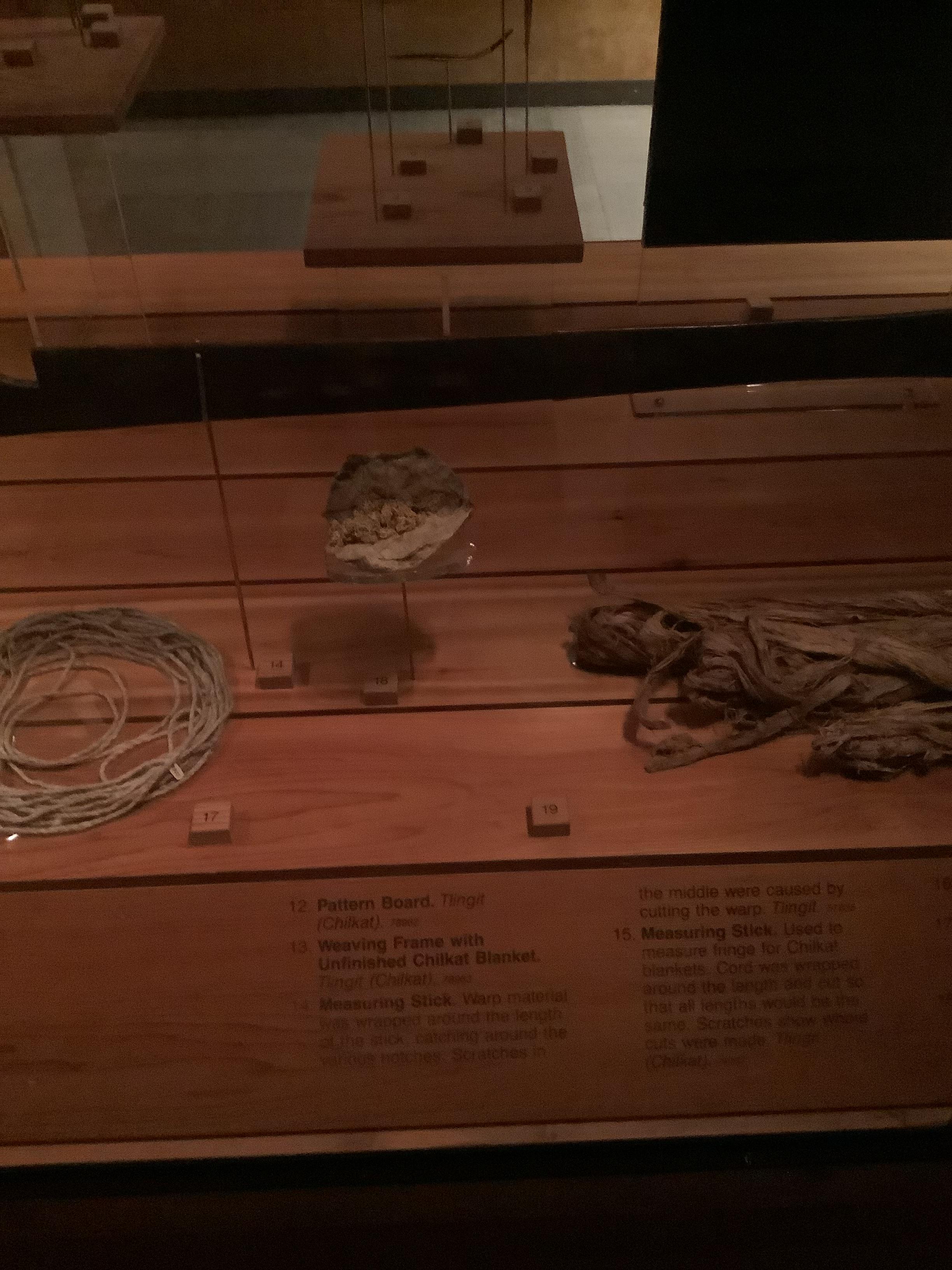

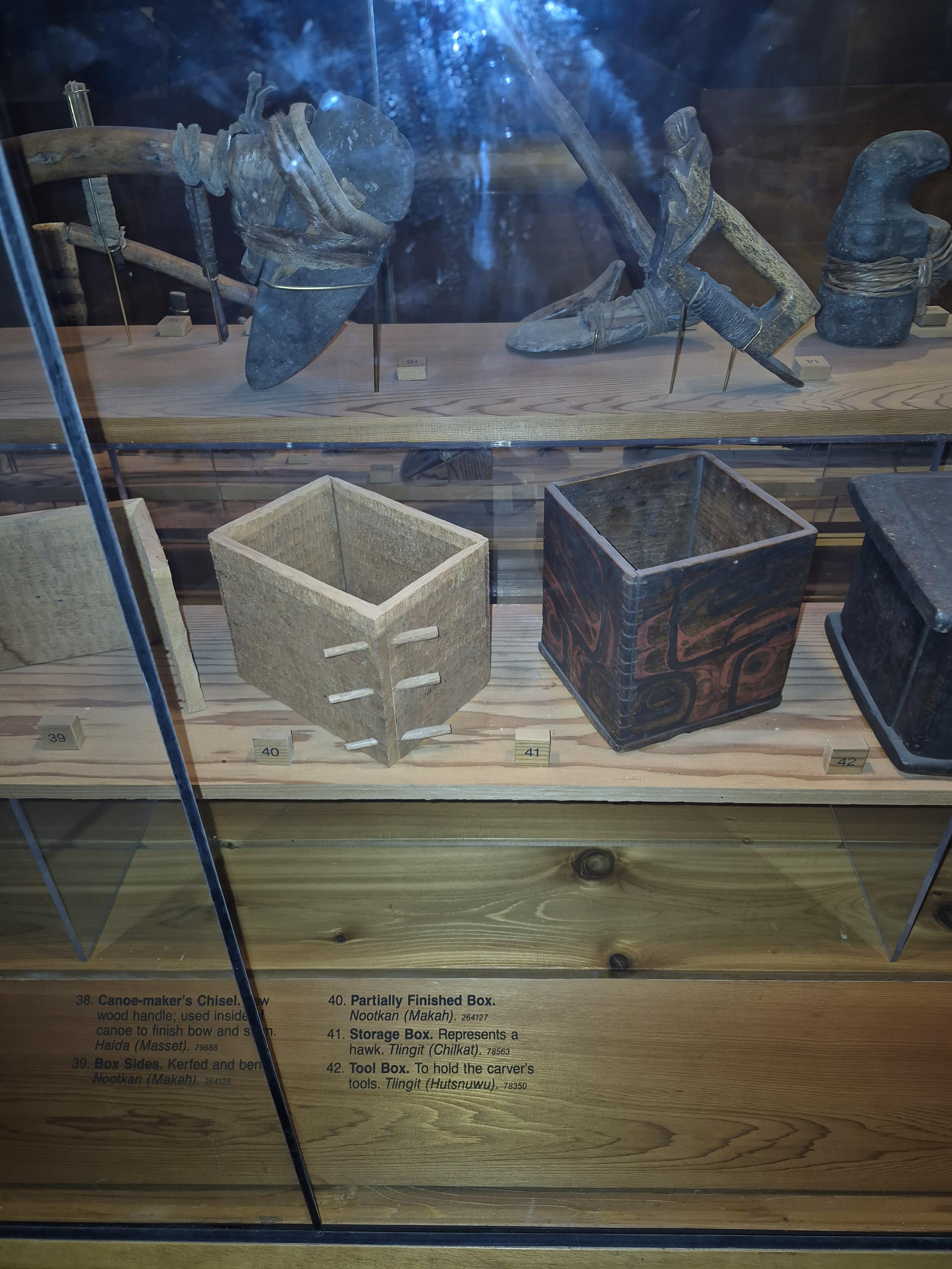
Partially Finished Box. #Nootkan (Makah) 264127
41. Storage Box. Represents a hawk. #Tlingit (Chilkat) 95
42. Tool Box. To hold the carver's tools. Tlingit (Hutsnuwu)

Ice Fall released in 2025
An inidgenous aunt labels "half the Rez" as bellyaches, always complaining surely reinforcing negative stereotypes.
#movie #inidigenous #blackfoot #inidgenouswomen #indigenousactors #blackactors #koyukon #tlingit #wichita #kiowa #JaymesButler #GrahamGreene #MartinSensmeier #DeVaughnNixon #CaraJadeMyers #JoyceGreyCarter #blackmastodon
#Tlingit people today belong to several federally recognized Alaska Native tribes including the Angoon Community Association, Central Council of the Tlingit & Haida Indian Tribes,[7] Chilkat Indian Village, Chilkoot Indian
![#Tlingit people today belong to several federally recognized Alaska Native tribes including the Angoon Community Association, Central Council of the Tlingit & Haida Indian Tribes,[7] Chilkat Indian Village, Chilkoot Indian](https://files.mastodon.social/media_attachments/files/115/378/565/903/582/351/original/5d74fc2465378746.jpg)
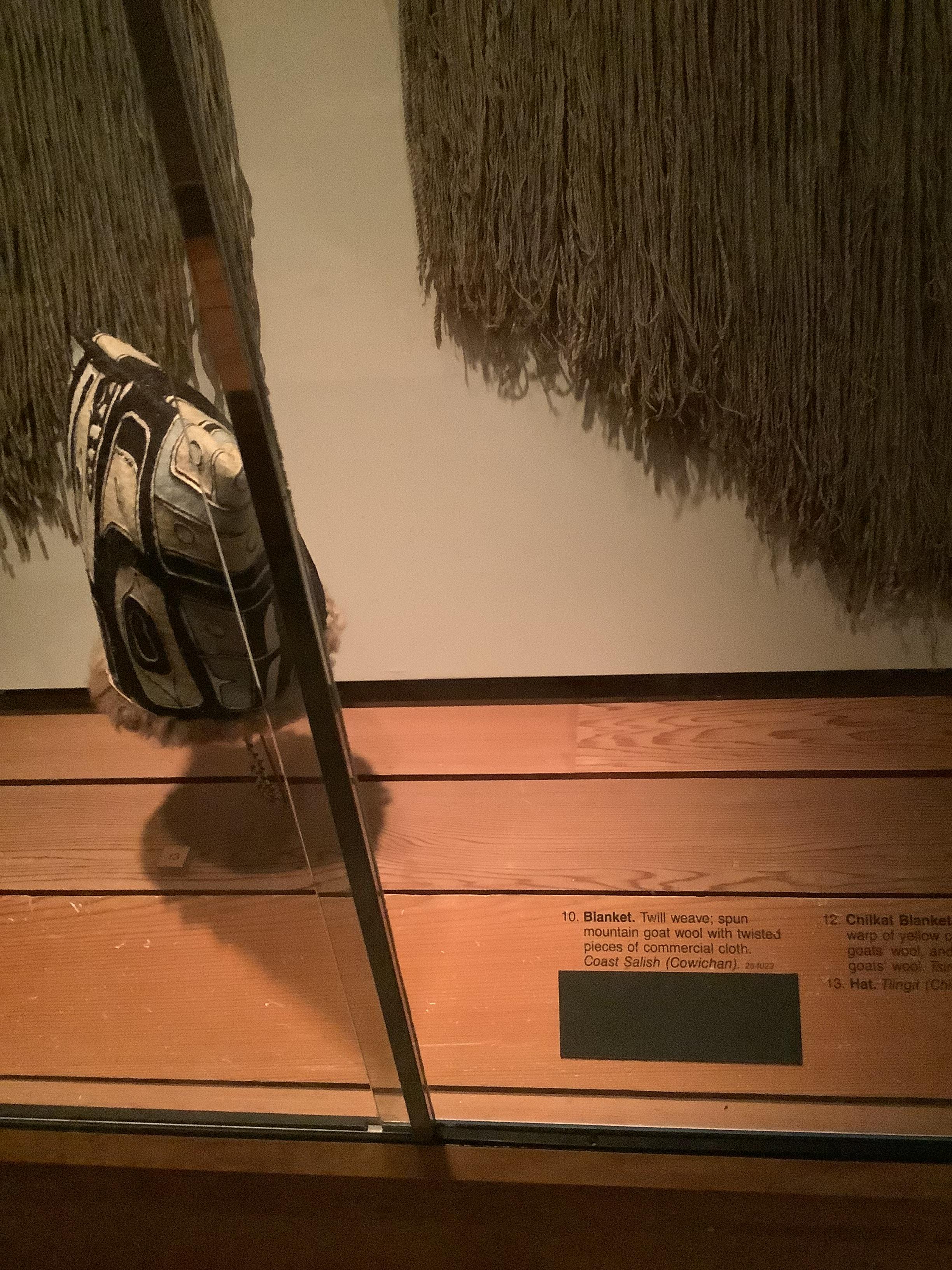
blanket twill weave spun mountain wool with twisted pieces of commercial cloth coast #salish #cowichan #tlingit
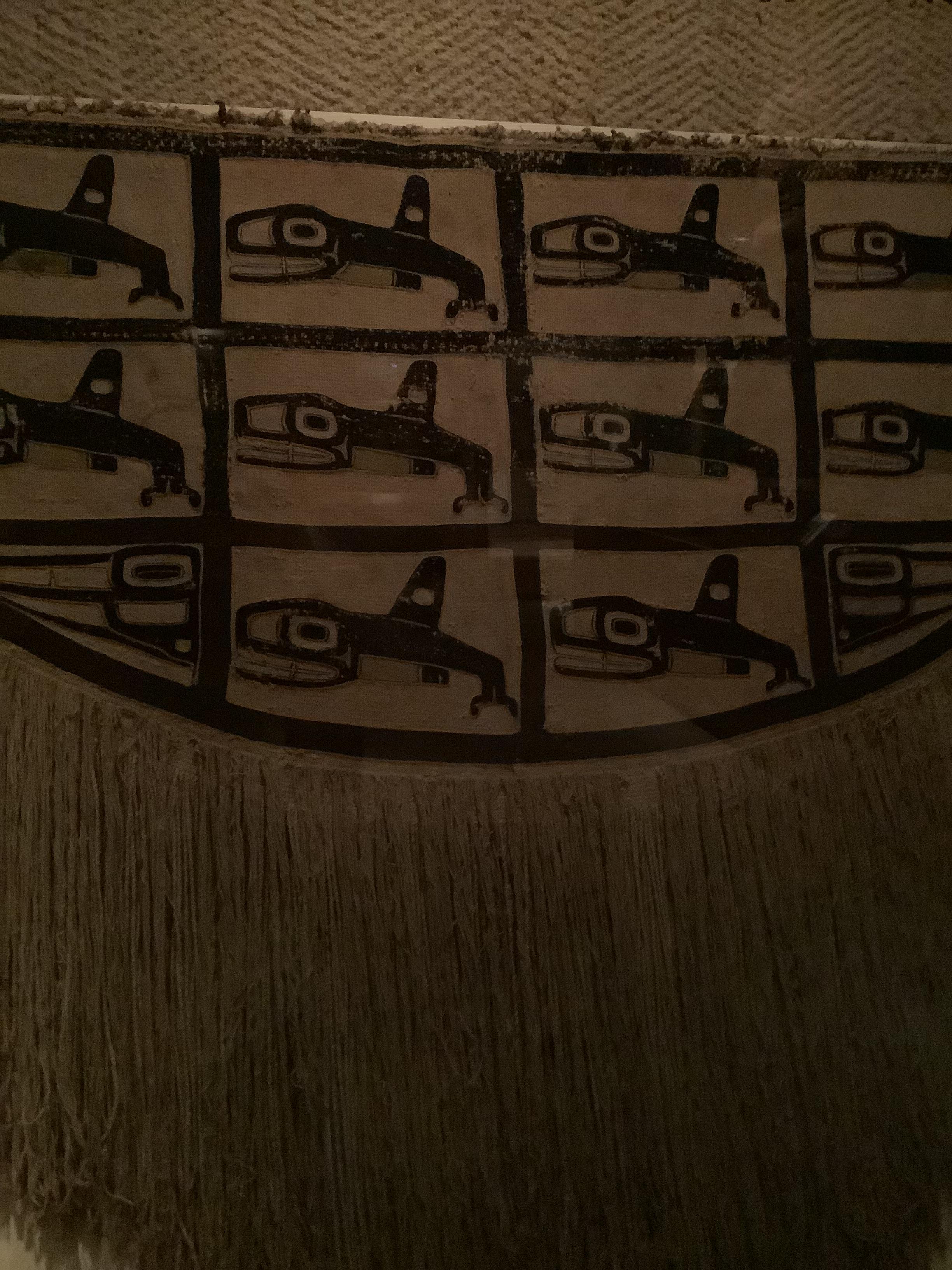
blanket twill weave spun mountain wool with twisted pieces of commercial cloth coast #salish #cowichan #tlingit
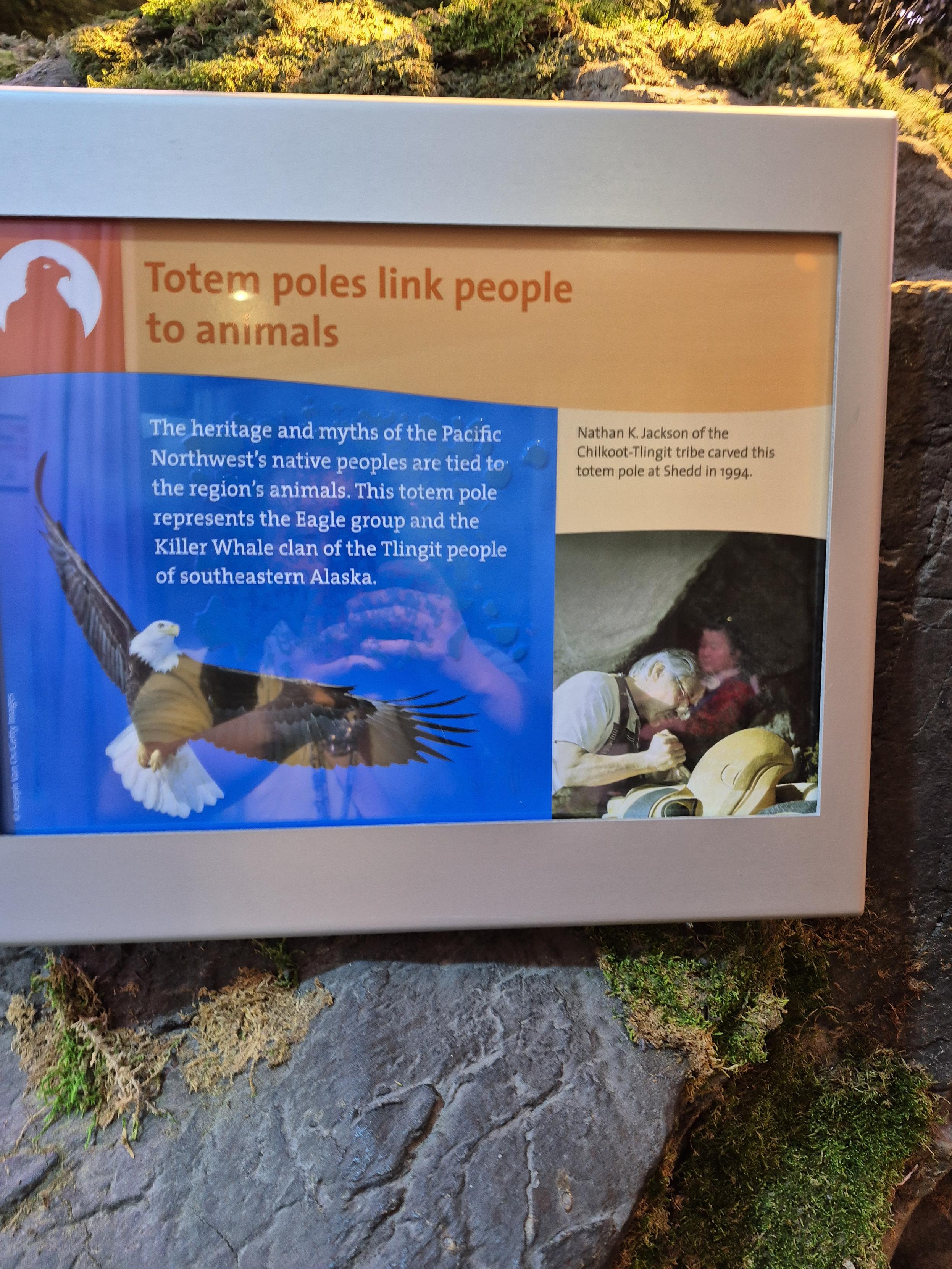
The heritage and myths of the Pacific Northwest's native peoples are tied to the region's animals. This totem pole represents the Eagle group and the #KillerWhale clan of the #Tlingit people of southeastern Alaska.
#Tlingit or Lingít (/ˈtlɪŋkɪt, ˈklɪŋkɪt/ ⓘ TLING-kit, KLING-kit) are Indigenous peoples of the Pacific Northwest Coast of North America. As of 2022,[4] they constitute two of the 231 federally recognized Tribes of Alaska.[5] Most Tlingit are Alaska Natives; however, some are First Nations
![#Tlingit or Lingít (/ˈtlɪŋkɪt, ˈklɪŋkɪt/ ⓘ TLING-kit, KLING-kit) are Indigenous peoples of the Pacific Northwest Coast of North America. As of 2022,[4] they constitute two of the 231 federally recognized Tribes of Alaska.[5] Most Tlingit are Alaska Natives; however, some are First Nations](https://files.mastodon.social/media_attachments/files/115/271/660/998/902/564/original/5bb7ddb0bc3e8f20.jpg)
#Tlingit or Lingít (/ˈtlɪŋkɪt, ˈklɪŋkɪt/ ⓘ TLING-kit, KLING-kit) are Indigenous peoples of the Pacific Northwest Coast of North America. As of 2022,[4] they constitute two of the 231 federally recognized Tribes of Alaska.[5] Most Tlingit are
#Tlingit or Lingít (/ˈtlɪŋkɪt, ˈklɪŋkɪt/ ⓘ TLING-kit, KLING-kit) are Indigenous peoples of the Pacific Northwest Coast of North America. As of 2022,[4] they constitute two of the 231 federally
![#Tlingit or Lingít (/ˈtlɪŋkɪt, ˈklɪŋkɪt/ ⓘ TLING-kit, KLING-kit) are Indigenous peoples of the Pacific Northwest Coast of North America. As of 2022,[4] they constitute two of the 231 federally](https://files.mastodon.social/media_attachments/files/115/089/657/001/544/357/original/b33d03b1877b4e1e.jpg)
#Tlingit (pronounced CLINK-it) are Indigenous peoples of the Pacific Northwest Coast, with communities in Southeast
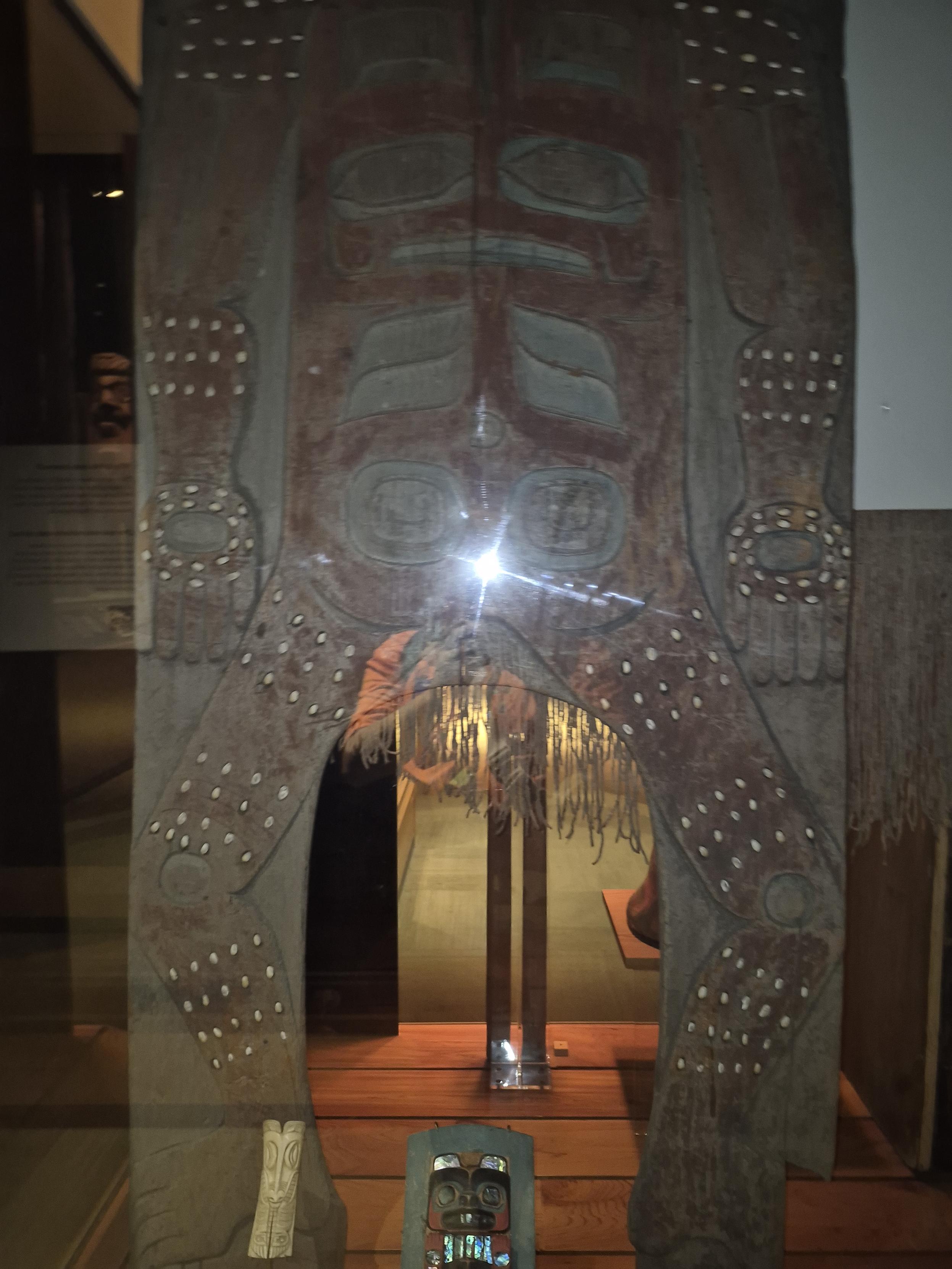
stylized form. Stylization was most evident in the painted and low relief carving of the northam artists-the #Haida, #Tlingit and #Tsimshian
The anatomy of a bird or animal

#Tlingit or Lingít (/ˈtlɪŋkɪt, ˈklɪŋkɪt/ ⓘ TLING-kit, KLING-kit) are Indigenous peoples of the Pacific Northwest Coast of North America. As of 2022,[4] they constitute two of the 231 federally recognized Tribes of Alaska.[5] Most Tlingit are
![#Tlingit or Lingít (/ˈtlɪŋkɪt, ˈklɪŋkɪt/ ⓘ TLING-kit, KLING-kit) are Indigenous peoples of the Pacific Northwest Coast of North America. As of 2022,[4] they constitute two of the 231 federally recognized Tribes of Alaska.[5] Most Tlingit are](https://files.mastodon.social/media_attachments/files/115/067/262/940/517/281/original/21545122ca6e3705.jpg)
#Tlingit or Lingít (/ˈtlɪŋkɪt, ˈklɪŋkɪt/ ⓘ TLING-kit, KLING-kit) are Indigenous peoples of the Pacific Northwest Coast of North America. As of 2022,[4] they constitute two of
![#Tlingit or Lingít (/ˈtlɪŋkɪt, ˈklɪŋkɪt/ ⓘ TLING-kit, KLING-kit) are Indigenous peoples of the Pacific Northwest Coast of North America. As of 2022,[4] they constitute two of](https://files.mastodon.social/media_attachments/files/115/040/645/314/944/824/original/f82afb03740708d0.jpg)
The #Tlingit or Lingít (/ˈtlɪŋkɪt,ˈklɪŋkɪt/ ⓘ TLING-kit, KLING-kit) are Indigenous peoples of the Pacific Northwest Coast of North America. As of 2022,[4] they constitute two of
![The #Tlingit or Lingít (/ˈtlɪŋkɪt,ˈklɪŋkɪt/ ⓘ TLING-kit, KLING-kit) are Indigenous peoples of the Pacific Northwest Coast of North America. As of 2022,[4] they constitute two of](https://files.mastodon.social/media_attachments/files/115/039/802/778/192/604/original/4517579e3d749a95.jpeg)
#Tlingit or Lingít (/ˈtlɪŋkɪt,ˈklɪŋkɪt/ ⓘ TLING-kit, KLING-kit) are Indigenous peoples of the Pacific Northwest Coast of North America. As of 2022,[4] they constitute two o
![#Tlingit or Lingít (/ˈtlɪŋkɪt,ˈklɪŋkɪt/ ⓘ TLING-kit, KLING-kit) are Indigenous peoples of the Pacific Northwest Coast of North America. As of 2022,[4] they constitute two o](https://files.mastodon.social/media_attachments/files/115/038/735/017/453/572/original/7eba1c5f01ff965a.jpeg)
#Tlingit or Lingít (/ˈtlɪŋkɪt,ˈklɪŋkɪt/ ⓘ TLING-kit, KLING-kit) are Indigenous peoples of the Pacific Northwest Coast of North America. As of 2022,[4] they constitute two o
![#Tlingit or Lingít (/ˈtlɪŋkɪt,ˈklɪŋkɪt/ ⓘ TLING-kit, KLING-kit) are Indigenous peoples of the Pacific Northwest Coast of North America. As of 2022,[4] they constitute two o](https://files.mastodon.social/media_attachments/files/115/038/697/160/063/980/original/62c08437c6dc97aa.jpeg)
#Tlingit or Lingít (/ˈtlɪŋkɪt, ˈklɪŋkɪt/ ⓘ TLING-kit, KLING-kit) are Indigenous peoples of the Pacific Northwest Coast of North America. As of 2022,[4] they constitute two of the 231 federally
![#Tlingit or Lingít (/ˈtlɪŋkɪt, ˈklɪŋkɪt/ ⓘ TLING-kit, KLING-kit) are Indigenous peoples of the Pacific Northwest Coast of North America. As of 2022,[4] they constitute two of the 231 federally](https://files.mastodon.social/media_attachments/files/114/996/814/856/499/980/original/f77d693a935dede8.jpg)
The object in the image is a Northwest Coast fish club, likely used by Indigenous peoples of the Pacific Northwest, such as the #Haida or #Tlingit tribes.
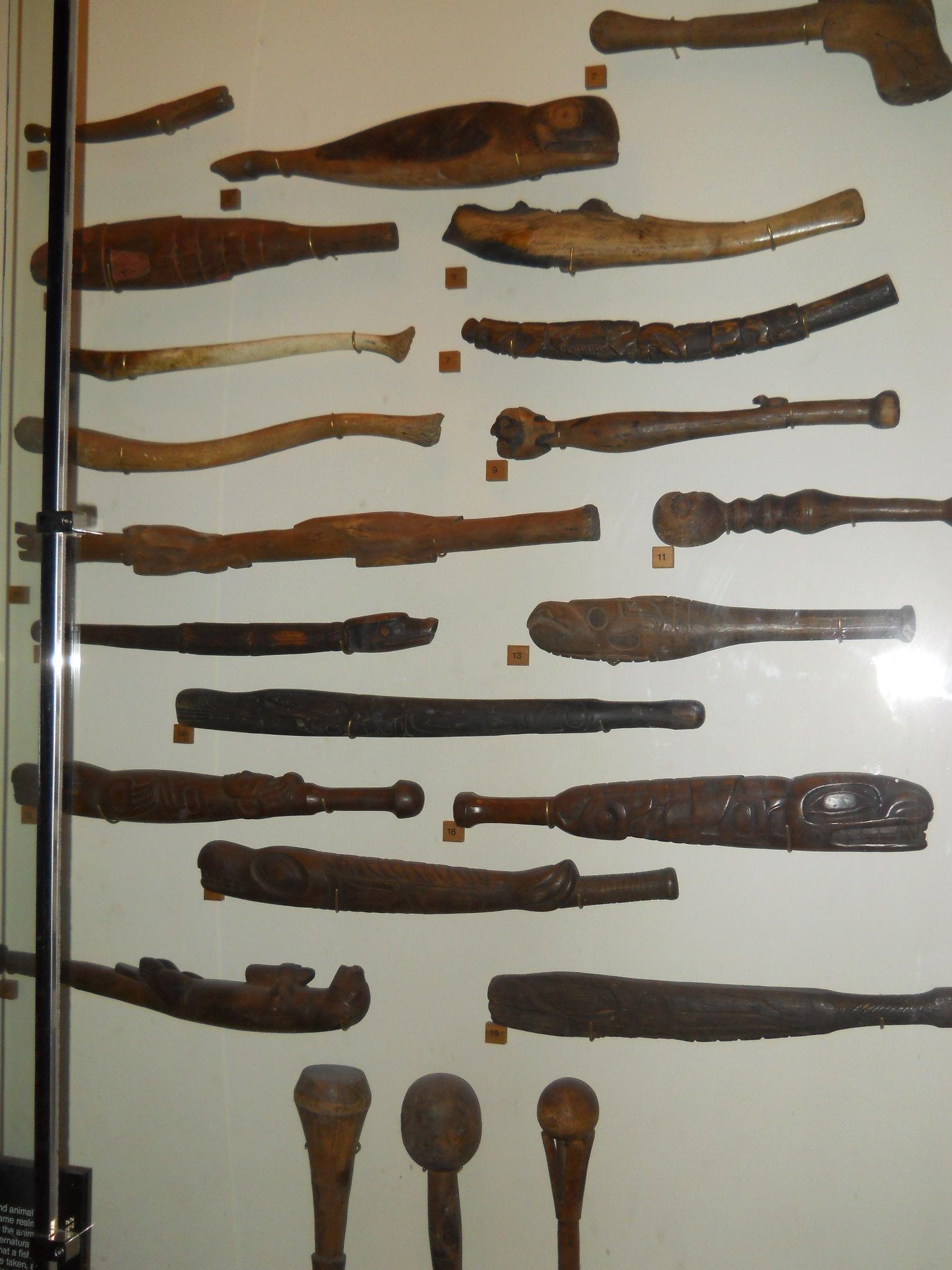
of the Pacific Northwest and Alaska, including tribes like the #Tlingit, #Haida, #Tsimshian, #Kwakiutl, and Nootka.

Client Info
Server: https://mastodon.social
Version: 2025.07
Repository: https://github.com/cyevgeniy/lmst