Throwback to 2011... I miss gdgt and those earlier gadgety times
https://cjs-wunderkammer.ghost.io/picture-a-day-oct-8/
#photography #blog #Panasonic #Lumix #GF1 #SanFrancisco #SFMOMA #night #Metreon #gdgt
Throwback to 2011... I miss gdgt and those earlier gadgety times
https://cjs-wunderkammer.ghost.io/picture-a-day-oct-8/
#photography #blog #Panasonic #Lumix #GF1 #SanFrancisco #SFMOMA #night #Metreon #gdgt
The #GDGT #world also has a #frog, thanks to a #team with a majority of #FROGs* 🐸!
Véquaud et al. (2022) GCA
https://doi.org/10.1016/j.gca.2021.12.007
*#French #Researchers in Organic #Geochemistry
#Science
#ScienceMastodon
Unlike #TEX86, another #GDGT-based #paleotemperature #ClimateProxy named the #Ring #Index of hydroxylated tetraethers (RI-OH) behaves as an #SST proxy despite the terrigenous #inputs.
This #place too deserves a #thread about my related #PhD #research #publication in #Paleoceanography and #Paleoclimatology:
https://doi.org/10.1029/2018PA003452 (1/5)
#Science #ScienceMastodon #Paper
#PaleoClimate #PaleoClimates
#ClimateChange #ClimateChanges #AbruptClimateChange
#SeaSurfaceTemperature
#MediterraneanSea


Two #basic #things to #know for #GDGT #lovers like me:
- These #nerdy #membrane-spanning #lipids are #ubiquitous in the #environment
- #GDGTs may have #multiple and #mixed #sources
If like a younger me* you apply #TEX86 in (#paleo)prodelta #deposits, be prepared to obtain #spooky #results from this #GDGT-based #paleotemperature #ClimateProxy!
#Links to the related #research #publication and #source #data in my auto-reply 👇🏻
*Me when I was a #PhDStudent


Are #nerdy #membrane-spanning #lipids produced by #bacteria and #archaea admitted on #Mastodon?
These lipids, named glycerol dialkyl glycerol tetraethers (#GDGTs), are my favorite #biomarkers for their usefulness as #climatic and #environmental #indicators and for having been the #protagonists of my #PhD #research.
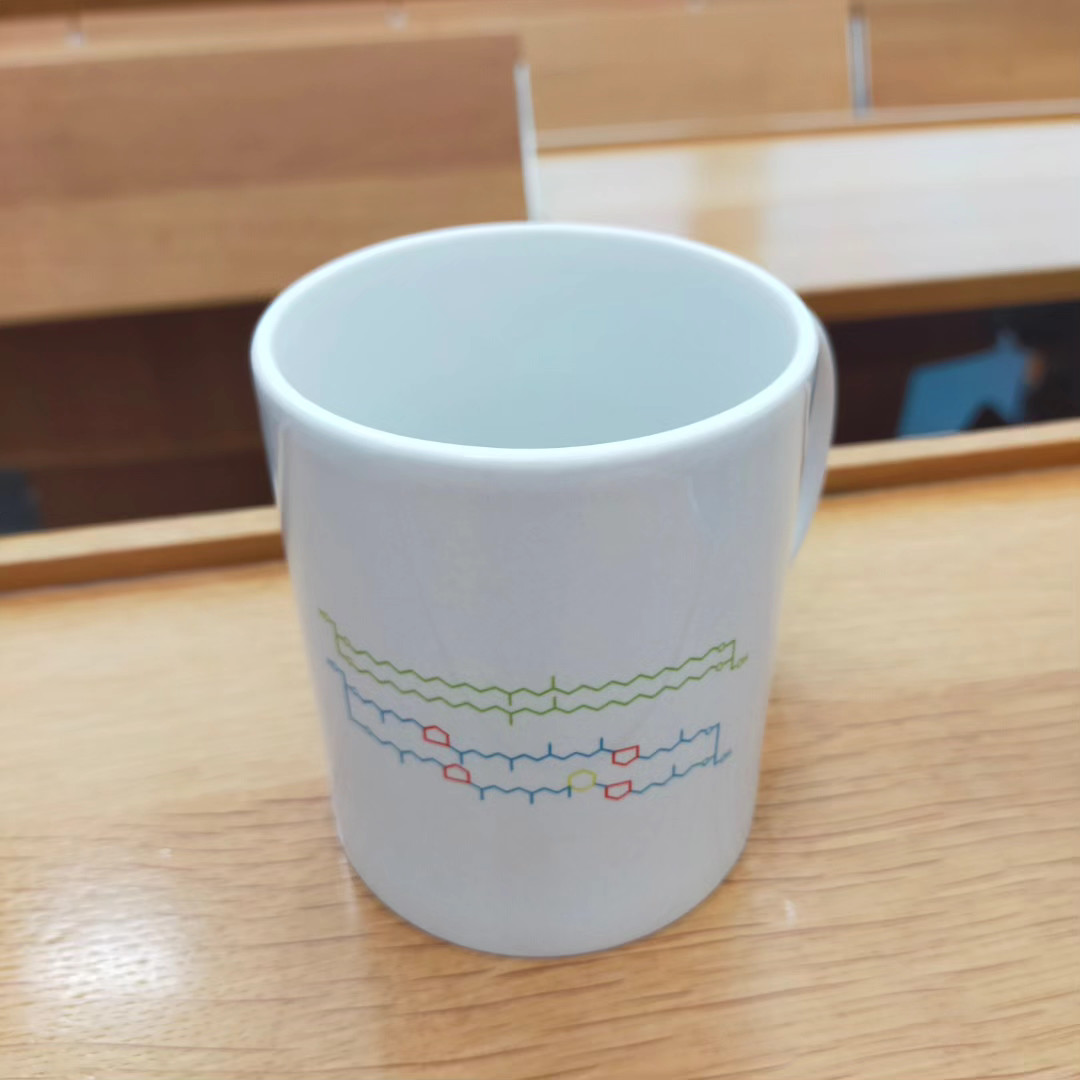
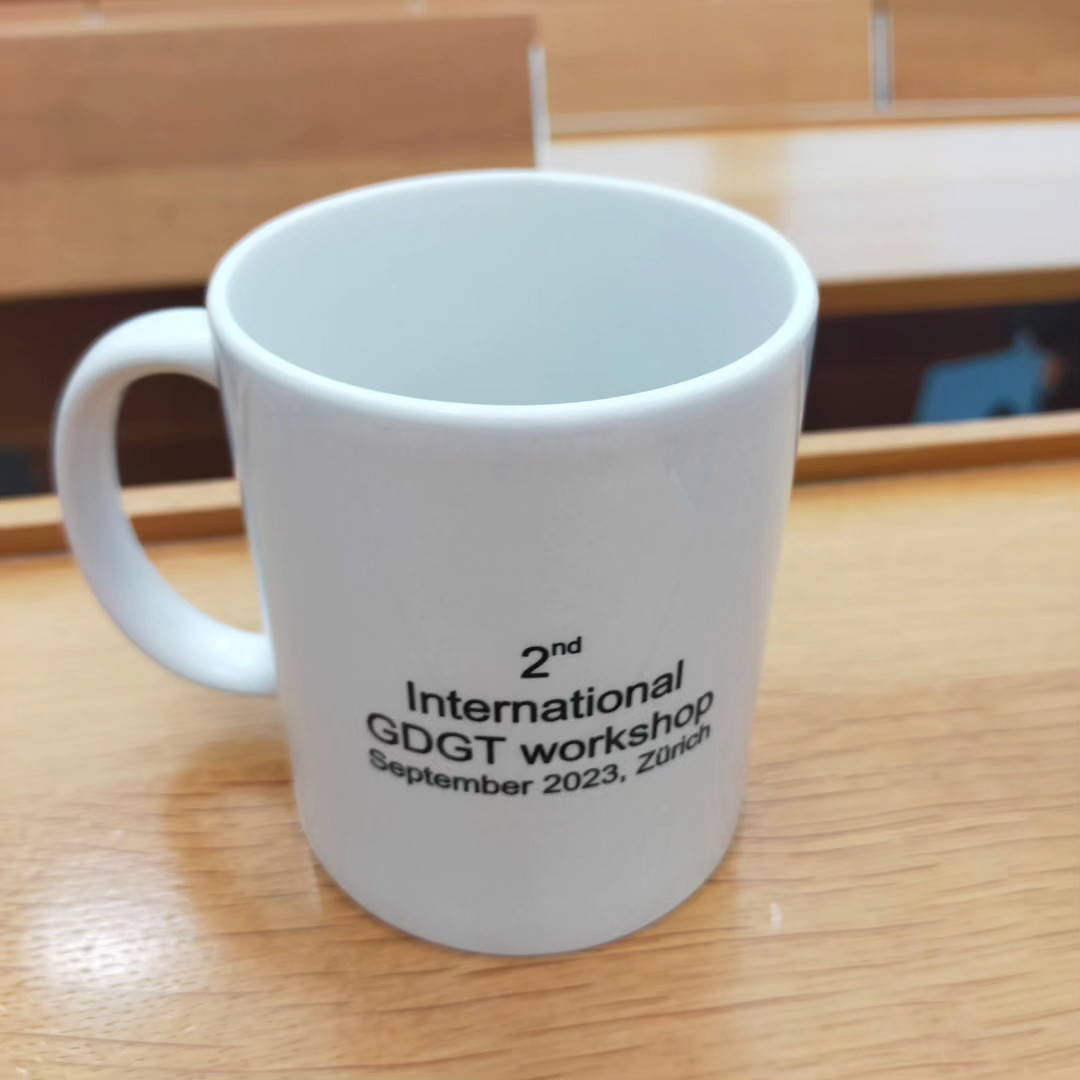
Recently, I participated to an #international #workshop organized by #GDGT #nerds for GDGT nerds, sadly not active on this #platform as far as I know.