
Oneness Great Principles Shared by All Religions Book Summary
Oneness: Great Principles Shared by All Religions is an interfaith classic that collects universal spiritual teachings from the world’s major religions and presents them side by side to show how deeply they agree on core moral and spiritual truths. Jeffrey Moses uses direct quotations from scriptures and spiritual teachers to... More details… https://spiritualkhazaana.com/oneness-great-principles-shared-by-all/
#oneness #interconnectedness #godislove #judgenot #heaveniswithin
#GodIslove


Love Comes to the Loveless
“‘Dear Lord God, I wish to preach in your honor. I wish to speak about you, glorify you, praise your name. Although I can’t do this well of myself, I pray that you may make it good.’”[1]
Introduction
Sermons on love are commonplace; this sermon being no exception. From weddings to funerals, from Easter to Pentecost, from Sunday to Sunday, one will encounter some religious and spiritual reflection on love. In fact, one could argue, most sermons probably end on a note that emphasizes love in one form or another. Why all this emphasis? Because we don’t get it.
I don’t blame the audience; I blame the people teaching on love. Too often love is spoken of as a feeling no different from the feeling of comfort, something that is nice and cozy. When speaking of God and God’s essence as love, it’s just mentioned that “God is love” without following up explaining what that means for fleshy meat creatures here on planet Earth. Or, someone will say, “God loves you,” without making it known through their deeds causing this love to remain abstract. People aren’t given love as the substance of action; rather, they are given love that is oil through fingers desperate to hold on to anything and grasping nothing.
As I look around, I feel that we love the idea of love, we are in love with the word, and we love the way it makes us feel when we say it or hear it said. However, in general, we encounter and are more oriented toward lovelessness than love. In a world built on the virtue of austerity, love—real love, the type of love that speaks and does—seems a costly extravagance of energy, energy we don’t have being caught in perpetual hyper-vigilance while swimming in a sea of chaos and confusion. Love is too risky; we are too vulnerable. It’s better to lose love than to lose in love.
But, yet,: Advent.
Advent slips in through the back door and dares to suggest Hope, Peace, Joy, and Love. The fourth Sunday in Advent solidifies the interruption to our normal, day-to-day descent into chaos and tumult, where lovelessness reigns. And I think this is why the fourth Sunday of Advent carries love with it; the fourth Sunday in Advent is the manger of Love and thus we must come face to face and contend with it as it speaks to us and illuminates our lovelessness .
Isaiah 7:10-16
Again the Lord spoke to Ahaz, saying, Ask a sign of the Lord your God; let it be deep as Sheol or high as heaven. But Ahaz said, I will not ask, and I will not put the Lord to the test.
Isaiah tells us that God spoke to Ahaz encouraging him to ask for a sign. Ahaz refuses. In so many situations, Ahaz’s actions would be considered upright and good. However, in this instance, God, through Isaiah, is asking Ahaz to ask for a sign. Thus, not to ask for one, not to seek one is—in this moment—disobedience to God, it is a spurning of God’s grace, it is a rejection of God’s mercy, it is a turning one’s nose up to an invitation from God to see something different.[i] Then Isaiah said:
“Hear then, O house of David! Is it too little for you to weary mortals, that you weary my God also? Therefore the Lord himself will give you a sign. Look, the young woman is with child and shall bear a son, and shall name him Immanuel. He shall eat curds and honey by the time he knows how to refuse the evil and choose the good. For before the child knows how to refuse the evil and choose the good, the land before whose two kings you are in dread will be deserted.”
God, through Isaiah, addresses Ahaz’s callousness and not only Ahaz’s but the callousness of the people of Israel, too.[ii] Isaiah is a prophet speaking to both the authorities of Israel as well as the people with whom he identifies; his love for both is palpable because it is the love of God for both. Isaiah also feels God’s pain and sorrow in experiencing and feeling Israel’s turning away (both leader and person alike).[iii] So, Isaiah is not going to let Ahaz off the hook here, and he won’t let the people either. As the leadership leads, so the people follow suit. For Ahaz to reject God’s invitation to ask for a sign is an indication of a heart that is closed to what is possible, to that new thing; it is a hard heart; a loveless heart.[iv] And if the leader feels this way, then the people do, too. They have all left God and God feels this abandonment. So, consumed by the passion of God, Isaiah must expose this hardness of heart and he does so by expressing God’s weary towards the people to expose their own agony and lovelessness.[v]
While Isaiah exposes Ahaz’s hardness of heart thus also the hardness of heart of the people, Isaiah deeply identifies with the people eager to hear and feel God among them and moving toward them. So, Isaiah prophesies a sign that God is coming to them, a child will be born to an unmarried young woman (not a young virginal girl (non-menstruating)).[vi] Through Isaiah, God promises that this son will barely come of age when Israel’s oppression will be eliminated, the land of the two kings—whom Israel dreads—will be deserted. The promise here in Isaiah isn’t necessarily the boy born to the young woman; the promise is that before he comes of age, Israel will be liberated. The promise is of God’s liberation of which this child named Immanuel is a sign that the two kings and their nations will be removed from the backs and necks of the people of Israel. This one named Immanuel reminds Israel that God is with them and that when God is with them, they need not fear any person for God is with them and God is for them and if God is for them then who can be against them? This one named Immanuel will be the sign that God loves them and is coming to take their hearts of stone (loveless hearts) and give them hearts of flesh, hearts able to and filled with love.
Immanuel. God is with Israel. Immanuel. Love is with Israel and where there is love there is neither fear nor dread. Isaiah is summoning the people back into love with Abba God, their first love, the one who loved them from the first.
Conclusion
Love isn’t something we cause ourselves to have or something we drum up from the depths of our souls. It’s a gift. It’s life. It’s God. Love comes to us. Love comes low to us, to seek us as we are, wherever we are even when we are absolutely loveless. Love takes our hand to guide us into God. Love will even come down so low that it will be born into fleshy vulnerability, among dirty animals and unclean people, in straw and hay, wrapped in meager swaddling clothes, laying in the lap of an unwed, woman of color without a proper place to lay her head. He, Jesus the Christ, Immanuel—God with us—is our Love, is our Love for right now, in the darkness of late fall, in the tumult of our lives, in the fatigue of our bodies and minds, and dwells with us transforming our lovelessness—part by part—into love. Incarnated love knowing God is with us and God is faithful.
God comes, Beloved, bringing love to the loveless.
[1] LW 54:157-158; Table Talk 1590.
[i] Brevard S. Childs, Isaiah: A Commentary, The Old Testament Library (Louisville: WJK, 2001), 65. “It is not merely a suggestion from the prophet, but an invitation from God himself to request a sign.”
[ii] Abraham K. Heschel, The Prophets, (New York: JPS, 1962), 16-17. “The prophet faces a coalition of callousness and established authority, and undertakes to stop a mighty stream with mere words. Had the purpose been to express great ideas, prophecy would have had to be acclaimed as a triumph. Yet the purpose of prophecy is to conquer callousness, to change the inner man as well as to revolutionize history.”
[iii] Heschel, Prophets, 81. “…the sympathy for God’s injured love overwhelms his whole being. What he feels about the size of God’s sorrow and the enormous scandal of man’s desertion of God is expressed in the two lines …which introduce God’s lamentation. ‘Hear, then, O house of David! Is it too little for you to weary men, that you weary my God also?’ (7:13). In different words addressed to the king, the prophet conveys his impression of the mood of God: As happened in the time of Noah and as is happening again, God’s patience and longsuffering are exhausted. He is tired of man. He hates man’s homage, his festivals, his celebrations. Man has become a burden and a sorrow for God.”
[iv] Heschel, Prophets, 208. “The fault is in the hearts, not alone in the deeds.”
[v] Heschel, Prophets, 17. “It is embarrassing to be a prophet. There are so many pretenders, predicting peace and prosperity, offering cheerful words, adding strength to self-reliance, while the prophet predicts disaster, pestilence, agony, and destruction.”
[vi] Childs, Isaiah, 66. Unmarried maiden of full sexual age (‘almāh) and not a young virginal girl
#AbrahamHeschel #Advent #Advent4 #BrevardChilds #DivineLove #FleshyHeart #GodIsLove #GodSLove #HardnessOfHeart #Isaiah #Liberation #Life #Love #Lovelessness #Prophets

'Midden in de winternacht....'
Happy X-mas 2025 @arguspers
#photo ©VM2007
#kerstgedachte #Xmas #vincentmentzelphotography
#godislove #angel #victorinementzel
#dutch #photography #Peace


In this Christmas season, draw upon not only the joy of welcoming the birth of the lord Jesus Christ ~ draw upon God's grace if you're tiring out & need his tender loving care; draw upon his mercy if you need a clean slate of forgiveness.
⚜Jesus is the reason for This season & he's able to care for ALL your needs, Amen🙏
#ChristmasSeason #JesusChrist #ChristJesus #Jesus #Joy #GodsGrace #GodCares #GodsLove #GodISlove #GodsRest #GodsMercy #GodsForgiveness #inJesusname


Receive the loving Mercy, Grace & Forgiveness that The Lord pours over us when we transgress & in turn 💖 imitate God by Giving His MERCY, GRACE & FORGIVENESS; freely watering others when they transgress against us💖
💜💖💜💦🤲💖☦💖👐💦💜💖💜
#ChristianFaith #ChristianLiving #inJesusname #GodsMERCY #GodsGRACE #GodsFORGIVENESS #GodsLOVE #GodISlove #Repent #Repentance


My children, you may want to consider paying a lobbyist of your own so that these douche hole politicians stop nostril fucking you to literal death. #GodIsLove #EatMyWafer
#ChristianFaith 🤺🛡 #ChristianLiving #FearGod #ObeyGod #EternalGod #AlmightyGod #GodsSovereignty #GodsJudgment #bible #GodISlove
Are YOU seeking ANSWERS to the Great Questions Of Life.......?🤔👀😃
🔍Why was I born?
🔎Why am I here?
🔎Where am I going?
🔍What is my purpose?
⚜LOOK NO FURTHER⚜



A Common God
In a world filled with division, this short reminds us that despite our differences, we all reach for something greater. “A Common God” explores the shared longing for hope, love, and purpose that unites us all. 🌍✨ #ACommonGod #ACommonGod #Faith #Unity #Hope #Spirituality #OneGod #Belief #Inspiration #GodIsLove #DivineConnection #Purpose #Truth #Religion #FaithOverFear #Jesus #Peace #Worship #Prayer #HigherPower from Bishop Shammah Womack-El
https://bishopshammahwomackel.wordpress.com/2025/07/21/a-common-god/

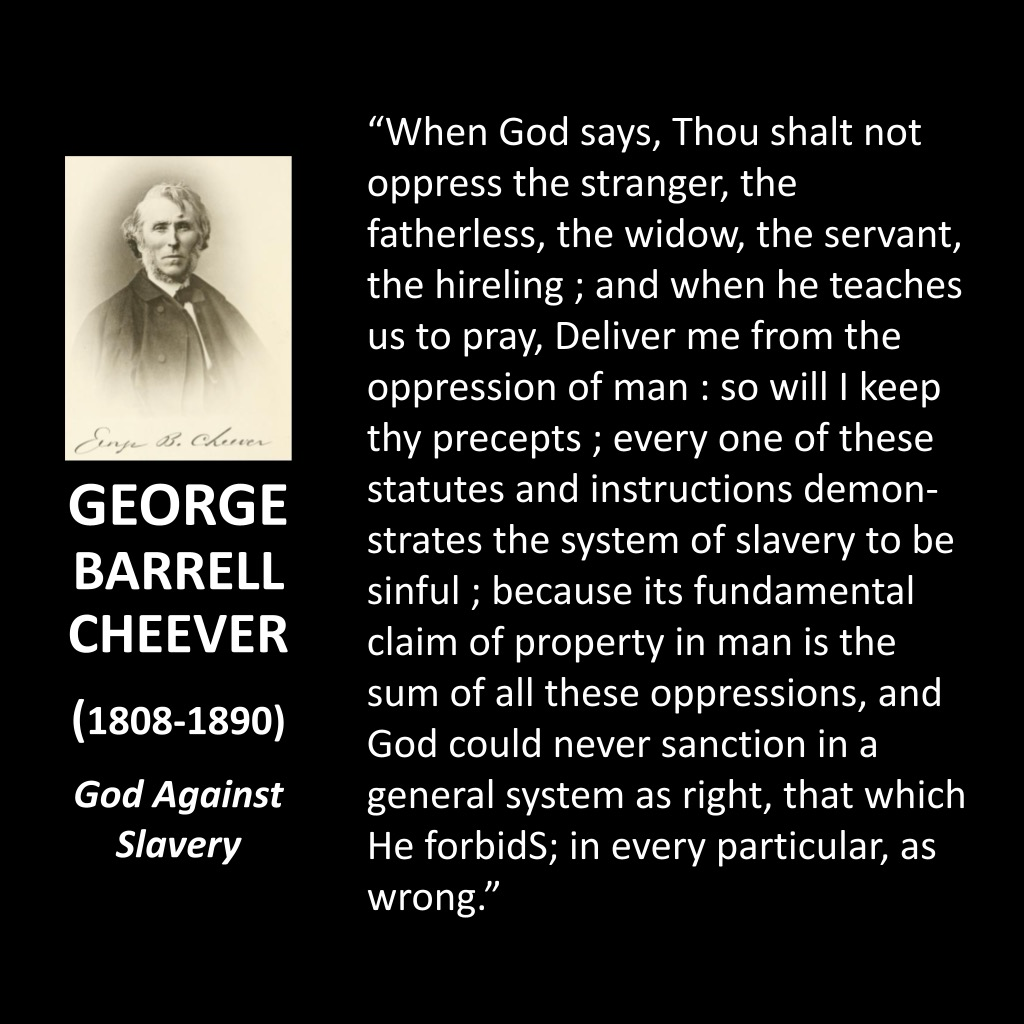
George Barrell Cheever, a Congregationalist & Presbyterian minster, argues against slavery. God has uniformly spoken against oppression (Malachi 3:5, Ps 119:134). The claim of property in people is the sum of all these oppressions.
Today, some try to rehabilitate the reputation of slavery, to forbid teaching its history.
How can you protect the stranger, fatherless, widows, the servant, and hireling? Any one particularly at risk today?

Quote of the day, 12 June: St. John Paul II
Today we are celebrating the victory of those who, in our time, gave their lives for Christ, in order to possess life forever in his glory. This victory has a special character, since it was shared by clergy and laity alike, by young people and old, by people from different classes and states….
There are diocesan and religious priests who died because they chose not to abandon their ministry and because they continued to serve their fellow prisoners who were sick with typhus; some were tortured to death because they defended Jews.
In the group of Blessed there are religious brothers and sisters who persevered in the service of charity and in offering their torments for their neighbour. Among the blessed martyrs there are also lay people.
There are five young people formed in the Salesian oratory; a zealous activist of Catholic Action, a lay catechist tortured to death for his service, and a heroic woman, who gave up her own life in exchange for that of her daughter-in-law who was with child.
These blessed martyrs are today inscribed in the history of holiness of the People of God on pilgrimage for over a thousand years in the land of Poland.
If we rejoice today for the beatification of one hundred and eight martyrs, clergy and lay people, we do so above all because they bear witness to the victory of Christ, the gift which restores hope.
As we carry out this solemn act, there is, in a way, rekindled in us the certainty that, independently of the circumstances, we can achieve complete victory in all things through the One who has loved us (cf. Rom 8:37).
The blessed martyrs cry to our hearts: Believe in God who is love! Believe in him in good times and bad! Awaken hope! May it produce in you the fruit of fidelity to God in every trial!
Saint John Paul II
Homily, Eucharistic Celebration, Apostolic Journey to Poland
Beatification of 108 Polish Martyrs
Warsaw, Sunday, 13 June 1999
Note: Three days later, during the Eucharistic celebration in Wadowice, St. John Paul II remarked: “I am pleased that I was able to beatify, together with one hundred and eight martyrs, Blessed Father Alfonsus Mary Mazurek, a pupil and later a worthy teacher in the minor seminary attached to the Convent. I had the opportunity to meet personally this witness of Christ who in 1944, as prior of the convent of Czerna, confirmed his fidelity to God by a martyr’s death. I kneel in veneration before his relics, which rest in the Church of Saint Joseph, and I give thanks to God for the gift of the life, martyrdom, and holiness of this great Religious.”
Featured image: Then-Prime Minister Donald Tusk and Cardinal Stanisław Dziwisz, longtime secretary to Pope John Paul II, at the opening of the Family Home Museum of Saint John Paul II in Wadowice, 9 April 2014. Photo by M. Śmiarowski / KPRM. Source: Kancelaria Premiera / Flickr (Some rights reserved).
⬦ Reflection Question ⬦
Have you ever met someone whose faith, courage, or love made you think: “This person is a saint”?
⬦ Join the conversation in the comments.
#BlessedAlphonsusMaryMazurek #fidelity #GodIsLove #holiness #martyr #StJohnPaulII #Wadowice

Thomas Watson, English Puritan, teaches on good works. Some flip out with “jealousy” when works are stressed, acting as if this were mere Catholic doctrine. But should we teach Jesus’ words, or fear men?
I’ve got those bruises, talking in conservative Lutheran circles.
How can you speak the truth as it is in Jesus?
#christian #godislove #christianinfluencer #biblestudy #thomaswatson
![THOMAS WATSON (1620 - 1686) "The Reward of the Righteous" ... many, even serious people, are jealous of all that is spoken upon this subject (good works]: Nay, and whenever the necessity of good works is strongly insisted on take for granted that he who speaks in this manner is but one remove from Popery. But should we, for fear of this or of any other reproach, refrain from speaking 'the truth as it is in Jesus?''](https://files.mastodon.social/media_attachments/files/114/664/059/636/411/816/original/ab575f36114a63bf.png)
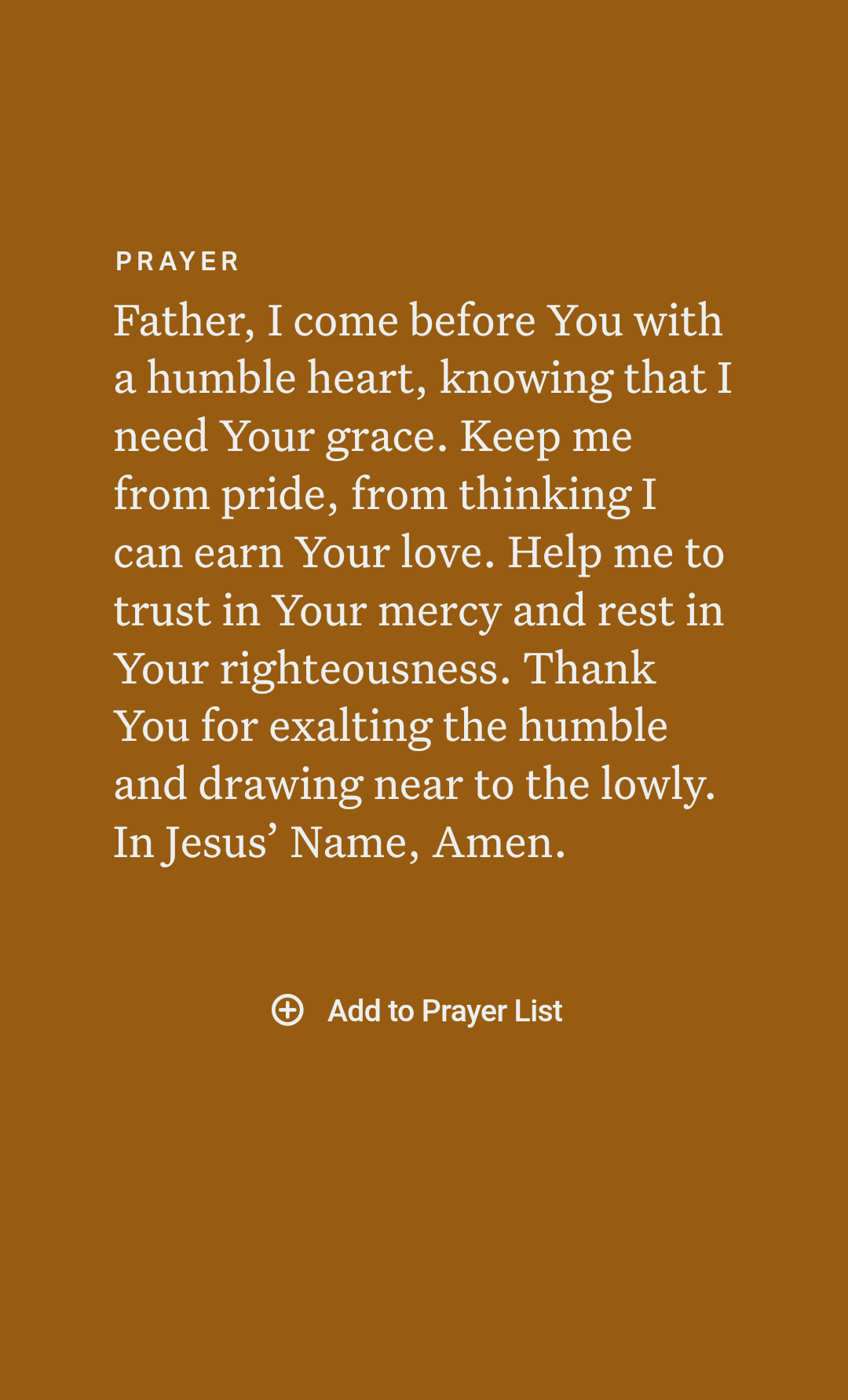
You Version prayer 🙏 June 9, 2025
#ChristianFaith 🤺🛡 #ChristianLiving #prayer #humility #GodsGRACE #GodsMERCY #GodsLOVE #GodISlove
#youversionbibleapp

Happy Pentecost Orthodox.
#pentecost #holyspirit #pentecostal #jesus #god #church #bible #apostolic #baptist #christian #love #worship #godislove #cogic #pentecostsunday #jesuschrist #godisgood #catholic #art #drawing #passover #holiness #baptistchurch #faith #ges #amore #dio #sketchbook #artist #pentecostes May God sanctify your soul. May you work for the welfare of all. God has sent you to this earth for others. Help the poor.Many congratulations to all of you for…
https://itsmostamazingindia.wordpress.com/2025/06/08/happy-pentecost-orthodox/

🔥 Dios es Amor. 💖✨
“El que no ama, no ha conocido a Dios; porque Dios es amor.” – 1 Juan 4:8 🙌💫
Dios no solo ama, ¡Él ES Amor! Este amor divino es infinito y transforma todo. Nos llama a reflejar Su gloria y vivir para Su propósito.
¡Dios está vivo y Su amor nunca falla! 🙏🔥
#GodIsLove #FaithInAction #JesusIsLove #WorshipLife #LoveThatNeverFails


Discrimination on the basis of sexuality or sexual identity is hate. Always has been.
#love #godislove #loveislove #hateisdiscrimination #hateishate #discriminationishate #hate #discrimination #pride #lgbt #lgbtq #lgbtqia #pridemonth #god #jesus #bible #spirit #christian #christianity


Discrimination on the basis of sexuality or sexual identity is hate. Always has been.
#love #godislove #loveislove #hateisdiscrimination #hateishate #discriminationishate #hate #discrimination #pride #lgbt #lgbtq #lgbtqia #pridemonth #god #jesus #bible #spirit #christian #christianity
#love #godislove #loveislove #hateisdiscrimination #hateishate #discriminationishate #hate #discrimination #pride #lgbt #lgbtq #lgbtqia #pridemonth #god #jesus #bible #spirit #christian #christianity

Quote of the day, 26 May: St. Teresa Margaret
During the little chapter read at Terce on all the Sundays after the Epiphany and Pentecost, the following words from the first epistle of Saint John are chanted: “God is love, and he who dwells in love dwells in God and God in him” [1 Jn 4:16].
In 1767, probably toward the end of January, while Sister Teresa Margaret was assisting at the recitation of the Divine Office, she was seized with a type of rapture when she heard these words recited by the Hebdomadary [i.e., the nun assigned to lead the Divine Office]. It was so profound that its effects could still be noticed about three days later.
Although Teresa Margaret was extremely diligent in hiding the secrets of her interior life, this time she was so overwhelmed by the divine action that she could not detach herself from it. She went through the cloister so elated that she seemed to disregard her natural carefulness regarding the hidden life.
Frequently, she repeated the words “God is love” to herself. Others heard her and, wondering about this peculiar behavior, asked her why she repeated these words so often.
The saint, realizing that she had betrayed herself, said: “having heard them one Sunday at the little chapter of Terce, I found such sweetness in them and they made such an impression on me that I feel that I must repeat them.”
Father Gabriel of St. Mary Magdalene, O.C.D.
Part II, The Mystical Period
di Santa Maria Maddalena O.C.D., G 2006, From the Sacred Heart to the Trinity the spiritual itinerary of Saint Teresa Margaret of the Sacred Heart, O.C.D., translated from the Italian by Ramge, S, ICS Publications, Washington DC.
Featured image: Silhouette of a person sitting beside a calm lake at sunset. Image credit: Download a pic Donate a buck! / Pexels (Stock photo).
⬦ Reflection Question ⬦
Do I truly believe—deep down—that God is love, and that He loves me?
⬦ Join the conversation in the comments.
#DivineOffice #FrGabrielOfStMaryMagdalene #GodIsLove #interiorLife #mysticalExperience #rapture #StTeresaMargaretOfTheSacredHeart
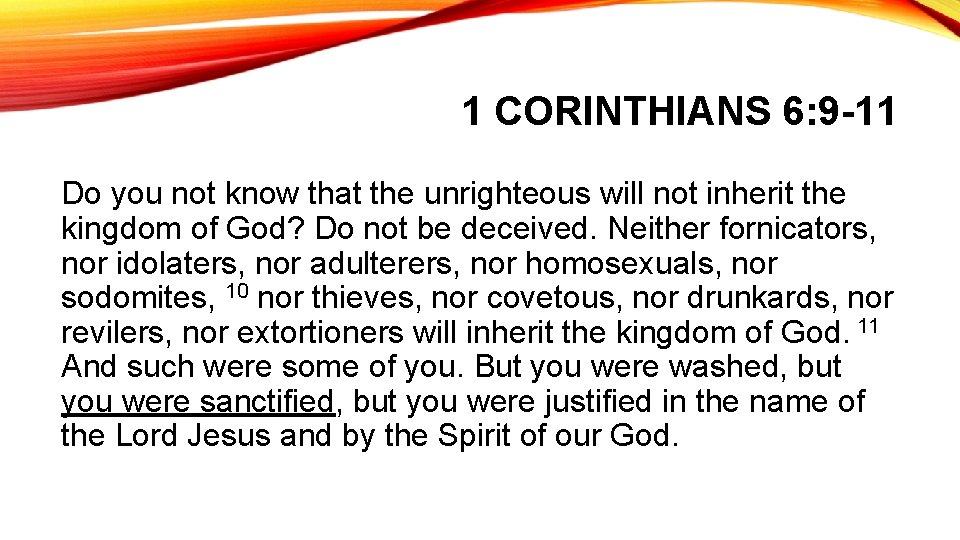
Learn the LORD GOD Almighty's plan of salvation for You #inJesusname ☦ It all starts with genuine repentance, recognizing that we are All unrighteous sinners who need God's grace, mercy & forgiveness.
LEARN👇MORE about God's Awesome plan of salvation
https://biblestudyforyou.com/bible-verses-about-god-wanting-all-to-be-saved/
#ChristianFaith 🤺🛡 #ChristianLiving #GodsGrace #GodsMercy #GodsForgiveness #GodISlove #REPENTANCE #GodsKingdom #KingdomOfGod #EverlastingLife

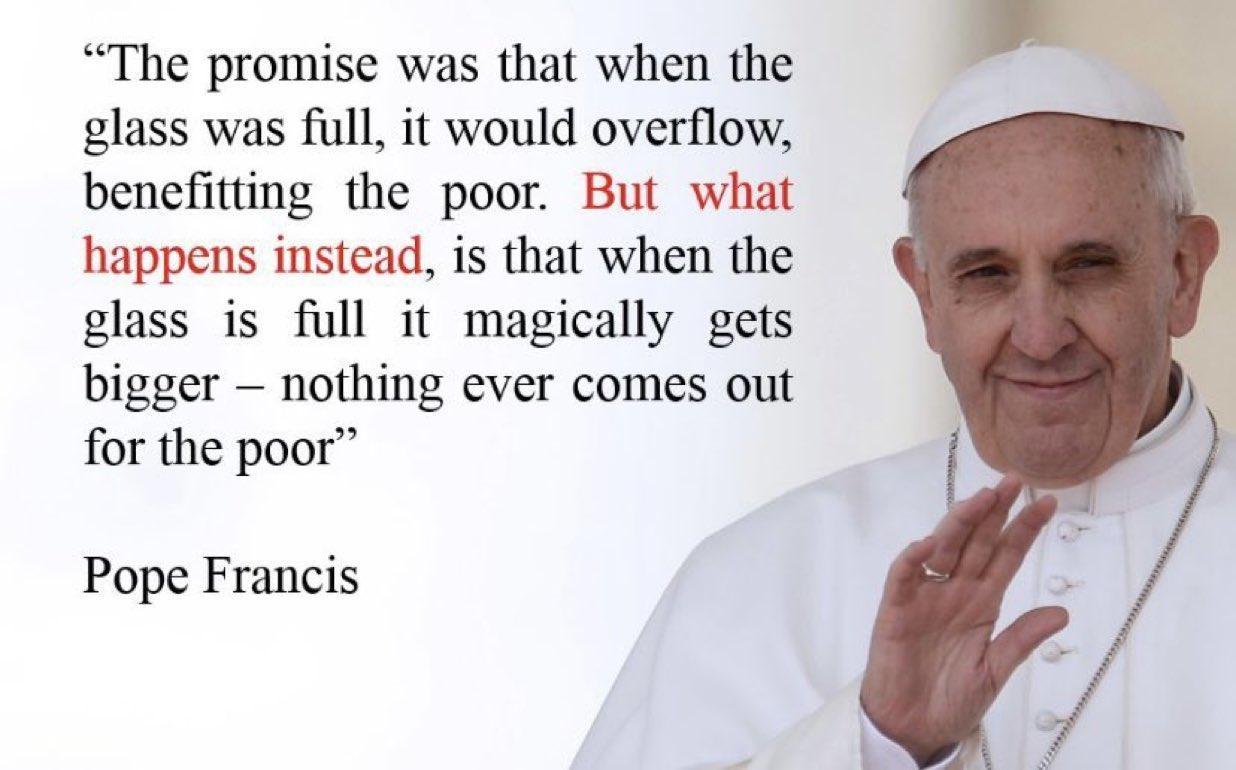
"The promise was that when the glass was full, it would overflow, benefiting the poor. What happens instead is that when the glass is full, it magically gets bigger – nothing ever comes out for the poor." -- Pope Francis
#christianity #christian #god #jesus #holyspirit #church #bible #godislove
Client Info
Server: https://mastodon.social
Version: 2025.07
Repository: https://github.com/cyevgeniy/lmst