#Hakamada

2025-03-25

Dem fälschlicher Weise zur #Todesstrafe verurteilten japanischen Boxer Iwao #Hakamada hat nach seiner Freilassung im letzten Jahr ein Gericht nun eine Entschädigung in Höhe von 12.500 Yen (~75€) pro Tag zugesprochen. Den Großteil seiner Zeit musste er in Einzelhaft verbringen.

Für die verlorenen 46 Jahre summiert sich die Entschädigung auf eine Summe von 1,34 Millionen Euro.

[en] aljazeera.com/news/2025/3/25/j #unrecht #japan

Associazione Peacelinkpeacelink@sociale.network
2024-09-26

#Giappone, Iwao #Hakamada assolto dopo 56 anni da condannato a morte: era stato accusato di 4 omicidi nel 1966

Era stato accusato di aver ucciso il suo capo e tre membri della sua famiglia nel 1966

continua su: fanpage.it/esteri/giappone-iwa

Associazione Peacelinkpeacelink@sociale.network
2024-09-26
Dirk Schwiegerdirk@mastodon.art
2024-09-26

Heard that after 48 years in prison – and 45 of these in death row – Iwao Hakamada was finally found not guilty today.

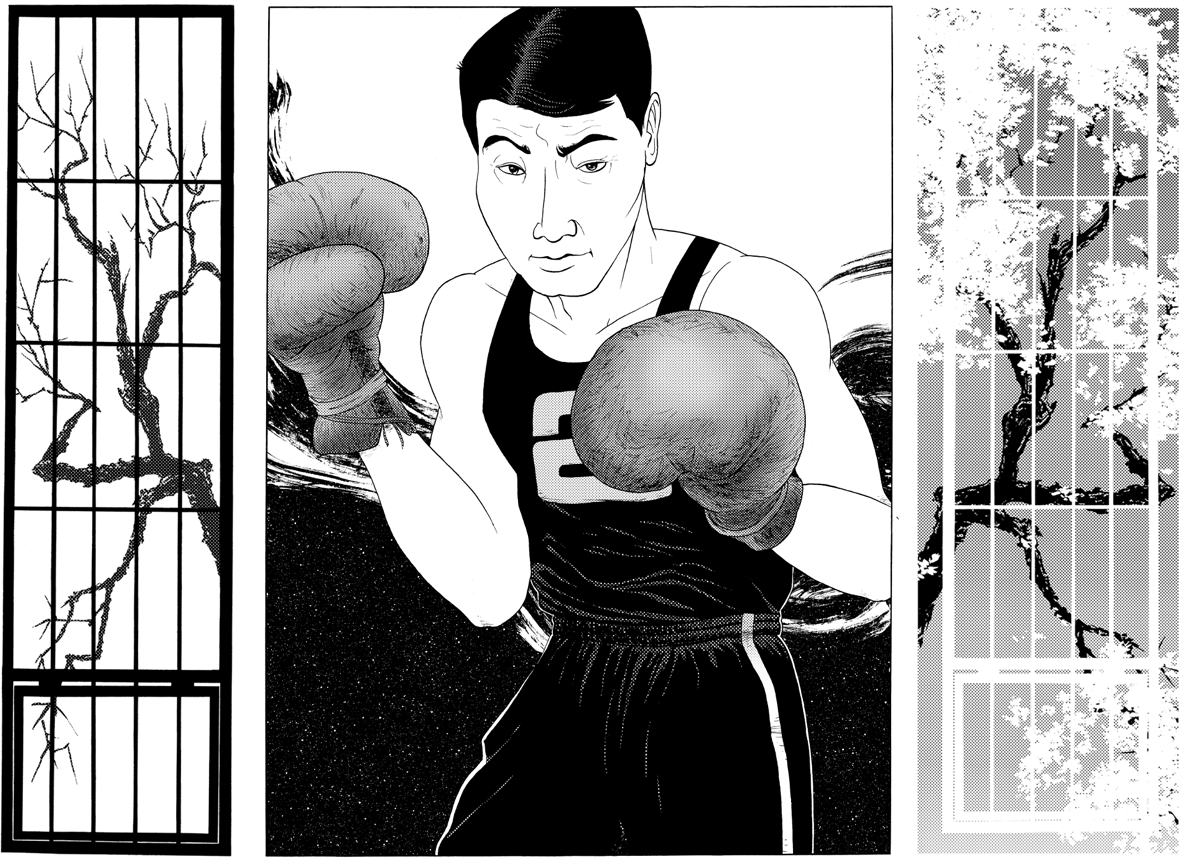
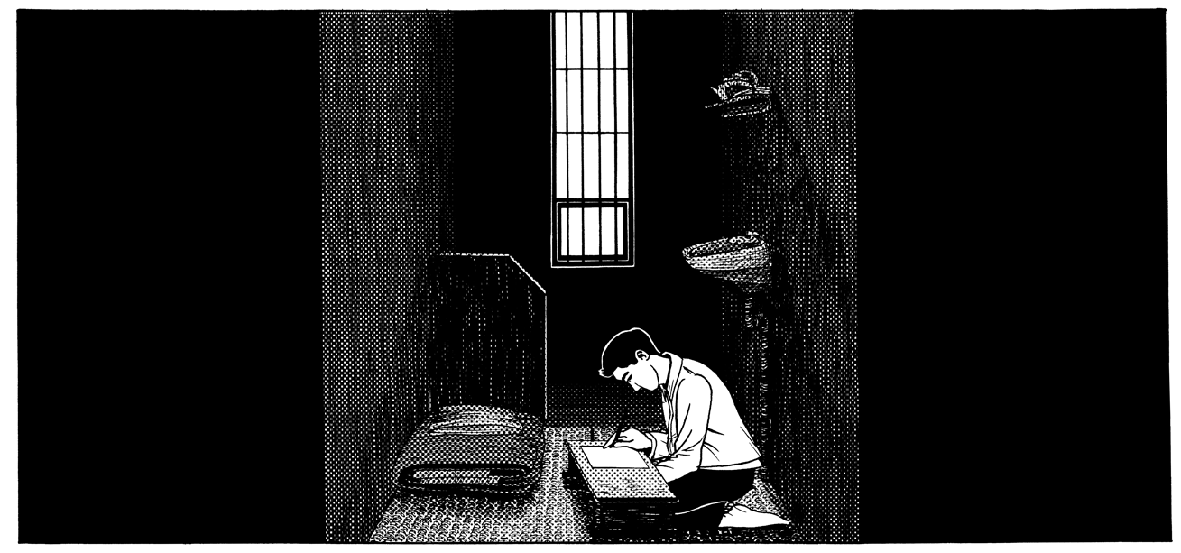
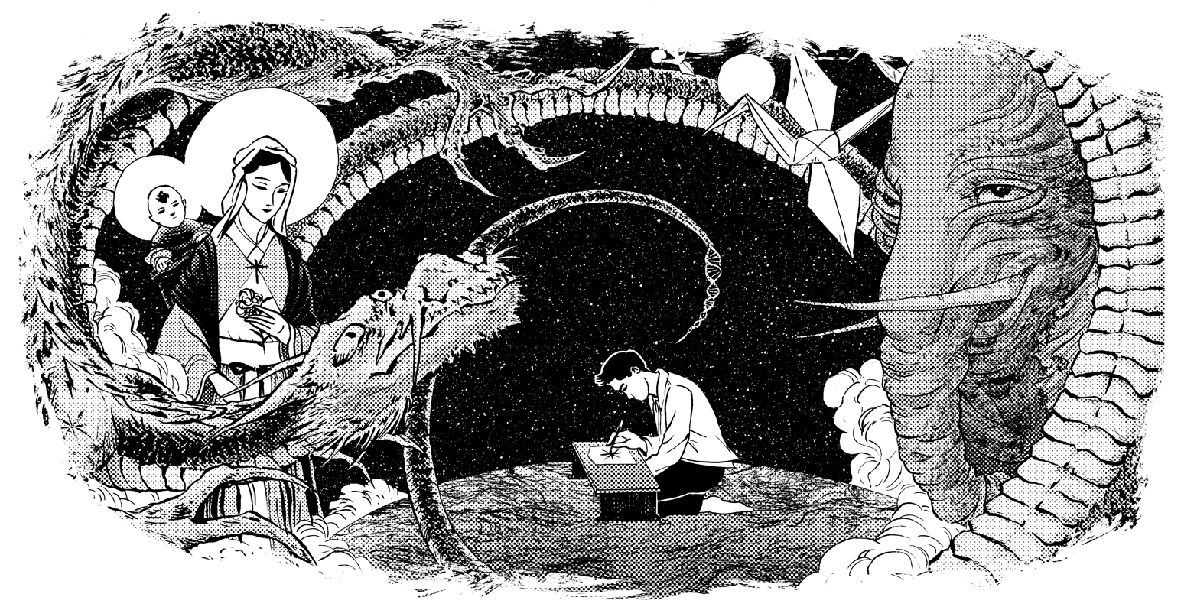
In celebration of this, I 'm sharing a number of drawings about Hakamada that i created a few years ago for Amnesty International.

In Japan, where prosecutors have a > 99% conviction rate, this case is said to possibly rekindle the debate about abolishing the death penalty.

Let's all hope it does.

#comics #comic #bd #fumetti #penandink #comicart #mastoart #fediart #hakamada

Black and white comic drawing of Iwao Hakamada as a young man, from his days as a professional boxer.
He is wearing  gloves, keeping up his defense, and looks into the camera. 
To the left and right are panels depicting a narrow prison window. You can see a cherry tree through the window: gnarled and leafless to the left, adorned with white feathery blossoms to the right.Black and white comic drawing of Iwao Hakamada in his prison cell. It is dark and very narrow. Hakamada, as a young man, is sitting on the floor writing a letter.Black and white comic drawing of the same Hakamada sitting on the floor and writing as before. This time, though, he is surrounded by all sorts of fantastic creatures, including a dragon and the virgin Mary.

 Hakamada's mental health declined during his almost half a century in jail, and he wrote about various visions and apparitions. 

Choosing the landscape format and placing him in space rather than his own narrrow cell, I interpreted his visions as indicators of a tortured, enclosed mind yearning to stretch itself.
RTL Nieuwsrtlnieuws
2024-09-26

𝗝𝗮𝗽𝗮𝗻𝘀𝗲 𝗼𝘂𝗱-𝗯𝗼𝗸𝘀𝗲𝗿 𝗛𝗮𝗸𝗮𝗺𝗮𝗱𝗮 𝘇𝗮𝘁 46 𝗷𝗮𝗮𝗿 𝗶𝗻 𝗱𝗲 𝗱𝗼𝗱𝗲𝗻𝗰𝗲𝗹, 𝗻𝘂 𝗶𝘀 𝗵𝗶𝗷 𝗲𝗲𝗻 𝘃𝗿𝗶𝗷 𝗺𝗮𝗻

Een Japanse rechtbank heeft Iwao Hakamada vrijgesproken. De oud-bokser zat bijna een halve eeuw gevangen nadat hij ter dood was veroordeeld. Wereldwijd heeft voor zover bekend nooit iemand langer in de dodencel gezeten.

rtl.nl/nieuws/artikel/5472534/

Don Trueten :antifa:thomas@mastodon.trueten.de
2023-03-31

Japan to Hold Retrial for Decades-Old Death Sentence. Case Highlights Cruelty of ‘Hostage Justice System,’ Capital Punishment

This month, public #prosecutors in #Japan said they would not appeal the #Tokyo High Court’s decision to hold a retrial for Iwao #Hakamada, an 87-year-old former professional #boxer arrested in August 1966 and sentenced to death for the murder of a family of four. This is the 5th time a #deathpenalty case will be retried in Japan. In earlier cases, the defendants were all acquitted.

Hakamada’s case is just one of countless examples of Japan’s so-called “hostage justice system,” in which suspects are frequently detained prior to #judgement for long and arbitrary periods – sometimes up to several months or years – to obtain their confessions. According to his legal team, in 1966 #police interrogated Hakamada for an average of 12 hours a day, with some interrogations running as long as 17 hours. He was questioned without his #lawyer, as permitted under Japanese law, and denied water and restroom breaks. In a letter recalling his experience, Hakamada said authorities threatened him, saying, “if we report your cause of death as an illness, that’s the end of it,” before beating him with a police baton.

It’s now rare for Japanese police to physically abuse suspects during interrogation. But authorities still coerce confessions during the pre-indictment detention period. Suspects can’t apply for bail before being indicted, and courts routinely deny bail during trial for those who do not confess. Most detainees are held in #cells located inside police stations and placed under constant #surveillance, including during mealtimes and in bathrooms. Courts often issue restrictions on communications, denying the accused permission to meet, call, or write letters to anyone other than their lawyers. More than 99 percent of Japanese trials result in #convictions.

For decades, Hakamada has claimed his #innocence. If he is found not #guilty, his case will be another stark reminder not just of the flawed justice process in Japan, but that the death penalty should be abolished because it is a cruel, irreversible and irreparable form of #punishment. Activists have long raised concerns that #deathrow inmates are notified of their #execution only the day it occurs. For years, Hakamada lived in fear of being executed on any given day.

Japan should urgently reform its justice system by eliminating the “hostage justice system” and abolishing the death penalty.

(via HRW: hrw.org/news/2023/03/29/japan-)

A court in Japan will retry the case of Iwao Hakamada, a former professional boxer sentenced to death in 1968 for the murder of a family of four.  He was released from prison in 2014.  
The photo shows him in a wheelchair, along with lawyers and family members.
© 2023 The Yomiuri Shimbun/AP Images
Don Trueten :antifa:thomas@mastodon.trueten.de
2023-03-31

Japan führt Wiederaufnahmeverfahren für jahrzehntealtes Todesurteil durch. Fall unterstreicht Grausamkeit des "Geiseljustizsystems" und der Todesstrafe

In diesem Monat erklärte die japanische Staatsanwaltschaft, sie werde keine Berufung gegen die Entscheidung des Obersten Gerichtshofs in #Tokio einlegen, das Verfahren gegen Iwao #Hakamada, einen 87-jährigen ehemaligen #Profiboxer, der im August 1966 verhaftet und wegen des Mordes an einer vierköpfigen Familie zum Tode verurteilt worden war, zu wiederholen. Dies ist das fünfte Mal, dass ein Todesstrafenfall in #Japan erneut verhandelt wird. In früheren Fällen wurden die Angeklagten alle freigesprochen.

Hakamadas Fall ist nur eines von zahllosen Beispielen für Japans so genanntes "Geiseljustizsystem", bei dem Verdächtige häufig vor dem #Urteil für lange und willkürliche Zeiträume - manchmal bis zu mehreren Monaten oder Jahren - festgehalten werden, um ihre Geständnisse zu erlangen. Nach Angaben seines Anwaltsteams verhörte die #Polizei Hakamada 1966 durchschnittlich 12 Stunden pro Tag, wobei einige Verhöre bis zu 17 Stunden dauerten. Er wurde ohne seinen Anwalt verhört, wie es nach japanischem #Recht zulässig ist, und ihm wurden Wasser und Toilettenpausen verweigert. In einem Brief, in dem er seine Erfahrungen schilderte, sagte Hakamada, dass die Behörden ihn bedrohten und sagten: "Wenn wir Ihre #Todesursache als Krankheit melden, dann ist es aus", bevor sie ihn mit einem Polizeiknüppel schlugen.

Die japanische Polizei misshandelt Verdächtige während des Verhörs nur noch selten körperlich. Aber die #Behörden erzwingen immer noch #Geständnisse während der #Untersuchungshaft. #Verdächtige können keine #Kaution beantragen, bevor sie angeklagt werden, und #Gericht|e verweigern denjenigen, die nicht gestehen, routinemäßig die Kaution während des Prozesses. Die meisten Gefangenen werden in #Zellen auf #Polizeistationen festgehalten und ständig überwacht, auch während der #Mahlzeiten und auf den #Toiletten. Die Gerichte verhängen häufig #Kommunikationsbeschränkungen, die es den Angeklagten untersagen, sich mit anderen Personen als ihren Anwälten zu treffen, sie anzurufen oder ihnen #Briefe zu schreiben. Mehr als 99 Prozent der japanischen #Gerichtsverfahren enden mit einer Verurteilung.

Hakamada hat jahrzehntelang seine #Unschuld beteuert. Sollte er für nicht schuldig befunden werden, wäre sein Fall eine weitere deutliche Erinnerung nicht nur an die mangelhafte Justiz in Japan, sondern auch daran, dass die #Todesstrafe abgeschafft werden sollte, weil sie eine grausame, unumkehrbare und irreparable Form der #Bestrafung ist. Aktivisten bemängeln seit langem, dass die Insassen der #Todeszelle|n erst am Tag ihrer #Hinrichtung benachrichtigt werden. Jahrelang lebte Hakamada in der Angst, an einem beliebigen Tag hingerichtet zu werden.

Japan sollte dringend sein #Justizsystem reformieren, indem es das "Geiseljustizsystem" abschafft und die Todesstrafe abschafft.

(Via HRW/engl.: hrw.org/news/2023/03/29/japan-)

Ein Gericht in Japan wird den Fall von Iwao Hakamada, einem ehemaligen Profiboxer, der 1968 für den Mord an einer vierköpfigen Familie zum Tode verurteilt wurde, erneut verhandeln.  Er wurde 2014 aus dem Gefängnis entlassen.  
Das Foto zeigt ihn im Rollstuhl zusammen mit Anwälten und Familienangehörigen

© 2023 The Yomiuri Shimbun/AP Images

Client Info

Server: https://mastodon.social
Version: 2025.07
Repository: https://github.com/cyevgeniy/lmst