
#TokiMa: sites.google.com/view/toki-ma ; #conlang #tokipona #ial
toki ma
#IAL

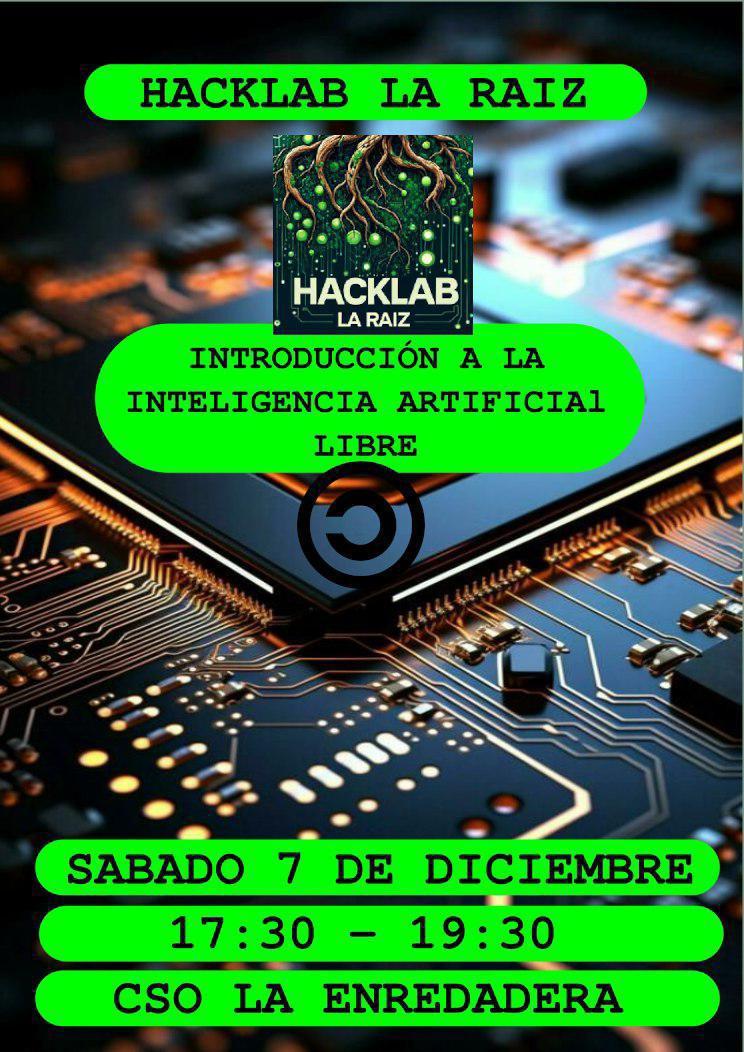
El #hacklab de tu barrio te espera.
El Algoritmo...
la Inteligencia Artificial
no
se construirá
sin nosotras.
cc @cripticaorg
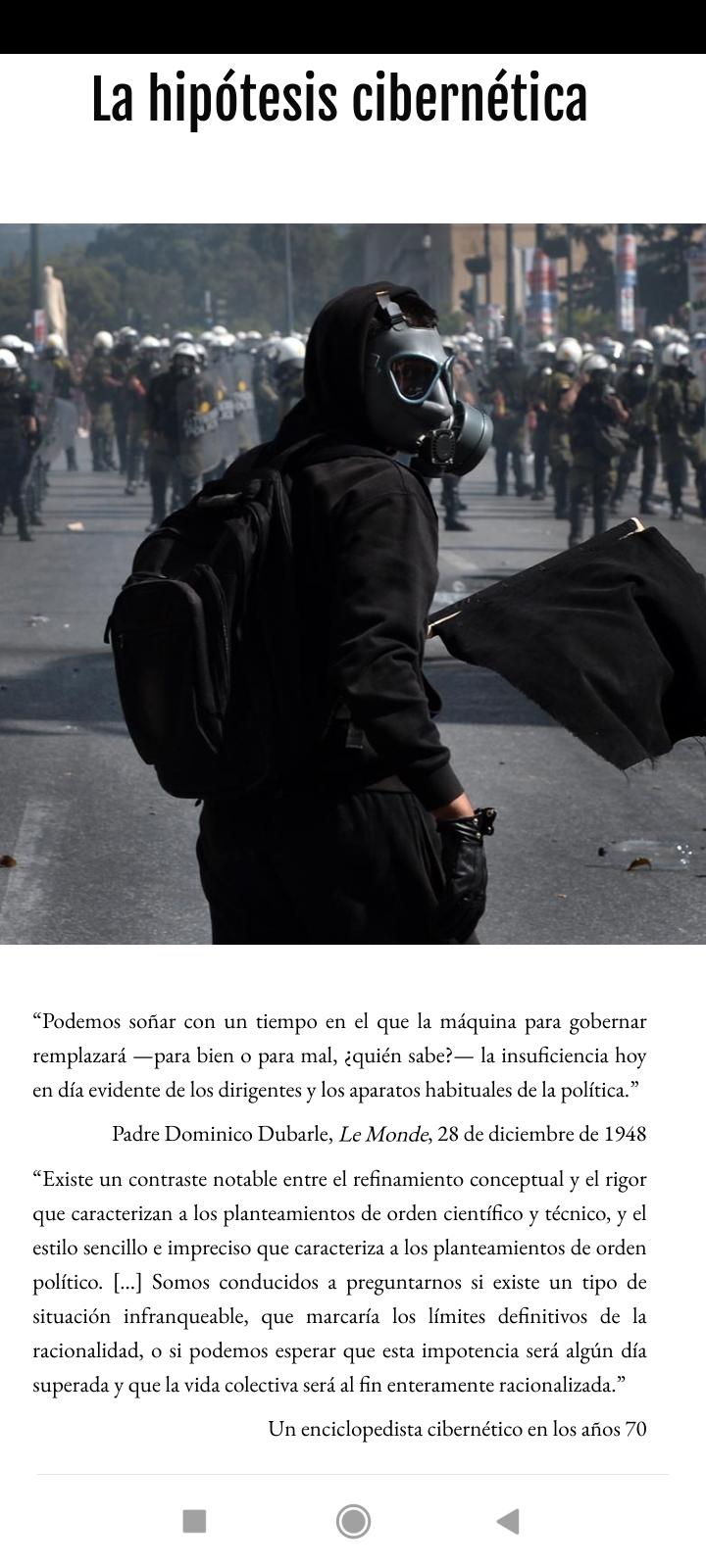
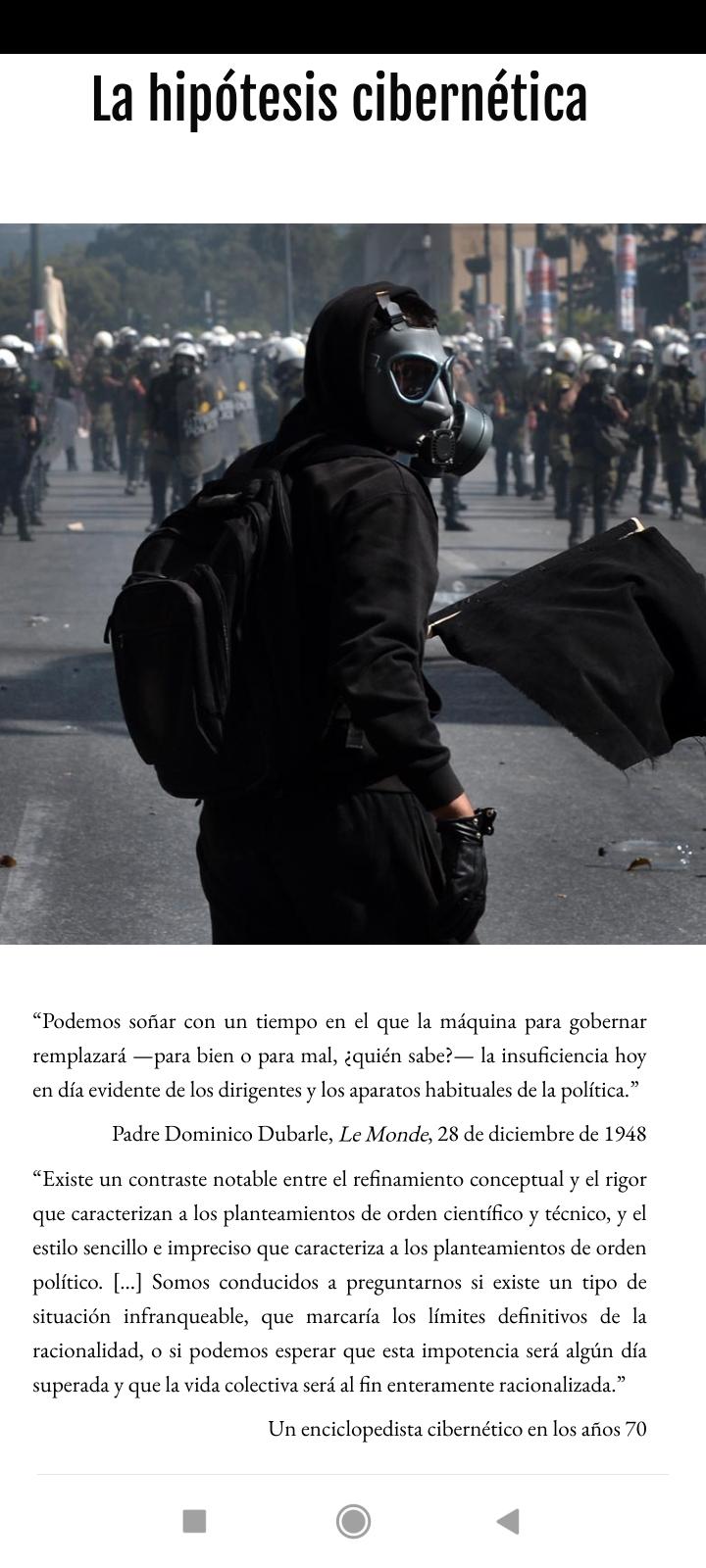
Las compas de elBinario
se hacen, eco ... ekoo del próximo encuentro/tallee
amor,
bits y
#anarkIA ?
https://elbinario.net/2024/12/03/taller-de-introduccion-a-la-ia-libre-hacklab-la-raiz/
Llega un nuevo... Taller abierto,
queremos ir a la Raíz, de nuevo.
Del algoritmo que pretende gobernarnos ? :sidekiq:
Lo usaremos como un juguete... :ivory_boost:
"Introducción a la Inteligencia Artificial Libre "
En MadriZ,
- el sábado 7 🌀
... estáis Más invitadxs a hackear la IA ... para que te la puedas cocinar y usar, si quieres, en el PC de tu casa ?


Tre interesiva experimento! #interlingua #conlang #language #auxlang #ial
https://www.youtube.com/watch?v=BDHoAvA2BxQ

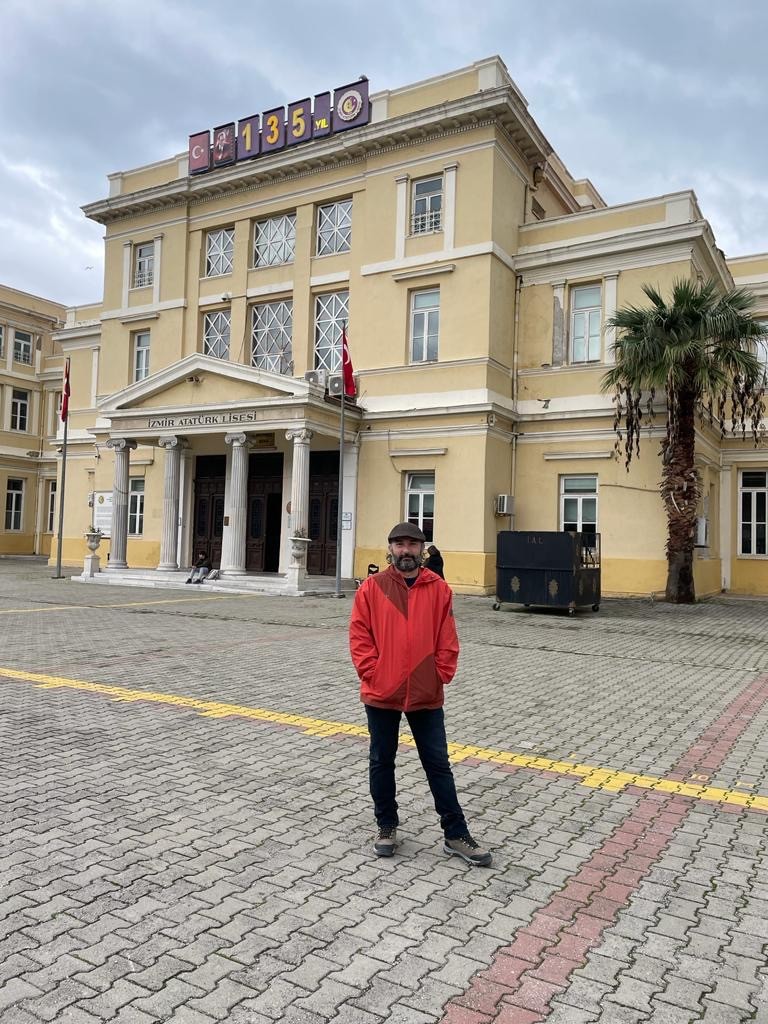
mezun olduktan sonra, kaçarcasına uzaklaşmıştım bu şehirden, ankara’ya kadar… tam tamına 30 sene geçmiş
(yanlış anlaşılmasın, mezun olalı o kadar geçti, yoksa şehre geri döneli çok oldu yine😄 )
#ial

ゾカレの最新の文法及び関連資料はGitLabに置かれている。日本語の文書以外に英語の文書もあるが、これは95%機械翻訳で、手作業による修正は一部に限られる。また古ゾカレは草案段階のため実装優先で修正は後回しになり易い。 #conlang #auxlang #IAL #zokale https://gitlab.com/eotplb/zokale


Gilles-Philippe Morin
Sun May 4 15:59:16 49558,
You said Ido is "still extremely Eurocentric". Why do you criticize Ido for not being what it doesn’t strive to be? To me, it would be like criticizing Ithkuil for not being an auxiliary language. Or Klingon for being too difficult to learn.
The Délégation pour l’Adoption d’une Langue Auxiliaire Internationale (Delegation for the Adoption of an International Auxiliary Language) adopted the following declaration in 1907 (translated to English in the Complete Manual of the Auxiliary Language Ido, 1919, p. X):
"DECLARATION OF PROGRAMME OF DELEGATION.
"1. To select and promote the use of an auxiliary international language destined not to replace the national languages in their everyday use, but to serve as a means of communication between people speaking different languages.
"2. In order to fulfil usefully its intended purpose, an international auxiliary language ought to satisfy the following conditions: (a) It must meet the requirements of ordinary social life, and also those of commerce, science, and philosophy.
(b) It must be easily acquired by people having an ordinary elementary education, and especially by the people of European civilization.
(c) It must not be one of the national languages."
Now, your "ranking" of favorite auxiliary languages seems to overlook the fact that international auxiliary languages don’t necessarily have the same goals — and thus the same criteria. Pretty much all of them agree for 1 and 2c; however, Ido is unapologetically Eurocentric with 2b, and could you please explain me how Toki Pona is superior to Ido in regard to 2a?
Ido was one of the first auxiliary languages designed with scientific use in mind. You can read more about that in the book Scientific Babel by Michael Gordin (2015). Notably, many scientists complained that the Fundamento forced them to use the very Latin "hidrargo" instead of the international "merkurio".
For that reason, even the very early Ido dictionaries (1908) contained words such as "acetileno", "akromata", "akumulatoro", "akustiko", "albumino", "atomo", "chankro", "glikozo" and of course… "merkuryo" (now merkurio).
Now, where is Toki Pona’s periodic table? What is "glucose" in Toki Pona?
How can you conceive Toki Pona as being a better auxiliary language than Ido if it cannot even compete with the level of versatility that Ido had in 1908? The truth is, Toki Pona was not designed to replace English in scientific literature. Ido was, even from the beginning.
Finally, as a side note, Ido’s "Eurocentric" system did not block words with non-European origin from entering the language. The word for Esperanto’s "ĉu" is "ka(d)", which according to the Ido-English Dictionary (Luther H. Dyer, 1924, p. 157) comes from… Sanskrit. Many European words also come from Arabic (e.g. adobo, alkaldo, alkemio, algebro, algoritmo, alkoholo, almanako, amalgamo, ambro, admiralo, arobo, asasino, azimuto, azuro, baldakino, baobabo, bergamoto, kafeo, kalibro, karafo, karato, cheko, divano, shako, jirafo, gitaro, hazardo, hashisho, limono, limonado, magazino, matraco, mumio, moskeo, nenufaro, oranjo, siropo, sukro, zero), Nahuatl (e.g. avokado, axolotlo, chokolado, koyoto, oceloto, tomato), Quechua (e.g. kokao, kokaino, lamao, pumao, quinino, vikuno), Eskimo-Aleut (e.g. anorako, igluo, kayako), Arawakan (e.g. kaimano, kanoo, hamako, iguano, savano, tabako), Tupi-Guaraní (e.g. kayeno, jaguaro, manioko, petunio, tapiokao, tapiro, tukano), Aymara (e.g. alpako), Cariban (e.g. kanibalo), Cherokee (e.g. sequoyo), Taino (e.g. patato), Sanskrit (e.g. Aryana, atolo, kandio, shakalo, junglo, mandarino, pantero, puncho), Hebrew (e.g. abako, amen, Babel, kerubo, edeno, jubileo, manao, mesio, pasko, farizeo, sabato, amonito, makadamo, sodomio), Japanese (e.g. soyo), Turkic (e.g. kazako, kalpak, turkezo, yogurto), etc. The fact Ido is based on European languages does not mean the origin of these words restrict themselves to European borders.
All in all, I do not see how an international auxiliary language could be easy to learn, easy to use and easy to understand without being at least a bit Eurocentric in design. Take Chinese for instance. Arbitrarily incorporating more Chinese words into Ido would be pointless, since Chinese itself is mutually unintelligible, it’s strongly tonal (which Ido is not) and it doesn’t use the English alphabet (which Ido uses). An Ido word based solely on (Mandarin) Chinese would probably not even be recognizable to a Chinese person. Ido would thus fare no better than Volapük — which Schleyer deformed especially to make the etymology harder to recognize. In the end, Schleyer’s clever system (that even lacked R to be easy for the Chinese!) rather made Europeans crave Esperanto’s vocabulary and grammar and ended up with… Idiom Neutral and Volapük Nulik.
Hans Lee
Sat Sep 3 13:55:04 50557,
Here is my attempt to simply rebut Anthony's points:
1. You say that you cannot talk about math in Toki Pona. However, an average person seldom talks about elaborated maths in everyday communication. This puts
mathematics out of Toki Pona's goal, but this fact in no way makes TP less valid of a language.
2. You argue that TP is incapable of translating literature, and you even gave examples for us. TP is a language made to communicate simply and clearly. As I quote from jan Misali, "it is impossible to talk about things WITHOUT EXPLAINING". TP cannot translate literature easily, because it is not made for it. TP is a language for people around the globe to learn it easily, and get points across when talking to others. There is no advanced vocabulary, making explanation obligatory. This in turn makes it possible for everyone to understand what you say. TP is simple, and it's meant to be.
Alex Hayes
Sat Sep 3 13:32:49 50557,
Did I call any other conlangs substantial? No, I did not. Conlanging as a whole is not substantial as of right now and very likely will never be. The highest quality broken wrench is still a broken wrench; being relatively popular and influential means nothing outside of our little-known hobby.
There are Esperantists worldwide? Wow, that fixes everything! Now there is perfect communication across all borders, never mind that very few of people can talk to each other internationally and are likely in the same demographic, you know, since they have to know what an auxlang is or be raised by someone who does in order to at the very least know Esperanto exists. Never mind that only conlangers and language enthusiasts can talk to other conlangers and language enthusiasts in other countries using Esperanto. Never mind that language enthusiasts tend to already be multilingual. It all doesn't matter because wow, how fucking amazing, a minority of people in one country can talk to an identical fucking minority in another. This excuses literally everything.
And you know, fuck those Konkanis for speaking a language in a different family, it's their fault for speaking an Indic language instead of a Romance, Germanic, Slavic, or otherwise European language. How dare they have a vocabulary that does not correspond to Esperanto's? This is an international language, and that apparently means that it retains vocabulary and grammar from the only languages that matter: ones within a short boat or train ride from Poland. That's international enough for the average auxlang enthusiast, so the rest of the world just needs to suck it up and learn this bafflingly easy language like the rest of us. You speak Mandarin, an extremely isolating language with no European cognates other than modern loanwords? Doesn't matter, and don't complain that Esperanto is fusional because it's just so damn easy and international.
"To compare Esperanto to a national or regional language is to not get the point, at all."
Oh, I'm sorry, I forgot that Esperanto isn't actually a language, I'm sorry for comparing it to languages, it's obviously in its own untouchable category. Just because it has words and a grammar doesn't mean it's a real language, therefore we are not allowed to treat it like a natural language, even if people consider it a "living language". It is simply a word game between European polyglots, except that it's not even a fun word game like the literally demonic Toki Pona.
There, are you happy now? To escape criticism, your language is now in the same category as Toki Pona, which is something that you don't take seriously in the slightest. Is that what you wanted?
Nicholas Layton
Sun May 4 12:49:55 49558,
Well let's be honest, toki pona is useless as a language. You can try to play with it in small talk but no one is going to understand what each other is trying to convey in any kind of meaningful conversation. And let's be even more honest, any efforts put into creating a new IAL is an exercise in futility.
It's mental masturbation at best and will never be anything useful to anyone, including yourself.
Mike S. | May 4 2019
[...]
Suffice to say that Loglan and Lojban should not be presented as IALs. However, just as with Toki Pona,some enthusiasts did not get the memo that the language was NOT designed to be an IAL.
[...]
Client Info
Server: https://mastodon.social
Version: 2025.07
Repository: https://github.com/cyevgeniy/lmst