#enterpriseapps

Tuvoc Technologiestuvoc
2025-06-18

How to Use Python for Enterprise Application Development in 2025

tuvoc.com/blog/python-for-ente

Discover how Python can power enterprise application development in 2025 with its robust libraries, scalability, and integration capabilities. Learn best practices and tools to build secure, efficient, and modern enterprise solutions.


InAppinapp
2025-04-30

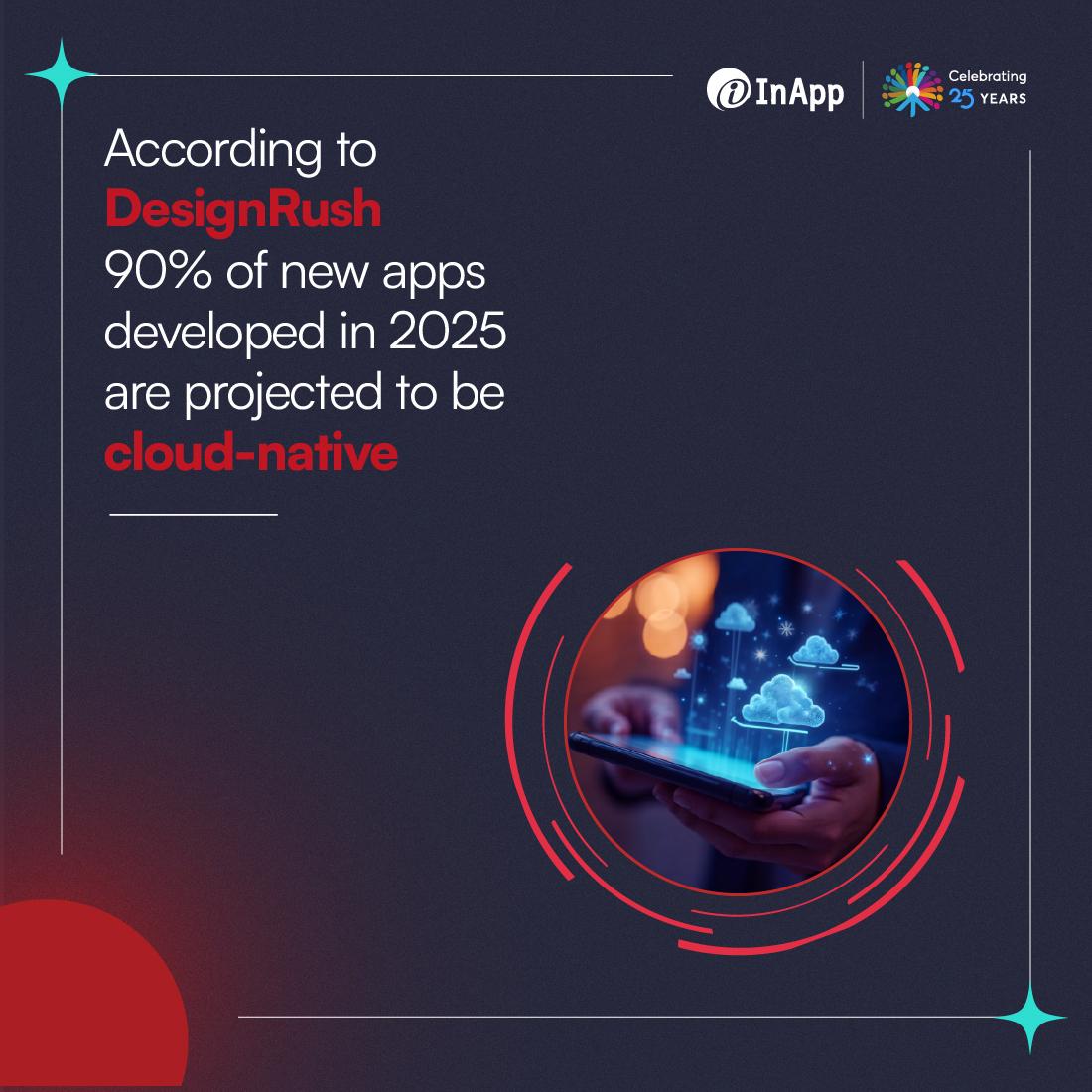
Cloud-native isn’t just a trend—it’s now the default. As the DesignRush report says, 90% of new apps in 2025 will be built cloud-native, reflecting a shift toward scalable, resilient, and faster-to-deploy digital ecosystems.

Is your software architecture future-ready? Drop your thoughts below.
Explore our cloud-native services: inapp.com/technologies/cloud-t

Cloud-native isn’t just a trend—it’s now the default. As the DesignRush report says, 90% of new apps in 2025 will be built cloud-native, reflecting a shift toward scalable, resilient, and faster-to-deploy digital ecosystems.

For enterprises looking to modernize legacy systems or launch high-performance platforms, the message is clear: agility starts with architecture.

At InApp, we help businesses embrace the cloud-native mindset—through microservices, containerization, and custom cloud engineering.

Is your software architecture future-ready? Drop your thoughts below.
Explore our cloud-native services: https://inapp.com/technologies/cloud-technologies/

#InApp #CloudNative #DigitalTransformation #EnterpriseApps #SoftwareModernization #CloudEngineering
2025-04-23

𝐁𝐥𝐨𝐜𝐤𝐢𝐧𝐠 𝐮𝐬𝐞𝐫 𝐜𝐨𝐧𝐬𝐞𝐧𝐭 𝐭𝐨 𝐌𝐢𝐜𝐫𝐨𝐬𝐨𝐟𝐭 𝐄𝐧𝐭𝐫𝐚 𝐈𝐃 𝐞𝐧𝐭𝐞𝐫𝐩𝐫𝐢𝐬𝐞 𝐚𝐩𝐩𝐬

Microsoft Entra ID is primarily an identity system for Microsoft applications and services. However, you can also integrate other applications and services with Microsoft Entra ID. And it’s even highly recommended, because you get single sign-on using corporate identity, you don’t have to maintain another separate user account system, you have the ability to apply conditional access policies to these external applications and services, etc.

But the problem is that by default, even a regular user can give consent to an external application to access Microsoft Entra ID and other services tied to it. This is very risky as it can lead to leakage of sensitive internal information as such applications can have arbitrary permissions that the user gives the application access to.

📺 Watch my YouTube video bellow on how to block user consent to Enterprise Apps in Microsoft Entra ID 👇 👇
youtu.be/Ht-zcZt9nzM

#cswrld #entraid #enterpriseapps #userconsent #block

Tuvoc Technologiestuvoc
2025-04-17

Essential Points to Consider Before Creating Enterprise Mobile Applications

tuvoc.com/blog/essential-point

Before developing enterprise mobile applications, it's crucial to consider scalability, security, and integration. These factors ensure smooth performance and align the app with business goals and user needs.


2025-03-12

𝐃𝐈𝐅𝐅𝐄𝐑𝐄𝐍𝐂𝐄 𝐁𝐄𝐓𝐖𝐄𝐄𝐍 𝐄𝐍𝐓𝐄𝐑𝐏𝐑𝐈𝐒𝐄 𝐀𝐏𝐏𝐒 𝐀𝐍𝐃 𝐀𝐏𝐏 𝐑𝐄𝐆𝐈𝐒𝐓𝐑𝐀𝐓𝐈𝐎𝐍𝐒 𝐈𝐍 𝐌𝐈𝐂𝐑𝐎𝐒𝐎𝐅𝐓 𝐄𝐍𝐓𝐑𝐀 𝐈𝐃

In Microsoft Entra ID, there are Enterprise Apps and App Registrations. Many administrators don’t know the difference between the two and confuse the two important concepts. But there is a major difference between them, and it is good to know it.

📺 Watch my YouTube video bellow 👇 👇
youtu.be/4ljbruQOOiI

#cswrld #videotutorial #entraid #enterpriseapps #appregistrations

Alexander Falk :verified:afalk@m.falk.us
2023-03-01

Take a look at how RecordsManager makes it easy for app administrators to manage complex role-based permissions with visual tools:

#enterpriseapps #permissions #management

altova.com/blog/role-based-acc

2023-02-08

Should users have the right to #consent for #EnterpriseApps in #AzureAD? By default, user consent is enabled.

In one of my previous posts, I talked about Enterprise apps and their permissions. There is a significant risk of abuse with Enterprise apps - Illicit Consent Grants learn.microsoft.com/en-us/micr. That risk is very real and very often attackers target user consent.

Therefore, end users should definitely not be able to give consent. The administrator should only do this. Therefore, it is recommended to disable user consent in the Azure AD Enterprise apps settings, or only allow consent for so-called low impact permissions for apps from verified publishers.

Personally, however, I would disable user consent altogether. Users can be allowed to request admin consent, so if a user has a legitimate reason to use an app, they can request admin consent and the admin can approve the request after review.

Enterprise apps user consent

Client Info

Server: https://mastodon.social
Version: 2025.07
Repository: https://github.com/cyevgeniy/lmst