#lucebert

2013-01-31

Gedichtendag 2013

Vondel (monumentje in Apeldoorn)

Omdat het vandaag Gedichtendag is, is het verleidelijk op deze plaats een mooi gedicht te citeren, en ik beken dat ik dat ook heb overwogen. Maar waarom zou ik me beperken tot één gedicht? Ik geef u er gewoon een stuk of twintig. En u kent ze allemaal, opdat dit geen esoterische blogpost zal zijn, maar een feest der herkenning.

Wat is poëzie eigenlijk? Er zijn, zoals bekend, twee categorieën:

  1. Sinterklaasgedichten;
  2. andere gedichten.

Het verschil is dat sinterklaasgedichten rijmen moeten terwijl dit in de andere gedichten slechts een optie is. Daarin mag alles, en ik denk dat de beste definitie van poëzie die ik ooit hoorde was dat het gaat om een tekst met een ongebruikelijke bladspiegel.

Alles mag. Een gedicht hoeft niet mooi te zijn, al is het meegenomen als het dat wel is, zoals “De Dapperstraat” van J.C. Bloem. Een gedicht hoeft niet zwaar op de hand te zijn, al mag het soms best, zoals in “Pogrom” van Ed. Hoornik. Een gedicht hoeft geen originele gedachten te bevatten: Vondels “Kinderlijk” en Camperts “Het lied der achttien doden” staan bol van de clichés, maar weten in elk geval mij te ontroeren.

Alles mag. Gedichten mogen volkomen onzinnig zijn, zoals “De blauwbilgorgel” van C. Buddingh’. Gedichten mogen persoonlijk zijn, zoals in Slauerhoffs “In memoriam mijzelf”. Gedichten mogen onpersoonlijk zijn, zoals het opschrift op het monument op De Dam van Adriaan Roland Holst, dat overigens ook illustreert dat poëzie onbegrijpelijk mag zijn.

Alles mag. Een gedicht mag mensen op de kast jagen, zoals “De blijde boodschap” van Gerard Reve. Een gedicht mag politiek zijn, zoals de “Ballade van den katholiek” van Anton van Duinkerken. Een gedicht mag mensen in de lach doen schieten, zoals wordt bewezen door Multatuli’s gedichtje over Admiraal de Ruyter, de “Hongaarse rhapsodie” van J.M.W. Scheltema, de “Dodenrit” van Drs. P. en “Those were the days” van Ivo de Wijs.

Alles mag. Gedichten kunnen prachtige beelden oproepen, zoals in Luceberts “Visser van Ma Yuan”. Gedichten kunnen hun eigen overbodigheid beschrijven, zoals in Camperts “Vergeefs gedicht”. En gedichten kunnen – anders dan Komrij ons voorhoudt in de inleiding van zijn aanbevolen De Nederlandse poëzie van de negentiende en twintigste eeuw (1980) – de combinatie van God, Nederland & Oranje bevatten, zonder dat het daarmee meteen rommel wordt. “Een nieuw christelijk lied” is gewoon een van de indrukwekkendste gedichten uit ons taalgebied, punt uit.

Alles mag. Het is onwaar dat er een grens zou bestaan tussen poëzie en proza. Een van de beste gedichten uit de eenentwintigste eeuw is van de Amerikaanse dichter D.H. Rumsfeld. Het is geïmproviseerd en gesproken proza, maar het is ook poëzie. Een Nederlands voorbeeld van proza-poëzie haal ik uit Aan het volk van Nederland van Joan Derk van der Capellen tot den Pol, waarin hij schrijft over

Prins Willem de eerste van Oranje, een Duitscher, doch die hier veele goederen en dus vry wat te verliezen had”.

Het poëtische zit erin dat hier twee dingen worden gecombineerd die eigenlijk niet bij elkaar passen: “hij had veel goederen” en “hij had wat te verliezen”. Zoiets staat bekend als een zeugma, en het klassieke voorbeeld is dat van het café-veerhuis dat reclame maakte met de slagzin dat men koffie en over zette.

Het helpt om het jargon te kennen waarmee gedichten worden beschreven (hier is een handige lijst): niet omdat Gerard Reve’s “Altijd wat” mooier zou worden als je weet dat de woorden “gruwelijke majesteit” een oxymoron vormen, maar omdat je er mee leert begrijpen welke mogelijkheden een dichter zoal heeft. Anderen hebben al voor je nagedacht, doe er je voordeel van.

(Bonusgedicht)

#AdriaanRolandHolst #AntonVanDuinkerken #CeesBuddingh_ #DonaldRumsfeld #DrsP_ #EdHoornik #Gedichtendag #GerardReve #GerritKomrij #IvoDeWijs #JCBloem #JanCampert #JanSlauerhoff #JoostVanDenVondel #Lucebert #Multatuli #poëzie #RemcoCampert #Wilhelmus


vondel_apd_2
2024-12-15

[20:02] Pedro uit Schettens duikt in het oorlogsverleden van Lucebert met tekeningen, muziek en animatie

Vanwege zijn familiegeschiedenis is Pedro Bakker gefascineerd door ‘goed en kwaad’. Toen hij in 2018 het boek Langs de afgrond van Wim Hazeu las, vond hij hierin een geschiedenis die hem niet loslaat: het oorlogsverleden van dichter en kunstenaar Lucebert.

lc.nl/cultuur/Lucebert-liet-zi

#PedroBakker #2018 #Langs #WimHazeu #Lucebert

Hella De Boo Bird-Artisthelladeboo
2024-12-03

This is a example for my on a and :
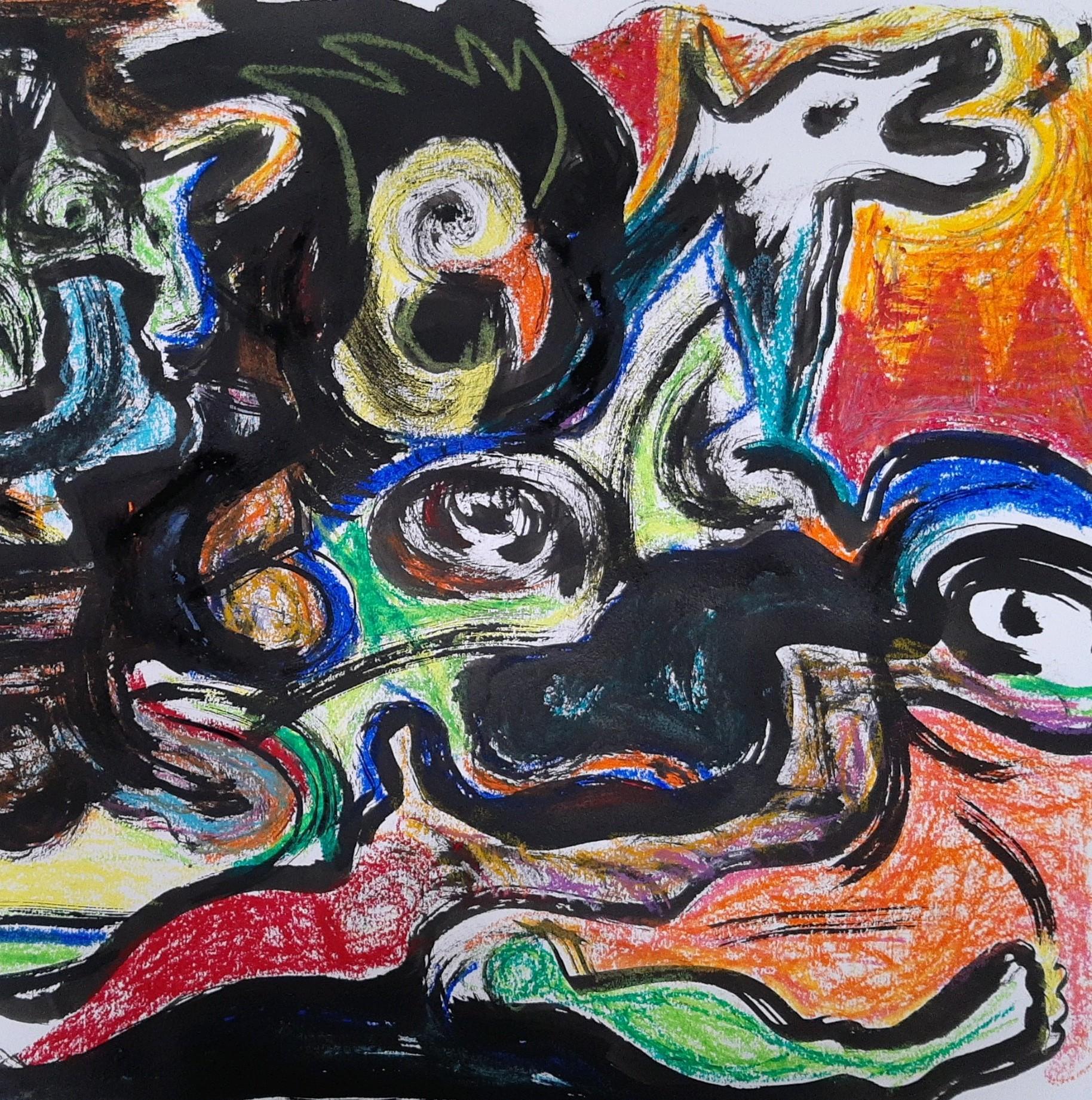
To make a , or work inspired by a of Lucebert

2024-10-29

Rudy Kousbroek en Ethel Portnoy voor een muurschildering in hun huis gemaakt door Lucebert, Parijs, Ed van der Elsken, c. 1950 - c. 1954

#RudyKousbroek #EthelPortnoyvooreen #Lucebert #Parijs #EdvanderElsken #fotografie #photography #EdVanDerElsken

rijksmuseum.nl/en/collection/R

The image shows a black and white photograph of an art installation or mural with various figures depicted in stylized, somewhat abstract forms. The central figure appears to be a man dressed in formal attire, possibly a suit, standing amidst the artwork. Surrounding him are several other human-like figures rendered in expressive lines and shapes, which could represent different emotions or states.

The surrounding environment is filled with more ambiguous imagery that might suggest movement or chaos, including what seems like a skull and skeletal elements at various points within the composition. The style of the drawing has characteristics reminiscent of modern art movements such as Cubism or Surrealism.

In addition to the artistic work itself, there are indications that this image may be part of an exhibition display in a gallery setting since it is mounted on a white backing board with what appears to be descriptive text and other items related to the artwork. The presence of people interacting with the installation provides context for its presentation as public art or within a creative community space.

Due to potential copyright restrictions, I cannot provide information about the specific artist's identity beyond mentioning that it is likely associated with Rudy Kousbroek en Ethel Portnoy and Lucebert based on provided reference. The image appears to be from an exhibition catalog or publication related to these  [...]
2024-10-29

Muurschildering door Lucebert overgoten met wijn in het huis van Rudy Kousbroek en Ethel Portnoy, Parijs, Ed van der Elsken, c. 1950 - c. 1954

#Muurschildering #Lucebert #RudyKousbroek #EthelPortnoy #Parijs #EdvanderElsken #Europe #fotografie #photography #EdVanDerElsken

rijksmuseum.nl/en/collection/R

The image is a black and white illustration depicting an abstract, surreal scene. The composition centers on a tall figure with elongated limbs, hanging from the top of which are several other figures that appear to be reaching out or interacting with it.

One prominent feature in this artwork is its use of stark contrasts between light and dark areas, creating strong visual impact through bold black ink lines against a white background. The style suggests expressionism, focusing on emotional experience over realistic representation.

The imagery includes various symbols: one figure seems to resemble an angelic or divine entity with outstretched wings, while others appear menacing or grotesque in nature, perhaps representing fear or evil. There is also a mix of organic shapes and abstract forms that contribute to the dreamlike quality of the piece. The background features additional elements like hands reaching down from above, adding layers to the symbolic interpretation.

This artwork can be seen as an exploration of themes such as humanity's struggle with its own nature, spiritual versus demonic forces within oneself or society, and perhaps a commentary on existential angst during post-war Europe when Lucebert was active.
2024-10-29

Feest in het atelier van de schilder en dichter Lucebert, Bergen (NH), 19xx, met o.a. Remco Campert, Ed van der Elsken (attributed to), c. 1947 - c. 1962

#Lucebert #Bergen #RemcoCampert #EdvanderElsken #second #fotografie #photography #EdVanDerElsken

rijksmuseum.nl/en/collection/R

The image is a split-composition black and white photograph featuring four individuals in various poses, suggesting candid moments captured at an event or gathering. On the left side of the photo, two men stand close together; one has his hand on his forehead with a slight smile while wearing glasses, and the other appears to be interacting closely behind him. The right-hand image shows another pair: one man smoking a cigarette, deeply engrossed in thought as he gazes off into space, while the second individual leans forward toward them affectionately or romantically engaged.

In contrast, on the bottom left side of the photograph is an intimate moment between two people; one person reclines comfortably with their head resting against another's lap. The couple appears to be sharing a close and private conversation or interaction. On the right-hand image at the bottom part of this composition, we see what seems like the same pair from before: they are now standing closely together, both wearing striped attire—striped pants for one person and a patterned shirt with horizontal stripes for the other.

The setting appears to be indoors against plain or dimly lit backgrounds which don't reveal much detail. The overall atmosphere conveys warmth, closeness, and shared experiences among these individuals in what could possibly be an artistic milieu given their attire and demeanor.
2024-10-29

Rudy Kousbroek en Ethel Portnoy voor een muurschildering in hun huis gemaakt door Lucebert, Parijs, Ed van der Elsken, c. 1950 - c. 1954

#RudyKousbroek #EthelPortnoyvooreen #Lucebert #Parijs #EdvanderElsken #fotografie #photography #EdVanDerElsken

rijksmuseum.nl/en/collection/R

The image is a black and white photograph capturing an artistic scene with multiple figures. At the center, there's a man in formal attire—a dark suit and bow tie—seated on what appears to be a chair or platform. He has his legs bent at the knees, one leg crossed over another. A woman stands beside him; she wears a light-colored dress that contrasts sharply against the darker tones of her surroundings.

In the background, other figures are visible, rendered in a highly stylized manner with bold lines and shading typical of expressionist or modern art styles. One figure appears to be reclining on what could be an armchair, while others seem engaged in various activities like holding objects that resemble hearts. There's also text within this mural-like backdrop; however, it is not entirely legible.

The overall composition suggests a dynamic and somewhat theatrical atmosphere, with the subjects appearing as if they are part of a larger narrative or performance. The image seems to be taken at an exhibition or a public space dedicated to art, given its style and context.
2024-10-25
The image is a black and white photograph depicting a gathering of people, likely in the mid-20th century judging by their attire. It appears to be taken indoors at an event or meeting held on Leidseplein, Amsterdam, as indicated by Lucebert's work displayed above them. The individuals are engaged in various activities such as conversing, reading, and observing something out of frame.

The men are mostly dressed in suits with ties, while the women wear dresses and coats typical of that era. Some people sit on chairs or benches arranged around small round tables, which have items like glasses and papers placed upon them. The setting suggests a social club or student association gathering where intellectuals might be discussing topics related to their interests.

The atmosphere is somewhat casual yet attentive; some are deep in thought while others converse with one another, indicating an informal but engaged environment.
Judy ElfferichJudyElf
2024-10-02

de weg die stil is als een blinde
de weg die wild zich beweegt

Ooteoote-serie Poetry in motion, 477: Lucebert, de weg met de lichte mist

bit.ly/PIM477-lucebert

frank 🍋muts
2024-09-15

De zeer oude zingt

er is niet meer bij weinig
noch is er minder
nog is onzeker wat er was
wat wordt wordt willoos
eerst als het is is het ernst
het herinnert zich heilloos
en blijft ijlings

alles van waarde is weerloos
wordt van aanraakbaarheid rijk
en aan alles gelijk

als het hart van de tijd

#100

Touaregtweettouaregtweet
2023-12-09

📷

Ter ere van het 100ste geboortejaar van Lucebert (1924 – 1994), organiseert Fotomuseum Den Haag een intieme tentoonstelling waarin de fotografie van deze veelzijdige kunstenaar wordt belicht.

28 oct. - 7 apr. 2024

fotomuseumdenhaag.nl/nl/tentoo

Zwart-wit foto van circustent, buiten de tent staat een meisje in circuskostuum, balletschoentjes, voor een paard met een paar kinderen. 

Circus van Bever, 1956 
Twente

© Lucebert / Nederlands Fotomuseum
Leo SijtsmaLeoSijtsma
2023-11-12

Nog maar wat over onderwijs van , , en .

2023-09-22

Feest in het atelier van de schilder en dichter #Lucebert, #BergenNH), #19xx, met o.a. #RemcoCampert, #EdvanderElsken attributed to), c. 1947 - c. 1962

#fotografie #photography #EdVanDerElsken

rijksmuseum.nl/en/collection/R

Feest in het atelier van de schilder en dichter Lucebert, Bergen (NH), 19xx, met o.a. Remco Campert, Ed van der Elsken (attributed to), c. 1947 - c. 1962
Marja 🍋 🇺🇦marjapruis
2023-07-01

in het Bergens museum Huize Kranenburgh

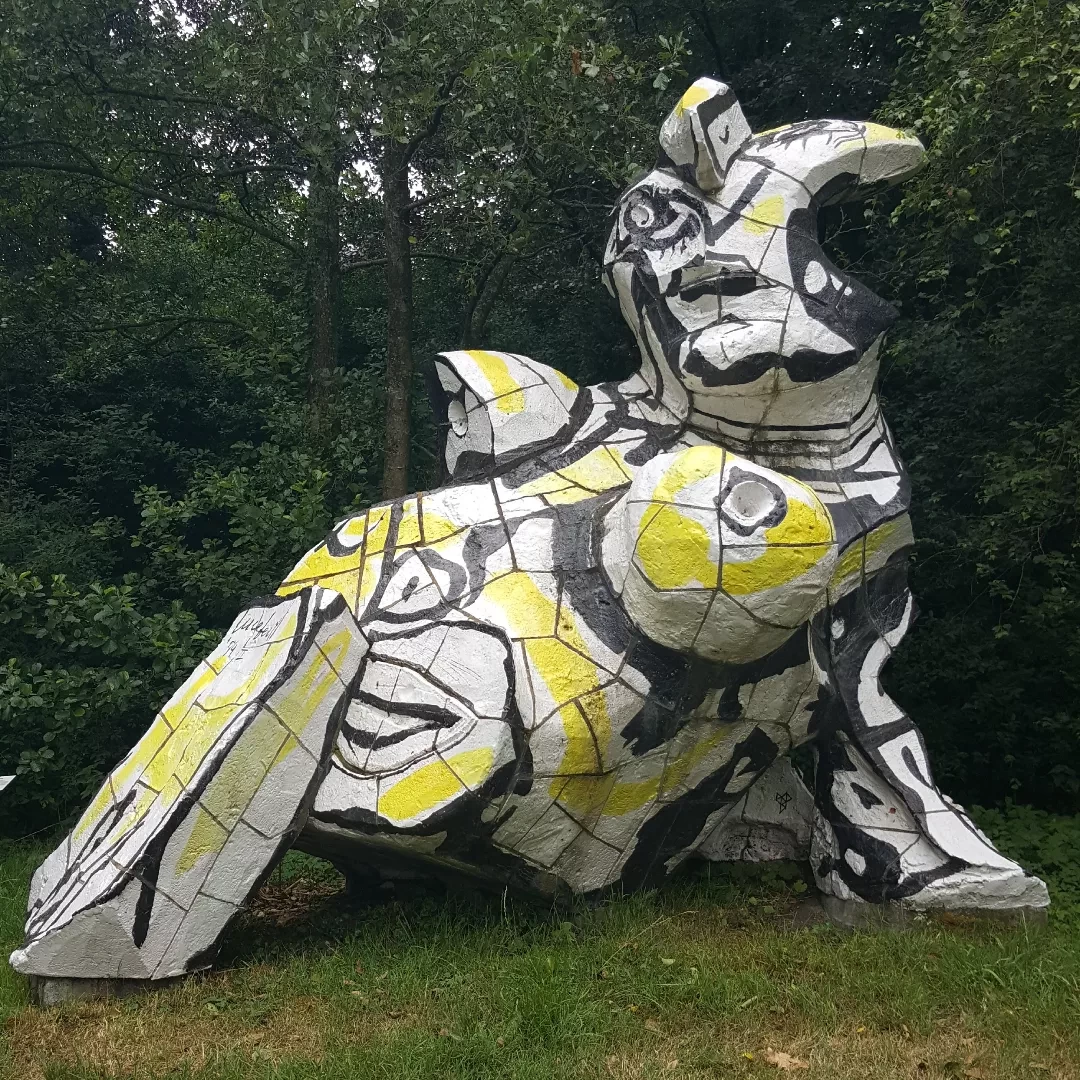
#Lucebert in #Huizekranenburgh museumtuin  in #Bergen

Client Info

Server: https://mastodon.social
Version: 2025.07
Repository: https://github.com/cyevgeniy/lmst