
Pyramid in Rapa, Poland
It is a unique tomb of the Prussian baronial family von Fahrenheid, built in the early 19th century, probably in 1811, although some sources suggest earlier dates such as 1795 or 1808. It is located in the Masurian village of Rapa, on marshy terrain, where a special embankment was constructed leading to the pyramid. The structure is modeled after Egyptian pyramids, visible in its shape and the precise angle of the walls’ slope (51°52’), identical to that of the Great Pyramid of Giza. The pyramid is about 16 meters high, with a square base measuring 10.4 meters on each side.
The initiator and patron of the pyramid was Baron Friedrich Heinrich von Fahrenheid, a passionate admirer of ancient Egypt and an art patron, who, fascinated by Egyptian culture and the idea of life after death, decided to build a mausoleum for his family. The first person buried in the pyramid was his three-year-old daughter Ninette, who died of scarlet fever in 1811. Her body was carefully embalmed, and the tomb was designed to promote mummification, which actually took place—the coffins of seven family members, including Friedrich himself, have been preserved in remarkably good condition.
The Pyramid in Rapa gradually fell into oblivion at the end of the 19th century after the estate was taken over by another family. During both world wars, the tomb was repeatedly vandalized by soldiers searching for valuables. After the wars, the site suffered from vandalism and even local tourists disturbed the coffins. It was only in the 21st century that local authorities secured the entrance to the pyramid. Today, it is one of the most enigmatic buildings in the Masurian region, attracting interest due to its unique character and mysterious history.
#Rapa #piramida #mazury #vonFahrenheid #prusy #mauzoleum #architektura #piramid #masuria #polska #poland #prussia #mausoleum #architecture #grobowiec #tomb
#prusy

Aqueducts of the Romincka Forest, Stańczyki, Poland (part 3 of 3)
According to the 1938 timetable, three pairs of passenger trains ran daily on the Gołdap–Żytkiejmy–Gąbin line. An additional pair operated on Saturdays and Sundays. Passenger traffic between 1927 and 1933 was not large in an area with one of the lowest population densities. After 1933 it decreased further when, by order of the Reichsjägermeister Hermann Göring, the entire Romincka Forest was enclosed with a fence, becoming a restricted area for private meetings of German leaders.
In 1945 the withdrawing Red Army dismantled the tracks, and they have remained so to this day.
#aqueduct #aqueducts #bridges #bridge #mosty #most #wiadukty #wiadukt #stanczyki #polska #poland #las #forest #mazury #masuria #puszcza #photography #prussia #prusy #romincka #kolej #rail
According to the 1938 timetable, three pairs of passenger trains ran daily on the Gołdap–Żytkiejmy–Gąbin line. An additional pair operated on Saturdays and Sundays. Passenger traffic between 1927 and 1933 was not large in an area with one of the lowest population densities. After 1933 it decreased further when, by order of the Reichsjägermeister Hermann Göring, the entire Romincka Forest was enclosed with a fence, becoming a restricted area for private meetings of German leaders.
In 1945 the withdrawing Red Army dismantled the tracks, and they have remained so to this day.
#aqueduct #aqueducts #bridges #bridge #mosty #most #wiadukty #wiadukt #stanczyki #polska #poland #las #forest #mazury #masuria #puszcza #photography #prussia #prusy #romincka #kolej #rail

Aqueducts of the Romincka Forest, Stańczyki, Poland (part 2 of 3)
The first, southern bridge was built between 1912 and 1917 as part of a transport corridor of great strategic and economic importance connecting Chojnice with Olita (now in Lithuania). Its construction was interrupted by World War I, but the building was ultimately completed. After the war, between 1923 and 1926, the second, northern bridge was constructed.
The Gołdap - Żytkiejmy - Gąbin railway line was opened in the autumn of 1927.
#aqueduct #aqueducts #bridges #bridge #mosty #most #wiadukty #wiadukt #stanczyki #polska #poland #las #forest #mazury #masuria #puszcza #photography #prussia #prusy #romincka #kolej #rail
The first, southern bridge was built between 1912 and 1917 as part of a transport corridor of great strategic and economic importance connecting Chojnice with Olita (now in Lithuania). Its construction was interrupted by World War I, but the building was ultimately completed. After the war, between 1923 and 1926, the second, northern bridge was constructed.
The Gołdap - Żytkiejmy - Gąbin railway line was opened in the autumn of 1927.
#aqueduct #aqueducts #bridges #bridge #mosty #most #wiadukty #wiadukt #stanczyki #polska #poland #las #forest #mazury #masuria #puszcza #photography #prussia #prusy #romincka #kolej #rail

Aqueducts of the Romincka Forest, Stańczyki, Poland (part 1 of 3)
The northern ends of Masuria belong to the least visited corners of the country. It is here, among charming hills and meadows, behind the village of Stańczyki, that the massive bridges of the disused Gołdap–Żytkiejmy railway line are located. These bridges are the highest on the line and among the tallest in Poland.
The bridges are 200 meters long and 36 meters high. The structure is reinforced concrete, with five spans, each with equal 15-meter arches. The pillars are decorated with elements modeled after Roman aqueducts, hence the name: “Aqueducts of the Romincka Forest.”
#aqueduct #aqueducts #bridges #bridge #mosty #most #wiadukty #wiadukt #stanczyki #polska #poland #las #forest #mazury #masuria #puszcza #photography #prussia #prusy #romincka #kolej #rail
The northern ends of Masuria belong to the least visited corners of the country. It is here, among charming hills and meadows, behind the village of Stańczyki, that the massive bridges of the disused Gołdap–Żytkiejmy railway line are located. These bridges are the highest on the line and among the tallest in Poland.
The bridges are 200 meters long and 36 meters high. The structure is reinforced concrete, with five spans, each with equal 15-meter arches. The pillars are decorated with elements modeled after Roman aqueducts, hence the name: “Aqueducts of the Romincka Forest.”
#aqueduct #aqueducts #bridges #bridge #mosty #most #wiadukty #wiadukt #stanczyki #polska #poland #las #forest #mazury #masuria #puszcza #photography #prussia #prusy #romincka #kolej #rail

Yotvingian-Prussian Settlement, Oszkinie, Poland (part 4 of 4)
In the settlement, you can experience a unique atmosphere of silence and birdsong, which enhances the feeling of connection with the past and nature.
Various activities are also organized here: archery, javelin and axe throwing, horseback riding (including on the rare Samogitian breed), and the possibility of overnight stays in spartan conditions without electricity, allowing you to be transported back in time.
#oszkinie #osada #prusy #jacwingowie #litwini #litwa #polska #architektura #architekturadrewniana #settlement #prussia #yotvingians #lithuanians #lithuania #poland #architecture #osadajacwieskopruska
In the settlement, you can experience a unique atmosphere of silence and birdsong, which enhances the feeling of connection with the past and nature.
Various activities are also organized here: archery, javelin and axe throwing, horseback riding (including on the rare Samogitian breed), and the possibility of overnight stays in spartan conditions without electricity, allowing you to be transported back in time.
#oszkinie #osada #prusy #jacwingowie #litwini #litwa #polska #architektura #architekturadrewniana #settlement #prussia #yotvingians #lithuanians #lithuania #poland #architecture #osadajacwieskopruska

Yotvingian-Prussian Settlement, Oszkinie, Poland (part 3 of 4)
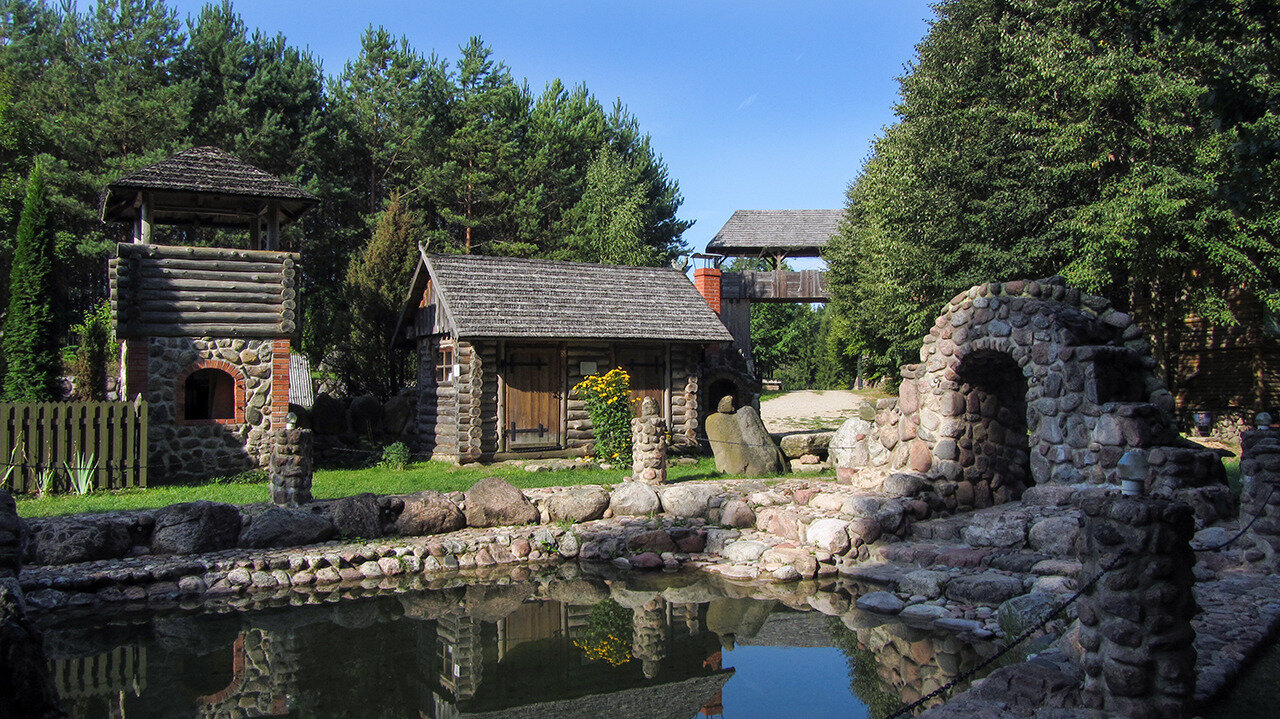
In the settlement, you can see places of worship, such as a stone ritual pool and a sacred grove where the Yotvingians made offerings from the gifts of nature.
The Yotvingian-Prussian settlement in Oszkinie is also famous for its Alley of Stones. Mr. Piotr commissioned the carving of images and names of Yotvingian and Prussian tribe leaders on the enormous boulders.
Walking among the trees and symbolic stones, you can imagine the bond that connected these people with nature and its forces.
#oszkinie #punsk #osada #prusy #jacwingowie #litwini #litwa #polska #settlement #prussia #yotvingians #lithuanians #lithuania #poland #YotvingianPrussianSettlement #forest #las #stone #ritual #elements
In the settlement, you can see places of worship, such as a stone ritual pool and a sacred grove where the Yotvingians made offerings from the gifts of nature.
The Yotvingian-Prussian settlement in Oszkinie is also famous for its Alley of Stones. Mr. Piotr commissioned the carving of images and names of Yotvingian and Prussian tribe leaders on the enormous boulders.
Walking among the trees and symbolic stones, you can imagine the bond that connected these people with nature and its forces.
#oszkinie #punsk #osada #prusy #jacwingowie #litwini #litwa #polska #settlement #prussia #yotvingians #lithuanians #lithuania #poland #YotvingianPrussianSettlement #forest #las #stone #ritual #elements


Yotvingian-Prussian Settlement, Oszkinie, Poland (part 2 of 4)
The entire complex covers almost 8 hectares, and its attractions are diverse. A ritual stone pool, a reconstructed 11th-century Prussian stronghold, and temples of the elements are just some of them. Visitors can learn about Yotvingian and Prussian symbolism, beliefs, and customs.
A footbridge with three shelters spans the pond. A path leads across it to an observation tower.
#oszkinie #punsk #osada #prusy #jacwingowie #litwini #litwa #polska #krzyzacy #architektura #architekturadrewniana #settlement #prussia #yotvingians #lithuanians #lithuania #poland #crusaders #architecture #woodenarchitecture #teutonicorder #teutonicknights #YotvingianPrussianSettlement
The entire complex covers almost 8 hectares, and its attractions are diverse. A ritual stone pool, a reconstructed 11th-century Prussian stronghold, and temples of the elements are just some of them. Visitors can learn about Yotvingian and Prussian symbolism, beliefs, and customs.
A footbridge with three shelters spans the pond. A path leads across it to an observation tower.
#oszkinie #punsk #osada #prusy #jacwingowie #litwini #litwa #polska #krzyzacy #architektura #architekturadrewniana #settlement #prussia #yotvingians #lithuanians #lithuania #poland #crusaders #architecture #woodenarchitecture #teutonicorder #teutonicknights #YotvingianPrussianSettlement

Yotvingian-Prussian Settlement, Oszkinie, Poland (part 1 of 4)
The Yotvingians were one of the Baltic peoples (Balts) who inhabited the present Suwałki Region in the Middle Ages. These were the areas from Lake Wiżajny in the north to the Biebrza Valley in the south, from the eastern strip of the Great Masurian Lakes in the west to the Neman in the east.
The Yotvingians, along with the Prussians and Lithuanians, shared the fate of pagan tribes against whom Ruthenians, Poles and Teutonic Knights fought in the name (or rather under the pretext) of Christianization. The latter were famous for organizing so-called raids, or armed expeditions against pagan peoples (mainly Prussians and Lithuanians). The aim of these expeditions was plunder and… good fun. In addition to the Teutonic Knights, knights from Western Europe willingly participated in the raids, and the Order… operated like a well-organized travel agency offering entertainment and charging a large fee for participation.
The Yotvingian-Prussian settlement is located near Puńsk. It was founded by Petras Lukosevicius, who feels first and foremost a Prussian, then a Yotvingian, and finally a Lithuanian.
#oszkinie #punsk #osada #prusy #jacwingowie #litwini #litwa #polska #krzyzacy #architektura #architekturadrewniana #settlement #prussia #yotvingians #lithuanians #lithuania #poland #crusaders #architecture #woodenarchitecture #teutonicorder #teutonicknights #YotvingianPrussianSettlement
The Yotvingians were one of the Baltic peoples (Balts) who inhabited the present Suwałki Region in the Middle Ages. These were the areas from Lake Wiżajny in the north to the Biebrza Valley in the south, from the eastern strip of the Great Masurian Lakes in the west to the Neman in the east.
The Yotvingians, along with the Prussians and Lithuanians, shared the fate of pagan tribes against whom Ruthenians, Poles and Teutonic Knights fought in the name (or rather under the pretext) of Christianization. The latter were famous for organizing so-called raids, or armed expeditions against pagan peoples (mainly Prussians and Lithuanians). The aim of these expeditions was plunder and… good fun. In addition to the Teutonic Knights, knights from Western Europe willingly participated in the raids, and the Order… operated like a well-organized travel agency offering entertainment and charging a large fee for participation.
The Yotvingian-Prussian settlement is located near Puńsk. It was founded by Petras Lukosevicius, who feels first and foremost a Prussian, then a Yotvingian, and finally a Lithuanian.
#oszkinie #punsk #osada #prusy #jacwingowie #litwini #litwa #polska #krzyzacy #architektura #architekturadrewniana #settlement #prussia #yotvingians #lithuanians #lithuania #poland #crusaders #architecture #woodenarchitecture #teutonicorder #teutonicknights #YotvingianPrussianSettlement

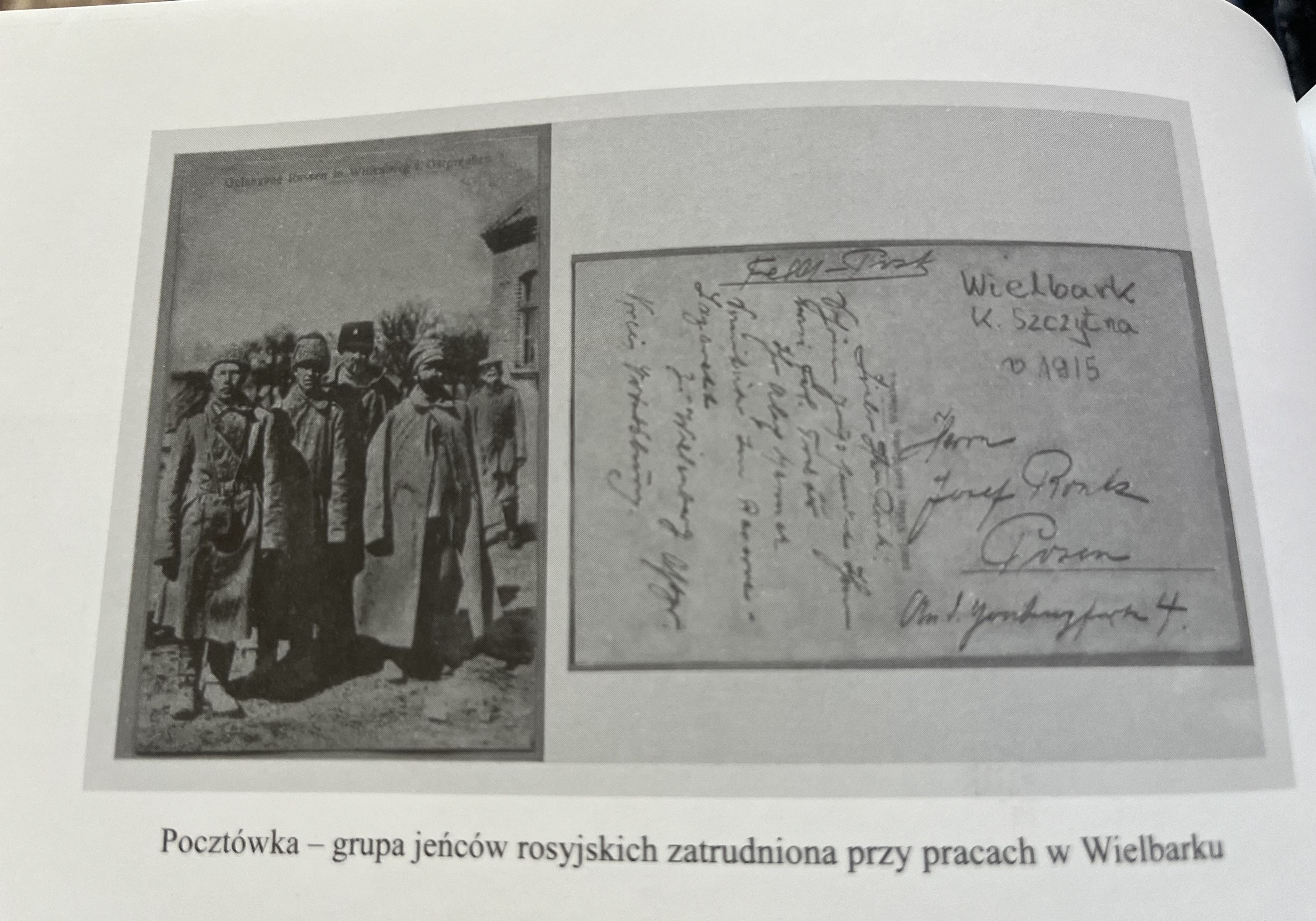
niestety nie pamiętam już niemieckiego ale może jeszcze kogoś zainteresuje
#prl #prusy #szczytno
https://youtu.be/Zs-R3fxmBSw?si=WRiM-1LzqvGTQO4N

Dni Twierdzy Nysa 2019 (7)
#rekografia #DniTwierdzyNysa #Prusy #Nysa #JCPenney135mm #reportaż #WojskaPruskie #Polska #reportage #NapoleonicTroops #Poland #DniTwierdzyNysa2019 #rekonstrukcja #PrussianTroops #PolskaPieknyKraj #TwierdzaNysa #bitwa #opolskie #Neisse #wydarzenia #battle #visitopolskie #FujiFilm #żołnierze #BESTOFF #FotografiaKolorowa #soldiers #FujiFilmXT100 #ColourPhotography #Napoleon #FujiFilmX #ColourPhoto #wojska #XC1545mm #kolor #WojskaNapoleońskie
#rekografia #DniTwierdzyNysa #Prusy #Nysa #JCPenney135mm #reportaż #WojskaPruskie #Polska #reportage #NapoleonicTroops #Poland #DniTwierdzyNysa2019 #rekonstrukcja #PrussianTroops #PolskaPieknyKraj #TwierdzaNysa #bitwa #opolskie #Neisse #wydarzenia #battle #visitopolskie #FujiFilm #żołnierze #BESTOFF #FotografiaKolorowa #soldiers #FujiFilmXT100 #ColourPhotography #Napoleon #FujiFilmX #ColourPhoto #wojska #XC1545mm #kolor #WojskaNapoleońskie

Dni Twierdzy Nysa 2019
#rekografia #DniTwierdzyNysa #Prusy #Nysa #JCPenney135mm #reportaż #WojskaPruskie #Polska #reportage #NapoleonicTroops #Poland #DniTwierdzyNysa2019 #rekonstrukcja #PrussianTroops #PolskaPieknyKraj #TwierdzaNysa #bitwa #opolskie #Neisse #wydarzenia #battle #visitopolskie #FujiFilm #żołnierze #BESTOFF #FotografiaKolorowa #soldiers #FujiFilmXT100 #ColourPhotography #Napoleon #FujiFilmX #ColourPhoto #wojska #XC1545mm #kolor #WojskaNapoleońskie
#rekografia #DniTwierdzyNysa #Prusy #Nysa #JCPenney135mm #reportaż #WojskaPruskie #Polska #reportage #NapoleonicTroops #Poland #DniTwierdzyNysa2019 #rekonstrukcja #PrussianTroops #PolskaPieknyKraj #TwierdzaNysa #bitwa #opolskie #Neisse #wydarzenia #battle #visitopolskie #FujiFilm #żołnierze #BESTOFF #FotografiaKolorowa #soldiers #FujiFilmXT100 #ColourPhotography #Napoleon #FujiFilmX #ColourPhoto #wojska #XC1545mm #kolor #WojskaNapoleońskie


Client Info
Server: https://mastodon.social
Version: 2025.07
Repository: https://github.com/cyevgeniy/lmst