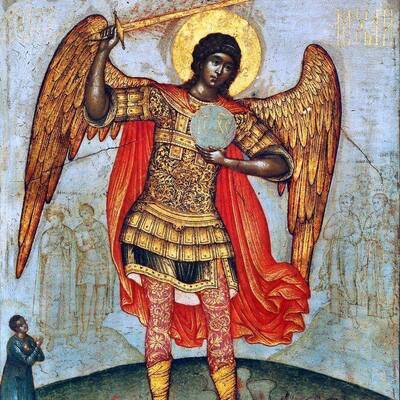
Oricine, la serviciu sau acasă, poate ridica la cer privirea sufletului său și să se roage fierbinte lui Dumnezeu Noi înșine, de vom fi curați, suntem, prin harul Sfântului Duh, templele Domnului 👉 https://c.aparatorul.md/dv2l7 👈 #Altar #Căinţa #Cer #Cuget #CuvinteAlese #Desăvârșire #Dumnezeu #Har #mana #Milă #păcat #rugăciune #SfântulDuh #SfântulIerarhIoanGurăDeAur #SfântulIoanGurădeAur #suflet #Templu
https://c.aparatorul.md/dv2l7
#Altar

All Saints church, Wraxall, North Somerset
#Aisle #RoodScreen #altar #AllSaints #church #Wraxall #Somerset


I don't usually wrap presents for myself but this present was intended for someone else. It turns out that they weren't who I thought they were so I kept it for myself.
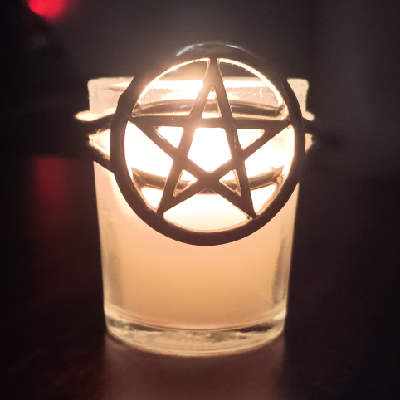
The gift was a pair of beautiful candles from #craftandcresent . I had a wonderful night with the moon, candles, and tarot cards. I feel that connection again to my magick and to the universe/earth. Things have been hard lately with my body and the job search and the state of our fucked up president, but I was able to focus on myself instead of what was around me. I'm still bad at acknowledging my feelings, specially when they're intense. Thankful for knowing how to do the work. #TarotReading #magick #altar #candlemagick #wordvomit


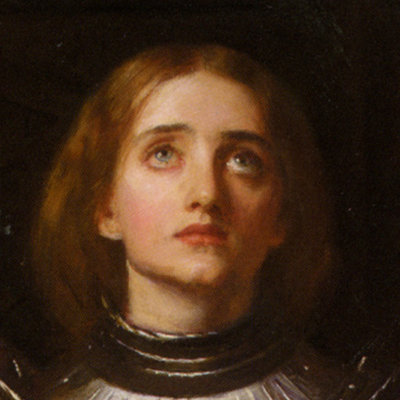
Just wanted to share a picture of my Winter Solstice/Yule altar before December officially ends.
#altar #pagan #yule #yule2025 #yuletide #yuletide2025 #wintersolstice #winter2025 #newyear #newyearseve #newyearseve2025

Happy Solstice and Yuletide!
Here is my altar: during the day on photo 2 and at night with the lights on on photo 3. It includes lots of postcards, including some bought at Plica Zine & Print Fest because I looooove postcards.
More photos and also things I'm doing or plan to do during Yuletide on my blog: https://echopublishing.wordpress.com/2025/12/26/celebrate-the-solstice-yuletide-ideas/
PS. free palestine! (I crochet and sew watermelons t remind myself to keep showing support, donating, protesting, etc...)
#yule #altar #yuletide #solstice #wintersolstice #witchcraft #witch #fedicoven
Here is my altar: during the day on photo 2 and at night with the lights on on photo 3. It includes lots of postcards, including some bought at Plica Zine & Print Fest because I looooove postcards.
More photos and also things I'm doing or plan to do during Yuletide on my blog: https://echopublishing.wordpress.com/2025/12/26/celebrate-the-solstice-yuletide-ideas/
PS. free palestine! (I crochet and sew watermelons t remind myself to keep showing support, donating, protesting, etc...)
#yule #altar #yuletide #solstice #wintersolstice #witchcraft #witch #fedicoven


Trei sunt gropile pe care ni le sapă demonii când voim să ne ducem viața potrivit voinței lui Dumnezeu Aceasta este osteneala noastră până ce focul dragostei dumnezeiești va fi aprins pe altarul inimii noastre 👉 https://c.aparatorul.md/r3rpq 👈 #Altar #Demon #Diavol #dragoste #Dumnezeu #Groapa #ScaraRaiului #SfântulIoanScărarul #suflet #Viață #Voinţa #Vrăjmaș
https://c.aparatorul.md/r3rpq

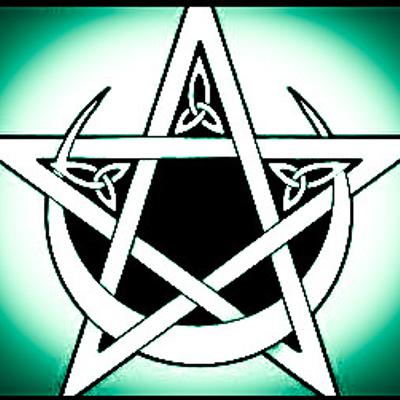
The Ancient Secrets of Earth, Air, Fire, Water, and Spirit: A Witch’s Guide to Elemental Magic
The 5 ElementsEarth, air, fire, and water are the essential building blocks of magical practice that witches have worked with for thousands of years. These primal forces don’t just exist around us—they flow within us, shaping our connections to the natural world and enhancing our magical abilities.
Throughout history, practitioners of witchcraft have developed intricate systems of correspondence for each element, using them as foundations for powerful magick. Indeed, understanding these elemental energies and their unique properties allows witches to create balance in their practice and tap into specific energies for different magical purposes. From grounding rituals with earth to transformative spells with fire, each element offers distinct tools for spiritual growth.
In this guide, we’ll explore the ancient wisdom behind elemental magic, examining how these four fundamental forces can be harnessed in modern magical practice. Additionally, we’ll uncover practical ways to identify, connect with, and balance these energies in your everyday life and spell work. Whether you’re drawn to the stability of earth, the clarity of air, the passion of fire, or the intuition of water, this exploration will deepen your understanding of the elements that power our magical world.
The Origins of Elemental Magic
The concept of elemental magic traces back thousands of years, with its foundations firmly rooted in ancient philosophical thought. These primal energies have shaped magical practices across cultures and throughout time, creating a framework that continues to influence modern witchcraft.
Greek philosophy and the fourfold root
Ancient Greek philosophers were among the first to formally classify the universe into fundamental building blocks. In the fifth century BCE, Empedocles proposed that all matter consisted of four basic “roots” (rhizōmata) – earth, water, air, and fire. This revolutionary idea emerged as philosophers debated which substance was the primary element from which everything else originated. While Thales favored water and Anaximenes championed air, Empedocles concluded that no single element was supreme – rather, all four worked together.
Empedocles demonstrated air’s existence through a simple yet profound experiment: inverting a bucket in water and observing that it didn’t fill completely. He proposed that these elements never truly changed or disappeared but merely combined in different proportions to create everything in existence. Furthermore, he theorized that two opposing forces – love (attraction) and strife (repulsion) – governed how elements interacted.
Aristotle later refined this system, describing each element with specific qualities: earth was cold and dry, water cold and moist, air moist and warm, and fire warm and dry. These relationships created a complex network of interactions that explained natural phenomena and formed the backbone of magical correspondences.
Spirit or Aether
Element of Spirit or AetherWhile the four terrestrial elements explained earthly matter, Aristotle introduced a fifth element – aether (αἰθήρ) – to account for celestial bodies. Unlike the four changeable earthly elements, aether was considered perfect and unchanging. It moved in circular patterns rather than linear ones and possessed none of the qualities of terrestrial elements – being neither hot nor cold, wet nor dry.
In Greek mythology, aether represented the pure essence breathed by gods, filling the heavenly spaces. Over time, this concept evolved in medieval alchemy, where quintessence (the Latinate name for the fifth element) was sought as a purifying substance with medicinal properties.
In modern witchcraft, this fifth element transformed into Spirit (also called Akasha), representing the connecting force that binds the other four elements togethe. Spirit embodies consciousness, divine energy, and the magical current that animates all things. As the “breath between worlds,” it transcends physical form while providing balance and coherence to magical workings.
How elements shaped magical traditions
Throughout history, elements have formed the foundation of numerous magical systems. The 16th-century alchemist Paracelsus made significant contributions by describing elements as energies linked to a person’s spirit, emotions, and thoughts. He personified these forces through elemental beings – gnomes (earth), undines (water), sylphs (air), and salamanders (fire).
Various cultures developed their own elemental systems. Chinese philosophy identified five phases: wood, earth, fire, water, and metal. Indian Ayurvedic traditions recognized earth, air, fire, water, and ether. These systems influenced healing practices based on balancing elemental energies within the body.
The elements eventually became central to modern witchcraft traditions. In Wicca and other nature-based spiritual practices, elements correspond to directions, tools, seasons, and magical operations. The pentagram, a prominent symbol in witchcraft, often represents the five elements with Spirit at the top position, unifying the other four.
From ancient philosophy to contemporary magical practice, the elements have provided a framework for understanding both the physical world and the unseen energies that witches work with in their craft.
Earth: The Foundation of Stability and Growth
The Earth Element
Mother Earth serves as the cornerstone element in magical practice, offering practitioners a foundation upon which all other elemental work can flourish. As the most tangible of the four elements, Earth provides us with stability, comfort, and strength—acting as the nurturing mother from which all life emerges.
Symbolism and magical correspondences
In witchcraft traditions, Earth is associated with the northern direction and represents receptive feminine energy. This element corresponds to the winter season and nighttime hours, when the world grows still and reflective. Earth primarily connects with the sense of touch and resonates deeply with the root chakra, grounding our energy and stabilizing our magical workings.
The symbolic colors of Earth include rich greens, blacks, browns, and occasionally gold—all reflecting the natural hues found in soil, plants, and minerals. Those working with Earth magick often utilize pentacles, platters, salt, soil, and various gemstones as magical tools. Zodiac signs ruled by Earth include Taurus, Virgo, and Capricorn, with Saturn and Venus serving as Earth’s governing planets.
Earth energy finds representation in animals such as bears, wolves, bulls, foxes, and burrowing creatures—all beings that maintain strong connections to the land. Plant correspondences encompass oak, fern, ivy, patchouli, vetiver, myrrh, grains, and cypress. For crystal work, practitioners gravitate toward emerald, jade, hematite, malachite, jet, onyx, quartz, and amethyst.
Earth deities include goddesses like Demeter, Gaia, Rhiannon, and Cerridwen, alongside gods such as Pan, Cernunnos, and Adonis—all representing various aspects of fertility, abundance, and natural cycles.
Earth-based rituals and grounding practices
Connecting with Earth energy forms an essential practice for witches seeking balance. Grounding—the process of eliminating excess energy by transferring it into the Earth—serves a fundamental technique for both beginning and seasoned practitioners. This practice helps regulate personal energy and establish emotional stability.
A simple yet powerful grounding ritual involves:
- Sitting or standing on the bare ground, preferably outdoors
- Visualizing roots extending from your body into the Earth’s center
- Directing excess and negative energy downward while receiving stable Earth energy
- Expressing gratitude to Mother Earth for the exchange
Beyond ritual work, witches can incorporate Earth magic into daily life through gardening, cooking with seasonal ingredients, barefoot walking (earthing), collecting natural materials, and practicing seasonal living. These actions acknowledge Earth’s role as a provider and deepen our magical connection to this element.
Earth-centered rituals particularly excel for workings related to money, prosperity, abundance, confidence, career success, stability, fertility, and physical healing. Many practitioners perform specialized ceremonies at seasonal turning points to honor Earth’s cycles of growth, abundance, and rest.
Emotional and spiritual influence of Earth
At its core, Earth energy affects our emotional landscape by fostering stability, centeredness, and patience. Those with balanced Earth energy typically demonstrate dependability, thoroughness, and practical wisdom. Conversely, Earth imbalance might manifest as dullness, laziness, melancholy, or stagnation.
For the spiritual practitioner, Earth provides grounding that prevents “spaciness” during magical work. It helps establish boundaries while remaining open to connections—a balance essential for healthy spiritual development. Through Earth, we learn discernment, separating what nourishes us from what depletes us.
In Traditional Chinese Medicine, Earth governs acquiring everything needed for life—not merely physical necessities but emotional fulfillment through love, support, and community. This element handles taking things in, processing them, and establishing healthy boundaries—skills crucial for magical practitioners.
By honoring Earth as more than mere soil but as a living, conscious entity with which we can communicate, witches establish reciprocal relationships that enhance both magical practice and everyday existence. Through this sacred connection, we find ourselves rooted in something greater—a foundation supporting our growth toward magical mastery.
Air: The Breath of Thought and Communication
The Air ElementInvisible yet ever-present, Air embodies the realm of thought, intellect, and communication in magical practice. This element flows through our very breath, connecting us to the unseen currents of knowledge and inspiration that shape our magical workings.
Air’s role in divination and clarity
Air governs the realm of the mind, making it particularly powerful for divination practices. Aeromancy—the ancient art of reading atmospheric phenomena—interprets clouds, wind patterns, thunder, and lightning as spiritual messages. Moreover, the related practice of augury reads bird flight patterns to identify omens.
In practical terms, air divination helps practitioners gain insight into questions or situations by observing wind currents. For instance, when performing divination, you might ask questions mentally rather than aloud, So, your breath doesn’t influence smoke patterns. The magical realm of air functions somewhat like a network, where thoughts travel as messages across invisible strands connecting us to others.
Air magic primarily supports mental clarity, effective communication, and the generation of new ideas Through visualization techniques, practitioners can envision scenarios that positively impact mental states—such as imagining golden light entering the mind, clearing distractions, and fostering focus.
Tools and herbs aligned with Air
The wand (sometimes athame, depending on tradition) serves as Air’s primary magical tool. Other air-associated implements include feathers, incense, censors, bells, and wind chimes. Feathers, especially, can direct energy into written spells or sweep away creative blocks.
Breath itself functions as one of the most potent forms of Air magic, containing your personal energy. Techniques like insufflation and exsufflation—ritual acts of blowing—symbolize the exhalation or inhalation of energies.
Air-aligned herbs and plants include lavender, sage, mugwort, yarrow, peppermint, dandelion, and lemongrass. Crystal correspondences encompass clear quartz, amethyst, yellow jasper, topaz, and lapis lazuli. Air connects with the throat chakra (communication) and crown chakra (spirituality).
Balancing Air energy in your practice
For those experiencing excess Air energy—manifesting as anxiety, racing thoughts, or feeling ungrounded—incorporating Earth-based practices helps restore balance. Consequently, grounding exercises become essential when air pulls you “out of your body” and into your head.
To increase Air influence, open windows, use feathers and wind chimes, burn sage or cedar incense, and wear loose-fitting clothing. Simple breathing exercises align you with air energy: sit quietly, inhale through your nose visualizing clarity filling your body, and exhale through your mouth releasing tension.
Air rituals work best at dawn, during spring, or on windy days—particularly effective for spells involving travel, knowledge, communication, mental clarity, and creativity.
Fire: The Spark of Passion and Transformation
The Fire ElementOf all the elemental forces, Fire stands as the most captivating yet paradoxical—the only element that creates and destroys simultaneously, consuming what it touches while birthing something new. Unlike its elemental siblings, Fire cannot exist without transformation, making it the perfect ally for magical change.
Fire in Spell work and Ritual
Fire magic shines in rituals involving transformation, protection, courage, energy, and banishing negativity. Different forms of fire serve distinct magical purposes. Balefires or bonfires excel at cleansing, protection, and burning spell ingredients while serving as gathering points for community rituals. Candle magic allows for personalization through color, carving, and anointing with oils for specific intents. Meanwhile, hearthfires connect to kitchen witchery, ancestral work, health, and creativity.
Many practitioners incorporate fire as a rite of passage. As one practitioner recalls, “I vividly remember the day I became an adult… my dad handed me a pack of matches… It was a mythic, life-changing moment!”
Simple fire rituals can be powerful tools for personal transformation. For instance, writing fears or unwanted situations on paper and safely burning them symbolizes their release. As one witch describes: “In ceremony, I place a small piece of wood in the fire, and I offer up, speaking aloud, my fear, my anxiety… Letting it all go.”
Common fire correspondences and tools
In the realm of magick, Fire is the element of pure transformation, passion, and the will to manifest. It is the spark of life that drives us forward and the heat that forges our intentions into reality. When we work with Fire, we are tapping into a primal force that represents both destruction and creation—clearing away the old to make fertile ground for the new. Whether you are performing a ritual for courage, creativity, or personal power, understanding the specific vibrations of Fire can help you direct its flickering energy with precision.
Sacred Timing and Alignment
To fully align your practice with this radiant element, look toward the South, where the sun reaches its peak strength. Fire finds its home in the vibrant heat of Summer and the clarity of Noon, making these the most potent times for solar-powered magick. Visually, you can draw Fire onto your altar using a palette of red, orange, yellow, and gold. These colors don’t just represent flames; they embody the life-giving energy of the Sun and the assertive, protective drive of Mars.
Celestial Heat and Ritual Tools
Astrologically, Fire is grounded in the bold spirits of Aries, Leo, and Sagittarius. These signs bring a sense of leadership, theatrical flair, and adventurous seeking to any spellwork. To physically ground this energy in your sacred space, you might reach for your Athame or Wand to direct your intent, or light candles and lamps to serve as a beacon for the spirits of the flame. By incorporating these tools, you create a tangible bridge between your inner spark and the cosmic fire that fuels the universe.
Fire-aligned crystals include carnelian, fire agate, sunstone, ruby, and obsidian (volcanic glass). Herbs associated with Fire include cinnamon, peppers, ginger, basil, sunflowers, and nettle. Fire deities encompass Brigid, Hestia, Pele, Prometheus, and Belenus, honored at fire festivals like Beltane.
When Fire energy is too much or too little
Balanced Fire energy manifests as confidence, motivation, passion, and healthy boundaries. Nevertheless, excess Fire may cause anxiety, insomnia, hyperactivity, irritability, and physical symptoms like inflammation or palpitations. Alternatively, deficient Fire results in low energy, lack of enthusiasm, emotional withdrawal, poor circulation, and feeling disconnected from others.
To harmonize overabundant Fire, try grounding practices that incorporate Earth energy. For those needing to ignite their inner flame, consider activities that spark passion—dancing, competitive sports, or creative projects. Above all, remember that Fire requires respect; it should be “treated with respect at all times. Otherwise, you’ll burn your face and trust me…that sucks.”
Water: The Flow of Emotion and Intuition
The Water ElementThroughout history, Water has been the most primal medicine, flowing through our bodies and souls as the element of emotions, intuition, and psychic connection. Before humans worked with plants or stones, they turned to water for healing—a practice that continues in magical traditions today.
Water’s connection to healing and dreams
Water embodies purification and spiritual restoration across diverse cultures. The deep connection between water and divine feminine energies has shaped magical practices worldwide, with rivers and springs often developing identities tied to goddesses or saints. In traditional healing, water’s temperature and purity determine its application—cold water for clearing ailments like scrofula, hot water for driving out sickness like pneumonia.
Dreams exist primarily within water’s domain, accessing our emotional depths and soul energies. Water witches often experience prophetic dreams and possess natural gifts for dream interpretation. Additionally, many demonstrate talent for soul energy healing and communicating with earth-bound spirits.
Using water in cleansing and scrying
Water rituals create powerful cleansing experiences. For a simple yet effective ritual bath, add Epsom salts, crystals, and herbs to bathwater while visualizing negativity washing away. Alternatively, program water with specific intentions, place it in a mist bottle, and spray it throughout your space to raise energetic vibrations.
Scrying—divination through gazing—finds its perfect medium in water. For effective water scrying:
- Use a black bowl filled with water (or specialized Blk Water)
- Create a comfortable environment with dim lighting
- Clear your mind and enter a relaxed state
- Ask spirits for guidance and let images form naturally
- Record impressions to distinguish between ego and true messages
Signs of water imbalance and how to fix it
Balanced water energy manifests as emotional connection, intuitive guidance, and spiritual openness. Excess water may cause emotional overwhelm, moodiness, or getting lost in fantasy. Conversely, deficient water results in emotional distance, numbness, or creative blockages.
To rebalance overwhelming water energy, incorporate earth practices for grounding or fire elements for motivation. If water energy feels lacking, spend time near natural water sources, practice dreamwork, or engage in intuitive activities like scrying.
Conclusion
Throughout the ages, elemental magic has remained a cornerstone of witchcraft practice, offering practitioners powerful tools for spiritual growth and magical workings. Each element carries its unique energy signature – Earth grounds and stabilizes, Air clarifies and communicates, Fire transforms and energizes, while Water flows and heals. Together, they create a balanced framework for understanding both our inner landscape and the natural world around us.
Most importantly, these elements exist not just as abstract concepts but as living energies we can work with daily. After all, true magical mastery comes from recognizing which elemental energies need balancing in your life and practice. Therefore, observe when you might need Earth’s stability during chaotic periods or Fire’s passion when motivation wanes.
Ancient witches understood what modern practitioners continue to discover – elemental magic works because these forces flow within us as much as they surround us. Consequently, developing relationships with each element allows for more precise and effective magical workings. Additionally, these connections deepen your understanding of natural cycles and your place within them.
The magical journey always begins with awareness. Certainly, noticing which elements naturally call you reveals much about your magical strengths. Likewise, identifying which elements feel challenging points toward areas for growth and balance. Undoubtedly, this ancient system provides not just magical tools but a profound path for self-knowledge.
Whether you’re drawn to Earth’s abundant prosperity, Air’s intellectual clarity, Fire’s passionate transformation, or Water’s intuitive depths, these primal forces offer endless potential for spiritual exploration. Thus, by honoring all four elements while developing special relationships with each, you embrace the fullness of magical practice that witches have refined over millennia.
Union of the Elements



The Ancient Secrets of Earth, Air, Fire, Water, and Spirit: A Witch’s Guide to Elemental Magic
The 5 ElementsEarth, air, fire, and water are the essential building blocks of magical practice that witches have worked with for thousands of years. These primal forces don’t just exist around us—they flow within us, shaping our connections to the natural world and enhancing our magical abilities.
Throughout history, practitioners of witchcraft have developed intricate systems of correspondence for each element, using them as foundations for powerful magick. Indeed, understanding these elemental energies and their unique properties allows witches to create balance in their practice and tap into specific energies for different magical purposes. From grounding rituals with earth to transformative spells with fire, each element offers distinct tools for spiritual growth.
In this guide, we’ll explore the ancient wisdom behind elemental magic, examining how these four fundamental forces can be harnessed in modern magical practice. Additionally, we’ll uncover practical ways to identify, connect with, and balance these energies in your everyday life and spell work. Whether you’re drawn to the stability of earth, the clarity of air, the passion of fire, or the intuition of water, this exploration will deepen your understanding of the elements that power our magical world.
The Origins of Elemental Magic
The concept of elemental magic traces back thousands of years, with its foundations firmly rooted in ancient philosophical thought. These primal energies have shaped magical practices across cultures and throughout time, creating a framework that continues to influence modern witchcraft.
Greek philosophy and the fourfold root
Ancient Greek philosophers were among the first to formally classify the universe into fundamental building blocks. In the fifth century BCE, Empedocles proposed that all matter consisted of four basic “roots” (rhizōmata) – earth, water, air, and fire. This revolutionary idea emerged as philosophers debated which substance was the primary element from which everything else originated. While Thales favored water and Anaximenes championed air, Empedocles concluded that no single element was supreme – rather, all four worked together.
Empedocles demonstrated air’s existence through a simple yet profound experiment: inverting a bucket in water and observing that it didn’t fill completely. He proposed that these elements never truly changed or disappeared but merely combined in different proportions to create everything in existence. Furthermore, he theorized that two opposing forces – love (attraction) and strife (repulsion) – governed how elements interacted.
Aristotle later refined this system, describing each element with specific qualities: earth was cold and dry, water cold and moist, air moist and warm, and fire warm and dry. These relationships created a complex network of interactions that explained natural phenomena and formed the backbone of magical correspondences.
Spirit or Aether
Element of Spirit or AetherWhile the four terrestrial elements explained earthly matter, Aristotle introduced a fifth element – aether (αἰθήρ) – to account for celestial bodies. Unlike the four changeable earthly elements, aether was considered perfect and unchanging. It moved in circular patterns rather than linear ones and possessed none of the qualities of terrestrial elements – being neither hot nor cold, wet nor dry.
In Greek mythology, aether represented the pure essence breathed by gods, filling the heavenly spaces. Over time, this concept evolved in medieval alchemy, where quintessence (the Latinate name for the fifth element) was sought as a purifying substance with medicinal properties.
In modern witchcraft, this fifth element transformed into Spirit (also called Akasha), representing the connecting force that binds the other four elements togethe. Spirit embodies consciousness, divine energy, and the magical current that animates all things. As the “breath between worlds,” it transcends physical form while providing balance and coherence to magical workings.
How elements shaped magical traditions
Throughout history, elements have formed the foundation of numerous magical systems. The 16th-century alchemist Paracelsus made significant contributions by describing elements as energies linked to a person’s spirit, emotions, and thoughts. He personified these forces through elemental beings – gnomes (earth), undines (water), sylphs (air), and salamanders (fire).
Various cultures developed their own elemental systems. Chinese philosophy identified five phases: wood, earth, fire, water, and metal. Indian Ayurvedic traditions recognized earth, air, fire, water, and ether. These systems influenced healing practices based on balancing elemental energies within the body.
The elements eventually became central to modern witchcraft traditions. In Wicca and other nature-based spiritual practices, elements correspond to directions, tools, seasons, and magical operations. The pentagram, a prominent symbol in witchcraft, often represents the five elements with Spirit at the top position, unifying the other four.
From ancient philosophy to contemporary magical practice, the elements have provided a framework for understanding both the physical world and the unseen energies that witches work with in their craft.
Earth: The Foundation of Stability and Growth
The Earth Element
Mother Earth serves as the cornerstone element in magical practice, offering practitioners a foundation upon which all other elemental work can flourish. As the most tangible of the four elements, Earth provides us with stability, comfort, and strength—acting as the nurturing mother from which all life emerges.
Symbolism and magical correspondences
In witchcraft traditions, Earth is associated with the northern direction and represents receptive feminine energy. This element corresponds to the winter season and nighttime hours, when the world grows still and reflective. Earth primarily connects with the sense of touch and resonates deeply with the root chakra, grounding our energy and stabilizing our magical workings.
The symbolic colors of Earth include rich greens, blacks, browns, and occasionally gold—all reflecting the natural hues found in soil, plants, and minerals. Those working with Earth magick often utilize pentacles, platters, salt, soil, and various gemstones as magical tools. Zodiac signs ruled by Earth include Taurus, Virgo, and Capricorn, with Saturn and Venus serving as Earth’s governing planets.
Earth energy finds representation in animals such as bears, wolves, bulls, foxes, and burrowing creatures—all beings that maintain strong connections to the land. Plant correspondences encompass oak, fern, ivy, patchouli, vetiver, myrrh, grains, and cypress. For crystal work, practitioners gravitate toward emerald, jade, hematite, malachite, jet, onyx, quartz, and amethyst.
Earth deities include goddesses like Demeter, Gaia, Rhiannon, and Cerridwen, alongside gods such as Pan, Cernunnos, and Adonis—all representing various aspects of fertility, abundance, and natural cycles.
Earth-based rituals and grounding practices
Connecting with Earth energy forms an essential practice for witches seeking balance. Grounding—the process of eliminating excess energy by transferring it into the Earth—serves a fundamental technique for both beginning and seasoned practitioners. This practice helps regulate personal energy and establish emotional stability.
A simple yet powerful grounding ritual involves:
- Sitting or standing on the bare ground, preferably outdoors
- Visualizing roots extending from your body into the Earth’s center
- Directing excess and negative energy downward while receiving stable Earth energy
- Expressing gratitude to Mother Earth for the exchange
Beyond ritual work, witches can incorporate Earth magic into daily life through gardening, cooking with seasonal ingredients, barefoot walking (earthing), collecting natural materials, and practicing seasonal living. These actions acknowledge Earth’s role as a provider and deepen our magical connection to this element.
Earth-centered rituals particularly excel for workings related to money, prosperity, abundance, confidence, career success, stability, fertility, and physical healing. Many practitioners perform specialized ceremonies at seasonal turning points to honor Earth’s cycles of growth, abundance, and rest.
Emotional and spiritual influence of Earth
At its core, Earth energy affects our emotional landscape by fostering stability, centeredness, and patience. Those with balanced Earth energy typically demonstrate dependability, thoroughness, and practical wisdom. Conversely, Earth imbalance might manifest as dullness, laziness, melancholy, or stagnation.
For the spiritual practitioner, Earth provides grounding that prevents “spaciness” during magical work. It helps establish boundaries while remaining open to connections—a balance essential for healthy spiritual development. Through Earth, we learn discernment, separating what nourishes us from what depletes us.
In Traditional Chinese Medicine, Earth governs acquiring everything needed for life—not merely physical necessities but emotional fulfillment through love, support, and community. This element handles taking things in, processing them, and establishing healthy boundaries—skills crucial for magical practitioners.
By honoring Earth as more than mere soil but as a living, conscious entity with which we can communicate, witches establish reciprocal relationships that enhance both magical practice and everyday existence. Through this sacred connection, we find ourselves rooted in something greater—a foundation supporting our growth toward magical mastery.
Air: The Breath of Thought and Communication
The Air ElementInvisible yet ever-present, Air embodies the realm of thought, intellect, and communication in magical practice. This element flows through our very breath, connecting us to the unseen currents of knowledge and inspiration that shape our magical workings.
Air’s role in divination and clarity
Air governs the realm of the mind, making it particularly powerful for divination practices. Aeromancy—the ancient art of reading atmospheric phenomena—interprets clouds, wind patterns, thunder, and lightning as spiritual messages. Moreover, the related practice of augury reads bird flight patterns to identify omens.
In practical terms, air divination helps practitioners gain insight into questions or situations by observing wind currents. For instance, when performing divination, you might ask questions mentally rather than aloud, So, your breath doesn’t influence smoke patterns. The magical realm of air functions somewhat like a network, where thoughts travel as messages across invisible strands connecting us to others.
Air magic primarily supports mental clarity, effective communication, and the generation of new ideas Through visualization techniques, practitioners can envision scenarios that positively impact mental states—such as imagining golden light entering the mind, clearing distractions, and fostering focus.
Tools and herbs aligned with Air
The wand (sometimes athame, depending on tradition) serves as Air’s primary magical tool. Other air-associated implements include feathers, incense, censors, bells, and wind chimes. Feathers, especially, can direct energy into written spells or sweep away creative blocks.
Breath itself functions as one of the most potent forms of Air magic, containing your personal energy. Techniques like insufflation and exsufflation—ritual acts of blowing—symbolize the exhalation or inhalation of energies.
Air-aligned herbs and plants include lavender, sage, mugwort, yarrow, peppermint, dandelion, and lemongrass. Crystal correspondences encompass clear quartz, amethyst, yellow jasper, topaz, and lapis lazuli. Air connects with the throat chakra (communication) and crown chakra (spirituality).
Balancing Air energy in your practice
For those experiencing excess Air energy—manifesting as anxiety, racing thoughts, or feeling ungrounded—incorporating Earth-based practices helps restore balance. Consequently, grounding exercises become essential when air pulls you “out of your body” and into your head.
To increase Air influence, open windows, use feathers and wind chimes, burn sage or cedar incense, and wear loose-fitting clothing. Simple breathing exercises align you with air energy: sit quietly, inhale through your nose visualizing clarity filling your body, and exhale through your mouth releasing tension.
Air rituals work best at dawn, during spring, or on windy days—particularly effective for spells involving travel, knowledge, communication, mental clarity, and creativity.
Fire: The Spark of Passion and Transformation
The Fire ElementOf all the elemental forces, Fire stands as the most captivating yet paradoxical—the only element that creates and destroys simultaneously, consuming what it touches while birthing something new. Unlike its elemental siblings, Fire cannot exist without transformation, making it the perfect ally for magical change.
Fire in Spell work and Ritual
Fire magic shines in rituals involving transformation, protection, courage, energy, and banishing negativity. Different forms of fire serve distinct magical purposes. Balefires or bonfires excel at cleansing, protection, and burning spell ingredients while serving as gathering points for community rituals. Candle magic allows for personalization through color, carving, and anointing with oils for specific intents. Meanwhile, hearthfires connect to kitchen witchery, ancestral work, health, and creativity.
Many practitioners incorporate fire as a rite of passage. As one practitioner recalls, “I vividly remember the day I became an adult… my dad handed me a pack of matches… It was a mythic, life-changing moment!”
Simple fire rituals can be powerful tools for personal transformation. For instance, writing fears or unwanted situations on paper and safely burning them symbolizes their release. As one witch describes: “In ceremony, I place a small piece of wood in the fire, and I offer up, speaking aloud, my fear, my anxiety… Letting it all go.”
Common fire correspondences and tools
In the realm of magick, Fire is the element of pure transformation, passion, and the will to manifest. It is the spark of life that drives us forward and the heat that forges our intentions into reality. When we work with Fire, we are tapping into a primal force that represents both destruction and creation—clearing away the old to make fertile ground for the new. Whether you are performing a ritual for courage, creativity, or personal power, understanding the specific vibrations of Fire can help you direct its flickering energy with precision.
Sacred Timing and Alignment
To fully align your practice with this radiant element, look toward the South, where the sun reaches its peak strength. Fire finds its home in the vibrant heat of Summer and the clarity of Noon, making these the most potent times for solar-powered magick. Visually, you can draw Fire onto your altar using a palette of red, orange, yellow, and gold. These colors don’t just represent flames; they embody the life-giving energy of the Sun and the assertive, protective drive of Mars.
Celestial Heat and Ritual Tools
Astrologically, Fire is grounded in the bold spirits of Aries, Leo, and Sagittarius. These signs bring a sense of leadership, theatrical flair, and adventurous seeking to any spellwork. To physically ground this energy in your sacred space, you might reach for your Athame or Wand to direct your intent, or light candles and lamps to serve as a beacon for the spirits of the flame. By incorporating these tools, you create a tangible bridge between your inner spark and the cosmic fire that fuels the universe.
Fire-aligned crystals include carnelian, fire agate, sunstone, ruby, and obsidian (volcanic glass). Herbs associated with Fire include cinnamon, peppers, ginger, basil, sunflowers, and nettle. Fire deities encompass Brigid, Hestia, Pele, Prometheus, and Belenus, honored at fire festivals like Beltane.
When Fire energy is too much or too little
Balanced Fire energy manifests as confidence, motivation, passion, and healthy boundaries. Nevertheless, excess Fire may cause anxiety, insomnia, hyperactivity, irritability, and physical symptoms like inflammation or palpitations. Alternatively, deficient Fire results in low energy, lack of enthusiasm, emotional withdrawal, poor circulation, and feeling disconnected from others.
To harmonize overabundant Fire, try grounding practices that incorporate Earth energy. For those needing to ignite their inner flame, consider activities that spark passion—dancing, competitive sports, or creative projects. Above all, remember that Fire requires respect; it should be “treated with respect at all times. Otherwise, you’ll burn your face and trust me…that sucks.”
Water: The Flow of Emotion and Intuition
The Water ElementThroughout history, Water has been the most primal medicine, flowing through our bodies and souls as the element of emotions, intuition, and psychic connection. Before humans worked with plants or stones, they turned to water for healing—a practice that continues in magical traditions today.
Water’s connection to healing and dreams
Water embodies purification and spiritual restoration across diverse cultures. The deep connection between water and divine feminine energies has shaped magical practices worldwide, with rivers and springs often developing identities tied to goddesses or saints. In traditional healing, water’s temperature and purity determine its application—cold water for clearing ailments like scrofula, hot water for driving out sickness like pneumonia.
Dreams exist primarily within water’s domain, accessing our emotional depths and soul energies. Water witches often experience prophetic dreams and possess natural gifts for dream interpretation. Additionally, many demonstrate talent for soul energy healing and communicating with earth-bound spirits.
Using water in cleansing and scrying
Water rituals create powerful cleansing experiences. For a simple yet effective ritual bath, add Epsom salts, crystals, and herbs to bathwater while visualizing negativity washing away. Alternatively, program water with specific intentions, place it in a mist bottle, and spray it throughout your space to raise energetic vibrations.
Scrying—divination through gazing—finds its perfect medium in water. For effective water scrying:
- Use a black bowl filled with water (or specialized Blk Water)
- Create a comfortable environment with dim lighting
- Clear your mind and enter a relaxed state
- Ask spirits for guidance and let images form naturally
- Record impressions to distinguish between ego and true messages
Signs of water imbalance and how to fix it
Balanced water energy manifests as emotional connection, intuitive guidance, and spiritual openness. Excess water may cause emotional overwhelm, moodiness, or getting lost in fantasy. Conversely, deficient water results in emotional distance, numbness, or creative blockages.
To rebalance overwhelming water energy, incorporate earth practices for grounding or fire elements for motivation. If water energy feels lacking, spend time near natural water sources, practice dreamwork, or engage in intuitive activities like scrying.
Conclusion
Throughout the ages, elemental magic has remained a cornerstone of witchcraft practice, offering practitioners powerful tools for spiritual growth and magical workings. Each element carries its unique energy signature – Earth grounds and stabilizes, Air clarifies and communicates, Fire transforms and energizes, while Water flows and heals. Together, they create a balanced framework for understanding both our inner landscape and the natural world around us.
Most importantly, these elements exist not just as abstract concepts but as living energies we can work with daily. After all, true magical mastery comes from recognizing which elemental energies need balancing in your life and practice. Therefore, observe when you might need Earth’s stability during chaotic periods or Fire’s passion when motivation wanes.
Ancient witches understood what modern practitioners continue to discover – elemental magic works because these forces flow within us as much as they surround us. Consequently, developing relationships with each element allows for more precise and effective magical workings. Additionally, these connections deepen your understanding of natural cycles and your place within them.
The magical journey always begins with awareness. Certainly, noticing which elements naturally call you reveals much about your magical strengths. Likewise, identifying which elements feel challenging points toward areas for growth and balance. Undoubtedly, this ancient system provides not just magical tools but a profound path for self-knowledge.
Whether you’re drawn to Earth’s abundant prosperity, Air’s intellectual clarity, Fire’s passionate transformation, or Water’s intuitive depths, these primal forces offer endless potential for spiritual exploration. Thus, by honoring all four elements while developing special relationships with each, you embrace the fullness of magical practice that witches have refined over millennia.
Union of the Elements #Altar #Elements #Magick #Rituals #Spells


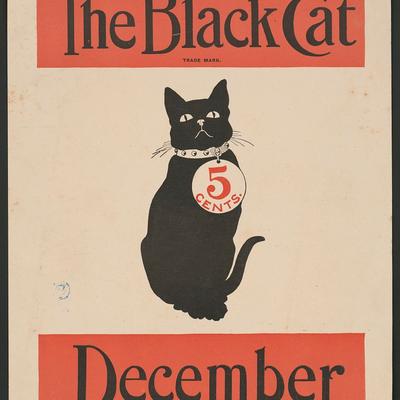
A Pundit in India 1921.
1 photographic print. | Man seated with legs crossed, reading a paper.
#Photography #India #Turban #Altar #Contemplation #Individual #Ceremonial #Religious #News
https://www.loc.gov/item/2006683498/

Trei sunt gropile pe care ni le sapă demonii când voim să ne ducem viața potrivit voinței lui Dumnezeu Aceasta este osteneala noastră până ce focul dragostei dumnezeiești va fi aprins pe altarul inimii noastre 👉 https://c.aparatorul.md/kymva 👈 #Altar #Demon #Diavol #dragoste #Dumnezeu #Groapa #ScaraRaiului #SfântulIoanScărarul #suflet #Viață #Voinţa #Vrăjmaș
https://c.aparatorul.md/kymva


On Friday we made a visit to the Rollright Stones for the solstice. It was chilly and the stones are peaceful.
#solstice #pagan #paganism #altar #stonecircle #photography #albion #english #neolithic



While I'm sure he was fine there, he doesn't have to sit on the floor anymore! Yay!
#buddhism #zen #ZenBuddhism #religion #spirituality #altar #InteriorDesign #decoration #home #meditation #zazen


先農壇·北京古代建築博物館 Xiannongtan (Altar of the God of Agriculture) & Beijing Ancient Architecture Museum
P1–P9: 太歲殿院落·中國古代建築展 Taisui Courtyard & Exhibition on Ancient Chinese Architecture
P1: 北京隆福寺 毗盧殿明間 蟠龍藻井 Longfu Temple: Coiled Dragon Caisson Ceiling from the Central Bay of the Hall of Vairocana (Pilu Hall)
P2: 北京隆福寺 萬善正覺殿明間 天宮藻井 Longfu Temple: “Heavenly Palace” Caisson Ceiling from the Central Bay of the Hall of Wanshan Zhengjue
P3: 北京隆福寺 萬善正覺殿次間 藻井 Longfu Temple: Caisson Ceiling from the Secondary Bay of the Hall of Wanshan Zhengjue
P4: 拜殿 Prayer Hall (Baidian)
P5–P6: 太歲殿 Taisui Hall
P7: 木結構建築模型及斗拱模型 Models of Timber Structures and Dougong (Bracket Sets)
P8: 斗拱模型 Models of Dougong
P10: 神廚院落·先農壇歷史文化展 Divine Kitchen Courtyard & Exhibition on Xiannongtan History and Culture
P11: 井亭 Well Pavilion
P12: 宰牲亭——重檐懸山頂,明代官式建築之孤例 Slaughter Pavilion (Zaisheng Pavilion) – Double-eave Xuanshan (overhanging gable) roof (The sole surviving example of this style in Ming Dynasty official architecture)
P13: 焚帛爐及具服殿 Silk Prayer Burner & Dressing Hall of the Emperor
P14: 漢代鴞形陶罐 Han Dynasty Owl-shaped Pottery Jar
P15: 清代皇帝親耕位次圖(近處矩形爲耤田「一畝三分地」,遠處爲觀耕臺) Diagram of the Qing Emperor's Ploughing Positions (Foreground: Imperial Farming Field
/ “One Mu and Three Fen”; Background: The Viewing Platform)
#photography #photo #china #beijing #peking #archetecture #chinese #culture #攝影 #撮影 #中國 #大陸 #北京 #建築 #中華 #文化 #中国 #写真 #snow #雪 #altar #museum #壇 #博物館
P1–P9: 太歲殿院落·中國古代建築展 Taisui Courtyard & Exhibition on Ancient Chinese Architecture
P1: 北京隆福寺 毗盧殿明間 蟠龍藻井 Longfu Temple: Coiled Dragon Caisson Ceiling from the Central Bay of the Hall of Vairocana (Pilu Hall)
P2: 北京隆福寺 萬善正覺殿明間 天宮藻井 Longfu Temple: “Heavenly Palace” Caisson Ceiling from the Central Bay of the Hall of Wanshan Zhengjue
P3: 北京隆福寺 萬善正覺殿次間 藻井 Longfu Temple: Caisson Ceiling from the Secondary Bay of the Hall of Wanshan Zhengjue
P4: 拜殿 Prayer Hall (Baidian)
P5–P6: 太歲殿 Taisui Hall
P7: 木結構建築模型及斗拱模型 Models of Timber Structures and Dougong (Bracket Sets)
P8: 斗拱模型 Models of Dougong
P10: 神廚院落·先農壇歷史文化展 Divine Kitchen Courtyard & Exhibition on Xiannongtan History and Culture
P11: 井亭 Well Pavilion
P12: 宰牲亭——重檐懸山頂,明代官式建築之孤例 Slaughter Pavilion (Zaisheng Pavilion) – Double-eave Xuanshan (overhanging gable) roof (The sole surviving example of this style in Ming Dynasty official architecture)
P13: 焚帛爐及具服殿 Silk Prayer Burner & Dressing Hall of the Emperor
P14: 漢代鴞形陶罐 Han Dynasty Owl-shaped Pottery Jar
P15: 清代皇帝親耕位次圖(近處矩形爲耤田「一畝三分地」,遠處爲觀耕臺) Diagram of the Qing Emperor's Ploughing Positions (Foreground: Imperial Farming Field
/ “One Mu and Three Fen”; Background: The Viewing Platform)
#photography #photo #china #beijing #peking #archetecture #chinese #culture #攝影 #撮影 #中國 #大陸 #北京 #建築 #中華 #文化 #中国 #写真 #snow #雪 #altar #museum #壇 #博物館


Oricine, la serviciu sau acasă, poate ridica la cer privirea sufletului său și să se roage fierbinte lui Dumnezeu Noi înșine, de vom fi curați, suntem, prin harul Sfântului Duh, templele Domnului 👉 https://c.aparatorul.md/s9h0p 👈 #Altar #Căinţa #Cer #Cuget #CuvinteAlese #Desăvârșire #Dumnezeu #Har #mana #Milă #păcat #rugăciune #SfântulDuh #SfântulIerarhIoanGurăDeAur #SfântulIoanGurădeAur #suflet #Templu
https://c.aparatorul.md/s9h0p

Caci ce este viata voastră? Abur, care se arata pentru putina vreme și apoi piere A trăit o viață foarte lungă. A trăit în moduri diferite, iar să moară, Dumnezeu l-a învrednicit îndată după Botez - în curăție îngerească 👉 https://c.aparatorul.md/fmzck 👈 #Altar #BisericaOrtodoxă #Biserică #Botez #preot #TainaBotezului #TainaMirungerii #VeteranDeRăzboi
https://c.aparatorul.md/fmzck

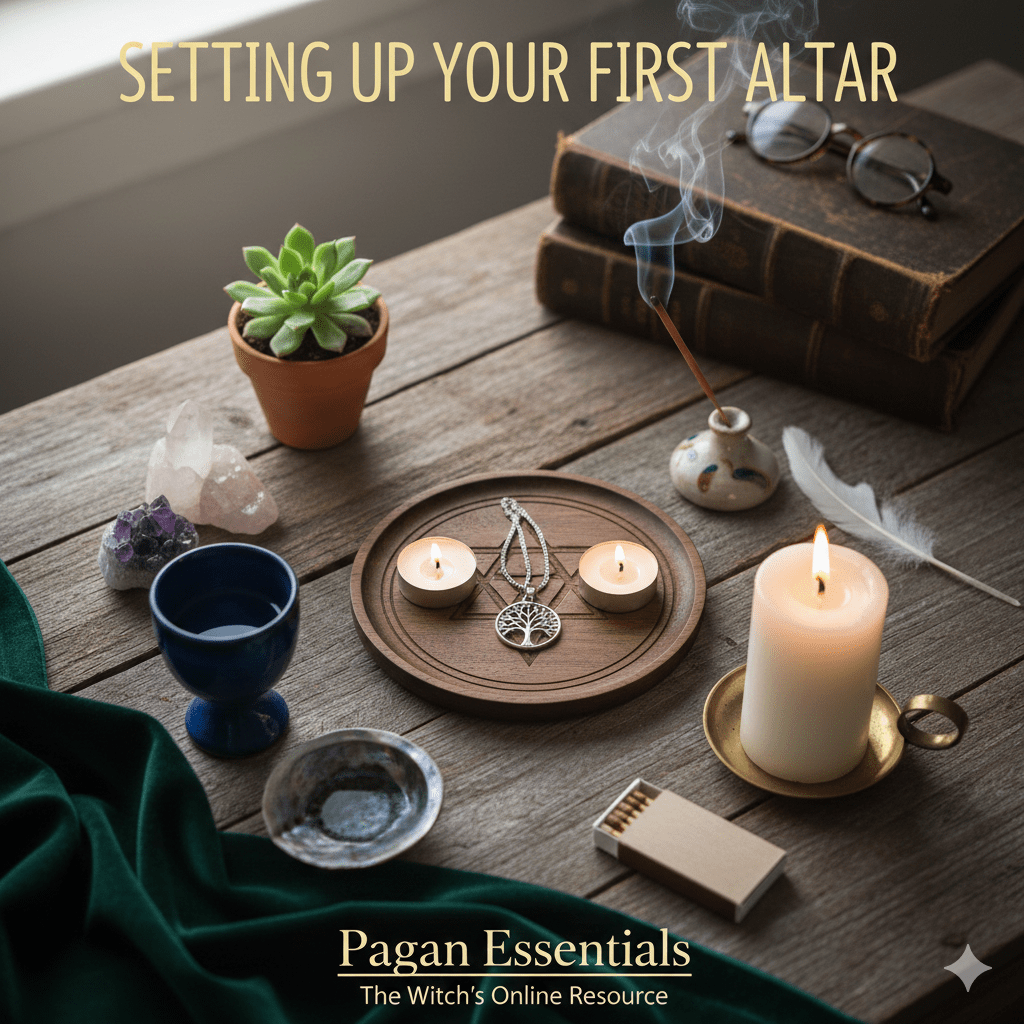
💫Setting Up Your First Altar: A Guide to Sacred Space Creation
Congratulations, fledgling witch! Taking the step to create your first altar is a profound and exciting moment. An altar isn’t just a decoration; it’s the heart of your personal practice—a dedicated, sacred space where you connect with the divine, focus your energy, and work your magic.
Don’t worry about needing expensive, fancy tools right away. The most important ingredients are intention, reverence, and personal meaning.
Let’s dive into the practical steps of setting up your very own sacred space.
1. 📍 Choosing Your Location
The location is crucial because it influences the energy of your space.
- Privacy is Key: Choose a spot where you feel comfortable and won’t be constantly interrupted or scrutinized. This allows you to relax and focus. A quiet corner of your bedroom, a sturdy bookshelf, or a cabinet top works well.
- A Solid Foundation: The surface should be stable and able to hold your tools safely (especially if you plan on using candles or water).
- Consider the Directions: In many traditions, the altar is oriented to the North (representing Earth and stability). However, you can also place it in a direction that aligns with your specific intent (e.g., East for new beginnings, West for emotional work).
✨ Pro-Tip: A small, portable altar in a box or on a tray is an excellent solution for witches who need to keep their practice discreet
2. 🧹 Cleansing the Space
Before you place any items, you need to clear the existing energy and consecrate the area.
- Physical Cleanse: Start with a good old-fashioned cleaning. Dust the surface and wipe it down.
- Energetic Cleanse: Use a method that resonates with you:
- * Smudging: Gently wave the smoke of sage, cedar, or palo santo over the area.
- * Sound: Ring a bell or clap your hands firmly around the space to break up stagnant energy.
- * Visualization: Imagine a bright, cleansing white or violet light washing over the surface.
- * Salt Water: Wipe the surface with water that has a pinch of sea salt dissolved in it.
3. 🗺️ Understanding Altar Layout (The Four Quarters)
A traditional altar layout often symbolizes the meeting point between the spiritual and physical worlds, usually structured around the four elements (or Quarters):
Direction-Element-Altar Placement-Common Tools/Symbols
East-Air-Upper-Right/Front-Incense, Feathers, Wand
South-Fire-Lower-Right/Front-Candles, Lighter/Matches
West-Water-Lower-Left/Back-Chalice, Bowl of Water, Shells
North-Earth-Upper-Left/Back- Crystals, Salt, Pentacles, Plants
In the Center of the altar is where you place the most sacred items, often representing the Divine (God/Goddess) or the Fifth Element: Spirit/Aether. This is also where you’ll usually place your working tools.
4. 🛠️ Essential Items for Your First Altar
You don’t need to buy everything at once! Start with personal, meaningful items.
- Altar Cloth: A piece of fabric (any color you like!) to protect the surface and define the space.
- Representations of the Divine: A statue, a picture, a natural object (like a stone or branch), or even two candles (one for the God, one for the Goddess/Divine Feminine/Masculine).
- Candle: A simple, white candle is perfect for invoking Fire and Spirit. Always use a proper candle holder for safety!
- Incense Holder & Incense: To represent the element of Air.
- Chalice or Bowl: A small cup or bowl for Water.
- Pentacle/Offering Plate: A flat dish, piece of wood, or store-bought pentacle to represent Earth. This is also where you can place offerings or charge smaller items.
- Personal Items: A meaningful crystal, a favorite piece of jewelry, a leaf you found on a walk—items that make the space feel uniquely yours.
5. 🧘 Activating Your Space
Once everything is placed, take a moment to stand before your altar and feel the energy.
- Light your candle and incense.
- State your intention for the altar out loud (e.g., “I dedicate this space to my highest spiritual growth and magical practice”).
- Perform a simple centering or grounding exercise.
- Touch each object, reinforcing its purpose and meaning to you.
Your altar is now active! It is a place of power, reflection, and transformation. Use it often. The more you interact with it, the stronger its energy will become.
What’s Next?
Don’t be afraid to change your altar as your practice evolves or with the changing seasons!
Do you have questions about specific altar tools like the Athame or Boline? Let me know what you’d like to learn about next!
#altar #magick #magickalTools #witchTools #witchcraft #witchcrafttips


Ailinashakti y su retorno a Chile: “Vine de sorpresa y encontré un lugar donde seguía creciendo profesionalmente” | vía #UChileRadio
#ailinashakti #altar #lostetas #macaleiva #mesdelaprevenciondelsuicidio #rulo #salamaster #salamasterderadiouniversidaddechile #suicidio #universidaddechile #violin

Author(s): Herrgott
Title: Altar o' frag!
Simple deathmatch medieval map
https://www.slipseer.com/index.php?resources/altar-o-frag.441/updates
#altar #deathmatch #medieval #quake #slipseer #quake
Title: Altar o' frag!
Simple deathmatch medieval map
https://www.slipseer.com/index.php?resources/altar-o-frag.441/updates
#altar #deathmatch #medieval #quake #slipseer #quake


Und deswegen gehört (kritische) #Infrastruktur nicht in private Hände. Oder auf den #Altar der #Quartalszahlen.
#InfraStopAndGo vom #deutschebahn-Konzern trennen und zu 100% im Staatsbesitz belassen. Bei den #Autobahnen wird das doch als super Lösung angesehen.
Client Info
Server: https://mastodon.social
Version: 2025.07
Repository: https://github.com/cyevgeniy/lmst