
Google Cloud releases comprehensive agentic AI framework guideline: Google Cloud AI team published 54-page technical document outlining five-level architecture for autonomous AI agent systems in November 2025. https://ppc.land/google-cloud-releases-comprehensive-agentic-ai-framework-guideline/ #GoogleCloud #AI #AgenticAI #AutonomousSystems #AIGuidelines
#autonomoussystems

Google Cloud releases comprehensive agentic AI framework guideline https://ppc.land/google-cloud-releases-comprehensive-agentic-ai-framework-guideline/ #GoogleCloud #AI #AgenticAI #AutonomousSystems #AIGuidelines


🎧 Listen: https://www.buzzsprout.com/2405788/episodes/18070542
📖 Read: https://helioxpodcast.substack.com/publish/post/177390346
This is Heliox: Where Evidence Meets Empathy 🇨🇦
#ArtificialIntelligence #AIEthics #MachineLearning #TechPhilosophy #DigitalEthics #AIGovernance #AutonomousSystems #TechPolicy #FutureOfAI #ResponsibleAI

U.K. Royal Navy achieves a first in underwater tech — testing a quantum clock on an uncrewed submarine.
A breakthrough step for navigation accuracy in GPS-denied environments.
🔗 defensemirror.com/news/40451/U_K__Royal_Navy_Tests_Quantum_Clock_on_Uncrewed_Submarine__First_Use_Underwater
#RoyalNavy #QuantumTechnology #Submarine #Defense #MaritimeSecurity #AutonomousSystems #Infleqtion #NavalInnovation #UnderwaterWarfare #Tiqker シfypシ゚viralシeveryoneactivefollowersシ


U.K. Royal Navy achieves a first in underwater tech — testing a quantum clock on an uncrewed submarine.
A breakthrough step for navigation accuracy in GPS-denied environments.
🔗 defensemirror.com/news/40451/U_K__Royal_Navy_Tests_Quantum_Clock_on_Uncrewed_Submarine__First_Use_Underwater
#RoyalNavy #QuantumTechnology #Submarine #Defense #MaritimeSecurity #AutonomousSystems #Infleqtion #NavalInnovation #UnderwaterWarfare #Tiqker シfypシ゚viralシeveryoneactivefollowersシ


Fuel-Powered UAV Built for Endurance | Alpha Unmanned Systems
Publicado por: UC1BggvVzx-sevTOw-gBzdOg (Unmanned Systems Technology) Fecha: 2025-06-25 12:24:32 | Duración: 00:00:14 Vistas: 2320943 | Likes: 21695 Fuel-powered UAVs are rewriting the rules of endurance and reliability. Built for long-range missions and tough conditions — this is tech that goes the distance. #AlphaUnmanned #DroneTech #UAV #AutonomousSystems #LongRangeDrone #MilitaryTech #Innovation…

Neuromorphic Chips: How the Brain Inspires the Machines of the Future
Imagine a computer that thinks like you. Not just crunching numbers, but learning, adapting, and solving problems faster than you can blink, all while sipping less power than a fridge light bulb. Sounds like sci-fi? Welcome to neuromorphic chips—tech that mimics the human brain and is set to redefine computing. Let’s dive into this wild ride where science meets nature’s genius and see how these chips are shaping tomorrow.
What Are Neuromorphic Chips?
Forget traditional processors that plod through data like accountants. Neuromorphic chips are the rock stars of tech, inspired by the ultimate supercomputer: your brain. They mimic neurons and synapses, sending info via short electrical “spikes,” just like your brain does. These chips don’t just process—they learn and adapt with incredible efficiency.
“Neuromorphic” mixes “neuron” and “morphology” (form). These chips borrow the brain’s wiring: millions of artificial neurons linked by synapses work in parallel, like a data symphony. The best part? They use a fraction of the energy of regular chips.
How Do They Work? A Brain in Silicon
Picture your brain as a party where neurons only speak when they’ve got something juicy to share. Neuromorphic chips roll the same way:
1. Spiking Neural Networks (SNN): Unlike regular neural nets that buzz constantly, spiking networks only fire when needed, like texting only big news. Energy savings? Huge!
2. Parallel Power: These chips juggle data across multiple channels, like a brain planning dinner while grooving to music. Perfect for facial recognition or live video analysis.
3. Memory on Deck: Regular computers shuttle data like rush-hour couriers. Neuromorphic chips keep memory in the neurons—no traffic, just speed.
4. Self-Learning: These chips learn on the fly, like a brain memorizing a new route. Think robots that train themselves or cars that react faster than you.
Why Are They Awesome?
1. Firefly Energy: Your brain runs on 20 watts—less than a hallway bulb. Neuromorphic chips aim for that efficiency, ideal for drones, smartwatches, or gadgets lasting months without a charge.
2. Lightning Speed: Parallel processing makes these chips tackle tasks that’d fry regular processors. Your phone could spot faces in a crowd in milliseconds.
3. AI on Fire: Built for AI, these chips supercharge neural networks, making AI smarter and cheaper to run.
4. Scalable Future: From tiny sensors to brain-mimicking supercomputers, these chips scale effortlessly.
Who’s Making the Magic?
Neuromorphic chips aren’t a lab dream—they’re real, thanks to top innovators:
- IBM TrueNorth: Launched in 2014, it rocks a million neurons and 256 million synapses, analyzing video faster than you can say “cool.”
- Intel Loihi: Debuted in 2017, upgraded in 2021, Loihi learns on-device, perfect for robots or smart cameras.
- BrainChip Akida: Built for offline smart devices, like cameras that recognize faces without the cloud.
- SpiNNaker: A Manchester University project to simulate the brain, using neuromorphic processors for real-time neural networks.
Where Will We See Them?
These chips are ready to invade our lives:
- Self-Driving Cars: Cars that see the road like humans and dodge pedestrians in a flash.
- Smart Robots: Robots learning new tasks solo, from factory work to surgical assists.
- Next-Gen Medicine: Analyzing MRIs or monitoring heartbeats in real time with precision.
- IoT and Smart Homes: Smarter speakers and cameras that work offline, sipping power.
- Near-Human AI: AI that gets context, emotions, and learns like a kid.
The Catch…
Every revolution has bumps:
- Programming’s Tough: Spiking networks need new coding tricks. Python won’t cut it.
- Not Universal: Great for AI, but overkill for simple tasks like taxes.
- Pricey Development: Building these chips costs billions and years.
- Algorithm Hunt: New algorithms are needed to unlock their full power.
What’s Next?
Neuromorphic chips are like the moon landing—early days, big dreams:
- Smart Everything: From AR glasses to medical implants, they’ll weave tech into life.
- Quantum Combo: Pairing with quantum computing could create light-speed brains.
- Soulful AI: We might get AI that’s not just smart but feels almost alive.
In Conclusion
Neuromorphic chips bridge machines and humans, silicon and neurons. They’re not just powerful—they’re smart, efficient, and nature-inspired. We’re entering an era where machines might think, learn, and even dream like us. One day, a neuromorphic chip might ask, “What’s love?”—and we’ll be the ones stumped.
:sp_oko: :sp_sama:
#NeuromorphicComputing #ArtificialIntelligence #BrainInspiredTech #FutureOfComputing #AI #MachineLearning #SpikingNeuralNetworks #TechInnovation #IoT #Robotics #EdgeComputing #EnergyEfficiency #IntelLoihi #IBMTrueNorth #BrainChip #SpiNNaker #SmartDevices #AutonomousSystems

Autonomous systems should be fairer and more democratic
UG philosopher Herman Veluwenkamp (@Herman) works on theories to make #AI systems fairer and bring them under democratic control - and applies them to "smart traffic lights" in #Groningen
https://www.rug.nl/about-ug/latest-news/news/archief2025/nieuwsberichten/0923-veluwenkamp
#AutonomousSystems #ArtificialIntelligence #Democracy #philosophy #fairness

Boosting Efficiency And Saving Lives: The Power Of AI-Powered Drones.
#AI #Drones #ArtificialIntelligence #TechForGood #Innovation #SearchAndRescue #PrecisionAgriculture #Infrastructure #DroneTech #Efficiency #AutonomousSystems #FutureOfTech #SmartTech

Our RAS-RMA colleague: Tien-Thanh Nguyen had a great time at the SPIE Security + Defence conference in Madrid, where he presented our work on "State-of-the-Art Autonomous Landing Solutions for UAVs on Moving Platforms" as part of the #DEFRA_SAILS project.
Thank you to everyone who attended his oral presentation!
#SPIE #DefenseAndSecurity #UAV #Robotics #AutonomousSystems #Research

Nvidia unveiled the Thor T5000, its most advanced robotics and AI processor yet. The chip is designed to power autonomous vehicles, humanoid robots, and industrial automation systems.
#nvidia #robotics #Innovation #industrialautomation #autonomoussystems
#nvidia #robotics #Innovation #industrialautomation #autonomoussystems


Nvidia unveiled the Thor T5000, its most advanced robotics and AI processor yet. The chip is designed to power autonomous vehicles, humanoid robots, and industrial automation systems.
#nvidia #robotics #Innovation #industrialautomation #autonomoussystems


Le Royaume-Uni commande 3 000 systèmes autonomes Harmattan AI : vers une nouvelle ère de défense automatisée ? https://opexnews.fr/harmattan-ai-commande-uk-3000-systemes-autonomes/ #Innovation #Aérospatiale #AutonomousSystems #DefenseTech #AI
Thales et HII s’allient pour booster l’autonomie sous-marine : capteurs, IA et guerre navale du futur. https://www.opex360.com/2025/09/09/thales-sallie-a-lamericain-hii-pour-developper-de-nouvelles-capacites-autonomes-en-matiere-de-lutte-sous-marine/ #Innovation #Aérospatiale #DefenseTech #AutonomousSystems #Naval

#IEEE draft standard P2817 "Guide for #Verification of #Autonomous #Systems" has reached the ballot stage!
If you are in the ballot group, please remember to cast your vote before September 11, 2025!
If you're not, you can create an IEEE account and submit public comments through the Public Review website linked below until October 11, 2025.
Please boost for reach!
(Note that this standard does not address validation or focus on AI other than cases where machine learning introduces specific verification challenges in the context of autonomy.
It provides guidance for practitioners working across the full range of design, research and development, test and evaluation, and operational stages and for those working with autonomous robotic systems intended for the full range of task and environmental application domains.)
Link: https://publicreview.standards.ieee.org/public-review-web/public-app
#Robotics #AutonomousSystems #Autonomy #Assurance #StandardsDevelopment
@robotics
Raytheon teste son drone sous‑marin Barracuda, semi‑autonome, pour neutraliser les mines sans fil : sécurité renforcée 🚢
https://www.zonebourse.com/cours/action/RTX-CORPORATION-4840/actualite/Raytheon-RTX-demontre-les-capacites-autonomes-de-son-neutraliseur-de-mines-Barracuda-50457632/
#Defense #Innovation #Tech
#AutonomousSystems #MineCountermeasures #Raytheon
#Barracuda #UnderwaterDrone #ROEM
#AutonomyEmerging

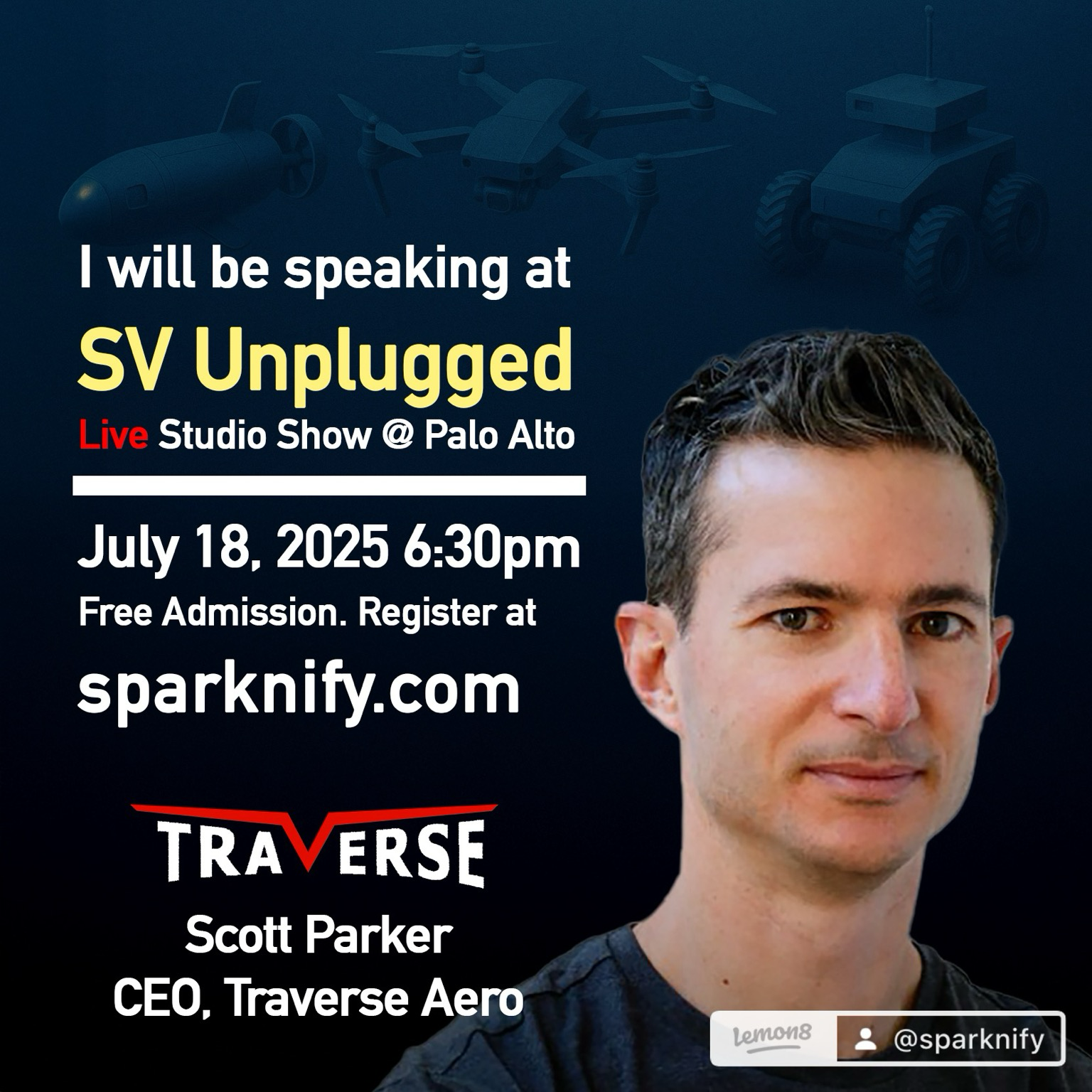
🚁 We’re thrilled to welcome Scott Parker, CEO of Traverse Aero, as a featured speaker at our live studio event, SV Unplugged: Drones of the Land, Sea, and Sky!
Scott brings deep experience building autonomous aircraft, and he’ll be sharing insights on the future of drone-powered logistics and mobility.
📅 July 18, 2025 — 6:30PM
🎟️ Free admission
👉 Register now at https://www.sparknify.com/drones-of-the-land-sea-and-sky
#SVUnplugged #Drones #AutonomousSystems #Sparknify #DroneTech #ScottParker #TraverseAero #BayAreaEvents
🤖 We’re excited to announce that Shahbaz Magsi, CEO of Zurons, will be speaking at our live studio show: SV Unplugged - Drones of the Land, Sea, and Sky!
As a robotics entrepreneur building rugged ground-based autonomous systems, Shahbaz brings insight into how robotics are transforming defense, safety, and mobility on land.
📍 July 18, 2025 – 6:30 PM
🎟️ Free admission – RSVP at https://www.sparknify.com/drones-of-the-land-sea-and-sky
#Zurons #Sparknify #SVUnplugged #Drones #AutonomousSystems #AI #BayAreaEvents #Robotics


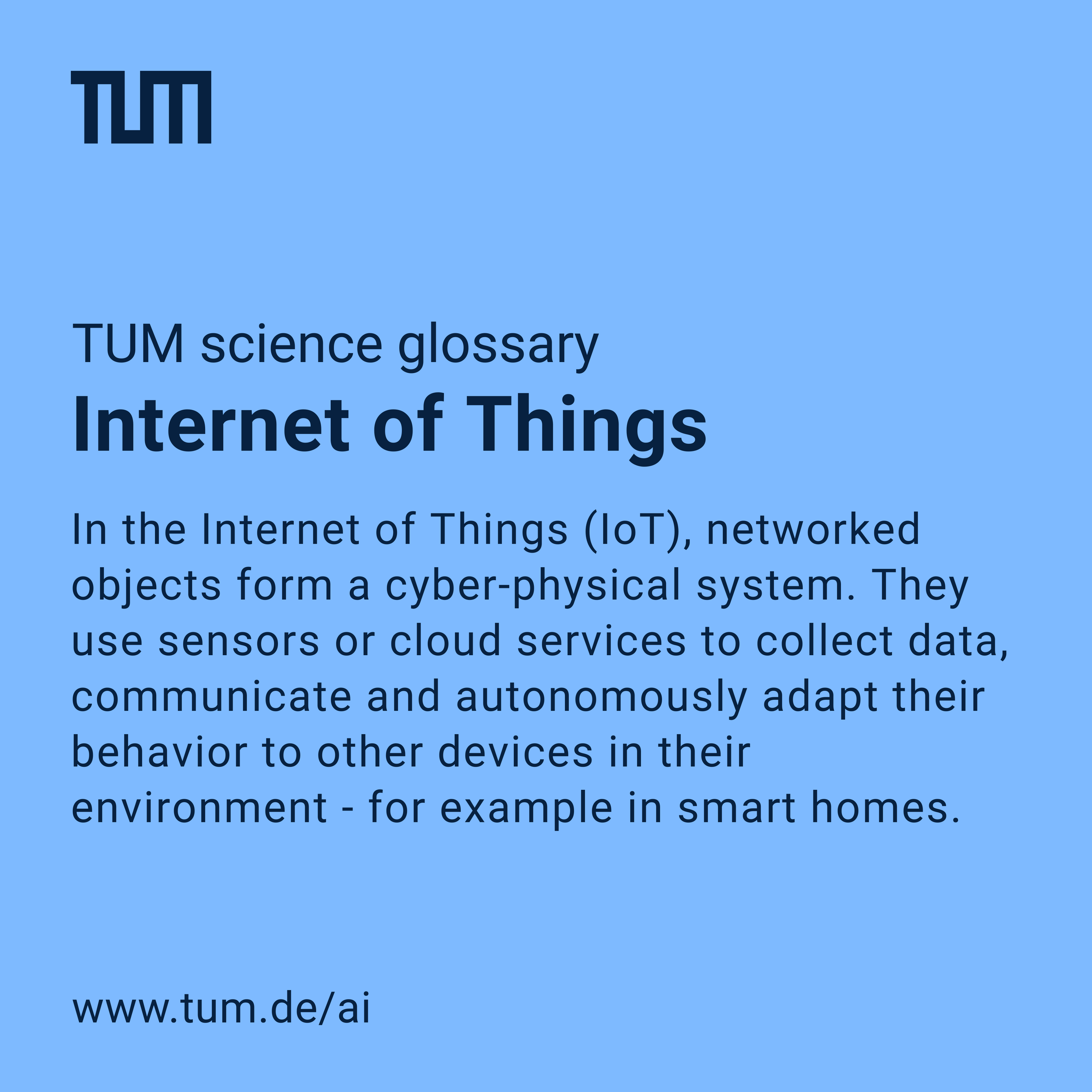
The #InternetOfThings (#IoT) is the latest entry in our #ScienceGlossary. Connected devices are transforming how we live and work—from #SmartHomes to #AutonomousSystems: http://go.tum.de/312381
📷TUM CCC/Prof. R. Heckel, TUM CIT

“A Drone Outflew the Best Human Pilot — In Real Life.”
#AIFlight #DroneVsHuman #TheInternetIsCrack #AutonomousSystems #ReflexWars
These are cleaner and more thumb-stopping — ideal if your video is doing the heavy
Client Info
Server: https://mastodon.social
Version: 2025.07
Repository: https://github.com/cyevgeniy/lmst