Japandi Style: A Harmonious Fusion of Japanese and Scandinavian Interior Design
A timely trend rooted in history.
The Japandi style has risen from niche fusion to mainstream movement. During the global shift toward wellness and sustainability, more people are drawn to interiors that feel calm yet intentional. This unique blend of Japanese and Scandinavian design, sometimes described as East‑meets‑West minimalism, marries the wabi‑sabi philosophy of rustic simplicity with the warmth of hygge. As a result, the Japandi style prioritizes natural materials, muted colors, and uncluttered spaces while remaining comfortable and inviting. According to interior designers, its roots stretch back to the mid‑19th century when Scandinavian travelers first visited a newly opened Japan. It is not just an aesthetic; it reflects a lifestyle that values quality, craftsmanship, and mindful living.
What is the Japandi style?
Definition and core principles
The Japandi style fuses Japanese minimalism with Scandinavian simplicity. It balances clean lines, functional pieces, and a tranquil atmosphere. In practice, this hybrid aesthetic celebrates simplicity, craftsmanship, and a deep connection to nature. Both cultural traditions appreciate neutral color palettes, natural materials, and uncluttered rooms. Interior designer Nareg Taimoorian notes that the Japandi style blends “clean lines, natural materials, and functionality” with the tranquility and craftsmanship of Japanese design [homesandgardens.com]. Consequently, rooms feel calm and balanced rather than stark or sterile.
Origins and philosophy
While the term Japandi style gained popularity only in recent years, the design dialogue began around 150 years ago. After Japan reopened to global trade in the 1850s, Scandinavian designers visited and were captivated by Japanese art and craftsmanship. This cultural exchange revealed surprising commonalities: both traditions valued simplicity, handcrafted objects, and harmonious living. In her book Japandi Living, author Laila Rietbergen explains that the wabi‑sabi philosophy embraces rustic simplicity and the beauty of imperfections, while Scandinavian hygge emphasizes comfort and warmth. This shared appreciation for natural materials and understated elegance allowed the two aesthetics to merge seamlessly. Today, design historians credit a Danish naval lieutenant’s 1860s trip to Japan for sparking the fusion [vogue.com]. The resulting Japandi style invites you to celebrate imperfections, invest in enduring quality, and find beauty in everyday objects.
Why the Japandi style resonates today
A response to modern life
Amid urban clutter and constant digital stimulation, many seek spaces that nurture mental health. The Japandi style answers this need with its serene atmosphere and focus on well‑being. Vogue reports that the style’s search popularity has reached record levels [vogue.com], and Google Trends confirms rising interest since 2020. Designers explain that people crave interiors that will stand the test of time and offer a sense of calm. As technology permeates daily life, the directness and simplicity of Japandi style solutions feel refreshing. The approach resonates because it provides a mindful alternative to fast décor trends and encourages deeper connections to nature and craft.
Enduring relevance for 2025 and beyond
Design forecasts suggest that the Japandi style will remain influential in 2025. A Decorilla trend report notes that Scandinavian design “is here to stay” and that Japandi, combining minimalism and natural materials, continues to be a relevant trend for the year [decorilla.com]. Homes & Gardens echoes this sentiment, stating that Japandi style has become more than a trend; it is a lifestyle promoting wellbeing and sustainability [homesandgardens.com]. Unlike short‑lived fashions, its emphasis on timeless craftsmanship and quality materials makes it resilient. Therefore, investing in this aesthetic means choosing pieces that will continue to feel fresh and meaningful.
Key elements of Japandi design
Neutral color palettes
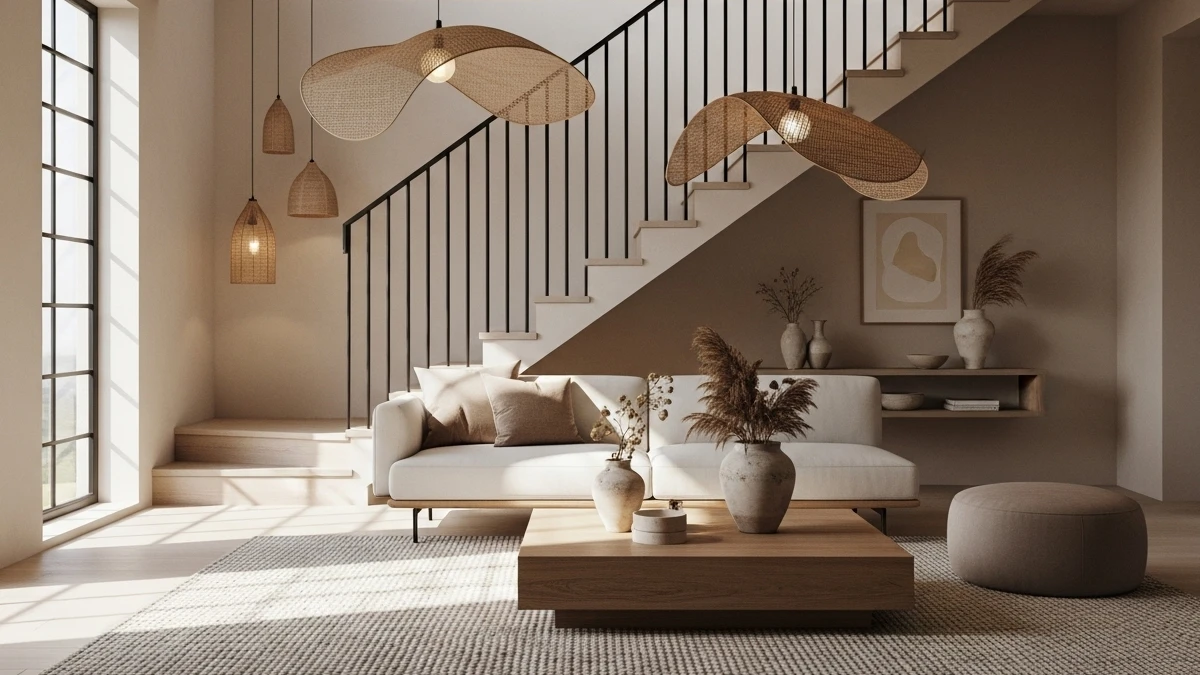
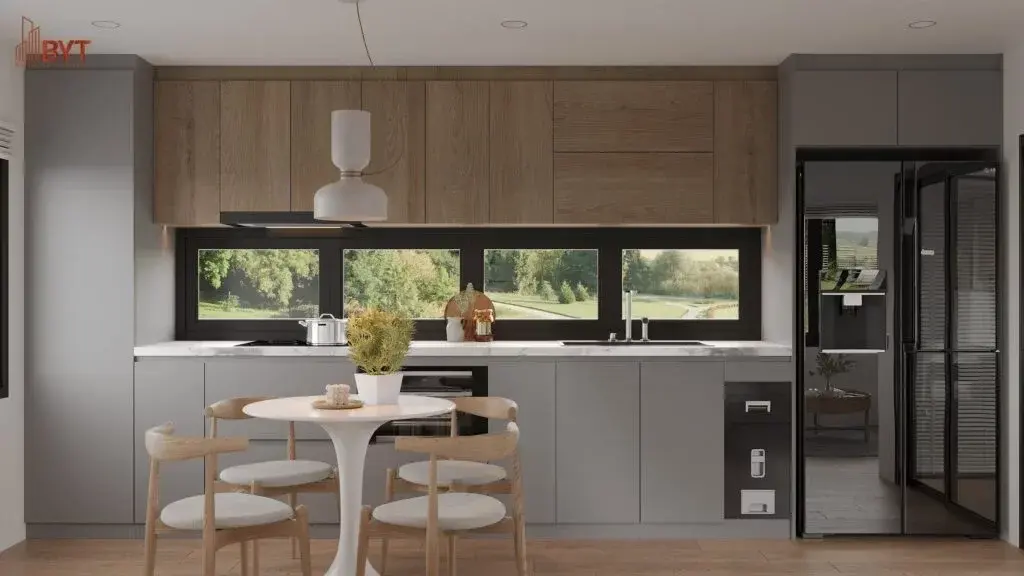
The Japandi style relies on a calm palette to create a serene backdrop. Typical hues include warm whites, soft beige, taupe, charcoal gray, and muted greens. Homes & Gardens advises using neutral schemes with subtle pops of color to introduce Scandinavian influences [homesandgardens.com]. Earthy tones and natural wood finishes reflect the beauty of the outdoors. These gentle shades prevent overstimulation, allowing textures and materials to take center stage.
Emphasis on natural materials
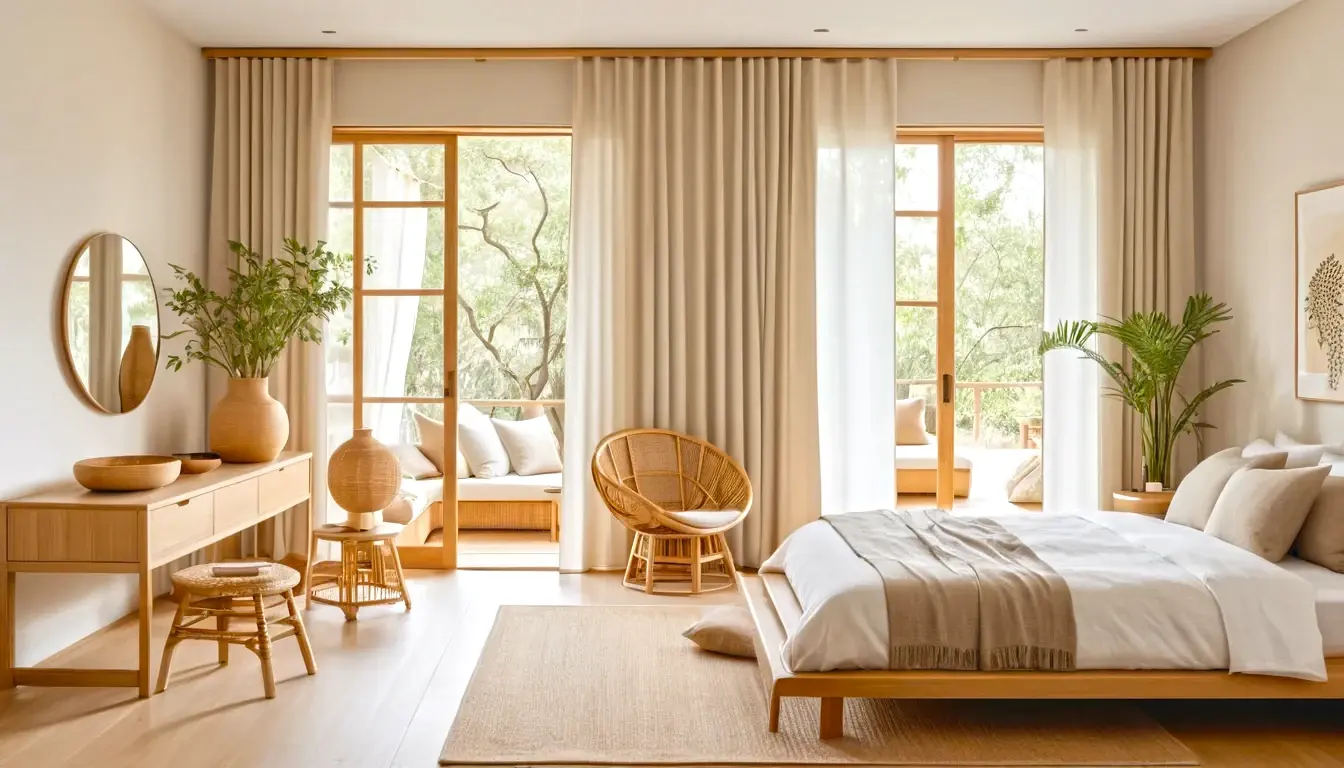
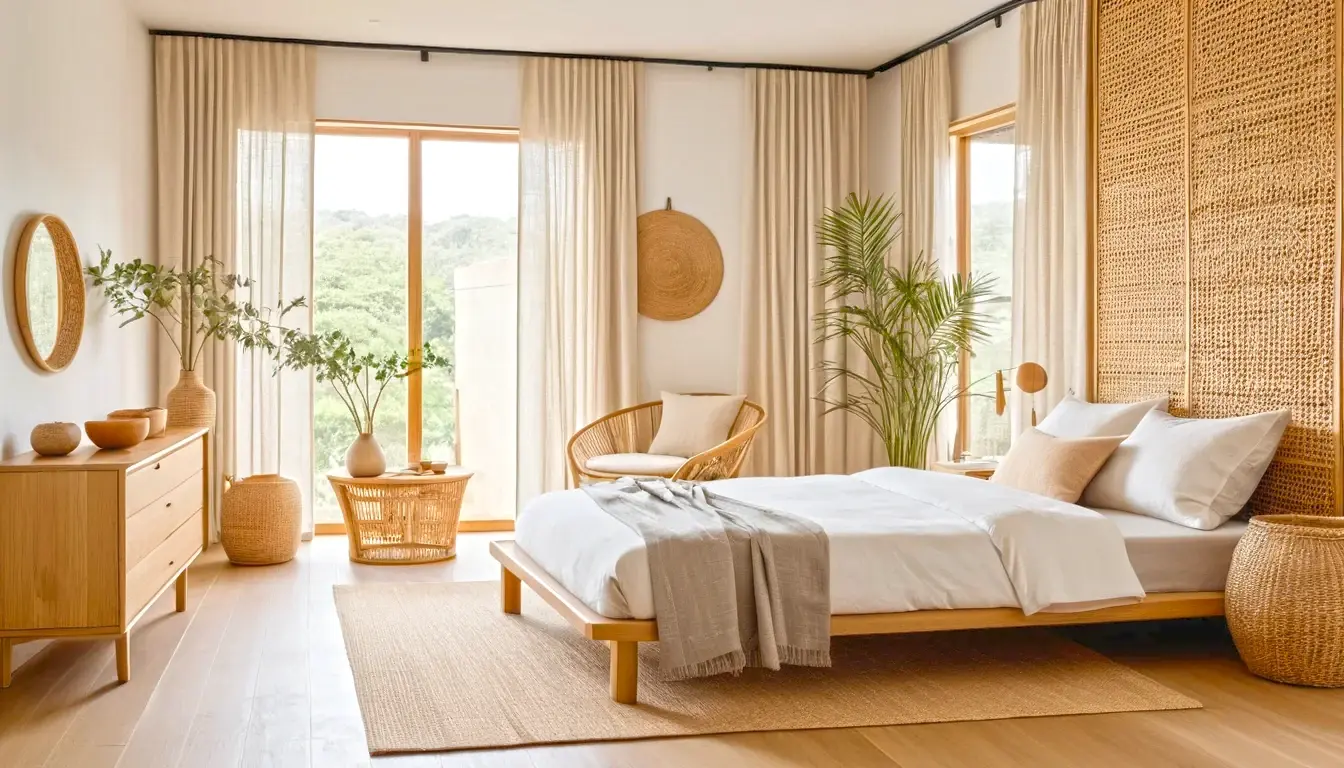
Authentic materials are fundamental to the Japandi style. Japanese interiors favor organic materials such as wood, stone, paper, and cotton, while Scandinavian design emphasizes light woods like birch and white oak. Combining darker Japanese woods with lighter Scandinavian timbers creates contrast and depth. The use of bamboo, linen, rattan, and stone connects indoor spaces to nature and highlights craftsmanship. Selecting eco‑friendly materials also aligns with contemporary values of sustainability.
Functional and minimalist furniture
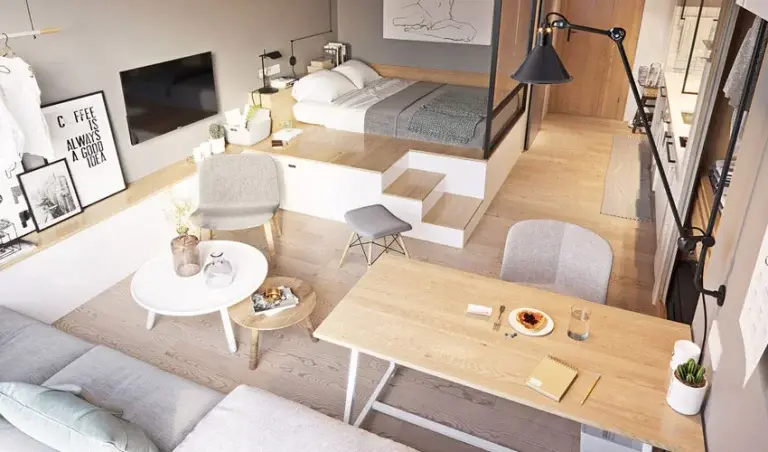
Furniture in the Japandi style is low‑profile and multifunctional. It blends clean lines with gentle curves to offer both comfort and refined form. Pieces are handcrafted, emphasizing durability and simple beauty. Handmade ceramics, carved wooden bowls, and woven baskets introduce character without clutter. Every item serves a purpose; designers recommend choosing fewer but better‑quality pieces, reflecting the style’s philosophy of intentional living. By avoiding excess ornamentation, rooms feel open and purposeful.
Clutter‑free spaces and intentional decor
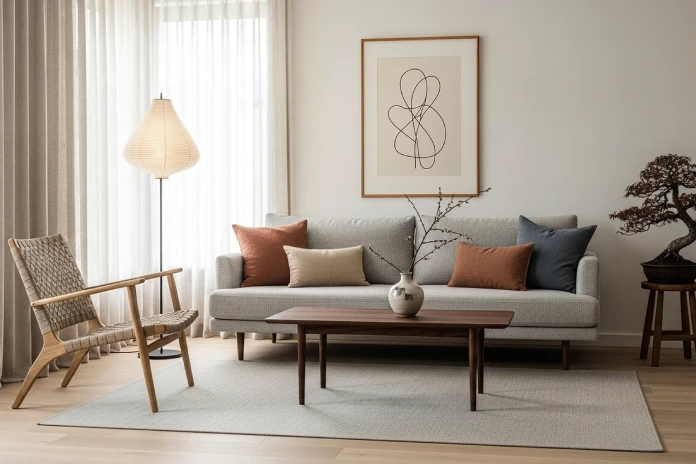
Minimalism lies at the heart of the Japandi style. Both Japanese and Scandinavian traditions prize uncluttered rooms and open layouts [architecturaldigest.com]. Decluttering is often the first step toward achieving this look. Homes & Gardens suggests that everything introduced into a Japandi scheme must have a purpose and that adequate storage is essential [homesandgardens.com]. Rather than filling shelves with decorations, you place a handful of meaningful objects such as a teapot, bonsai, or sculptural vase. The result is a calm space that encourages mindfulness.
Connection to nature and indoor–outdoor harmony
Bringing the outdoors inside is integral to the Japandi style. Both cultures share a love for nature and seek to incorporate it into their homes. Plants like ferns, snake plants, or bonsai add life without overwhelming the serene atmosphere. Large windows, shoji screens, and open floor plans maximise natural light, while organic shapes and textures reference rivers, mountains, and forests. Hovia explains that this hybrid aesthetic provides mindfulness through a calming décor sympathetic to local landscapes [hovia.com]. By connecting indoor and outdoor environments, the Japandi design fosters well‑being.
How to incorporate the Japandi style in your home
Start by simplifying and decluttering
Creating a Japandi-style interior begins with removing excess. Designers recommend decluttering to reveal open spaces and free movement. Use the 20/80 rule: display twenty percent of your possessions and hide the rest behind closed doors [homesandgardens.com]. This exercise encourages you to ask which objects truly matter in your daily life. After clearing the space, assess how the room feels; the calm of an uncluttered environment is fundamental to the Japandi style.
Use natural materials and layered textures
Next, choose materials that reflect nature. Wood, bamboo, seagrass, rattan, and stone are staples. Scandinavian light wood brings an airy feel, while darker Japanese woods add depth. Layering textures such as linen curtains, woven rugs, and knit throws enhances warmth without clutter. Soft lighting—think paper lanterns, diffused pendants or linen shades—creates a gentle ambience [arterahome.com]. When selecting lighting, consider how each fixture contributes to the overall mood.
Balance contrast and muted tones
Although the Japandi interior design favors muted colors, it also embraces thoughtful contrast. Layer pale woods with deeper hues like charcoal or rust. Textured rugs, statement cushions, and curated wall art provide opportunities to introduce darker tones without overwhelming the space. The goal is harmony rather than uniformity. Contrast adds dimension, while neutral backdrops maintain a calming foundation.
Select streamlined furniture and handcrafted decor
Opt for furniture that is simple yet comfortable. Low seating, sleek tables, and storage benches crafted from natural materials reflect the Japandi style. Multi‑functional pieces, such as stacking tables or woven baskets used for storage, maximise functionality. Handcrafted ceramics, woven textiles, and carved wood objects bring soul and personal meaning to the space. These items celebrate imperfection and reflect the wabi‑sabi concept.
Invite nature indoors
Integrate living plants, branches, river stones, or dried grasses to strengthen the connection to nature. Bonsai trees, snake plants, or ferns provide greenery without crowding. Organic sculptures and driftwood art blur the boundary between interior and exterior spaces. Using natural elements encourages mindfulness and fosters a peaceful atmosphere. Remember that each addition should enhance the sense of balance central to the Japandi style.
Japandi versus similar design styles
Japandi vs Scandinavian minimalism
While both aesthetics prioritize simplicity and function, the Japandi style introduces a richer palette and handcrafted details. Scandinavian interiors often feature bright white bases and cozy accessories like knitted throws and candles. In contrast, Japandi incorporates darker hues, low‑profile furniture, and Zen‑inspired objects such as shoji screens. It also embraces imperfection through wabi‑sabi pottery and aged finishes. Therefore, Japandi feels more grounded and organic than pure Scandinavian minimalism.
Japandi vs organic modern
Organic modern combines minimalism with mid‑century and boho influences, using earthy tones and sculptural furniture. The Japandi style shares an appreciation for natural materials but focuses on tranquility and balance. Organic modern spaces may incorporate bold contrasts and varied textures for a layered effect, whereas Japandi remains restrained, prioritizing calm and intentionality. The differences underscore how subtle choices in color, proportion, and decor shift a room’s mood.
Japandi vs minimalism
Minimalism aims to eliminate distractions, often resulting in stark, monochromatic spaces. Although the Japandi style embraces minimalism, it warms the palette and adds tactile elements to avoid coldness. Using warm neutrals, crafted objects, and natural materials invites comfort while maintaining the clarity of a minimalist approach. In short, Japandi interior refines minimalism with a human touch.
Beyond decor: Japandi as lifestyle and mindset
Mindful consumption and sustainability
Choosing the Japandi style extends beyond selecting furniture; it reflects a commitment to mindful living. Emphasis on quality over quantity encourages investing in pieces that last [arterahome.com]. Using eco‑friendly materials like bamboo, wood, and linen aligns with sustainable values. This mindset discourages impulsive buying and promotes responsible consumption. It also honors artisans and traditional techniques, supporting cultural heritage. Therefore, the Japandi style becomes a statement of environmental and social awareness.
Emotional well‑being and mental health
Calm spaces influence mental health. The Japandi style encourages you to slow down, appreciate your surroundings, and prioritise daily rituals. The neutral palette and organic textures reduce sensory overload, while natural light and plants uplift moods. Homes & Gardens notes that the style transcends decoration to become a way of life that promotes wellbeing [homesandgardens.com]. Creating a sanctuary at home fosters mindfulness and helps counteract the stress of modern life. As you design with intention, you practice self‑care and find beauty in simplicity.
Cultural appreciation and respectful fusion
At its best, the Japandi style honors both Japanese and Scandinavian traditions rather than appropriating them. Understanding the origins—Scandinavian designers’ early encounters with Japanese art and the shared values of wabi‑sabi and hygge—ensures respectful adoption. Recognising that this aesthetic is a Western invention with deep roots [vogue.com] reminds designers to credit both cultures. When selecting décor, choose authentic pieces from artisans or reputable brands that support traditional craft. Such consideration deepens the connection between design and cultural heritage.
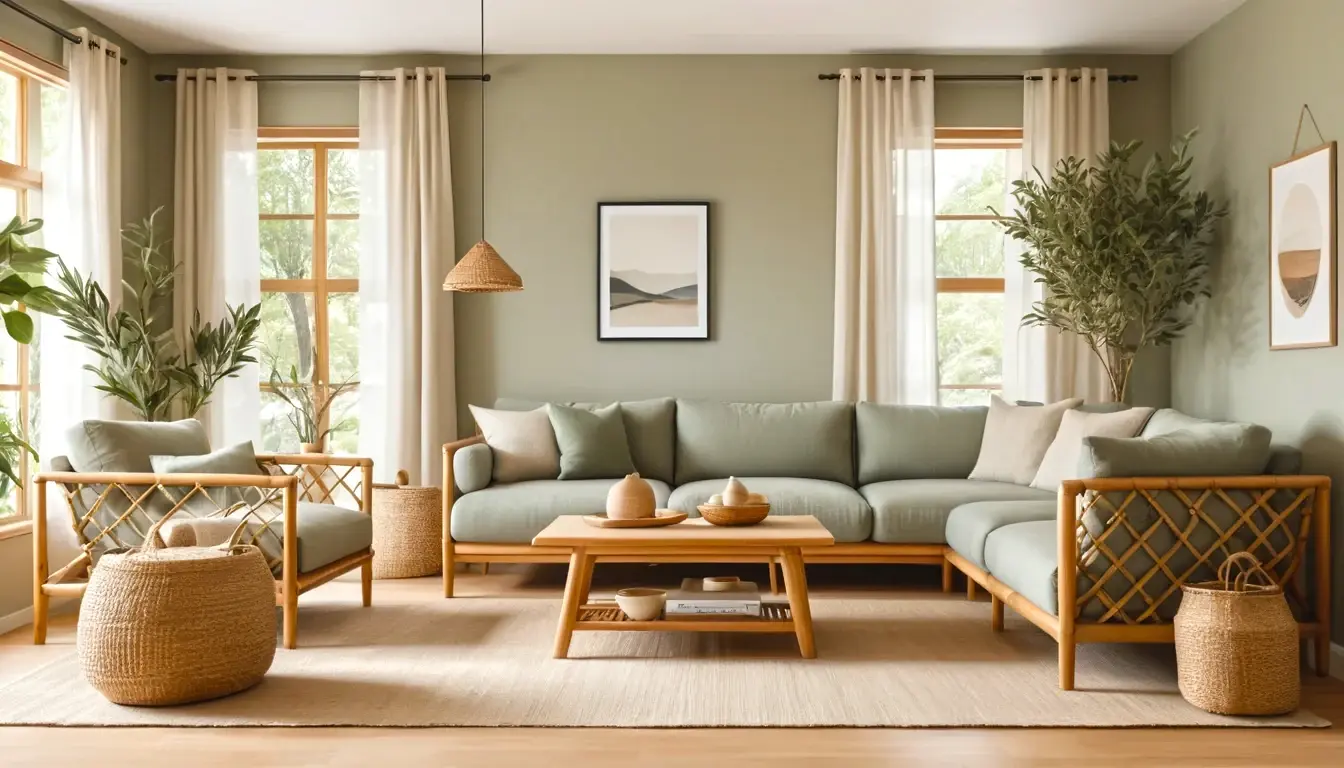
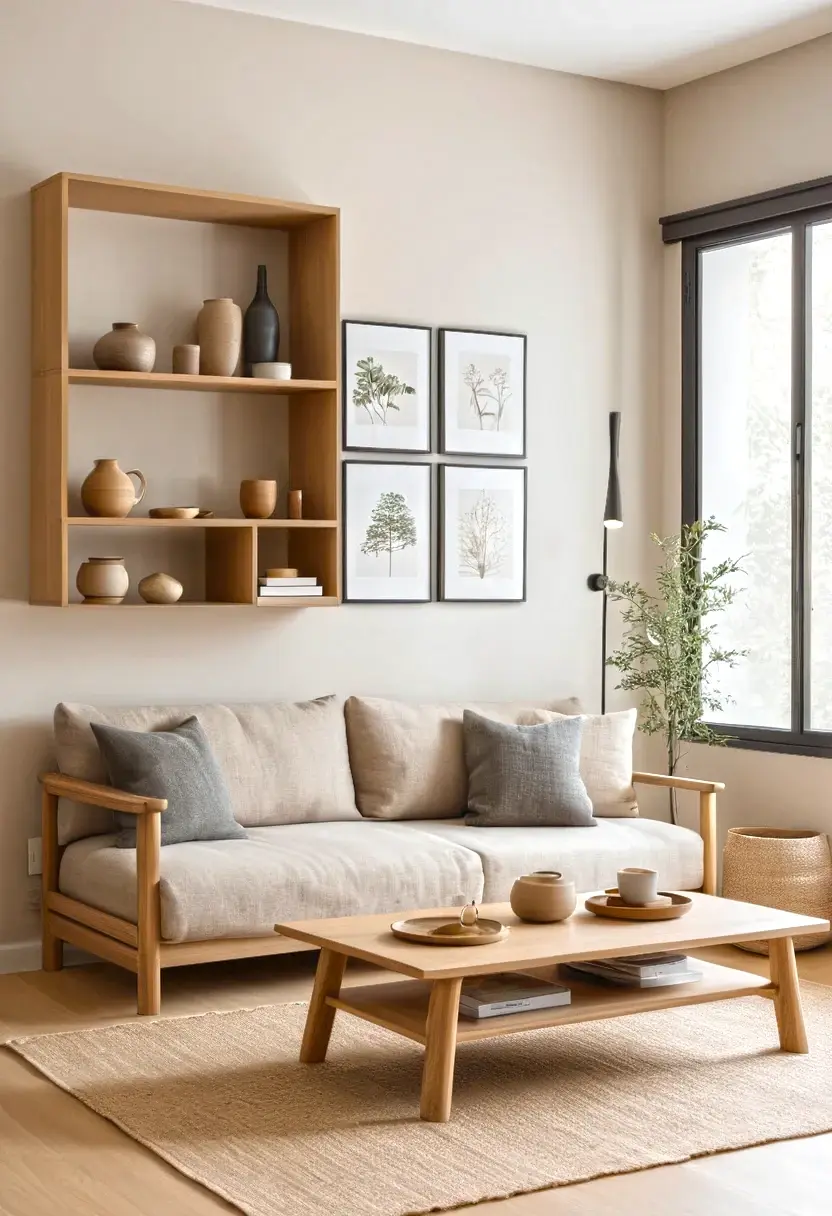
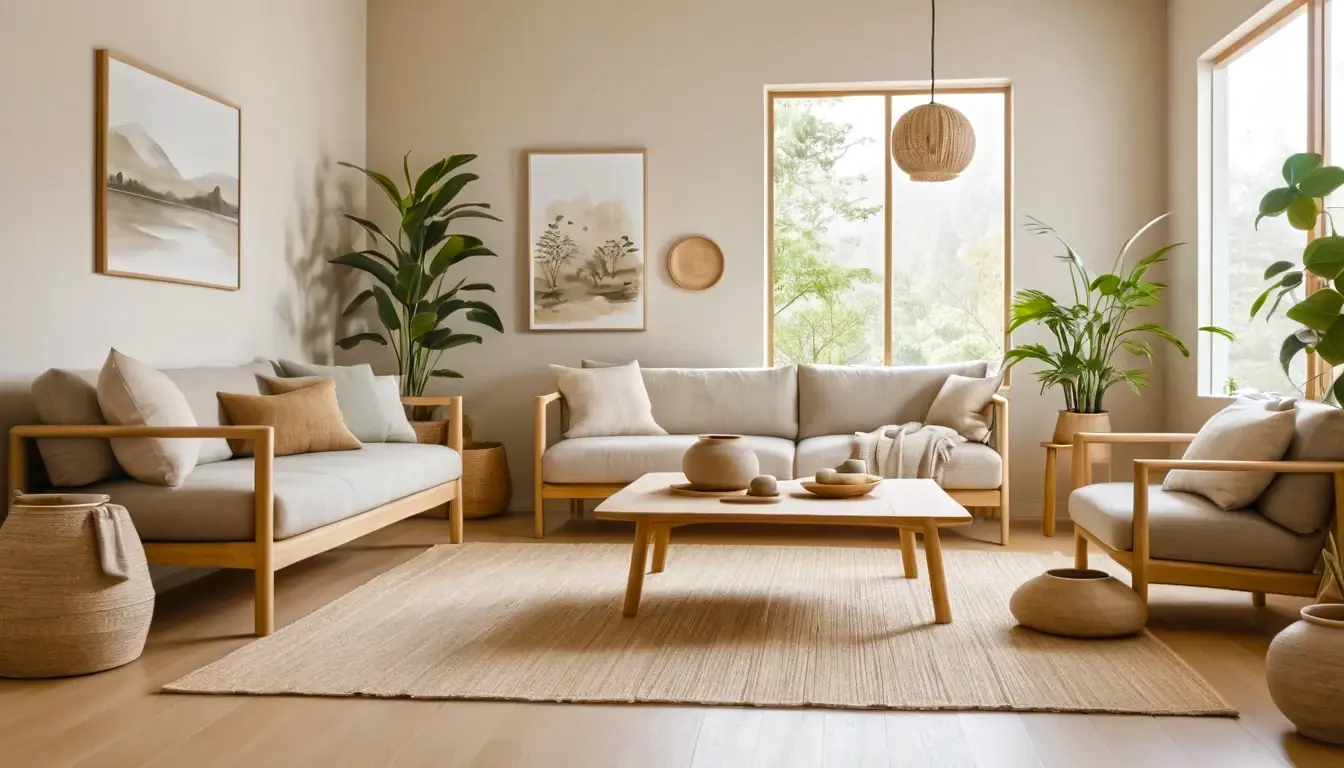
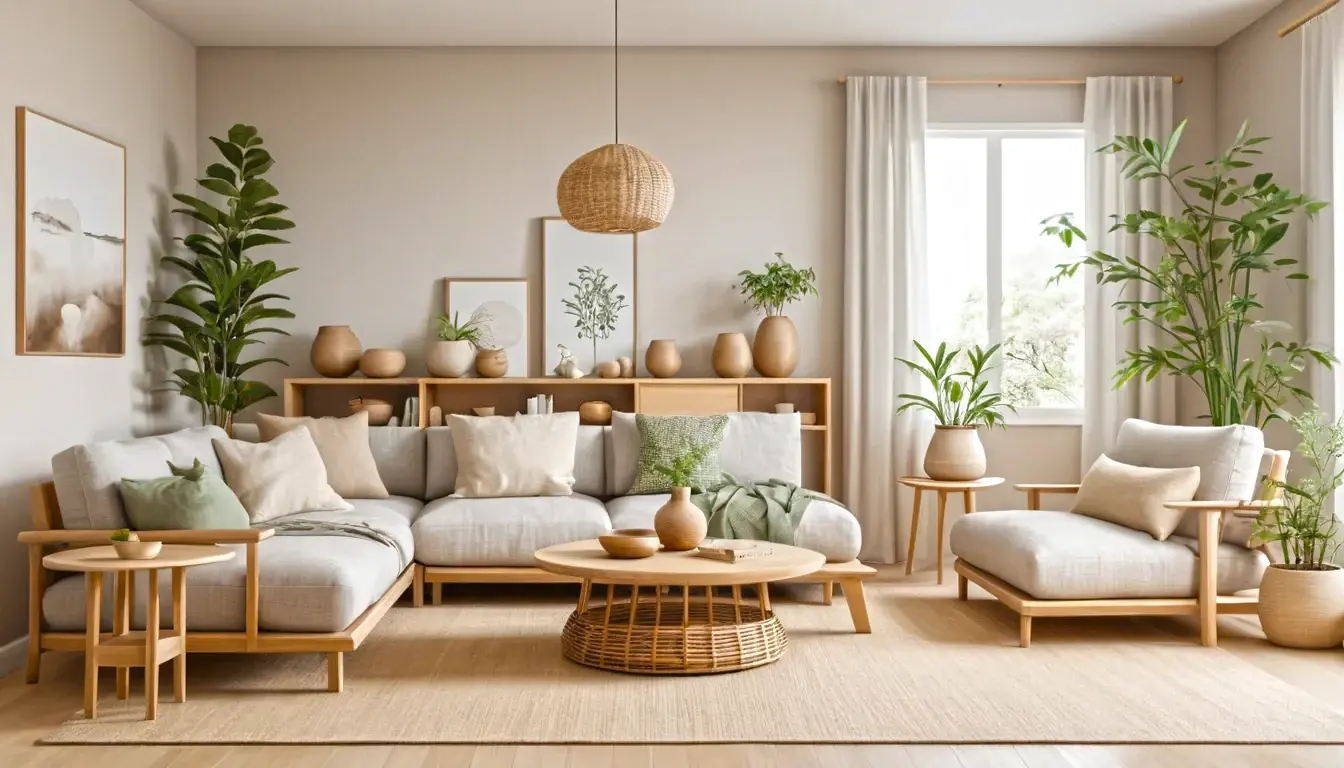
Japandi Style Living Room
Questions to consider when adopting Japandi
Do you value quality over quantity?
Adopting the Japandi style means investing in well‑made pieces and avoiding disposable décor. Reflect on whether you are ready to curate rather than accumulate.
How do you connect with nature at home?
The Japandi style invites greenery, natural light, and organic materials into your space. Consider how plants, textures, and natural colors can improve your daily environment.
Which objects truly matter?
Decluttering is essential. Assess which possessions carry meaning and which simply take up space. Let go of items that no longer serve your purpose.
Are you prepared to embrace imperfections?
Wabi‑sabi teaches that beauty exists in flaws and aging. Handmade ceramics, weathered wood, and uneven textures embody this idea. Allow yourself to appreciate irregularity.
Will you honor cultural roots?
Understanding the historical exchange between Japan and Scandinavia deepens the practice. Seek knowledge about both traditions to ensure a respectful approach.
Inspiration and next steps
The Japandi style offers more than a set of décor guidelines; it presents a pathway to intentional living. By blending minimalism with warmth, it creates spaces where one can breathe, think, and feel grounded. If you are searching for design ideas, start with a single room. Apply neutral colors, remove clutter, and add a handmade ceramic bowl or a potted tree. Observe how the mood shifts. Over time, extend the Japandi style throughout your home, adapting it to your habits and cultural context. With each choice, you cultivate calm and connection—qualities that define this enduring aesthetic.
#decor #decoration #home #interiorDeign #Japandi #JapandiDesign #JapandiStyle #japanese #JapaneseInteriorDesign #scandinavianDesign #ScandinavianInteriorDesign