#InnerTransformation

2025-12-02

En su charla "Gente Que Aprende", el Maestro Alfredo Sfeir-Younis, en línea con su visión sobre la consciencia y los derechos humanos, propone que el aprendizaje es fundamentalmente un proceso de transformación interior y autodescubrimiento. Usando la metáfora del cóndor, destaca que el verdadero aprendizaje trasciende la mera acumulación de datos (crítica a la IA) y requiere el desaprendizaje activo de nociones preconcebidas y del miedo a confrontar la verdad personal, lo que define la resistencia al cambio. Sfeir-Younis distingue entre el saber, el entender y la sabiduría, siendo esta última el cambio interno que nos permite trascender identidades secundarias y acceder a la propia esencia. De esta manera, el aprendizaje se convierte en un acto de acción y transformación colectiva y mutua, donde el desarrollo individual es la base para la evolución social y la defensa de los derechos humanos.

🔗 youtu.be/E88t9ut61ok

#InnerTransformation #SpiritualLearning #ConsciousUnlearning #CollectiveWisdom #PersonalNarrative #EssenceOfBeing

think and growtgeastuart1
2025-11-27

I didn’t change overnight I rewired my brain one thought, one habit, and one choice at a time. Consistency is the real magic behind transformation.
 
de320.isrefer.com/go/UNTHINKAB
 

2025-11-25

En la sesión en vivo "Un Camino Hacia la Paz" en el canal Aquarius en Línea, junto al anfitrión Luis González, Alfredo Sfeir-Younis, desde el marco de su obra sobre la consciencia y los derechos humanos, expone los principios esenciales para alcanzar la paz colectiva. La clave reside en la transformación individual, la cual puede manifestarse externamente a través del "Efecto Raíz Cuadrada del 1%", una prueba de que la práctica meditativa de una porción mínima de la población puede reducir significativamente la violencia global. El Maestro identifica que la paz es obstaculizada por tres tipos de ignorancia (la inconsciencia, las hipótesis erróneas y el desconocimiento de las leyes estructurales de la vida) y propone un camino práctico que incluye el trabajo interno (auto-consciencia y perdón), la evaluación del trato a la naturaleza, el diálogo, el desarrollo de la autoestima y la práctica del Servicio Desinteresado (Seva) junto con las cuatro actitudes sublimes (Brahma Viharas): la bondad amorosa, la compasión, la alegría apreciativa y la ecuanimidad.

🔗 youtube.com/playlist?list=PLOP

#PathToPeace #InnerTransformation #CollectiveConsciousness #BrahmaViharas #SquareRootEffect #SelflessService

2025-11-04

En su ensayo “From Confinement to Our Spiritual Awakening,” el autor Dzambling Cho Tab Khen (Alfredo Sfeir-Younis) transforma la experiencia del confinamiento por la pandemia de COVID-19 en una oportunidad radical de transformación espiritual individual y colectiva. El texto enfatiza que la incertidumbre y la dificultad son el caldo de cultivo para la introspección profunda a través de la meditación, el silencio y el yoga. Al introducir las prácticas budistas de Samvega (urgencia espiritual ante el sufrimiento) y Pasada (serenidad al hallar el camino), el autor propone una hoja de ruta para transmutar las emociones negativas en un nuevo despertar de la consciencia. El cultivo de los "Siete Factores de Esclarecimiento" (Atención Plena, Investigación, Energía, Felicidad, Relajación, Meditación y Ecuanimidad) se presenta como el camino fundamental para alcanzar el bienestar espiritual y la nueva consciencia post-confinamiento.

🔗 neljorsa.com/from-confinement-

#SpiritualAwakening #Confinement #SamvegaPasada #SevenFactorsOfEnlightenment #Mindfulness #InnerTransformation

2025-10-30

En su declaración "Manifesting a New Future For Humanity, Sentient Beings and Nature" (2023), el Dr. Alfredo Sfeir-Younis profundiza en la visión de la consciencia y la economía espiritual, enfatizando que la creación de un futuro justo y sostenible requiere una transformación dual: la transformación interior (a través de la compasión, la atención plena y la sabiduría) y la transformación exterior (mediante la acción colectiva y una sociedad justa). El autor destaca la interconexión de todos los seres, la importancia del karma y la responsabilidad compartida de cuidar el planeta, buscando un despertar espiritual y el equilibrio entre la prosperidad material y espiritual para el bienestar integral de la humanidad y la naturaleza.

🔗 youtube.com/watch?v=DV8-Rvut00

#InnerTransformation #SpiritualAwakening #Interconnectedness #SentientBeings #PlanetaryFuture #Mindfulness

Sofia JadeSofia3232
2025-10-28

Elevate your leadership and spiritual growth—dive into blog posts on servant leadership, purpose-driven living, and inner transformation: transcendentseekers.com/blogs/

2025-08-04

"Yesterday I was clever, so I wanted to change the world. Today I am wise, so I am changing myself." - Rumi

True digital leadership isn't about having the loudest voice in online debates—it's about quietly becoming the change we want to see

Arsal KhanArsalKOfficial
2025-06-24

You don’t need a new goal.
You need to respect the one you've already set.
Time. Focus. Clarity.
That’s it.


Alive in Christaliveinchristaz
2025-06-05

Discover the profound meaning of Acts 20:28-31a! Join us as we explore Jesus's teachings and the importance of truly knowing Him. Understand how inner transformation leads to selfless service and unwavering faith. Learn about serving the Lord and revelations chapter 7.

think and growtgeastuart1
2025-05-31

 de320.isrefer.com/go/startsqac 
Transform your mind, rewire your reality. 🧠✨ Meditation isn’t escape—it’s reprogramming. Each breath, a reset. Each silence, a breakthrough.

think and growtgeastuart1
2025-05-28

de320.isrefer.com/go/HEART639F
Just discovered this unique healing technique—and it’s next-level. Gentle, powerful, and deeply transformative. Your healing doesn’t have to look like anyone else’s.

The story of Parvati’s Tapasya for Shiva is a timeless guide for spiritual seekers. Her deep inner work, unwavering patience, and pure devotion remind us that true spiritual growth requires discipline, surrender, and self-evolution. In today’s fast-paced world, her Tapasya remains a blueprint for soulful living and divine connection.

pallavivyas.in/spirituality/sp

Diamond Booksdiamondbooks
2025-04-21

संभोग से समाधि की ओर" — ओशो की क्रांतिकारी दृष्टि।
काम से ध्यान तक, देह से परम तक।
एक किताब जिसने सोचने का तरीका बदल दिया।

🔗 zurl.co/z7lX5

Illuminated0illuminated1
2025-04-12

The Great Work: How Alchemy Unlocks the Path from Ego to Enlightenment in All Religions
youtu.be/tTHGvSoefs0

Vivekananda Kendravrmvk
2025-02-25

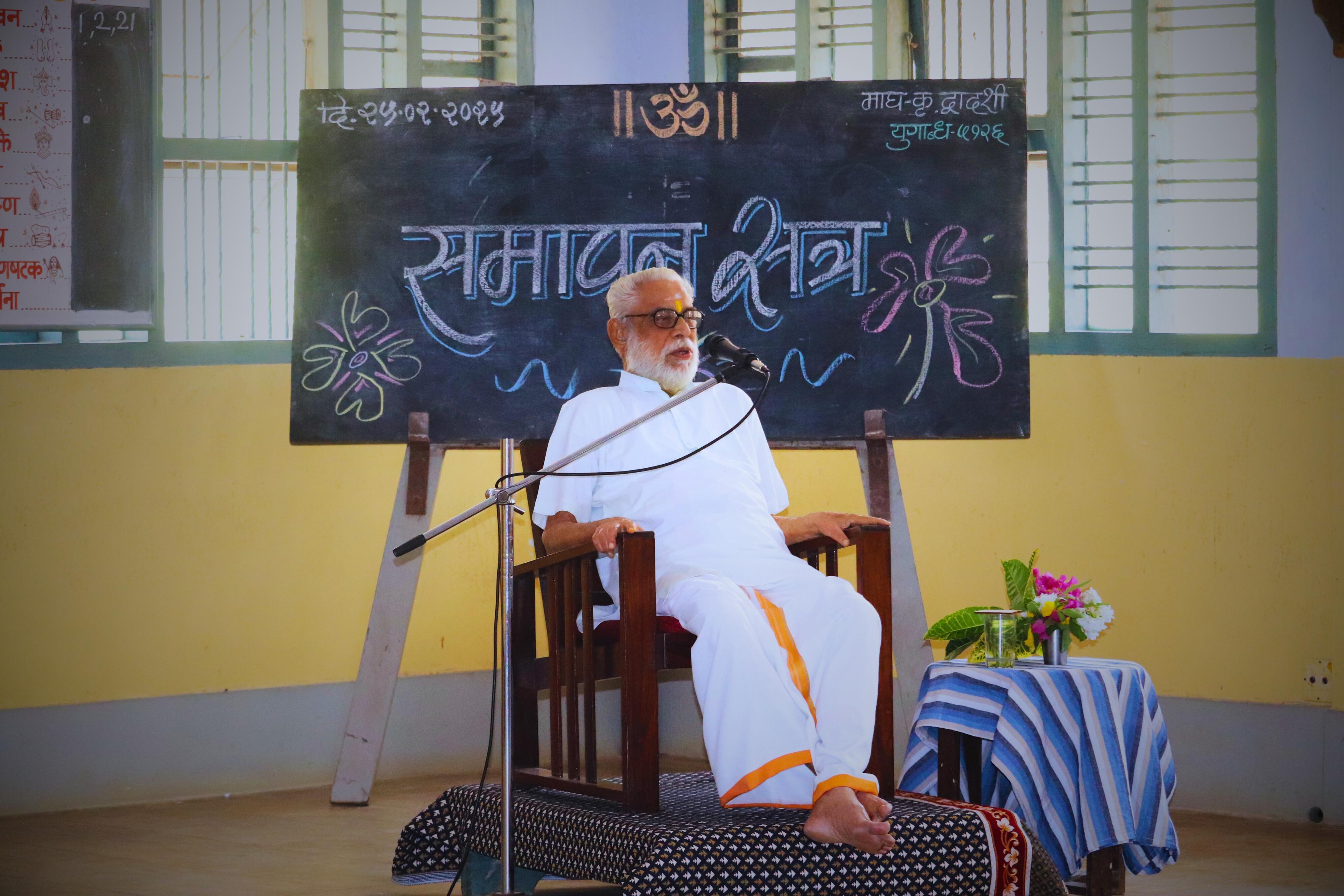
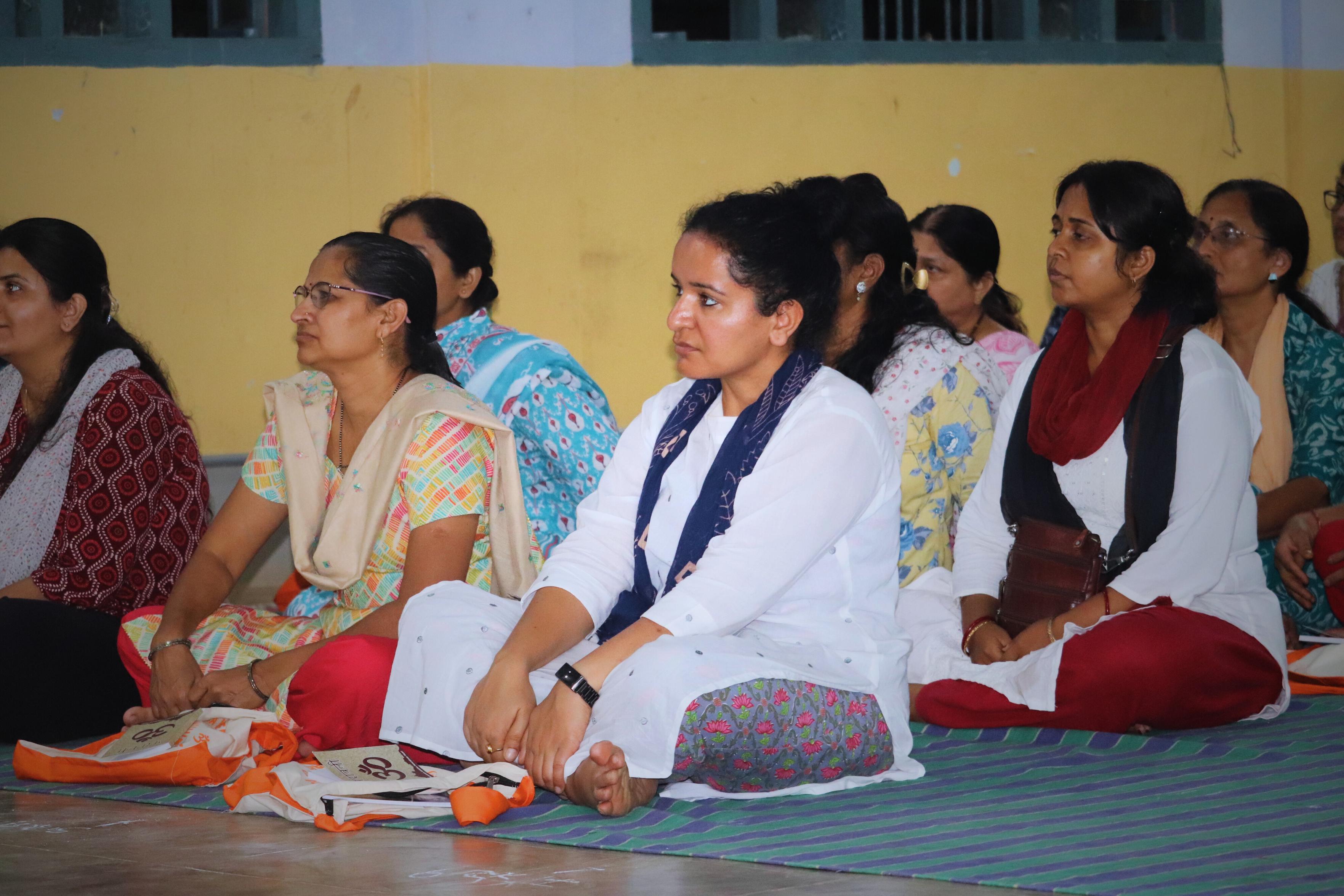
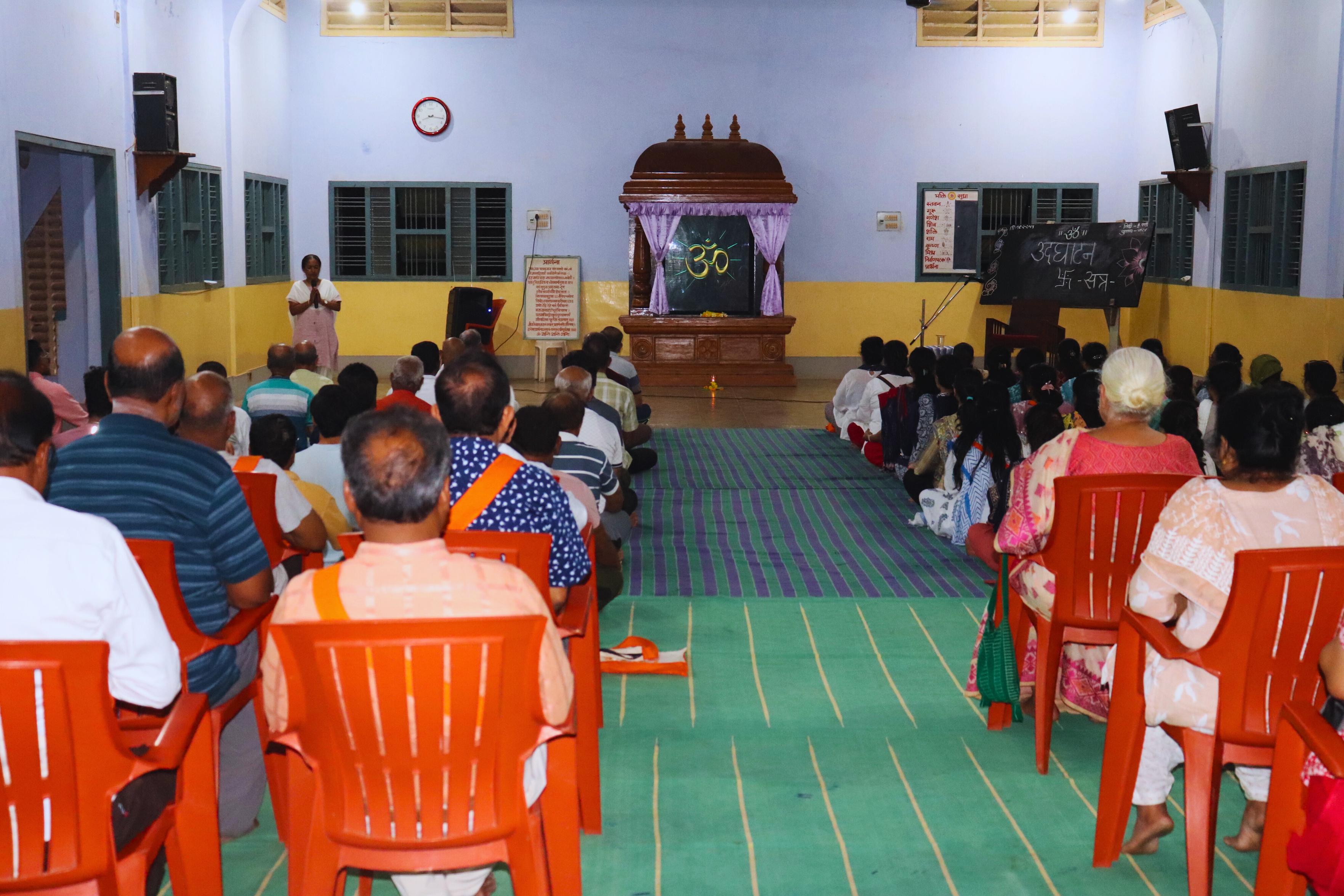
The Spiritual Retreat concluded today, leaving behind a trail of wisdom and inspiration. ✨ Grateful for Ma. Balakrishnan Ji’s keen interest in the participants, making the experience even more meaningful. May we all continue this journey of spirituality and selfless action! 🙏💫

Vivekananda Kendravrmvk
2025-02-19

The Spiritual Retreat has commenced at Vivekanandapuram, Kanyakumari (pilgrimagetopeace), with 104 participants embarking on a journey of self-discovery and inner transformation. 🌿✨ Stay connected for more glimpses of this transformative journey! 📸

Fostering Compassionate Unity in Christian Practice

Introduction

I thank God that Tibetan Buddhism still survives. Tibetan Buddhists are some of the most sincere, authentic, and compassionate practitioners of spiritual principles. Their presence is a blessing to the world, offering a guiding light in times of darkness and uncertainty. By exploring their teachings, we can find ways to enhance our own spiritual practice, fostering interfaith dialogue and mutual understanding.

The Essence of Tibetan Buddhism

Tibetan Buddhism is rooted in principles that resonate with many Christian values: a pristine mind, loving-kindness, compassion, and wisdom. These principles emphasize the cultivation of a clear, peaceful mind, a heart full of love and kindness, a commitment to compassionate action, and the pursuit of deep wisdom. These ideals are not foreign to Christianity; rather, they complement the teachings of Jesus on love, mercy, and wisdom.

Easing Fears and Embracing Inclusion

It is important to clarify that exploring Tibetan Buddhist teachings does not mean abandoning Christian faith or compromising the belief that Jesus is the way, the truth, and the life. Instead, it is about recognizing the wisdom in other traditions that can enhance our understanding and practice of Jesus’ teachings to love one another. Jesus himself reached out to those who were considered outsiders, demonstrating love and inclusion rather than fear of strangers.

Exploring Tibetan teachings through interfaith dialogue offers us an opportunity to deepen our understanding of universal spiritual principles such as love, compassion, and wisdom. Through interfaith dialogue we can draw inspiration from other cultures and traditions to enrich our spiritual practice and foster greater empathy and unity in our communities. This exploration is not about adopting foreign beliefs, but about seeking wisdom, practicing compassion and fostering a spiritual growth that resonates with core Christian values.

Practical Integration for Christians

Mindfulness and Prayer
Tibetan Buddhism emphasizes mindfulness—being present in each moment. This practice can significantly enhance our prayer life, making us more aware of God’s presence and deepening our relationship with Him.

  • Mindfulness in Prayer: Incorporate mindfulness into your prayer routine by beginning with a few moments of deep, focused breathing. Center yourself and become aware of God’s presence. As you pray, remain present with each word, offering your prayers with full attention and sincerity.
  • Meditative Reading of Scripture: Practice Lectio Divina, a meditative reading of the Bible. Read a passage slowly and reflect on its meaning. Pause to meditate on specific words or phrases, allowing them to resonate deeply within your heart.

Compassionate Action
Both traditions value compassion. Christians can draw inspiration from Tibetan practices of loving-kindness to enhance their own acts of charity and service, following Jesus’ command to love our neighbors as ourselves.

  • Loving-Kindness Meditation: Engage in loving-kindness meditation, also known as Metta. Begin by offering kindness to yourself, then extend these wishes of well-being and happiness to others, including family, friends, strangers, and even those with whom you have conflicts. This practice fosters a compassionate heart and encourages active love in daily life.
  • Serving Others: Inspired by the Bodhisattva vow to help all beings, commit to small acts of kindness and service. Volunteer at local charities, offer support to those in need, and engage in community service as a way to embody Christ’s love.

Wisdom and Discernment
The pursuit of wisdom is central in both traditions. Tibetan Buddhism encourages deep reflection and learning, which can enrich our understanding of Scripture and help us live more wisely.

  • Reflective Practices: Take time for regular self-reflection and meditation on biblical teachings. Use contemplative practices to seek God’s guidance in making wise decisions. Reflect on your actions and their alignment with Christian values.
  • Study and Dialogue: Engage in interfaith dialogue and study to broaden your perspective. Understanding different spiritual traditions can enhance your own faith and offer new insights into the pursuit of wisdom.

Peace and Reconciliation
Tibetan Buddhist practices of cultivating inner peace can support Christians in embodying the peace of Christ, promoting reconciliation and harmony in our relationships and communities.

  • Inner Peace Practices: Incorporate meditation practices that focus on achieving inner peace. Use techniques such as breath awareness or guided imagery to calm your mind and cultivate a sense of tranquility. This inner peace can help you approach conflicts with a calm and reconciliatory spirit.
  • Peacemaking Efforts: Actively engage in peacemaking within your community. Follow the teachings of Jesus by fostering forgiveness, understanding, and reconciliation. Seek to resolve conflicts with love and compassion, promoting harmony and unity.

Blessings to the World

Tibetan Buddhism’s contributions to global spirituality are immeasurable. The spread of its teachings has influenced various cultures, bringing a message of peace, compassion, and wisdom. By recognizing these contributions, Christians can appreciate the universal values that transcend specific religious boundaries and foster a more compassionate and wise world.

Conclusion

In a world often characterized by division and suffering, the teachings of Tibetan Buddhism offer a path of unity, healing, and enlightenment that complements the Christian call to love and serve others. By exploring and integrating these teachings into our lives, we open ourselves to profound transformation, contributing to a more compassionate and wise world while deepening our own faith.

Contemplative Reflections:

  1. How can the principles of mindfulness and loving-kindness enhance your personal prayer and spiritual practice?
  2. In what ways do you see the teachings of Tibetan Buddhism complementing and enriching your understanding of Christian values?
  3. Reflect on a recent experience where practicing compassion or seeking inner peace has influenced your interactions with others.

Share Your Thoughts:

I invite you to share your reflections, experiences, or questions in the comments below. Let’s continue the conversation on fostering compassion and unity across spiritual traditions.

https://richardsilverman108.wordpress.com/2024/08/07/the-enduring-light-of-tibetan-buddhism-lessons-for-christian-practitioners/

#000MindfulnessMeditationAndPersonalGrowth #ChristianPractice #compassion #CompassionateLeadership #ethicalLiving #FaithIntegration #Inclusivity #InnerPeace #innerTransformation #InterfaithDialogue #JesusTeachings #lovingKindness #meditation #PeaceAndReconciliation #prayer #spiritualGrowth #spiritualWisdom #TibetanBuddhism #unity #wisdom
Client Info

Server: https://mastodon.social
Version: 2025.07
Repository: https://github.com/cyevgeniy/lmst