
https://www.wacoca.com/media/533608/ 「ラヴ上等」で話題の元武闘派ギャル〝衝撃すっぴん〟にネット仰天「えっっ」「美人すぎる」「肌きれいすぎ」 – 西スポWEB OTTO! #otto #otto!編集部 #SAGA久光スプリングス #television #tv #TVPrograms #アビスパ福岡 #エンタメQ #おっと #スポーツニュース #テレビ #テレビ番組 #九州 #地元 #埼玉西武ライオンズ #密着 #応援 #福岡 #福岡ソフトバンクホークス #西スポ #西日本スポーツ
#OTTO

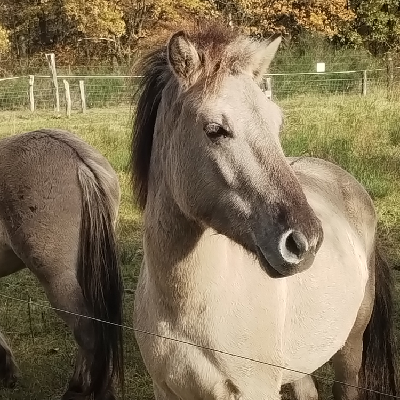

編み物を始めて6年目の夫。「最初は謎の筒だったのに…」“売れるレベル”になった手編みカーディガンに14万「いいね」【2025年回顧】
https://www.huffingtonpost.jp/entry/story_jp_694282efe4b03e7c8e35a340
#huffingtonpost #LIFE #ネットで話題 #編み物 #作品 #夫 #手編み #nettodewadai #amimono #sakuhin #otto #teami

Ich habe auf Social Media
#lidl #kaufland #otto #voelkner #saturn #mediamarkt #ebay #amazon ausgewählt, um zu wissen, warum sie die datenschutzfreundliche Variante #wero nicht umgesetzt haben. Anbei die Antworten.
Ergebnisse:
1️⃣ #voelkner und #amazon haben nicht reagiert
2️⃣ #kaufland #ebay #mediamarkt und #saturn verweisen auf andere Abteilungen und/oder wälzen die Frage auf Kunden ab
3️⃣ #otto schreibt dass der Kundenservice "solche Fragen nicht beantworten" kann
4️⃣ #lidl darf nichts sagen
Als Anfrage habe ich die Übersicht * der @Bundesverband genutzt:
https://t1p.de/an51u

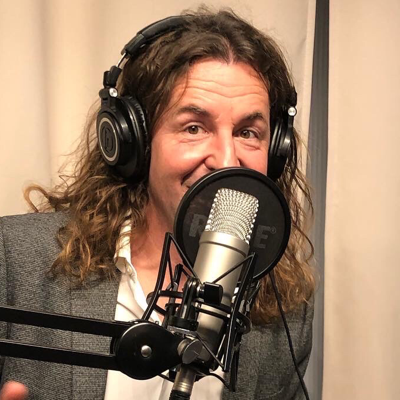
Helden zu treffen ist das Beste! Meine Helden hinter Otto Waalkes: Eilert, Gernhardt, Knorr. ❤️❤️❤️🙏🏻 „Die größten Kritiker der Elche waren früher selber welche“ (F.W.Bernstein) #neuefrankfurterschule #fwbernstein #berndeilert #robertgernhardt #peterknorr #otto #ottowaalkes #ottohumor #elch #elche #helden #kindheitserinnerungen #deutscherhumor #satire #kult #frankfurtammain #kunstimöffentlichenraum #humorlegenden #wortwitz #fanmoment #nostalgie #germancomedy



SWG/NYE
@ Muovitehdas, Tampere.
Wednesday 31 December 2025. 22:00->
15€. Age limit 18.
ecto
frenia
Elli
drS
KeFF
Frontside Grind LIVE
toiminto
Hepovision
Otto
Kimik
"Safer space/good vibe/square off sound system/mind-boggling visualz."
#Swäg #Swaeg #events #DJs #LivePAs #Muovitehdas #techno #techhouse #trance #rave #breakbeat #bassmusic #acid #acidtechno #electronic #Toiminto #Kimik #KeFF #drS #frenia #ecto #Elli #FrontsideGrind #Hepovision #Otto #Tampere #Finland


WORLD RELIGIONS CONFERENCE DELEGATES TALK COMBATTING HATE
On Nov. 23, the Ahmadiyya Muslim Jama’at hosted the 43rd World Religions Conference (WRC) at the Lazaridis School of Business and Economics, becoming a hub for dialogue, reflection and education, drawing on religious scholars, community leaders and students to explore the pressing social challenge of combating hate.
The conference brings voices together from major world religions, Indigenous faiths and non-religious perspectives to foster understanding and encourage harmonious living.
This year, representatives from Sikhism, Christianity, Judaism, Hinduism, Islam, Buddhism, Indigenous traditions and Humanism shared how their teachings and lived experiences can help confront prejudice. Nabeela Rana, WRC organizer and member of the Ahmadiyya Muslim Jama’at, highlighted the conference’s neutrality and inclusivity.
“Every year, there are more people coming, and every year we see more interest because of the nature of this conference…we’re giving eight faiths or philosophies a chance to speak,” Rana said.
The event participants explained that hate, whether it’s personal or systematic, thrives on fear and ignorance. Upkar Singh, a community worker and leader representing the Sikh perspective, explained that hate stems from fear, while love and understanding unite communities. He cited historical examples of courage and compassion, such as the sacrifice of the ninth Sikh Guru, Guru Tegh Bahadur Ji, for the freedom of other traditions, and Guru Nanak’s teachings of nirbhau (without fear), nirvair (without hatred).
“By carrying that same fearlessness, only then can we stand against hate, united and strong,” Singh said.
Shiv Talwar, president of the Spiritual Heritage Education Network and Hindu representative at the WRC, said spiritual practices transform individuals from within to overcome hatred.
“If we want to stop hate, we have to even change our biochemistry…our love is biochemistry driven. Our hate is also biochemistry driven too,” he said.
Mindfulness, breathwork, and contemplative practices were presented as tools to cultivate empathy and awareness.
Farhan Iqbal, an Imam from the Ahmadiyya Muslim Community, highlighted Islam’s emphasis on conviction and peaceful engagement, recalling the Prophet Muhammad’s resilience in the face of threats.
“[O]ver time, God granted [the Prophet] conviction and the yaqeen, the strength of belief to convey [His] message,” Iqbal said.
He urged attendees to engage with understanding and dialogue.
Father Toby Collins, a pastor from St. Mary Our Lady of the Seven Sorrows Roman Catholic Church, offered a Christian perspective, emphasizing the idea of transforming hate and prejudice through love and forgiveness. He draws on biblical teachings and encourages attendees to pray for those who caused harm, underscoring the power of community and the need to protect joy while serving other people within our community.
“When we pray for other people …there becomes an opportunity to grow an awareness of what we really need, where we can find it, and we can move better towards forgiveness,” Collins said.
Jay Judkowitz, president of Temple Shalom, a Reform Jewish synagogue, highlighted teachings on community and teshuva, the process of repentance and restitution.
“While we are commanded to do teshuva, we are also supposed to accept it,” Judkowitz said. “If you just keep punishing people, the world’s never going to improve.”
Similarly, Mitra Barua, an assistant professor of Asian Studies and a Buddhist Scholar in Residence at the Martin Luther University College, said Buddhist traditions emphasized introspection and mindful reflection to prevent hatred from taking root.
“Buddha guided leaders to examine their own greed, delusion, and aversion before taking harmful action, encouraging individuals to find answers within themselves,” he said.
Clarence Cachagee, founder of the Crow Shield Lodge, a Mishkegowak Chapleau Cree, and the Indigenous speaker at the conference, explained that Indigenous teachings emphasized the sacred connection between the land, ancestors, and prayer. Cachagee shared that prayer, tobacco, and drums are central to maintaining harmony and grounding oneself in community.
“Our drum, when we play our drums, it’s a form of prayer…all of those things come from the land, from home,” Cachagee said.
Finally, Sassan Sanei, A philosopher representing Humanist perspectives during the conference, highlighted that moral responsibility does not require formal religious structures.
“We don’t need a formal structure or organizational hierarchy…we just need to know what’s right and what’s wrong,” Sanei said.
He emphasized empathy, compassion, and reason as guiding principles for confronting hate.
Throughout the conference, recurring themes emerged: fear and ignorance which fuel division, but courage, compassion, introspection, and community build bridges. Faith and philosophy, whether religious or secular, provide tools to recognize hate, transform behavior and foster understanding.
As Rana noted, interfaith engagement represents a path forward for societies seeking unity amid diversity.
“The World Religions Conference continues to offer a platform for dialogue, reflection and education, calling on attendees to build a society rooted in compassion, understanding and the shared effort to combat hate,” Rana said.
By bringing together diverse voices, the WRC demonstrated that understanding and empathy are essential tools in the fight against hate.
This article was cross-published with The Cord.
#ahmadiyya #amrProduct #clarenceCachagee #CommunityLeaders #crowShieldLodge #Education #engineering #farhanIqbal #guruTeghBahadurJi #OTTO #reflection #SangjunHan #sassanSanei #sikhGuru #spiritualHeritageEducationNetwork #stMaryOurLadyOfTheSevenSorrowsRomanCatholicChurch #WorldReligions #worldReligionsConference


Otto is enjoying a beautiful summer day at the beach. 🐕 🏖️ 🌊 The weather is also nice for a day of surfing and relaxing.
Fan Art for OttoTheDoggo on Twitter/Bluesky
#Cartoons #FrankCookiefox #summer #beach #surfing #ottothedoggo #otto #dog #anthro #character #oc #digitalart #fanart




Achtung ⚠️ aufpassen - perfekte Spam/Phishing-Mail im Umlauf - angeblich von #Otto Shop einfach nur löschen !!!
Otto / Hamburg ist informiert 😎

https://www.wacoca.com/media/502354/ 【明日のばけばけ】「ビア」の鍵を握る人物、柄本時生が登場!妻さとうほなみとの共演はあるのか?〈18日放送のあらすじ〉 – 西スポWEB OTTO! #otto #otto!編集部 #SAGA久光スプリングス #television #tv #TVPrograms #アビスパ福岡 #エンタメQ #おっと #スポーツニュース #テレビ #テレビ番組 #九州 #地元 #埼玉西武ライオンズ #密着 #応援 #福岡 #福岡ソフトバンクホークス #西スポ #西日本スポーツ


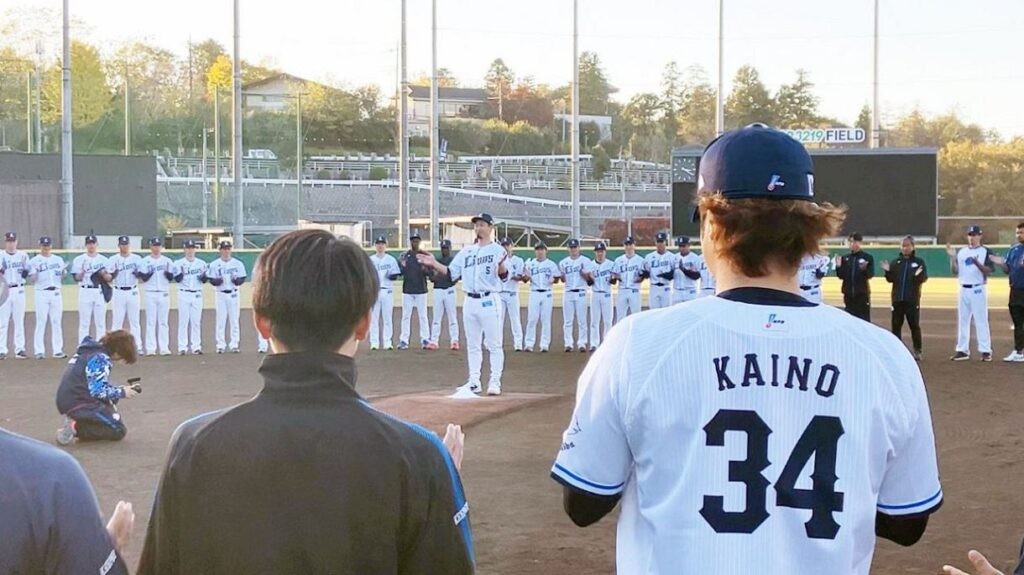
https://www.npbhub.com/798627/ 「来季こそ日本一、リーグ優勝できるように」西武が秋季キャンプ打ち上げ 外崎修汰「すごく有意義な期間だった」:「おっ!」でつながる地元密着のスポーツ応援メディア 西スポWEB OTTO! #otto #PACIFICLEAGUE #SAGA久光スプリングス #SaitamaSeibuLions #アビスパ福岡 #おっと #スポーツニュース #上岡真里江 #九州 #地元 #埼玉西武ライオンズ #密着 #応援 #福岡 #福岡ソフトバンクホークス #西スポ #西日本スポーツ #西武ライオンズotto!

https://www.wacoca.com/media/501389/ 「正式に夫婦となりました」〝結婚&妊娠〟電撃発表した人気歌手「正式」結婚式ショットにファン祝福「すごく綺麗」「ずっと幸せでいてね」 – 西スポWEB OTTO! #music #otto #otto!編集部 #SAGA久光スプリングス #アビスパ福岡 #エンタメQ #おっと #スポーツニュース #九州 #地元 #埼玉西武ライオンズ #密着 #応援 #福岡 #福岡ソフトバンクホークス #西スポ #西日本スポーツ #音楽


https://www.wacoca.com/games/1261881/ 「僕らのメタファーと言えるアルバム」Ivy to Fraudulent Game寺口宣明が語るこだわり【11月16日福岡・Queblickでライブ】:「おっ!」でつながる地元密着のスポーツ応援メディア 西スポWEB OTTO! ##GAMING #Game #GameNews #games #GamingNews #otto #otto!編集部 #SAGA久光スプリングス #アビスパ福岡 #エンタメQ #おっと #ゲーミング #ゲーム #ゲーム攻略 #ゲーム最新情報 #スポーツニュース #九州 #地元 #埼玉西武ライオンズ #密着 #応援 #福岡 #福岡ソフトバンクホークス #西スポ #西日本スポーツ

@cocolowres Seit die mir vor ein paar Monaten eine derart unverschämte (Standard-)Mail wg. meines Bestellverhaltens geschickt haben, versuche ich den Bumsladen auch erstmal zu meiden. Meinen neuen Fernseher habe ich tatsächlich auch von #OTTO, war aber auch ein sehr guter Preis!
https://www.wacoca.com/media/497708/ 【明日のばけばけ】松野家の3人は〝探偵〟のようにトキを尾行して…三之丞は生活費を記者に渡してしまう〈13日放送のあらすじ〉 – 西スポWEB OTTO! #otto #otto!編集部 #SAGA久光スプリングス #television #tv #TVPrograms #アビスパ福岡 #エンタメQ #おっと #スポーツニュース #テレビ #テレビ番組 #九州 #地元 #埼玉西武ライオンズ #密着 #応援 #福岡 #福岡ソフトバンクホークス #西スポ #西日本スポーツ


https://www.wacoca.com/anime/1946992/ 「やられました」あのちゃん、人気アニメ〝制服コス〟にネット沸騰「かわいすぎてやばい」「レアなコスプレ」「セトリも神すぎ…」人気バンドイベにサプライズ登場:「おっ!」でつながる地元密着のスポーツ応援メディア 西スポWEB OTTO! – 西スポWEB OTTO! #Anime #AnimeNews #otto #otto!編集部 #SAGA久光スプリングス #アニメ #アニメ最新情報 #アビスパ福岡 #エンタメQ #オッド #スポーツニュース #九州 #地元 #埼玉西武ライオンズ #密着 #応援 #新作アニメ #福岡 #福岡ソフトバンクホークス #西スポ #西日本スポーツ


「あとはお前に任せた」 ソフトバンク周東佑京、甲子園で託した選手会長のバトン 前任者からの褒め言葉「お前がここまでできるとは」 – 西スポWEB OTTO! https://www.yayafa.com/2617038/ #OTTO #SAGA久光スプリングス #Sports #アビスパ福岡 #おっと #スポーツ #スポーツニュース #タカ番のotto! #九州 #地元 #埼玉西武ライオンズ #密着 #小畑大悟 #応援 #福岡 #福岡ソフトバンクホークス #西スポ #西日本スポーツ


Découvrez les paroles de la chanson “Otto” de SCH
#Sch #Otto
https://daletra.art/sch/paroles/otto.html


https://www.wacoca.com/news/2688509/ 「何も思わなくていいからね」ソフトバンク城島健司CBOが持参した佐々木麟太郎への「大事な渡しもの」 指名あいさつ「結果的にお騒がせしている」 – 西スポWEB OTTO! #otto #SAGA久光スプリングス #Sports #アビスパ福岡 #おっと #スポーツ #スポーツニュース #ピックアップ #九州 #地元 #埼玉西武ライオンズ #密着 #応援 #福岡 #福岡ソフトバンクホークス #西スポ #西日本スポーツ #速報

Client Info
Server: https://mastodon.social
Version: 2025.07
Repository: https://github.com/cyevgeniy/lmst