Java users: Interested in using OpenAI's generative AI APIs in your Java apps? Check out my blog post, "Building OpenAI API-Based Python GenAI Applications," which guides you through the 13 examples in my new video lesson on O'Reilly Online Learning. We'll add more examples as we create them for the second edition of our Python suite of books and videos.
https://deitel.com/2025/10/24/building-openai-api-based-python-genai-applications/
![The image depicts a woman with her head tilted downwards and to the side, revealing only one eye partially obscured by shadow. She has dark hair pulled back from her face, which is adorned with two small decorative pins or clips. The subject wears an elegant dress with ruffled detailing on the shoulder area, suggesting a formal attire possibly for social occasions of that era. Her posture appears relaxed as she leans over what seems to be a table's edge.
The background is dark and indistinct, drawing focus onto her figure. There are faintly visible vertical lines or streaks across the image, which might indicate dirt marks on the surface where it was placed before being photographed. The overall tone of the painting conveys an air of elegance and introspection typical for portrait works from that period.
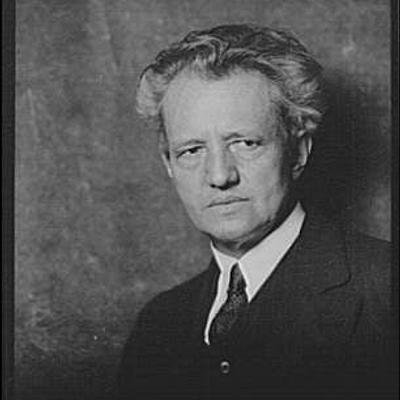
The photograph's provenance includes Virginia Pearson around 1915 by Arnold Genthe (1869-1942), who is known for his work in capturing early color photography, specifically autochrome. The dimensions provided suggest it was taken with a relatively large format camera used to capture detailed and colorful images of the subjects during that time.
Considering this context, one might infer that Arnold Genthe captured Virginia Pearson's portrait around 1915 using an innovative technology like Autochrome Lumière, which allowed for more vivid color representation than standard black-and-white photography. The image captures [...]](https://files.mastodon.social/cache/media_attachments/files/115/628/987/735/252/635/original/3ee1d4a8f9fbcb25.jpeg)