
Pinwheels for #FlowerFriday
An edit of my photo taken three years ago.
Google Pixel 7a | 2x Zoom / 50mm
Edited in #Darktable
Nov 17, 2023
#bloomscrolling #naturephotography #flowerphotography #pixelfed #photography #amateurphotography #smartphonephotography #pixelography #googlepixel #pixel7a #teampixel #shotonpixel #nature #flowers #pinwheelflower #tabernaemontana #apocynaceae #plants #leaves #petals
#apocynaceae


Noves fitxes a #espaiflora. Avui Vincetoxicum hirundinaria, de la família de les Apocinàcies.
Besuch im Botanischen Garten der Universität Heidelberg. Gelegenheit für einige Zeichnungen!
.
#Heidelberg #botanischergartenheidelberg #araceae #Apocynaceae
Grande Pervenche / Pervenche Élevée / Pervenche à Grandes Fleurs (Vinca major).
Marais de Guînes, mars 2023
--------------------------------------------------
Bigleaf periwinkle / Large periwinkle / Greater periwinkle (Vinca major).
Marais de Guînes, march 2023
#vincamajor #grandepervenche #pervencheélevée #pervencheàgrandesfleurs #bigleafperiwinkle #largeperiwinkle #greaterperiwinkle #vinca #pervenches #apocynaceae #maraisdeguines #maraisdeguînes #eden62 #hautsdefrancenature #hautsdefrance #nature
Marais de Guînes, mars 2023
--------------------------------------------------
Bigleaf periwinkle / Large periwinkle / Greater periwinkle (Vinca major).
Marais de Guînes, march 2023
#vincamajor #grandepervenche #pervencheélevée #pervencheàgrandesfleurs #bigleafperiwinkle #largeperiwinkle #greaterperiwinkle #vinca #pervenches #apocynaceae #maraisdeguines #maraisdeguînes #eden62 #hautsdefrancenature #hautsdefrance #nature
Golden trumpet flower. #Apocynaceae
Shot on Google Pixel 7a. Processed in #Darktable
June 1, 2025
#bloomscrolling #naturephotography #flowerphotography #pixelfed #photography #amateurphotography #rawphotography #smartphonephotography #pixelography #googlepixel #pixel7a #teampixel #shotonpixel #raw #nature #flowers #plants
Shot on Google Pixel 7a. Processed in #Darktable
June 1, 2025
#bloomscrolling #naturephotography #flowerphotography #pixelfed #photography #amateurphotography #rawphotography #smartphonephotography #pixelography #googlepixel #pixel7a #teampixel #shotonpixel #raw #nature #flowers #plants

Eastern Bluestar (Amsonia tabernaemontana) is a relative of milkweeds and dogbane (Apocynaceae). Many members of this family have chemistry that is toxic to most herbivores, an evolutionary adaptation to deter browsing.
#amsonia #apocynaceae #easternbluestar
#amsonia #apocynaceae #easternbluestar


#NewSpecies
Polystemma leopardum
A newly discovered apocynaceae from #mexico!
Treatment: http://treatment.plazi.org/id/03E087AE-FFBA-FFAE-25DA-FBE8FEAA0F84
Publication: http://doi.org/10.11646/phytotaxa.649.1.7
#Phytotaxa #PolystemmaLeopardum
#FAIRdata
#science #OA #openaccess #biology #ecology #taxonomy #nature #biodiversity #conservation #botany #wildflowers #flowers #wildplants #plants #wildlife #apocynaceae
Another food source for many insects in its native range, say hello to #Asclepias tuberosa! Its flowers are typically orange, but some cultivars skew closer to yellow.
#ButterflyWeed #Milkweed #Apocynaceae #Asclepiadoideae #flower
#Asclepias syriaca, Common Milkweed, is a food source for many flies, beetles, ants, bees, wasps, and butterflies (including Monarchs!).
#CommonMilkweed #Milkweed #Apocynaceae #Asclepiadoideae #flower
A sampling of carrion-scented #flowers and other asclepiads. Notice the fly eggs on some of them. Don’t touch the flowers unless you want carrion-scented fingers.


#NewSpecies!
Cynanchum pingtaoi
A newly discovered Apocynaceae from #china!
Treatment: http://treatment.plazi.org/id/45581333-BF45-5562-808C-98F7EB1C761F
Publication: http://doi.org/10.3897/phytokeys.241.111499
#PhytoKeys #CynanchumPingtaoi
#FAIRdata
#science #OA #openaccess #biology #ecology #taxonomy #nature #biodiversity #conservation #botany #wildflowers #flowers #wildplants #plants #wildlife #apocynaceae
#NewSpecies
Ceropegia strophanthiflora
A newly discovered Apocynaceae from #southafrica!
Treatment: http://treatment.plazi.org/id/039B87FC-FFC4-BA16-5099-FA5FFDE947E9
Publication: http://doi.org/10.11646/phytotaxa.632.1.2
#Phytotaxa
#FAIRdata
#science #OA #openaccess #biology #ecology #taxonomy #nature #biodiversity #conservation #botany #wildflowers #flowers #wildplants #plants #wildlife #apocynaceae

California milkweed (Asclepias californica) is native to California and adjacent Mexico. A host to the Monarch butterfly (Danaus plexippus) it is hardy in zones 7-10. California milkweed likes full sun and dry sandy soil, but can handle clay. More information can be found at: https://shop.mcmullenhouse.com/california-milkweed-asclepias-californica/
#Asclepias #Apocynaceae #Milkweed #MonarchButterfly #ButterflyGardening #NativePlants #MilkweedforMonarchs #PollinatorGardening
Image credit: glmory, CC0
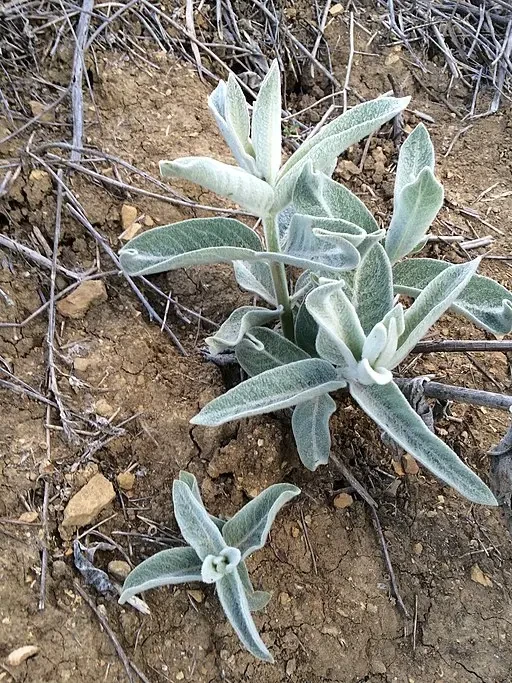
Whorled milkweed (Asclepias verticillata) is native to mid-western, southern, and eastern United States and the mid-western provinces of Canada. It is a host to the Monarch butterfly (Danaus plexippus) and is hardy in zones 3-9. This plant likes full sun to part shade in medium to dry well-drained soil. More information can be found at: https://shop.mcmullenhouse.com/whorled-milkweed-asclepias-verticillata/
#Asclepias #Apocynaceae #Milkweed #MonarchButterfly #ButterflyGardening #NativePlants #MilkweedforMonarchs #PollinatorGardening
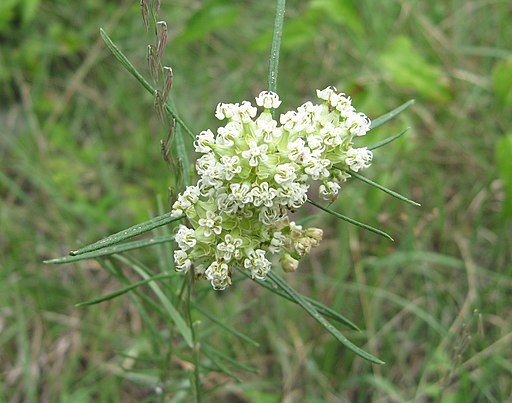
Sandhill milkweed (Asclepias humistrata) is a milkweed that is native to the southeastern United States and is a host to the Monarch butterfly (Danaus plexippus). Sandhill milkweed is hardy in zones 8-9 and likes full sun (can handle some shade) in mesic to dry soil. More information can be found at: https://shop.mcmullenhouse.com/sandhill-milkweed-asclepias-humistrata/. #Asclepias #Apocynaceae #Milkweed #MonarchButterfly #ButterflyGardening #NativePlants #MilkweedforMonarchs #PollinatorGardening
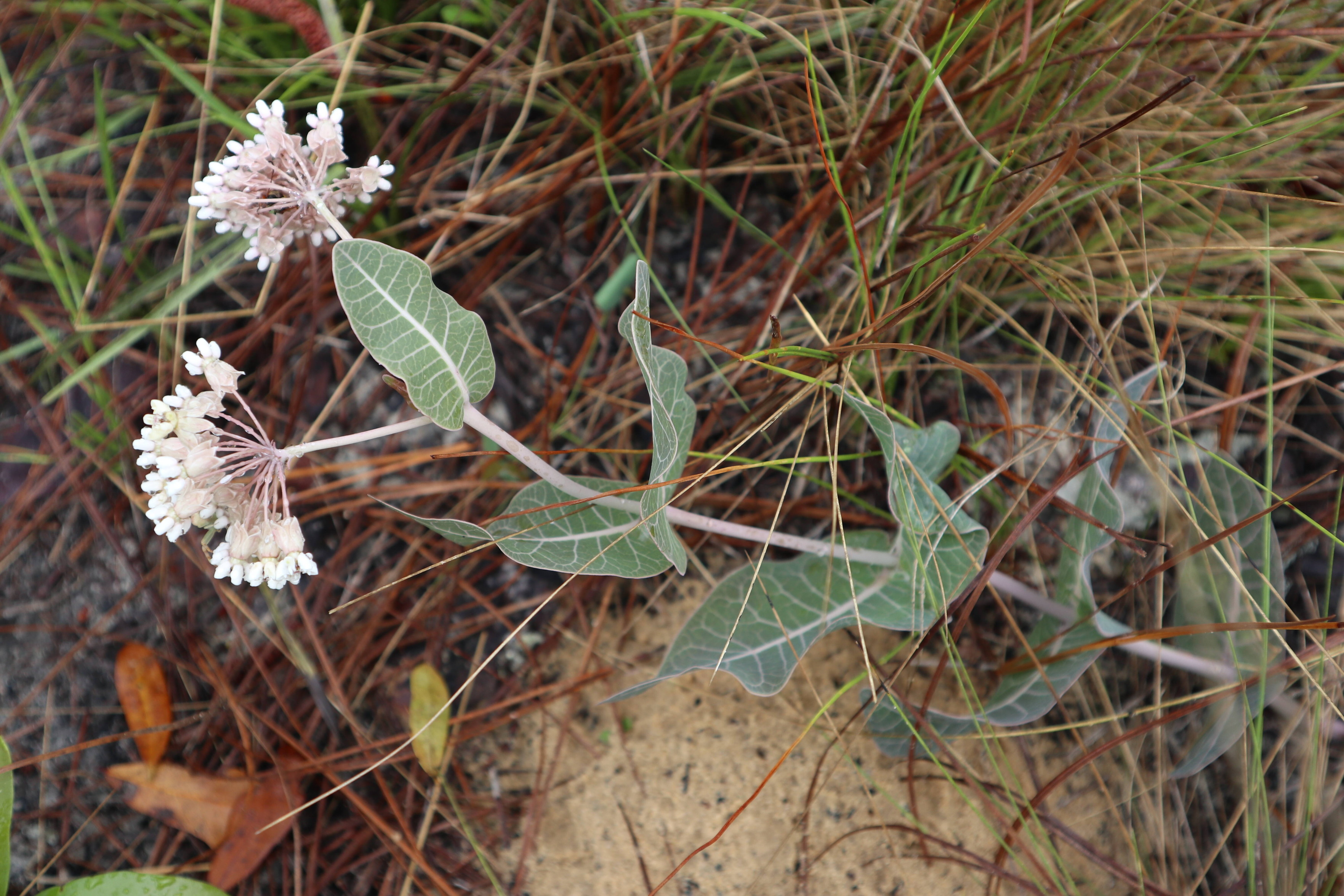
Purple milkweed (Asclepias purpurascens) is a milkweed that is native to the mid-western and eastern United States and is a host to the Monarch butterfly (Danaus plexippus). It is hardy in zones 3-8 and likes full sun and part-shade in moist soil. More information can be found at: https://shop.mcmullenhouse.com/purple-milkweed-asclepias-purpurascens/. #Asclepias #Apocynaceae #Milkweed #MonarchButterfly #ButterflyGardening #NativePlants #MilkweedforMonarchs #PollinatorGardening
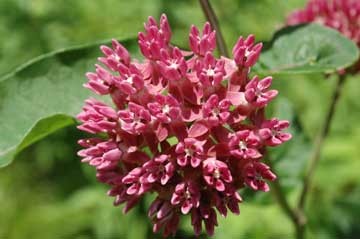
This is the first flower on my #Edithcolea grandis and it is magnificent! It took about two years to get it to bloom. I’ve been trying to phase in more drought-tolerant plants since it has been so hot and dry. It’s a slow grower, but it hasn’t given me any trouble. That being said, this is a species you want to keep dry when it gets cold out, as it is reportedly very susceptible to rot.

My Hoya linearis, that is hanging in the garden all summer, usually blooms when I take it inside in the autumn when the night temperature reaches about 5°C.
This year it has decided that now is the time. It actually suits me well because the flowers are too heavily perfumed for my bedroom.
Now I'm keen to see if there are any Danish night insects that take interest in the flowers, so that I may have some seeds. It would be great to start a new pot from seeds, wouldn't it.
/cc [ #Hoya linearis | #Apocynaceae | @plants | @houseplants | #houseplants | #florespondence | #bloomscrolling ]
This year it has decided that now is the time. It actually suits me well because the flowers are too heavily perfumed for my bedroom.
Now I'm keen to see if there are any Danish night insects that take interest in the flowers, so that I may have some seeds. It would be great to start a new pot from seeds, wouldn't it.
/cc [ #Hoya linearis | #Apocynaceae | @plants | @houseplants | #houseplants | #florespondence | #bloomscrolling ]

About ten years ago, we bought a piece of land here in Bragança-Pará, Brazil, mainly because it was one of very few in the urban area that still featured a couple of native tree species. Since then, several others have re-appeared, mostly sprouting from underground parts that survived previous clearcutting. Among them was this Aspidosperma araracanga Marc.-Ferr. (dogbane family), a species that had not been registered that close to the Amazon coast so far.
#Amazonas #Apocynaceae #trees #botany
Client Info
Server: https://mastodon.social
Version: 2025.07
Repository: https://github.com/cyevgeniy/lmst