Chud, Chuchunaa, and Hidden Others
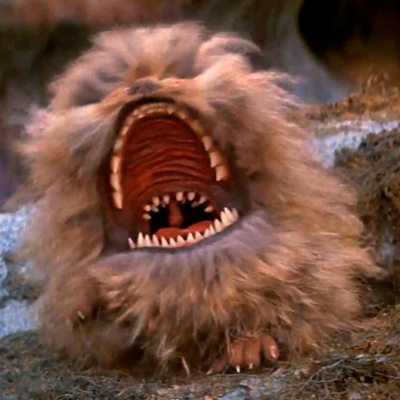
I am not a fan of modern monster horror. But even I have heard of C.H.U.D. – Cannibalistic Humanoid Underground Dweller, a 1984 movie. In modern slang, ‘chud’ has become a derisive insult for persons with less than redeemable qualities, such as incels and online extremist groups. Why is this topic included in this cryptid context? Because the term “chud” is part of a collection of words that has a long history and refers to the idea of “the other”. Tales circulate that these secret people still appear on occasion. Partly because of the lack of written records, the real mystery of the chud has not been unravelled.
Those who have seen the horror movie likely have no idea that this was a real term referring to an “underground” people of the Russian Arctic. I didn’t dig into the origin of that film, but I would bet the writers knew this term.
I came across the term while looking up legends of legendary creatures of the mines (Kobolds, Knockers, etc.). I found a chapter in the Darnell and Gleach (editors) volume Recovering ancestors in Anthropological Traditions called “Rooting in the Subterranean” by Dmitry V. Arzyutov. I was shocked that I hadn’t heard of the connection between C.H.U.D. and “chud” before. But, clearly, there is a language barrier, and the context gets very complicated fast.
Cultural barriers are a known hazard for researching folklore topics. Not only do we miss or misunderstand the translations, we lack the important context to make sense out of why the stories arose and how they were used. Context is critical. Many a cryptid has been appropriated and in media in ways that are misleading and insulting to the original peoples. Actually, I’m a bit hesitant to attempt to present information from a foreign culture because I know I can’t do it justice. So I’m doing this one with a disclaimer that this is a difficult subject to distill into a general info post – a lot gets left out. Apologies if I mess up or overstep.
Hidden people
I have always struggled with the term “hidden” as applied to cryptozoology. To be hidden implies that the hiding is deliberate and for a reason. It suggests purpose (as opposed to “unknown”, which implies blameless ignorance). Animals may be hiding because they are afraid; they are not hiding because they don’t want to be identified as new species. Adrian Shine, famed Loch Ness research, once noted that “hidden” animals require “hidden” worlds. (Monster Talk podcast S04E26). People have the intelligence to deliberately hide because others DO know about them and intend for their existence to remain secret.
The chud story, in this context, takes two forms. The first refers to an enigmatic tribe of people that was listed as an ethnic group in early Russian historical documents (11th century). The consensus seems to be that these people were historical Finnic people of the Baltic area. The term may have been applied to many different tribes, representing “the others”, all who weren’t those of the dominant culture. Linguists suggest the word was derived from a Proto-Germanic word meaning people. Over time, it developed connotations of the other. It’s a short step between “othering” and mythologizing the other.
The second discussion of chud is about the cultural legends about mystery underground dwellers common to peoples of the Arctic islands and circumpolar regions. This is where things get weird.
Legendary Underground People
These tales of underground people evolved to depict them as a mythic and magical race that vanished into the earth. Remnants of past activities were attributed to the chud. Earthworks and mine shafts discovered by explorers were seen as evidence of the chud. Siberian metal ore mines were known among the Russian colonizers as chudski kopi – mines of the chud. The mounds they found were said to be “graves of the chud”.
Arzyutov’s work, mentioned above, describes the shared idea among the Russian Arctic indigenous peoples of a lost underground nation, with similar legends but different names.
The Nenets, a Samoyedic indigenous group, who are shorter in stature, have a legend that their arrival in the Russian Arctic drove the preceding dwarf people underground, where they still reside. Occasionally, this lost tribe, known as siirtja (I cannot reproduce the proper Cyrillic lettering) make their presence known with above ground traces or encounters. The people joke that some in the community have similar physical features as these dwarfs.
These legends tell of the tribe as afraid of sunlight, who produced and wore knives and other metal items. In the ancient past, they harnessed mammoths.
Anthropologists realized the similarity between the siirtja and chud, and similar legends from different peoples, and concluded that such legends must be deeply rooted in the human history of the circumpolar regions, but there was no written evidence to find a common origin.
The Komi people of northeastern Russia tell of chud as short and white-eyed with an uncanny appearance. They were miners that lived primitively but hoarded great wealth. In this version of their disappearance, they hid to avoid being taxed.
In other areas of Russian, the chud either buried themselves alive or entombed themselves underground to avoid being overtaken by Slavic invaders and converted to Christianity.
I’ve seen a more modern mention of the rumors that the treasures of the chud still remain hidden underground, possibly behind a secret gate. This version has a very dubious “Mines of Moria” Tolkien vibe. Modern ideas of the chud seemed to blend with concepts of nefarious forest spirits, where the hidden people became more like ghosts that people claimed to encounter.
“Chud Went Underground” (1928) by N. K. RoerichTrying to unravel and explain the varieties of myths in this category is best left to experts. The most important thing I’ve learned in this attempt to find out more is that seeking to understand the nuanced and highly complex history of legends and how they have been translated to modern times, is not for the amateur.
Chuchunaa – the Siberian Wildman Legend
Chuchunaa of modern cryptid lore is a version of the wildman from northeastern Siberia. The word, from the Yakut dialect, means “outcast” or “fugitive” and is related to “chud”. Russian researchers who took cryptozoology seriously were inspired by stories of the chuchunaa from ethnographers. Some of these researchers speculated that the chuchunaa is a relict human, possibly Neanderthal.
Encounters with the chuchunaa clearly described them as humans, as they are noted as using fire, wearing clothes, and interacting with people. But their reputation is typically negative; they are seen as dangerous “man-eaters”. Often considered one of the collection of worldwide “hairy hominids”, they connect to this idea of a hidden tribe of “others”. Perhaps cryptid writers should be more careful in presenting the idea that the chuchunaa represents a Bigfoot-like cryptid.
To conclude, cryptids are frequently linked to folklore or indigenous legends, with amateur “cryptozoologists” making leaps of logic and using facts too loosely to push their own preferred narrative. When fact and fiction mesh and evolve into something new, relevant complexities get overlooked. The result is often a hopelessly messed up interpretation of a modern cryptid with a weak basis in reality. This piece was my small effort to illuminate some of the those problems and discourage them.
This was post 5 of the 12 Days of Cryptids.
#12DaysOfCryptids #chuchunaa #Chud #cryptid #UndergroundPeople