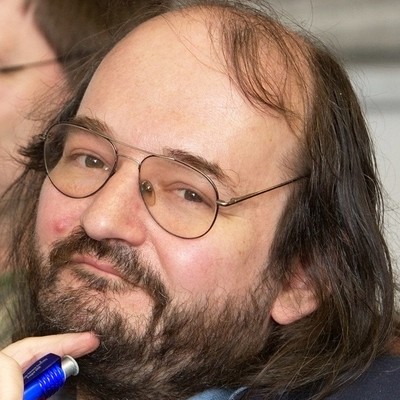
Another fun slide at the #ag2025goerlitz awards ceremonies by Frank Grupp of LMU who is honored - https://www.physik.lmu.de/de/aktuelles/newsuebersicht/news/frank-grupp-erhaelt-preis-fuer-instrumentenentwicklung-2025.html - by the @GermanAstroSoc for a major contribution to the #Euclid space observatory. Here he shows a star #spectrograph he built as a school project in the 1980s.
#spectrograph

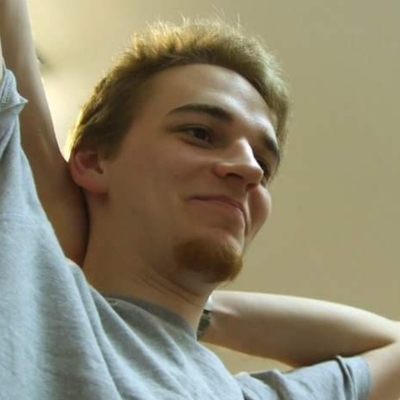
The web based analyzer for the spectrometer is coming together, although I still have to figure out a few things. This screencapture shows a few of the features, but nothing serious, just sliding the sliders and buttoning the buttons, then cycling through a few colors on the lamp in front of the phone.
It's still WIP but you can try it here: https://gheja.github.io/spectro-web/src/
#screenshotsaturday #spectrography #spectrograph #spectrometer #spectroscopy #spectroscope #opensource #javascript
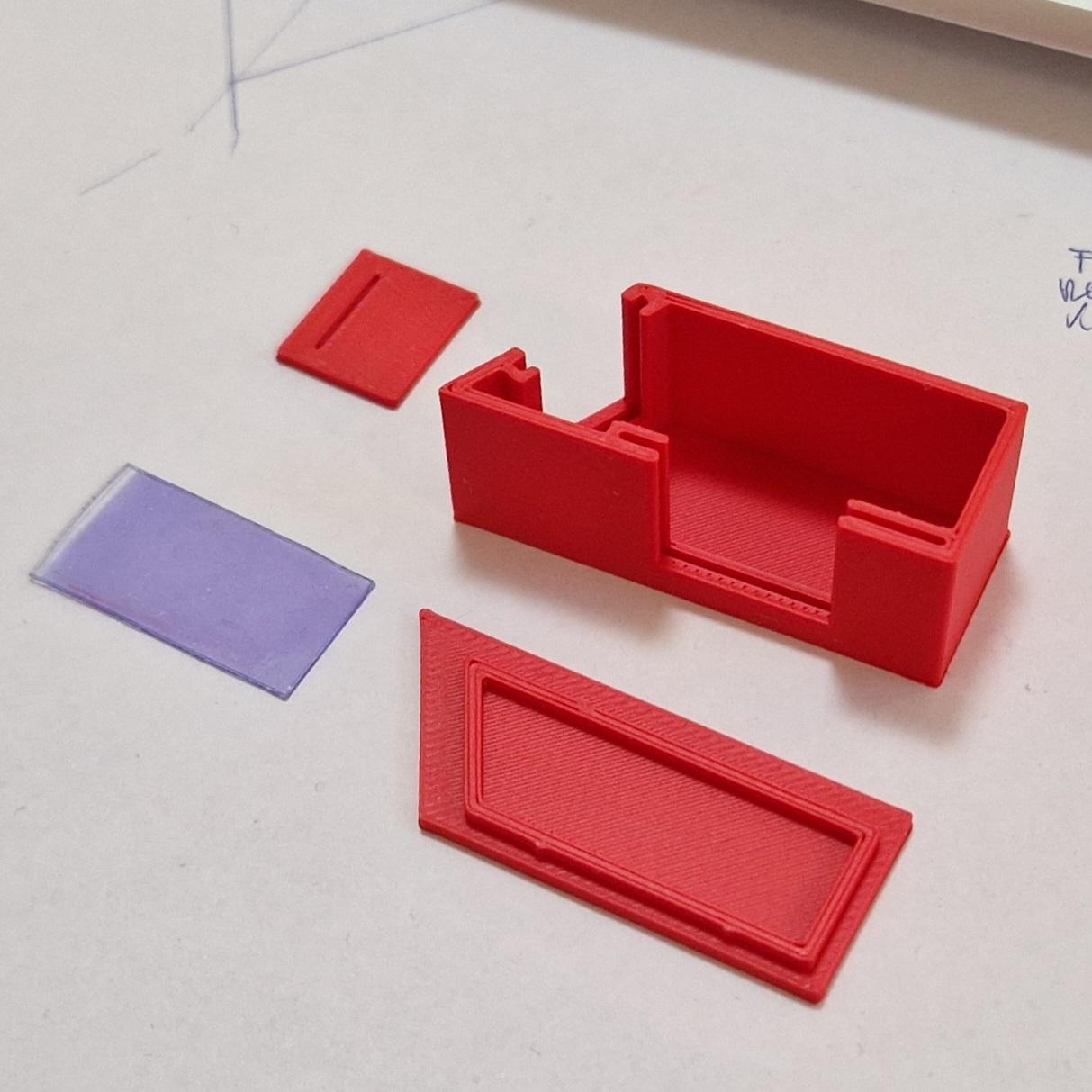
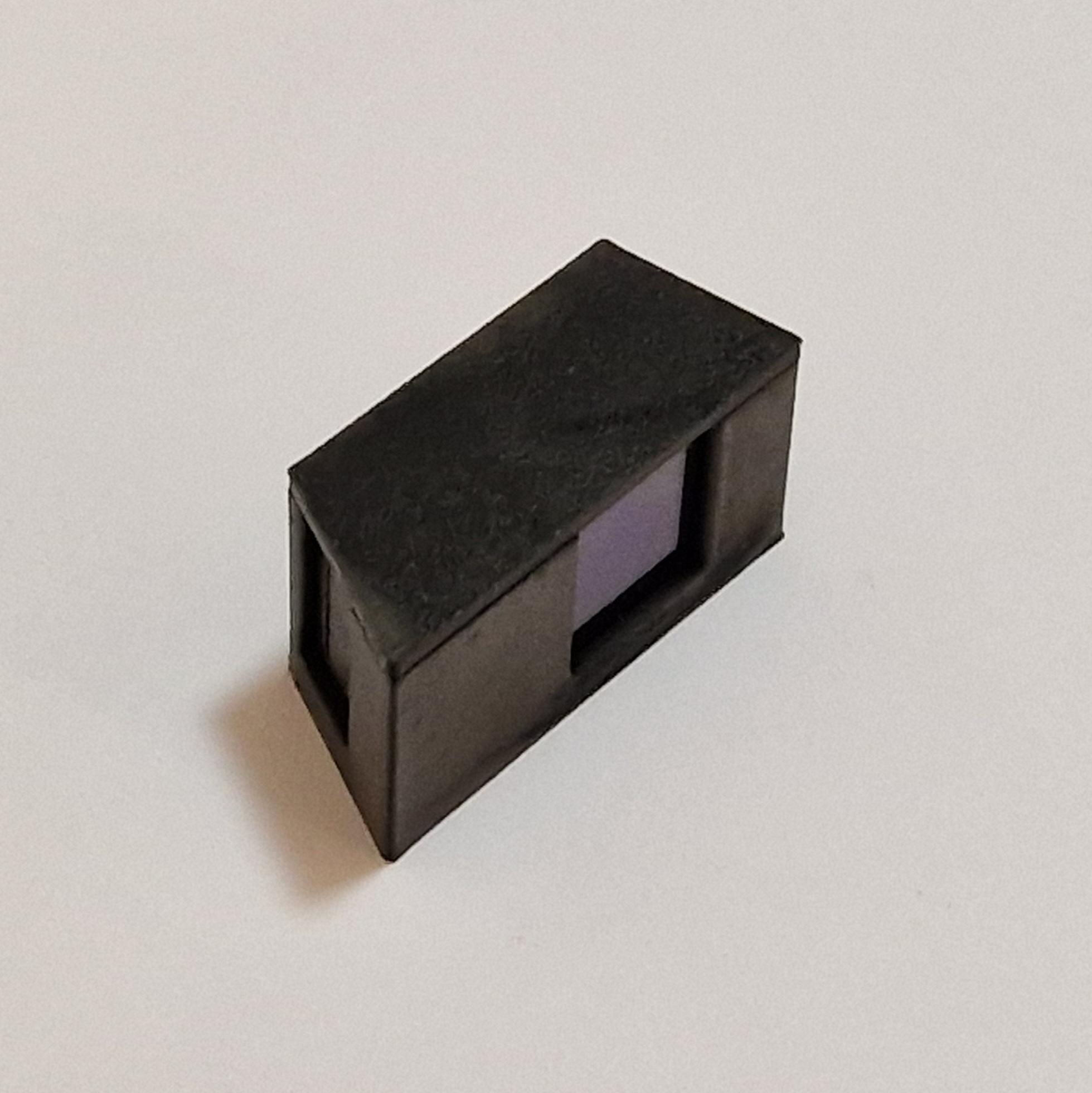
I started to work on a mini pocket spectrograph, the 3D model will be available for download, I just need to tune a few things.
I am also working on a little web based stuff to make sense of the things seen, strictly locally in the browser, on the client side.
It's a fun random side project, though I already bought about 8 different light bulbs just to see their spectrum...
#spectrography #spectrograph #spectrometer #spectroscopy #spectroscope #printables #3dprinting #opensource #freecad
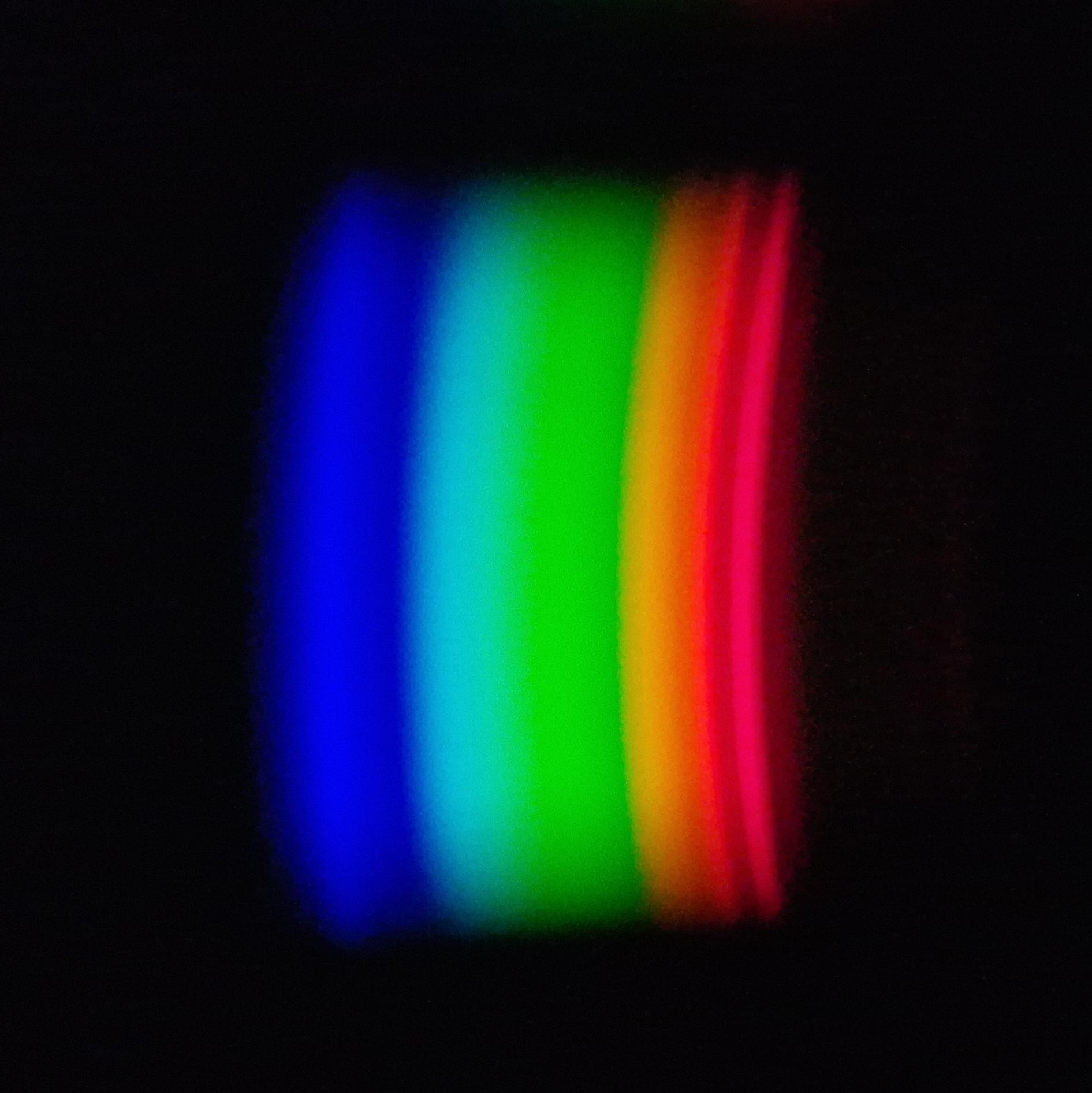

Spent a few hours at the Seattle Pinball Museum today. A great time as always. I made another field recording, and noticed again this constant pair of lines on the spectrogram at around 15.5k and just under 16k. I wonder what causes it? https://soundcloud.com/matthew-m-conroy/seattle-pinball-museum-iii #fieldRecording #pinball #sound #spectrogram #spectrograph


[#Life in the Universe ... and much more] A new-generation #spectrograph called #ANDES will soon be installed on the #ESO's #ELT (Extremely Large Telescope).
Objectives: to analyze the atmosphere of Earth-like #exoplanets in search of signs of life, to analyze the chemical composition of distant objects in the young #Universe, to measure the acceleration of the #expansion of the Universe, and more.
A revolutionary instrument, to be discovered here: https://www.irap.omp.eu/en/2024/06/eso-signs-a-construction-agreement-for-the-andes-instrument-on-the-elt/

Webb – Space Telescope Live. What Is Webb Observing Now?
https://spacetelescopelive.org/webb?obsId=01HTJT20C0STKNZ01KQYGEKBQ1
#ycombinator #Astronomy #Astrophysics #Black_hole #Camera #Coronagraph #Cosmos #Countdown #Exoplanet #Galaxy #Hubble #Imaging #Infrared #Integral_Field_Unit #Microshutter #NASA #Nebula #Observation #Observing_schedule #Photometry #Planet #Proposal #Quasar #Research #Scientific_instrument #Scientific_process #Sky_map #Space #Spectrograph #Spectroscopy #Star #STScI #Telescope #Ultraviolet #Visible #Webb
Let‘s get this party started. After a wonderful welcome by @astrokiwi , we continue with Debra Fischer.
This is maybe a bit of a reminder that our field is very young and has come a far way in a short period of time!
A shout-out to the #HAPRS #spectrograph setting a new standard back in the days 🥹
And well, then #Kepler happened, so the Doppler community had to give the stage to #transits! 🤩
Hi folks! We're a novel type of EUV integral field #spectrograph launching on a #SoundingRocket from Poker Flat Research Range in March 2024!
We're part of a flare observation campaign with the Foxi 4 rocket
and the Hi-C sounding rocket.
We do #SolarPhysics and #Heliophysics #Research, as well as #AerospaceEngineering
Better sharing this late than never 🤭
I'm happy to announce that I've been awarded a one-year #ESO studentship to work with Elyar Sedaghati and @JuliaVSeidel on #ESPRESSO 🔭
See you in August, #Chile! 🇨🇱❤️
#phd #phdjourney #studentship #chile #observation #telescope #spectrograph #news #project #thesis
This his how a high resolution #spectrograph, designed for #exoplanets studies, looks from the outside. A big chamber, with isolation layers, tubes and warning signs #AstronomerLife #astronomy #NIRPS
#ELODIE is a #spectrograph that was able to measure the radial velocity of #stars via the #Doppler effect with a precision down to about 10m/s.
It is actually the successor of the #CORAVEL spectrograph with which Michel Mayor & Antoine Duquennoy studied the population of binary stars in the #solar neighborhood. #CORAVEL had a precision down to about 300m/s which is not enough to discover (most) exoplanets.
#ELODIE is thus a super coravel.
Client Info
Server: https://mastodon.social
Version: 2025.07
Repository: https://github.com/cyevgeniy/lmst