#winterinterest



Vertical image, click to see the full shot!
Some gorgeous signs of the season from a recent foraging jaunt. Juniper berries and sprigs, and ornamental crabapples for a future wreath.
One of my favorite things about foraging is finding 'the real thing' aka what plastic mass manufactured florals and wreath supplies in craft stores imitate, and getting to smell the piney crush of berries and resin when gathering. My bucket was a full aromatic treat to bring home in itself.
#fallforaging #juniper #juniperberries #crababbles #evergreen #fallfruits #foraging #cottagecore #photography #BloomScrolling #florespondence #signsoftheseason #WinterPhotography #WinterMood #winterinterest #fallfoliage

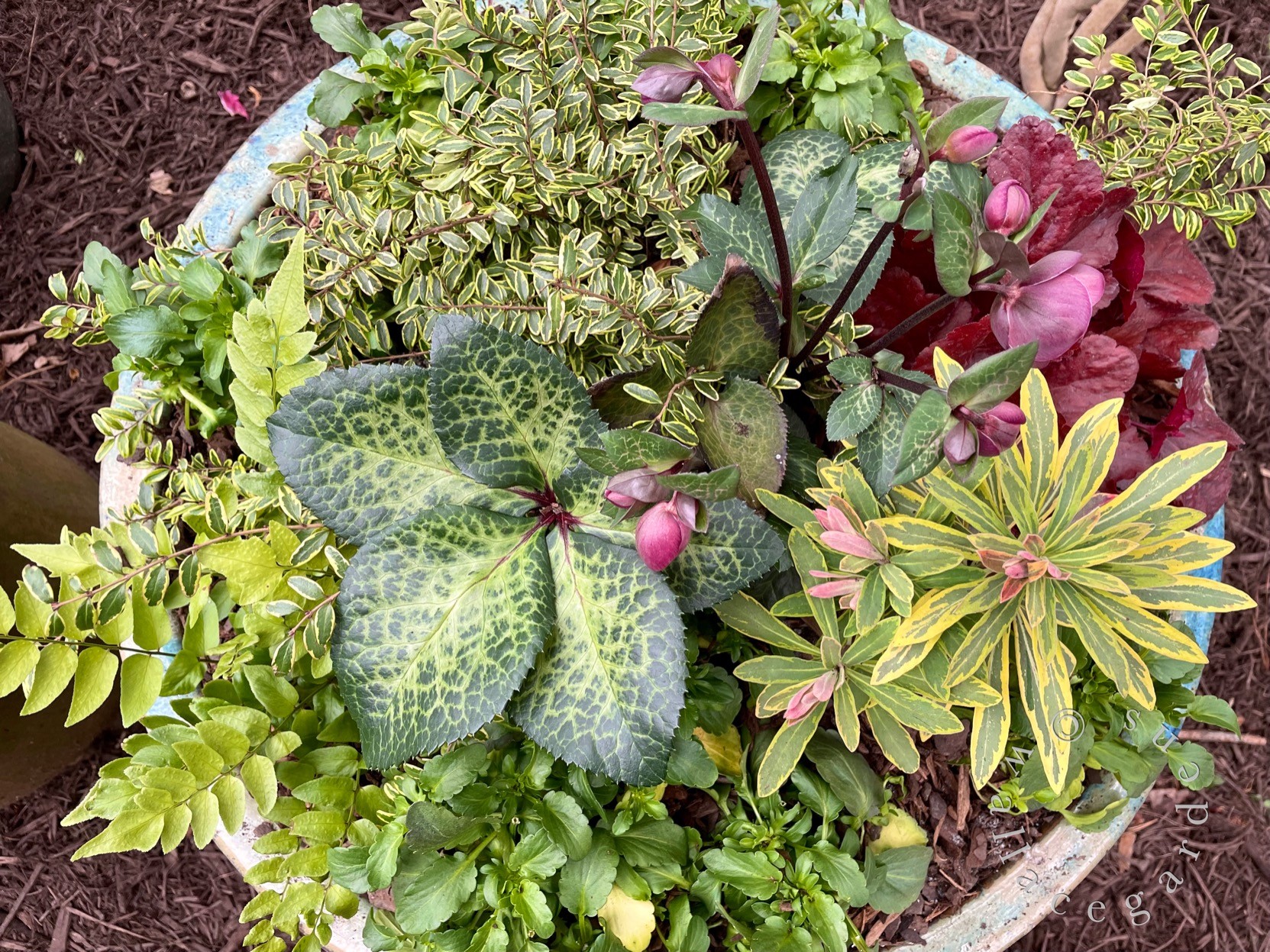
Before the bulbs arrive, there is winter foliage...
#JanuaryJoy #gardening #GardenDesign #Foliage #GardeningMastodon #plants #WinterInterest
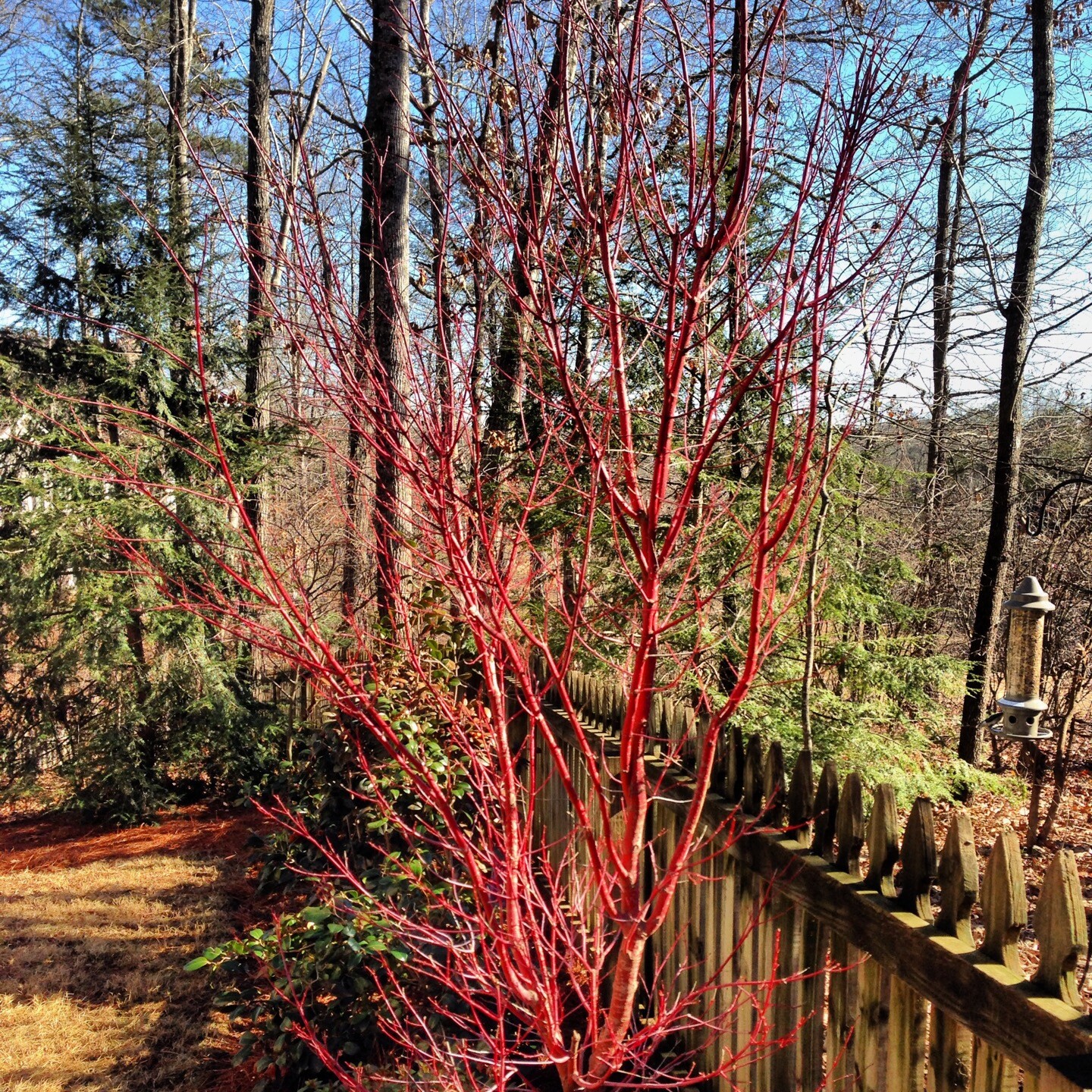
January can be dreary in the landscape. One way to brighten it up is with a coral bark maple tree. My favorite is Acer palmatum 'Beni Kawa' because it holds its bright red stems through winter very well, standing out against the grays and browns of winter.
#gardening #JanuaryJoy #GardeningMastodon #plants
#CoralBarkMaple #BeniKawa #GardenDesign #horticulture #WinterInterest #JanuaryGarden
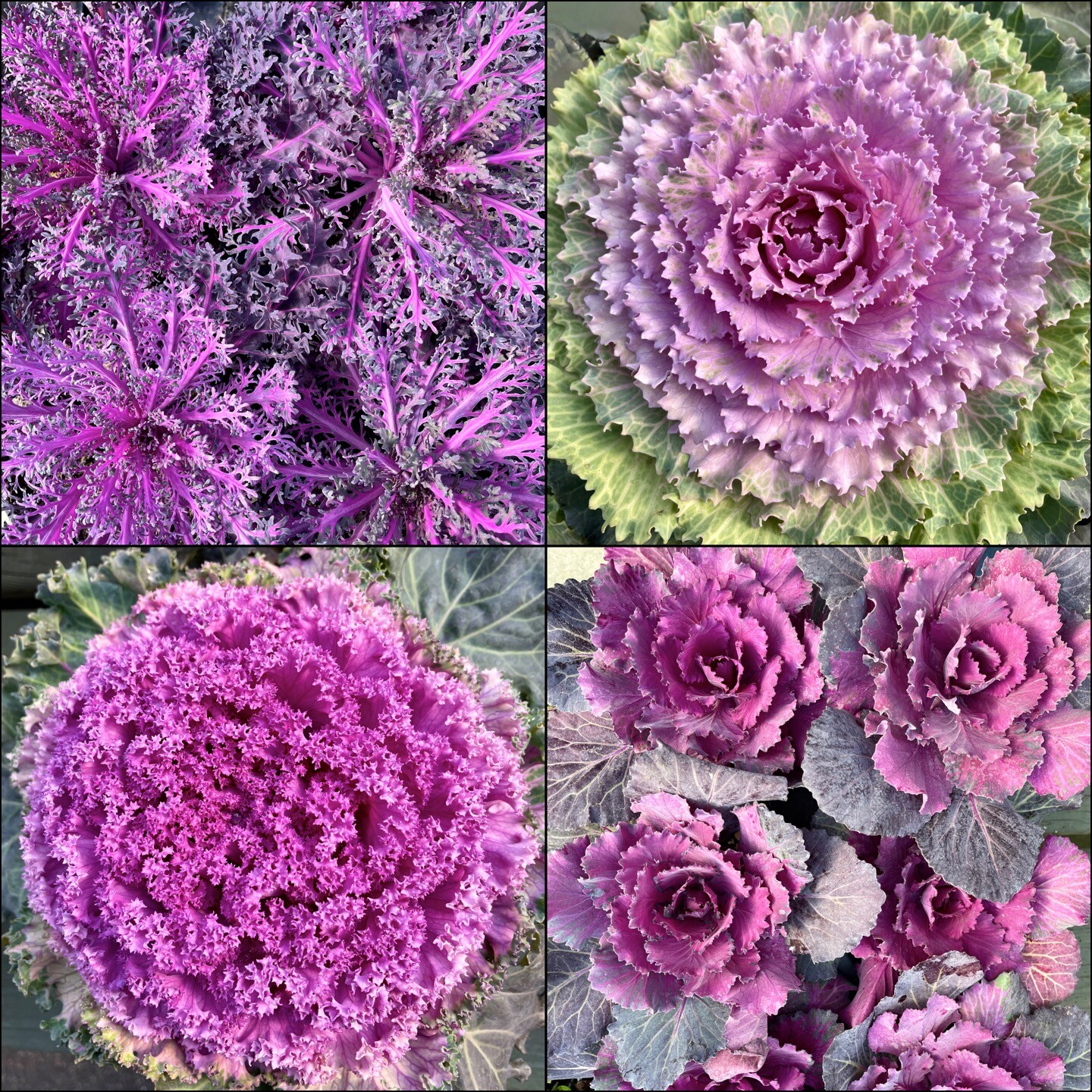
Our Georgia winters can be tough. Winter container gardens and flowerbeds must withstand cold temps, but these cabbages and kales (hybridized to look like flowers) usually come through pretty well. Their frilly, sturdy leaves means they can shake off extra moisture and won't rot as easily with heavy rain, the colors are heavenly in the dead of winter - and the deer won't eat them!
#JanuaryJoy #gardening #GardenDesign #plants #GardeningMastodon #WinterInterest #EdibleGarden #GardenersOfMastodon
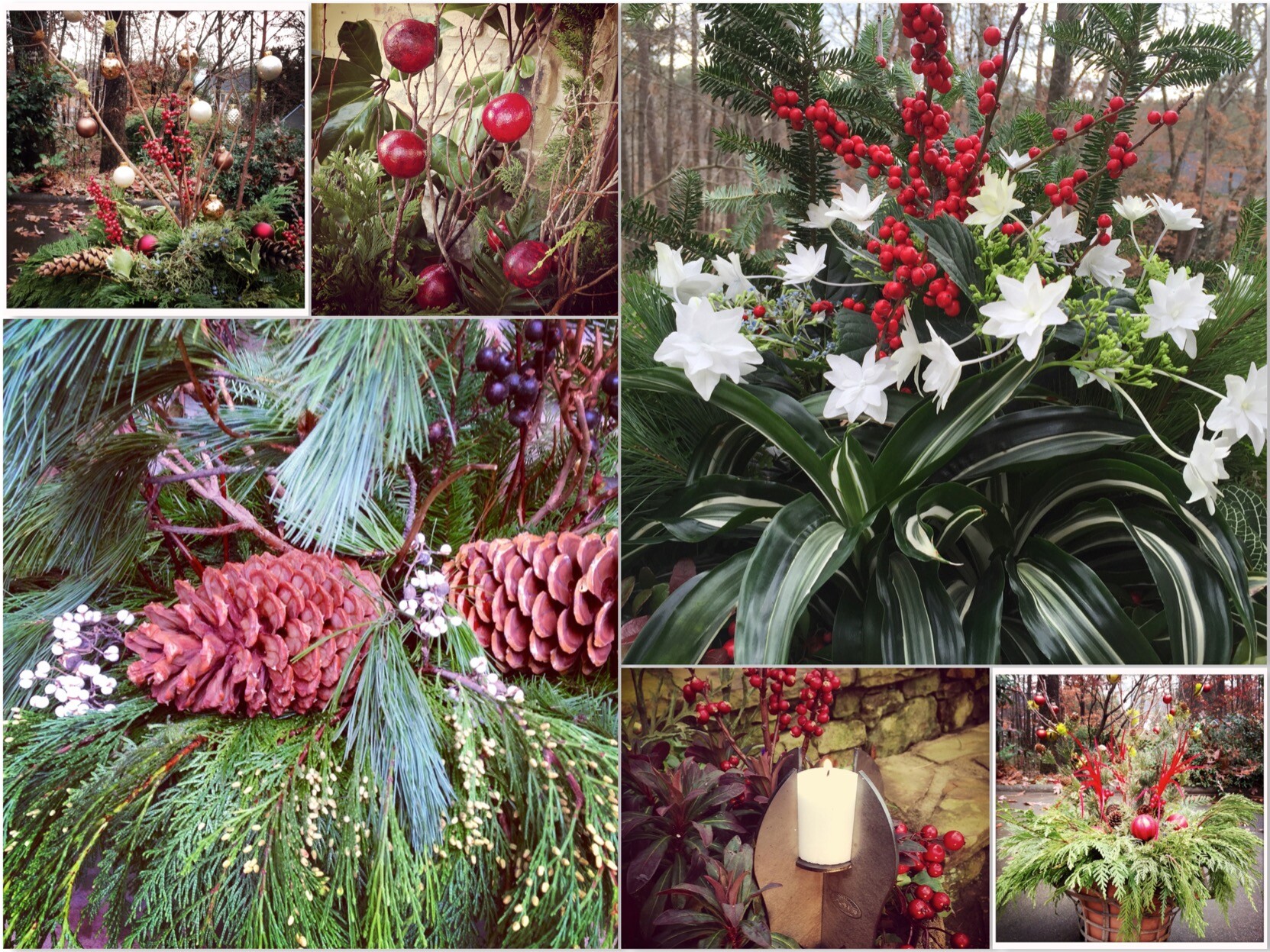
It's Christmas planter season, so my #SixOnSaturday are snippets from #ChristmasPlanters.
#GardeningMastodon #gardening #WallaceGardens #DecemberGarden #WinterInterest #ChristmasPlants
Client Info
Server: https://mastodon.social
Version: 2025.07
Repository: https://github.com/cyevgeniy/lmst