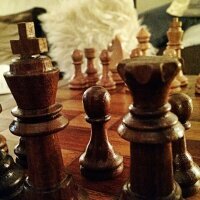
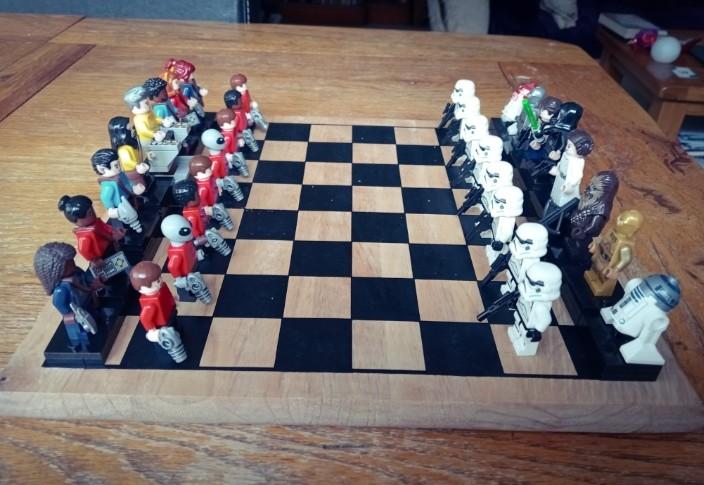
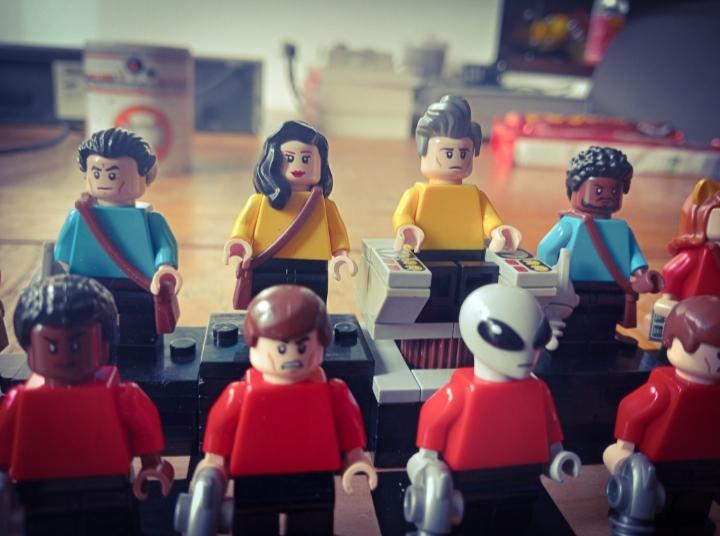
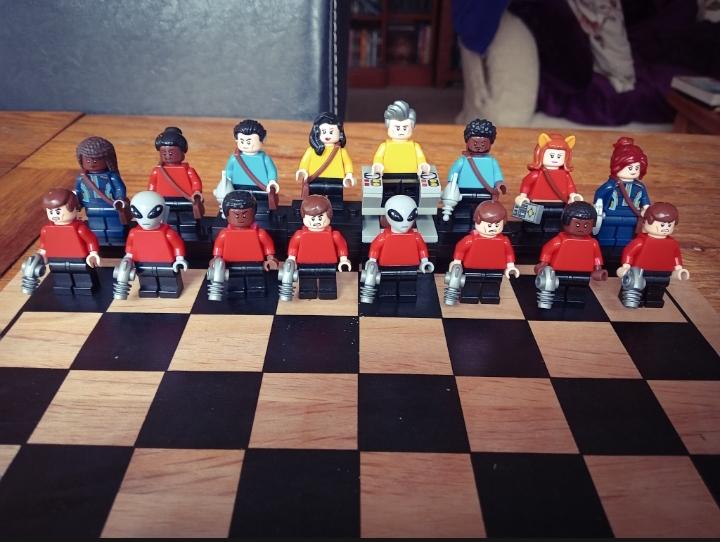
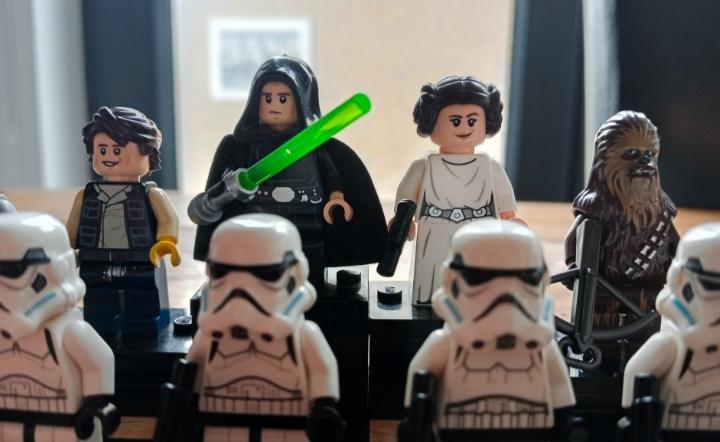
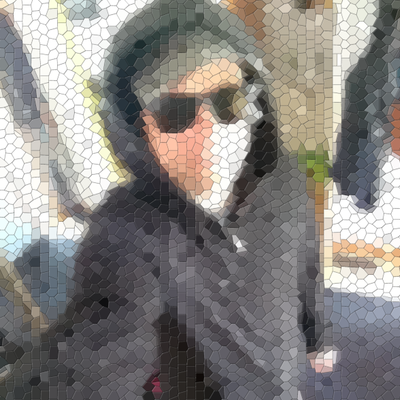
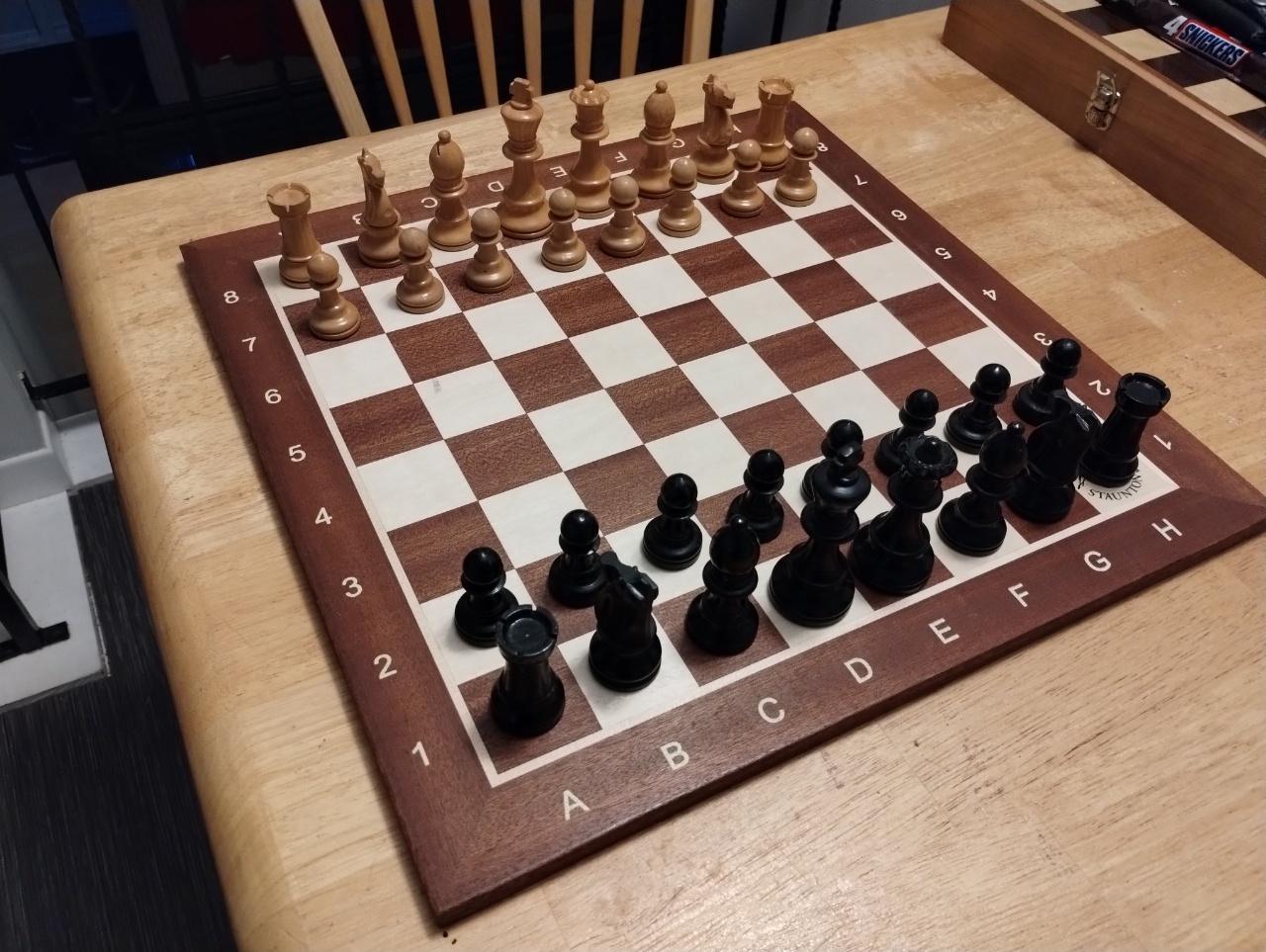
#artnouveau #chessboard I made a few decades back for a friend of a friend in London. A form of #woodworking that is a bit different. MDF bas and cork underside. Was pleased with the corners.
I lay the squares down unconventionally - one at a time. After it sets I trim the edges so each corner is perfect. Normal method the different coloured #veneers expand with the glue at different rates so you do not get precise corners.


![<div><img alt="" class="attachment-large size-large wp-post-image" height="501" src="https://hackaday.com/wp-content/uploads/2026/01/self-playing_chess_board_joshua_stanley_robotics_youtube.jpg?w=800" style="margin: 0 auto; margin-bottom: 15px;" width="800" /></div><p>As popular as the game of chess is, it has one massive flaw. This being that it requires two participants, which can be a challenge. Although playing chess on a computer against an AI has been a thing for many decades, it’s hard to beat physical chess boards that give you all the tactile pleasure of handling and moving pieces, yet merging the two is tricky. You can either tell the player to also move the opponent’s pieces, or use a mechanism to do so yourself, which [Joshua Stanley] <a href="https://www.youtube.com/watch?v=tLgXvUgsYmw" target="_blank">recently demonstrated in a video</a>.</p>
<p>There are a few ways that you can go about having the computer move and detect the pieces. Here [Joshua] chose to use Hall magnetic sensors to detect the magnets that are embedded in the 3D printed chess pieces as well as their absence. These sensors are mounted to the back side of a PCB which is also the playing field, thus using the silkscreen for the board markings.</p>
<p>For the electromagnet that moves the chess pieces core x/y kinematics were used to move it underneath the PCB, engaging when moving pieces but otherwise deactivated. This is all controlled by an ESP32 MCU, while the computer runs the ope](https://files.mastodon.social/cache/media_attachments/files/116/049/006/283/668/215/original/7b8e8caa6bba31c1.jpg)