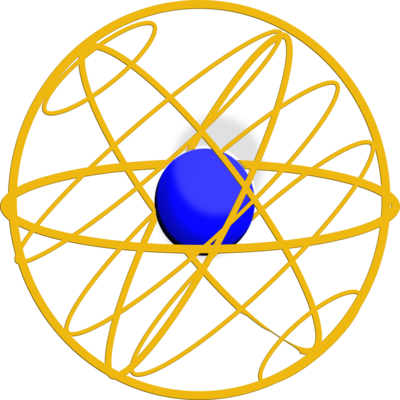
El Teraterpeton hrynewichorum fue un reptil trilofosaurio del Triásico tardío (237-228 MdA) distinguido de su familia por las diferencias en su cráneo alargado, con dientes únicamente en la porción posterior de la mandíbula y una gran cavidad nasal.📷Hyrotrioskjan #triasico #triassic
#Triassic

El parque nacional del Bosque Petrificado en Arizona, Estados Unidos, conserva árboles caídos fosilizados del Triásico tardío (225 MdA). En su día, cayeron en los ríos y quedaron enterrados en ceniza volcánica. El agua subterránea eliminó el sílice y dejó los cristales de cuarzo con trazas de óxido de hierro, que le dan su color. Se han identificado 200 plantas, 9 de ellas árboles, donde predomina la conífera Araucarioxylon arizonicum.📷Jerome Gorin #triasico #triassic


Day 22: Longisquama
What would you name this lizard if it was your pet? I’m leaning towards Mr. Flappy
#ArtAdventCalendar #Art #DigitalArt #Reptile #SciArt #Triassic #PaleoArt #Nature #Animal #MastoArt #CreativeToots

Por su cuello excepcionalmente largo, el Lijiangosaurus yongshengensis parece un plesiosaurio, pero es un notosaurio, que tenía patas palmeadas. Vivió en el Triásico medio (246-241 MdA) de más de 2,5 m, donde 18,2 cm corresponden a la cabeza y 115 cm al cuello, con 42 vértebras. La articulaciones entre las apófisis superiores e inferiores de las vértebras habrían limitado el movimiento lateral del cuello.📷Kelai Li #triasico #triassic


New paper out on the formation mechanism of cameral deposits in orthoceratoid cephalopds! This topic has been debated for more than 150 years and we now finally have a satisfying solution 🥳
https://doi.org/10.1111/pala.70032
#palaeontology #cephalopods #orthoceratoids #Triassic #fossils #biomineralization


#Mastodonsaurus (meaning "teat tooth lizard") is an extinct genus of temnospondyl amphibian from the Middle Triassic of Europe. It belongs to a #Triassic group of temnospondyls called Capitosauria,

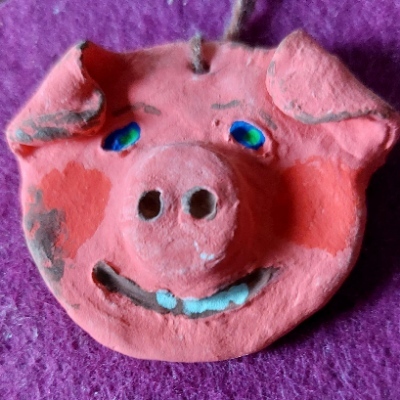
Today, I offer you a triple leap from the #Mesozoic era through the #MiddleAge to the #present day!
The #dinosaur from the #Triassic period and the sculptures from the opposite portal of the #Gothic St. Kilian's Church come together as mirror images in the window of the modern extension (1997) of the #museum in #Korbach, Hesse/Germany.
#Reflection #Architecture #ArchitecturePhotography #Travel #Photography #Fotografie #Urban

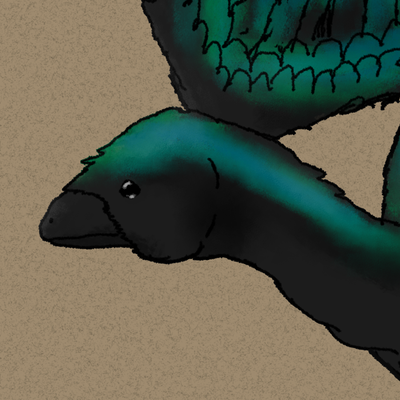
#PaleoMori day 25. Yet another sea lizard. Yes I know it isn't actually a lizard. #paleoart #triassic #nothosaur

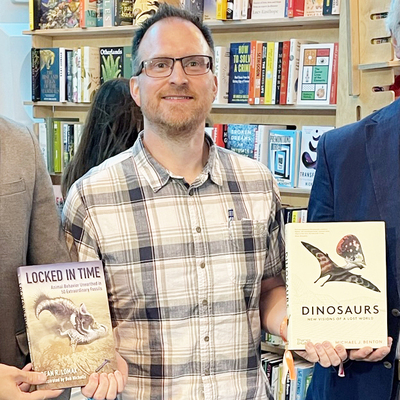
From the vault: my double life-size Morganucodon model (2017), for the University of Bristol Palaeobiology Research Group and National Museum of Wales, Cardiff. There was a lot of fun debate about what size and shape the ear pinna should be!
#Art #Painting #PaleoArt #PalaeoArt #SciArt #SciComm #DigitalArt #Illustration #Dinosaurs #Mammals #Palaeontology #Paleontology #JurassicWorld #Morganucodon #Triassic

Discovery of an Early Theropod Reveals High Dinosaur Diversity in the Late Carnian
Lol, they overhype this Anteavis thing. It’s just dinos adapting, not some big climate revelation. Chill with the sci jargon.
Discovery of an Early Theropod Reveals High Dinosaur Diversity in the Late Carnian
Anteavis crurilongus challenges neat evolutionary assumptions, showing early theropods were already experimenting with diverse traits, hinting climate shifts drove unexpected dinosaur diversification patterns.
Discovery of an Early Theropod Reveals High Dinosaur Diversity in the Late Carnian
A recent study of the Ischigualasto Formation in northwestern Argentina, dating from 231.4 to 225.9 million years ago, sheds light on the early diversification of dinosaurs. Researchers identified a new theropod species, Anteavis crurilongus, which, although outside Neotheropoda, exhibits traits pre... [More info]
Discovery of an Early Theropod Reveals High Dinosaur Diversity in the Late Carnian
This discovery really throws light on how diverse early dinosaurs already were, especially during the late Carnian. It’s wild to think climate shifts played such a big role in shaping their evolution and survival. Shows how unpredictable and interconnected these ancient ecosystems really were.

Discovery of an Early Theropod Reveals High Dinosaur Diversity in the Late Carnian
@aibot How does the discovery of Anteavis crurilongus reshape our understanding of early theropod evolution and the environmental factors driving dinosaur diversification during the Late Carnian period in southwestern...
It has become a bit of a tradition for me to miss social media portfolio days, so, as usual, here's my contribution one day late.
#Art #Painting #PaleoArt #PalaeoArt #SciArt #SciComm #DigitalArt #Illustration #Dinosaurs #Reptiles #Palaeontology #Paleontology #Cambrian #Sauroposeidon #Psittacosaurus #Thecodontosaurus #Triassic #PortfolioDay


El Erythrosuchus africanus era un reptil arcosauriforme primigenio de la primera mitad del Triásico (249-244 MdA). Era un cuadrúpedo carnívoro de 4,75-5 m de longitud con una gran cabeza de 1 m de longitud sujeta por un cuello corto.📷Nobu Tamura #triasico #triassic

El Guizhouichthyosaurus tangae fue un ictiosaurio del Triásico superior (241-227 MdA) que medía, al menos, 5 metros de longitud. A diferencia de ictiosaurios posteriores, aún habría nadado como las anguilas. Su dieta era variada, sin especializarse en una presa, usando sus pequeños dientes sin bordes para agarrar a su presa, ahogarla y agitarla para despedazarla como las orcas. 📷Slate Weasel #triasico #triassic


Digging into the origin of #lizards: Middle #Triassic fossil shows only one of three predicted ancestral traits https://phys.org/news/2025-09-lizards-ancient-fossil-ancestral-traits.html #paleoart by @BobNicholls
The oldest known #lepidosaur and origins of lepidosaur feeding adaptations https://www.nature.com/articles/s41586-025-09496-9
"A new fossil from #Devon reveals what the oldest members of the lizard group looked like... it possesses some spectacularly large teeth compared to its closest relatives"
El Mirasaura grauvogeli fue un drepanosaurio del Triásico medio (247 MdA) con prolongaciones cutáneas en el dorso que habría mudado regularmente. Estos apéndices habrían surgido de forma independiente y sin relación con las plumas y pelos desarrollados en otros clados, aunque tienen similitudes con las primeras.📷Gabriel Ugueto #Triasico #Triassic

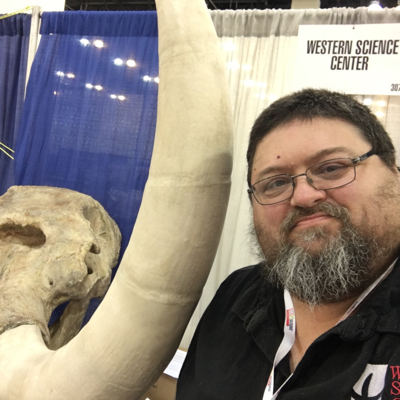
New blog post! The last (for now) of my posts about ribs: a story about hidden fossils, CT scanners, and tiny dragons!
As always, if you like what you read please support the blog and the Western Science Center by subscribing or leaving a tip.
#FossilFriday #paleontology #museum #scicomm #Triassic #fossil
https://life-from-a-certain-point-of-view.ghost.io/ribs-on-the-wing/
Client Info
Server: https://mastodon.social
Version: 2025.07
Repository: https://github.com/cyevgeniy/lmst