Weekly Update from the Open Journal of Astrophysics – 17/05/2025
It’s a lovely Saturday morning in May, and it’s time for the weekly update of papers published at the Open Journal of Astrophysics. Since the last update we have published four new papers, which brings the number in Volume 8 (2025) up to 59 and the total so far published by OJAp up to 294.
In chronological order of publication, the four papers published this week, with their overlays, are as follows. You can click on the images of the overlays to make them larger should you wish to do so.
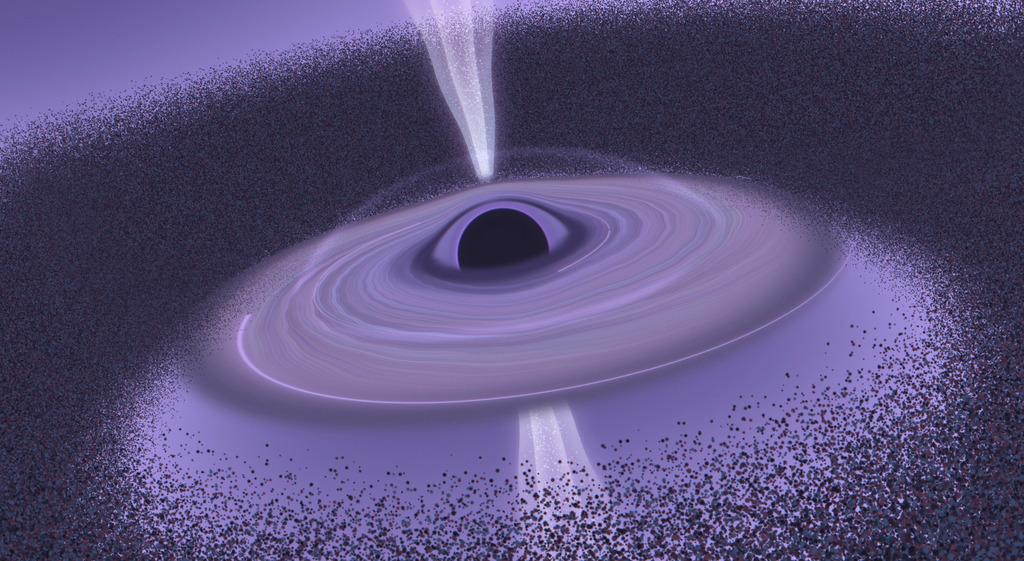
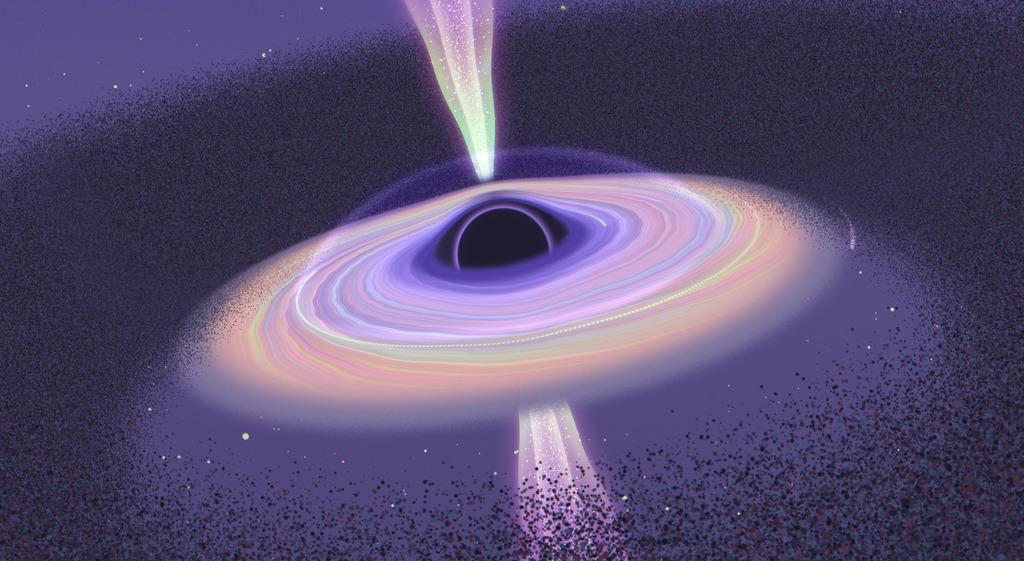
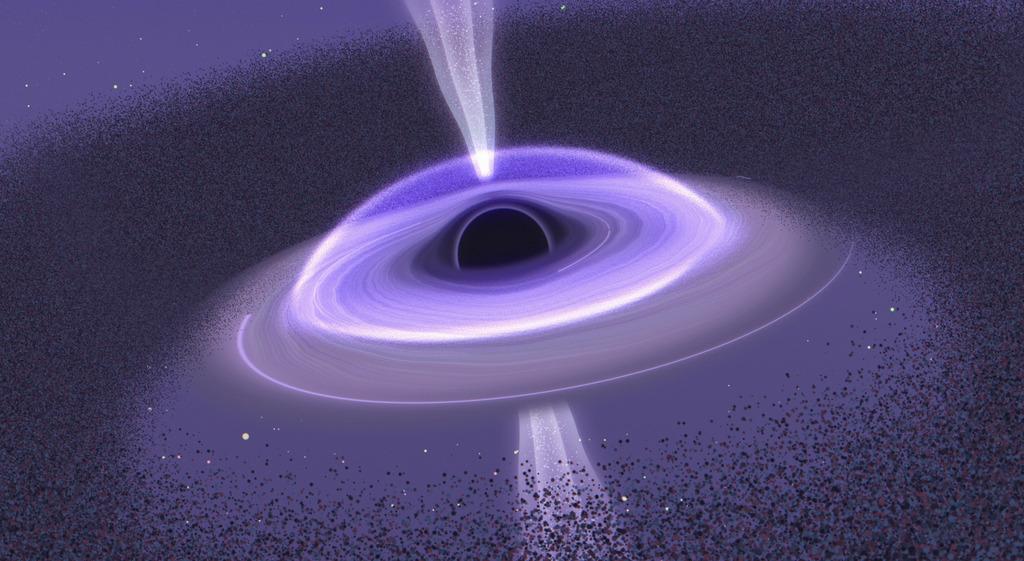
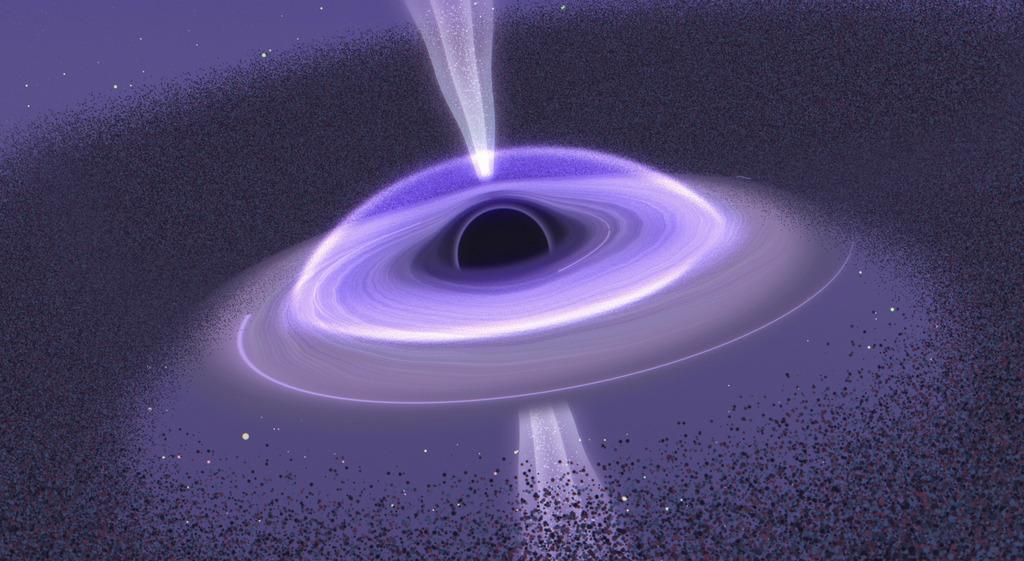
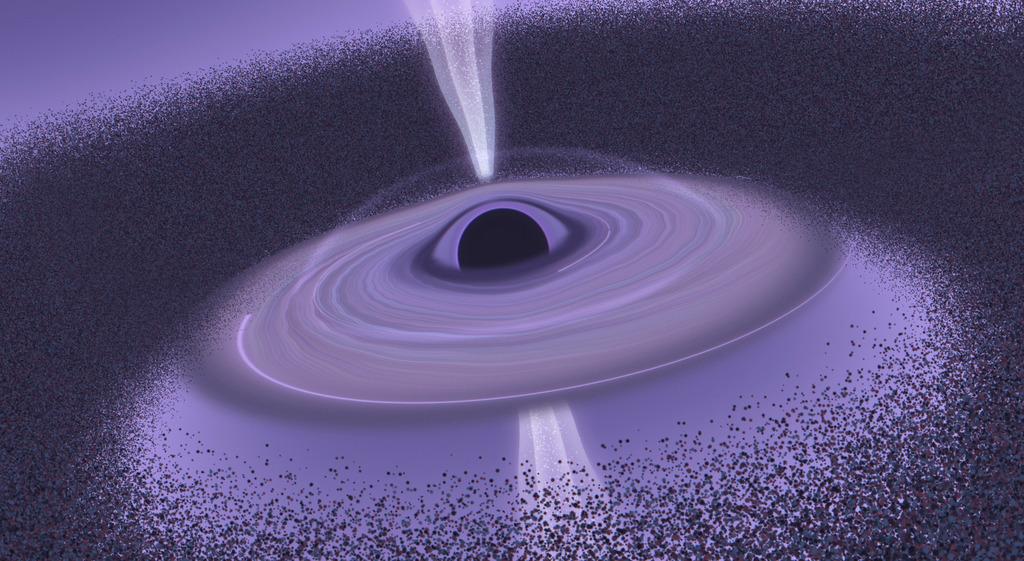
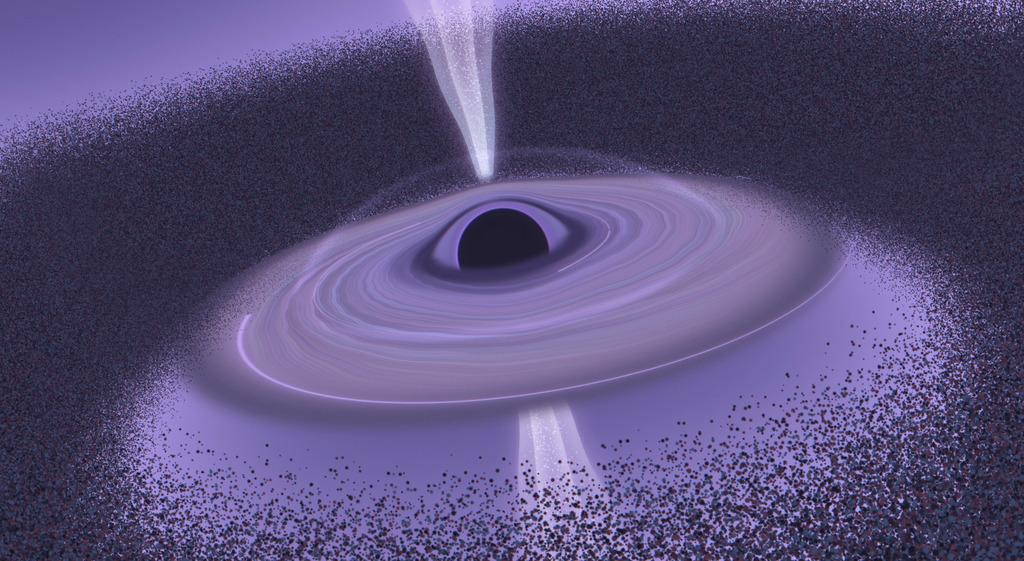
The first paper to report is: “Multi-Phase Thermal Structure & The Origin of the Broad-Line Region, Torus, and Corona in Magnetically-Dominated Accretion Disks” by Philip F. Hopkins (Caltech, USA). This was published on Monday May 12th in the folder Astrophysics of Galaxies. It presents simple accretion disk model that predicts the properties of many features including the dusty torus, broad-line region, continuum emission and coronal gas.
The overlay is here:
You can find the officially accepted version on arXiv here.
Second one up is “Sparsity covariance: a source of uncertainty when estimating correlation functions with a discrete sample of observations in the sky” by Pierre Fleury (U. Montpellier, France). This one was published on Tuesday 13th May 2025 in the folder Cosmology and NonGalactic Astrophysics. This paper presents a discussion of the uncertainty in cosmological observables caused by discrete sampling and a method to compute the covariances resulting from this.
The overlay is here:
You can find the officially-accepted version of the paper on arXiv here.
The third paper of the week, published on Wednesday May 14th 2025, is “Dark Matter Particle Flux in a Dynamically Self-consistent Milky Way Model” by Lucijana Stanic, Mark Eberlein, Stanislav Linchakovskyy, Christopher Magnoli, Maryna Mesiura, Luca Morf, Prasenjit Saha (University of Zurich, Switzerland) and Eugene Vasiliev (University of Surrey, UK). This one presents a study of the behaviour of dark matter in an anisotropic model for the Milky Way halo with implications for particle detection rates. It is in the folder Astrophysics of Galaxies.
Here is the overlay:
You can find the officially accepted version of this paper on arXiv here.
The last paper published this week is “Too fast to be single: Tidal evolution and photometric identification of stellar and planetary companions” by Ilay Kamai and Hagai B. Perets (Technion, Haifa, Israel). This one was published on Friday 16th May 2025 in the folder Solar and Stellar Astrophysics. It presents an analysis of the rotation of stars observed in the Kepler field to identify non-single systems with high spin rates resulting from tidal effects.
Here is the overlay:
The official published version can be found on the arXiv here.
That’s all the papers for this week. I’ll post another update next week.
#accretionDisk #arXiv240700160v2 #arXiv250208805v2 #arXiv250218327v2 #arXiv250303839v2 #AstrophysicsOfGalaxies #binaryStars #CosmologyAndNonGalacticAstrophysics #DiamondOpenAccessPublishing #magnetizedDisks #OpenJournalOfAstrophysics #SolarAndStellarAstrophysics #TheOpenJournalOfAstrophysics