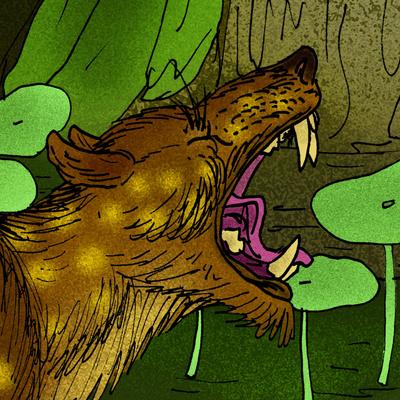
Dissacus navajovius and Ankalagon saurognathus #sciart #eocene #paleocene #new_mexico #mesonychidae #mesonychia #dissacus
#eocene
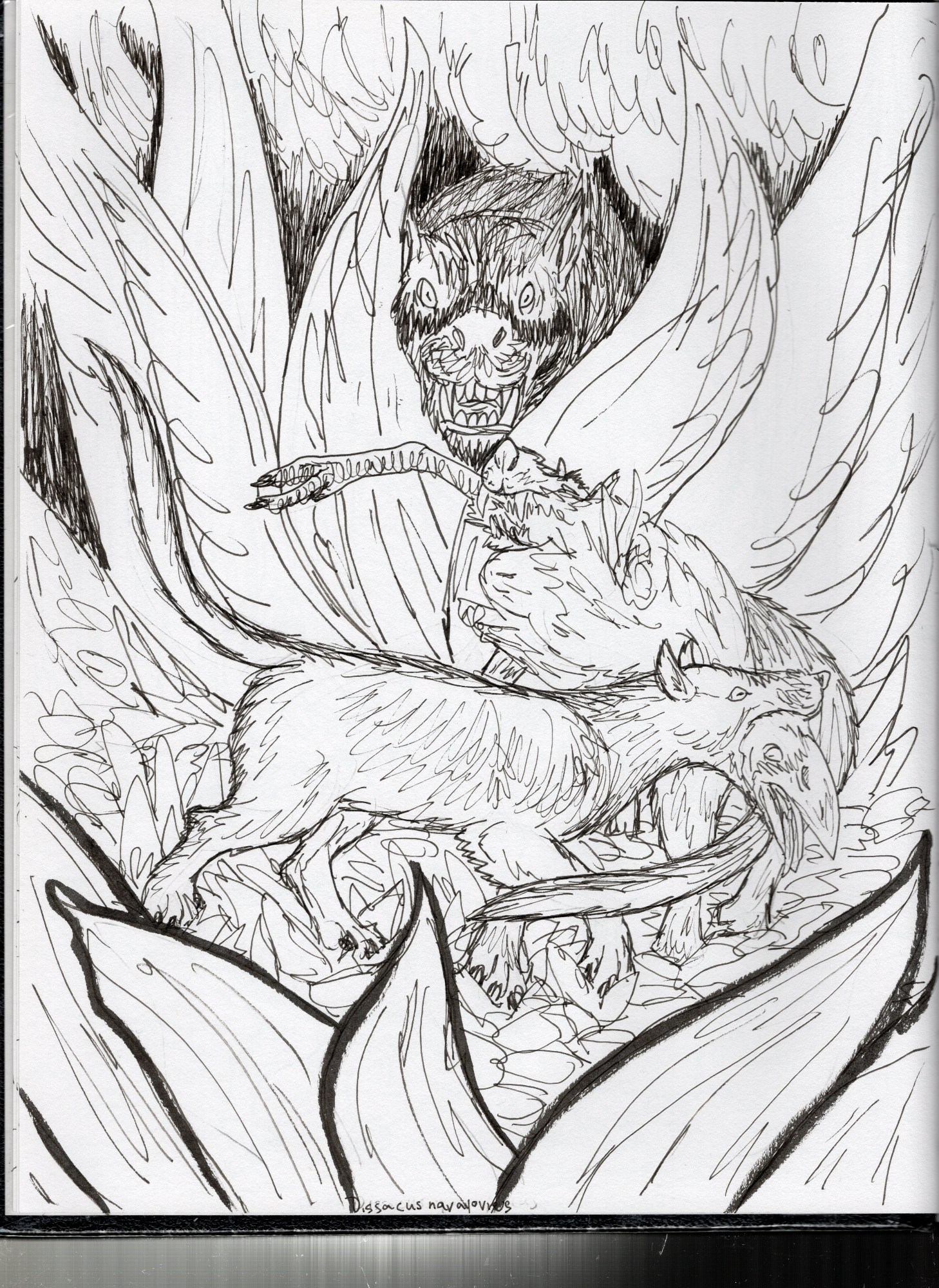
Dissacus praenuntius #sciart #eocene #paleocene #wyoming #mesonychidae #mesonychia #dissacus

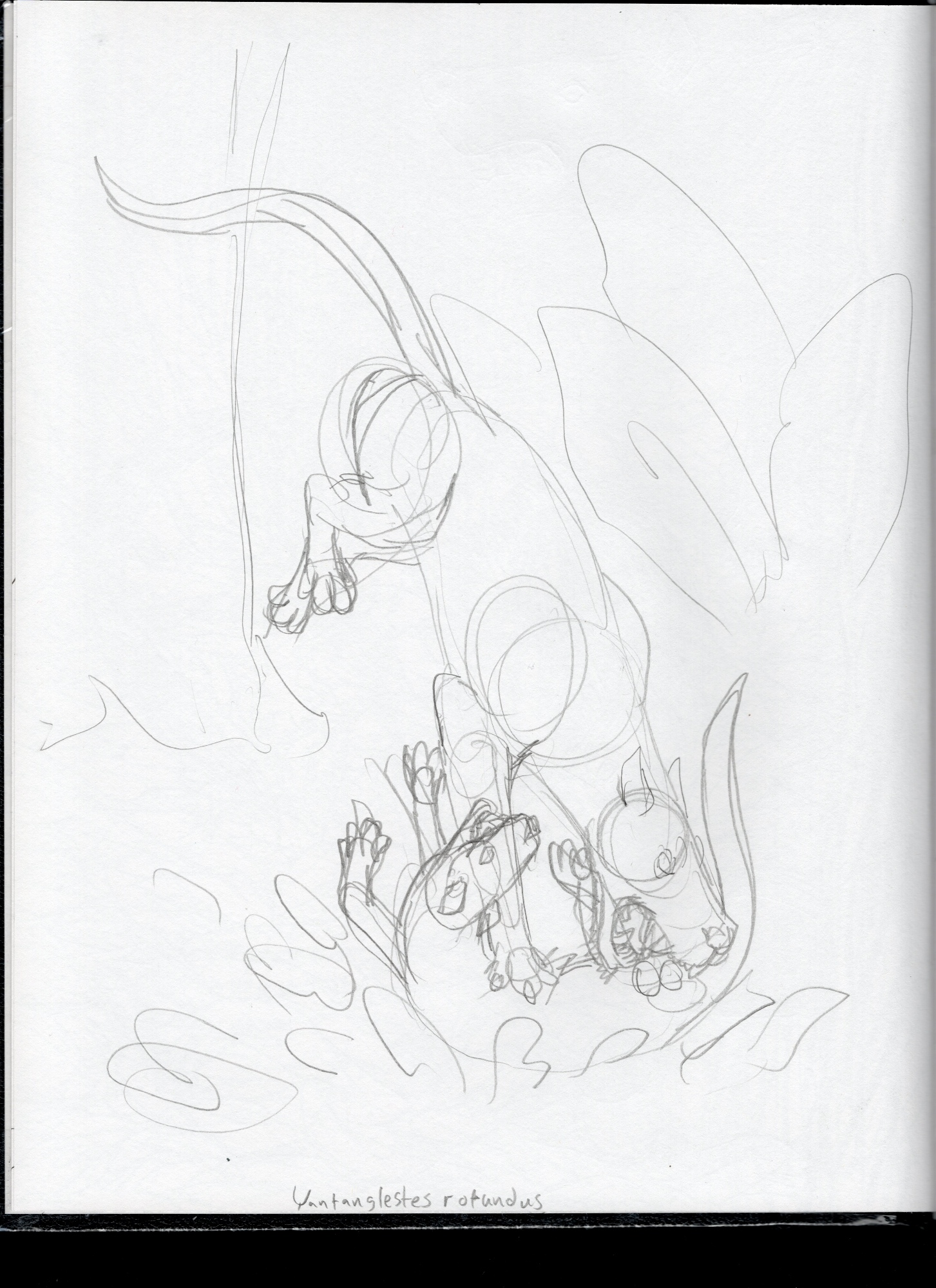
WIP Mesonychids Yantanglestes rotundus and Dissacus praenuntius #eocene #paleocene #mesonychidae #yantanglestes #dissacus

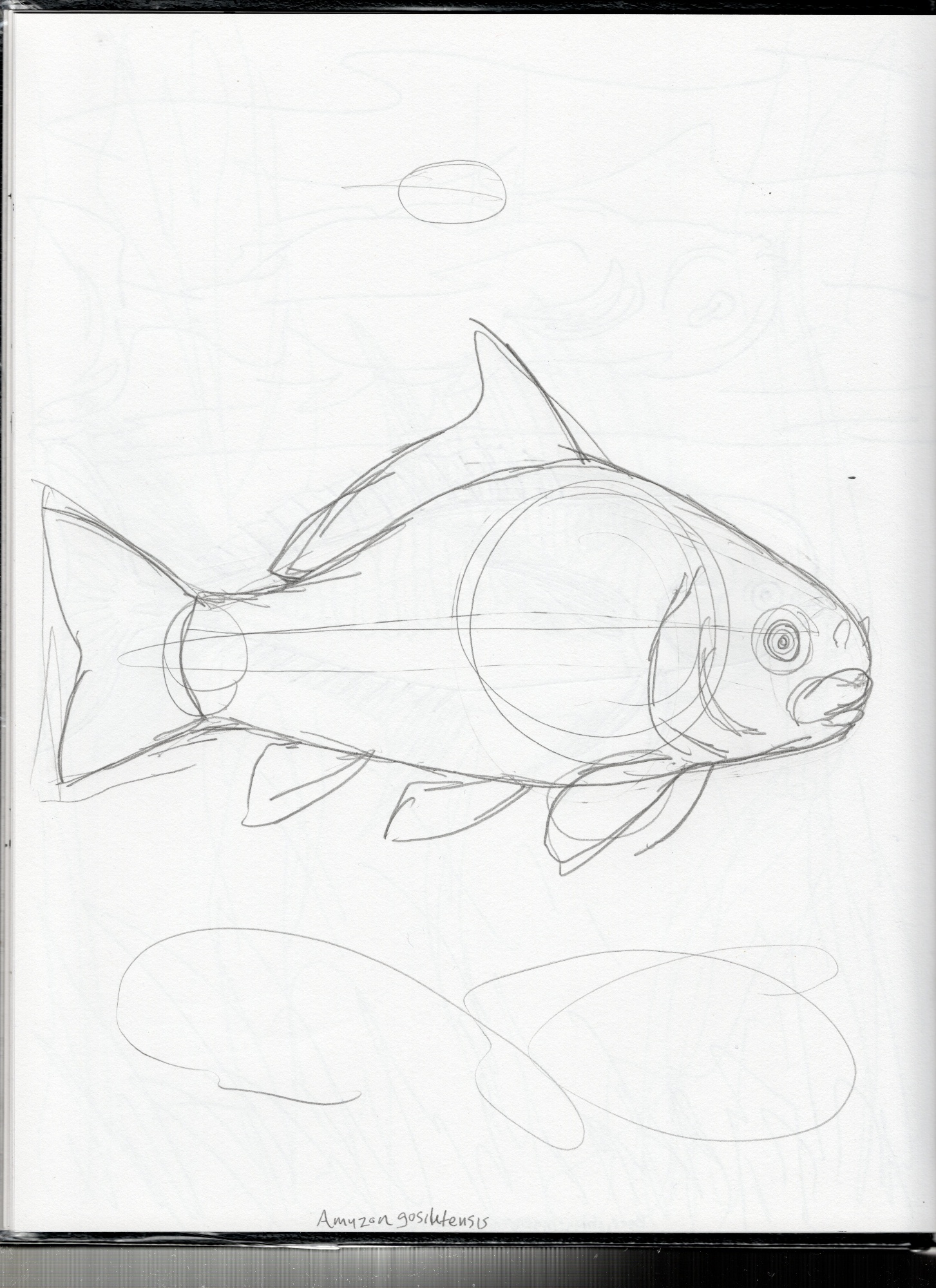
WIP Green River fishes #wyoming #Work_in_progress #amyzon #gosiuthichthys #lake_gosiute #eocene #knightia #sciart #hypsidoris



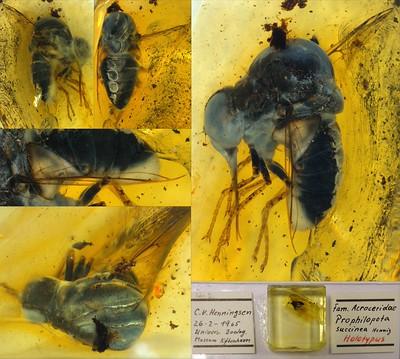
Prophilopota is an #extinct genus of small-headed flies in the family #Acroceridae. It is known from #BalticAmber from the #Eocene.


WIP, London Clay fishes #sciart #wip #eocene #london_clay #teratichthys #beerichthys #carangidae #luvaridae


Eomyctophum mainardii #sciart #Eomyctophum #lanternfish #Eocene #Chiusole #Italy #Trento

WIP Ammutichthys loricatus #sciart #Ammutichthys #eocene #Italy #chiusole

WIP Eomyctophum mainardii #sciart #Eomyctophum #lanternfish #Eocene #Chiusole #Italy


🐴 For #FossilFriday the Eocene “dawn horse” Protorohippus venticolus (cast), housed at the Utah Field House of Natural History in Vernal, UT.
The original specimen—now in a private collection—is about 33cm (13 in) tall at the shoulder. It is one of two known specimens from the Fossil Butte Member at Fossil Butte National Monument, Wyoming.
I’ll be posting more about North American equids in the Midwest the next few months.

#Eocene (IPA: /ˈiːəsiːn, ˈiːoʊ-/ EE-ə-seen, EE-oh-[5][6]) is a geological epoch that lasted from about 56 to 33.9 million years ago (Ma). It is the second
![#Eocene (IPA: /ˈiːəsiːn, ˈiːoʊ-/ EE-ə-seen, EE-oh-[5][6]) is a geological epoch that lasted from about 56 to 33.9 million years ago (Ma). It is the second](https://files.mastodon.social/media_attachments/files/115/744/638/507/071/723/original/38fb4a2c6892d169.jpeg)

El Campanile giganteum es el caracol marino, o de cualquier otro tipo, más grande que se conoce. Vivió en el Eoceno (56-34 MdA) y midió hasta 120 cm de longitud, en el límite de tamaño de los gastrópodos, pues su pie deja de ser eficiente con mucho peso o superficie. 🏛️Centro de Biodiversidad Naturalis 📷Ghedoghedo #eoceno #eocene


Another great fossil sorting session this Sunday! It was an unusually fishy afternoon with lots of centra, scales, teeth, and fin rays from several different species being found, among the usual collection of teeth and bone fragments.
Our next session will be Sunday, Nov. 23 at MRU in Calgary. Everyone is welcome, so come on by!
https://albertapaleo.org/events/fossilsorting for more information.


Another great Sunday sorting fossils! It was a spectacular haul with a surprising number of partial jaw fragments found this time.
Rodent molar - CS Ling
Reptile Jaw - Daegan Kovacs
Phalanx - Labib Chowdhury
If you'd like to come assist palaeontological research, our next session is this Sunday! https://albertapaleo.org/events/fossilsorting for more information.
#paleontology #paleontology #fossils #microfossils #alberta #eocene

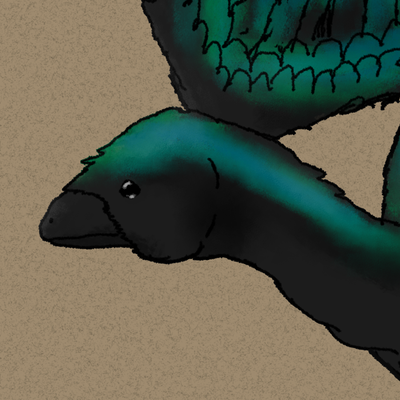
#PaleoMori day 28. The saber toothed rhino. God, I'm tired. #paleoart #eocene #mammal


The calcaneum (ankle bone) of a rodent from the Eocence Cypress Hills formation, Saskatchewan! This tiny bone is about 50 million years old and was found by one of our volunteers during a fossil sorting session.
If you'd like to get a chance to find your own fossil, our first session of the year is this Sunday!
https://albertapaleo.org/events/fossilsorting for more information.
#palaeontology #paleontology #fossilfriday #fossil #eocene #rodent #saskatchewan #alberta
Client Info
Server: https://mastodon.social
Version: 2025.07
Repository: https://github.com/cyevgeniy/lmst