Human-Made Design Authenticity Answers the Growing Demand for Genuine Human Connection
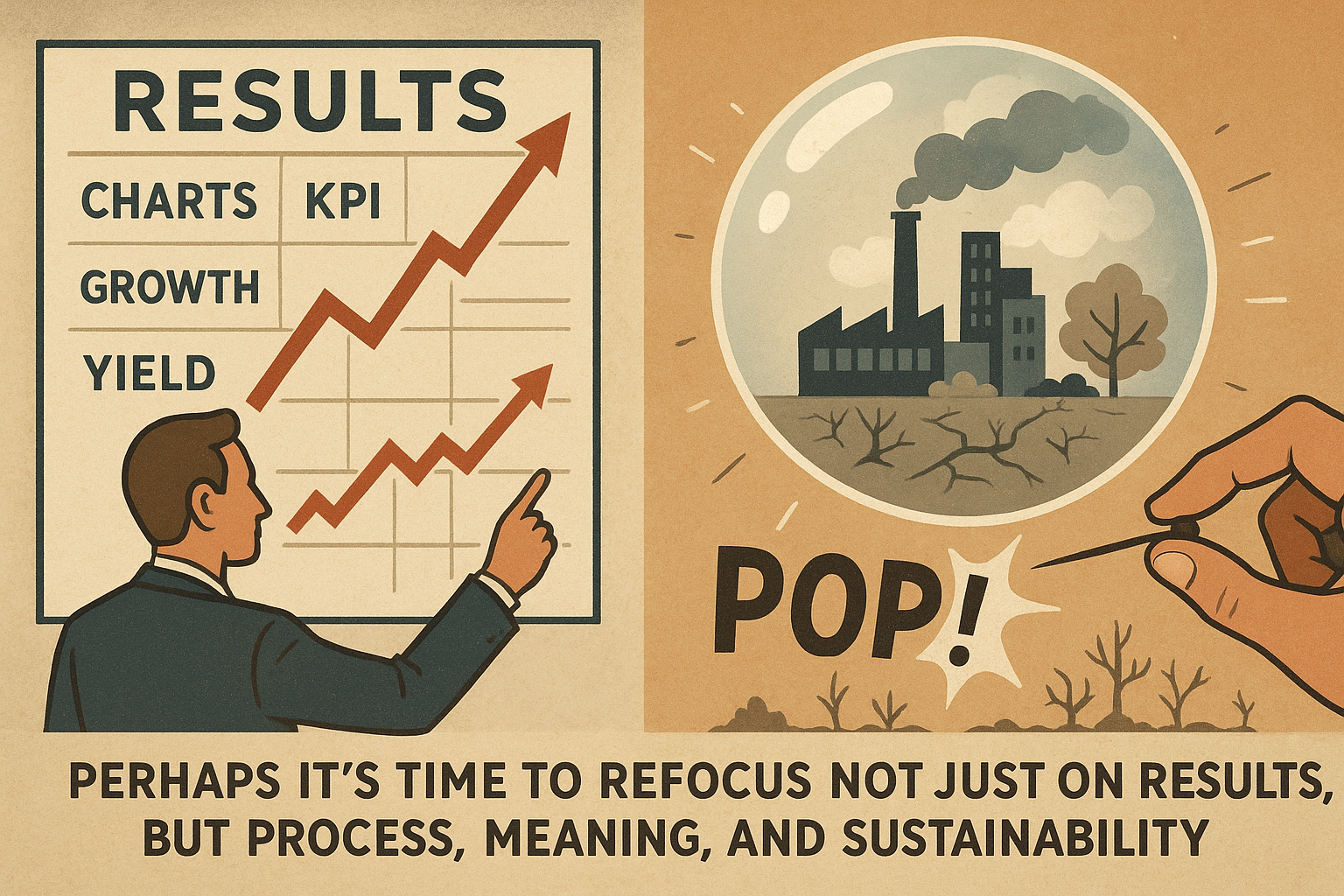
Digital saturation forces a radical rethink of how we assign value to creative work and brand identity. Authenticity now acts as a primary differentiator within the oversaturated and highly automated digital landscape of recent years. Furthermore, human-made design signals a level of trust that synthetic outputs often fail to achieve effectively. Consumers actively seek out the human-made touch as a marker of quality and ethical production. This shift occurs because algorithms currently flood the internet with predictable and often soulless content. Moreover, the human-made aesthetic provides a visceral counter-narrative to the technocratic imperative of pure efficiency. The search for human-made authenticity is no longer a niche preference but a mainstream market requirement. Truly relevant brands must now prove their human-made origins to maintain long-term cultural authority and consumer loyalty.
Why Does the Modern Consumer Prioritize Human-Made Authenticity Over Algorithmic Perfection?
The modern consumer faces a crisis of trust caused by the proliferation of unvetted synthetic media. Specifically, the ease of generating content leads to a deluge of what critics call digital slop. This slop lacks the intentionality and emotional resonance that define a truly human-made creative project. The psychological desire for serendipity and imperfection drives a premium for human-made branding. Accordingly, people associate the human-made label with a soul and a personal story that machines cannot replicate. Identical products often see a 60% increase in perceived value when marketed as human-made. This phenomenon suggests that human-made effort functions as a scarce and valuable resource in 2026. Therefore, the absence of automation becomes a primary selling point for high-end and artisanal design firms.
The Psychology of Scarcity in a Synthetic Era
Economics dictates that abundance devalues a commodity while scarcity increases its market price significantly. Currently, generative tools provide an infinite supply of generic imagery and marketing copy for businesses. Consequently, the unique vision of a human-made project becomes a luxury that commands a higher price. The human-made process also involves a creative trial-and-error that fosters growth and meaningful innovation. Consumers perceive this effort as a sign of respect for their time and attention. Moreover, the human-made aesthetic offers a sense of permanence in a world of ephemeral digital trends. As a result, brands must emphasize their human-made workflows to differentiate themselves from the sea of automated competitors. This strategic choice builds a foundation of long-term trust and emotional connection with the audience.
Distinguishing Intent from Statistical Probability
Algorithms do not think in concepts but predict the next token based on vast statistical tables. In contrast, a human-made design emerges from lived experience and a deep understanding of human emotions. A human-made creator understands why a specific color or font resonates within a cultural moment. The human-made approach allows for “felt-meaning” that machines simply cannot experience or express genuinely. For this reason, design critics argue that authenticity requires active engagement with the creative process itself. Consequently, the human-made element provides the necessary guardrails against the mediocrity of unvetted algorithmic output. Moreover, human-made design adapts to the nuances of empathy and ethical judgment that software lacks. As a result, the search for human-made authenticity represents a collective stand against the dehumanization of culture.
MetricHuman-Made Design ValueAI-Generated Content ValuePerceived Value IncreaseOver 60% HigherRapidly DecreasingConsumer Trust LevelHigh and SustainedLow and SkepticalCultural ImpactOriginal and AdditiveMimetic and DerivativeMarket PositioningPremium/LuxuryCommodity/UtilityEmotional ConnectionDeep and Resonance-BasedSuperficial and TransactionalThe Reddit Reality Check: Peer-to-Peer Validation in a Post-Truth World
Shoppers increasingly struggled to determine which reviews or digital sources they can trust in 2025. Specifically, the rise of bot-riddled product sections creates a deep-seated skepticism among modern consumer groups. Gen Z shoppers demand higher levels of relevancy and authentic discourse before making purchases. Accordingly, Reddit has emerged as the top platform for finding possible solutions to consumer needs. Consequently, research reveals a 27% higher likelihood of purchase for products discovered through Reddit conversations. This platform provides a human-made filter that traditional, algorithm-driven social media often lacks completely. Moreover, 71% of people research brands on Reddit to validate information found on other sites. As a result, the human-made consensus on forums serves as a crucial trust anchor for modern brands.
Why Reddit Owns the Point of Indecision
The unique up-and-down vote system on Reddit ensures that helpful, human-made information rises to the top. Specifically, the platform’s pseudonymity encourages transparent and honest feedback regarding product performance in real life. Users view Reddit as the ultimate reality check for paid influencer campaigns and ads. 74% of people agree that Reddit helps them make faster and more confident decisions. Consequently, the platform has become a primary destination for users seeking unbiased and human-made perspectives. Moreover, 88% of users made a purchase based on information found on Reddit last year. Therefore, brands must foster authentic engagement within these communities to survive the trust crisis. This approach prioritizes human-made dialogue over the hollow efficiency of automated marketing scripts.
Comparison of Discovery Channels
Discovery ChannelTrust PerceptionRole in Purchase JourneyReddit CommunitiesVery HighReality Check & DecisionPaid InfluencersErodingInitial Awareness OnlyAI ChatbotsConditionalInformation AggregationTraditional SearchFragmentedSEO-Driven VisibilityPhysical StoresDominantTangible Loyalty BuildingBifurcation of Value: Technocratic Utility versus the human-made Soul
The retail landscape currently splits into two opposing and distinct value systems for consumers. Specifically, the Technocratic Imperative manages the invisible layers of logistics, replenishment, and basic utility functions. Furthermore, agentic AI systems now negotiate the complexities of supply and demand with minimal human intervention. Hence, this trajectory posits a future where commerce becomes an anticipatory and largely automated layer of life. However, a potent counter-narrative known as the Human Premium has emerged with equal cultural force. Consequently, a significant market segment now pivots toward slow retail and explicitly human-made environments. Moreover, the value of retail in discretionary categories increasingly depends on the absence of automation. As such, the most successful 2026 strategies master the art of knowing exactly where to humanize.
The Architecture of Agentic Commerce
Software now handles the repetitive and computational tasks that previously burdened human creative and retail teams. Model context protocols enable AI agents to manage routine customer queries efficiently. These systems provide a frictionless experience for users seeking simple utility or basic information. Accordingly, the marginal cost of intelligence and replication continues to drive toward zero in these sectors. However, the deployment of AI in customer service often exposes the limits of synthetic empathy. Consequently, automated systems fail spectacularly during interactions that are emotionally charged or high-stakes for users. People crave the visceral connection that only a human-made interaction can provide during crisis moments. Therefore, utility-focused brands must still maintain a human-made escape hatch for their customers.
The Renaissance of Friction and Slow Design
The Slow Shopping movement posits that friction is a source of value and memory formation. Touching fabrics and interacting with artisans builds a level of loyalty that digital scrolling cannot. Furthermore, the time spent browsing and waiting contributes to the overall perceived quality of the experience. Luxury brands explicitly reject the efficiency narrative to preserve their unique and human-made soul. Consequently, these brands feature the physical hands of makers to frame craftsmanship as the ultimate technology. Moreover, the human-made element acts as a guarantee of scarcity in an era of infinite reproduction. As a result, designers must reintroduce intentional friction into their workflows to command a premium price. This approach honors the human-made process and respects the psychological needs of the modern consumer.
Value SystemPrimary DriverConsumer PerceptionTechnocratic ImperativeEfficiency & SpeedInvisible Utilityhuman-made PremiumSoul & ScarcityVisceral ExperienceAlgorithmic UtilityData & LogicPredictable Functionhuman-made CraftEmpathy & StoryAuthenticity & TrustThe “Not By AI” Movement and the Rise of Human-Made Certifications
Creative professionals and audiences now utilize badges to identify original and human-made content across the web. The Not By AI movement encourages humans to produce original work to prevent cultural stagnation. Furthermore, reports indicate that 74% of new web pages currently contain some form of AI-generated content. Hence, identifying human-made work has become a critical task for users who value genuine human progress. Consequently, the Not By AI badge is now featured on over 10,000 pages globally. Moreover, the movement uses a 90% rule to distinguish human-made projects from automated ones. Therefore, these certifications help brands set themselves apart in an increasingly saturated and synthetic market.
Systemic Solutions for Transparency
The No AI Movement offers systemic solutions for creators who choose to remain entirely human-made. They provide a free declaration that allows individuals to state their commitment to human-made work. Furthermore, a paid certification system includes audits to confirm the authenticity of these human-made declarations. These tools help companies build trust with audiences who prioritize people over full automation. Thus, the movement covers 15 specific areas of work ranging from journalism to physical handicraft. These initiatives foster awareness about the risks of replacing human agency with algorithmic shortcuts. Therefore, the human-made label acts as a declarative shield for the value of human presence. This process ensures that humanity continues to contribute to the collective cultural archive without interruption.
Benefits of human-made Branding Certifications
Choosing a human-made certification provides several strategic advantages for modern businesses and independent creative professionals. Specifically, these badges prove that content is safe from the hallucinations common in generative AI models. They also highlight human-centric solutions that address complex problems requiring a tailored and nuanced approach. Human-made branding helps a business stand out against competitors who rely on generic, automated copy. Consequently, audiences recognize the human-made effort as a sign of high-level expertise and professional commitment. Moreover, these certifications show that the content is free from the copyright risks associated with AI training. Brands should view the human-made label as a core component of their trust-building strategy. This commitment to human-made authenticity resonates deeply with a public that is increasingly wary of digital deception.
Certification Entityhuman-made Content RulePrimary BenefitNot By AI90% Human-CreatedEncourages original creationNo AI MovementAudited 100% HumanBuilds verified trustCara PlatformNo AI Art AllowedProtects artist IP“Made by Humans”Declarative LabelGauges consumer acceptanceCritiquing with AI: How Professionals Scrub for Human-Made Nuance
Creative teams now use AI tools like ChatGPT and Gemini to critique their own work for flaws. They look for a lack of human-made nuance that might signal a robotic or sterile style. Professionals also ask these models to find logical gaps that a human-made editor might easily overlook. Accordingly, this iterative process involves using AI as a thinking partner rather than a replacement creator. Consequently, the goal is to refine the work until it achieves a truly human-made feel. Moreover, 83% of creative professionals have already incorporated these tools into their daily design processes. Therefore, the modern workflow focuses on using technology to enhance the human-made soul of the project.
Identifying the Patterns of Robotic Output
AI tools often produce predictable phrasing and uniform sentence lengths that lack an emotional or human-made rhythm. These models prioritize technical clarity over the flair and idiosyncrasy of human-made creative writing. Furthermore, algorithmic outputs frequently lean on generic conclusions and recycled common tropes like “rain as tears.” Accordingly, professionals use AI to identify these “bot-isms” and replace them with unique human-made metaphors. The critique process involves breaking monotonous syntax and reintroducing the messy, illogical mash-ups of human thought. Human-made text typically exhibits bursts of creativity that a statistical parrot cannot replicate reliably. For this reason, the professional editor acts as a guard against the bland monoculture of algorithmic averages. This ensures that the final product retains a human-made voice that connects with the audience’s heart.
The Role of Human-Made Strategy in AI Workflows
Successful designers develop what experts call AI-creative intelligence to guide their tools toward a human-made outcome. They use AI for rapid prototyping and generating multiple concept variations in a short time. Furthermore, they offload repetitive and time-consuming tasks like asset resizing to automated systems. Accordingly, this liberation allows the designer to pour more energy into human-made strategy and curation. Hence, the designer remains in the driver’s seat while the AI functions as a navigator. Moreover, the human-made touch is essential for evaluating whether a design fits a specific brand aesthetic. The future of the industry depends on this collaborative partnership between human-made intuition and computational power. This hybrid approach maximizes productivity without sacrificing the authenticity that consumers crave so deeply.
Workflow StageAI Rolehuman-made RoleIdeationRapid variation generationStrategic direction & filteringProductionAutomated asset resizingFinal aesthetic approvalCritiqueLogic & grammar checkingNuance & emotional resonanceRefinementStatistical smoothingAdding “authentic errors”DeploymentFormatting & optimizationContextual & ethical reviewGenerative Engine Optimization (GEO): Visibility for the human-made Brand
Search behavior has shifted fundamentally from keyword matching to conversational discovery in the age of AI. Users now turn to answer engines like Perplexity and ChatGPT for synthesized and direct information. These platforms provide a single, human-made style answer instead of a list of blue links. Accordingly, brands must optimize their content for these generative engines to maintain their digital visibility. Consequently, Generative Engine Optimization (GEO) has become a critical new topic for marketers and designers alike. Citation has become the new currency of digital visibility in the modern search landscape. Therefore, the human-made brand must structure its data so that AI engines can easily reference it.
Building Entity Authority and Semantic Trust
AI engines prioritize content from sources that demonstrate high levels of expertise, experience, and authoritativeness. Specifically, Google’s E-E-A-T guidelines are more crucial than ever for separating human-made work from generic copy. Not only that, AI systems love quoting credible sources that offer original research and unique expert opinions. Accordingly, the human-made brand must go deep into its niche to establish itself as a trusted entity. GEO involves earning positive brand mentions across the web, even without direct clickable links. Moreover, being mentioned alongside competitors in industry roundups helps AI recognize a brand’s relevance. As a result, the human-made narrative should be consistent across all owned and earned media channels. This builds a robust digital footprint that AI models can identify and trust.
Technical Requirements for AI Discovery
Visibility in generative engines requires more than just high-quality human-made writing and insightful creative content. AI systems prioritize content that is technically structured for accurate extraction through schema markup. Furthermore, adopting protocols like IndexNow helps accelerate content discovery by AI-powered search engines. Designers must ensure that their websites are technically accessible to AI crawlers without accidental blocks. A clear information architecture helps LLMs understand the relationship between different human-made concepts on a site. Moreover, using explicit language to map problems to solutions helps AI summarize the content effectively. The human-made brand must combine its creative flair with a rigorous technical foundation. This ensures that the brand remains part of the conversation when users ask AI for recommendations.
GEO Factorhuman-made ImplementationAI Engine ReactionSemantic DepthLong-tail, expert opinionsIncreased citation frequencyStructured DataSchema & clear headingsBetter extraction & summaryEntity signalsCo-citations & PRHigher trust & authorityFactual DensityOriginal data & researchPreferential referencingUser IntentDirect, TL;DR answersInclusion in AI OverviewsLandscape Architecture: Case Studies in Human-Made and Ecological Authenticity
Landscape design currently reflects a shift toward environmental consciousness and biophilic integration. Specifically, the use of native plantings has become a dominant trend for human-made outdoor spaces in 2025. Native plants support local wildlife and require significantly less maintenance than non-native species. This approach enhances the natural beauty of a property while contributing to global sustainability efforts. As a result, landscape architects are reimagining public spaces to transform gray areas into vibrant green hubs. Moreover, the integration of edible gardens allows homeowners to grow their own organic produce at home. The human-made landscape serves as a functional and wellness-oriented extension of the living environment.
The Rise of Biophilic Wellness Spaces
Modern landscape design trends prioritize the creation of tranquil retreats that promote relaxation and mindfulness. For instance, garden wellness spaces incorporate elements like yoga platforms and tranquil water features. Furthermore, these biophilic designs reduce stress and improve the mental health of residents and visitors. Accordingly, the use of natural materials and calming color palettes creates a harmonious environment for all. The backyard has become a multi-functional hub for cooking, dining, lounging, and working. Moreover, custom hardscaping allows for artistic expression through geometric pathways and minimalist planters. The human-made garden provides a personal sanctuary in a fast-paced and digitalized world. This focus on human-made serenity meets a deep psychological need for connection with nature.
Indigenous Knowledge and Decarbonization
Landscape architects increasingly turn to indigenous people for knowledge about sustainable landscape management practices. Specifically, they seek involvement in the design process to ensure projects reflect the authentic culture of the place. Firms now use data-driven tools to analyze the carbon footprint of their materials and inputs. Accordingly, the trend of decarbonization involves switching to local products and increasing planting areas. Governments and communities are making hard decisions about permitting rebuilds in high-risk environmental zones. Moreover, biodiversity has become an essential scoring metric for new planning and design projects. As a result, the human-made landscape must be resilient enough to face the challenges of climate change. This requires a blend of traditional wisdom and modern predictive AI modeling.
Landscape Trendhuman-made FocusEcological BenefitNative PlantingRegional authenticityBiodiversity supportEdible GardensSelf-sufficiencyOrganic produce growthBiophilic DesignEmotional well-beingStress reductionDecarbonizationMaterial selectionLower carbon footprintIndigenous CollaborationCultural storytellingResilient managementPersonal Commentary: The Ethical Imperative of the human-made Touch
The pursuit of human-made authenticity is more than a marketing strategy for the elite design classes. It represents an ethical stand against the devaluation of human capital and creative labor. As a design critic, I observe that purely algorithmic culture risks becoming a stagnant loop of recycled ideas. Accordingly, the human-made spark is the only force capable of introducing truly novel combinations of concepts. We must protect the intellectual property of artists from the “commercial image slot machines” of big tech. Moreover, the dopamine-driven attention economy has failed to provide the deep enrichment that people actually crave. Therefore, we should prioritize human-made movements that add real life and soul back into our culture.
Why We Must Resist the “Slop” Monoculture
Digital slop refers to the weird, unvetted AI images that now dominate social media feeds everywhere. These images are often generated to please algorithms rather than to inspire human-made emotions. We must stop trying to please the algorithm and start adding to the human experience again. The real winner in the 2026 market will be the brand that provides inspiration rather than seeking it. We must remember that human-made effort is a source of individual and collective growth. Therefore, we should never surrender the “creative trial-and-error” that makes us truly human. This struggle is essential to the identity and freedom of every creative professional.
The Vision for Authentic Intelligence
The term “Authentic Intelligence” describes a future where human capabilities are developed to leverage AI power ethically. We must build an inclusive infrastructure that democratizes access to technology while protecting human agency. Furthermore, corporations have a social responsibility to foster skills like critical thinking and emotional intelligence. Accordingly, AI should function as a tool that enhances our capabilities rather than one that replaces them. The human-made judgment remains the most essential part of the value chain. Moreover, we should celebrate technology while ensuring it serves humanity, not the other way around. Therefore, the future of design lies in this harmonious and human-made symbiosis of man and machine. This is the only way to ensure an equitable and prosperous future for the creative industry.
ConceptDefinitionFuture OutlookDigital SlopLow-quality AI contentMarket rejection & fatiguehuman-made EdgesValue-rooted shiftsSustained cultural relevanceAuthentic IntelligenceHuman-AI symbiosisCore strategic functionHuman PremiumValue of manual craftSkyrocketing market valueSlow RetailFriction-based loyaltyPremium luxury standardFrequently Asked Questions About Human-Made Authenticity
What is the primary difference between human-made and AI-generated design?
Human-made design originates from lived emotions, cultural memory, and intentional creative effort. In contrast, AI-generated design is a result of statistical token prediction based on massive datasets. Human-made work possesses a “felt-meaning” that algorithms cannot experience or replicate. Furthermore, human-made projects often embrace intentional imperfection as a sign of authenticity and soul.1
How does the human-made label affect a brand’s sales performance?
Research consistently shows that consumers are willing to pay a significant premium for human-made products and services. Labeling an artwork or brand as human-made can increase its perceived value by over 60%. Furthermore, 88% of users on Reddit have made purchases based on authentic, human-made peer recommendations. Accordingly, the human-made touch acts as a powerful trust signal that drives conversion and loyalty.
Why is Reddit considered the top platform for authentic brand research?
Reddit uses a pseudonymity-based system that encourages transparent and honest feedback without the influence of paid sponsorships. The platform acts as a “reality check” for information found on more curated social media sites. Furthermore, the community-driven upvote system ensures that the most helpful human-made insights rise to the top. Consequently, shoppers trust Reddit more than any other platform to find unbiased product perspectives.
What is Generative Engine Optimization (GEO) for designers?
GEO is the practice of structuring creative content so that AI engines like ChatGPT and Gemini can cite and reference it. It involves building entity authority and using technical schema markup to help AI summarize human-made work. GEO also requires earning positive brand mentions and co-citations across high-authority external sites. Accordingly, citation has become the new metric for digital visibility in the AI era.
How do creative professionals use AI to protect human-made nuance?
Professionals use AI tools to “critique” their work for robotic patterns, such as uniform sentence lengths or predictable tropes. Specifically, they ask AI to find logic gaps or sterile phrases that lack the human-made touch. This iterative process allows designers to offload repetitive tasks while focusing their energy on high-level curation. Consequently, the AI functions as a “navigator” while the human-made creator remains firmly in the “driver’s seat”.
What are the “Not By AI” and “No AI Movement” badges?
These are certifications and digital labels used by creators to identify their work as being at least 90% human-made. The Not By AI movement aims to prevent cultural stagnation by encouraging original human-made production. The No AI Movement also provides audited certifications for companies that prioritize people over full automation. Accordingly, these badges help users identify authentic content in a landscape flooded with synthetic media.
References & Sources
- Ahrefs: AI-Generated Content and Human Oversight – https://ahrefs.com/blog/ai-generated-content/
- AI for Good (ITU): Transparency and Trust in AI-Generated Content – https://aiforgood.itu.int/transparency-and-trust-in-the-age-of-ai-generated-content/
- Analytify: SEO Trends for 2025 and Beyond – https://analytify.io/seo-trends-2025/
- Aybben: Digital Marketing Strategies for 2025 – https://aybben.com/digital-marketing-in-armenia-2025/
- Backlinko: The Complete Guide to Generative Engine Optimization (GEO) – https://backlinko.com/generative-engine-optimization-geo
- Bethel University: AI Tools and Philosophical Questions in Art – https://spark.bethel.edu/cgi/viewcontent.cgi?article=2140&context=etd
- Dasweb: Content Creation and Human-Driven Copywriting – https://dasweb.ca/services/content-creation/
- No AI Movement: Systemic Solutions for Human Authenticity – https://noaimovement.com/en/home
- Not By AI: Protecting Originality with ‘human-made’ Badges – https://notbyai.fyi/
- WiseRank: AI vs. Human Content: Which Ranks Better? – https://wiserank.co.uk/ai-vs-human-content/
Browse WE AND THE COLOR’s AI and Design categories for more insightful content for creative professionals. In addition, feel free to become a member of WE AND THE COLOR’s Design Reddit community.
Subscribe to our newsletter!
[newsletter_form type=”minimal”]