Peachtree closes $3B in credit, $538M CPACE
https://www.asianhospitality.com/peachtree-group-closes-3bcredit-538mcpace/
Peachtree closes $3B in credit, $538M CPACE
https://www.asianhospitality.com/peachtree-group-closes-3bcredit-538mcpace/
Deutsch is Peachtree's SVP of equipment finance
https://www.asianhospitality.com/billdeutsch-named-peachtreegroup-svp-equipmentfinance/

#fredagsdrinken nr.300 Friday Peach
En signaturdrink från mig då jag firar 300 cocktails !!! 🍸
4 cl Vodka
2 cl Peachtree
2 cl Vermouth Rossi
1 cl Falernum
0,5 cl Jägermeister
2 stänk Angostrura Bitters
Häll allt i en shaker med is och ska den kall. Sila upp i ett cocktailglas.
Skål 🍹 🍸🍷 🥃 för 300:ade gången !
#cocktail
#cocktails
#drinks
#drink
#stockholm
#vodka
#peachtree
#vermouthrosso


Leigong
Leigong, or Leishen, is the god of thunder in Chinese folk religion, Chinese mythology, & Taoism.
In Taoism, when ordered by Heaven, Leigong punishes both earthly morals guilty of secret crimes & evil spirits who have used their knowledge of Taoism to harm human beings. He carries a drum & mallet to produce thunder, & a chisel to punish evildoers. Leigong rides a chariot driven by a young boy named A Xiang.
Since Leigong’s power is thunder. He has assistants capable of producing other types of heavenly phenomena. Leigong’s wife, Dianmu, is the goddess of lightning across the sky. Other companions are Yun Tong (“Cloud Youth”), who whips up clouds, & Yu Shi (“Rain Master”), who causes downpours by dipping his sword into a pot. Roaring winds rush forth from a type of goatskin bag manipulated by Fengbo (“Earl of Wind”), who was later transformed into Fang Po Po (“Lady Wind”).
Leigong is pictured as a fearsome creature with claws, bat wings, & a blue face with a bird’s beak who wears only a loincloth. Temples dedicated to him are rare. Some people honor him, in the hope he’ll take revenge on their personal enemies.
Leigong began life as a mortal. While on Earth, he encounters a peach tree that originated from Heaven during the struggle between the Fox Demon & 1 of the Celestial Warriors. When Leigong took a bite out of 1 of its fruits, he was transformed into his godly form. Soon he received a mace & a hammer that could create thunder.
The Jade Emperor instructed Leigong to kill only bad people. But the sky got really dark whenever he struck people. Sometimes he killed the wrong people, since he couldn’t find his target. Dianmu, his wife, was 1 such victim. (We’re about to get into some dark territory here.)
Dianmu lived with her mom in the countryside, where they worked as rice farmers. One day, she dumped a husk of rice into a river because it was too hard for her mom to eat. When Leigong witnessed this, he got enraged. He thought that she was wasting food. So when he saw her dumping the husk out, he killed with 1 of his lightning bolts.
The Jade Emperor found out what Leigong had done & was furious that he killed the wrong person again. So the Jade Emperor revived Dianmu & made her into a goddess. He also told Diamnu to marry Leigong as punishment for her murder. He killed her, so it was his fault, & responsibility to take care of her. (So yes, you read that right. She had to marry her murderer.)
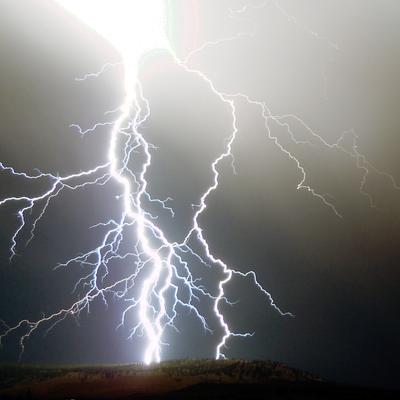
Dianmu’s job is to work with Leigong. She uses mirrors to shine light onto Earth so Leigong can see who he hits & makes sure they can’t innocent. This is why lightning comes before thunder.
One-Time Monthly YearlyMake a one-time donation
Make a monthly donation
Make a yearly donation
Choose an amount
$1.00 $5.00 $10.00 $1.00 $5.00 $10.00 $5.00 $10.00 $15.00Or enter a custom amount
$Your contribution is appreciated.
Your contribution is appreciated.
Your contribution is appreciated.
DonateDonate monthlyDonate yearly
#aXiang #celestialWarriors #chineseFolkReligion #chineseMythology #dianmu #fangPoPo #fengbo #foxDemon #jadeEmperor #leigong #lightning #mirrors #peachTree #taoism #thunder #yuShi #yunTong

Seven Lucky Gods
In Japanese mythology, the 7 Lucky Gods that are believed to grant good luck & are often represented in netsuke & in artwork. Netsuke is a miniature sculpture, beginning in 17th century Japan. 1 of the 7, Jurojin, is said to be based on an actual historical figure.
These deities mostly have their roots as ancient gods of fortune from religions popular in Japan like: from Mahayana Buddhism (Benzaiten, Bishamonten, Daikokuten, Hotei), which came to Japan via China but began in India; & from Chinese Taoism (Fukurokuju & Jurojin); the last 1 (Ebisu) is has a Japanese native ancestry.
In the beginning, these gods were worshipped by merchants as the first 2 (Ebisu & Daikokuten) were gods of business & trade. Other classes of Japanese society looked for gods that could parallel with their professions: Benzaiten as the patron of the arts, Fukurokuju as the patron of the sciences, etc.
In ancient times, these gods were worshipped separately. This rarely happens today. Only when it’s required for the specific god to act on behalf of the applicant.
The 7 Gods of Fortune started being mentioned as a collective in 1420 in Fushimi. This was in order to imitate the processions of the feudal lords, daimyos, of pre-modern Japan.
It’s said that Buddhist priest, Tenkai, picked these gods after speaking with the shogun he served, Iemitsu Tokugawa. This was at the order of seeking whoever possessed the perfect virtues: longevity, fortune, popularity, sincerity, kindness, dignity, & magnanimity. Shortly after this, Kano Yasunobu, a famous artist of the time.
List of the deities:
During the first 3 days of the New Year, the 7 Lucky Gods are said to pilot through the Heavens the Takarabune or Treasure Ship. A picture of the ship forms an essential part of traditional Japanese New Year celebrations.
There are 4 shrines:
Make a one-time donation
Make a monthly donation
Make a yearly donation
Choose an amount
$1.00 $5.00 $10.00 $1.00 $5.00 $10.00 $5.00 $10.00 $15.00Or enter a custom amount
$Your contribution is appreciated.
Your contribution is appreciated.
Your contribution is appreciated.
DonateDonate monthlyDonate yearly
#1420 #1690 #1783 #17thCentury #Benten #Bentensama #Benzaiten #Benzaitennyo #Bishamonten #Biwa #Breatharian #Buddha #Buddhism #ButsuzosuiCompendium #China #ChineseTaoism #ChoTeiShi #Daikoku #Daikokunyo #Daikokuten #Daikokutennyo #Daimyos #Ebisu #EdoEra #Fukujin #Fukuoka #Fukurokuju #Fushimi #HidenobuTosa #HinduTridevi #Hinduism #HinduismPantheon #HoTeiShi #Hotei #HsuanWu #Hyogo #IemitsuTokugawa #ImamiyaEbisuShrine #India #Izanagi #Izanzmi #Japan #JapaneseBuddhistMythology #JapaneseMythology #Jurojin #Kaishi #KanoYasunobu #Kichijoten #Kisshoten #Kisshoutennyo #Kubera #Lakshmi #Mahakala #MahayanaBuddhism #March916 #Miroku #Nanjilaoren #NanyoKanjizai #Netsuke #NewYear #NishinomiyaShrine #NyoihojuGem #Okuninushi #Osaka #Pagoda #Patron #PeachTree #Reincarnation #Sanskrit #Saraswati #SecondMiroku #SevenLuckyGods #Shikoku #Shinto #SongDynasty #SouthernPoleStar #SyncreticConflation #Takarabune #Tenkai #TokaEbisuShrine #Torii #TosaSchool #TreasureShip #Vaisravana #ZenBuddhism #ZenPriest


The ‘P’ of the ‘Peachtree’ sign from the sidewalk over an Atlanta highway 🍑 #interstate #photography #atlanta #peachtree #freeway #cities 🇺🇸

Want juicy, sun-ripened peaches? 🍑 It all starts with feeding your tree right. Here are 9 expert-approved fertilizers—and exactly when to use each one 👉 https://www.rasnetwork.org/expert-advice/best-fertilizer-for-peach-trees-when-to-apply/
#RASNetworkGardening #PeachTree #Gardening #FertilizeRight

#fredagsdrinken nr.280 Bikini Martini
6 cl Dry Gin
2.5 cl Blå Curaçao
0.75 cl Peachtree
0.75 cl Citronjuice
Häll allt i en shaker med is och ska den kall. Sila upp i ett cocktailglas och garnera.
Skål 🍹 🍸🍷 🥃
#cocktail
#cocktails
#drinks
#drink
#stockholm
#gin
#blåcuracao
#peachtree

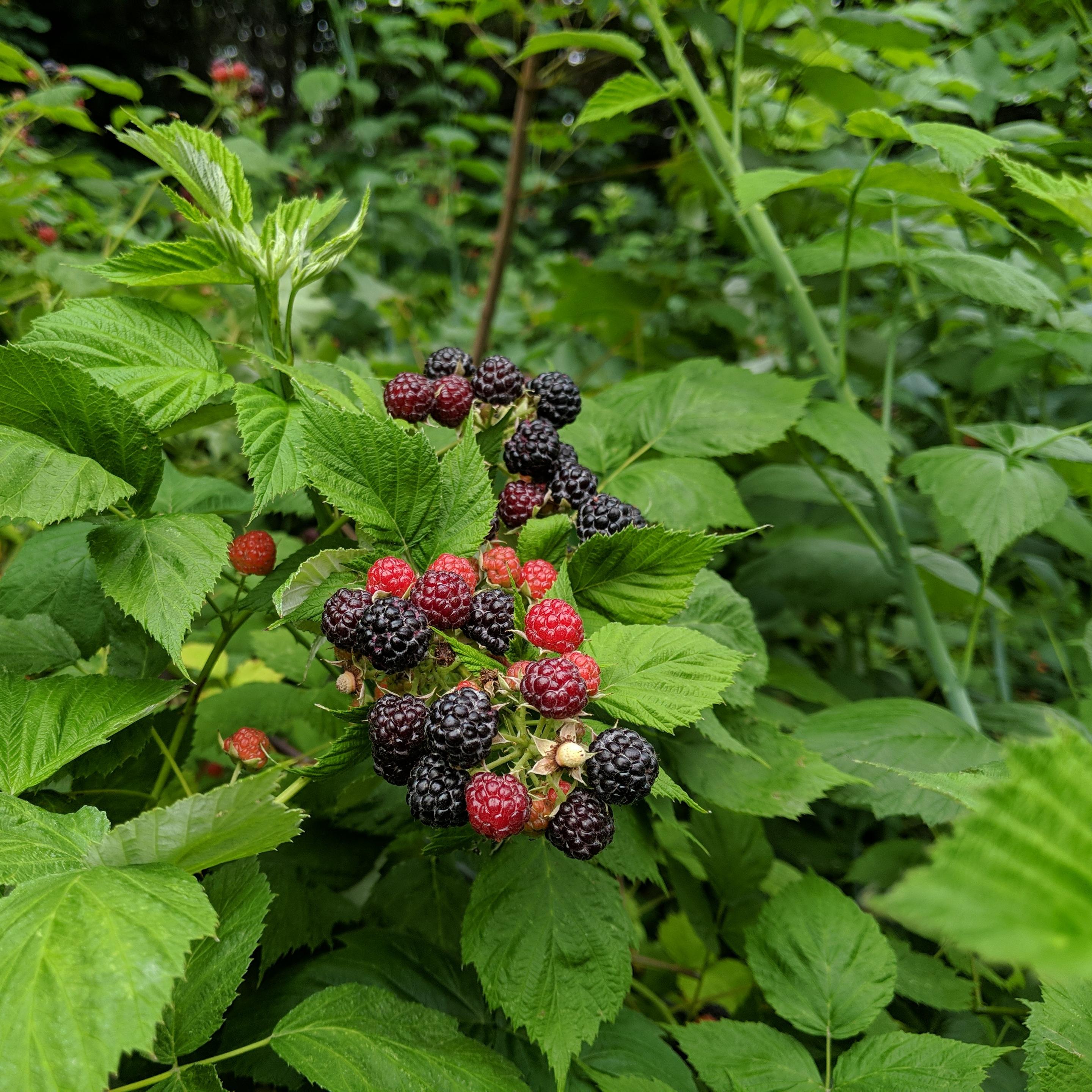
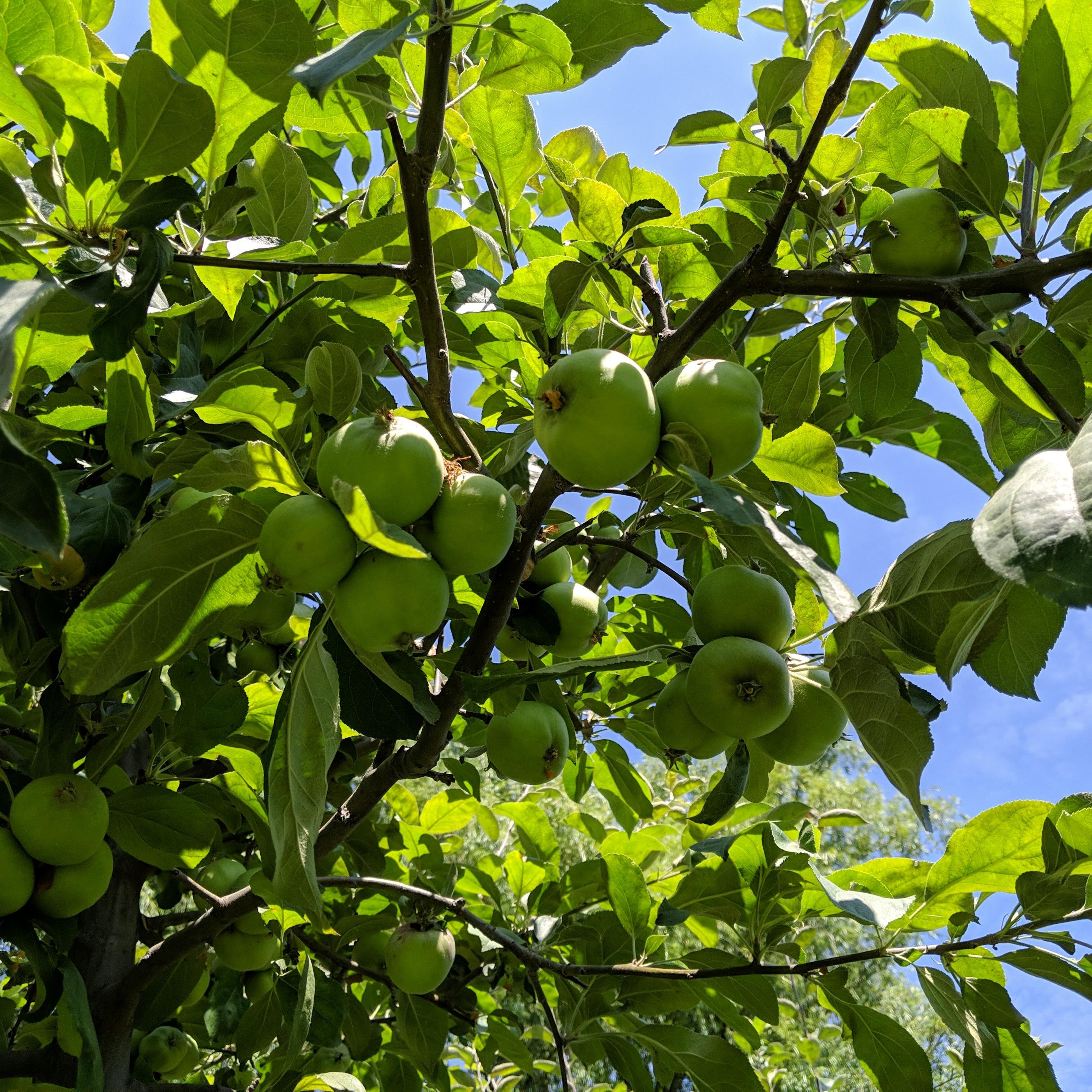
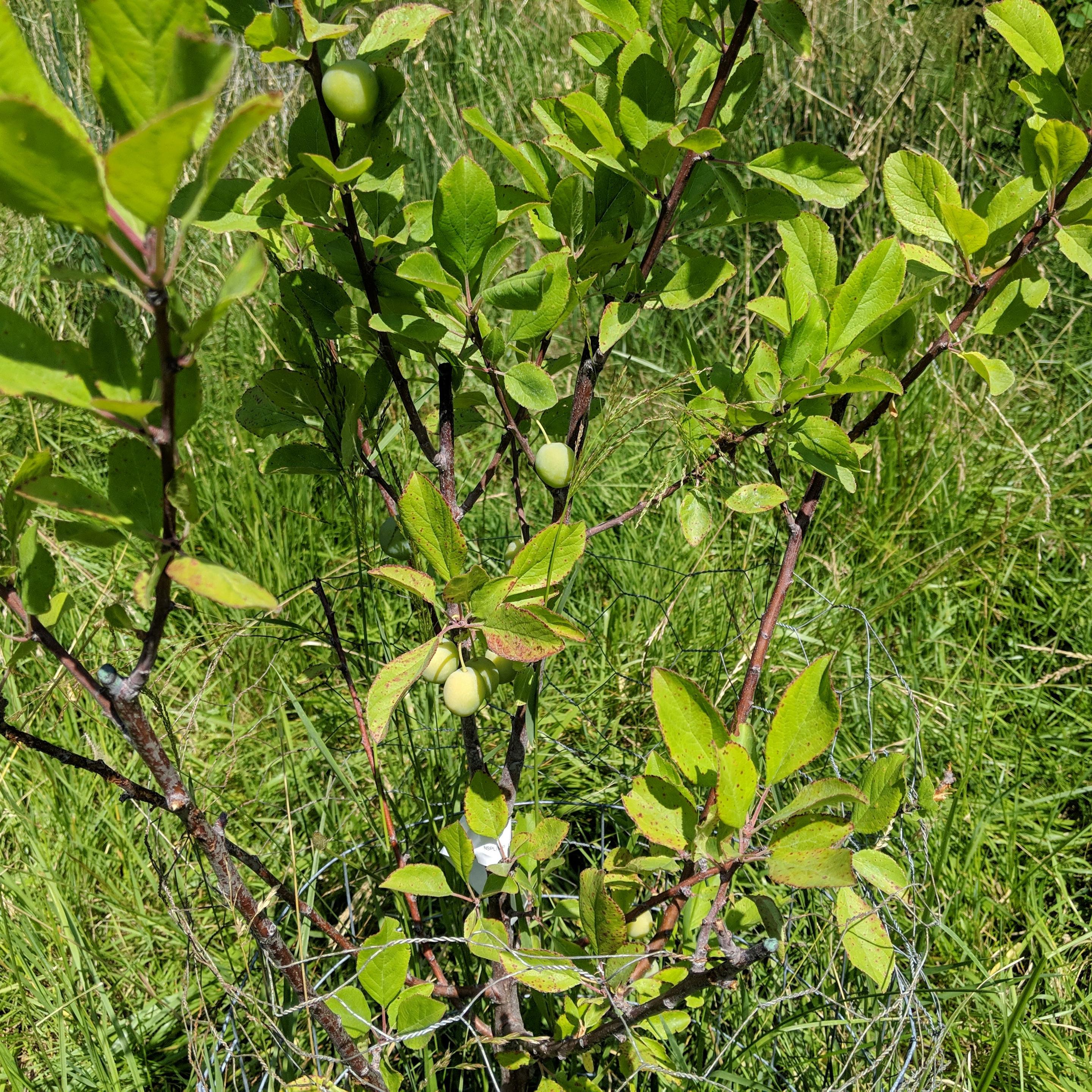
Orchard update. I need to start picking black caps, the apples are slowly getting thinned at the rate the geese will eat them, and there are peaches and a few Brooks plums.
None of the pears or apricots set fruit or the other plum tree. I think this Brooks plum was probably a year older, it had big roots when I planted it.
#orchard #gardening #fruit #berries #BlackCaps #BlackRaspberries #apples #GravensteinApple #peaches #plums #BrooksPlum #garden #AppleTree #PeachTree
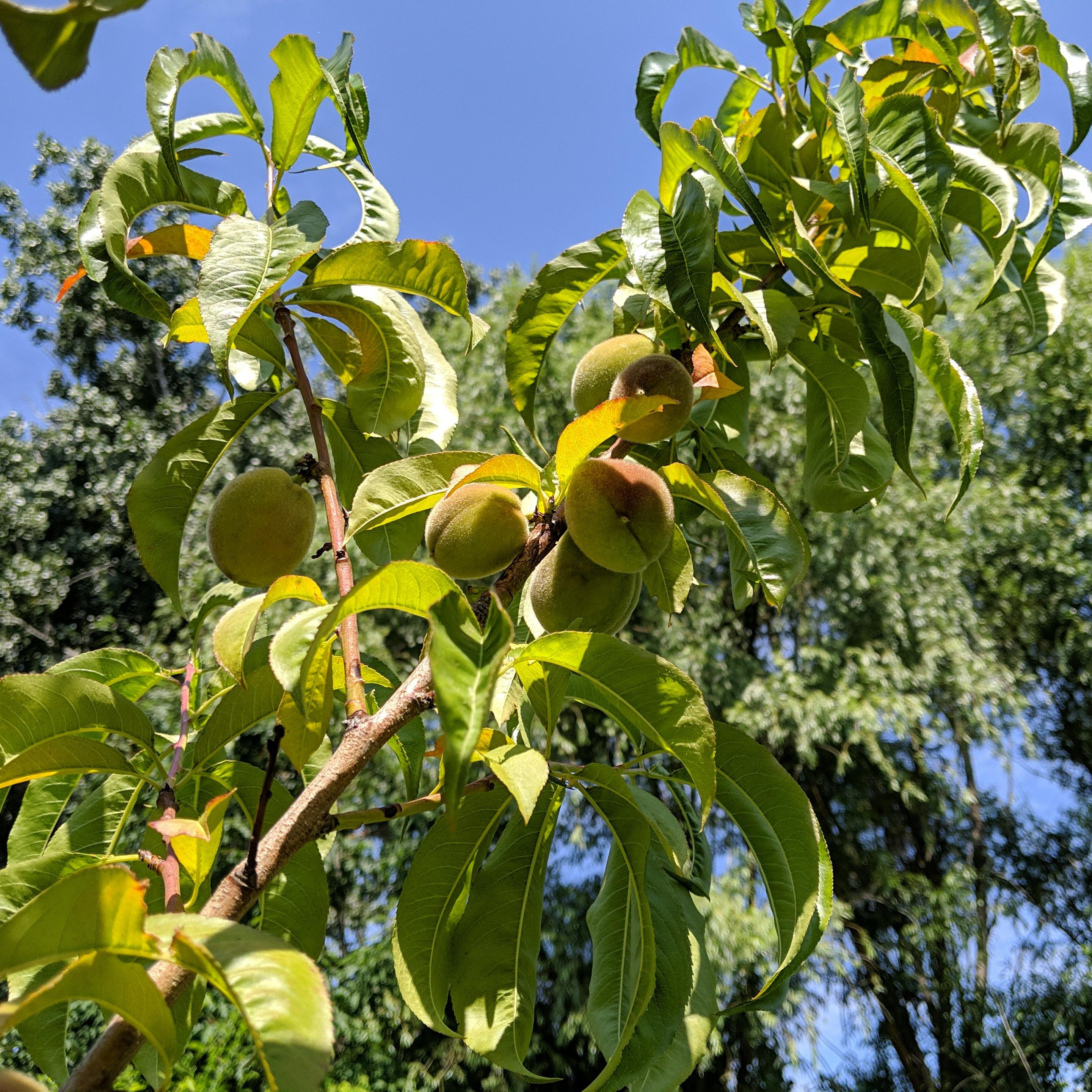
There might be some good peaches to pick this year. Unknown type, grown from seed and I can't remember if it was one from another unknown tree here or bought peach that sprouted in the compost. It's a freestone and peels easily. Probably a redhaven.
#peaches #orchard #peach #PeachIsNotPeaceHashtagBotThatIsSlow #gardening #garden #PeachTree


Pumped
Shiny new heat pumpHeat pumped that is! Oh friends, I have been so busy with the garden and all the things. Two weeks ago we had a heat pump installed. It was a good time to do it because the contractor wasn’t busy, it was neither cold nor hot outside, and our 25-year-old central air conditioner unit and just as old gas furnace were close to end-of-life but hadn’t died yet so we had time to shop and choose. We are now efficient and all electric. The heat pump will both cool and heat our house through the existing duct system. In Minnesota we are required to have backup heating because when temperatures get close to zero fahrenheit, the heat pump probably won’t be able to keep the house warm enough, so we had an electric furnace installed. Expensive, but we also got a significant discount between power company rebates, city rebates, and federal tax credits (won’t get the tax credit until we file next year, but it will be awesome).
The weather has been so mild the heat pump has yet to turn on to cool the house. There is a whole-house fan as part of the install and we have that running, recirculating the air throughout the house. Which means the cooler basement air gets redistributed. We are looking at a brief heat wave, however. Today through Wednesday we are expecting temperatures close to 90F/32C. So at some point the house will warm up enough for the heat pump to turn on. It will be so much quieter than our giant air conditioner roaring away.
Mmmm breakfastFriday was the huge Friends School Plant Sale. James and I make an annual event of it. We were out the door around 6:30 in the morning to bike over to the State Fair Grandstand in St Paul and pick up our wristbands for entry. We got group 15. I think last year we were group 11. After we got our wristbands, we biked back across the Mississippi River to Minneapolis to have breakfast at one of our favorite places—Seward Cafe. We hadn’t been there since before the pandemic. They are cooperatively owned and they closed during the pandemic and didn’t re-open until last year with limited hours and menu. So for the past several years we’ve been enjoying plant sale breakfast at Hard Times Cafe, also really good. But it was great to be bak at Seward enjoying a super green tofu earth breakfast with a bottomless cup of coffee.
Fueled and overly caffeinated, we biked back to the fairgrounds to await our group entry. We found a shady place to sit and enjoyed watching rabid gardeners and the wheeled contraptions they had put together. A lot of just plain wagons, but others had DIY carts with multiple shelves on which to put flats of plants. Then there was the person who just had two of those giant blue Ikea bags. James and I each had a box that fit inside the crate baskets on our bikes. My list was only a page long—quite short compared to years past.
We waited about an hour and a half before our group was called in. It only took us about 30 minutes to get what we wanted and another 10 minutes to get through the checkout line. Then we carefully packed the taller plants in my side pannier, and the rest went into James’ rear basket and my front basket. Here is what we got:
Everything except for the peppers and tomatillo are planted and those two will go in next weekend if it doesn’t suddenly turn cold on the other side of this heatwave, which it totally could!
Meanwhile, I’m working at hardening off all the indoor seedlings. We had an unfortunate gusty wind day last week and the row cover fabric I was using to protect all the squash starts partially blew off and four of the squashes were burned to a crisp. So, starting those over again. I don’t technically need to start the winter squash indoors, but I do to keep the critters from digging up and eating the seeds from the ground.
Yesterday evening when the sun was out of the garden, we started planting the onion seedlings. I don’t know what I was thinking back in February, but dang, I have a lot of onions! Well, I do know what I was thinking. I sowed the pots with fewer seeds than the year before and also planned on thinning them, which I did, to make them easier to remove from the pot and plant, which they are. But, to make up for fewer plants in a pot, I planted more pots. I’ve not counted, but we’ve probably planted close to 50 red summer onions and twice as many sweet yellow storage onions. Even if only half of all of them produce onions we can eat, that is still a lot of onions. Good thing we love onions in this house.
The garden peas for shelling are all sprouting up strong as are the purple snap peas. The collards, radishes, non-heading broccoli, parsley, chard, cilantro, and leafy greens are also at various points of sprouting. The carrots haven’t come up yet, but they take longer to germinate. Nonetheless, I’ll be seeding more carrots this evening along with more radish, some borage and non-bulbing fennel, and sunflowers.
Stevie, our North Star cherry tree, had a rough go of it their first year in the garden. They got a little rabbit chewed, and then last summer a fat squirrel decided to climb the spindly little branches and broke them. Poor Stevie went into last winter looking pretty much like a 6-foot tall stick. I was not confident that Stevie would survive, but they did! And they even bloomed, not a lot, but there were flowers. Yay!
Blooming bush cherries and plum treeThe bush cherries had a gorgeous bloom. They are currently thigh high and will eventually be about two meters tall. The thing I like about the bush cherries is that their fruit tends to be inside the bush, hiding beneath leaves, making it more difficult for birds and squirrels to get at, which means I get most of them.
Professor Plum also put on a gorgeous display and is still going, though clearly winding down. The Professor was covered in blossoms last year too but didn’t produce a single plum. But I think is was a weird plum year because the plum tress I usually forage from blossomed extravagantly and didn’t produce any plums either. Hopefully this will be a plum year and I will taste the first ever plum from the Professor.
The clove currant is currently covered in yellow flowers. The red currant, who joined the garden last year, is not flowering, but I am not surprised since they aren’t even as tall as my knee. The aronia is covered in white flowers and my mouth is already anticipating their earthy fruit in oatmeal and pancakes. The honeyberries are looking lovely and will hopefully find it within themselves to produce more than four berries this year.
One of the two gooseberries partially died over the winter and will need to be pruned and spend the next year recovering, but the other gooseberry is flowering. The black raspberries are leafing out and looking fantastic.
The highbush cranberry, who joined the garden last spring, is almost knee high, too small yet to flower, but is looking healthy. The mulberry tree is just over knee high and leafing out nicely. The three goji berries I started last year from seeds all survived the winter to my surprise and delight. They, like all the others, are about knee high. And Marlon, the peach is about two meters tall and leafing out nicely. Will they blossom? I’ll let you know!
The rhubarb is huge and I have a full freezer bag already. The second rhubarb, planted two years ago, is doing well and has decided to flower. I’m going to try and save some seeds and see if I can get them to germinate. One can never have too much rhubarb.
Oh, and the peony has flower buds on it! This is actually a big deal. I moved them from their previous location last spring because they hadn’t flowered in a couple of years and now it appears I am going to be rewarded for finding them a happier location. I’m also itching to try peony flower jelly. We’ll see if I get to do that this year.
We’ve been enjoying early spring greens—sochan, violets, curly dock, and feral arugula/rocket, as well as green onions. Also, sunchokes. So many sunchokes. I have not been aggressive enough digging them up these past couple of years and they have taken advantage. I have dug up enough to fill a 5-gallon bucket and they are still coming up in unwanted places! James has been adding sunchokes to meals when he can. He even made sunchoke soup, which was so delicious! He also made a sunchoke and lentil dal, also delicious. We are going to be tired of sunchokes before we manage to eat a 5-gallon bucket’s worth, so we are looking at ways to preserve them to enjoy through the summer.
Non-gardening related. Last weekend James and I volunteered at a fundraiser for Interfaith Coalition on Immigration (ICOM). It was a dinner fundraiser held at the multi-faith building where the Buddhist sangha James and I attend meets. The building is home to Buddhists, United Church of Christ, a Catholic congregation, a Lutheran congregation, and a Baptist congregation. ICOM is a separate organization not affiliated with any of the congregations, but I believe they were invited to use our space for their fundraiser and we all provided the volunteers to help run it. I spent three hours bussing tables while James got to wash dishes. We were exhausted when we were done, but we had a good time, and ICOM raised more than their $20,000 goal to help asylum seekers and immigrants.
I hope your garden is growing and flowers blooming and you are finding time, energy, and strength to get out in the world and do good work. Until next week!
Reading
Quote
“I was more and more fixated on the idea of life as narrative structure, and narrative structure as control. Both my belief in the immovable genre of my life—the suicide plot—and my belief in the fantastical possibility of being saved by the right book—the reading plot—were further enabled by the idea that I myself had become nothing but a text. It felt so important to be able to give a clear account of what was happening in it—to show up to a meeting with a colleague, or a drinks date with a friend, ready to deliver a neatly organized book report. I alternated between being someone who was forever at the mercy of plots I had no control over, and being someone who believed they knew exactly how those plots worked: in other words, between being a character and being a critic. Nowhere did I take responsibility for being my own author.”
~Sarah Chihaya, Bibliophobia, p195
#cherries #currants #FriendsSchoolPlantSale #gojiBerries #gooseberry #HardTimesCafe #heatPump #peachTree #ProfessorPlum #rhubarb #SewardCafe #sunchokes


I got a peach tree that is growing more sideways than I want. I got a temporary piece of wood holding it up. What’s my best option for a more permanent solution?


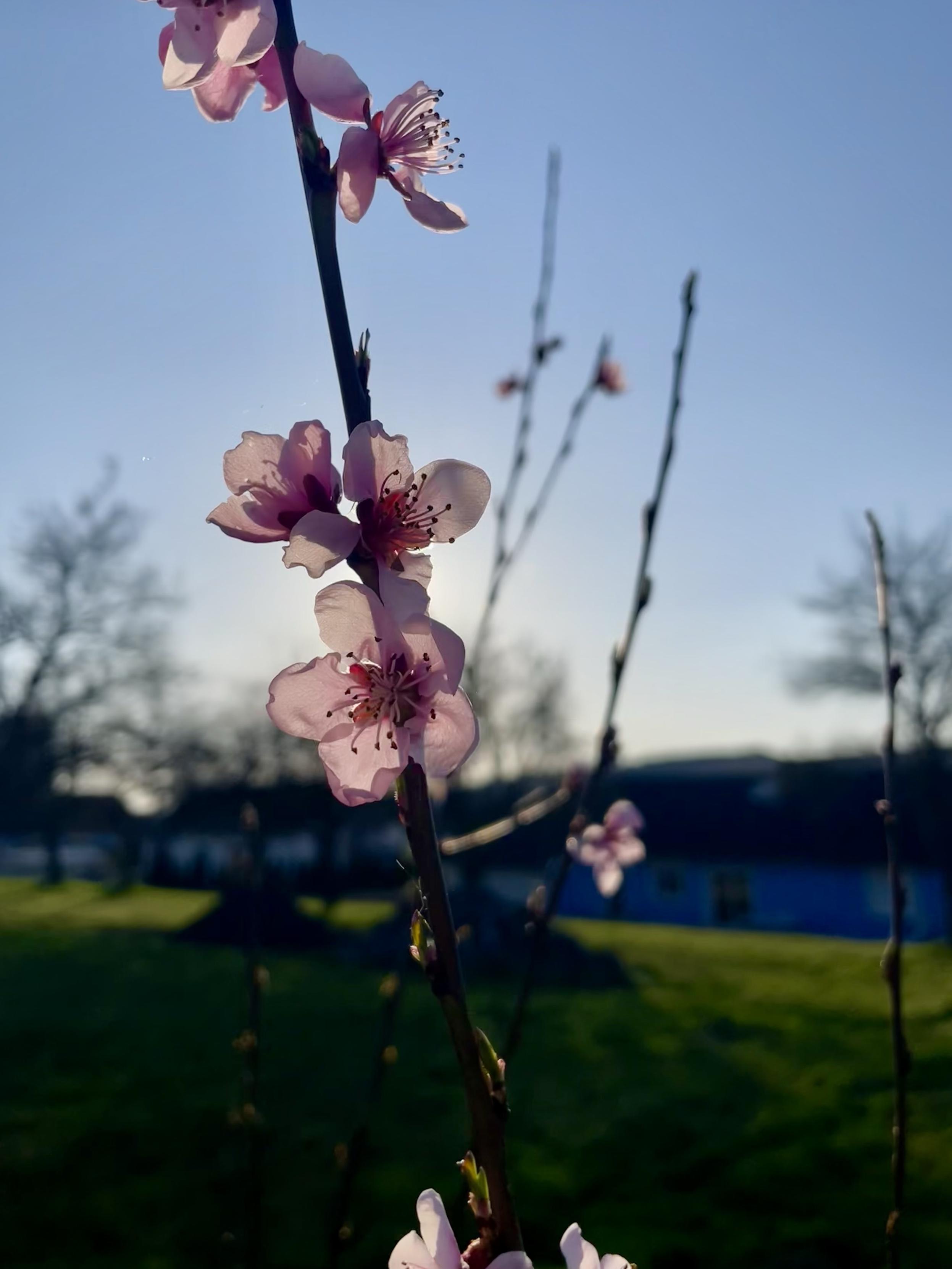
Peach blossoms.
#BloomScrolling #PinkFlowers #FruitBlossom #PeachBlossom #SpringFlowers #SpringBlooms #April14 #flowers #florespondence #FlowersOfMastodon #PeachTree #Orchard
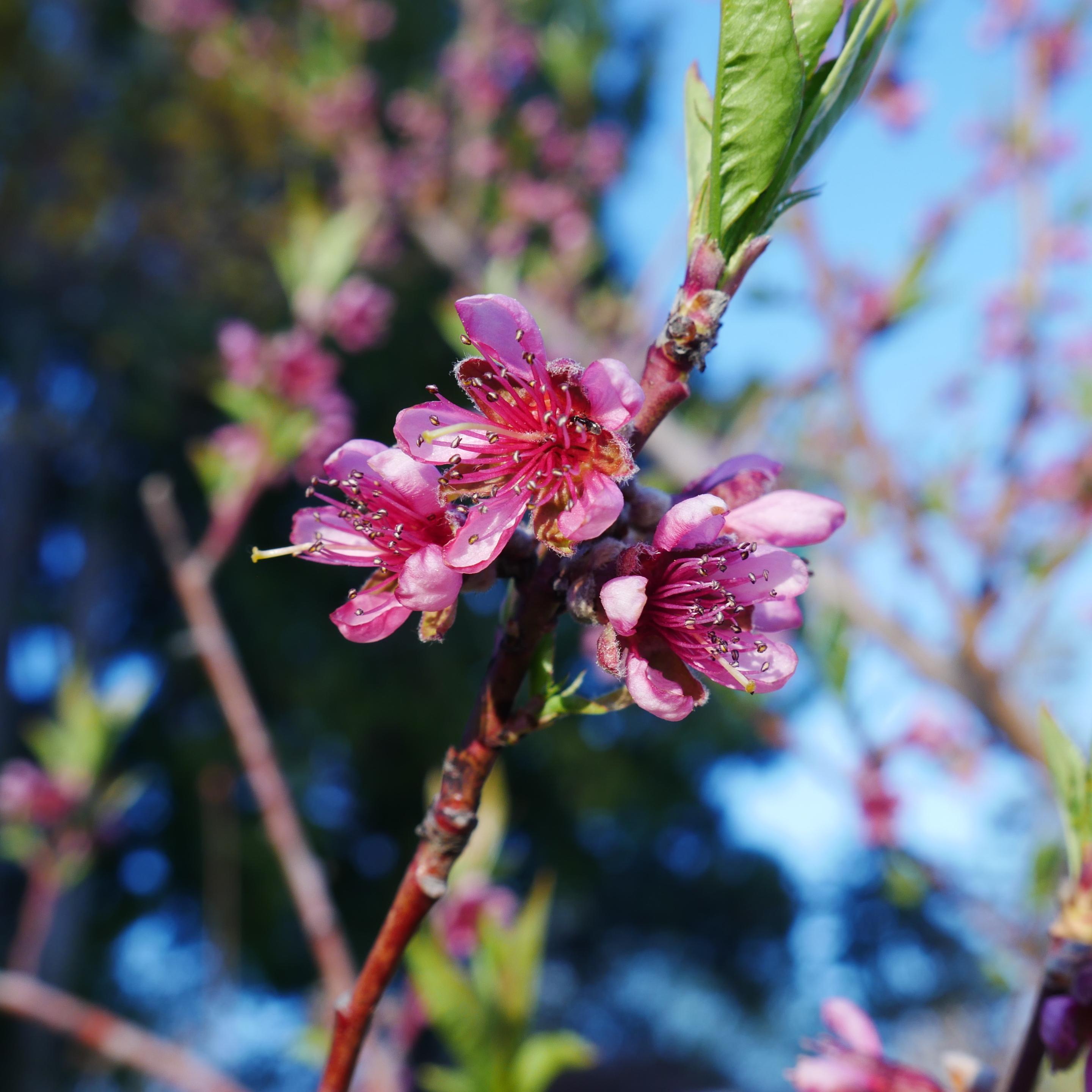
Beaucoup de fleurs attentives sur les pêchers inoxydables cette année. Le soleil en témoins caché derrière les pétales. #flower #peachtree #fleur #pêcher
April 06, 2025 at 09:16AM
via Instagram https://instagr.am/p/DIGK3OkI_Fh/