The unprecedented surge in #atmospheric #methane during the early 2020s was primarily driven by a temporary decline in #hydroxyl (OH) radicals, which reduced the atmosphere's ability to break down the gas, coupled with increased natural emissions from wetlands due to wetter #climate conditions.
#AtmosphericChemistry #Biogeochemistry #Chemistry #Environmental #EarthScience #sflorg
https://www.sflorg.com/2026/02/chm02092601.html
#Biogeochemistry
Edward Smith Deevey Jr. (3 December 1914 – 29 November 1988), born in #AlbanyNewYork, was a prominent American #ecologist and #paleolimnologist, and an early protégé of #GEvelynHutchinson at #YaleUniversity. He was a creative pioneer in several areas, including quantitative #palynology, cycling of natural #isotopes, #biogeochemistry, #populationDynamics, #systematics and #ecology of freshwater #zooplankton, and he promoted the use of life tables in ecology. In 1938.

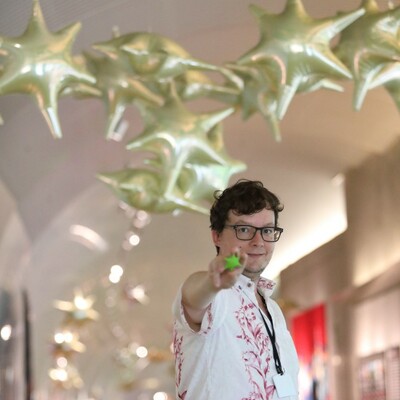
Région #Bretagne call for #postdoc fellowships is now open.
I'm happy to support any application on benthic ecosystem functioning #bioturbation #foraminifera #meiofauna #biogeochemistry #planaroptodes ...
Feel free to reach out and check out the call to check for eligibility:
https://bienvenue.bretagne.bzh/funding-opportunities/bienvenueplus/
#marinejobs #postdocFellowships

Postdoc in geomicrobiology modelling
Mediterranean Institute of Oceanography
Postdoc in geomicrobiology modelling: microbial dormancy in Earth's ecosystems and biogeochemistry
See the full job description on jobRxiv: https://jobrxiv.org/job/mediterranean-institute-of-oceanography-27778-postdoc-in-geomicrobiology-modelling/
#bioenergeticmodelling #biogeochemistry #enviro...
https://jobrxiv.org/job/mediterranean-institute-of-oceanography-27778-postdoc-in-geomicrobiology-modelling/?fsp_sid=2629

📄🔓 'A simple approach to measuring upper ocean light quality using an underwater camera' - an article published in 𝘐𝘯𝘵𝘦𝘭𝘭𝘪𝘨𝘦𝘯𝘵 𝘔𝘢𝘳𝘪𝘯𝘦 𝘛𝘦𝘤𝘩𝘯𝘰𝘭𝘰𝘨𝘺 𝘢𝘯𝘥 𝘚𝘺𝘴𝘵𝘦𝘮𝘴 on #ScienceOpen -
➡️ https://www.scienceopen.com/document?vid=c5ecaa7f-99b7-422d-a894-636918243225
#OceanLight #SolarRadiation #UnderwaterImaging #Biogeochemistry #MarineOptics

Regional long-term analysis of dietary isotopes in Neolithic southeastern Italy: new patterns and research directions
Arena,…
#dining #cooking #diet #food #Italiandiet #Biogeochemistry #Environmentalsciences #Environmentalsocialsciences #HumanitiesandSocialSciences #Italia #Italian #ItalianDiet #italiano #italy #multidisciplinary #science
https://www.diningandcooking.com/2181432/regional-long-term-analysis-of-dietary-isotopes-in-neolithic-southeastern-italy-new-patterns-and-research-directions/


I got an #OpenPosition (fully funded) for a PhD student/postdoc in #marine #biogeochemistry. As part of the MARBEDS project, we are looking for someone to study #seafloor fluxes and their interactions with #microbial communities in #biodiversity hotspots.
Contact me if you would like more details.
(Was hoping to post this in June, but getting the ducks in a row took a while)

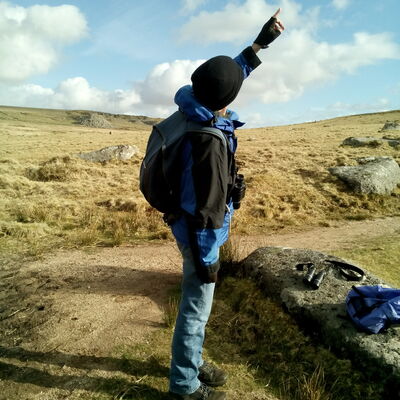
BOGS 2025 is over. Prizes have been given for the Archie Douglas Award best oral presentation and also runner up oral and best and runner up poster presentation. Fear not, we will return and BOGS 2026 will be hosted at Sheffield Hallam sometime in July 2026... watch this space!
#BOGS2025 #BOGS2026 #OrganicGeochemistry #BioGeoChemistry #geochemistry
And now to the fifth and final scientific session of BOGS 2025. Presentations include: intra-crystalline protein decomposition in fossil shells, using constructed wetlands to address wastewater pollution and primary productivity at the Cretaceous-Paleogene boundary.
#BOGS2025 #OrganicGeochemistry #BioGeoChemistry #geochemistry
After an enjoyable happening last night, the second day and fourth session of BOGS 2025 includes presentation on: wild resource exploitation in Neolithic Europe using biomolecules, oxytetracycline removal from wastewater, understanding coral reef collapse from biomarkers and effect of agricultural plastics on microbial communities.
#BOGS2025 #OrganicGeochemistry #BioGeoChemistry #geochemistry
For the final BOGS 2025 presentation of the day, we have a plenary given by Gordon Inglis - Hopane for the best: developing novel geochemical proxies using bacterial hopanoids.
#BOGS2025 #OrganicGeochemistry #BioGeoChemistry #geochemistry
Now on to the second poster introduction session of BOGS 2025 with short presentations of eight posters. Again, a diverse range of studies being reported.
#BOGS2025 #OrganicGeochemistry #BioGeoChemistry #geochemistry
In the third session of BOGS 2025, we'll have presentations on: isotope analysis of pyrolysates from proteins in paintings, removal of reactive dyes from wastewater and peat core multiproxy investigation of Pleistocene climate. Diverse but linked by the analytical tools being used.
#BOGS2025 #OrganicGeochemistry #BioGeoChemistry #geochemistry
Including fatty acids and isotopes in snow petrel stomach oil deposits. Fantastic!
#BOGS2025 #OrganicGeochemistry #BioGeoChemistry #geochemistry
Followed rapidly by the first poster introduction session of BOGS 2025. Short presentations of eight posters. No let up in the diversity here either!
#BOGS2025 #OrganicGeochemistry #BioGeoChemistry #geochemistry
Second session of BOGS 2025 meeting included: GDGT distributions in Oligocene marine sediments, Py-GCMS characterisation of climate smart fertiliser reconstructing Devonian pCO2using biomarkers and isotopes. Consolidating the range of methods and topics being used.
#BOGS2025 #OrganicGeochemistry #BioGeoChemistry #geochemistry
First session of 2025 British Organic Geochemcal Society meeting, hosted by Bristol OGU, just finished. Topics included Py-GCMS & FTIR characterisation of plastic particles, methionine methylation of brGDGTs, food transport through lemur using deuterium label and HRMS for forensic profiling of soils. A fantastic broad range of topics.
#BOGS2025 #OrganicGeochemistry #BioGeoChemistry #geochemistry

7.8: Why Do These Cancelled Science Grants Matter?
In this episode, Christina talks to Dr Gabriel Filippelli - one of the first scientists to have a running project canceled by the Trump administration. This fascinating interview reveals just how important internationally these American grants can be, and Dr Filippelli passionately describes this unprecedented attack on science and education and what we all lose when the work that scientists do grinds to a halt or is extremely politically curtailed. It's important, he tells us, to support the institutions that you care about and are vital to the continued knowledge of how to survive our climate-changed future.
Dr Filippelli is the Chancellor’s Professor of Earth Sciences at Indiana University Indianapolis and the Executive Director of the Indiana University Environmental Resilience Institute. He works at the junction between biogeochemical cycles, climate change, and human health.
Dr Filippelli has also written the book Climate Change and Life: The Complex Co-evolution of Climate and Life on Earth, and Beyond, which explores Earth's ecological resilience to the great changes in climate that have occurred over the history of the Earth. He was also part of the driving force behind Climate Change and Resilience in Indiana and Beyond, which details local efforts to reduce the risks and lessen the harmful impacts of climate change, as well as prepare for the unavoidable consequences of climate change.
#solarpunk #podcast #SolarpunkPresentsPodcast #Season7 #Episode #science #ResearchGrants #AmericanPolitics #USPolitics #DOGE #BioGeoChemistry #USAID #Academia #AcademicResearch #AcademicFunding @academicchatter #Resilience #ClimateChange #AirQuality

Let's talk about whales! 🐳
I usually speak mainly about the potential role of human urine and feces as fertilizer for agriculture because humans are the only species to actively mishandle excreta.
But obviously, the excreta of various animals also play important roles in natural cycles ♻️
Many people might know that seabirds compensate some of the nutrient loss to the sea since they hunt fish at sea but excrete on land
But of course, the bigger the animal, the larger the amount of nutrients they can transport.
A recent study looks at whales and the role they play moving nutrients around, as they feed in a region, then migrate and pee in another!
https://www.nature.com/articles/s41467-025-56123-2
In fact they contribute more to nutrient transport than birds and natural phenomena and could be a dominant factor in some marine biogeochemical cycles, thus regulating local carbon cycle and biodiversity. In the past, before we hunted them down, whale pee might have shaped entire ecosystems...
#nitrogen #pee #whale #whales #ocean #urine #biogeochemistry #carbon #scicomm
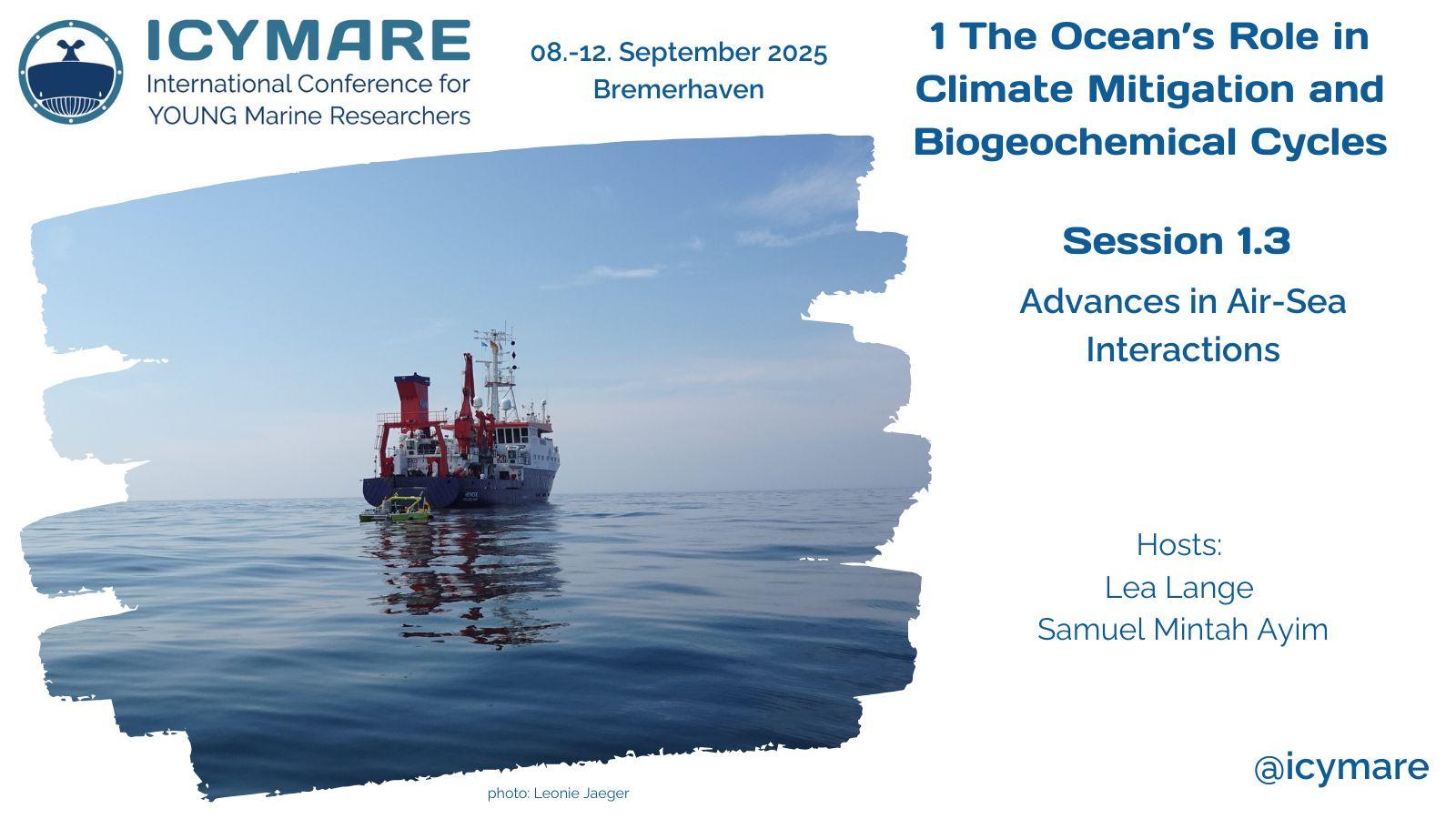
Session 1.3 Advances in Air-Sea Interactions is hosted by Lea Lange and Samuel Mintah Ayim
Submit your abstract now to join #ICYMARE2025
https://www.icymare.com/about-the-conference/call-for-abstracts/
#airseainteraction #bluecarbon #callforabstracts #icymare #earlycareerconference #marinscience #oceanscience #oceandecade #biogeochemistry #carbonmitigation
Client Info
Server: https://mastodon.social
Version: 2025.07
Repository: https://github.com/cyevgeniy/lmst