#BreakTheStigma

Sofia JadeSofia3232
2025-12-26

What does a gambling addiction really look like? Going for Broke reveals the personal struggles, impact, and raw truth behind addiction, inspiring awareness and understanding.
mattsheabooks.net/going-for-br

Bryan (he/him) 🇺🇸 🏳️‍🌈resplendent606@climatejustice.social
2025-12-21

Please stop using "Bipolar" as an adjective.

Have you ever heard someone say, "Watch out for him today, he's being so bipolar" or "My boss is being so bipolar" or even "I can't decide which shoes to buy, I'm being so bipolar about it"?

While it might seem like a harmless figure of speech, it is actually a form of casual ableism.

Here is why:

1) It trivializes a disability. Bipolar disorder isn't just "changing your mind" or "being moody." While everyone experiences ups and downs, Bipolar disorder involves physiological shifts in energy, sleep, and judgment that are often beyond a person’s control. It is a complex mental health condition involving intense manic and depressive episodes that can impact every aspect of a person’s life.

A manic episode is not just "being happy." It can involve a dangerous loss of touch with reality, racing thoughts, and physical exhaustion. A depressive episode is not just "being sad." It is a debilitating clinical state that can make basic survival feel impossible. When we use the word casually, we erase the immense effort it takes for folks to manage these extremes.

2) It reinforces stigma. Using the diagnosis to describe something "unpredictable" or "annoying" suggests that people with the condition are inherently difficult, "crazy," or erratic. The stereotype forces many people into silence.

The truth is, you likely know someone with bipolar disorder, like a colleague who never misses a deadline, a friend who is a pillar of support, or a family member who is incredibly high-functioning. Because of the way the word is thrown around as an insult, they often have to hide their diagnosis to avoid being judged by tropes you’re using. When you use the word casually, you are telling those people that you view their identity as a negative trait.

3) It erases the reality. When "bipolar" is used as a joke, it creates an environment where people living with the condition feel they can’t be honest about their struggles. If the word is always associated with being "dramatic" or "moody" in your social circle, a person experiencing a genuine crisis will likely stay silent to avoid being seen as a stereotype. It turns a medical necessity into a social risk. When we stop using the word as a punchline, we open the door for real, life-saving conversations. Language is the environment we live in. When we use clinical terms as insults, we make the environment toxic for the people who actually need those terms to describe their lives.

If you learned something new from this post or would like to help spread awareness, please share it. We should work together to make our language more inclusive. Have you ever experienced this kind of ableist language in your daily life? Whether you’ve been the one hearing it or the one who realized they needed to change their vocabulary, I’d love to hear your thoughts.

Image: From Gerd-Altmann/Pixabay

#LanguageMatters #EndTheStigma #BreakTheStigma #CasualAbleism #BipolarAwareness #MentalHealthMatters #MentalHealthAwareness #Ableism #InclusiveLanguage #SelfCare #Psychology #BipolarDisorder #Bipolar #VisibleNonApparent #Neurodiversity

An image showing people of different shapes and colors.
Athanasiaamelia13
2025-12-10

🌿 Mental illness often hides behind quiet smiles and daily routines — “The Silent Struggle” on Plubeck explores the hidden pain many carry and the urgent need for empathy, awareness, and support.
🔗 plubeck.com/the-silent-struggl

think and growtgeastuart1
2025-11-26

The truth about addiction is that it’s not a weakness it’s a signal. Healing begins when you reach out, get support, and replace shame with understanding. Recovery is possible, one step at a time.
de320.isrefer.com/go/startsqac
 

Shannon Meilak - Advocateskmeilak@aus.social
2025-11-21

It has been over a week now since All In was announced as Best New Program at the Antenna Awards. As the excitement of the night settles, the true weight of this achievement is only now beginning to sink in.

We didn’t just take home a trophy; we took home a moment of pride, a moment of genuine recognition for a community that is so often unheard. This win stands as testament to our ongoing fight to be seen, to the determination that carries us through barriers and setbacks, and to the courage it takes to share our most personal and painful experiences with honesty and vulnerability. We do this not only to help non-disabled people better understand us, but to validate those who travel this path with us.

Representation is not a buzzword for us. It’s survival. It’s dignity. It’s the difference between being endlessly spoken about versus finally being heard. For marginalised disabled people who rarely see themselves reflected authentically, this recognition matters. It says; your stories are worthy, and the world needs what you bring. It honours the pride within our disability community, a pride that has been fought for and reclaimed over generations.

I want to express my heartfelt thanks to every single person involved in bringing this project to life — to the guests who bravely shared their stories, insights, and lived experiences, to the hosts and crew who poured their talent and heart into every moment. Special thanks to Eliza Hull, Attitude Foundation, and Powerd Media for making this show possible. And finally, to C31 Melbourne; thank you for welcoming us with open arms, for recognising the importance of authentic storytelling, and for supporting our community with genuine respect. None of this would have been possible without each of you, and what you have done for me and for so many others like me, means more than words can express.

To every person in our community who feels they are not “enough” in any way, this win is proof of your power, even in the moments you don’t feel it. To everyone who has ever felt invisible or underestimated — this award is for you. It’s for us.

#VisibilityMatters #EquityInMedia #BreakTheStigma

Sunday Hot Topic: The Courage to Prioritize Mental Health – Lessons from Simone Biles

In the high-stakes world of competitive sports, athletes are often idolized for their physical prowess, resilience, and mental toughness. Yet, when Simone Biles made the unprecedented decision to withdraw from the Tokyo Olympics to prioritize her mental health, she faced a barrage of criticism that illuminated a deeper societal issue: the pervasive stigma surrounding mental health.

Simone Biles, a trailblazer in gymnastics, has consistently demonstrated exceptional skill and strength. Her decision to step back during the Olympics was not a sign of weakness but a testament to her courage and strategic thinking. However, the public’s response to her choice revealed an unsettling reality about how mental health is perceived.

The Backlash and Its Implications

The backlash against Biles was swift and harsh. Critics labeled her actions as “quitting,” “letting her team down,” or “being lazy,” ignoring the immense pressure and psychological toll that comes with being at the pinnacle of a sport. These comments not only undermined her bravery but also perpetuated harmful stereotypes about mental health.

The stigma surrounding mental health is deeply rooted in the belief that taking a break or seeking help is a sign of frailty. This stigma is particularly pervasive in high-pressure environments where the expectation to “push through” is glorified. Biles’ decision challenged this narrative, showcasing that true strength lies in recognizing one’s limits and prioritizing well-being.

Breaking the Stigma

Simone Biles’ actions have sparked a crucial conversation about mental health in sports and beyond. By publicly addressing her struggles and making the difficult decision to withdraw, she has helped to destigmatize mental health issues and encourage others to seek help when needed.

This shift in narrative is essential. It reminds us that mental health is just as important as physical health and that taking a break to focus on mental clarity is a strategic move, not a weakness. Biles has shown that acknowledging one’s mental state and taking steps to address it is a powerful act of self-care and resilience.

The Impact on Society

The criticism Biles faced is indicative of a broader societal issue. Mental health stigma affects people from all walks of life, discouraging them from seeking the help they need. This stigma is often fueled by misconceptions and a lack of understanding about mental health conditions.

Biles’ decision to prioritize her mental health serves as a powerful example for individuals facing similar struggles. It encourages people to listen to their minds and bodies, and to seek support without fear of judgment. Her actions remind us that it is okay to take a step back and focus on self-care.

Moving Forward

As we continue to celebrate Simone Biles for her athletic achievements, we must also commend her for her advocacy for mental health. Her courage to step back has set a precedent that mental wellness is paramount and that prioritizing it should be normalized and respected.

We must work collectively to dismantle the stigma surrounding mental health. This involves open conversations, education, and empathy. By doing so, we can create an environment where individuals feel supported in seeking help and taking breaks when necessary.

Simone Biles has shown us that mental strength is not about pushing through at all costs but about knowing when to pause and take care of oneself. Let us honor her legacy by continuing to advocate for mental health awareness and breaking down the barriers that prevent individuals from seeking the care they need.

When was the last time you took a break?

Conclusion

Simone Biles’ decision to withdraw from the Tokyo Olympics to prioritize her mental health was a bold and strategic move that challenged societal norms. The backlash she faced highlights the persistent stigma surrounding mental health, but her courage has also ignited an important conversation. By recognizing and addressing our mental health needs, we can build a stronger, more resilient society. Let us continue to support and celebrate those who prioritize their well-being just as we celebrate their physical achievements.

Want to Digest this Topic Some More?

Listen to Season 4’s July theme of the Have a Cup of Johanny (HaCoJ) Podcast.

#athleteMentalHealth #breakthestigma #mentalClarity #MentalHealth #mentalHealthStigma #mentalWellness #MentalHealthAwareness #Resilience #selfCare #SimoneBiles #SimoneBiles #sportsPsychology #TokyoOlympics

Pinterest pin titled "The Courage to Prioritize Mental Health: Lessons from Simone Biles" featuring a silhouette of a head surrounded by crumpled paper, symbolizing the struggle and importance of mental wellness.Pinterest pin titled "The Courage to Prioritize Mental Health: Lessons from Simone Biles" featuring a silhouette of a head surrounded by crumpled paper, symbolizing the struggle and importance of mental wellness.
The Urban Heraldtheurbanherald
2025-11-03

60 men die by suicide every hour. Yet most never discuss their mental health. Movember changes that narrative—one conversation, one moustache, one life at a time. Join the movement. Read why this November matters!
theurb.co/movember-2025

Tom's Hardware Italiatomshw
2025-10-02

🧠 Scoperta rivoluzionaria: l'autismo è molto più complesso di quanto pensavamo. Il mistero si infittisce, stimolando nuove ricerche.

🔗 tomshw.it/scienze/autismo-iden

2025-09-07

. Irony alert: CEOs—seen as super-connected—often feel more disconnected than ever. True leadership isn't just about success; it's about balancing achievement with emotional fulfillment. #CEOlife #LeadershipChallenge #MentalHealthMatters #ExecutiveLoneliness #BusinessLeaders #BreakTheStigma (2/2)

Lorenzo 'kelset' Sciandrakelset@mastodon.online
2025-09-01

on a more serious note: September is Suicide Prevention Month.

"Reach out to those around you, ask how they are doing, and listen without judgment. Sometimes, a simple conversation can make a world of difference in someone’s life."

#BreakTheStigma

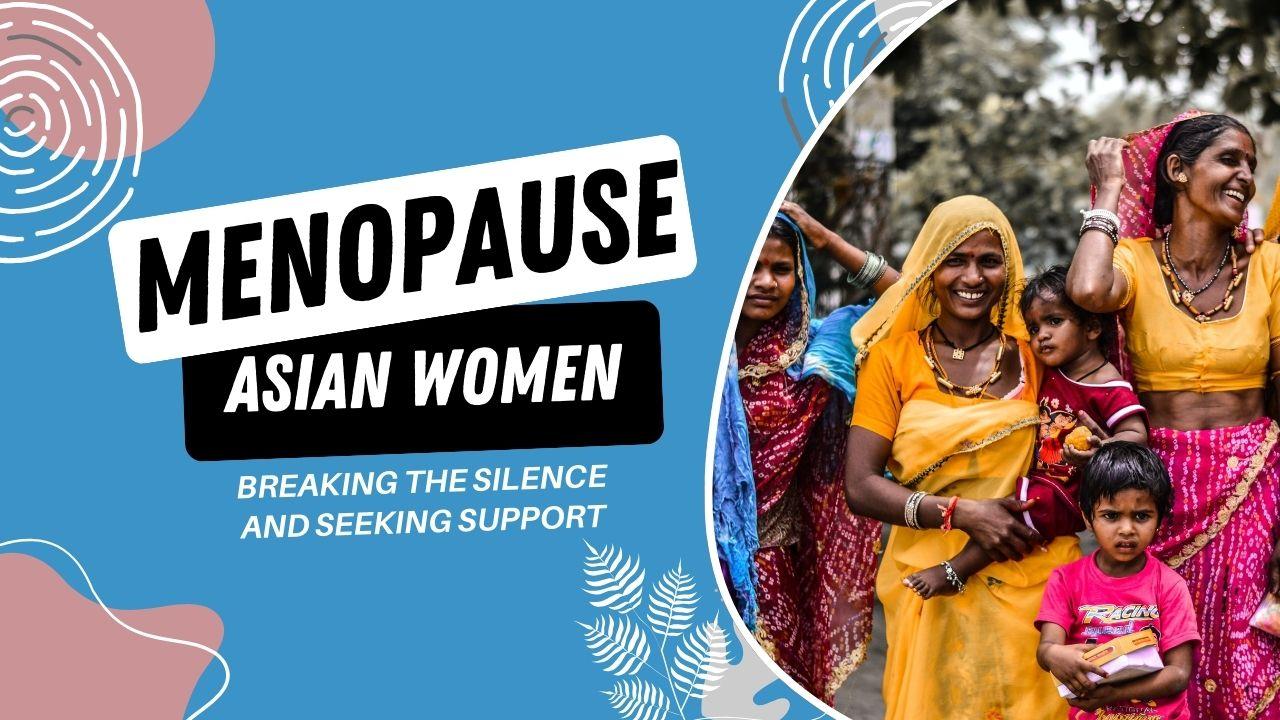
Don't suffer in silence. Menopause is a natural part of life, deserving of discussion and support. Learn how breaking the stigma can lead to better health outcomes. 💪

Client Info

Server: https://mastodon.social
Version: 2025.07
Repository: https://github.com/cyevgeniy/lmst