
«Our words matter: Advancing inclusive language and a human rights-based approach to criminal justice at the United Nations»
🗓️ Friday 9th #Jaunuary2026
🕞 15:30–16:30 CET / 🕝 14:00–15:30 UTC
📍 N/A (Zoom)
✍️ Registration
🧵 #Events #Online #UN #IDPC #HumanRights #CriminalJustice #InclusiveLanguage
RE: https://bsky.app/profile/did:plc:ajmxpe4n2lhi7s4tou4iloyr/post/3mbopjrfdxx2y
#InclusiveLanguage

I'm sending out a newsletter on Monday chock full of really cool opportunities to learn and have fun as a writer (both free and paid); care to sign up? I send one every other month and always include a corgi photo :) https://process-and-product.beehiiv.com/subscribe
@edibuddies, @writers, #Writing, #Editing, #WritingAdvice, #WritingCraft, #QueerWriters, #Romancelandia, #FictionWriting, #SelfPublishing, #InclusiveLanguage, #ConsciousLanguage

Please stop using "Bipolar" as an adjective.
Have you ever heard someone say, "Watch out for him today, he's being so bipolar" or "My boss is being so bipolar" or even "I can't decide which shoes to buy, I'm being so bipolar about it"?
While it might seem like a harmless figure of speech, it is actually a form of casual ableism.
Here is why:
1) It trivializes a disability. Bipolar disorder isn't just "changing your mind" or "being moody." While everyone experiences ups and downs, Bipolar disorder involves physiological shifts in energy, sleep, and judgment that are often beyond a person’s control. It is a complex mental health condition involving intense manic and depressive episodes that can impact every aspect of a person’s life.
A manic episode is not just "being happy." It can involve a dangerous loss of touch with reality, racing thoughts, and physical exhaustion. A depressive episode is not just "being sad." It is a debilitating clinical state that can make basic survival feel impossible. When we use the word casually, we erase the immense effort it takes for folks to manage these extremes.
2) It reinforces stigma. Using the diagnosis to describe something "unpredictable" or "annoying" suggests that people with the condition are inherently difficult, "crazy," or erratic. The stereotype forces many people into silence.
The truth is, you likely know someone with bipolar disorder, like a colleague who never misses a deadline, a friend who is a pillar of support, or a family member who is incredibly high-functioning. Because of the way the word is thrown around as an insult, they often have to hide their diagnosis to avoid being judged by tropes you’re using. When you use the word casually, you are telling those people that you view their identity as a negative trait.
3) It erases the reality. When "bipolar" is used as a joke, it creates an environment where people living with the condition feel they can’t be honest about their struggles. If the word is always associated with being "dramatic" or "moody" in your social circle, a person experiencing a genuine crisis will likely stay silent to avoid being seen as a stereotype. It turns a medical necessity into a social risk. When we stop using the word as a punchline, we open the door for real, life-saving conversations. Language is the environment we live in. When we use clinical terms as insults, we make the environment toxic for the people who actually need those terms to describe their lives.
If you learned something new from this post or would like to help spread awareness, please share it. We should work together to make our language more inclusive. Have you ever experienced this kind of ableist language in your daily life? Whether you’ve been the one hearing it or the one who realized they needed to change their vocabulary, I’d love to hear your thoughts.
Image: From Gerd-Altmann/Pixabay
#LanguageMatters #EndTheStigma #BreakTheStigma #CasualAbleism #BipolarAwareness #MentalHealthMatters #MentalHealthAwareness #Ableism #InclusiveLanguage #SelfCare #Psychology #BipolarDisorder #Bipolar #VisibleNonApparent #Neurodiversity

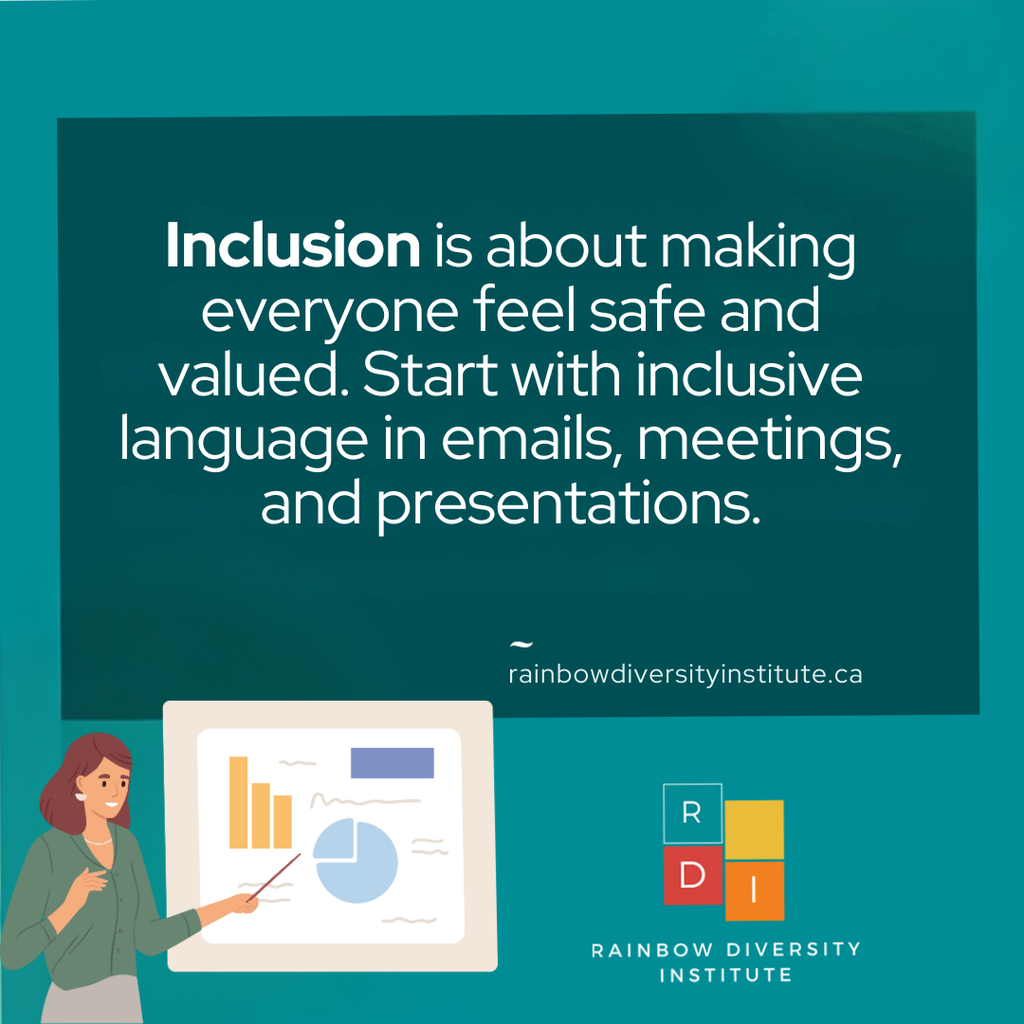
🌈 Inclusive Communication Matters 🌈
Make everyone feel safe and valued by using inclusive language in emails, meetings, and presentations:
📝 Use gender-neutral terms 💬 Avoid assumptions 📚 Be mindful of cultural references 🌈 Use person-first language 💡 Encourage open dialogue
#RDI #RainbowDiversityInstitute #Inclusion #Equity #Diversity #InclusiveLanguage
Interested in learning about #InclusiveLanguage and storytelling in #fiction? Sign up for tomorrow's webinar with Tanya Gold and Eliot West for tips to help you support authors in creating more inclusive stories and authentic non-binary gender representations: https://webinars.editors.ca/upcoming_webinar/beyond-the-gender-binary-editing-for-more-inclusive-fiction/
(Image copyright: megaphone by liravega258 © 123RF.com, laptop/notebook by yupiramos © 123RF.com)
#Editing #EditingAdvice #EditingTips #ProfessionalDevelopment

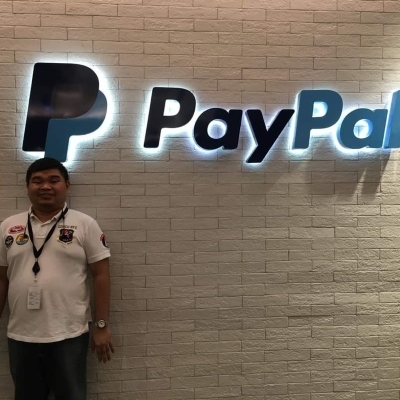
Warning, very long post ahead.
I’m Aaron John Dizon, the person Howie Severino mentioned in his recent essay. He used my feedback on ableist language to explore a broader point, and while I welcome the conversation, it missed the deeper message of my advocacy.
Let me start by saying this straight:
I’M BLIND, AND I’M PROUD OF IT.
Being blind doesn’t mean I’m lost, stupid, or incapable of thinking for myself. So, when people use “blind” as a negative word, like “blind faith” or “blind obedience”, it hits differently. It’s not just a figure of speech. It’s a reflection of how society still connects blindness to ignorance.
Now, to be clear, I am not against the word blind. I am not trying to avoid it. In fact, it’s the exact opposite. I embrace it. I use it. I introduce myself as blind with pride. Even to my own three-year-old son, who might not yet understand what blindness fully means, I make it clear: Mama and Dada are blind. And he gets it — he knows we don’t see like most people do, but he also knows that doesn’t make us less. We move, we love, and we live fully. That’s the kind of understanding I want to grow in him, that blindness is not a curse, not a defect, not something to be pitied. It’s just a part of who we are, and we’re proud of it. I love the word because it’s part of who I am, and it represents my strength, my independence, and my truth.
What I don’t accept is when people use blind to mean something negative, when it’s used to describe people who refuse to think, who follow without question, who ignore what’s wrong. That’s not what being blind means. So, when someone says “it’s just a metaphor,” that’s where I draw the line.
In that essay, Howie quoted Aleeia saying:
“Before people react or feel hurt, they should first look at where the word comes from, what it really means, and what the speaker’s intent was. Words don’t always have the same meaning depending on the situation.”
And honestly, this is exactly the problem. That kind of statement blames the people who speak up, as if we’re too emotional, too sensitive, or too quick to be offended. It puts the focus on intent instead of impact. But intent doesn’t erase harm. You don’t get to say, “I didn’t mean it that way,” and expect that to fix the hurt. Because the truth is, when you use “blind” to describe people who don’t think or who lack awareness, you’re still reinforcing the same old idea that blindness equals ignorance. And that’s not something you can explain away with “context.”
Then she said:
“For me, hearing the word ‘blind’ in this context isn’t offensive at all. Just because a word is used doesn’t automatically mean it’s discrimination or an insult. Some people get offended right away when they hear ‘blind,’ but I think that reaction often comes from misunderstanding the context. In my case, I don’t feel insulted when someone calls me blind, because it’s simply the truth. I am blind. It’s a fact, not a negative label. And I don’t treat my blindness as a problem I need to get rid of or a weakness I have to fix.”
See, this is where it completely contradicts itself. If you say you’re proud of being blind, good, so am I. but how can you defend people using our word to describe ignorance or lack of awareness? That’s not pride; that’s permission. That’s letting others twist something we live and breathe into an insult.
True pride means defending the dignity of your identity. It means saying, “Yes, I am blind, but don’t use that word to describe what’s wrong with the world.”
Howie also wrote that he “won’t promise to stop using those expressions,” but will “try to be more thoughtful.” If you truly believe in inclusivity, you don’t try, you do better. You listen, you learn, and you stop using words that reinforce discrimination, even unintentionally.
Let’s be clear: Howie didn’t frame this as a nuanced discussion. Instead, he used Aleeia’s comfort with the word ‘blind’ to counter my advocacy, which shifted the focus from a systemic critique to a personal debate. My lived experience and call for dignity became the “issue to be balanced,” rather than the perspective that needed attention.
This is not nuance, this is a shortcut in reporting that overlooked the full context. One blind person’s personal reaction does not invalidate a systemic critique about language and representation. Using a single perspective to soften another’s lived reality does not advance understanding, it obscures it.
True journalistic responsibility would mean engaging with the advocacy at its core, not reframing it as a matter of opinion to be “balanced.” My feedback, the voice of someone directly confronting discrimination, deserves recognition, not sidelining.
And this, this is what’s wrong with how media in the Philippines has shaped public thinking for so long. We’ve been portrayed as pitiful, helpless, or inspirational objects, never as equals.
Kaya ngayon, kapag may bulag na nagsalita tungkol sa respeto at dignidad, ang dali nating sabihan ng “Uy, ang liit lang naman na issue,” or “bakit sobra kang galit?”
But no, this is not a small issue. This is exactly how discrimination survives through words, habits, and the excuses we keep making for them.
If you truly advocate for inclusivity, then you won’t defend a language that treats blindness like a defect or an insult. You’ll listen. You’ll rethink. You’ll open your eyes, ironically, that’s what real awareness means.
This isn’t about being sensitive. This is about being seen and respected, not as metaphors, but as people.
And to you, Aleeia, who is blind and supposedly understands the weight of our struggles, shame on you for defending those who use our identity as their shortcut to insult or ignorance. You, of all people, should know how it feels to live every day in a world that already misrepresents us, and yet here you are, siding with the very thinking that keeps us there. That’s not understanding. That’s betrayal. You didn’t just miss the point, you helped prove why this advocacy is needed in the first place. Because if even one of us, a blind person, can justify this kind of language, then the problem runs deeper than ignorance, it’s internalized shame. And that’s something we need to unlearn, not defend.
So yes, I’ll keep standing by what I said.
I’M BLIND, AND I’M PROUD OF IT.
But I’ll never stay silent when people, even those who share our blindness, allow the world to keep treating our word as something shameful.
— Aaron John Dizon
#Blind #ProudlyBlind #LanguageMatters #MediaResponsibility #Ableism #InclusiveLanguage #InclusionMatters #Bulag #SayTheWord #DisabilityPH #Philippines
https://www.facebook.com/share/p/17Ywx2BmQq/?mibextid=wwXIfr
Why is using inclusive language so important in the workplace?
In our new strategy-focused blog post, Senior Project Manager Felicity Miners-Jones delves into the need for documentation within the organisation, naturally building inclusivity into tools and workflows, and the power of words and communication.
Read the latest post chock-full of advice, examples, and best practices: https://tetralogical.com/blog/2025/09/09/championing-inclusive-language/

This week, I am demonstrating the sign for 'weather'. For this sign, hold both your hands in front of you with your palms facing you and wiggle your fingers towards yourself. This is great when asking children what they think the weather will be like before they go outside.
Find more signs on our website here: https://zurl.co/jsYly
🌟 Inclusive Language Policies = Better Communication! 🌟
🗣️ Promote Respect
🌍 Avoid Assumptions
📚 Educate Employees
📝 Update Materials
🤝🏽 Encourage Feedback
🌱 Continuous Improvement
#RainbowDiversityInstitute #InclusiveLanguage #Communication #Inclusion #Equity


Do you like writing-related joy, inclusion and self-kindness, fiction, and/or corgis? Subscribe to receive Process & Product every other month! https://process-and-product.beehiiv.com/subscribe
Next one's going out on Wednesday--and I have some cool classes coming up soon!
@edibuddies, @writers, #Writing, #Editing, #WritingAdvice, #WritingCraft, #QueerWriters, #Romancelandia, #FictionWriting, #SelfPublishing, #InclusiveLanguage, #ConsciousLanguage

New newsletter is on its way! Sign up for Process & Product if you like writing-related joy, tips based in values of inclusion and self-kindness, and/or corgis. https://process-and-product.beehiiv.com/subscribe
@edibuddies, @writers, #Writing, #Editing, #WritingAdvice, #WritingCraft, #QueerWriters, #Romancelandia, #FictionWriting, #SelfPublishing, #InclusiveLanguage, #ConsciousLanguage

🗣️ Words Matter! 🗣️ Ensure your language is inclusive and respectful of all identities and experiences. Here’s how:
🌈 Use gender-neutral terms
🤝🏾 Respect cultural differences
💬 Avoid stereotypes
#RDI #RainbowDiversityInstitute #InclusiveLanguage #Respect #Equity #Inclusion #Diversity

AAAARGH! I'm not at all surprised, but NIST's excellent whitepaper on Inclusive Language (NIST.IR.8366) has been withdrawn:
https://nvlpubs.nist.gov/nistpubs/ir/2021/NIST.IR.8366.pdf
This was an excellent resource that I reference all the time. I feared it would go away so I made a snapshot a few weeks back that I uploaded here: https://nygren.org/archived/NIST.IR.8366.pdf
🧠 Building a mental health app? How do you include marginalized people? Find out!
#MobileApp #IOSdev #AndroidDev #AppLocalization #Localization #l10n #InclusiveLanguage #FirstPersonLanguage #ActuallyAutistic #Neurodivergent #App

New important scientific paper by @AndyPerfors, @spiantado and #CelesteKidd: "Trans-inclusive gender categories are cognitively natural"
Link to the journal:
https://www.nature.com/articles/s41562-023-01657-y
Non-paywalled link:
https://perfors.net/files/2023/PerforsPiantadosiKidd23.pdf
#cdcCensorship, #cognitiveScience, #science, #gender, #transgender, #pregnantPerson, #pregnantPeople, #LGBT, #LGBTQIA, #queer, #transsexual, #nonBinary, #enby, #assignedMaleAtBirth, #amab, #assignedFemaleAtBirth, #afab, #dei, #inclusiveLanguage, #humanRights
Decolonising language : master-slave
I recall being told about a better phrase to use than master-slave for dependencies, but I can't recall what it was. Google isn't helping. Any ressources?
Ever had a doubt about how to do Inclusive Language in French? 🤔Then this is for you.
Charlotte Marti, Inclusive French Translator and Communication Expert, will be speaking at our free webinar «Langage inclusif en français. LVMH et 2 expertes partagent leurs outils et bonnes pratiques.»
If you have questions how to implement Inclusive Language in French, this webinar is for you. Register here, it’s free https://www.witty.works/fr/webinaire?utm_campaign=thought%20leader&utm_content=196157119&utm_medium=social&utm_source=mastodon&hss_channel=lis-GXK2MpchTz
#LangageInclusif #Français #InclusiveLanguage #DiversitéInclusion
As a sort of follow-up to the Translation Tribulations Substack guest post on #InclusiveLanguage, we tackle some challenges of non-gendered language in German. It can get crazy with seven... no eight options that I know of.
https://open.substack.com/pub/memoquickies/p/non-gendering-german?r=3vfy5m
While you're waiting for the new fall #EditorsCanada webinar lineup (coming soon!), why not check out some past sessions you may have missed? See our full selection of recordings on #editing topics like #marketing, #AI, #inclusivelanguage and more: https://webinars.editors.ca/webinar-recordings/
(Image copyright: https://www.123rf.com/profile_liravega258)


#ICYMI: The July edition of The #ConsciousLanguage Newsletter includes:
• Why We Shouldn’t Call Trump a “Criminal”
• Stop Saying “Conservative” When You Mean Fascist
• Words Such as Racist Slurs Can Literally Hurt—Here’s the Science
✅ Read and subscribe: https://mail.consciousstyleguide.com/p/conscious-language-newsletter-july-2024
#AmEditing #Copyediting #Copyeditors #WritingCommunity #ConsciousStyleGuide #ConsciousStyle #InclusiveLanguage #ConsciousLanguage #Newsletter
Client Info
Server: https://mastodon.social
Version: 2025.07
Repository: https://github.com/cyevgeniy/lmst