
#SciencePodcast #Neuroscience #AIethics #ClimateAction #CognitiveScience #Neuroplasticity #SystemicChange #PublicHealth #IndoorAirQuality #BehavioralScience #EvidenceBasedPolicy #SocialNeuroscience #PolicyAdvocacy
#EvidenceBasedPolicy

Hoy compartimos una carta firmada por más de 2100 científiques sobre la urgencia de alcanzar la neutralidad climática y qué representa como oportunidad en Europa.
https://doi.org/10.5281/zenodo.17399531
#ScienceForPolicy #EU2040Target #ClimateAction #EvidenceBasedPolicy #Decarbonisation #EUCompetitiveness #EuropeanGreenDeal
Conversely, analyses show that delaying or diminishing this ambition would:
❌Undermine the legal and international frameworks of the EU Climate Law and the Paris Agreement.
❌Increase significantly damage to humans and economy due to passing various tipping points
❌Jeopardize Europe's strategic position as a global leader in innovation and sustainable technology.
The scientific evidence calls for policy coherence. EU decision-makers are asked to anchor the 2040 target in the established scientific consensus ensuring Europe's safety, prosperity, and credibility.
The full open letter, detailing the scientific basis for this recommendation, is publicly available.
https://doi.org/10.5281/zenodo.17399531
👉 We encourage you to read the findings and share this analysis to inform the broader policy discussion.
Thanks in particular to Charlotte Streck, Hans Pörtner, Gottfried Kirchengast, Gregor Hagedorn, Guy Peer🎗️
#ScienceForPolicy #EU2040Target #ClimateAction #EvidenceBasedPolicy #Decarbonisation #EUCompetitiveness #EuropeanGreenDeal
#S4F
Aligning EU Policy with Scientific Evidence: The Case for a 90-95% Domestic Emission Reduction by 2040.
Alongside more than 2,100 scientist colleagues from across Europe, we submitted an open letter to EU heads of state and government ahead of the European Council on 23 October this week. The message, grounded in interdisciplinary research, is unequivocal:
➡️ The EU must adopt a 2040 climate target of at least 90–95% domestic reduction in greenhouse gases.
https://doi.org/10.5281/zenodo.17399531
The primary data points supporting this position are clear. Evidence indicates that decisive decarbonisation is not only a climate necessity but a strategic economic opportunity, as it is projected to:
✅Generate cumulative savings of €850 billion on fossil fuel imports.
✅Stimulate the creation of over two million jobs in clean industrial sectors.
✅Enhance Europe's energy independence and long-term economic competitiveness.
#ScienceForPolicy #EU2040Target #ClimateAction #EvidenceBasedPolicy #Decarbonisation #EUCompetitiveness #EuropeanGreenDeal
#S4F


4/8 🔬 Evidence gap: Despite rapid adoption, longitudinal impact studies missing. Need systematic evaluation of learning outcomes, teaching effectiveness & institutional transformation over time. #EvidenceBasedPolicy #ResearchAgenda
5/9
1: New Science paper outlines critical framework for evidence-based AI policy. As AI reshapes society, policy-makers must balance innovation with responsible governance through systematic evidence generation. #AIPolicy #EvidenceBasedPolicy
2/8

The Imperative of Science Communication in the Modern Era
In today’s rapidly evolving landscape, science communication—often referred to as “SciComm”—is more critical than ever. Recent history underscores the urgency of effectively communicating scientific knowledge, especially in the face of challenges such as aggressive federal funding cuts to science under the Trump administration, persistent attacks on researchers, and a challenging atmosphere for early-career scientists. As researchers encounter heightened scrutiny and diminished support, many have sought opportunities abroad, resulting in a brain drain that threatens America’s status as a global leader in scientific innovation and literacy.
Understanding this broader context emphasizes why science communication isn’t merely beneficial—it’s essential. SciComm acts as a crucial bridge linking laboratory and field research with public policy, education, and everyday decision-making. Without effective communication, groundbreaking discoveries remain inaccessible and misunderstood, policies become misinformed, and society collectively suffers from stagnation in progress.
The Critical Roles of Science Communication
Science communication serves multiple fundamental functions within society:
1. Informing Policy Making
Policy decisions profoundly shape our society, from climate change initiatives to public health policies. Effective SciComm ensures decision-makers have accurate, accessible, and timely scientific information. Conversely, misinformation can lead to poor policy outcomes, such as inadequate responses to climate crises or ineffective health initiatives.
2. Ensuring Public Health and Safety
The COVID-19 pandemic dramatically highlighted the necessity of clear, effective science communication. Public health messages must distill complex epidemiological concepts into actionable guidelines. Miscommunication and misinformation resulted in vaccine hesitancy, skepticism about public health measures, and preventable illnesses and fatalities.
3. Promoting Democratic Engagement
Informed citizens make better decisions. By understanding science, the public can meaningfully participate in democratic processes, hold leaders accountable, and advocate effectively for science-based policies.
4. Fostering Innovation and Economic Growth
Scientific advancements fuel economic growth. Clear communication enables society to recognize the value of investing in research and development, fostering a culture of innovation essential for economic prosperity.
Navigating Contemporary Challenges
The policies under the Trump administration resulted in significant setbacks for science. Budget cuts, censorship of scientific data, and political undermining severely damaged America’s scientific ecosystem. Early-career scientists were particularly vulnerable, caught between their passion for discovery and an uncertain professional future.
Consequently, many relocated to countries more supportive of scientific endeavors. Nations like Canada, Germany, and China actively attracted American-trained talent, recognizing that investing in science and researchers directly translates to economic and intellectual strength.
Sustaining America’s Leadership in Scientific Literacy
Historically, the U.S. has positioned itself as a leader in science, yet this status is fragile without sustained effort, funding, and societal support. Maintaining leadership requires:
- Consistent and adequate funding for scientific research and education.
- Protection and support for early-career researchers.
- Open, transparent communication about the value and outcomes of scientific research.
Improving the Effectiveness of Science Communication
To effectively communicate science, especially in polarized environments, SciComm practitioners must:
- Use Clear, Accessible Language: Complexity must never overshadow clarity. Simplifying jargon helps broader audiences grasp essential concepts.
- Harness Storytelling Techniques: Humans naturally resonate with stories. Framing science through compelling narratives can engage audiences emotionally and intellectually.
- Leverage Digital Media: Platforms like YouTube, Instagram, and TikTok democratize information access. Short, engaging content or visually appealing graphics greatly enhance reach and retention.
- Encourage Dialogue: Science communication should foster questions, debate, and discussion rather than dictating knowledge from a position of presumed authority.
- Build Trust: Transparency, consistency, and honesty form the foundation of effective communication, creating trust between scientists and the public.
Communicating Human Evolution with Sensitivity to Religious Beliefs
Human evolution remains a sensitive topic in many communities where religious beliefs conflict with evolutionary science. Effective SciComm in paleoanthropology demands nuanced approaches:
- Respectful Engagement: Recognize the personal and cultural significance of religious beliefs without disparagement. Dialogue rather than debate creates respectful learning environments.
- Highlight Shared Values: Emphasizing universal human values such as curiosity, discovery, and knowledge bridges ideological divides.
- Identify Common Ground: Evolutionary science and religious beliefs often intersect positively on ethical considerations, community building, and appreciation of life’s complexity.
- Amplify Diverse Voices: Engaging communicators from varied cultural and religious backgrounds offers relatable perspectives, breaking down misconceptions.
Building Social Cohesion Through Science
Science communication doesn’t merely educate; it unites. By promoting literacy and appreciation of the natural world, SciComm fosters social cohesion rooted in evidence-based thinking. Encouraging scientific literacy at every societal level—schools, community programs, and media—enhances collective decision-making, reduces polarization, and promotes harmony.
Educational initiatives should emphasize critical thinking and scientific reasoning, enabling individuals to assess information critically and challenge misinformation. Literacy programs must directly address scientific misinformation, equipping communities with practical tools to identify and counter false claims.
Looking Ahead: Education, Literacy, and Understanding
A robust commitment to education and literacy is the cornerstone of effective science communication. Educational systems must incorporate rigorous, inclusive, and up-to-date science curricula. Prioritizing STEM education from early childhood through adulthood significantly shapes societal perspectives, fostering respect for evidence-based knowledge.
Moreover, understanding the natural world must extend beyond classrooms. Community engagement via citizen science projects, public lectures, interactive museum exhibits, and collaborative research opportunities profoundly enhances societal appreciation and understanding of science.
Conclusion
As contemporary challenges mount—political, social, environmental—effective science communication remains essential for navigating complexities. SciComm empowers informed policy-making, strengthens public health initiatives, invigorates democratic processes, stimulates economic growth, and fosters societal unity. Amid current setbacks and potential declines in scientific leadership, reinforcing our commitment to clear, engaging, and inclusive science communication is not merely advantageous—it’s imperative.
Our collective future depends on an informed, engaged society. By championing education, promoting scientific literacy, and deepening our understanding of the natural world, we build a resilient framework capable of confronting modern challenges. The path forward demands clarity, respect, inclusivity, and active engagement—hallmarks of impactful science communication. With concerted effort and dedication, science will continue to serve as a guiding force for societal advancement, resilience, and unity.
#AmericanScienceCrisis #BrainDrain #CommunicatingScience #DemocraticEngagement #EarlyCareerScientists #EducationAndLiteracy #EvidenceBasedPolicy #HumanEvolution #InclusiveScience #PublicScienceEducation #PublicUnderstandingOfScience #SciComm #ScienceAdvocacy #ScienceAndDemocracy #ScienceAndReligion #ScienceAndSociety #ScienceCommunication #ScienceFunding #ScienceInTheUS #ScienceLiteracy #ScienceOutreach #SciencePolicy #ScienceStorytelling #ScientificInnovation #ScientificIntegrity #ScientificMisinformation #STEMEducation #TrustInScience #WhyScienceMatters

Innovative editorial funding model: Pop-Up Journals
https://opensocial.at/display/59c238fc-7768-61ae-a316-51d060240177

G20 consumption patterns drive deforestation across borders. Urgent policy reforms must integrate SDGs and enforce sustainability in trade to halt ecological damage and systemic environmental degradation globally.
#Sustainability #SDGs #ClimateGovernance #PolicyForChange #G20Leadership #SystemicSolutions #DeforestationCrisis #EvidenceBasedPolicy #TradeAndSustainability #GlobalAction

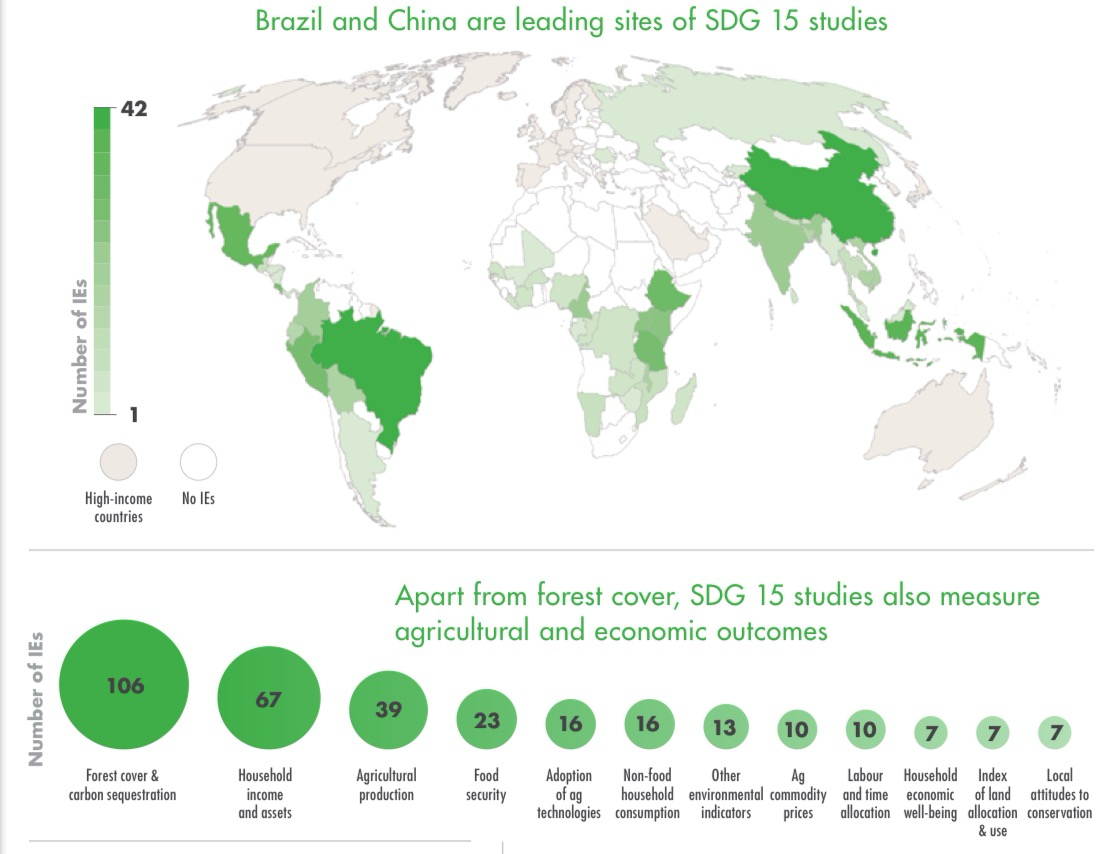
A global review on SDG 15 highlights Brazil and China’s research leadership, stressing evidence-based policies in forest conservation, rural resilience, and climate-smart agriculture to achieve sustainable land use goals.
#SDG15 #LifeOnLand #PolicyLeadership #EvidenceBasedPolicy #SustainableDevelopment #ClimateAction #GlobalCooperation #ThinkTanks #GovernanceMatters

6️⃣ The Economists Agree
Economists—left, right, and center—overwhelmingly support more immigration.
Not out of idealism, but because the data is clear: it works.
#OpenBorders #EconConsensus #EvidenceBasedPolicy #ProGrowth #ImmigrationWorks #DataDrivenDecisions #SmartPolicy #20postchallenge

https://www.theguardian.com/world/2025/mar/22/wales-20mph-speed-limit-cut-road-deaths-why-debate “sometimes it can be best to ignore the noisiest voices, and take the evidence-based course” #Wales #SafeStreets #TwentyIsPlenty #EvidenceBasedPolicy #PublicSafety

👉 𝗗𝗼𝗻’𝘁 𝗺𝗶𝘀𝘀 𝗼𝘂𝘁! 𝗟𝗲𝗮𝗿𝗻 𝗺𝗼𝗿𝗲 𝗮𝗻𝗱 𝗿𝗲𝗴𝗶𝘀𝘁𝗲𝗿 𝘁𝗼𝗱𝗮𝘆: https://impact.dataschool.nl/events/making-a-difference-societal-impact-through-collaborative-research/
#EvidenceBasedPolicy #StakeholderEngagement #PolicyInnovation #WorkshopMethodology #Conference #Collaboration
“I want us to have a building code that’s motivated by science and informed by trade-offs,” Eriksen said. “I’m worried we’re building a world that’s too expensive to live in.” https://slate.com/business/2025/02/housing-crisis-apartments-development-single-stair-reform-codes.html #SingleStair #BuildingCodeReform #Housing #Elevator #FireSafety #Science #Architecture #EvidenceBasedPolicy

‘Known unknowns’, or how to plug the gaps in public research
by @TimHarford
https://timharford.com/2024/11/known-unknowns-or-how-to-plug-the-gaps-in-public-research/

"Just a wee plea to my lefty friends not to get stuck into this idea that if you just show people enough data they will change their minds. Because this government is actively saying, 'we will erase the data'. Because it doesn't matter. It's not real to us it's not what we believe."
#StephanieRodgers (@bootstheory), 2024
https://www.1of200.nz/podcast/1200-s2e68-fast-track-next-generation

#Florida’s #SurgeonGeneral Shows the #Danger of #Politicizing #Medicine.
#JosephLadapo’s #rejection of #evidencebasedpolicy stems from #political rather than #scientific #motivations and puts #innocent # lives #atrisk
#Women #Transgender #LGBTQ #LGBTQIA #Florida #Health #Healthcare #Conservatives #Extremism #Fascism #ConspiracyTheories #RepublicanParty #ThePartyOfHate

Reality has a distinct anti-conservative bias, but conservatives have an answer: when the facts don't support your policies, just get different facts. Who needs #EvidenceBasedPolicy when you can have #PolicyBasedEvidence?
--
If you'd like an essay-formatted version of this thread to read or share, here's a link to it on pluralistic.net, my surveillance-free, ad-free, tracker-free blog:
https://pluralistic.net/2023/11/10/digital-redlining/#stop-confusing-the-issue-with-relevant-facts
1/

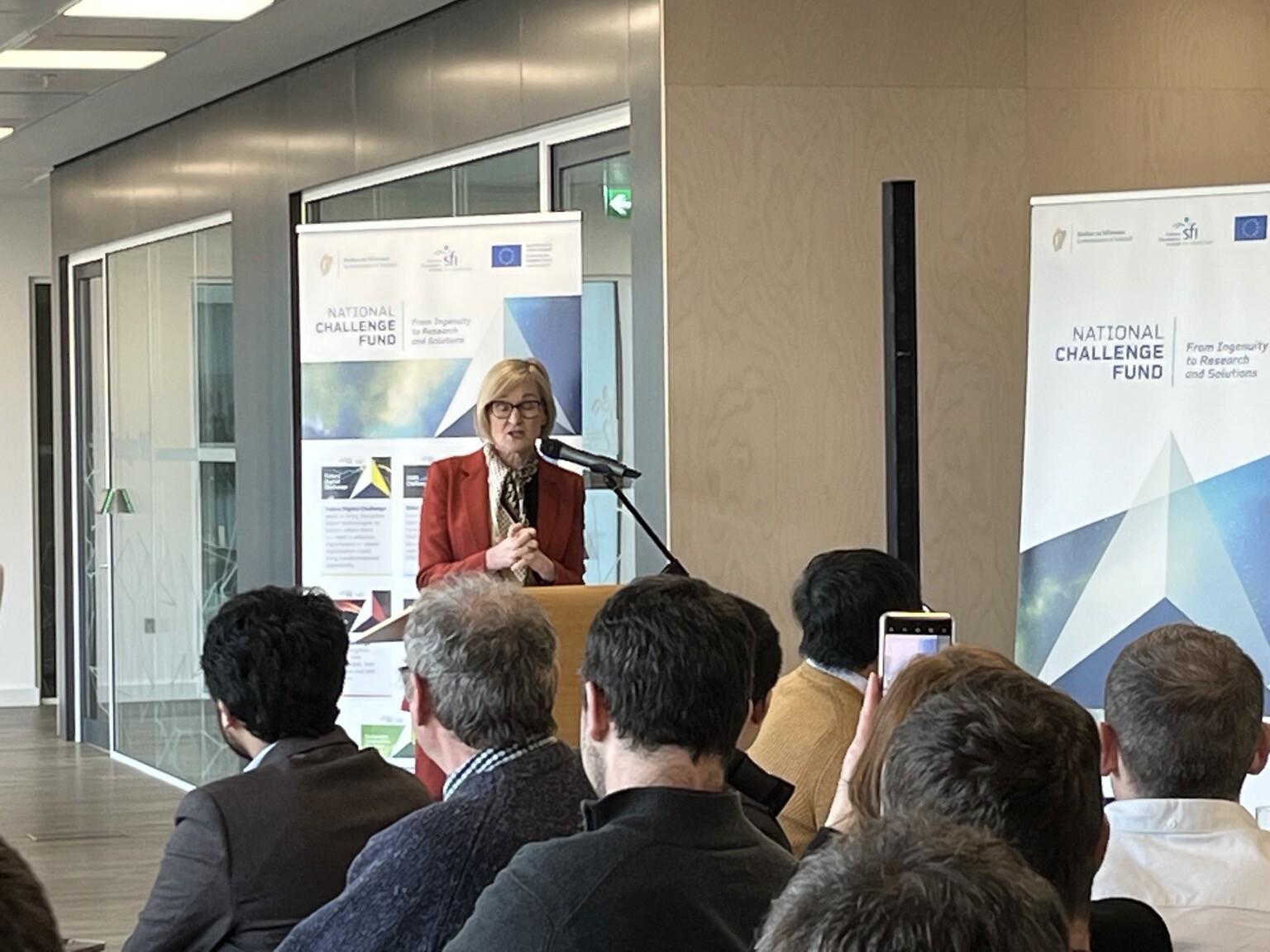
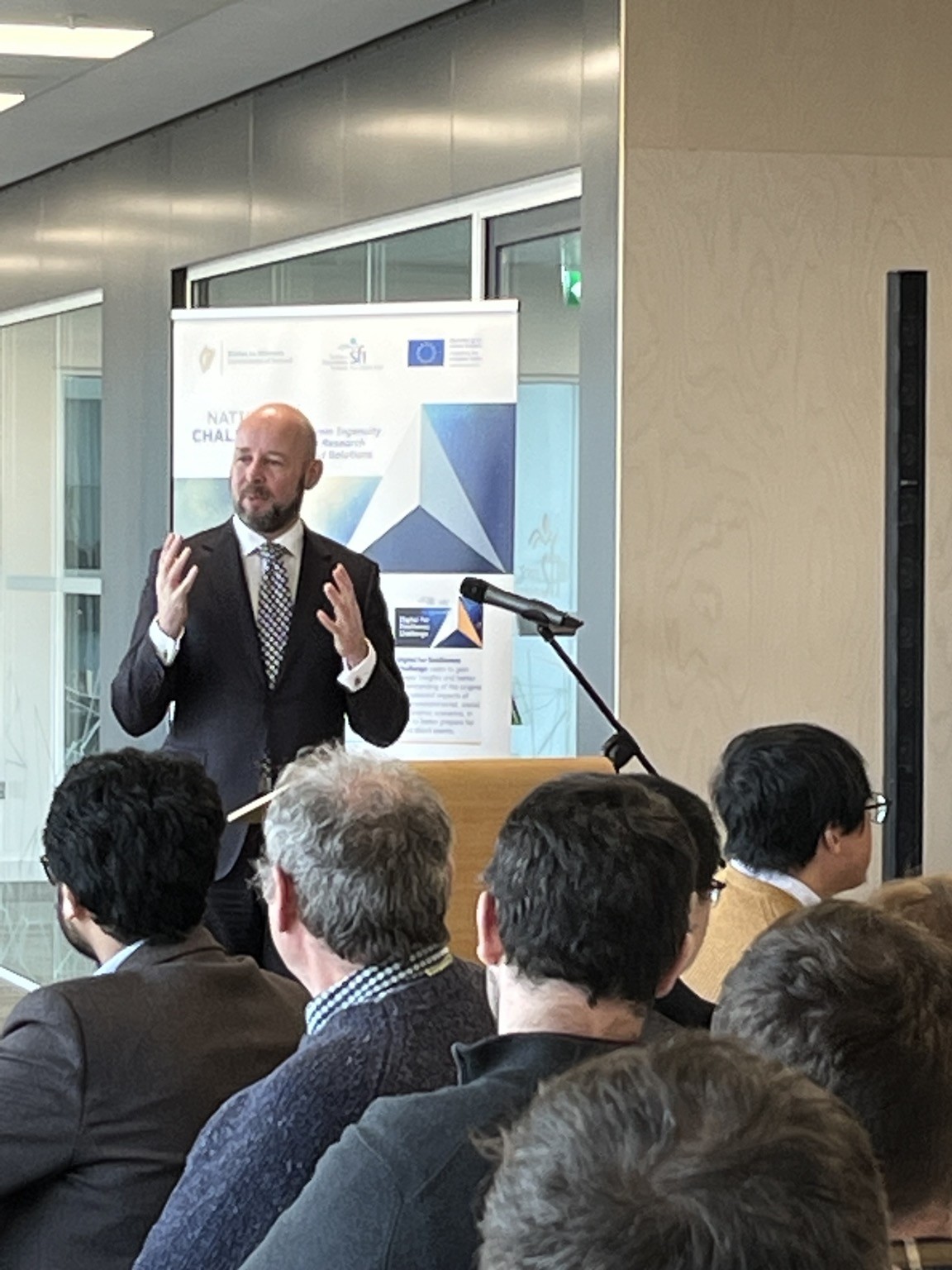
It was a really busy week in work. We started on Monday with the launch of the National Challenge Fund at #SFI. The team at CES are delivering training in Theory of Change as part of the programme, and we were in with groups on Tuesday and Wednesday. They were really fun, interactive sessions with the researchers bringing a lot into the room. #NationalChallengeFund #SFI #research #TheoryOfChange #EvidenceBasedPolicy
Client Info
Server: https://mastodon.social
Version: 2025.07
Repository: https://github.com/cyevgeniy/lmst