#HybridComputing


Gartner identifiziert die wichtigsten Trends, die sich bis 2026 auf Infrastruktur und Betrieb auswirken werden
#HybridComputing #kiagenten #Geopatriation #cloud #gartner #ki

Our university and the @LRZ_DE developed an extended sys-sage library that connects #quantum and #supercomputing systems via a #sharedinterface: http://go.tum.de/358478
#HybridComputing #HPC
@MunichQuantum
📷A. Eckert

Für das #BCBN25 am 17. Mai habe ich eine Session zum Thema #AnalogComputing eingereicht. Vielleicht interessierts ja den einen oder die andere, warum eine Technik, die nach alt und verstaubt klingt, möglicherweise die Zukunft in sich birgt. Stichworte: K.I. und Energieverbrauch! 😉 Ich bringe auch einen #AnalogComputer zum Anfassen mit, den „THAT“ („THe Analog Thing“) von #anabrid. #10JahreBCBN #Barcamp #BarcampBonn #Bonn #HybridComputing #Arduino
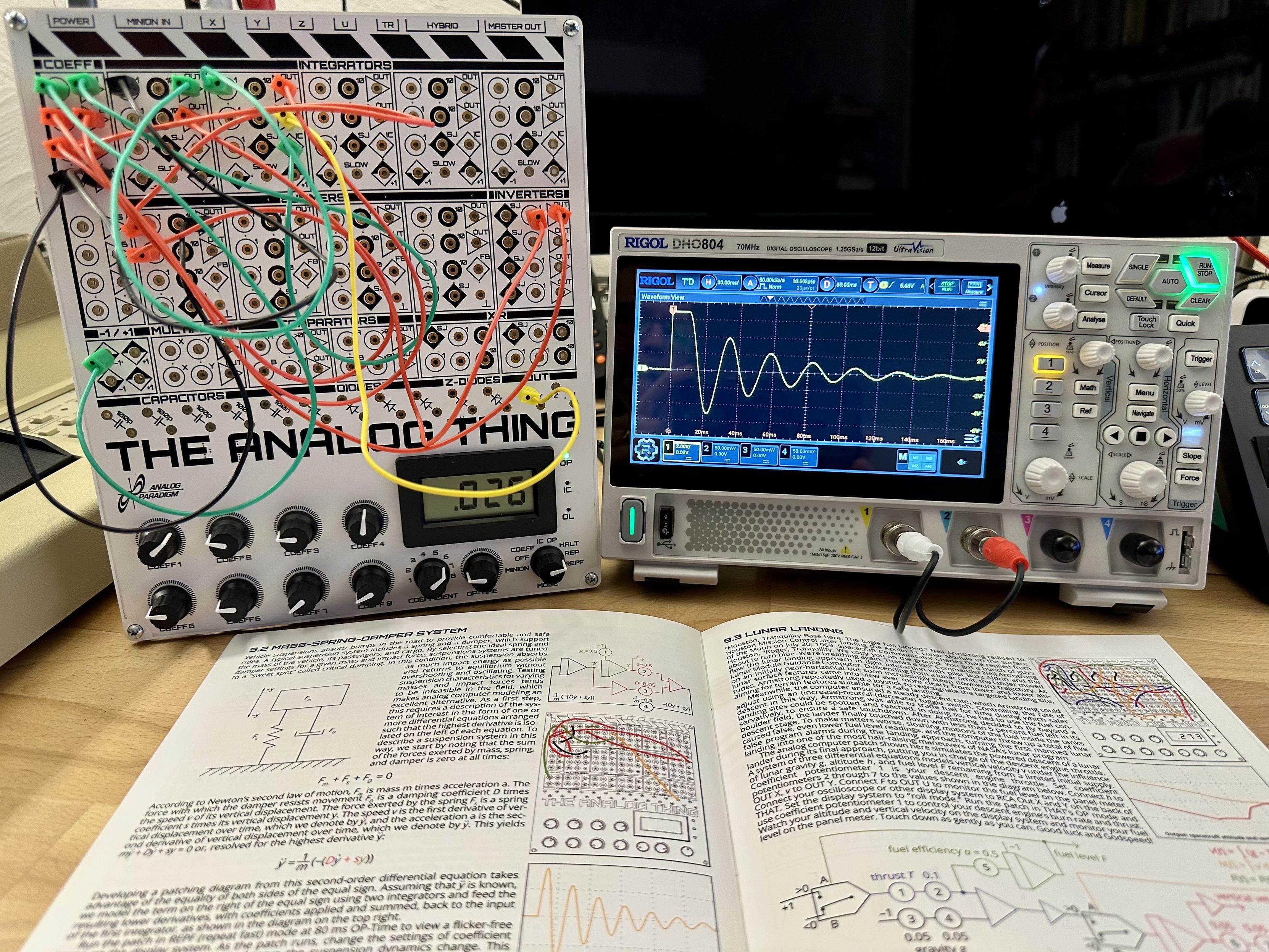
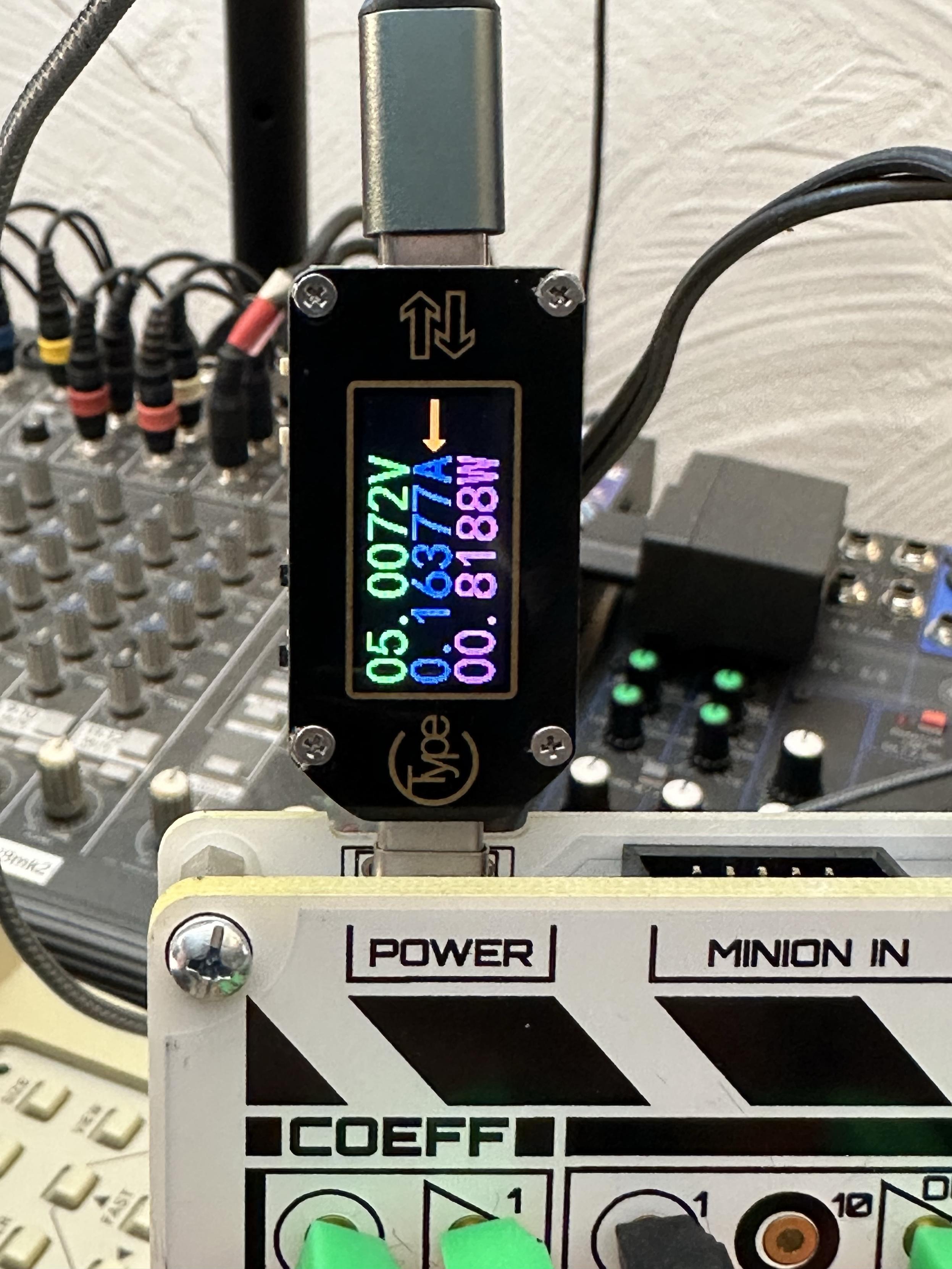

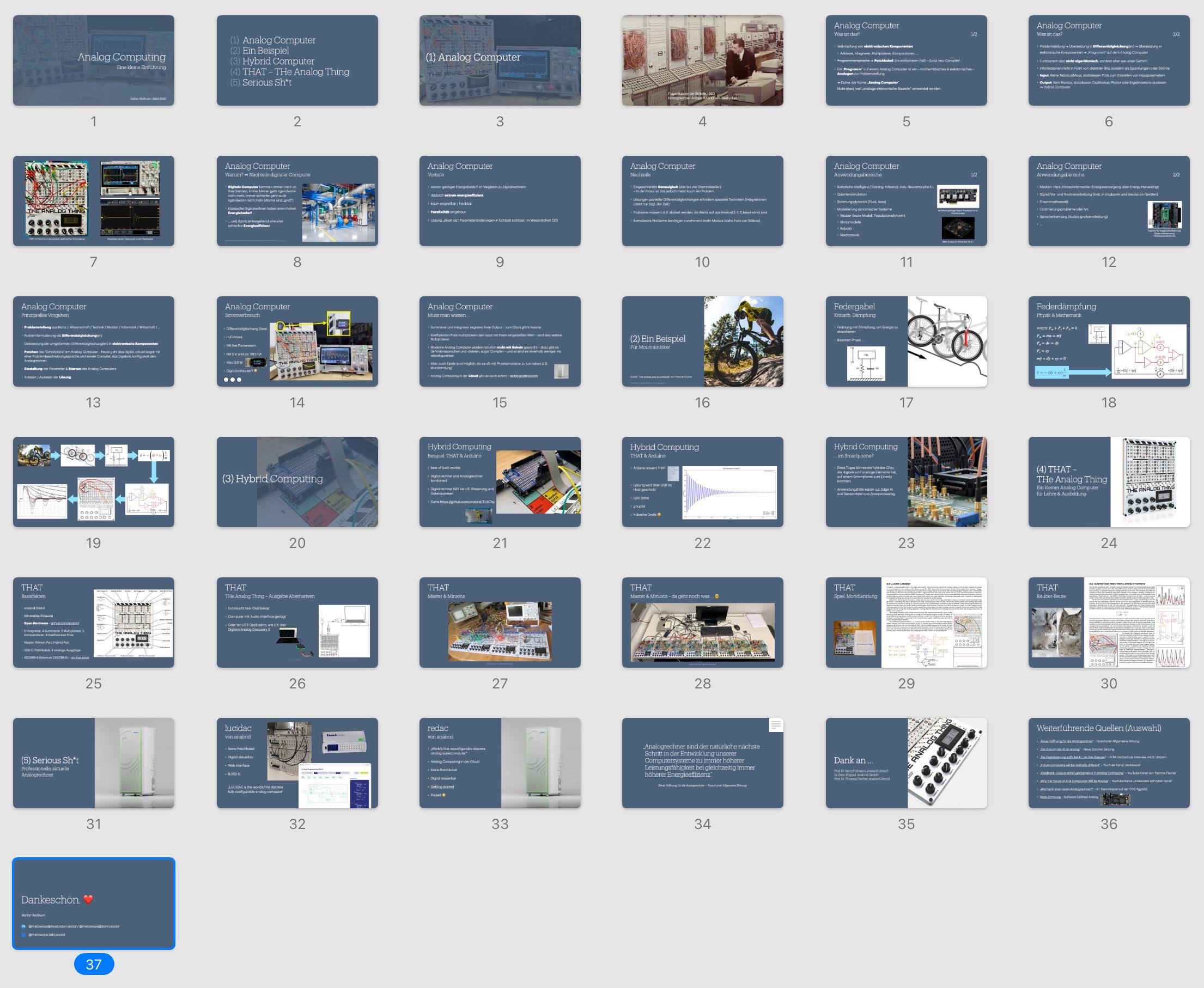
Sooo. Ich hab jetzt mal die aktuelle Fassung meines slide decks zum Thema #AnalogComputing als Version 1.0 definiert und sage mal „fertig“. 🙈 Bin gespannt, wie die ersten Zuhörer es nächste Woche finden werden … #anabrid #TheAnalogThing #HybridComputing #Arduino #ai
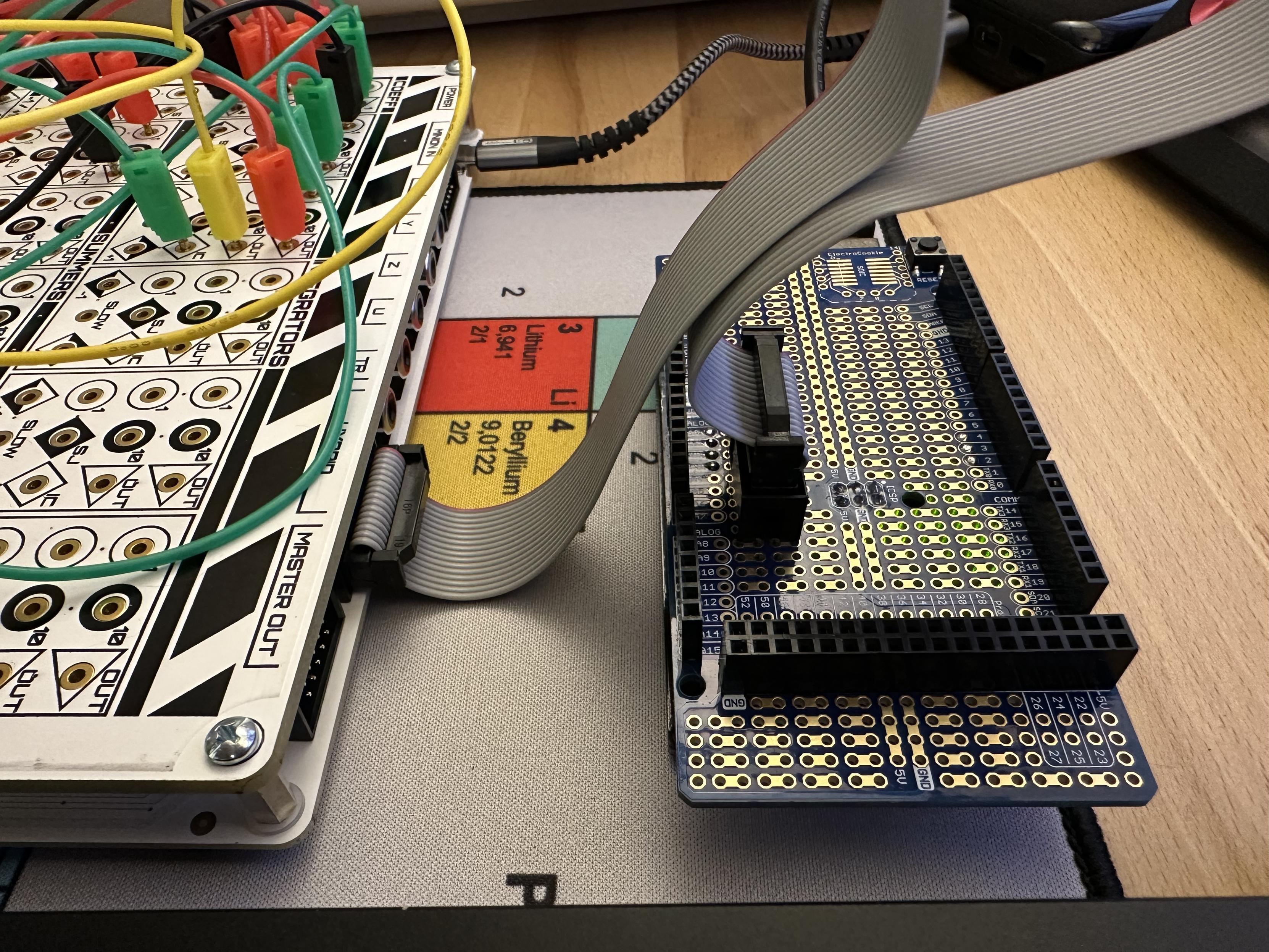
Mission accomplished! ✅ Ziel war es, den THAT (#Analogcomputer “THe Analog Thing” von anabrid) sauber, reversibel und jederzeit wieder schnell anstöpselbar mit einem Flachbandkabel über den HYBRID Port mit einem #Arduino (MEGA) zu verbinden. #HybridComputing Sketch dazu hier: https://github.com/anabrid/hardware/tree/main/the-analog-thing/arduino_2650_hybrid_controller
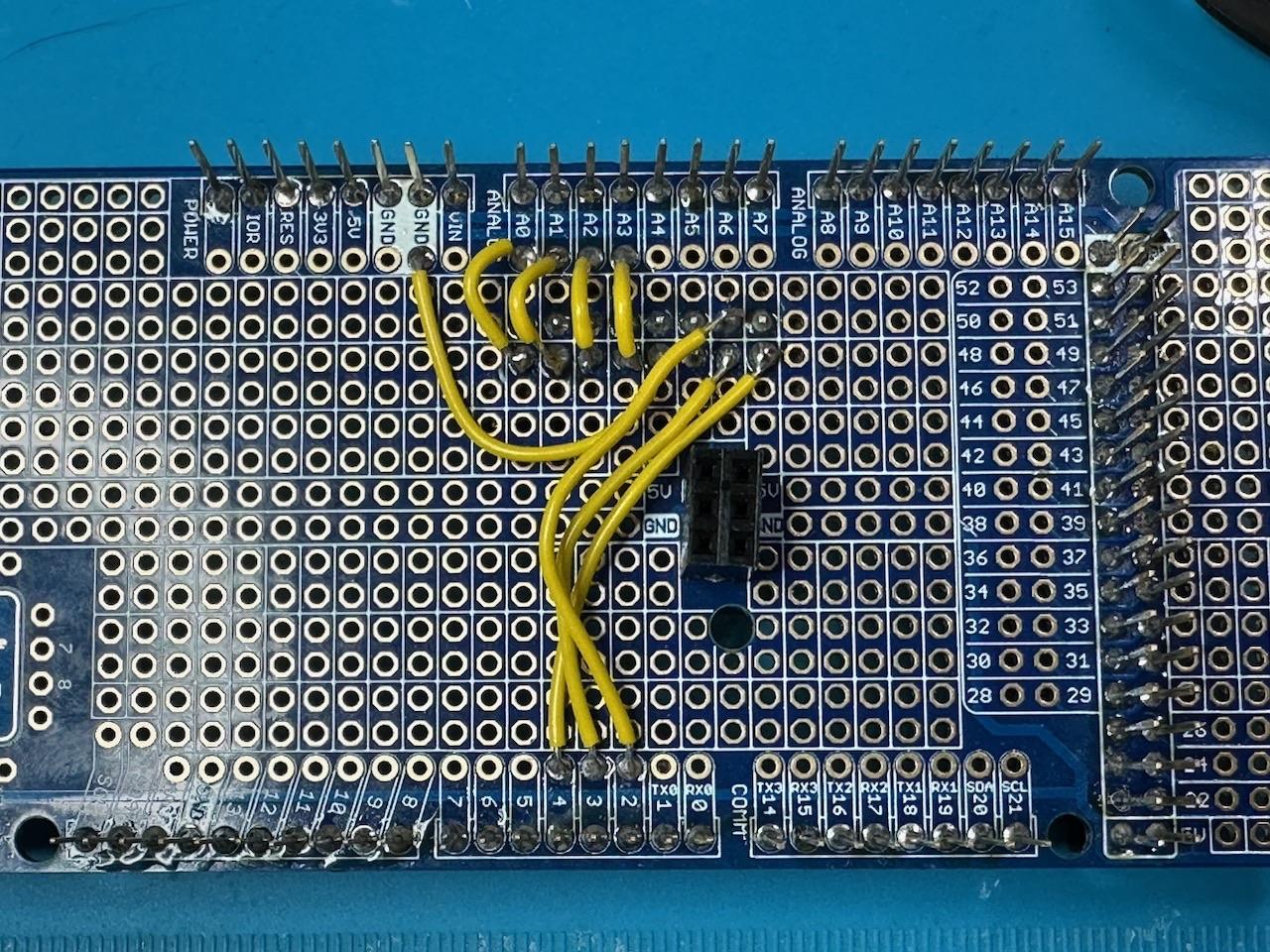
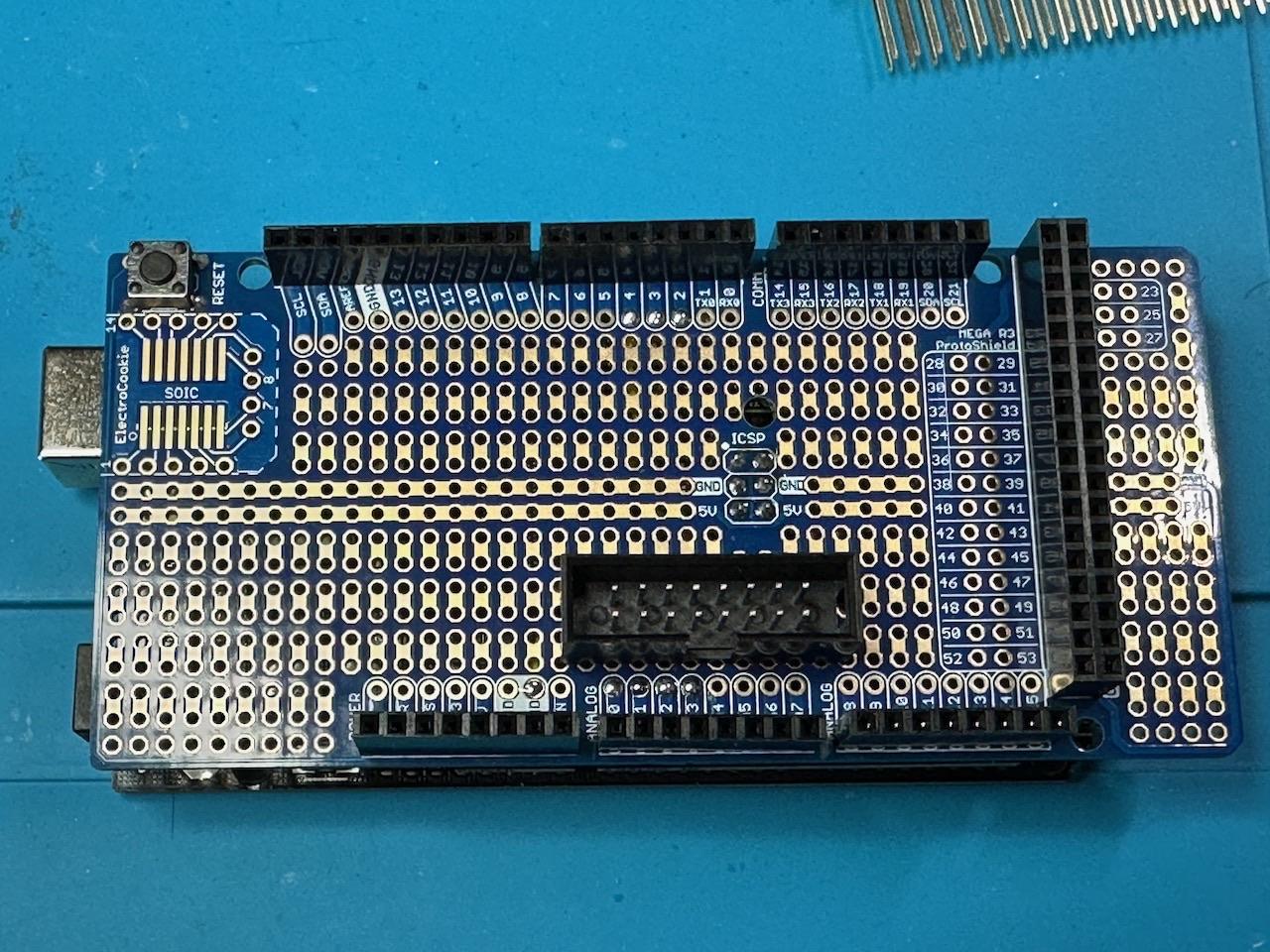
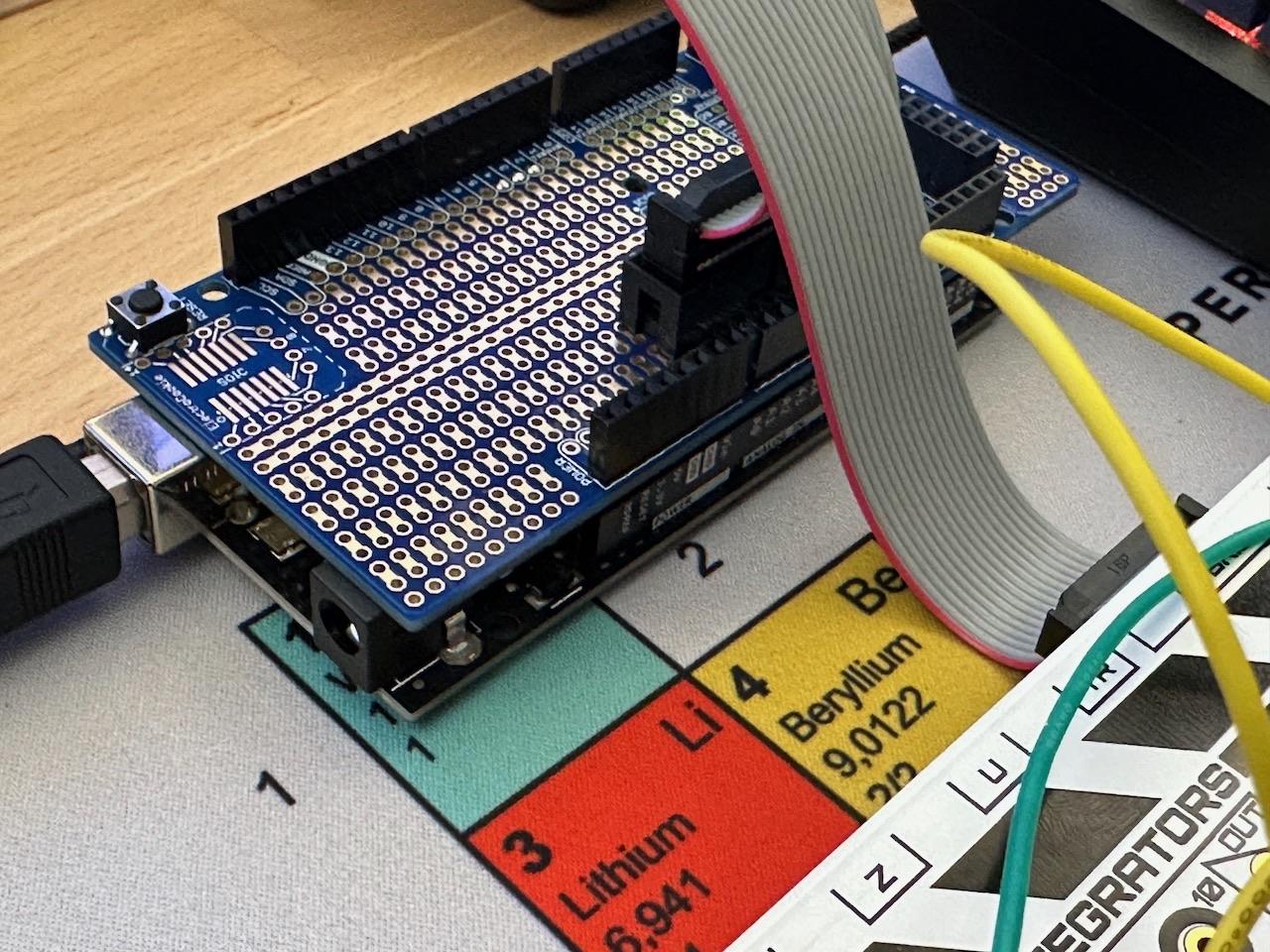
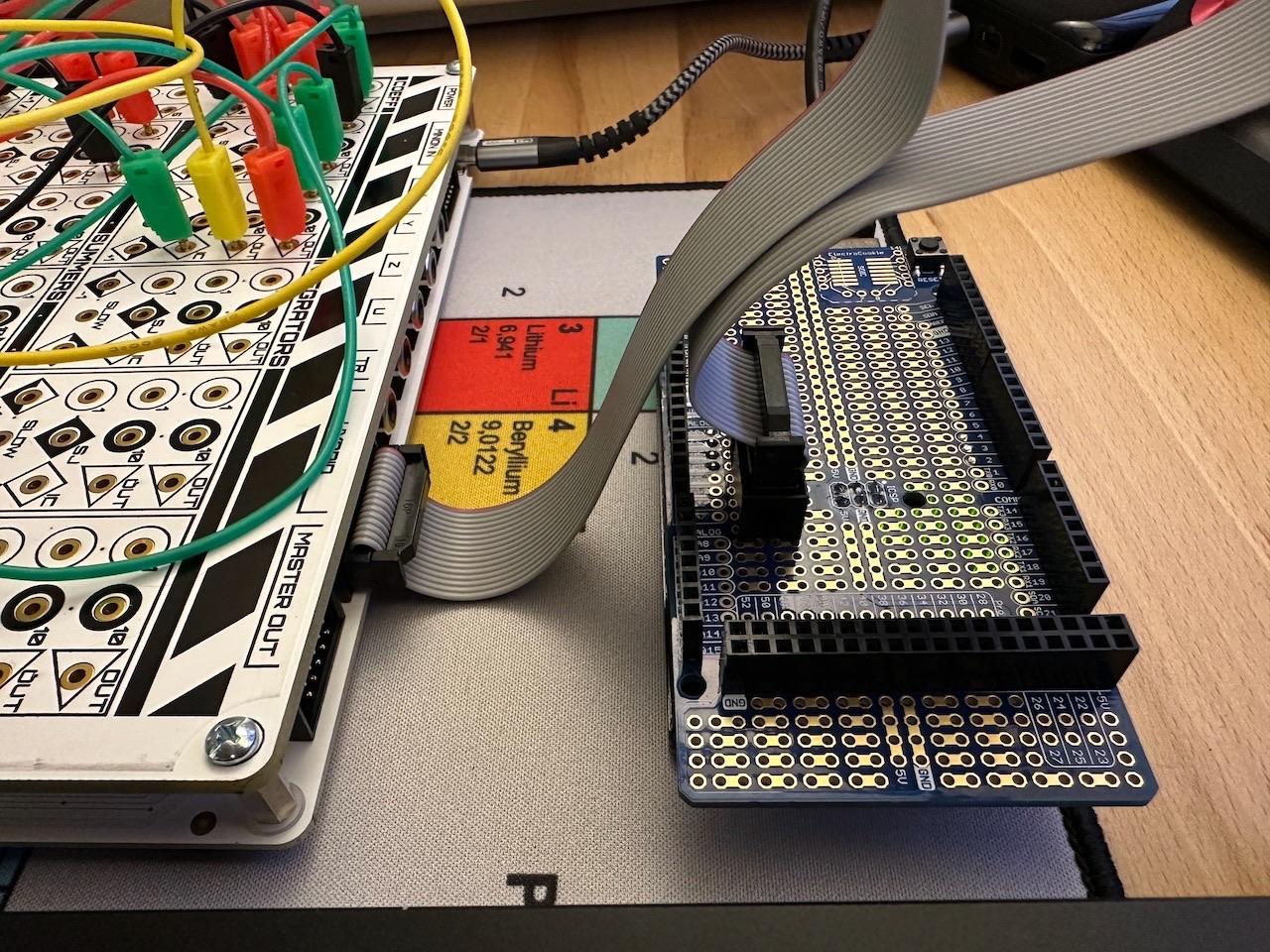
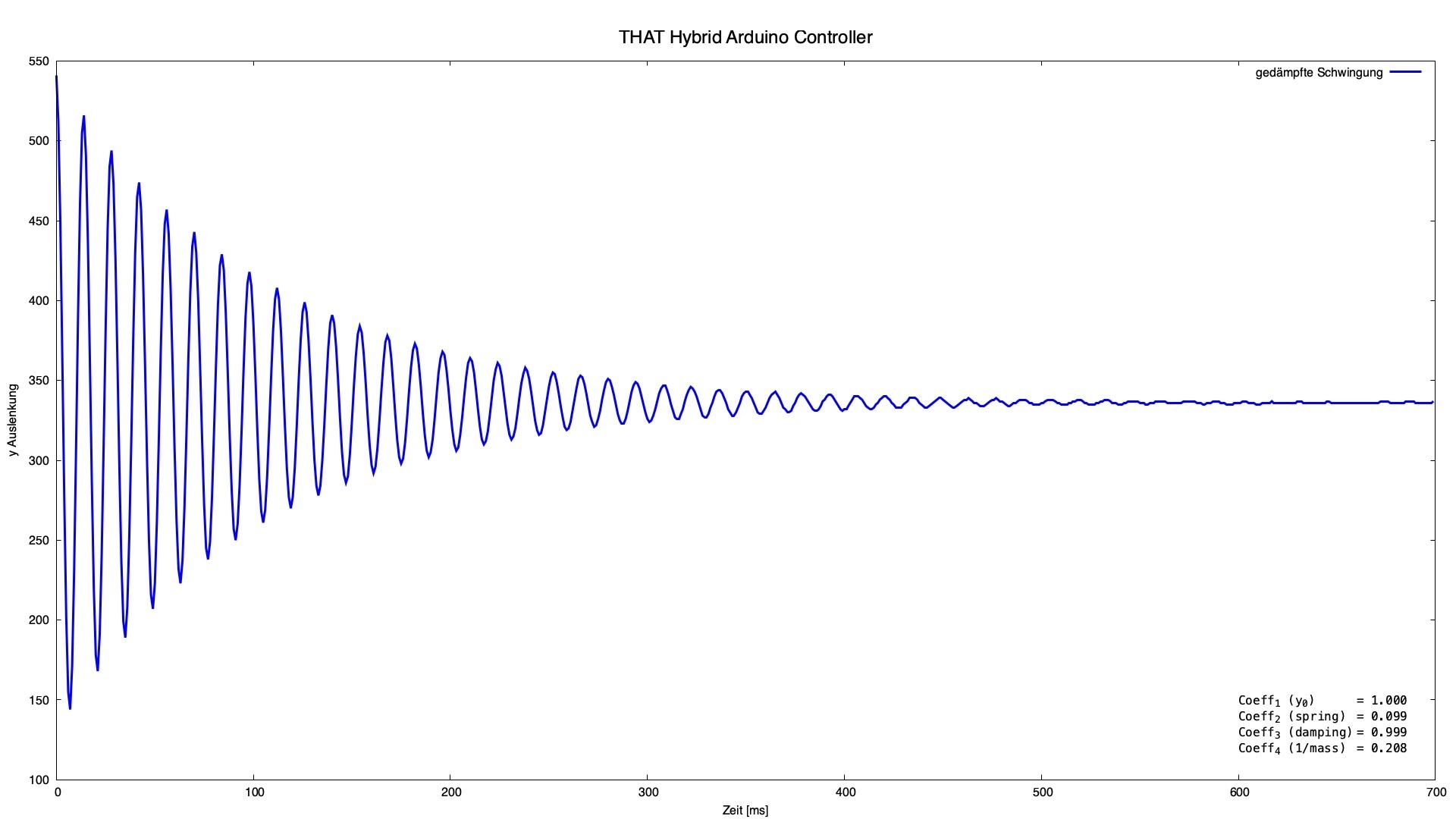
Excellent! My little hybrid computing setup works fine now. 🤩 An #Arduino controls the THAT („THe Analog Thing“ by anabrid) via its Hybrid port and reads out the solution of the differential equation for a damped oscillation. The data is then visualized via gnuplot on my Mac. Thanks to Prof. Bernd Ulmann for the Arduino sketch at https://github.com/anabrid/hardware/tree/main/the-analog-thing/arduino_2650_hybrid_controller 😍🙏
#analogcomputer #hybridcomputing #theanalogthing #anabrid #gnuplot

The 20-channel DAC module still in progress but we're getting there; code and testing is next.
#AnalogComputing #HybridComputing #EvolutionaryComputing #83 #SystemsThatMatter

Hybridization still in progress; spot the odd one out !
#AnalogComputing #HybridComputing #EvolutionaryComputing #83 #SystemsThatMatter

20-channel DAC module in progress !
#AnalogComputing #HybridComputing #EvolutionaryComputing #83 #SystemsThatMatter


CPU-GPU co-execution through the exploitation of hybrid technologies via SYCL
#SYCL #OpenCL #CUDA #LLVM #PerformancePortability #LoadBalancing #HybridComputing
Very basic frontpanel for the new module that is in progress: there will be an ethernet/RJ45 connector in the spot that is still empty.
#AnalogComputing #HybridComputing #EvolutionaryComputing #83 #SystemsThatMatter

Hybridization in progress ! I had not done this for a loooong time, but I really enjoy prototyping like this.


Teams from Europe (PSNC, GÉANT, SURF) and the US (Internet2, ESnet, ICAIR/Northwestern University, StarLight) have come together to demonstrate — as a world first — how both the #quantum and classical compute systems can be integrated on a world scale, to help support the next generation of advanced #research!
Don't miss the upcoming demo at the PSNC Booth (#1149) at #SC24: https://connect.geant.org/2024/11/13/distributed-hybrid-quantum-computing-in-a-post-quantum-cryptography-world-global-demonstration-planned-for-sc24
#NRENs #QKD #PQC #QuantumComputing #IntercontinentalConnectivity #Cybersecurity #HybridComputing

Gartner's 2025 tech trends show how your business needs to adapt - and fast
A future full of #AI agents, #PostQuantumCryptography, #HybridComputing and more is speeding your way. What has you most excited? Most worried?

https://typeshare.co/jstechrepair/posts/the-pocket-revolution-how-smartphones-are-eating-computers
#SmartphoneEvolution #MobileComputing #TechTrends #DesktopReplacement #CloudPower #AppEcosystem #ProductivityShift #DigitalTransformation #MobileProfessional #TechAdaptation #FutureOfWork #HybridComputing #AlwaysConnected #SmartphoneProductivity #TechHumo

Have you heard of the concept of hybrid computing? It combines both quantum and classical computing, and it's not an either/or situation. The QIR Alliance has been doing some amazing work in this area. Check out their homepage and research article to learn more. #hybridcomputing #quantumcomputing #classicalcomputing
Homepage: https://www.qir-alliance.org/
Research article: https://www.frontiersin.org/articles/10.3389/fphy.2022.940293/full


Forget Digital Computing, You Need An Analog Computer
The analog computer of decades-gone-by is something many of us younger engineers never got the chance to experience first hand. It's pretty much a case of reading about them on these fine pages or perhaps looking at a piece of one behind glass in one of the more interesting museums out there. But now, there is another option, (THAT) The Analog Thing. Developed by Berlin-based Analog computer-on-chip specialist Anabrid, THAT is an Open Source analog computer you can build yourself (eventually) or buy from them fully assembled. At least, that's their plan.
From the 1970s onwards, digital computers became powerful enough to replace analog computers in pretty much every area, and with the increased accuracy this brought, the old analog beasts became obsolete overnight. Now, there seems to be a move to shift back a little, with hybridized analog-digital approaches looking good for some applications, especially where precision is not paramount. After all, that pile of fatty grey matter between your ears is essentially a big analog computer, and that's pretty good at problem solving.
Looking over the project Wiki there are a few application examples and some explanatory notes. Schematics are shown, albeit only images for now. We can't find the PCB files either, but the assembly instructions show many bodge wires, so we guess they're re-spinning the PCB to apply fixes before releasing them properly. This is clearly work-in-progress and as they say on the main site, their focus is on chips for hybrid analog-digital computing, with a focus on energy-efficient approximate methods. With that in mind, we can forgive that the community-focused learning tools are still being worked on. All that said, this is still a very interesting project, and definitely would be a Christmas present this scribe would be more than happy to unwrap.
We've covered many aspects of analog computing lately, like this story of restoration (and ultimately demise), a maritime astrolabe found in the Arabian Sea, and even an FPGA simulating an analog computing architecture.
The video shows a simulation of a Lorenz attractor running on THAT, slowed down 100x (by changing integrator settings) so that the simulation can run slow enough to be plotted by a mechanical X-Y plotter.
<https://the-analog-thing.org/w/images/3/33/Lorenz_plotter.mp4>
#computerhacks #analogcomputer #hybridcomputing #lorentzattractor
