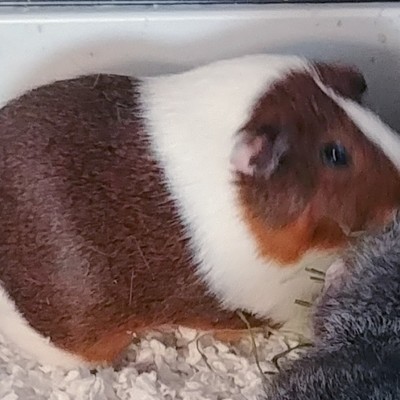
Last night was BFMS' annual Midwinter Ball. A few of the regulars couldn't make it because their cars weren't dug out yet, but the church hall where the dance is held had adequate plowing in the parking lot, so somewhere around 85-90 of us were able to dance to great music. The band played a little on the fast side, and more repeats than usual, to make sure we all stayed warm. I had never danced a dance with a backward progression before!
#contradance #midwinter
#Midwinter
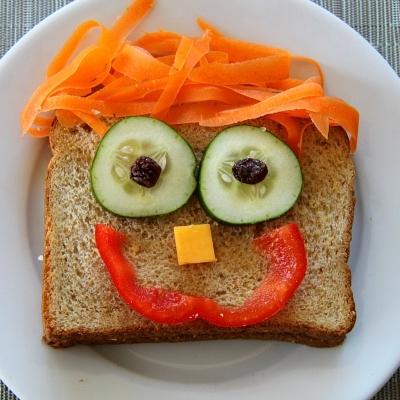
20 more days to get through before the end of January. Something needs to be done to make January more palatable. We need a special day. Perhaps a day off work and we all have to go and volunteer somewhere. Or a party in the nearest park.

"The #winter moon has always struck me as having a #fairytale sort of beauty. In these days of #midwinter, for those of us in the #Northeast, the brightness of the #moon is even starker and more visible without the leaves on the tree branches. In this season of the #Jewishcalendar, post-#Hanukkah and pre-#TuBishvat, the long post-#solstice nights seem to invite dreaming and stories.
What #stories does #Jewish tradition tell about the moon?
In the #Talmud (Chullin 60b), there’s a tale about the moon and the #sun. The #story goes like this: Once, at the dawn of creation, the moon and the sun were equally bright. (It’s fun to try to imagine what that might have looked like.) The moon wasn’t happy about this sameness and complained to the Holy One, saying, “Is it possible for two kings to wear a single crown?” The moon seemed to imply that she should be made bigger.
The Holy One responded to this request by making the moon smaller..."

"Solstice lake"
#thelough #theloughcork #barrio #cork #corkcity #solsticio #solsticiodeinvierno #sunnyday☀️ #soleado #invierno #frío #weather #seasons #seasonspoetry #cold #winter #winterwonderland #midwinter #morningstroll #shotoniphone #shotoniphone12mini


"Solstice lake"
#thelough #theloughcork #barrio #cork #corkcity #solsticio #solsticiodeinvierno #sunnyday☀️ #soleado #invierno #frío #weather #seasons #seasonspoetry #cold #winter #winterwonderland #midwinter #morningstroll #shotoniphone #shotoniphone12mini
#thelough #theloughcork #barrio #cork #corkcity #solsticio #solsticiodeinvierno #sunnyday☀️ #soleado #invierno #frío #weather #seasons #seasonspoetry #cold #winter #winterwonderland #midwinter #morningstroll #shotoniphone #shotoniphone12mini


Lochindorb Castle
Clan Cornyn island stronghold
Paddlers' paradise
#Haiku #OneHaikuADay #WritersCollective #writingcommunity #BackToHaiku #Seasons #Winter #Holiday #Christmastide #NewYear #Travel #Family #Norway #USA #Scotland # #Solstice #Midwinter #Highlands #Loch #Lochindorb #Castle #LochindorbCastle #Paddle #Paddleboard #Clan #Cornyn #ClanCornyn #Photography
December 30, 2025

The cairns of Clava
Bronze age Midwinter sunset
Marking the solstice
#Haiku #OneHaikuADay #WritersCollective #writingcommunity #BackToHaiku #Seasons #Winter #Holiday #Christmastide #Christmas #NewYear #Travel #Family #Norway #USA #MerryChristmas #HappyChristmas #GodJul #Scotland #Clava #ClavaCairns #BalnuaranOfClava #Solstice #Midwinter #Highlands #Photography #Sun #Sunset
December 29, 2025

Kerstnachtdienst in de kerk op t Kip in Rekken. Het voelt een beetje zoals vroeger nu het ineens zo koud is en de hemel werkelijk sterhelder. Prachtige sterren en planeten te zien. Het vriest licht.
Was het te koud voor de Midwinterhoornblazers? #kerstnacht #midwinter

Everytime I put on the SAD lamp Koschka knocks it down and sits on it like some norse cat god of darkness who doesnt approve of summer sun in midwinter, and I love this for her. #cat #sun #catsofbluesky #evil #catgod #midwinter


Fortunately yesterday was #midwinter so days are now getting longer in the northern hemisphere.
A cold midwinter view, captured at Rainton Meadows, Houghton-le-Spring in NE England.
Joe's Pond is a lovely spot on a fine summer's day, but here, captured around the winter solstice, it is exuding some of the bleakness associated with this time of the year.
Rainton Meadows is managed by the Durham Wildlife Trust and it is also their HQ.
#midwinter #december #sunderland #durhamwildlifetrust #bleak #landscape




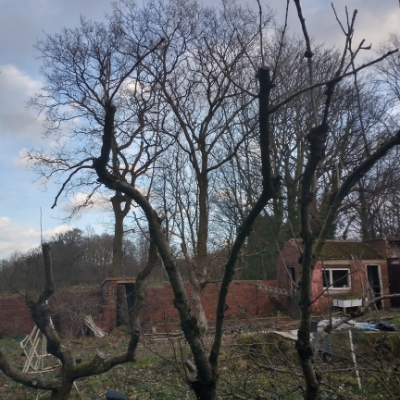
Foggy midwinter in Sheffield. I planted an apple tree. To prepare for the light returning, I reduced the height of a hedge to the south of my land. Barrowed in lots of eucalyptus woodchip, thanks to whoever dropped that, mulch is always appreciated. Two more apple trees to plant. #sheffield #allotment #midwinter


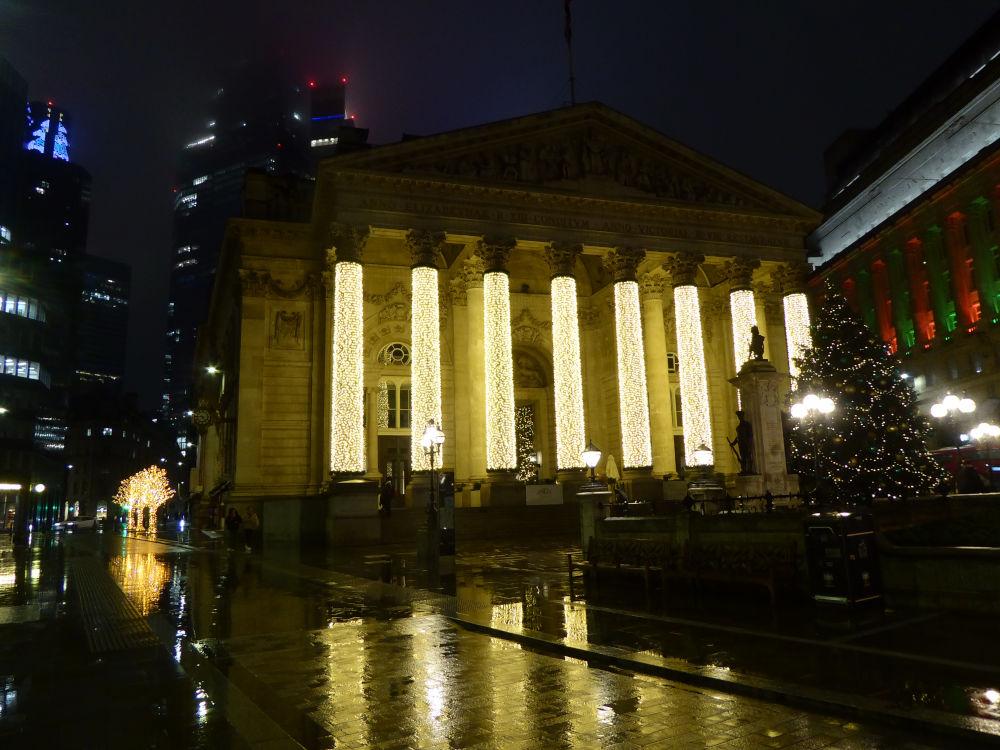
Winter Solstice - the Venerable Bede's Mōdraniht - in the City of London.


Wonderland
21 dec 2025
#langste #nacht #dagen #lengen #vanaf #morgen #midwinter #days #start #lenghtening #letthesunshinein
#fotodagboek #photodiary #since2009
21 dec 2025
#langste #nacht #dagen #lengen #vanaf #morgen #midwinter #days #start #lenghtening #letthesunshinein
#fotodagboek #photodiary #since2009


The Winter Solstice
When the Dark Pauses, and the Light Remembers How to Return
There is a particular hush that falls on the world at the Winter Solstice. Not silence exactly, more a collective holding of breath. The fields are bare, the trees stripped to their bones, and the sun has drawn its shortest, shyest arc across the sky. This is the longest night of the year, the great still point of winter. And for thousands of years, humans have marked it not with fear, but with reverence, stubborn hope, and no small amount of fire.
Because this night matters.
Long before calendars, Christianity, or electric light, people knew this moment instinctively. You can feel it in your bones if you slow down enough. The darkness has reached its fullest expression and crucially, it has gone no further. From tomorrow, however imperceptibly at first, the light begins to return. Not with fanfare, but with quiet determination.
The Solstice isn’t about banishing darkness. It’s about surviving it.
Across cultures, the Winter Solstice is framed as a solar rebirth. The old sun dies; the new sun is born. This idea turns up everywhere, dressed in different clothes.
In Norse lands, this was ‘Yule’, a liminal season rather than a single day. Fires were lit not just for warmth, but to coax the sun back – a bit of sympathetic magic, if you will. If we make light, surely the sky will follow.
Oaks were honoured, evergreens brought indoors as promises that life persisted even when everything looked dead. The Yule log itself was a talisman – burned slowly, deliberately, sometimes over twelve days, its embers saved to protect the home for the coming year.
The Romans celebrated ‘Saturnalia’, a riotous, topsy-turvy affair where social rules collapsed, gifts were exchanged, and mischief reigned. Beneath the revelry sat an older truth: order must occasionally dissolve so it can be remade. Darkness, chaos, winter – none of these were enemies. They were necessary phases.
Further east, the Persian festival of ‘Yalda Night’ marks the victory of light over darkness. Families still gather to eat red fruits like pomegranates and watermelon, symbolic of the sun’s life force, staying awake through the longest night to witness the turning of the year together.
You don’t face the dark alone if you can help it.
And then there’s Stonehenge, standing stoic on Salisbury Plain, its stones aligned so the midwinter sun rises between them. This wasn’t accidental. It tells us plainly:
this moment mattered enough to build monuments for it.
Folklore is rich with strange visitors, watchful spirits, and rules about what one should – and absolutely should not – do on the Solstice.
In many traditions, this night was dangerously thin. The veil didn’t just weaken at Samhain, it frayed here too. Spirits wandered. Ancestors drew close. The Wild Hunt was said to thunder across the sky, particularly in Northern Europe, its riders sweeping up the unwary. Doors were bolted, fires kept burning, and offerings left out, not always out of generosity, but pragmatism.
Best not to offend whatever’s passing through.
In Alpine regions, Perchta roamed during the Twelve Nights, inspecting homes and punishing laziness or disorder. A clear house, clean hearth, and finished spinning were essential. Winter spirits, it seems, have always been surprisingly invested in domestic standards.
Closer to home, British folklore often treated the Solstice as a time for divination. Apples cut crosswise to reveal a pentagram of seeds, candles floated in bowls of water, dreams carefully noted. The future, like the sun, was momentarily paused – easier to glimpse before it began moving again.
Solstice superstitions tend to be less about luck and more about alignment.It was considered wise to:
Light candles or fires to encourage the sun’s return.
Bring greenery indoors – holly, ivy, pine – to remind the house that life endures.
Finish old business before the Solstice. Debts paid, grudges laid down, tools cleaned and put away.
Speak intentions aloud because the year was listening.
It was considered unwise to:
Whistle at night (an invitation, apparently).
Let the fire go out.
Start something major before the turn – births are one thing, contracts quite another.
Ignore dreams, which were thought especially potent now.
The underlying theme is simple: tread thoughtfully. This is a threshold.
Bonus Rituals Old and New (No Stone Circle Required)
Historically, Solstice rituals were practical, symbolic, and communal. Feasting mattered because scarcity was real. Sharing food was an act of survival, not indulgence. Drinking together forged bonds that might need to hold through a hard winter.
Today, we don’t need to slaughter livestock or track the sun’s arc with stones – but the bones of those rituals still serve us remarkably well.
Modern Solstice rituals often include:
Lighting a single candle in darkness, sitting quietly, and acknowledging the year that’s ending.
Writing down what you’re releasing, then safely burning or burying it.
Honouring ancestors, whether through photographs, stories, or simply speaking their names.
Setting gentle intentions, not resolutions – seeds, not demands.
This isn’t about forcing positivity. The Solstice doesn’t ask us to be cheerful. It asks us to be honest.
What has been heavy?
What has survived anyway?
What small light have you carried without noticing?
Why does it still matter? Well, we live in a world that hates stillness. Winter is something to be endured, bypassed, drowned out with noise and lights and productivity. The Solstice stands in quiet opposition to that.
It reminds us that darkness is not failure. Rest is not weakness. Waiting is not wasted time.
The sun does not leap back into the sky tomorrow. It inches. And that is enough.
So tonight, whether you’re lighting candles, staring into the dark, or simply noticing the day felt a little… held – know that you’re participating in something ancient. Something human. Something that has carried us through worse winters than this.
The wheel has turned. The light remembers the way back.
And so, perhaps, do we.
Merry Solstice 🌒✨💚
#Midwinter #RitualsForMidwinter #winterSolstice #witchcraftFolklore #Yule
Happy solstice and blessèd midwinter, Fediverse! 🌟❄🕯🌌

Die längste Nacht des Jahres kündigt sich heute mit grauer, nasskalter Dauerdämmerung schon am Mittag an. Ein paar Farbkleckse gibt es dennoch. Und ab morgen werden die Tage dann wieder länger - das ist schön und gut. Außerdem freue ich mich über mein vorgezogenes Weihnachtsgeschenk, ein gebrauchtes, neuwertiges AF Zoom-Nikkor 35-105mm f/3.5-4.5N. Diese 90er AF-Zooms werden weithin unterschätzt, denke sich.
#wintersonnenwende #wintersolstice #midwinter #dezember #december #silentsunday



Client Info
Server: https://mastodon.social
Version: 2025.07
Repository: https://github.com/cyevgeniy/lmst