#commodification
"Good books offer new arguments. Excellent books pose new questions. Alyssa Battistoni’s Free Gifts is an excellent book. It poses one extraordinary, novel question — If capitalism impels the commodification of everything, why has it not commodified so many parts of nature? — that yields other extraordinary questions.
In answering them, Battistoni makes so many interesting moves that you might miss a few. I want to mention only two, each a book in itself.
In one move, Battistoni analyzes a body of mainstream economics that arises in the twentieth century under the rubric of externalities, social costs, and cost disease. After pointing out that each of those issues has a common element — they all arise in the spheres of nature or the body — Battistoni does something that echoes what Marx did with Adam Smith and David Ricardo. Instead of ignoring or rejecting this literature, as many of Marx’s comrades did the economics of their day, Battistoni mines it for truths that economists, ethicists, and environmentalists avoid.
To the economists, Battistoni points out that their theory of externalities follows from what Arthur Cecil Pigou called a “violent paradox”: a society that uses “the measuring rod of money” as its instrument of valuation will systematically, not contingently, produce market failures, particularly in the natural world, that cannot be resolved through the market.
To ethicists and environmentalists, who think it is immoral to put a price on toxic waste or to trade in pollution rights, Battistoni argues that waste and pollution are parts of production and exchange. They’re costs, like wages or rent. The question is how to price those costs and who should pay them. If the price is too high, maybe that’s telling us something we need to change about how we organize the economy."
https://jacobin.com/2025/12/marx-ricardo-commodification-nature-capitalism/
#Capitalism #Nature #Commodification #SocialReproduction #PoliticalEconomy
"Winner takes all!
How the 'Epstein Class' Fails to the Top | The Chris Hedges Report (w/ Anand Giridharadas)"
#Capitalism #Commodification #powerelites #chrishedges #anandgiridharadas
OnlineFirst - "An uncooperative transition: Material contradictions in Chile's renewable energy boom" by Caroline White-Knockleby, Elena Louder, and Manuel Prieto:
#energytransition #commodification #socioecologicalfix #Chile #neoliberalnatures
https://journals.sagepub.com/doi/full/10.1177/25148486251383795

#frontEndend #Commodification #privacy Today I made an appointment with an orthodontist. I filled out heir three-page online history form. Just above the signature line, I read, "Whether or not we treat you, we may use your personal information for research of publicity."
Whoof! I canceled, mentioning that I'm happy to have my data used for health research,. aggregated or no, but I don't give blanket permission upfront; and that I never authorize a business to use my personal data for publicity. (Okay, that leaves out my publishers; TMI.)
I was surprised to get a phone call saying they certainly would not use my personal info in either way. (Perhaps the hpersonal building their form didn't think anyone would want to opt out.) I asked for a written message, they sent one, I restored the appointment, and (Feh) filled out their form once again, referencing the email codicil in the signature box.

Vacation stream of consciousness: material gain and birds of prey
A Conversation with Bernard Deacon: Intersectionality and Cornish – Keskows gans Bernard Deacon: Kestreghelder ha Kernewek
Several months ago, two folk from Sordya sat down with academic and Cornish activist Bernard Deacon. If you’re not familiar with the series so far, check out our chat on the Cornish leftist magazine An Weryn, our discussion on housing and on direct action.
Our next and final part of the interview is on intersectionality, strategy and the Cornish language.
Nans yw misyow, dew dhen a Sordya a gewsis gans akademek ha gweythreser a Gernow Bernard Deacon. Mar nyns aswonydh an kevres bys y’n eur ma, mir orth agan keskows a lyver termyn a Gernow An Weryn, agan dadhel annedhyans ha war gwrians didro.
Agan rann nessa ha finek a’n keswel yw a-dro dhe gestreghelder, strateji ha Kernewek.
Several months ago, two folk from Sordya sat down with academic and Cornish activist Bernard Deacon. If you’re not familiar with the series so far, check out our chat on the Cornish leftist magazine An Weryn, our discussion on housing and on direct action.
Our next and final part of the interview is on intersectionality, strategy and the Cornish language. We thank Bernard for his time and his help with this series.
A transcription of the audio follows below.
Nans yw misyow, dew dhen a Sordya a gewsis gans akademek ha gweythreser a Gernow Bernard Deacon. Mar nyns aswonydh an kevres bys y’n eur ma, mir orth agan keskows a lyver termyn a Gernow An Weryn, agan dadhel annedhyans ha war gwrians didro.
Agan rann nessa ha finek a’n keswel yw a-dro dhe gestreghelder, strateji ha Kernewek. Ni a wor gras dhe Bernard a’y dermyn ha gweres gans an kevres ma.
Yma treylyans a’n son kevys war-woles.
Sordya Dew: Something the newer parts of the movement really pride themselves on now is their intersectionality. So, as well as being Cornish autonomists and nationalists, that people are also active with environmentalism, anti-racism, anti-fascism, international solidarity with anti-colonialist projects. You know, has that always been the case? Has there always been this sort of emphasis on intersectionality or was it more focused primarily on Cornwall and Celtic solidarity? And were people part of other spheres as well politically or was it insular back in the day?
Bernard: I don’t think it was insular. I mean, we had those same views. We didn’t even know the term intersectionality in those days. But we were aware of other struggles. And, you know, I mean, I remember talking to… Actually, it was a long time after that was when I was working for the university. I got visited by a Maori activist, you know, but he was involved, he was over here and obviously his information was a bit out of date by then, but he contacted me and we had an interesting chat. So we were doing what you’d now call the same thing, basically. And we were involved, certainly in Cornwall, we were involved in other stuff, you know, environmental campaigns. Well, like the one against the power station. So it wasn’t just what you might call nationalist, devolutionist or anti-housing stuff. It was wider than that. But I think there was less internationalism, if you like, then than now, generally.
Sordya Onan: I feel like where we are at now is there’s a lot of intersectionality. And there’s a lot of us showing up to different movements. And we actually perhaps need a stronger articulation of the Cornish movement. Like we’re doing Palestine stuff and trans rights stuff and anti-fascism and environmentalism, but we’re doing it here. So what does all of that mean here?
Sordya Dew: I’d agree with that.We’ve got to the point where people in Cornwall who are part of other activist scenes will know that the Cornish nationalists will turn up and support them, but maybe don’t have such a good understanding of what it is that we’re actually about. I mean, there’s a lot of overlap, a lot of us who are Cornish nationalists are also doing other things as well.
Bernard: The danger is, in a sense, of going along to every and all activism is you might just become, or just become seen, as flying the flag, which has happened for years. Look at pictures of demonstrations in the ‘70s and someone is flying a Cornish flag, but in a sense it doesn’t mean very much because it’s not going to help people understand the particular Cornish struggle. I mean, what you said is exactly right. You do need to keep what you’re about to the forefront so that they understand.
That’s a hell of a job, though, especially when people have come from outside Cornwall who’ve got no knowledge or interest in Cornish history, heritage, or the very fact that there is and was a Cornish people. And that’s a fundamental fact that they’ve got to understand.
Now, they’ll see that as being reactionary and right-wing, probably. In their worldview, that is. You know, they’re as bad as the 19th century left imperialists were and they share those views.
I remember a meeting that I organised in Redruth with people who I regarded from the English left, as we called them in those days: SWP and the various others, you know. I brought them together with the leftists within MK, and outside MK by that time. We had this meeting and it ended up, I walked out at the end because of their complete reluctance to understand or admit there was a Cornish struggle. They would not admit it. It’s all part of a bigger struggle. That’s their argument, you know, ad infinitum. “Yes, no, no, no, it’s the working class. There is no Cornish dimension to it.”
So, what’s the answer to that? You know, you’ve got a housing problem in Cornwall, you wait until someone in London solves it for you. And you’d probably still get that now.
We didn’t make it very well, that’s the problem. We couldn’t get through to those kind of people. Now, maybe it’s impossible to get through to those kind of people, but there must be others out there that you could get through to.
Sordya Onan: I think that’s why I’m interested in why the language appeals in places we’ve been part of with people that I wouldn’t expect. Like, people want to play with the Cornish language and put it on things and stickers and it’s like, “OK, there’s something here they’re interested in” and whether that feeds into…
Bernard: Well, maybe. I mean, that seems to me to have come full circle. Back in the ‘70s, we all—not all of us, but a lot of us—were very involved in Cornish language. I was saying earlier, we used to have immersion sessions and I learnt it that way. That was a central part.
If you ask me why, I’d be a bit pushed to explain why then I was doing it. It was more I was doing it because I wanted a symbolic… But it was more than that. It wasn’t just symbols in those days.
We had at one stage a plan to buy up some old cottages out on Lord Falmouth’s land, I think it was, going really cheap to set up a Cornish speaking community. We were that involved with it, you know, and there was a couple of families and other individuals and we almost did it. Then at another time, we had a plan to buy a couple of cottages that needed doing up down in Pendeen. We were going to do it down there.
But both of those didn’t come to anything and they were a bit kind of hippie-ish, you know, get away from everything, and probably would have failed dismally. But we were at that time fluent enough. We used to talk in Cornish all the time. We didn’t talk in English and the language then we regarded as something you learned to speak. So we were speaking it at every opportunity and we would deliberately speak it.
For example, I really annoyed people at the 1978 Gorsedh by refusing to speak English at the Gorsedh. I wasn’t a bard or anything. The woman I was living with at the time, she acted as an interpreter. And I did the same actually quite recently, well, not recently, ten years ago with my daughter and went to St Austell where the Gorsedh was and I refused to speak English there still. So my daughter acted as an interpreter because I brought her up in Cornish anyway, so she’s bilingual.
So Cornish then was something that really meant something. It was also symbolic, but now it seems to me… I’ve kind of got questions now about Cornish. Cornish now seems to be entirely symbolic to a certain degree.
I know some people can speak it and it does get spoken, but the main thrust of it now seems to be a symbolism rather than as communicative in any way. And sometimes I think, OK, that’s fine, but what’s the point? It could be Esperanto. Anything that’s different could be a symbol.
Sordya Onan: I feel it’s like there isn’t a Cornish language movement. It’s just a linguistic movement.
Bernard: In the ‘70s, it was political. Well, all those of us involved in MK radical politics were also the people involved in the language movement. The language movement was very political in the ‘70s.
I mean, there’s downsides to that, obviously, because if it’s linked entirely to politics, then that itself puts people off. And what’s happened since then is the language has become mainstream, but it’s lost exactly as you’re saying, it’s lost the political edge. It’s not got that edge anymore.
Now is this good or is this bad? I don’t know. I mean, there’s arguments on both sides, obviously, but it’s not political in the sense that it was political in the ‘70s. In the ‘70s, it was political to speak Cornish. We actually used it in political ways.
Like in those days, we had things called cheques. Remember cheques? We had a big campaign in the ‘70s about writing our cheques in Cornish because Lloyds Bank in Redruth refused to accept my cheque, which I wrote entirely in Cornish, didn’t put any English on it. We used this to make publicity in The Packet, in the newspaper. And eventually they changed their mind, so we got them to agree they would accept cheques in Cornish.
So we used the language to make a political point. But, you know, we argued that the manager had no autonomy in Redruth and couldn’t accept cheques in Cornish, so the English corporation Lloyds were ignoring the Cornish. So you could make political points out of it.
The people most active in speaking Cornish were probably also the most left wing within the movement as well.
One advantage you’ve got now, which we didn’t have, you’ve got a plethora of different media to do it with, you know? I mean, it was very limited in our time. Well, you can see from the magazine, I mean, it was literally done on a Roneo and stapled together paper.
In the later days of that, we only produced about 400 copies, right? But each one was… We knew this guy in Liskeard who had a duplicator, which we didn’t have in Redruth. I had an old Morris 1000, which was constantly breaking down, and had to drive up to Liskeard— which wasn’t a problem because I came from Liskeard, so my parents were living there at the time— print this thing out on his Roneo gestalt thing, and then literally put them all together, about six of us on an assembly line, and staple them up, which took like an afternoon and an evening to do. And then drive around various places in Cornwall dumping them off, which was fun.
Sordya Dew: As someone who doesn’t speak Cornish, you do see it, but a lot of the time it’s the slogan of a company or it’s stuck on a street name, as a little token appeasement, while it’s used for advertising, it’s used for promoting tourism, things like that.
And yes, people do speak it, and people do still speak it to each other. But it’s to some extent almost been commodified and treated as of a bit of a curiosity for a lot of people. And I wonder if the depoliticisation of the Cornish language has actually led to it becoming almost like a commodity and an advertisement for the tourism industry in Cornwall.
Bernard: That’s exactly the downside. I mean, once it was depoliticised, then it can be used, exactly. And capitalism will commodify anything. It’s no surprise they’ve commodified the Cornish language as well.
Sorry, I’m going off the point. But there’s two things. One’s commodification, but the commodification is linked to the institutionalisation of Cornish. That’s the other thing, which, to my great shame… It’s one of those things in your life that I really did wish I didn’t do, was be involved in the Standard Written Form of Cornish. And if I could change anything, that’s what I’d change, that one thing, being involved in those bloody meetings, because I think that’s been a disaster, actually, because it’s institutionalised Cornish. And that in itself leads to the commodification, the banal use by institutions, the developers. And you almost get this view now that “Oh, you can build as many speculative houses as you like, but as long as you call them by a Cornish name, that’s fine.” And you think, “Come on.”
I mean, in a sense, we’d learned Cornish through books, obviously, to some extent. But like I was explaining earlier, then I learned it orally. But it was still Unified Cornish and it still felt a bit odd because we’re speaking this… I went away and found examples of late Cornish, the writings of Wella Rowe in 17th century writings, and I suddenly realised I couldn’t read them, didn’t make any sense. I couldn’t understand them.
And I thought, hang on, here’s this Cornish, which is the most recent historical Cornish. And I can’t read that because the Cornish that we’re learning is actually based on the plays. It’s actually based on the 14th and 15th century Cornish. So some of us got together and got Dick Gendall back into the movement, because he’d given up for about 50 years as well. Got Dick back, who was always interested in late Cornish. And we kind of said, look, we want to speak late Cornish, it’s more fluent, which it is.
I mean, I don’t know what you’re taught to say for “I am going”. How would you say that?
Sordya Onan: Yth esov vy ow mos.
Bernard: That’s it. Yeah, that is exactly what I learned in the ‘70s, “Yth esov vy ow mos.” But in the 17th century, they were writing “Therama moaz”. It’s much more fluent. They weren’t saying “Yth esov vy ow mos.”, that’s a written orthography from the plays. It’s make believe. But the whole of, I would regard, revived mediaeval Cornish, I just lost interest in it as a movement.
But also I used to go along to these meetings at County Hall. But it was with a load of bureaucrats about how they push it into schools and the rest of it. And just like you’re saying about the capitalist context of it, you kind of start thinking, “Why? Why are we pushing this into schools?”
What you said in your email, though, you said a wider point than that. You said “the historical case is not good” or something. Well, I think I said it in my reply. “If the historical case isn’t strong, what are we left with?”
Sordya Onan: I think this is where we draw upon other inspiration from other places. In a way, I know we’ve got some great stuff here, but I feel like, the way the historical case has been articulated, you’d think Cornwall was more independent in the past than it was, or Cornwall in the past is something we should have. When I just think, whether it’s the tithe system or mining capitalism, anything, there’s not a lot in the Cornish past that I would want.
Bernard: No, no, I see what you mean. So there’s that kind of wishful thinking and romanticism about the past. But on the other hand, if you’re demanding Cornish autonomy, then you need some basis for that. And surely that is, well, it could be the language, I suppose. Like we said, the language is a brittle thing to base it on. Or it’s its history. What else could it be?
Sordya Dew: Something we’ve been big on is trying to find reasons for devolution and independence for Cornwall that aren’t necessarily wholly rooted in the past. So, from a practical point of view, it makes sense for Cornwall to control its own resources so that with mining and things, money from that, if it starts again, doesn’t get syphoned off to London or to companies in Germany, things like that.
Bernard: Well, maybe there’s two aspects. Maybe the past gives you the pride and the policies give you the practical remedies.
I mean, things like the housing crisis, if you go back to that, then that’s never going to be solved until we’ve got planning control in Cornwall, until we’ve got the power to deal with second homes and holiday lets, until we’ve got the power to regulate the tourist industry. So it’s easy to make policy prescriptions.
But obviously, it’s not just conversational. I mean, I don’t want to give that impression.
But yeah, there is the symbolism, but you have to use the symbolism against second homes, “Chiow kynsa rag keniver onan”, something like that. And then when people say, “What the hell is that?” And you say “First homes for everyone”, you get them into it via Cornish, perhaps. And maybe coming up with slogans like that, which you don’t translate into English and they’re not obvious is one way of getting people in. But the slogans can be radical slogans.
Sordya Dew: The first words of Cornish that I ever really spoke was at a demonstration when someone next to me started chanting something in Cornish. I go, “What does that mean?” And he tells me, he goes, “Oh, Cornwall is anti-fascist.” and we start chanting it together. Those are the first words of Cornish I ever spoke. And I think that’s very… what you’re saying about if you almost use a sort of symbolic slogan in Cornish, that does get people interested in using it.
Bernard: Do you know what anarchism is in Cornish?
Sordya Onan: Direwl?
Bernard: Well, I’d say anvelioreth. It’s one of Tim’s words, as is “faskor”. He came up with a whole set of political terminology in the 1970s. Tim, he’s not really libertarian. He was a member of the Communist Party for years and lived in Cardiff, but spoke Cornish very fluently, even though he lived in Cardiff. His daughter is the singer, Gwenno. And he came up with loads of those words.
I mean, you’ve stuck ‘gorth’ in front of it, which, if it was fluent, would be ‘gor’ rather than ‘gorth’, and easier to say, ‘gorfaskor’. We’re not using all those complicated… I mean, I have got a copy of the SWF dictionary, and I noticed they’ve still got ridiculous paradigms of verbs, you know, to use. Why the hell are people bothering with the subjunctive form of something or other? You don’t need it. You can get past it.
I mean, those verbal forms remind me of Morton Nance in the 1920s and ‘30s, and Caradar, they brought out their books of “this is how you say the third person plural subjunctive of whatever”. I did a Cornish class back in the ‘80s, where I did it entirely orally, because there was a problem with orthography, and I didn’t want to confuse people. So, I tried to teach them late Cornish, basically, entirely through speech. I can’t remember what happened, whether it actually worked or not.
There were two networks we used. One was the language network, where you met other people, obviously, and had things like language weekends and stuff. And the other was through MK, the political network. So, it was those two networks that introduced you to other people, and then it snowballed from that.
What we did at one stage, I had a mate from my school days who ended up at teaching at Coventry Polytechnic in those days who could get access to the student union machine that produced stickers, which in those days was fairly unusual, probably very easy now. But me and two other people, there was only three of us, got him to produce these stickers, which said “Kernow Rydh 1979”. I think we had it in English as well, but I’m not absolutely sure about that. And we decided to distribute those in every town in Cornwall, and stick them on lampposts and stuff around.
We spent two weeks physically going to every town in Cornwall in the evenings and bunging these things on the lampposts. So, they all turned up within about, maybe it was less, maybe it was a week, organising which was an interesting thing to do, because it got people talking. Because at the next MK meeting, which was like a week or two after that, we just went along to the MK meeting and people said, “Did you see those stickers that appeared in Bude?” And someone said, “Oh, I saw them in Penzance as well.”
So, things like that were good, because they didn’t know who did them, and people realised they were popping up all over. So, useful sort of publicity, basically, to give people confidence as well, “Oh, there’s other people out there, mysterious people, who we don’t know.” In fact, they did know them, but we just kept quiet about it.
Whether or not it’s happening, if people can believe your… I mean, you’ve convinced me now, I’m thinking, “Hell, there’s a second wave of cultural, political…”
Sordya Onan: People are jumping in between…
Bernard: Yeah, okay. And they’re not permanent, people come and go between them.
Sordya Onan: Yeah, and so it’s kind of the Cornish movement, but it’s mostly focused on other struggles, and it needs… But it’s picking up on things like the Cornish language.
Bernard: Yeah, and they’re doing that a lot.
Sordya Onan: And we live here. So, we just need slightly more long-term vision.
Bernard: Is this happening outside Falmouth area?
Sordya Dew: I would say to some extent.
Sordya Onan: Not as much.
Sordya Dew: A lot of it’s centralised around Falmouth.
Sordya Onan: A bit in Truro.
Sordya Dew: And things go where they need to. Like, with the thing in Penzance a few weeks back, or there was the big thing at Newquay.
Bernard: Was that about the migrants?
Sordya Dew: The hotel that was housing migrants, yeah. That was for a lot of people, a huge public opinion turning point, because you had the English nationalists standing next to the people there because they didn’t want refugees in the town, waving English flags. And then you had the Cornish nationalists on our side waving the Cornish flags.
Yes, people were there because you had to be to defend the hotel, but it was… There was this huge sort of symbolic moment of all the Cornish flags on one side. I remember, specifically, they had one Cornish flag brought by a person who had come down by train from Exeter, and you could still see the creases from where it had been folded up. He’d literally just bought it and got it out.
And I think that was the start of where people started to feel as though, rather than being almost like “Oh, Cornish nationalists can be left-wing, they can be right-wing, they can be centrist”, it’s felt like since then, it has pushed further to the left.
Bernard: But what you’re saying, I mean, you’re in a much better position than we were in the ‘70s, because I’d say we never had—even sympathising with the An Weryn group, as we called it—never more than a dozen, probably more like half a dozen most of the time.
Sordya Onan: What would you like to see happen in Cornwall’s future, if we can put it as vaguely as that?
Bernard: I’d say “don’t accept advice from someone like me.” No, seriously, I’ve got no magic answer for you.
Sordya Onan: I’m not looking for magic answers.
Bernard: We’ve talked about the kind of strategies you… Try and think long-term is the main thing. I don’t think we did that. That was where we went wrong. We kind of jumped into various things as they went. You do need to have a long-term vision.
You do need to say what you’re for and sort that out and why being Cornish is important and why it’s important politically. And until you do that, you know… You need that long-term vision and that’s very, very vague. But the danger is, especially with intersectionality, you leap from one campaign to… We did that. One minute, it was fighting against maternity closure of a hospital, which failed. Next minute, it’s nuclear power stations, which succeeded. The next minute, it’s something more traditionally devolutionist.
But, you know, to jump from one thing to the other, looking back on it, it wasn’t really… I mean, it was fine. But we didn’t spend enough time thinking about what the end product was, if there was an end product, and how we get there.
Keep open the vision. I mean, you pinned it down yourself. You said, “tell the story and keep it simple.” Tell it as often as possible in as many ways as possible.
Sordya Dew: Neppyth may kemmer an rannow nowyttha a’n movyans gooth ynno lemmyn yw aga hestreghelder. Ytho, keffrys ha bos omrewlysi ha kenedhlogoryon Kernow, bew yw pobel gans kerghynedhoreth, gorth-hilgasieth, gorth-faskorieth, unveredh keswlasek gas ragdresow gorth-trevesigel. A wodhes, a veu henna an kas pupprys? A veu pupprys an eghen ma a boslev war gestreghelder po a veu moy fogellys y’n kynsa le war Gernow hag unveredh Keltek? Hag o tus rann a gylghow politek erel maga ta po a veu enesek y’n dedhyow na?
Bernard: Na rama perdery dr’o cloaz. En weer, tho an keth gwelow’na gena nye. Ken na vee guthvez an geer intersectionality genan e’n dethiow’na. Saw prederack o nye a’n omdowlow erol. Ha, heb wow, ma co them clappia gen… En weer, tho termen heer ouge hedna, termen thera ve lavurria ort an universita. Gweithresor Maori theath tha’m gwellaz, whye ore, saw tho va bewack, thera va obma ha por thiblans gen e avisment nebbaz coth, saw tochia gennam reega va ha thera clapp tha leaz. Etho, thera nye keel an peth der venga whye gelwel an keth tra. Ha tho nye radn, en tiogel tha Gernow, tacklow erol, whye ore, caskerghow kerhenethack. Wel, pocarra an eil bedn an stacion nerth. Della nag o bez an peth der relha whye creia nacyonalist, digresednans po stoff bedn annethians. Tho moy ledan. Saw therama perdery tho le a’n ternacioneth mar medna whye, thanna vel lebmen, en jeneral.
Sordya Onan: My a breder y’n le mayth eson ni lemmyn yma dhyn meur a gestreghelder. Hag yma meur ahanan owth omdhiskwedhes orth movyansow dyffrans. Ha martesen res yw dhyn kavos gorrans gwell yn geryow a vovyans Kernow. Ni a wra stoff Palestin ha gwiryow treus ha gorth-faskorieth ha kerghynedhorieth, mes omma. Ytho pyth a styr oll a henna omma?
Sordya Dew: Akordys ov gans henna. Ni yw orth an poynt le may hworr tus yn Kernow neb yw rann kylghyow gweythresek erel y hwra kenedhlogoryon Kernow apperya ha’ga skoodhya, mes martesen nag eus dhedha konvedhes da a-dro dhyn dhe wir. Jevodi, yma meur a worhudh, yma meur ahanan neb yw kenedhlogoryon Kernow ow kul taklow erel ynwedh.
Bernard: Thew an antel, warler sens, a voaz aheaz tha pub gweithres oll tha voaz, po boaz gwellez, bez nebonen igge whethy an baner, der reeg skidnia rag blethadniow. Meero ort fotos a’n demonstracions e’n 70ow, hag ott nebonen whethy an baner Kernoack, saw nag ez mear a steer thotha rag nag igge va gwerraz tha’n deez convethes omdowl enwedgack an Gernowion. Anna, an peth a reega whye laul ew poran gweer. Ma oathom tha whye sengy goz porpos ort an blein dr’ell angye onderstondia.
Keth ew hedna hager calish tha weel, en enwedgack pe ra teez doaz athor an tu aveaz a Gernow ha nag ez skeeans po leaz veth a’n story po ertach Kernoack, po an very fact der ez pobel Gernoack. Ha thew hedna fact sempel dr’ew raze thonge convethes.
Drez licklaud, angye vedn gwellaz hedna vel dasweithus po a’n tu dehow. Et ago gwel an beaz. Thenz mar throag dr’o empirialorion a’n cleath an 19ves cansvlethan ha radn an gwelow’na.
Ma co them cuntellians der reegave orna tha Redruth gen teez a toaz athor an cleath Sowznack, ha nye go creia e’n dethiow’na: SWP ha’n rerol, whye ore. Me throaz angye warbar gen re a’n cleath agy tha MK ha aveaz tha MK, kenz an termen’na. Tho an cuntellians’na genan hag ev dewetha, me gerraz meaz wortewa drefen an anvoth dien thongye tha gonvethes po amittia der o omdowl Kernoack. Na venga angye e vowa. Thew oll radn omdowl brossa. Thew hedna go henkians, ad infinitum. “Ea, na, na, na, thew class lavirria. Nag ez semblans Kernoack thotha”.
Della, pandra ew an gorrep? Ma problems annethians en Kernow, thera whye gortos tereba den en Loundres e owna ragowhye. Whye venga clowaz an keth lebmen, drez licklaud.
Na reega nye argia an dathel por tha, thew hedna an problem. Na olga nye dry an deez’na tha gregy. Lebmen, metessen nag ew possibel perswadia an re’na, saw raze boaz keen re erol ena der olga whye perswadia.
Sordya Onan: My a dyb henn yw prag yma bern dhymm yn prag y hwra Kernewek plesya yn leow mayth en ni rann anedha gans tus ny wrussen vy gwaytya. Tus a vynn kwari gans Kernewek ha’y worra war lenysennow ‘vel, “Da lowr, yma meppyth omma a vern dhedha” ha mar kwra henna bosa…
Bernard: Metessen. Car drevol themma hedna gellez adro ganz ev. Et an 70ow, thera nye oll—nag o oll, bez mear ahanan—por dubm dro tha Gernoack. Ha ve a laul, nye longiaz tha e thesky dreath omdrockians ha tho deskez gennam an vor’na. Tho hedna radn an brossa.
Lebmen, mar krello whye goven ortam an fraga, calish e veea stirria rag fra era ve e weel thenna. Tho moy rag thera whanz them token … Saw tho moy vel hedna. Nag o bez toknes idnack e’n dethiow’na.
Thera genan an eil torn towl tha berna nebbaz treven coth war deer arleth Falmeth, me dib, ort priz izal tha fondia kescowthians clappia Kernoack. Tho nye mar melliez orto, whye ore, ha thera copel a deylu ha nebbaz teez erol, ha namna reega nye e weel. Ha thenna ort keen termen, tho towl tha nye perna idn po deaw chy en Pendeen hag oathom go nowethhea aweth. Thera nye moaz th’e weel enna.
Saw na reeg angye doaz tha skidnia ha tho angye zort a hippiack, whye ore, diank a genefer tra, ha heb dowt angye ressa fellel en truethack. Saw tho nye helavar lower, cowzel heb hockia ort an point’na. Nye vetha clappia Kernoack oll an termen terwethiow. Na reega nye clappia en Sowznack ha nye sengaz an tavas vel neppeth deskez tha glappia. So thera nye e ewzia pub ahozon ha nye venga e gowzel ort both gon brez.
Rag sampel, en weer me reeviaz teez ort an Orseth 1978 dre sconia cowzel Sowznack. Nag o ve barth po neppeth. Thera benen, ha nye trigas warbar a’n termen’na, stirria ragoma. Ha me reeg an keth moy athewethas, wel, nag o mar thewethas, nanz ew deg blethan pereeg ve moaz gen a merth’ve tha S.Austell lebma era Gorseth hag sconia cowzel Sowznack ena. Etho, a merth’ve stirriaz rag vee hye megez dreath Kernoack penag vo, hye oya an theaw davas.
Antye, en dethiow’na thera Kernoack a signifia neppeth gweer. Tho token aweth, hab mar, buz lebmen them del hevel … ma zort qwestions gennam dro tha Gernoack. Lebmen, thew Kernoack token aheaz dell hevel tha neb degre.
Me ore tel ell nebbaz e glappia en ta ha thew clappiez, saw thew ewziez vel arwethelieth a-der kestalkians en neb vor dell hevel. Ha terwethiow therama perdery, da lower, thew hedna brav, saw pandra ew an point? E olga boaz Esperantack … Neppeth dr’ew diffrans olga boaz arwoth.
Sordya Onan: My a omglew kepar dell nag eus movyans Kernewek. Nyns yw marnas movyans yeth.
Bernard: Tho politack et an 70ow. Wel, tho oll ahanan dr’era mellia gen politack radical MK an kethsam teez tel o melliez gen gwayans an tavas Kernoack. Tho an gwayans tavas politack en weer et an 70ow.
Heb mar, ma lett tha hedna, dr’ell boaz gwellez, rag moth ew kelmez oll tha bolitack, hedna e hunnen ell diglonhea teez. Ha pandra reeg skidnia ouge nenna – gallaz gen an tavas fros mear, saw ma kellez ganz ev an peth poran ha whye laul. Ma kellez ganz ev an nerder politack. Nag ez an nerder thotha namoy.
Ew hebma da po droag? Na orama. Heb wow, ma dathlow war’n theaw du, thew gweer, saw nag ew politack e’n sens tel o politack et an 70ow. Nenna, tho politack tha glappia Kernoack. En greeanath, nye a’n ewziaz ev en vorthow politack.
E’n dethiow’na, thera tacklow creiez checkes. Remembra checkes? Tho caskergh broaz et an 70ow dro tha screffa checkes en Kernoack rag thera Lloyds en Redruth sconia degemeras a check’ve, a reegave screffa en Kernoack, geer veth Sowznack. Nye ewziaz hebma tha weel ev kebmen en The Packet, e’n paper newothow. Ha wortewa, angye drailiaz go brez, hag agreea degemeras checkes en Kernoack.
Nye ewziaz an tavas tha weel point politack. Saw nye sengaz nag era omrowl gen rowler an bank Redruth ha na olga hye degemerez checkes Kernoack, della thera Lloyds, an corporacion Sowznack, a tisconta an Gernowion.Etho, whye olga geel pointes politack thorta.
Tho an deez a glappiaz Kernoack an moyha an tu cleath an moyha aweth agy an gwayans.
An idn gwain ez gena whye lebmen, nag era gena nye, ma gena whye mear a vaines diffrans tha e weel. Tho por strothez e’gon termen’nye. Wel,whye ell gwellaz et an lever-termen, tho gwrez gen jin dewblegia Roneo ha nenna foladnow kelmez gen stapels.
E’n dethiow moy holerh, na reega nye bez dyllo dro tha 400 dasscref, ea? Saw tho kenefer wonen … Nye reeg adgan an gwaz’ma en Liskerres ha thera jin dewblegia thotha, nag era gena nye en Redruth. Tho Morris 1000 coth them, hag ev nevera fellel, ho tho raze drivia aman tha Liskerres – ha nag o hedna problem rag me tha devy en Liskerres, della thera a damah ha zeera’ve trigas ena ort an termen’na – argraffa an dra gen e Roneo, ha thanna gorra an gye oll warbar, dro tha whe ahanan war lin assembla, ha fastia hedna gen staplow, a dremenaz dro tha thohageth ha gothuher tha weel. Ha nenna drivia adro divers telleriow en Kernow gara angye tha gotha, ha tho hedna sport broaz.
Sordya Dew: Avel nebonan na gews Kernewek, y’n gwelir a-dro, mes rann vras a’n termyn yth yw slogan kompani po neppyth, po usys yw war hanow stret, avel hebaskheans arwodhek, hag usys yw rag argemynna, usys yw rag avonsya tornyaseth, taklow a’n par na.
Ha, ea, tus a’n kews, ha tus a’n kews hwath an eyl orth y gila. Mes, ea, yn rannel re beu kommodifiys ha dyghtys avel koyntys, tamm, rag meur a dus. Ha my a omwovyn mar kwrug an dibolitegyans a Gernewek ledya orth ev dhe dhos ha bos kepar ha kommodita hag argemynnans rag tornyaseth yn Kernow.
Bernard: Thew hedna an coll poran. Me lavar, termen nag ew politackez namoy thenna ev ell boaz ewziez, tha weer. Ha capitalieth vedn geel warow a neptra. Nag ew marth dr’ez gwrez warow anetha an tavas Kernoack aweth.
Edrack, therama kwandra thort an point. Saw, ma deaw dra. Thew an kenza a keel warow a dacklow, bez thew hedna kelmez tha’n institutionalieth a Gernoack. Thew hedna an peth arol, leb ew, tha’m meth’ve visqwethack … thew wonen an tacklow’na et a bownans ve ez both tha ve na reegave geel, mellia gen an Form Standard Screffez a Gernoack. Ha mar calgama trailia neppeth, thew hedna an peth a vengama trailia, an idn tra, melliez e’n bleddy cuntelliow’na, drefen ne tha berdery hagar towl vee, heb wow, rag ma Kernoack institutionalez ganz ev. Ha ma hedna e hunnen ledia tha weel warow a Gernoack, an uzians kebmen gen institutions, an thisplegiorion. “Ah, whye ell derevol maga leeas treven aventurus dr’ez fowt thew, ha marz ez henwen Kernoack thongye, thew hedna brav”. Ha thera whye perdery, “na veth gucky”.
En sens, tho deskez gena nye Kernoack gen levrow, heb mar, tha neb prick. Bez, ha ve stirria, nenna me’n deskez ev dre gowz. Saw, tho whath Kernoack Uniez ha aweth thera omglowans nebbaz coint rag theren nye clappia hebma … me geath carr ha trouvia samplow Kernoack dewethes, screffow Wella Rowe en textes an 17ves cansvlethan, ha thesempias me wellaz na olgama go redia, nag era sens ettans. Na olgama go honvethes en ta.
Ha me berderaz, gort, otobma Kernoack, dr’ew Kernoack storiack an moyha dewethes. Ha na ellama redia hedna rag thew an Kernoack dr’era nye tesky seliez war’n gwariow merkel. En weer, thewa seliez war Gernoack an 14ves ha 15ves cansvlethan. Etho, nebbaz ahanan theath warbar ha tedna Dick Gendall trea abera an gwayans, rag tho ryez aman an tavas ganz ev der 50 blethan aweth. Tednez Dick, hag ev pupprez gen leaz a Gernoack dewethes. Ha nye lavarraz, meer, ma whanz than clappia Kernoack dewethes, thew moy helavar, leb ew.
Meer, na oroma an vor ew deskez ortowhye tha laul “I am going”. Fatell venga whye laul hedna?
Sordya Onan: Yth esov vy ow mos.
Bernard: Gweer. Ea, thew an peth poran ha ve a tesky et an 70ow. “Eth ezov ve a moaz”. Saw, et an 17ves cansvlethan thera angye screffa “therama moaz”. Thew berra. Nag era angye laul “yth esof vy ow mos”, thew hedna screffa-compoister comerez a’n gwariow. Thew pocarra hendres. Saw oll anotha, Kernoack an ooz creaz dasvewez, me gollaz leas dro thotha vel gwayans.
Saw thera ve moaz tha’n cuntellianzow’ma ort Lez Kernow. Saw thera gen bagas a vurocration dro tha’n maner e boza agy tha’n scoliow ha tacklow erol. Ha pocarra chee tha laul dro tha’n kerhen capitaliack anotha, th’esta dalla tha berdery, ‘rag fra? Praga era nye poza hebma agy tha’n scoliow?’
An peth a resta laul en tha ebost, chee wraze point moy ledan. Chee a lavarraz “nag ew an cas storiack da” po neppeth. Wel, me berdar tel reeg ve laul et a gorrep’ve, ‘mar nag ew an cas storiack creav, pandr’ew gerrez tha nye?
Sordya Onan: My a dyb bos hemma le may hwren tenna awen a leow erel. Yn neb fordh, my a wor bos dhyn taklow marthys omma, mes my a breder, an fordh may feu an kas istorek gorrys yn geryow, y fia es tybi bos Kernow moy anserghek y’n passys ages dell o, po bos Kernow y’n passys neppyth a dal dhyn kavos. Ha my a breder, mar pe an system degedhow po kevalav balweyth, pypynag, nyns eus meur y’n Kernow usi passyes a vynnav kavos.
Bernard: Na, na, me wel an peth era whye menia. Della ma’n zort a berdery whangack’na ha romantageth dro tha’n passiez. Saw war e gila, moth era whye demondia omrowl Kernoack, thanna ma oathom tha nye neb sel ragtha, ha seer thew hedna, wel, e olga boaz an tavas, me suppog. Pocarra nye tha laul, thew an tavas neppeth brettel vel fondians. Po e story ew’a. Pandra whath olga’va boaz?
Sordya Dew: Neppyth a geryn ni yw assaya trovya achesonys a-barth digresennans hag anserghogeth Kernow heb aga gwreydh y’n passys yn tien. Ytho, a welva hewul, fur yw rag Kernow dhe rewlya hy asnodhow hy honan may hyllyn goheles bos an arghans a valweyth hag erel, mar talleth arta, sugnys dhe-ves dhe Loundres po kompanis yn Almayn, taklow a’n par na.
Bernard: Wel, metessen, ma deaw drebmen. Metessen, ma’n termen ez passiez ry tha nye an goth ha ma’n policys ry tha nye an remedes vaz.
Meer, tacklow pocarra an gorotham annethians. Moth era whye moaz trea tha hedna na veth hedna besca assoiliez erna vo menistracion a’n teer en Kernow, ne vo gallos attendia tha second treven ha treven degol gobernez, ne vo gallos rowlia an diwizians viagorieth. Etho thew eisy tha weel goremednow policy.
Saw, heb mar, nag ew rag kescows en idnack. Nag ez whans them a keel thew an perdery’na.
Saw ea, ot an arwothelieth, saw thew raze ewzia an arwothelieth bedn second treven. “Chyow kensa rag kenefer wonen”, neppeth pocarra hedna. Ha nenna pe ra laul teez, “Pandra en effarn ew hedna?” Ha thera whye laul kensa chyow ra kenefer wonen, whye ell go dinia der Gernoack, metessen. Ha metessen thew idn vor dinia teez gen slogans carra hedna, ha nag era whye go thrailia tha Sowznack ha nag enz efan. Saw an slogans ell boaz slogans radical.
Sordya Dew: An kynsa geryow a Gernewek a gewsis a veu yn diskwedhyans pan dhallathas den rybov keurgana neppyth yn Kernewek. Yn-medhav, “Pandr’yw styr a henna?” Ev a leveris, “Ogh, Kernow yw gorthfaskor.” Ha ni a dhallathas y geurgana warbarth. Henn o an kynsa geryow a Kernewek a gewsis nevra. Ha my a dyb bos… an pyth a leverydh, mar kwre’ta usya slogan arwodhek yn Kernewek, y hwra dhe dus kavos bern yn y usya.
Bernard: Rew whye giffaz panr’ew anarkieth en Kernoack?
Sordya Onan: Direwl?
Bernard: Wel, me re laul anvelorieth en termen ez passiez. Tho wonen an gerriow Tim, carra faskor. E theviziaz sett dien a erriow politack et an 70ow. Tim, nag ew frankethor. Tho va esel an Party Kemenegorack leeaz blethan ha trigas en Cardith, bez clappia Kernoack por, por tha, ken vee va en Cardith. Thew e verth an ganores, Gwenno. Hag e theviziaz showr a erriow’na.
Me wel, ma tackiez gena whye ‘gorth’ dheracta, ha moy sempel, hen olga boaz ‘gor’ en lea ‘gorth’ ha moy eisy tha laul – ‘gorfaskor’. Nag era nye ewzia oll an re complack’ma … ma dassscreff them an gerlever SWF ha merkia reega ve tel ez whath gungans paradigms wharthus a verbow, whye ore, tha ewzia. Perag en effarn igge teez greeviez gen an form subjunctiv a neptra po neppeth. Nag ez oathom, whye ell moaz adro thotha.
Ma’n formow verb ry co them a Morton Nance et an 1920ow ha 1930ow, ha Caradar, angye thillaz go levrow a “thew hebma fatel es’ta laul an tregia person subjunctiv leeasplack a neppeth!” Me ornaz descans Kernoack wortheler et an 80ow, hag e weel dre gowz en tien, rag thera problem gen an screffa composter ha nag era whans them muskegy teez. Etho, me dreeaz tha’go desky an Kernoack dewethes, dre gowz. Na ellama perthy co pandra reeg skidnia, lebba reeg e soweny po na reeg.
Thera deaw wias a reega nye ewzia. Tho’n eil gwias an tavas, lebma era whye metia gen teez erol, por thiblans, ha thera tacklow carra penseithednow an tavas, hag erol. Ha tho e gila der MK, der an gwias politack. Etho, an theaw wias’na tha gommendiaz ort teez erol, ha nenna e lezaz thort hedda.
An peth a reega nye geel, tho coweth athor a dethiow scol’ve dr’era desky ort Politeknack Coventry e’n dethiow’na, hag ev olga geel devnith a jin an union stuthorion der reeg dry glenesednow, ha tho hedna nebbaz treweithus e’n dethiow’na, der hevel aisy lebmen. Wel, ve ha deaw voy, nag era saw trei ahanan, vednaz orta dry an glenesednow’ma, d’reeg laul “Kernow Ryth 1979”. Me bredar tho’va en Sowznack aweth, saw nag oma seer warbar dro tha hedna. Ha nye thetermiaz tha’go scattra adro en kenefer trea en Kernow, ago glena war wolowbrednier hag erol.
Nye dremenaz dew zeithan moaz gon hunnen tha genefer trea en Kernow termen gothuar ha glena an re’ma war’n golowbrednier. Etho, oll angye apperiaz agy tha, dro tha, metessen lea, metessen seithan o. Tho peth a leaz tha owna, rag e reeg teez tha gowzel. Rag sampel, ort an nessa cuntellian MK, leb o seithan po dew ouge, nye geath aheaz tha’n cuntellian ha thera teez a laul “reega whye gwellaz an glenesednow der reeg apperia en Bud?” Ha keen venga laul “Ah, me’go gwellaz angye en Pensanz aweth.”
Etho, tho tacklow carra hedna da, rag na oya angye neb ago geel, ha thesempias teez wellaz tel era angye lebmel aman en pub telhar. Nowothow a’n par’ma vaz, tha ry fethians aweth ort teez, tha thisqwethes ort angye, “Ah, ma teez erol aveaz, teez guthes na ren nye adgan.” En gweer etta, angye reeg go adgan, bez nye savaz en cosel dro thotha.
Menga skidnia po na venga, mars ell teez cragy goz … therema menia, ma tednez tha gregy gennam gena whye lebmen, “Effarn, ma second todn wonesegethack, politack …”
Sordya Onan: Yma tus ow lamma yntra…
Bernard: Ea, da lower. Ha nag igge angye gortos, ma teez moaz ha doaz trethans.
Sordya Onan: Ea, hag ytho yth yw neb par a vovyans Kernewek, mes yn brassa rann fogellys war strifow erel, ha res yw… Mes y toch taklow kepar hag an yeth.
Bernard: Ea, ha mownz keel hedna mear.
Sordya Onan: Trigys on ni omma. Nyns yw res marnas golok moy hirdermyn.
Bernard: Igge hebma a skidnia meaz a’n bar Falmeth?
Sordya Dew: Yn rannel, my a wrussa leverel.
Sordya Onan: Na kemmys.
Sordya Dew: Meur anodho yw kreshes a-dro dhe Aberfala.
Sordya Onan: Tamm yn Truru.
Sordya Dew: Hag yth a taklow le may ma res anedha. Kepar hag an dra yn Pennsans nans yw seythennyow, po an dra vras yn Tewynblustri.
Bernard: Adro tha’n dremenegy?
Sordya Dew: An ostel esa skovva dhe dhivroegyon, ea. My a dyb bos henna, rag meur a dus, neb treylva hujes yn breus an poblek, drefen bos an genedhlogoryon sowsnek orth aga sav ryb tus ny vynnas kavos foesigyon ena, ow kwevya baneryow Pow Sows. Hag ena yth esa kenedhlogoryon Kernow orth agan tu ow kwevya baneryow Peran.
Yn sur, yth esa tus ena drefen bos res dhe dhifres an ostel, mes yth o… Yth esa neb eghen a bols arwodhek meur a oll an baneryow Peran orth un tu. Ha my a borth kov, yn komparek, yth esa gansa unn baner Peran a veu dres gans person a dheuth y’n tren a Garesk, ha hwath possybyl o gweles an plegow a le may feu plegys kyns. A-nowydh ev re’n prenas ha’y dhri yn-mes.
Ha my a dyb yth o henna an derow le may tallathas pobel omglewes, a-der bos kepar ha “Ogh, kenedhlogoryon Kernow a yll bos a-gledh, y hyll bos a-dhyghow, y hyll bos kresek,” a-dhia henna, yth omglew y hwrug henna movya moy dhe’n kledh.
Bernard: Saw an peth era whye laul, me lavar, thera whye en le polta gwell vel o nye et an 70ow, rag me venga ry brez, nag o besca tha nye – ken vee gen scothorion an bagas An Weryn ha nye e greia, namoy vel dowthack, brossa radn an termen namoy vel whe, car drevol.
Sordya Onan: Pyth a wrussydh gweles ow hwarvos yn devedhek Kernow, mar kyllyn ni bos mar niwlek?
Bernard: Me venga laul “na rew degemeres cusul thort nebonan carra ve.” Na, nag ez gorrep hudel gennam.
Sordya Onan: Ny hwilav gorthebow hudel.
Bernard: Ma talkiez gena nye dro tha’n kinda strategys… Thew an kenza tra tha dreea ha perdery a’n termen heer. Na rama perdery der reega nye hedna. Thera va lebma reega nye fellel,. Nye lebmaz berra pub sort a dra era toaz aman. Ma raze sengy golok a’n vor heer.
Whye raze laul an peth era whye scothia ha sortia hedna ha’n praga thew boaz Kernoack a leaz ha’n praga e voaz a leaz en politack. Hag erna rew whye hedna, whye ore … ma oathom an golok a’n vor heer’na ha thew hedna por, por dewal. Saw thew an peril, en enwedgack gen ‘intersectionality’, tha lebmel athor idn caskergh tha’n nessa … nye reeg hedna. Idn vinizen, thera nye omlath bedn degeans clodgy glevethes, der reeg fellel. Nessa minizen, tho stacions nerth nuckleeck, der reeg soweny. An nessa minizen, tho neppeth tha weel gen digresednans moy teithiack.
Saw tha lebmel athor idn tra tha geen, meeraz trea orto, nag o en weer … wel, tho brav. Saw, na reega nye tremena termen lower perdery dro tha’n towl dewetha, moth o towl dewetha, ha fatell o an gwella vor tha threhethes enna.
Grew sengy egor an hendrez. Whye a’n deserniaz, “lavar an talla he’e weetha sempel”. Grew e therivas mar menowgh ha maga leeaz vor ter ellowhye.
Moy Ahanan – More From Us
- A Conversation with Bernard Deacon: Intersectionality and Cornish – Keskows gans Bernard Deacon: Kestreghelder ha Kernewek by Sordya
- The Future of Folklore is Feminist – Devedhek Lien an Werin yw Benelek by Ealhstan
- Kernow Agan Bro: Join our Demonstration for Devolution – Omjunyewgh gans agan Diskwedhyans a-barth Digresennans by Kernow Rydh
#70ow #70s #BernardDeacon #commodification #Cornish #Cornwall #history #intersectionality #interview #istori #Kernewek #Kernow #Kernowek #kestreghelder #Keswel #kommodifians #language #Sordya #strategy #strateji #yeth
What appears to humanity as the history of capitalism is an invasion from the future by an artificial intelligent space that must assemble itself entirely from its enemy's resources. Digito-commodification is the index of a cyberpositively escalating technovirus, of the planetary technocapital singularity: a self-organizing insidious traumatism, virtually guiding the entire biological desiring-complex towards post-carbon replicator usurpation.
Nick Land (1993): Machinic desire, Textual Practice, 7:3, 471-482 as cited and discussed by Mark Fisher in 2014. Article here. See also Meditations on Machinic Desire for a discussion of Land's text.
#NickLand #MarkFisher #CCRU #1993 #capitalism #accelerationism #AI #MachinicDesire #commodification
#Athletes would be nameless and #sports only value would be the activity, if #advertising and #marketing was ripped from them, everything from big Ag and Pharm, to Ins and Electronics, Clothing and Housewares, Automotive and Travel, nearly every facete of modern life finds a way to capitalize on Sports and Athletes, completely stripping the fellowship of coemption for capital gains for shareholders, and every weekend millions of people buy into the fabricated hype, yep, I enjoy a good game, but I despise the #commercialization and #commodification;
You can encourage my continued useless #commentary, random thoughts and ideas, and by doing so your helping to feed, house and clothe a #disabled man living in #poverty, $5-10-15 It All Helps, via #cashapp at $woctxphotog or via #paypal at paypal.com/donate?campaign_id=…
"Why should all of these contemporary social and economic practices and processes generate so much illness, so many disorders? To answer this I think we need to look back at the wider Enlightenment project, and the psychological models of human nature out of which they emerged. Modern capitalism grew out of seventeenth century concepts of man as some sort of disconnected, discontinuous, disengaged self – one driven by competition and a narrow, ‘rational’ self-interest – the concept of homo economicus that drove and underwrote much of the whole Enlightenment project, including its economic models.
As Iain McGilchrist notes, ‘Capitalism and consumerism, ways of conceiving human relationships based on little more than utility, greed, and competition, came to supplant those based on felt connection and cultural continuity.’
We now know how mistaken, and destructive, this model of the self is."—Rod Tweedy
A Mad World: Capitalism & the Rise of Mental Illness >
https://www.hamptonthink.org/read/a-mad-world-capitalism-and-the-rise-of-mental-illness
#article #author #well_being #psychology #mental_health #capitalism #commodification #neurological_science #psychodynamic_research #mental_illness #disorders #pathologies #economic_models #relationships #utilitarianism #greed #competition #mental_well_being #political_self #mental_disorders #commodity_culture
« Understanding #touristification: conceptual boundaries and intersections with #gentrification and #overtourism »
Examining how the terms are used to disentangle the similarities among these 3 concepts.
Touristification appears a tourism‑driven urban change post‑2008, displacing residents, reshaping economies and space; unlike gentrification (class) or overtourism (crowding).
The paper calls for integrated policies for #housing, #commodification in #tourism contexts.

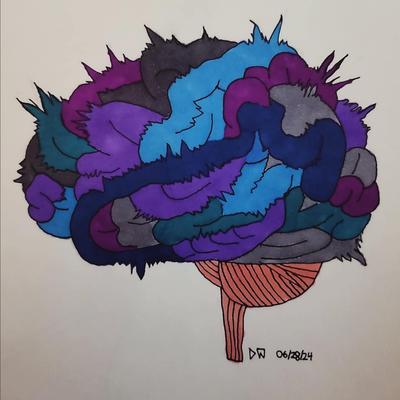
💸🖤 Ledger of the Lost — where worth is tallied, but never whole.
This digital download pairs Kiana Jimenez’s poem Self-Worth with Dave White’s illustration Sell Yourself. A haunting meditation on value, identity, and what is lost in the ledger of survival. #LedgerOfTheLost #PoeticBipolarMind #KianaJimenez #DaveWhiteIllustrations #PoetryAndArt #DigitalDownload #GothicPoetry #SymbolicArt #Commodification #EmotiveFusionArt
Will the 'koala tourist park' save the endangered species?
"Habitat loss and fragmentation is the number one threat to koalas. Others include climate change, bushfires, disease, vehicle strikes and dog attacks."
"The NSW government says logging must immediately cease in areas to be brought into the park’s boundary. However, logging pressures can remain, even after national parks are declared. Forestry activities must cease completely, and forever, if the park is to truly protect koalas."
"What’s more, recreational activities, if allowed in the national park, may negatively impact koalas. For example, cutting tracks or building tourist facilities may fragment koala habitat and disturb shy wildlife."
>>
https://theconversation.com/koalas-are-running-out-of-time-will-a-140-million-national-park-save-them-264789
#biodiversity #wildlife #conservation #HabitatDestruction #roads #dogs #pets #NSWLogging #LoggingImpacts #FossilFuels #MidNorthCoast #KoalaTouristPark #TheGreatKoalaNationalPark #encroachment #deforestation #nature #commodification #values #touristification #TouristPark

Monetising the great koala national park
"The government estimates the park’s value as a tourism destination will generate an extra $163m for the state’s economy over two decades. The native logging division of NSW Forestry Corporation has run at a loss for several years...The Minns government on Sunday revealed the proposed outlines of the park, fulfilling its 2023 election commitment...A moratorium on logging within its boundaries begins on Monday."
End native forest logging across NSW. Recognise remnant flora and fauna in 'plantations'.
>>
https://www.theguardian.com/australia-news/2025/sep/08/minns-140m-great-koala-national-park-regional-towns-coalition-nsw
#biodiversity #wildlife #koalas #TheGreatKoalaNationalPark #ecosystems #value #nature #commodification #NSWLogging #FailedAssets #FCNSW #StrandedAssets #MidNorthCoast #deforestation #plantations #extractivism #CashCow #ExtinctionCrisis
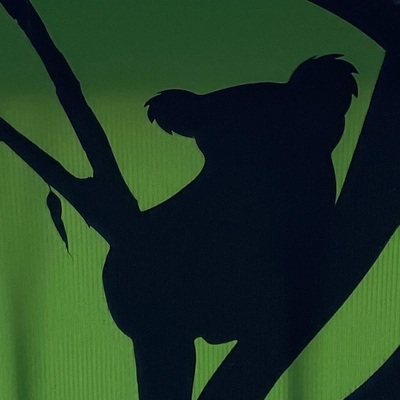
Image: Anthropomorphic image of a koala unboxing the cornucopia of a tourist park.

This Paris Hilton song turns ADHD into a fashion accessory. Privilege isn't a superpower, and neither is bad songwriting. 🛫💸
#ParisHilton #ADHD #PopCulture #MentalHealth #MusicCriticism #Commodification #CelebrityCulture #ADHDAwareness #PrivilegeCheck
https://songreading.wordpress.com/2024/10/31/adhd/
Reclaimining a sense of place
Mobility and the right to stay in a milieu
"Touristification describes a situation where locals fear their home towns and cities are being developed, designed and managed to attract and accommodate tourists. This touristification process benefits commerce and industries that profit from catering to visitors. Everyone else misses out, or is literally pushed out by rising housing costs. Some places are overwhelmed by short-term overtourism...Local housing, for instance, is being sacrificed for holiday rentals, facilitated by agencies such as Airbnb. local communities do not feel heard or empowered by tourism models which are focused on growth."
>>
https://theconversation.com/overtourism-is-reshaping-communities-in-europe-could-australia-be-next-260173
#tourism #overtourism #Touristification #TouristDestinations #TouristTown #coast #noise #pollution #cars #Bellingen #BellingenShire #harm #community #displacement #FastTrackApprovals #airbnb #regulation #MarketForces #housing #commodification #degradation #LeDroitàlaVille #mobility #RightToStay

By severing any connection with the actual places where those involved live, and instead emphasizing elements of travel and conspicuous #consumption, #DestinationWeddings represent another stage in the depersonalization and #commodification of #marriage and its #ceremonies.
Ah yes, #alienation and #commodification are apparently not very good for the psyche…
Good job, capitalism 👍 /s off.
People should be aware of psychological manipulation due to recursive feedback loops. #imho 🤷

The plant medicine hayakwaska (#ayahuasca), marketed as a mystical shortcut to healing and #enlightenment, is an example of what the Indigenous storyteller Nina Gualinga, sees as #commodification and #extractivism in the Amazon.
.., and she speaks with the memory of her shaman grandfather about the ongoing #culturalappropriation, environmental destruction and #marginalisation of her people, questioning our very relationship to the Earth and the quest for healing