"If it was not down, it would be up", Donald Jong Trumphomeiny Presidente en Actividad del جمهوری اسلامی ایران #FIFA #Peace #Prize Golf-Champion Winner, Best in the History in the Category of the Best in History
"MAKE AMERICA OIL AGAIN" #uspolitics #davos #stability #adaptativenormalcy #complacency
RE: https://bsky.app/profile/did:plc:6y3honhec2jch2ryrbuyx5a5/post/3mgxtdkpp4k25
#complacency

📎🐸ZhSigma@332ppm≅Σx,x∈S={🌱💚🇪🇺λP(θ|y)⁂}learn-languages-world-lifestphrolland.bsky.social@bsky.brid.gy
2026-03-13
#Complacency is conscious #complicity.

The world is a dangerous place to live, not because of the people who are evil, but because of the people who don't do anything about it.
-- Albert Einstein
⬆ #Wisdom #Quotes #AlbertEinstein #Complacency #Evil
⬇ #Photography #Panorama #Sunrise #SacandagaLake #Adirondacks #NewYork


Things I Never Thought I’d Tolerate
What would younger you be shocked you tolerate today? I used to have standards. Actual ones. Lines you didn’t cross unless you wanted consequences. Younger me would be absolutely floored by what I tolerate now. Not because I got wiser. Because the world got louder, dumber, and weirdly proud of it. I put up with stupid people. Daily. Loudly. People who say things that make you wonder how they successfully put on pants this morning. Opinions with no facts. Confidence with no competence. […]https://ericfoltin.com/2026/01/31/things-i-never-thought-id-tolerate/

I kind of hate everything about the WEF & to me, PM Carney is a huge disappointment on multiple fronts, BUT I kind of have to admit that this speech is kinda fire & I'm really glad someone pointed out that the emperor is wearing no clothes & nations need to get off their asses & do something about it.
"The power of the less powerful begins with honesty."
#Canada #CanPolitics #compliance #complacency #truth #internationalpolitics #trade #alliances #StrategicAlliances
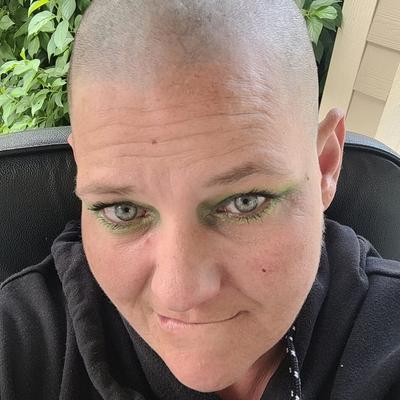
Advocates Jen Castaneda and Erin Black met with City of Loveland representative Alison Hade to discuss Camp Hope and the Loveland Resource Center.
The recording of this lunch is divided into the videos below. #cityofficial #lunch #lies #murder #complacency http://youtube.com/shorts/EfnyRH9zKMY?feature=share http://invisiblymisdiagnosed.com/2025/11/30/a-luncheon-with-alison-hade/?utm_source=mastodon&utm_medium=jetpack_social

The German Bundestag has commenced the final week of budget deliberations for the 2026 fiscal year, signaling a critical juncture for the ruling coalition gover... https://news.osna.fm/?p=24788 | #news #against #begins #budget #complacency
A troubling complacency has taken root within Germany, leaving it vulnerable to Russia's calculated disinformation campaigns, according to Florence Gaub, Direct... https://news.osna.fm/?p=22948 | #news #complacency #expert #exploiting #german

"You lie on beds adorned with ivory
and lounge on your couches.
You dine on choice lambs
and fattened calves."
Amos 6:4 #Bible #decadence #complacency

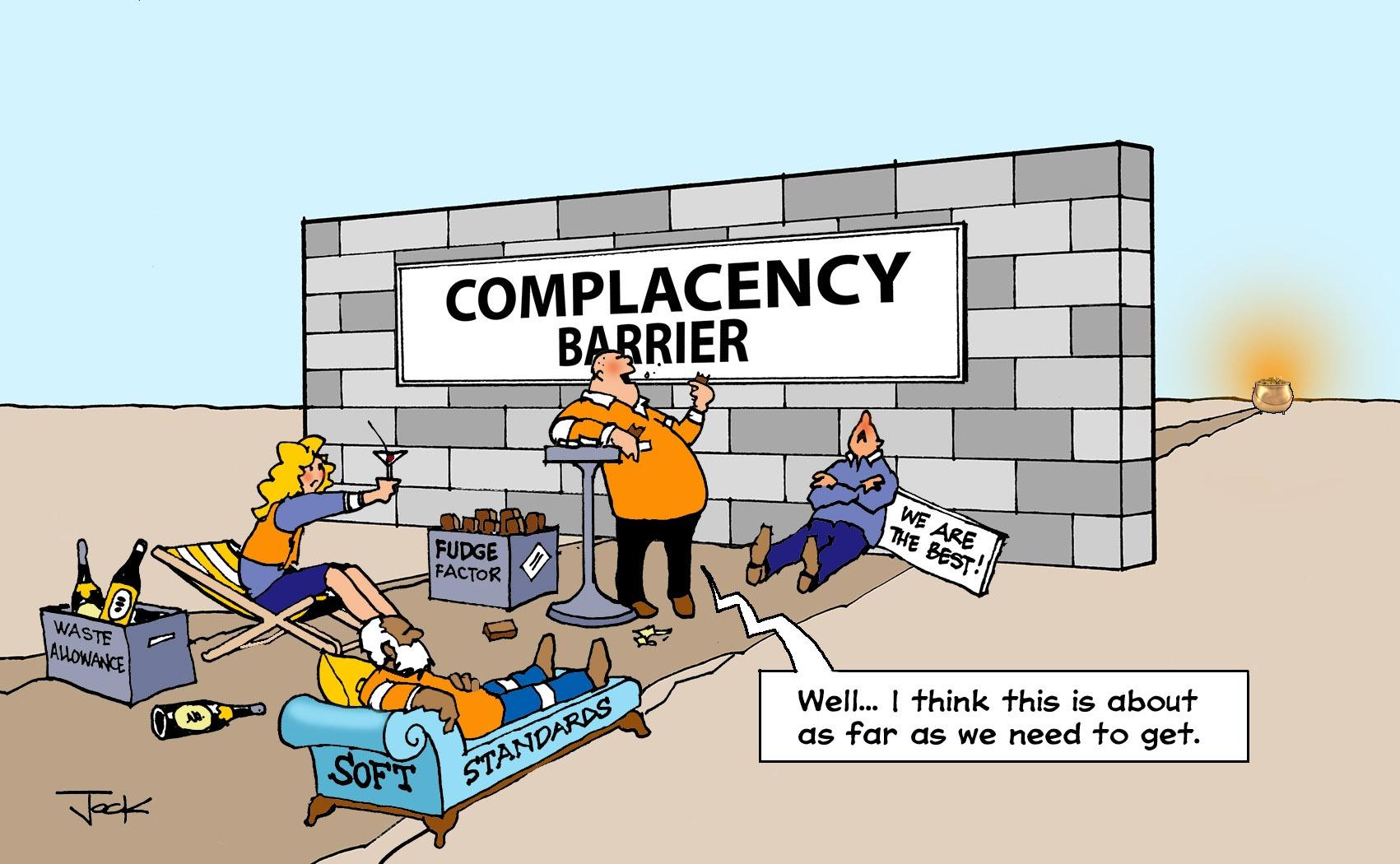
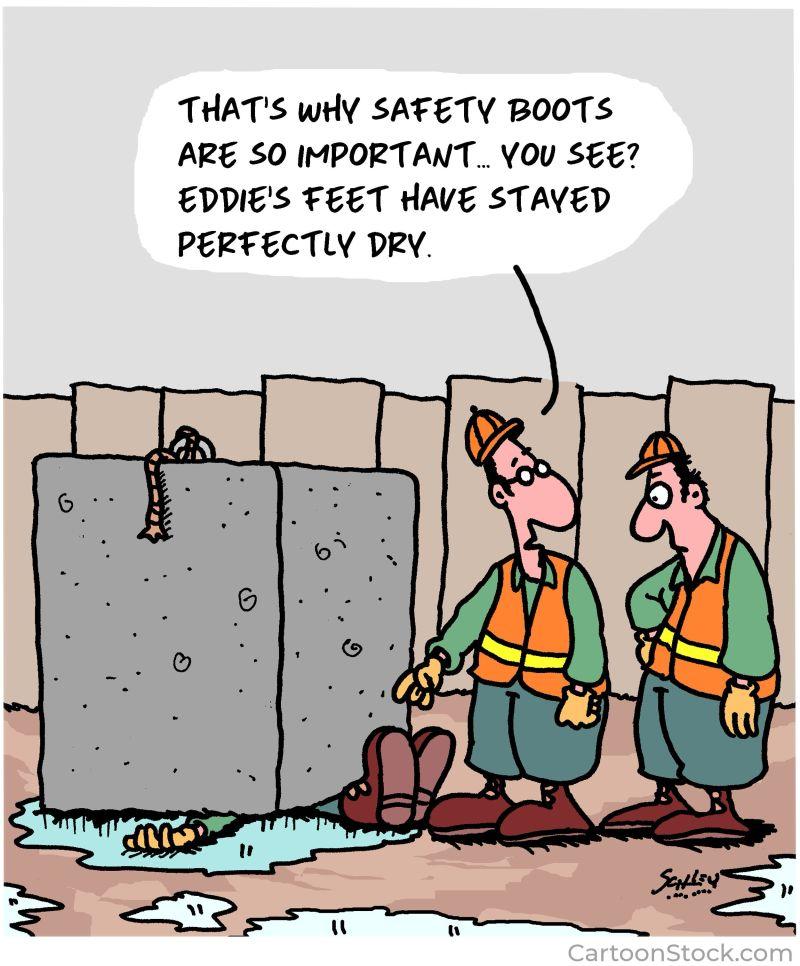
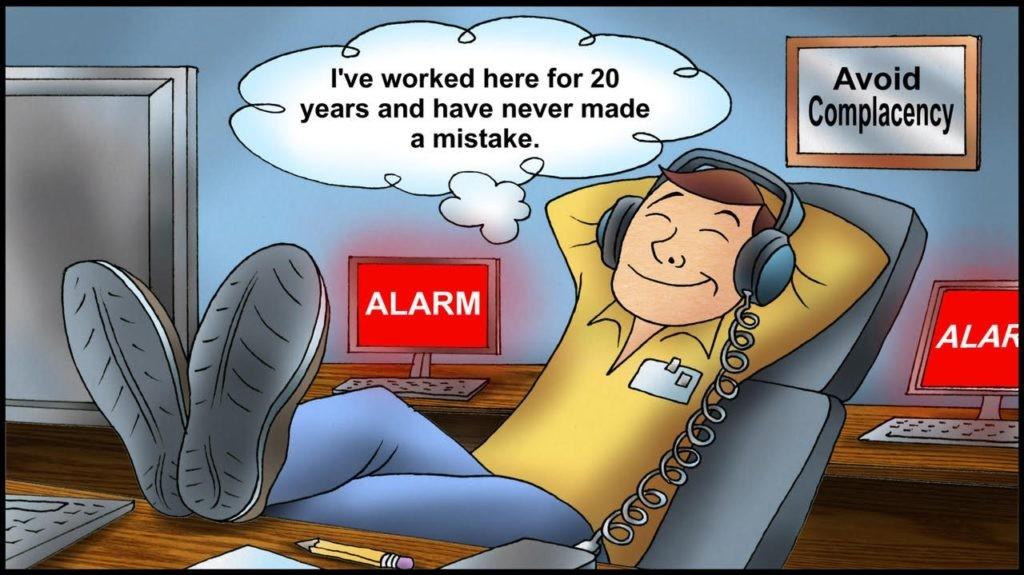
Complacency isn't just bad for quality and improving, it can also be deadly. Just because it's always been done that way or no accidents have occurred doesn't make it the best way or a safe workplace. #complacency #safety #quality #workplace #deadly #accidents
#tl;dr "The #BanalityOfEvil shows how #OrdinaryPeople through #Thoughtlessness and #Complacency become complicit in #UnimaginableCrimes. In #Gaza, this #ComplicityKills — silence and inaction fuel #Genocide." #StopTheGenocide 💚 ✊ 🔥

“The usual pattern, instead, is one of #market #complacency until the last possible moment. That is, #markets act as if everything is normal until it’s blindingly obvious that it isn’t.” #Trump #Fed paulkrugman.substack.com/p/why-arent-...
Why Aren’t Markets Freaking Ou...

Why should one not be complacent?
The Quran emphasizes continuous effort and avoiding complacency for personal growth.
#complacency #personal_growth #Quranic_verses
https://mytodayquestion.com/en/question/why-should-one-not-be-complacent

Just this. Over and fucking over and fucking over again.
If you are complicit in eugenics, you are encouraging eugenics. Plain and simple.
Courtesy of Po8tum on TikTok.
"Although the changing climate is the biggest problem, the way we react to or ignore the changes could make a bad situation worse, experts said.
Marshall Shepherd, a University of Georgia meteorology professor who previously served as president of the American Meteorological Society, said people tend to base decisions on how they fared during past extreme weather events, including storms that didn’t end up directly affecting them. This leaves them overly optimistic that they’ll also fare well today, even though storms have grown more fierce.
He points to the Texas flooding.
'That is flash flood alley. We know that floods happen in that region all the time. ... I’ve already seen normalcy bias statements by people in the regions saying, well, we get flooding all the time,' Shepherd said, pointing out that the amount of rain that fell in only a few hours last week was anything but normal.
People need to shift how they think about disasters, even if they don’t live in the most disaster-prone locations, said Kim Klockow McClain, an extreme weather social scientist at the University Corporation for Atmospheric Research who studies communicating disaster warnings and risk.
'The message needs to be, if you’re used to some degree of nuisance flooding, every so often, look at what happened in Texas and realize that this is a shifting baseline,' she said.
(. . .)
As the weather has grown more extreme, our ability to prepare for and react to it hasn’t kept pace, the scientists said.
'Infrastructure is aging in our country and is more vulnerable given the fact that there are just simply, as a matter of fact, more people living in harm’s way,' Peek said. 'As our population has continued to rise, it’s not only that we have more people in the country, it’s also that we have more people living in particularly hazardous areas like our coastal areas.'
The Trump Administration’s mass layoffs and planned cuts to agencies that study climate and help warn of and deal with disasters — the Federal Emergency Management Agency, the National Weather Service and research labs at the National Oceanic Atmospheric Administration and the U.S. Geological Survey — could further worsen the situation, several experts said."

Creative Problem Solving: from »No, But« to »Yes, And!« 👉 https://CreativeProblemSolving.EU
#Whatis #CreativeProblemSolving? 💡 #CPS is an #innovationmethod focused on generating open-ended ideas to complex problems through imaginative and exploratory thinking.
#Overcoming #Complacency 🚧 Creative problem solving addresses complacency in #business #organisations, pushing teams beyond comfortable routines to actively #innovate. (1/2)


I was impressed by the number of #American #flags at our #protest
International observers you are entitled to dislike the #flag but domestically we must wrest the #symbol back from #MAGA
#Capitulation and #complacency towards what #bigots falsely claim as theirs is not acceptable


Today's poem:
Old Houses of Charlottenburg
- by William Greco
https://www.tumblr.com/ukdamo/785698731228086272/old-houses-of-charlottenburg?source=share
#Berlin #Charlottenburg #house #architecture #surreal #futility #bourgeois #complacency

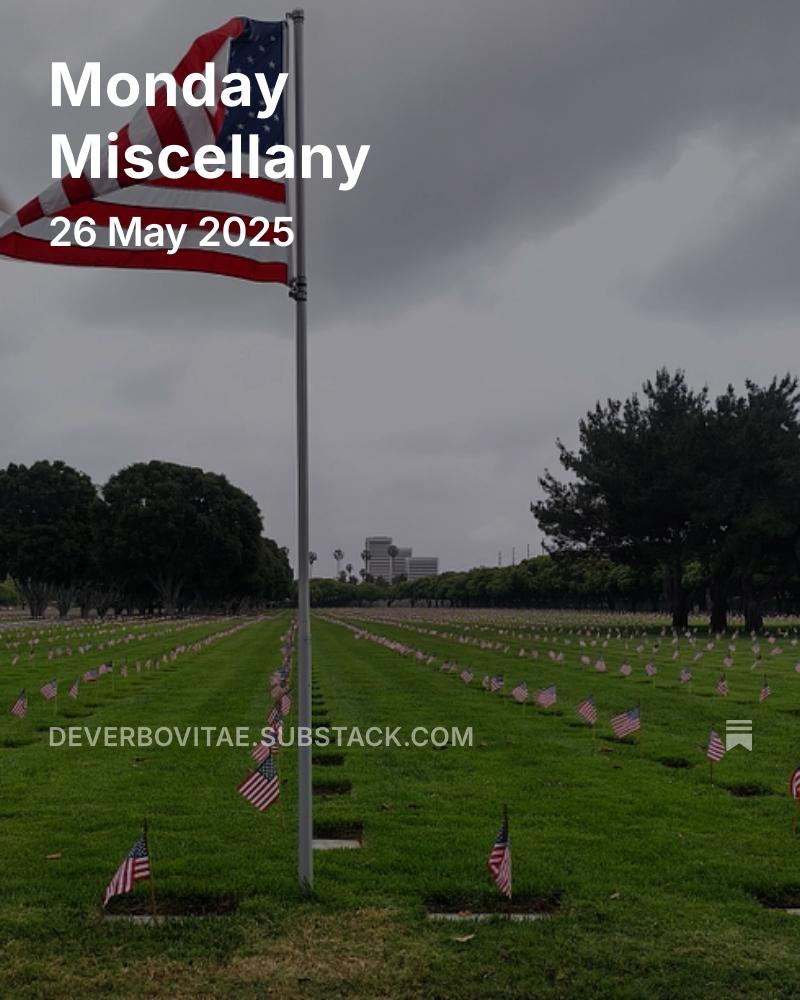
Memorial Day Monday Miscellany!
This week:
- spiritual #complacency
- #Job
- #Bible readings
- Memorial Day flags
- Book reviews: the #pastorswife, #IndoEuropean languages
Please read, share, and subscribe!

https://qz.com/jamie-dimon-jpmorgan-chase-trump-tariffs-wall-street-1851781473
Jamie Dimon says investors are actually being way too chill about tariffs
#JPMorgan #Chase #CEO #JamieDimon #Dimon #market #complacency #trump #tariffs #us #deficits #international #tensions #inflation #economic #collapse #SP500 #earnings #decline #investment #banking #revenue #trade #stocks #markets #equities #bonds #treasuries #yields #rates #interest #debt #creditcards #credit
Client Info
Server: https://mastodon.social
Version: 2025.07
Repository: https://github.com/cyevgeniy/lmst