
My Feet Are Currently Homeless 👟
It’s a tragedy, really. My trainers have officially entered their "end-of-life" phase, and I’m simply too fragile to handle the financial burden of replacing them myself. So, in the spirit of community and—mostly—my own vanity, I’m officially launching a crowdfunding campaign.
The Dream: I’ve set my sights on a pair of Golden Goose. Because why buy cheap shoes when you can pay $600 for a pair that looks like they’ve already lived through a messy divorce and a house fire? It’s called aesthetic, look it up.
How to Invest: If you feel the burning desire to sponsor my lifestyle choices, slide into my DMs for my Bizum details. Think of it as a charitable tax write-off for your soul.
#Crowdfunding #FinancialFreedom #SpareChange #GoldenGooseDreams #AestheticGoals #LifestyleSponsorship #PhilanthropyOrNot #ShoeAddict #BizumMe #ModernBegging
#SpareChange

NEW YEAR, OLD FINANCIAL WOES
What type of person are you when the clock strikes 12 on Jan. 1? Are you the one who journals, reflects, maybe even makes a vision board for what you want the year to look like? Or does the whole “resolution” thing make you want to gag and roll your eyes?
Honestly, there’s cause for that. Every January the gym is unbearable, parking is impossible and getting into your regular class feels like the Hunger Games. Still, humans have always celebrated new beginnings.
I’ve swung between both extremes—ending the year feeling terrible and promising myself a dramatic turnaround or avoiding the whole thing entirely. Yet, every year, regardless of my mood, a reflective state sets in. You scroll back through the year, hoping to feel grateful for your wins while quietly noting what could have gone better.
For many people, finances loom large in that reflection and money can feel like one of those areas that never quite clicks.
It helps to set SMART goals— that is, simple, measurable, attainable, realistic and timely.
But part of the exercise is also emotional and psychological. You’re creating space to slowly become a future version of yourself. Change takes time; in hindsight, the struggle, fear, and back-and-forth get glossed over.
So, instead of piling on ambitious resolutions that set us up for disappointment, below are a few simple, realistic things you could do in 2026 to feel better about your money while still moving toward long-term goals.
Leave the fuzzy zone
Maybe your finances live in a vague, uncomfortable place. You know something feels off, but you can’t quite explain why. It’s just a low-grade anxiety that flares up whenever money enters your thoughts.
That fuzzy feeling often hides goals/habits that don’t align with us. Before you overhaul your budget, slash spending, or make big plans, it’s critical to understand what you’re working toward and how money fits into that vision.
Before I started therapy, I noticed that whenever a scary or uncomfortable thought surfaced, my brain would immediately short-circuit, I’d distract myself or push it away. One day, I tried something different. I kept asking myself “why?” until I hit a logical dead end.
Once I let myself think through the worst-case scenarios, they were usually either manageable or hilariously improbable.
To start, do a “brain dump” of every financial worry to turn that blurry anxiety into a tangible list. For the heaviest thoughts, keep asking, “Why does this bother me?,” until you hit the root fear. Getting it on paper mutes the noise of anxiety, giving you the mental space to tackle the problems.
Low-hanging fruit first
A lot of personal finance should be on autopilot once you have an overriding principle. Set up automatic savings or investment withdrawals. Use autopay for bills and with credit cards so you don’t miss payments or rack up interest. Once systems are in place, they set you up for success and remove day-to-day willpower decisions.
Pay down high-interest debt
High-interest debt generally means anything charging above eight per cent interest. That number matters because it is roughly what you might expect from long-term stock market investing. If your debt costs more than that, getting ahead becomes nearly impossible. Tax refunds or bonuses are a great opportunity to make real progress here.
Create room to breathe
Have you ever started a long drive only to realize your gas tank is nearly empty? Once that warning light comes on, the entire trip becomes about finding a gas station. There’s no space to enjoy the scenery or your favourite podcast.
Emergency savings work the same way. You can plan better, think clearer and maybe even take an unexpected detour without feeling off-kilter. When expenses are high and there’s nothing left over, being told to save can feel like a slap in the face. If that’s where you are, start where you can, even if it’s just $5 a paycheck. It might seem small but building that habit is a way of reclaiming a little bit of control. It’s about creating the psychological momentum we all need to reach stability.
Remember: change is hard and possible. Restarting after failure is part of the process. Perfection isn’t required. Things feel small, until they aren’t.
#CHIDINMAMBANEFO #Column #debt #highInterest #lowHangingFruit #newYear #sameFinancialWoes #SMART #spareChange
LIVING NOW, PLANNING LATER: LESSONS FROM DIE WITH ZERO
I recently finished reading Die With Zero by Bill Perkins. The central idea is that the only guaranteed moment is the one you are living in right now, so the real question becomes: how do you maximize life, experiences, and finances in a way that still leaves your future self-supported?
It is a provocative idea because the tension between enjoying the present and preparing for the future is real and constant.
Over time, I’ve learned that for me, balance begins with understanding who you are, where you are, what you value, and how those values show up in your financial choices. When those pieces are unclear, any system, even the good ones, starts to crumble.
1. One Person’s Meat Is Another Person’s Poison
Many of us grow up in environments that blend shame, guilt, and unspoken expectations. These forces shape our relationship with money long before we ever earn a paycheque. When the messages around us tell us what we should want, how we should behave, or what a “responsible adult” spends on, it becomes difficult to know what we genuinely like, want, or value. This disconnection breaks our internal compass, leading to misalignment and autopilot habits we would never choose intentionally.
The first step in creating balance is naming without shame what a good life looks like for you. Not the version you think you should want, or the version your family, friends, or social media celebrate, but the one that fits your actual personality and priorities. The next step is accepting the cost of that vision.
Every meaningful life has a cost, financial or otherwise. When you accept those costs, you reduce the likelihood of reaching the end of life filled with regret about the things you never allowed yourself to do.
Ideally, you should look at your bank statement and clearly see your values reflected. Instead, many of us spend and save unintentionally. We follow generic financial scripts—save a million dollars, retire at sixty-five, invest aggressively, deny yourself now and reward yourself later—without pausing to evaluate whether those goals align with the life we want.
Consider:
• How would I live if I had one day left? One month? One year? Twenty years?
Your answers will shift, and the shifts matter.
• What spending brings guilt or shame?
• Does that feeling come from misalignment with your own goals, or from messages inherited from others?
• What trade-offs am I making when I choose to save, spend, or prioritize something?
Your honest answers shape your financial behavior more than anything else.
2. Know your numbers (without obsessing)
My sister once walked into the bank because every month her credit card bill shocked her. She was convinced some digital creature was secretly siphoning her money. The bank representative pulled up her statements, and she was forced to confirm that, yes, she had authorized every single purchase.
She did not even feel guilty about how she spent—she simply was not in control. Many of those purchases were not intentional, so she did not enjoy them.
You need to know where your money goes, but it does not need to be complicated. Start with the basics. List your fixed costs: rent, groceries, insurance, debt payments. Then estimate your variable costs: entertainment, dining, and hobbies.
Pull three to six months of bank and credit card statements and find your averages. This gives you a realistic baseline for what “normal” looks like.
You do not need to track every cent. Once you understand your baseline, you can make calmer and more informed decisions.
3. There are seasons
A major takeaway from Die with Zero is the idea of time buckets, recognizing that life has seasons and each season allows for different types of experiences. As you age, your energy, health, and interests shift. I still enjoy traveling, but the idea of shared bathrooms and cold meals now feels miserable. In my twenties, I tolerated it easily, sometimes even enjoyed it. Instead of traveling frugally with friends during that season, I spent much of that time working toward money goals that ultimately felt hollow.
Money only matters when it’s connected to a purpose. For me, that purpose now includes being in community, helping my family, and making art I love.
If your income barely covers essentials, your priority might be building breathing room, a small emergency fund, paying off a high-interest debt, or creating a side stream of income. If you already have savings, then the question becomes whether your spending aligns with your actual goals or whether it’s driven by fear or habit.
Instead of a lifelong bucket list, create decade lists: experiences and goals for your twenties, thirties, forties, and beyond. This brings clarity and makes financial decisions more meaningful.
4. Time is an important ingredient
This is where my perspective diverges slightly from Perkins. He describes a friend who borrows money to travel in his twenties. Perkins argues that “borrowing from your future self” can enhance early adulthood if the debt is modest and not high interest.
I understand the logic, but my bias is different: for nonessential expenses, if you cannot afford something, you should generally avoid borrowing to make it happen.
Many people already struggle with debt and low savings, and catching up later becomes unrealistic. Time itself is powerful. The earlier you start saving or investing, the less you have to contribute because compounding does most of the work.
For example, someone who saves $200 per month from age 25 to 35 and then stops can end up with more at retirement than someone who starts at thirty-five and saves until 65. Time multiplies effort in a way nothing else can.
5. Once you set your intention, automate it
James Clear’s Atomic Habits emphasizes removing friction. If your goal is to save, automate your transfers so money moves into savings or investments before you can touch it. Automation protects you from indecision, forgetfulness and emotional decision-making. You don’t need to check accounts constantly or react to every market dip. Review your plan once or twice a year, or when major life changes occur, but avoid endless tinkering. Consistency, not perfection, is what makes the difference.
6. Make space for joy
The goal is not money itself but what money allows: time with family, meaningful experiences, generosity, creativity or peace. Plan joy with the same seriousness you plan savings. Budget for dinner, the trip, the celebration. Remove the guilt and the outside opinions. You can live in the present and prepare for the future if you define what “enough” looks like for both.
#billPerkins #CHIDINMAMBANEFO #Column #dieWithZero #fixedCosts #personalFinances #poison #selfImprovement #severance #spareChange


GOAL MET FOR THIS WEEK, THANK YOU <3
So we can stay afloat in this capitalist nightmare a little longer, may I ask if any more of you can put something towards our car loan and overdraft needs this week?
This car is our lifeline, our heating and cooling space, our backup battery and more. We can't be losing it.
We're on $1077.54/$920 #mutualaid
Paypal @athamanatha
Ko-fi.com/athakitsune
Liberapay Athamanatha
Cashapp $athamanatha
Patreon.com/vulpinedesigns
Wise, IBAN and more on request!
@mutualaid
@mutual_ayyde
@mutual_aid
#queermutualaid #help #trans #helpfolkslive2025 #nonbinary #queer #queermutualaid #homeless #homelessness #underemployed #moneyhelp #money #sparechange #lgbtqia2plus #lgbtq #lgbt #transinneed #helpus #debt #FuckCapitalism #muckfusk #truckfump #tuckfrump #helpplease
Nobody needs to be #unemployed in this country.
You can always get a job sitting outside Burger bars asking for #spareChange.
We're broke and the expenses are queuing up. I don't know if #MUTUALAID still has the capacity to help us any more. Please, if you can, prove it does at least a bit.
We're doing our level best to use what we have and only buy what we can't get elsewise. But some things are money-only and expect blood from a stone.
https://paypal.me/athamanatha
https://ko-fi.com/athakitsune
Cashapp: $athamanatha
Several other options on request.
Please help us survive this.
#homeless #donate #queer #crowdfunding #queermutualaid #help #mutualhelp #fedihelp #debt #underemployed #survival #helpfolkslive2025 #helpfolkssurvive #donations #spreadthelove #boost #share #boostforreach #sparechange #changeourlives #buildtheresistance #fightfascism #vulpibus #buslife #skoolie #yeswecan #buildthefuture #solarpunk #solar #helpneedednow #basicneeds #fuckcapitalism #tuckfrump #Muckfusk

Collect donations for your favorite charity directly on your LnkBio page with the brand new SpareChange embed


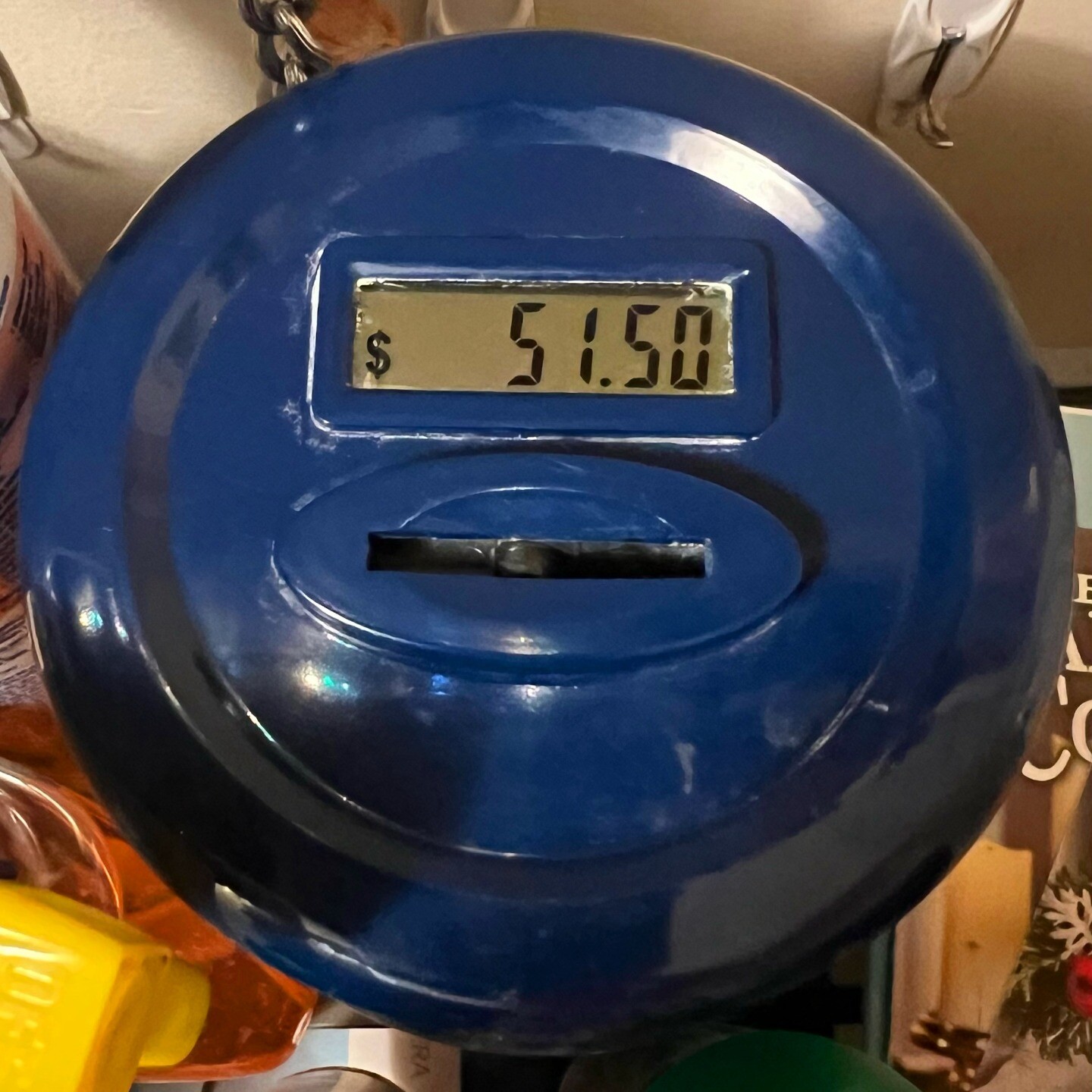
When your change jar hits a sweet number and you don’t wanna fuck it up but you have a pocket full of nickels and dimes #5150 #VanHalen #EVH #SpareChange


#luchador for change...
#mexico #wrestling #stoplight #sparechange #streetperformance #masks
Client Info
Server: https://mastodon.social
Version: 2025.07
Repository: https://github.com/cyevgeniy/lmst