
Not all flower visitors are equally helpful to the flower; separately tracking bees that buzz to release pollen and bees that steal pollen from flowers in a bunch of Chamaecrista species shows how tracking visitation alone would misrepresent the interactions
#pollination


"A study published today in Science reveals that cycads, tropical plants that resemble palms, attract beetles using infrared radiation generated by their conelike reproductive structures. [...] [T]he results offer a window into “the earliest form of pollination”—a prototype for what is today one of the most transformative ecological interactions on Earth."
Pollinators: Life, Biology and Threats by Shyamasree Ghosh & Dhriti Banerjee, 2025
This book explores the critical role of dipterans (flies) in global food production, plant reproduction, and ecological services. It highlights the diversity of pollinating dipterans worldwide, with a focus on their importance in India.
#books
#nonfiction
#pollination
#pollinators
#India
#Springer

An 8-year study of plants and pollinators in a Mediterranean community in southern Spain shows they're all flowering and active earlier as climate warms, but also a little less likely to overlap with interacting species

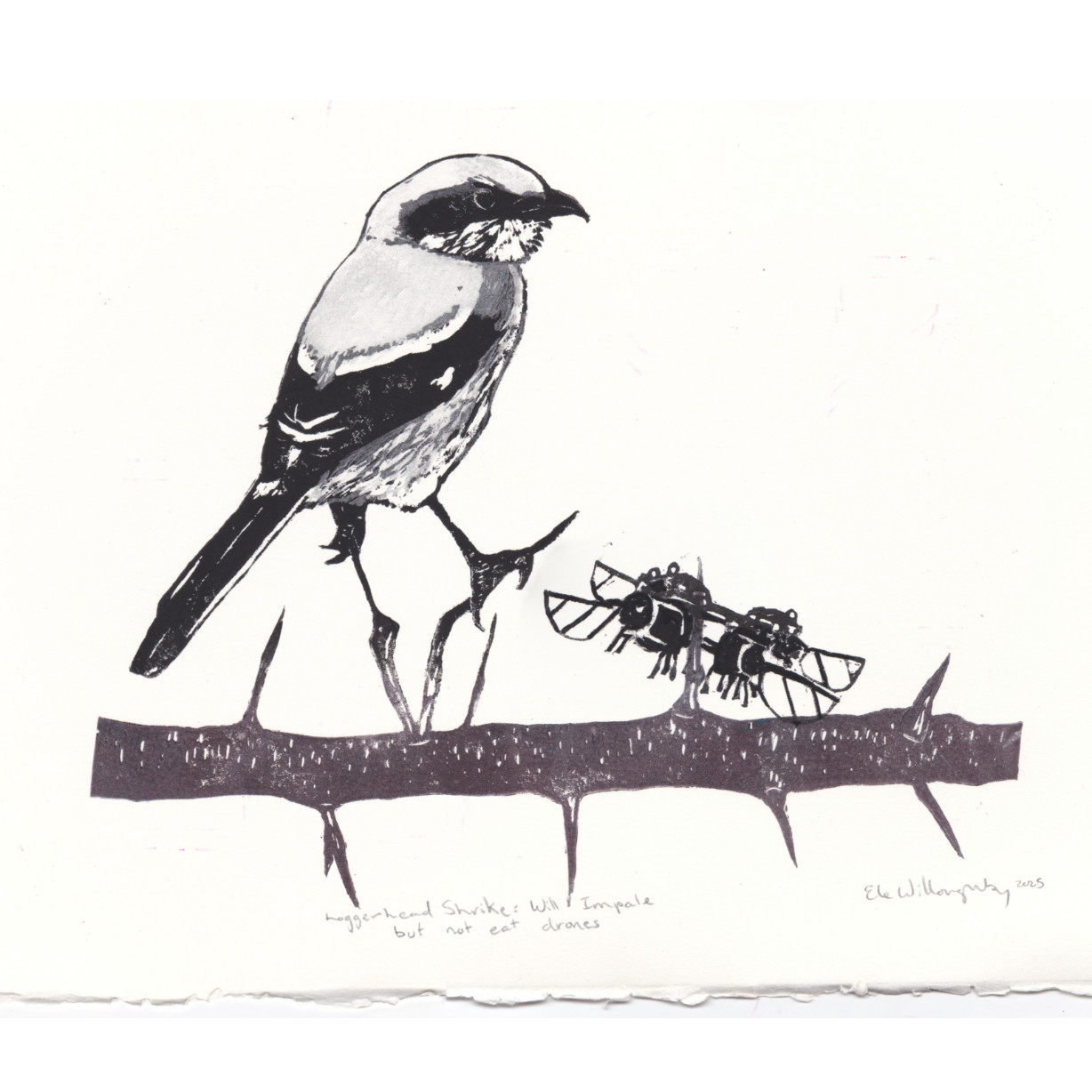
Day 11 #artAdventCalendar The loggerhead shrike, endemic to North America, is also known as the butcherbird for its carnivorous tendencies and habit of ostentatiously displaying stored prey dramatically impaled on convenient spikes like tree thorns or barbed wire. Its usual prey are insects, amphibians, lizards, small birds or small mammals. 🧵
#linocut #printmaking #sciart #pollination #future #loggerheadShrike #shrike #wildlife #ManufacturedEcosystems #mastoArt
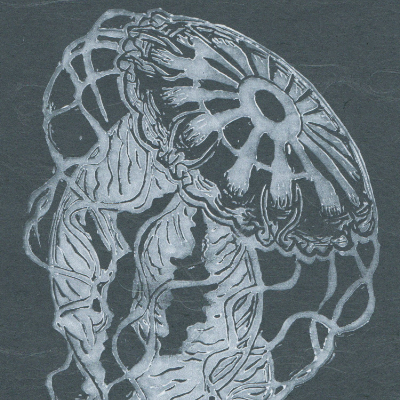
Day 10 #artAdventCalendar A piece for Manufactured Ecosystems about the future of pollination about who decides what gets pollinated if humans and our devices are the only pollinators.
The definition of “weed” is usually pretty arbitrary and usually all sorts of native plants get caught up in our human biases. Milkweed is insanely popular with the pollinators in my garden and 🧵
#linocut #sciart #printmaking #pollination #future #milkweed #ecology #manufacturedEcosystems #mastoArt

Surveys of plant-pollinator interactions taken almost a century apart show how changing timing of flowering and pollinator activity in a warmer world is reshaping these mutualisms

🌱 𝗘𝗰𝗼𝘀𝘆𝘀𝘁𝗲𝗺 𝘀𝗲𝗿𝘃𝗶𝗰𝗲𝘀–𝗕𝗶𝗼𝗰𝗼𝗻𝘁𝗿𝗼𝗹 𝗮𝗻𝗱 𝗜𝗻𝘁𝗲𝗴𝗿𝗮𝘁𝗲𝗱 𝗽𝗲𝘀𝘁 𝗺𝗮𝗻𝗮𝗴𝗲𝗺𝗲𝗻𝘁 (Keynote speaker: Ivan Hiltpold, USA)
🏗️ 𝗘𝗰𝗼𝘀𝘆𝘀𝘁𝗲𝗺 𝘀𝗲𝗿𝘃𝗶𝗰𝗲𝘀–𝗦𝗼𝗶𝗹 𝗺𝗮𝗻𝗮𝗴𝗲𝗿𝘀 𝗮𝗻𝗱 𝗔𝗿𝗰𝗵𝗶𝘁𝗲𝗰𝘁𝘀 (Keynote speaker: Jérôme Mathieu, France)
🌸 𝗘𝗰𝗼𝘀𝘆𝘀𝘁𝗲𝗺𝘀 𝘀𝗲𝗿𝘃𝗶𝗰𝗲𝘀–𝗣𝗼𝗹𝗹𝗶𝗻𝗮𝘁𝗶𝗼𝗻 (Keynote Speaker: Jane Stout, Ireland)
👉 Join us at ECE2026: https://www.ece2026.org/
#ECE2026 #InsectsAsSolutions #Biomimetism #Bioinspiration #PhotonicMaterials #Sensory #InsectsAsFeedAndFood #EcosystemServices #Biocontrol #PestManagement #SoilManagement #Pollination
Day 5 of #artAdventCalendar - For the Manufactured Ecosystems art show about the future of pollination I looked at what nature-inspired technologies exist or are already proposed or that I could envision to pollinate plants, faced with a precipitous drop in pollinator numbers. But, I am also turned an artist’s eye to larger implications.
There are already researchers working on artificial pollination with tiny 🧵
#sciart #linocut #printmaking #pollination #pollinators #manufacturedEcosystems


Milkweed and Visitors — These vibrant milkweed flowers are attracting a busy group of insects. The flowers, likely *Asclepias* species, are a vital food source for pollinators and a crucial host plant for monarch butterfly larvae. The insects appear to be bracket fungi.
#Pollination #Flowers #Leaves #Milkweed #Asclepias #Vibrant #Natural #Insects #BracketFungi #Texas

Nice demonstration of different pollinator species "pulling" floral morphology in different directions for optimal pollen deposition, in two South African wildflower species

We’ve made it to December so that means it’s time for #ArtAdventCalendar! I enjoy taking part and just sharing art every day and take the opportunity to go back over new work I made during the year.
Day 1. I am sharing the pollinator garden work which I made for my show about the future of pollination for Manufactured Ecosystems. 🧵
#printmaking #wildflowers #sciart #pollination #mastoArt #monarchButterfly #CanadaColumbine #ecosystems #linocut #bumblebee #manufacturedecosystems

🌼The “elephant trunk” of Pedicularis is not just decorative. It’s a pollen-dispensing mechanism shaped by pollinator-mediated selection. (9/9)
#PlantScience #Pollination #EvoEco #BuzzPollination #Botany #PlantScience #AoBpapers
🎉 Great news! The paper ‘Ecological function of the ‘elephant trunk’ upper corolla in Pedicularis species’ in @AnnBot by Ze-Yu Tong and co-authors is now #free for 2 weeks 🧵(1/9)
#PlantScience #Pollination #BuzzPollination #PlantScience #AoBpapers

Orchids are famous for specialized flowers that create species isolation by manipulating pollinators— but these ones don't have specialized pollinator relationships. Instead, they're isolated by pollen incompatibilities.
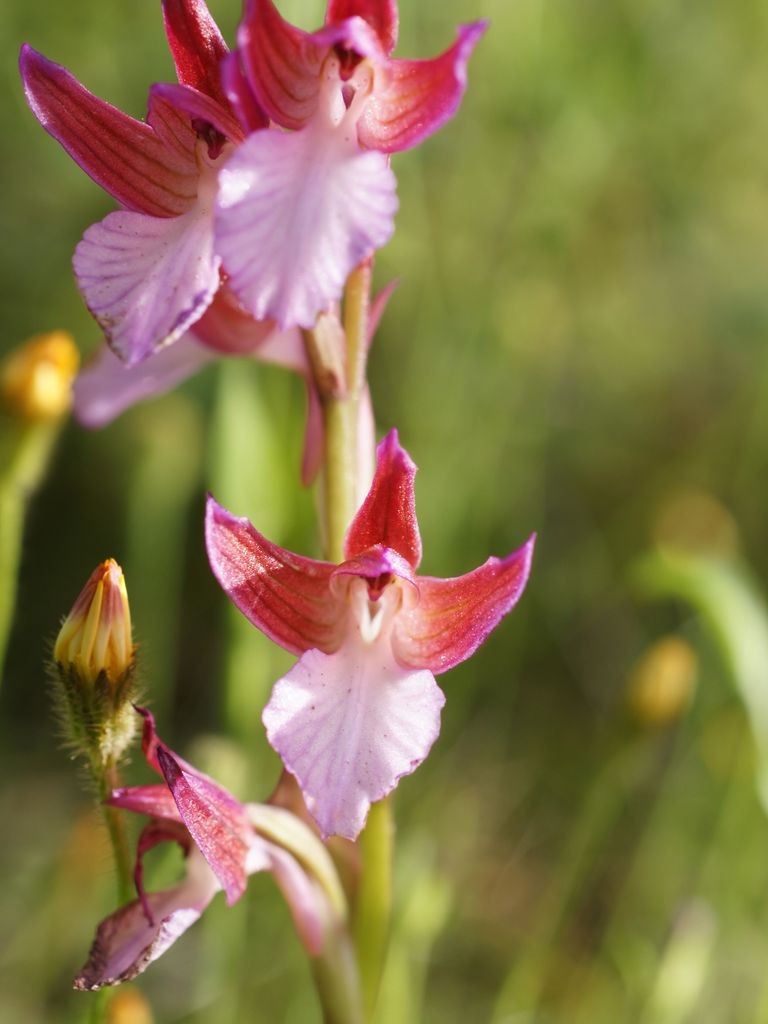
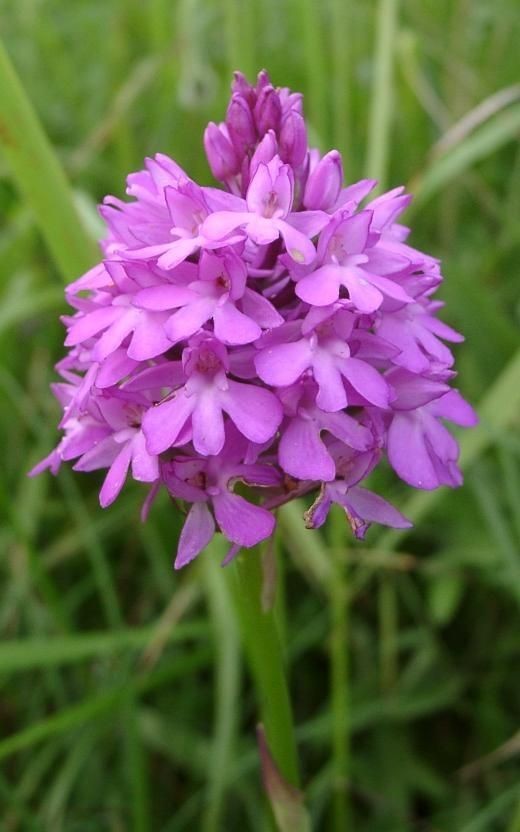
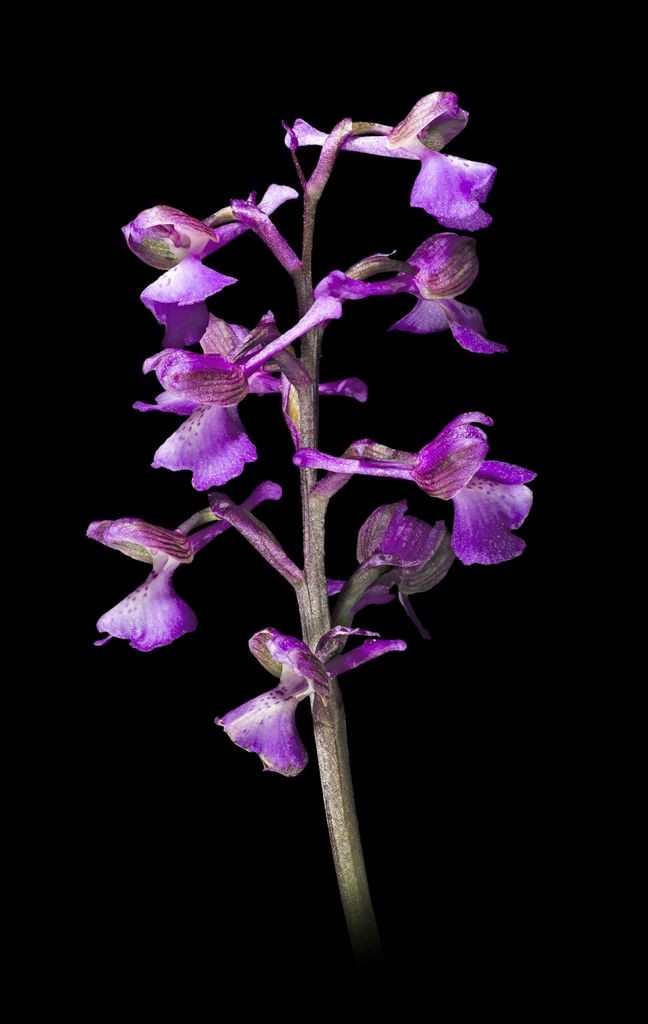
🌸 Shiny flowers: easy to spot from afar, tricky up close! Researchers at @uniwue reveal how gloss attracts bumblebees but messes with color perception. #Biology #Pollination #Science
https://nachrichten.idw-online.de/2025/11/27/glossy-flowers-an-enticing-call-from-afar-a-mystery-up-close
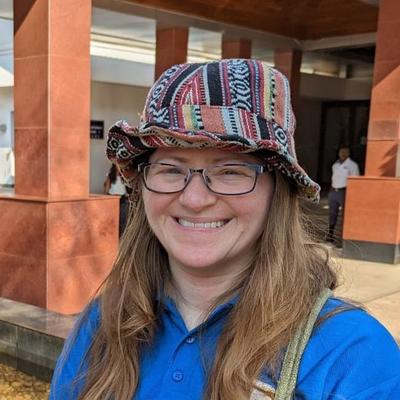
While in São Paulo state it was great to take an opportunity to visit some fruit farms, exploring different crops and considering how they can play a role in diversified systems.
Obviously for me the strawberries were the main attraction. Fascinating seeing the different growing systems - Brazil has also gone in for fertigated tabletops, but uses substrates other than coir. Different pests - SWD present but not really a big issue, didn't really see mildew, but mites apparently present a challenge.
Pollination was very exciting - Brazil has a really vibrant culture of stingless bee management. Several dozen species being managed in different parts of the country. And they pollinate strawberries! As part of a mixed system, they could be very useful in supporting pollination of fruit crops. With the tiny species, maybe even cocoa - some studies suggest they could contribute?
#Strawberries #Horticulture #Pollination #IntegratedPestManagement #FruitCrops #StinglessBees



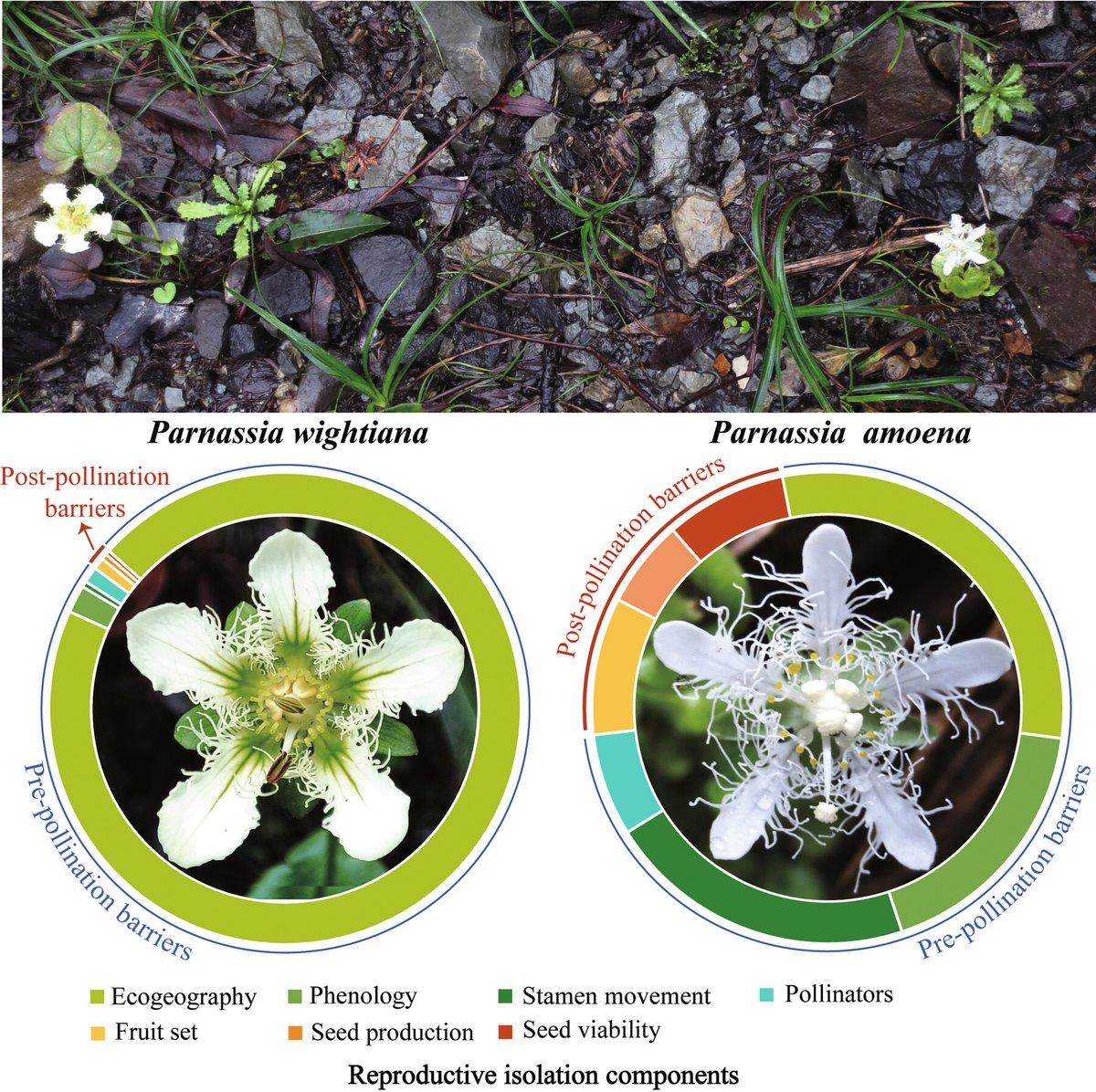
For these two #sympatric Parnassia species, pre-pollination barriers play a more significant role in #reproductive isolation than post-#pollination barriers!
What does it all mean? Find out here!
https://doi.org/10.1111/jse.13184
@WileyEcolEvol
#PlantSci #JSE #flower #development #stamen #botany
Nifty preprint with an experiment coevolving Brassica rapa with pollinating, herbivorous butterflies. With bumblebee co-pollinators or heat stress added, the plants evolved stronger anti-herbivore defense; with both bees and heat, they evolved... to attract butterflies?

Pollinator and Flower Morphology Interact to Affect Pollen Receipt by Newman et al.
Read now ahead of print!
https://www.journals.uchicago.edu/doi/abs/10.1086/738374
Client Info
Server: https://mastodon.social
Version: 2025.07
Repository: https://github.com/cyevgeniy/lmst