
Un nuage de 1 000 étoiles brillera en février 🌌 L’amas de la Ruche, spectacle céleste à observer depuis la Terre ✨
https://sante.journaldesfemmes.fr/quotidien/3254511-1000-etoiles-brillent-date-heure-amas-de-la-ruche/
#Space #Science #Innovation #Astrophysics #Messier44 #StarCluster #BeehiveCluster #AstroTrends
#starcluster

The James #Webb Space Telescope would probably not be your first choice for observing the large open #StarCluster of the #Pleiades but the authors of the paper "JWST imaging of the Pleiades: anisotropy of turbulence in the cold neutral medium" - https://arxiv.org/abs/2602.03672 - did it anyway, to study the turbulent energy cascade in the CNM the cluster happens to move through right now. Here is what they saw, with the NIRCam and the F335M filter - for the four cuts from the JWST pictures at the bottom in detail see fig. 2 of the paper.


Around the Flaming Star
This image depicts a region in the Auriga constellation, including multiple deep-sky objects. I aimed for the Flaming Star Nebula (IC 405) and the Tadpole Nebula (IC 410), but the wider framing of the lens includes the star clusters M36, M38, and NGC 1907, as well as the nebulae IC 417, Sh2-235, LdN-1512, LdN-1522, and LdN-1523.
As with my previous DSO images, this image was taken without a tracker but with sporadic manual tracking with a standard DSLR setup with a 105 mm macro lens. This time I used 1360 × 2 s frames, resulting in 45 m 20 s exposure time.
This relatively short integration time is near the limit of what is possible for me, as the large number of frames requires a lot of storage during processing (>700 GB in this case). Details of the nebulae are not obtainable with this method, but the general shape can be seen. It also only works well with larger objects, as the relatively wide tele, noise, and resolution limits do not allow capturing details of smaller DSOs.
Despite the limitations, it is fun to experiment without a tracker and see what is possible.
The workflow included #Siril, #GraXpert, #StarNet, and #GIMP.
Nikon D500, Sigma 105mm EX DG OS HSM, 105 mm, f/2.8, 1360x2 s, ISO 3200, tripod, no tracker
#Nebulae #StarCluster #astrophotography #photography #germany #digikam
This image depicts a region in the Auriga constellation, including multiple deep-sky objects. I aimed for the Flaming Star Nebula (IC 405) and the Tadpole Nebula (IC 410), but the wider framing of the lens includes the star clusters M36, M38, and NGC 1907, as well as the nebulae IC 417, Sh2-235, LdN-1512, LdN-1522, and LdN-1523.
As with my previous DSO images, this image was taken without a tracker but with sporadic manual tracking with a standard DSLR setup with a 105 mm macro lens. This time I used 1360 × 2 s frames, resulting in 45 m 20 s exposure time.
This relatively short integration time is near the limit of what is possible for me, as the large number of frames requires a lot of storage during processing (>700 GB in this case). Details of the nebulae are not obtainable with this method, but the general shape can be seen. It also only works well with larger objects, as the relatively wide tele, noise, and resolution limits do not allow capturing details of smaller DSOs.
Despite the limitations, it is fun to experiment without a tracker and see what is possible.
The workflow included #Siril, #GraXpert, #StarNet, and #GIMP.
Nikon D500, Sigma 105mm EX DG OS HSM, 105 mm, f/2.8, 1360x2 s, ISO 3200, tripod, no tracker
#Nebulae #StarCluster #astrophotography #photography #germany #digikam


A cosmic-ray loaded nascent outflow driven by a massive #StarCluster: https://www.nature.com/articles/s41467-025-65592-4 -> NASA’s Fermi Spots Young Star Cluster Blowing Gamma-Ray Bubbles: https://science.nasa.gov/missions/fermi/nasas-fermi-spots-young-star-cluster-blowing-gamma-ray-bubbles/
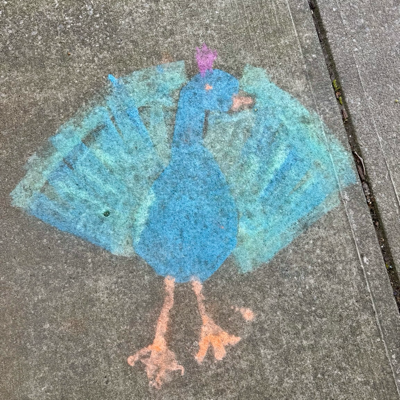
Space from the balcony
23 Nov 2025
Jupiter, Gemini 22:53
Orion, Taurus 22:56
Still learning how to recognize constellations and the sky was clear tonight.
Jupiter and the Pleiades open cluster have become my anchor the past few nights.
Photos adjusted for visibility and clarity.
#astronomy #planets #jupiter #constellation #zodiac #gemini #orion #taurus #starcluster #SkyTonight



🌌✨ Stellar surprise! The Pleiades (Seven Sisters) star cluster is 20x larger than we thought—thousands of hidden siblings uncovered via NASA’s TESS & ESA’s Gaia. A cosmic family reunion reshaping our view of the galaxy! Read more: https://www.discovermagazine.com/the-seven-sisters-star-cluster-is-20-times-larger-than-we-thought-48250
#GoodNews #Pleiades #StarCluster #SpaceDiscovery #AstronomyWin
So, here's another one.
This is basically the same as the last one, but I *cheated* in processing by using the Mantiuk Tonemapping operator as provided by #GIMP.
Fun fact about this; my wegde was in use at the time, so I just put the #Seestar out on its mini tripod and let it do a Mosaic of 1.4x the target area using 10s exposures;
* wanted a mosaic to have more pixels to play with
* it would cover the area regardless of eq/alt-az mode
Turned out really well, I think.
For comparison, the non-tonemapped variant is here: https://hachyderm.io/@fritschy/115511302281409427


This image, captured by the Hubble Space Telescope , shows the globular star cluster Omega Centauri which is located about 15,790 light-years from Earth.
Image Credits:- NASA/ESA/Hubble SM4 ERO Team


A shape perfect in space, viewed as though some nostalgic dream of place you've never been...
My own artwork, "Galactic eye in sepia".
#art #digitalart #digitalpainting #painting #spaceart #stars #nebula #starcluster #galaxy


The Westerlund 1 star cluster
This view combines x-ray data from Chandra, infrared data from JWST, and optical data from Hubble.
Credits: X-ray: NASA/CXC/SAO; Optical: NASA/ESA/STScI; IR: NASA/ESA/CSA/STScI; Processing: NASA/CXC/SAO/L. Frattare
https://www.nasa.gov/image-article/an-eye-catching-star-cluster/
#Westerlund1 #starcluster #chandra #jwst #hubble #astronomy #astrophysics #astrodon #stars #nasa #xray #sapce

The #Meteor and the #StarCluster
#Astronomy #Picture of the Day


📸 Messier 6 – The Butterfly Cluster
A cluster of about 100 young stars spreads its wings in Scorpius. Known as the Butterfly Cluster, Messier 6 glows with brilliant blue stars and one striking orange giant: BM Scorpii.
It spans 25 light-years near the heart of the Milky Way.
📷 Xinran Li / NASA APOD
#Messier6 #ButterflyCluster #Astrophotography #Space #Scorpius #StarCluster #StellarSnap
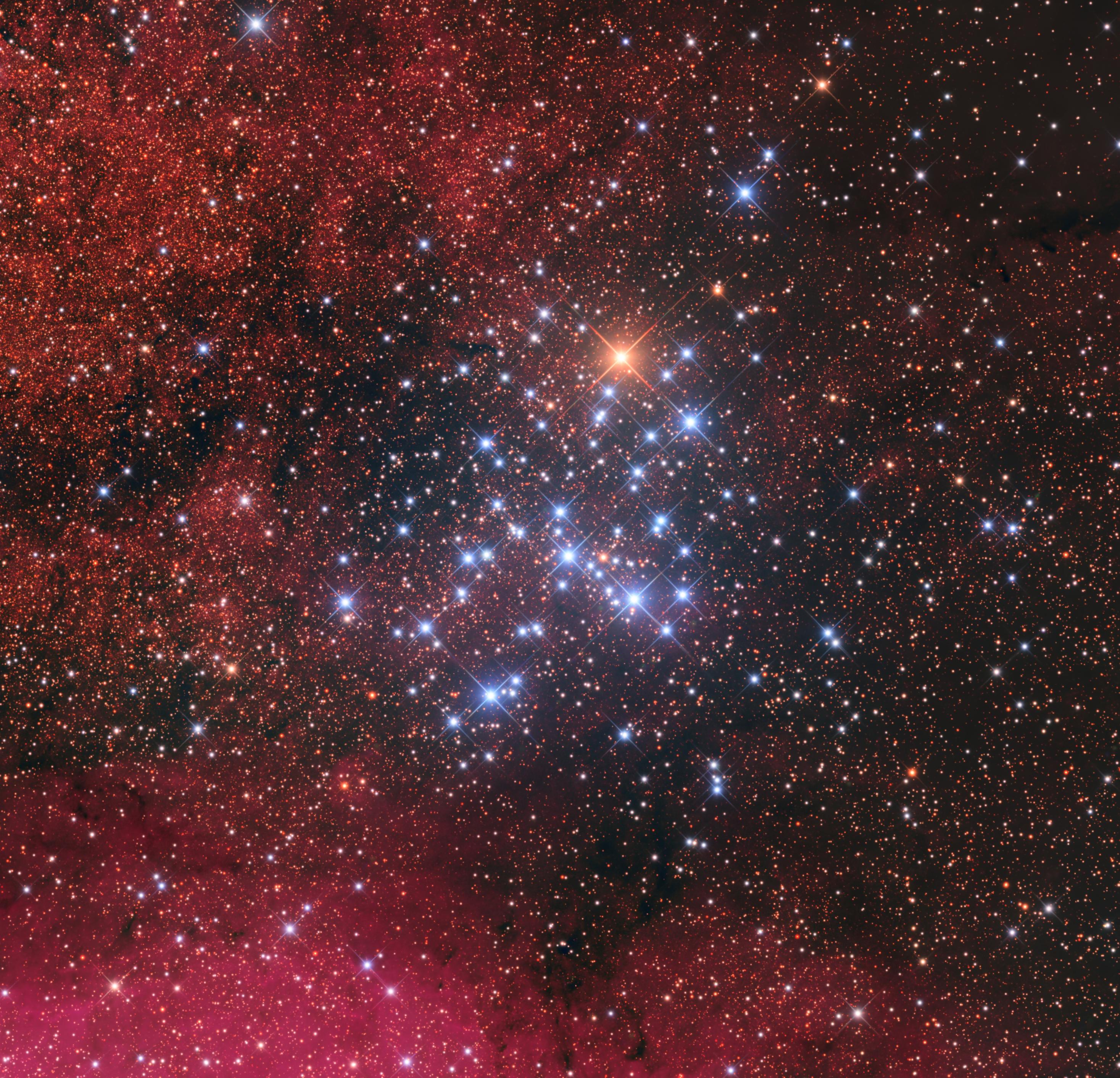
Image of globular cluster NGC 6397 in the constellation Ara (the Altar). The cluster is home to a highly unusual system consisting of a fast spinning pulsar and a bloated red companion star.
Credit:NASA, ESA and H. Richer (University of British Columbia)

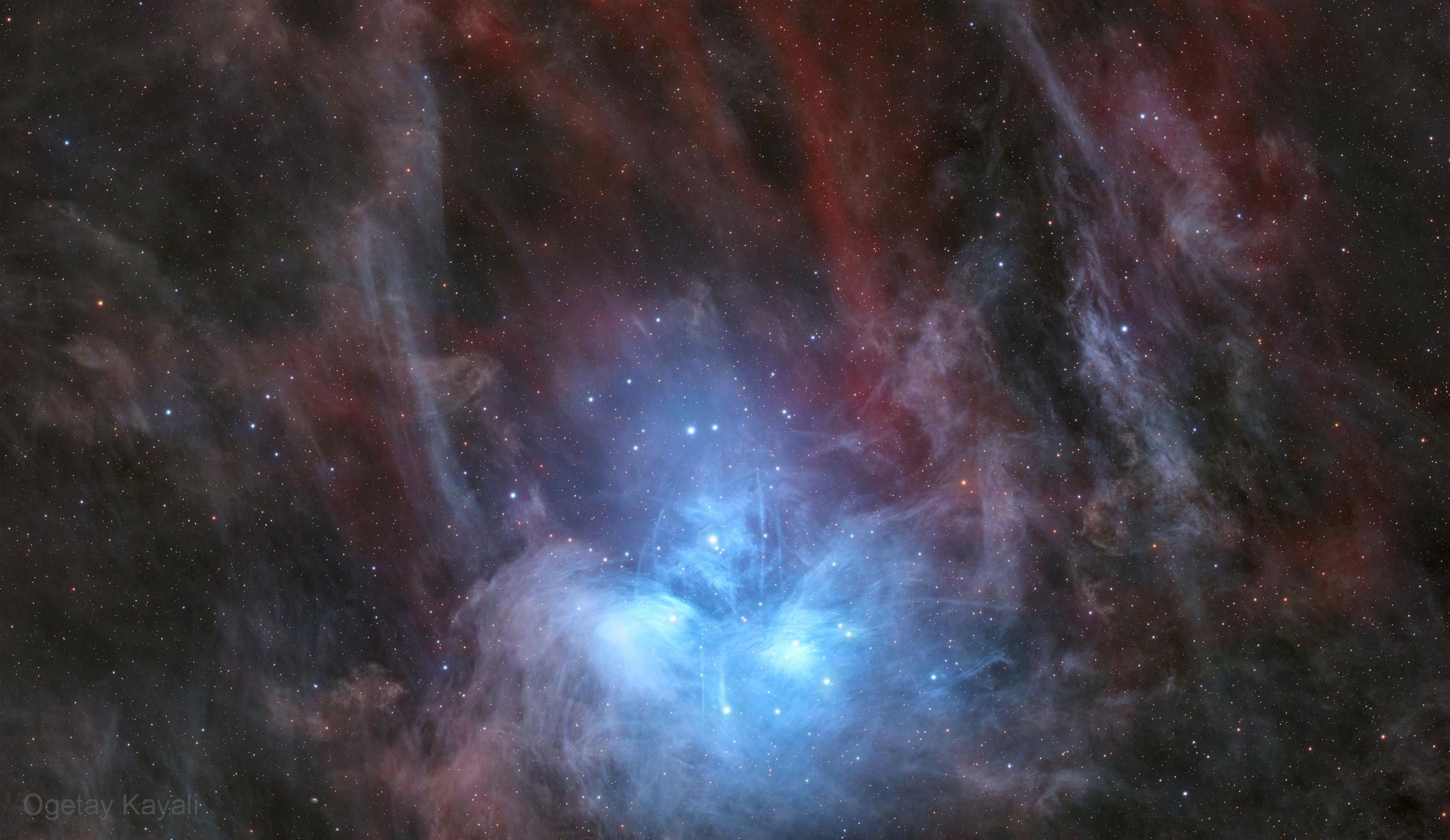
📸 The Pleiades in Red and Blue
One of the sky’s most iconic clusters, the Pleiades lights up surrounding dust in vivid blues. Red hydrogen clouds stretch like mist beyond the stars.
📅 APOD – July 8, 2025
📷 Credit: Ogetay Kayali
#APOD #NASA #Space #Astronomy #Pleiades #M45 #Nebula #SevenSisters #StarCluster #DeepSky #Astrophotography #NightSky #Stars #Hydrogen #BlueDust #Universe #Cosmos #StellarSnap
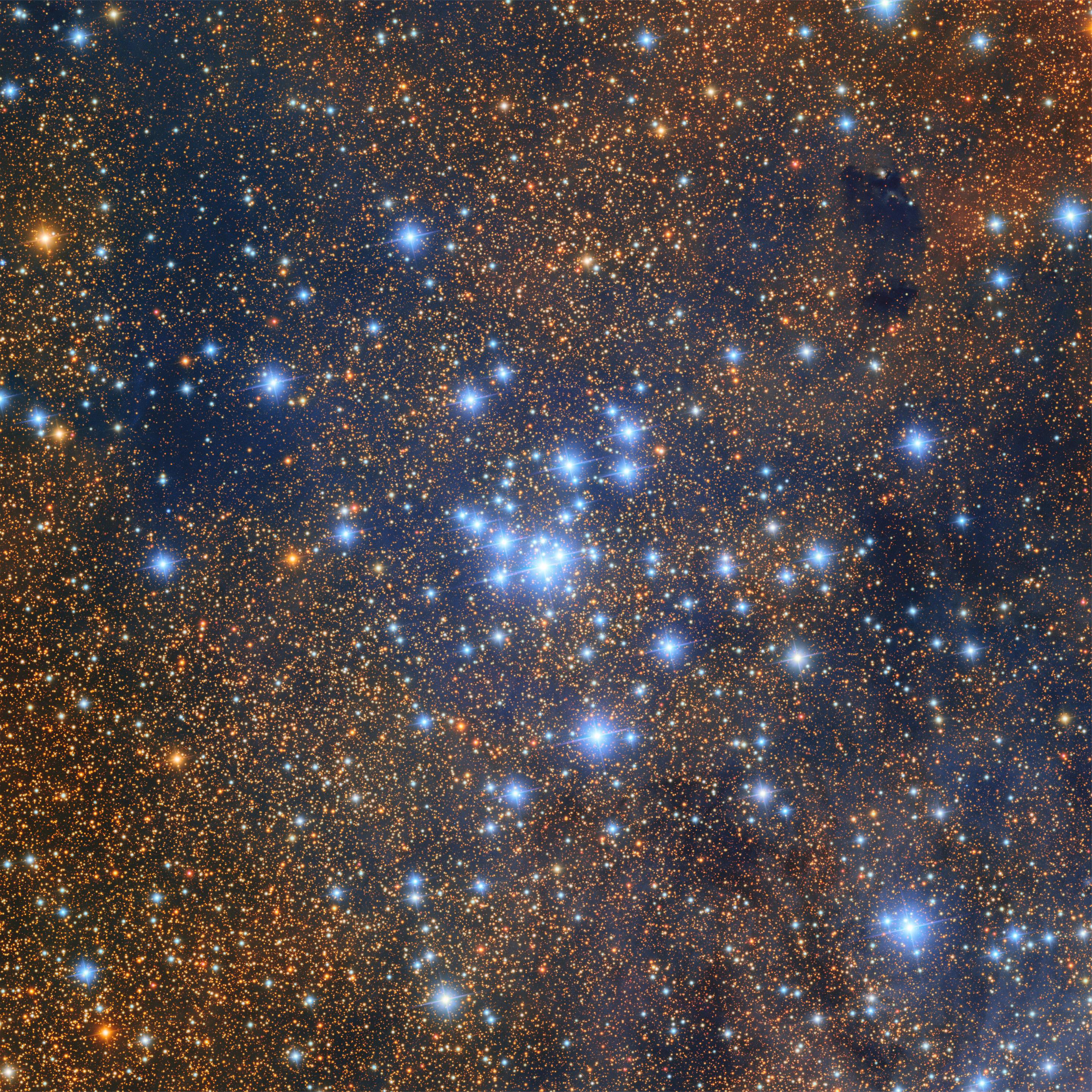
The open star cluster Messier 21 as imaged by the Vera C. Rubin Observatory
Located near the Trifid Nebula, Messier 21 is relatively young and tightly packed with small, dim stars.
Credit: RubinObs/NOIRLab/SLAC/NSF/DOE/AURA
https://noirlab.edu/public/images/noirlab2521ag
#RubinFirstLook #CaptureTheCosmos #Astronomy #Astrophysics #Astrodon #Rubin #observatory #RubinObservatory #science #telescope #Messier21 #opencluster #starcluster #astrophotography
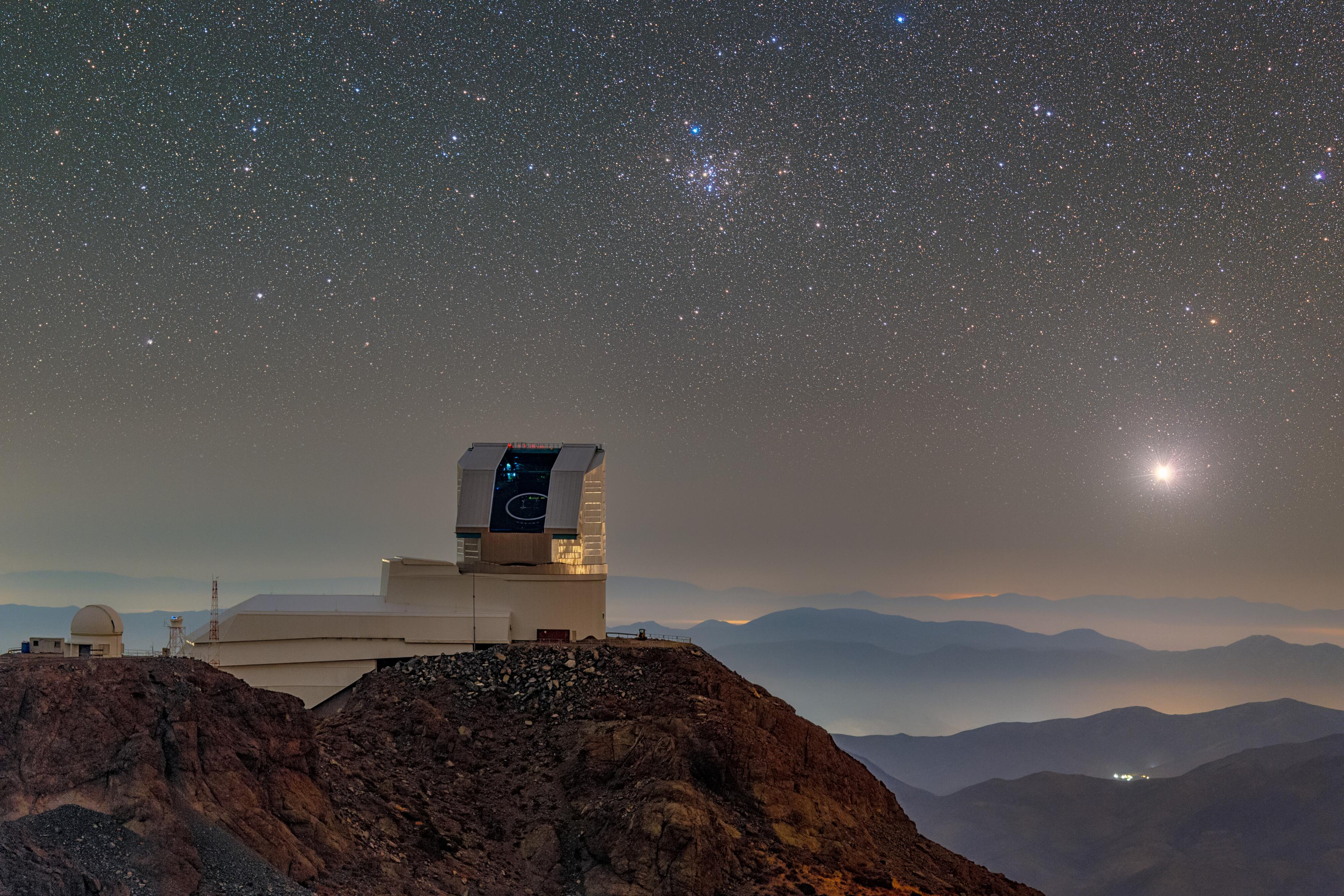
Rubin with M41 during First Look Observations
Credit: RubinObs/NOIRLab/SLAC/NSF/DOE/AURA/P. Horálek (Institute of Physics in Opava)
https://noirlab.edu/public/images/noirlab2521i/
#RubinFirstLook #CaptureTheCosmos #Astronomy #Astrophysics #Astrodon #Rubin #observatory #RubinObservatory #science #telescope #Messier41 #opencluster #starcluster #beehivecluster #astrophotography #nightskyphotography

The globular star cluster Messier 13 earlier tonight. Result of 3600 0.1-sec images made with my phone and (non-tracking) 20 cm f/3.8 telescope, combined in Siril and the background and color touched up in Gimp. Conditions at my moderately light-polluted site were okay but not great; transparency was poor. The colors of the stars in the image are subtle, just enough to tell the yellowish Red Giant Branch stars from the bluer Horizontal Branch and upper Main Sequence stars.



🖼️ Выява дня: «Слупы стварэння» — скопішча міжзоркавага газу і пылу, аб’ект Месье M16, сузор’е Змяя.


This #Galaxy Was Mistaken for a #StarCluster – Then #Hubble Revealed Its Tentacles
Client Info
Server: https://mastodon.social
Version: 2025.07
Repository: https://github.com/cyevgeniy/lmst