#AdaptiveLearning

2025-12-10

Trung tâm ngoại ngữ Smartcom (Smartcom English) chính thức ra mắt mô hình AI mới mang tên Smartcom AI Adaptive Learning Engine – công nghệ trí tuệ nhân tạo độc lập ứng dụng dữ liệu lớn trong giảng dạy IELTS học thuật. Giải pháp này cá nhân hóa lộ trình học theo năng lực từng học viên, hỗ trợ phản hồi tức thì và tối ưu hiệu quả luyện thi IELTS. Một bước tiến nổi bật trong chuyển đổi số giáo dục tại Việt Nam.

#Smartcom #AI #IELTS #AdaptiveLearning #EdTech #TríTuệNhânTạo #GiáoDụcSố #HọcIELTS #Smar

2025-11-25

Đang phát triển hệ thống học tập thích ứng dựa trên lỗi, tải nhận thức và phản ánh. Mỗi bài chỉ giới thiệu tối đa 2 khái niệm, AI chỉ cung cấp số dòng và loại lỗi, người học tự sửa. Mẫu Python có thể chuyển đổi sang Esperanto, vật lý, thống kê… Mã nguồn mở, cần ý kiến và đóng góp PR. #AdaptiveLearning #OpenSource #Education #HọcTập #GiáoDục #MãNguồnMở

reddit.com/r/SideProject/comme

KeyUpIdeaskeyupideas
2025-09-17

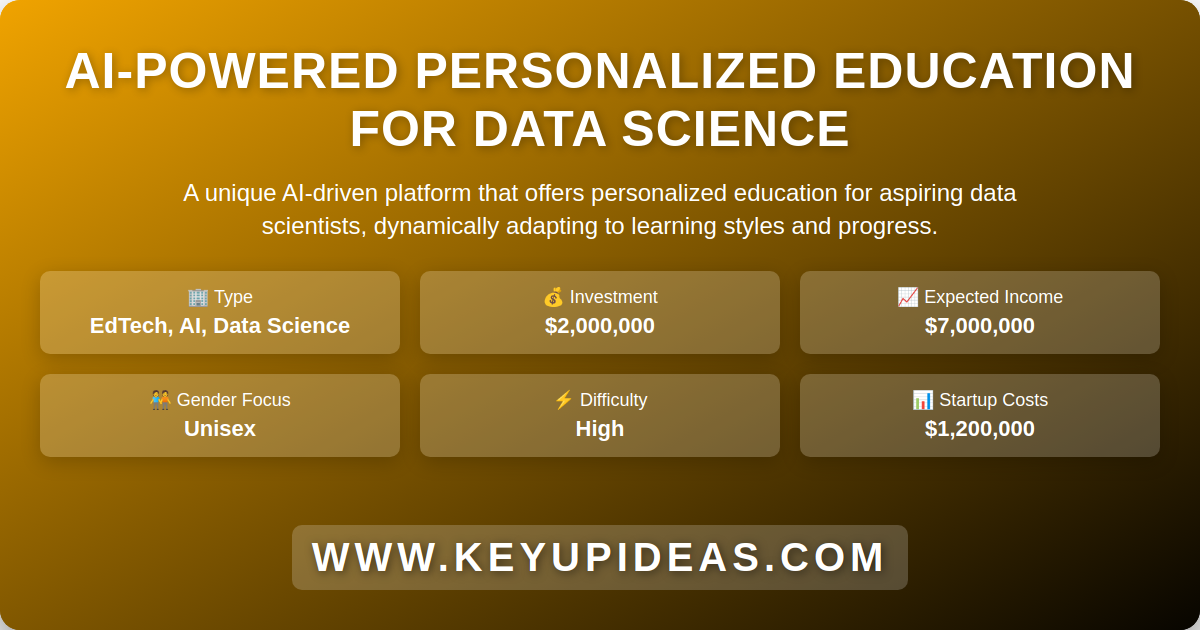
✔️ AI-Powered Personalized Education for Data Science

✨A unique AI-driven platform that offers personalized education for aspiring data scientists, dynamically adapting to learning styles and progress.

Rhappghapp
2025-08-31

APP-Focused HCP Omnichannel Campaigns

engagenovem.com/app-focused-hc

Transforming Healthcare Learning Through Personalized & Adaptive Learning Techniques
Healthcare education is leaning towards focus and personalized & adaptive learning approaches where specialists will be trained according to their skills, progression, and preferred ways of learning. With the use of Artificial Intelligence (AI) and analytics

KeyUpIdeaskeyupideas
2025-07-16

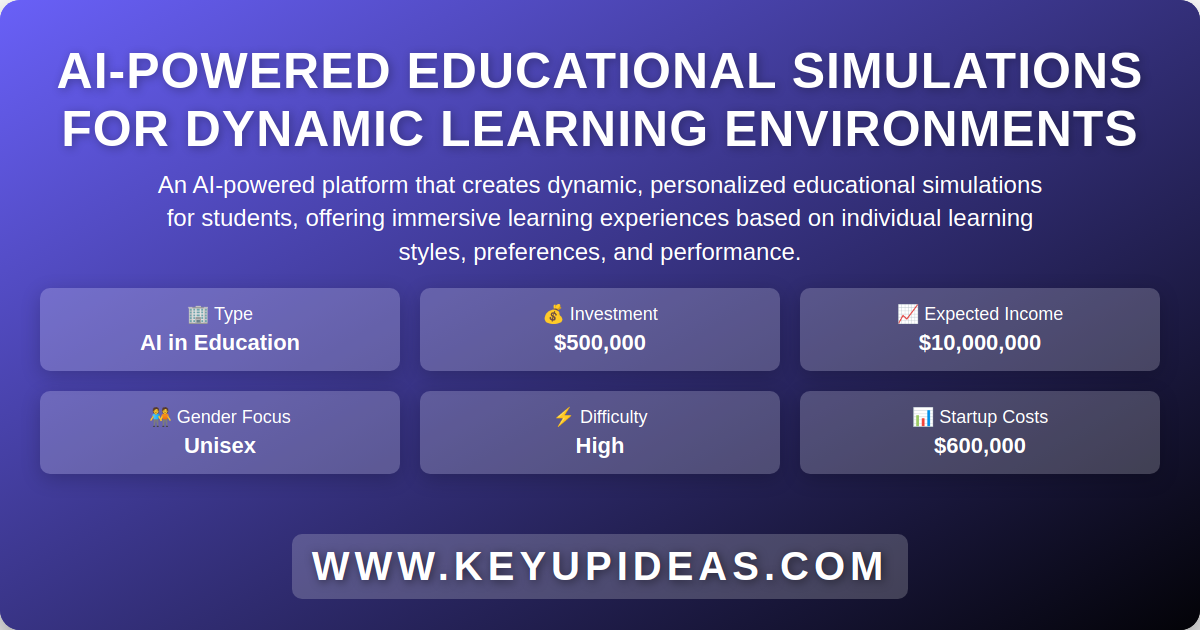
✔️ AI-Powered Educational Simulations for Dynamic Learning Environments

✨An AI-powered platform that creates dynamic, personalized educational for students, offering experiences based on individual learning styles, preferences, and performance.

Hacker Newsh4ckernews
2025-07-05

N-Back – A Minimal, Adaptive Dual N-Back Game for Brain Training

n-back.net

WilliamLMillerwilliamlmiller
2025-07-02

1️⃣ Why We Chose Secular Homeschooling
We chose homeschooling because it aligns with our values: autonomy, curiosity, adaptability, and moral agency. It gives our kids space to think, question, and grow into capable, reasoning adults—shaping their own paths and making choices with clarity and confidence.

Fabrizio Musacchiopixeltracker@sigmoid.social
2025-06-30

Recently, we discussed this insightful paper by Squadrani et al (2024) in our #JournalClub. It explores how #astrocytes enhance #SynapticPlasticity during #ReversalLearning by modulating D-serine levels, providing a #biophysical basis for dynamic #LTP thresholds. The findings suggest astrocytic signaling is crucial for #AdaptiveLearning, linking #glial activity to #behavioral flexibility. Here’s a summary from our JC:

🌍 fabriziomusacchio.com/blog/202
📝 doi.org/10.1038/s42003-024-065

#CompNeuro #Neuroscience

Fig. 4 from Squadrani et al. (2024)ꜛ: The model reproduces learning deficit in mutant mice. Top: State visit frequency over time. Bottom: Corresponding synaptic weight evolution for control and mutant simulations. Source: Communications Biology (Commun Biol)ꜛ (license: Creative Commons Attribution 4.0 International License)
KeyUpIdeaskeyupideas
2025-06-24

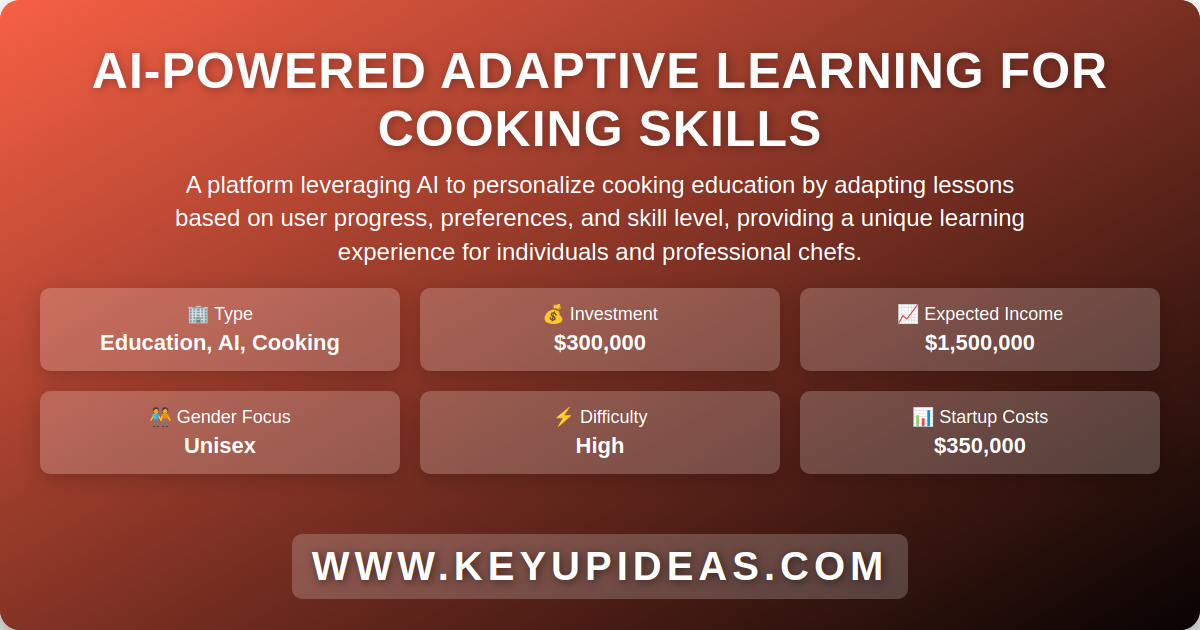
✔️ AI-Powered Adaptive Learning for Cooking Skills

✨A platform leveraging AI to personalize cooking education by adapting lessons based on user progress, preferences, and skill level, providing a unique learning experience for individuals and professional chefs.

guIA - guía a la IAguia@sigmoid.social
2025-05-29

youtube.com/watch?v=HQQtaWgIQm #aiineducation #education AI questions for schools, parents, and even universities I'd say #adaptivelearning. Great interview with Rebecca Winthrop.

KeyUpIdeaskeyupideas
2025-03-05

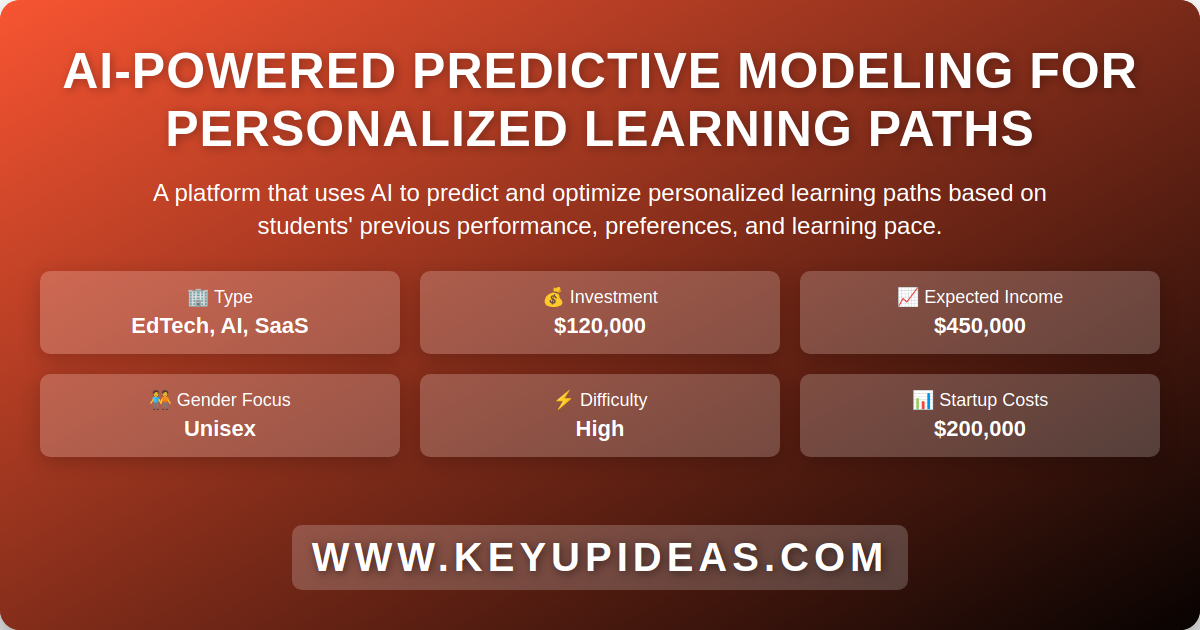
✔️ AI-Powered Predictive Modeling for Personalized Learning Paths

✨A platform that uses AI to predict and optimize paths based on students' previous performance, preferences, and learning pace.

2025-01-14

Embracing Inclusive Education Technologies: A New Era of Learning

This is where inclusive education technologies find their worth in providing access to equitable education for everyone.

theknowledgereviewmagazine.com

, , , ,

2024-06-30

Many health leaders are highly analytical, adaptive learners who thrive on solving complex problems in dynamic, real-world contexts.

Their expertise is grounded in years of field experience, where they have honed their ability to rapidly generate insights, test ideas, and innovate solutions in collaboration with diverse stakeholders.

In January 2021, as countries were beginning to introduce new COVID-19 vaccines, Kate O’Brien, who leads WHO’s immunization efforts, connected global learning to local action:

“For COVID-19 vaccines […] there are just too many lessons that are being learned, especially according to different vaccine platforms, different communities of prioritization that need to be vaccinated. So [everyone]  has got to be able to scale, has got to be able to deal with complexity, has got to be able to do personal, local innovation to actually overcome the challenges.”

https://youtube.com/live/uvv-g0lXy4c

In an Insights Live session with the Geneva Learning Foundation in 2022, she made a compelling case that “the people who are working in the program at that most local level have to be able to adapt, to be agile, to innovate things that will work in that particular setting, with those leaders in the community, with those families.”

https://youtube.com/live/nCB20y49hBI

However, unlike Kate O’Brien, some senior leaders in global health disconnect their own learning practices and their assumptions about how others learn best.

When it comes to designing learning initiatives for their teams or organizations, these leaders may default to a more simplistic, behaviorist approach.

They may equate learning with the acquisition and application of specific skills or knowledge, and thus focus on creating structured, content-driven training programs.

The appeal of behaviorist platforms – with their promise of efficient, scalable delivery and easily measured outcomes – can be seductive in the resource-constrained, results-driven world of global health.

Furthermore, leaders may hold assumptions that health workers – especially those at the community level – do not require higher-order critical thinking skills, that they simply need a predetermined set of knowledge and procedures.

This view is fundamentally misguided.

A robust body of scientific evidence on learning culture and performance demonstrates that the most effective organizations are those that foster continuous learning, critical reflection, and adaptive problem-solving at all levels.

Health workers at the frontlines face complex, unpredictable challenges that demand situational judgment, creative thinking, and the ability to learn from experience.

Failing to cultivate these capacities not only underestimates the potential of these health workers, but it also constrains the performance and resilience of health systems as a whole.

The problem is that this approach fails to cultivate the very qualities that make these leaders effective learners and problem-solvers.

Behaviorist techniques, with their emphasis on passive information absorption and narrow, pre-defined outcomes, do not foster the critical thinking, creativity, and collaborative capacity needed to tackle complex health challenges.

They may produce short-term gains in narrow domains, but they cannot develop the adaptive expertise required for long-term impact in ever-shifting contexts.

To help health leaders recognize this disconnect, it is useful to engage them in reflective dialogue about their own learning processes.

By unpacking real-world examples of how they have solved thorny problems or generated novel insights, we can highlight the sophisticated cognitive strategies and collaborative dynamics at play.

We can show how they constantly question assumptions, synthesize diverse perspectives, and iterate solutions – all skills that are essential for navigating complexity, but are poorly served by rigid, content-focused training.

The goal is not to dismiss the need for foundational knowledge or skills, but rather to emphasize that in the face of evolving challenges, adaptive learning capacity is the real differentiator.

It is the ability to think critically, to imagine new possibilities, to learn from failure, and to co-create with others that drives meaningful change.

By tying this insight directly to leaders’ own experiences and values, we can inspire them to champion learning approaches that mirror the richness and dynamism of their personal growth journeys.

Ultimately, the most impactful health organizations will be those that not only equip people with essential skills, but that also nurture the underlying cognitive and collaborative capacities needed to continually learn, adapt, and innovate.

By recognizing and leveraging the powerful learning practices they themselves embody, health leaders can shape organizational cultures and strategies that truly empower people to navigate complexity and drive transformative change.

This shift requires letting go of the illusion of control and predictability that behaviorism offers, and instead embracing the messiness and uncertainty of real learning.

It means creating space for experimentation, reflection, and dialogue, and trusting in people’s inherent capacity to grow and create.

It is a challenging transition, but one that health leaders are uniquely positioned to lead – if they can bridge the gap between how they learn and how they seek to enable others’ learning.

Image: The Geneva Learning Foundation Collection © 2024

Share this:

https://redasadki.me/2024/06/30/why-health-leaders-who-are-critical-thinkers-choose-rote-learning-for-others/

#adaptiveLearning #coCreation #criticalThinking #healthLearning #immunization #ImmunizationAgenda2030 #KateOBrien #leadership #learningCulture #learningStrategy #peerLearning


Why health leaders who are critical thinkers choose rote learning for others-small
Teach Academyteachacademy
2024-02-24

Revolutionizing education with tech! Interactive curriculums and real-time feedback pinpoint student struggles, optimizing focus. Online learning now excels past traditional methods, thanks to personalized, efficient education solutions.

Wilfred Rubenswrubens
2024-01-04

Vier manieren waarop technologie het opleiden en trainen van werknemers heeft veranderd
Volgens de bijdrage 4 ways technology has changed employee training heeft digitale technologie ertoe geleid dat het opleiden en trainen van werknemers sneller en effectiever is geworden. De bijdrage beschrijft vier manieren. Ik plaats ook een aantal opmerkingen bij deze manieren.
te-learning.nl/blog/vier-manie

2023-09-19

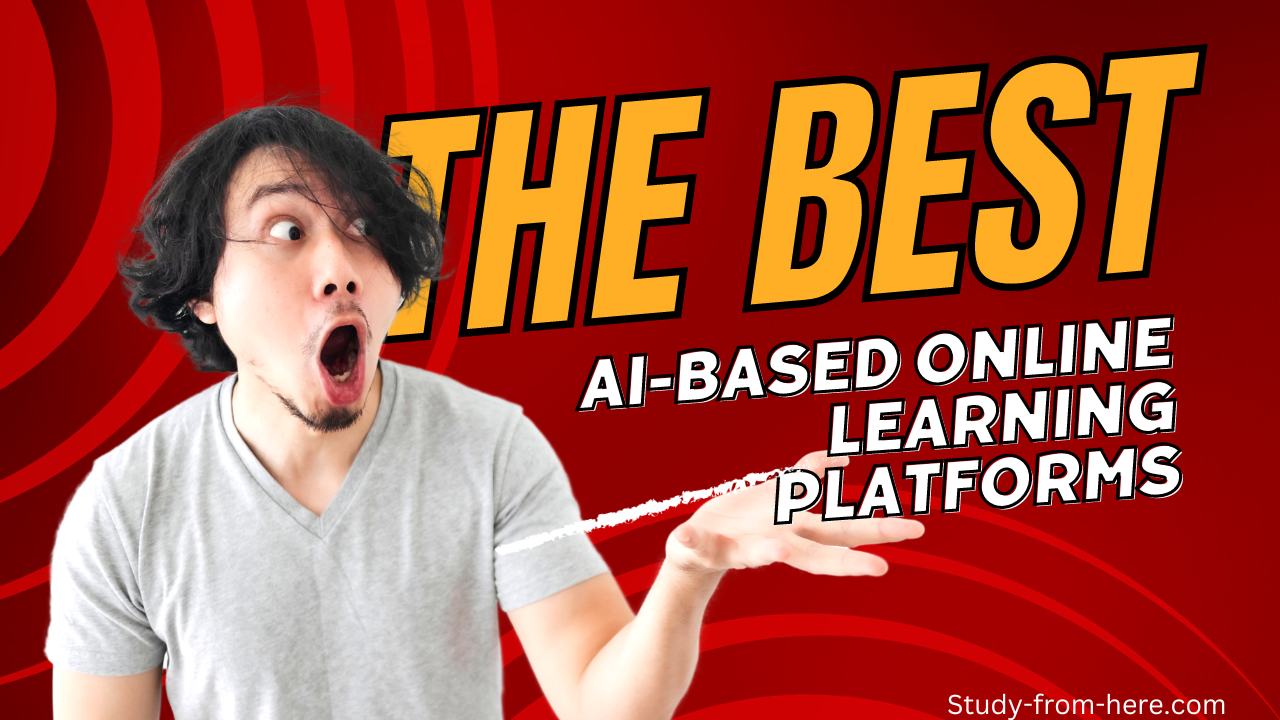
"🚀 Excited to share our latest article on AI-based online learning platforms! Discover how cutting-edge technology is shaping education for learners of all ages. From personalized learning paths to adaptive difficulty, these platforms are transforming the way we learn..
study-from-here.com/blog/best-
"

Alexander Savisavi@fediscience.org
2023-06-26
2023-03-20

2/💻 Adaptive Learning: AI-driven platforms can analyze students' performance and tailor their learning paths to suit their individual needs. This ensures each learner gets a customized experience, improving engagement and outcomes.

#AdaptiveLearning #AIinEducation

Client Info

Server: https://mastodon.social
Version: 2025.07
Repository: https://github.com/cyevgeniy/lmst