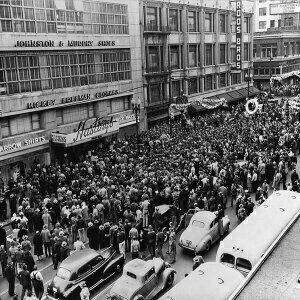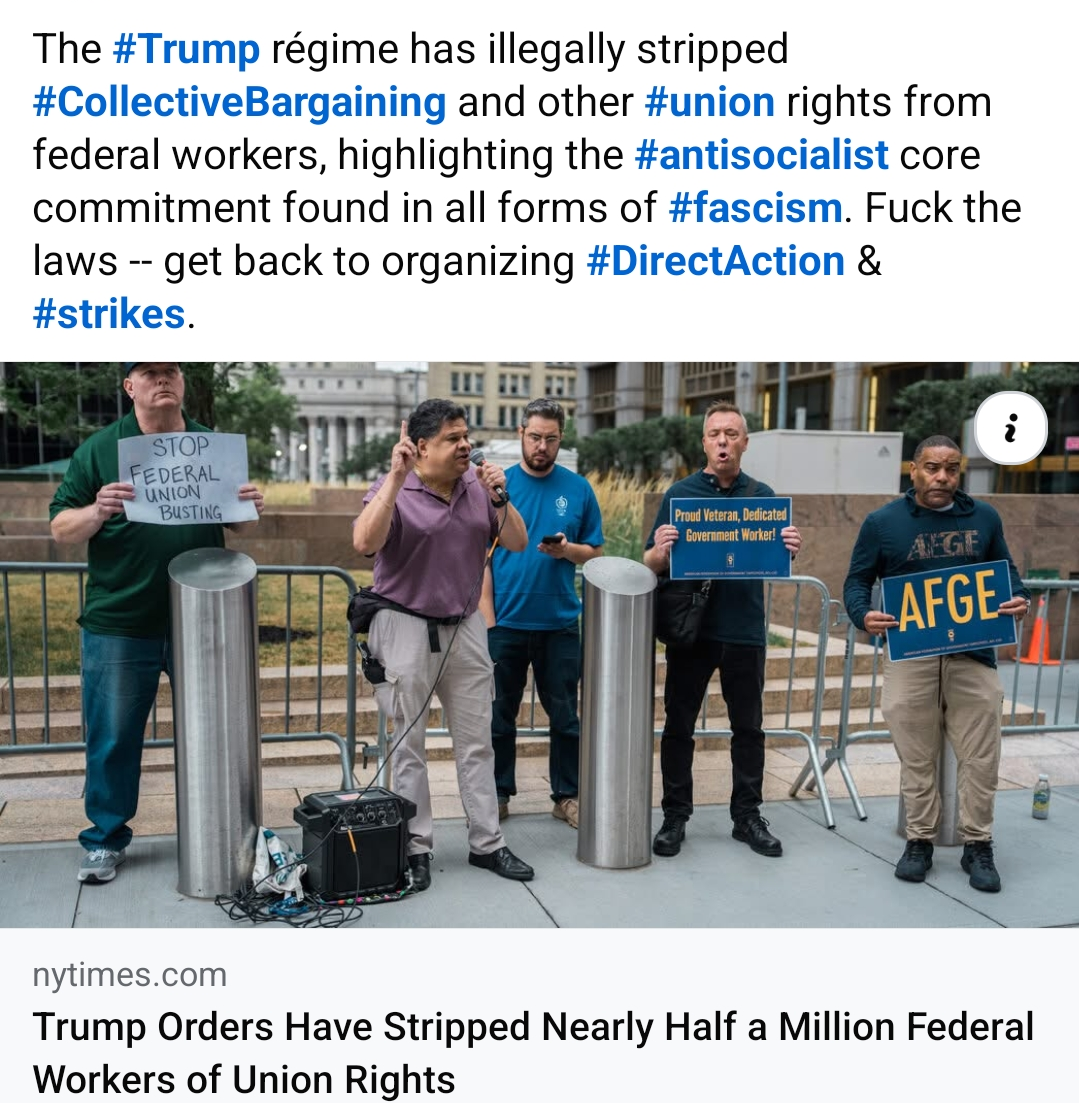
Today in Labor History January 18, 1934: The anarchist General Confederation of Labor launched a General Strike in Portugal after the fascist Estado Novo government banned unions, strikes and collective bargaining. The government put it down, killing 100, deporting 600 and outlawing of the labor union. Some members of the union blamed the strike’s failure on Communists, who they believe ratted out their plans to the government in advance, resulting in the arrest of several strike leaders the night before the strike took place.
Fascism persisted in Portugal for 41 years (1933-1974). Despite its brutally repressive regime, the country was allowed into the European Free Trade Association in 1960, and the General Agreement on Tariffs and Trade (GATT) in 1962. It was also a founding member of NATO, in 1949, and joined the UN in 1955—an early example of how readily capitalist nations will ally with fascists to further their economic and strategic military interests, and their hatred of communism.
The end of the Estado Novo fascist government began in the 1960s, with the liberation movements spreading across the global south, and with many of its former colonies fighting for and winning independence. The Portuguese military was stretched thin trying to defend its colonies and resentment was rising among the families of the soldiers who were dying in these battles, while austerity at home was rising in order to fund these wars. In 1974, left-wing officers within the military led a popular uprising (the Carnation Revolution) that, together with a concurrent civil resistance movement or workers, students and peasants, ultimately ended the fascist dictatorship.
#workingclass #LaborHistory #generalstrike #portugal #police #acab #massacre #deportation #anarchism #communism #collectivebargaining #fascism