
LOS ALTOS
½ oz lime juice
1 oz pineapple juice
½ oz simple syrup
½ oz mezcal
1½ oz Tequila blanco
top with seltzer
Garnish: pineapple frond
Method: Combine all ingredients except seltzer in a shaker with ice and shake. Fill the glass with ice and add the seltzer. Strain shaker into the glass.
Want to pretend it's summer out? Think margarita but lengthened and you land on Los Altos. Honestly I just needed an excuse to use my Surfside Sips black bamboo straw with Ferdinand the Frog hanging out. I came across this on IG luifern channel.
🔗 https://potentpotables.app/drinks/los-altos/
#alcohol #cocktail #cocktails #tequila #mezcal #lime #pineapple #AddClassWithGlass #HomeBar #drinkstodon #fedithirst
#lime


The Lime + transit hack explained: How to get a Lime ride and 3 transit tickets for $1.66*
Screenshot of my Lime ride summary.The points history from the Transit GO app shows that I earned a total of 1,000 points and used only 600 of them buying two light rail tickets.Yesterday, I took a Lime scooter to U District Station, then took light rail to Mountlake Terrace, then back to the U District several hours later, and it only cost $1.66 total.* I did not cheat or dodge any fares, and I did not use any low-income discount transit programs such as ORCA Lift. Instead I used the confusing Transit GO app and jumped through some oddly specific hoops to activate a pair of in-app promotions that turned my $1.66 Lime ride into rewards worth $10 in transit tickets. Users can activate these promotions up to five times per week.
The catch is that you are going to have to deal with some headaches getting it all set up, and using the Transit GO app is not nearly as convenient as beeping an ORCA card. Here’s how it works:
- Download the Transit GO app for iOS or Android and create an account.
- Download the Lime app (Bird should also work, though I have not tested it) and create or log into your account.
- In the Transit GO app, go to the Rewards tab and connect your Lime account. This process may be annoying.
- Ride a Lime bike or scooter at least 0.25 miles to one of these specific parking areas and end your trip like normal. This only works in those exact designated parking spots. To get the $1.66 price, you must subscribe to Lime Prime ($6/mo) and your ride must also be shorter than 5 minutes. The promotions also work with regular Lime or Bird pricing.
- If you have parked correctly, you will receive 300 points in the Transit GO app. There is no notification that anything has happened, but you should see your reward balance increase by 300. You must then redeem your points for a transit ticket from within the Rewards tab of the app (light rail costs 300 points, King County Metro costs 275) and activate it within 24 hours of your eligible bike/scooter ride.
- If you don’t see your ticket in the Use tab, tap “refresh screen.” Activate the ticket before riding.
- After activating your ticket, you will get another 700 points added to your rewards balance. The app says you can use this for a Lime or Bird trip, though you can also just keep buying transit tickets with it.
A light rail day pass is 600 points so if you are going to be traveling up and down the 1 and 2 lines a lot you can just get one of those. You can also use points for tickets on the King County Water Taxi, Kitsap Transit and Fast Ferries, the Sounder, or even the Seattle Streetcar. It appears that Bird users can maybe stockpile their reward points as account credit (I have not tried this yet, so comment below if you have) while Lime only offers $7 discounts on a ride for 700 points, which should be good for about a half hour of ride time. However, when I tried to paste the promo code into the Lime app, it said the code had already expired even though I had just redeemed it moments earlier. Maybe this function is broken? I’ll update if I learn more, but for now I’ll just use the reward points on transit tickets.
This is all possible due to some kind of partnership between the transit agencies, the bike and scooter companies, and a company called Velocia that specializes in transit reward programs. A quote attributed to King County Metro on the Velocia website states, “Velocia has provided King County Metro with a unique opportunity to deliver personalized incentive to riders, with the flexibility to test various incentives and determine which campaigns most effectively increase ridership.”
Using the Transit GO app is a horrible experience up to the point that you get free transit, which is obviously great. Nearly every review from recent years on the iOS app store is 1 star, with people complaining of bugs, difficultly making payments and general confusion. I ran into several bugs trying to log in with an existing Transit GO account and linking my Lime account, but I persisted and got them working after repeat attempts. Then once you redeem a transit ticket, it doesn’t include transfers between agencies. You must redeem separate tickets if you are going from light rail to a bus or vice versa. If you are simply looking for a way to buy transit fare, I highly recommend getting an ORCA card and using the myORCA app to add money or set-up autopay. But if you are looking for a cheap transit hack, well, Transit GO has got you covered in this highly specific scenario.
The hack, and “hack” really does feel like the right word here even though it is all working as designed, is not even new. The reward promotions I used have been offered off and on for several years. I wrote a story about a similar promo back in 2022 but when I went to test it out for a follow-up story I found the Transit GO app so buggy that I just gave up and never wrote it. But with Lime’s new subscription-based pricing scheme, the prospect of getting multiple transit rides and a Lime ride for $1.66 inspired me to give it another try. Even paying the more common $3.14 (after tax) for a Lime ride up to 20 minutes is still on par with a single adult transit fare. Had I used my standard adult fare ORCA card yesterday like I usually do, the journey would have cost me $7.66 ($1.66 for Lime + $6 for two $3 adult fares). If I had not subscribed to Lime Prime ($6/mo), the trip would have cost about $8.88. Not only did my trip cost a fraction of full price, but I was left with a surplus of 400 reward points to use later.
Do I recommend trying this yourself? If you have the patience to deal with a buggy app, then yes. Get in on it while it lasts. Combining bike/scooter share with transit is amazing, and this promo somehow makes it cheaper to take Lime or Bird to transit than it is to walk there. Does any of this make sense? Not a lick. I would much prefer if the pricing were somewhere in the middle of full price and the promo price but the user process was easy and straight-forward. It would be amazing to be able to beep my ORCA card to start a bike ride, and then maybe some fare transfer could occur behind the scenes. The idea of bike/scooter fares and transit fares having some kind of transfer synergy is great, and the bike/scooter companies and transit agencies all have incentives to encourage linking the two modes (in many places around the world, transit agencies run the bike share system). Tying the reward to using a designated parking space is also a decent idea to encourage better parking, though I think they could ease up the restrictions a bit and give the reward for any ride that ends with a properly parked bike or scooter near a transit station. It’s not obvious to users which specific spots count, and I was stymied on my first attempt after ending my ride at a bike rack across the street from the station that did not count and gave no reward points.
* The $1.66 price is what it cost me on that day for that trip, but I also paid $6 for a monthly Lime Prime subscription. To get a final price, I would have to take that $6 and factor a portion of it into the cost of every ride I take during the month. So the actual cost of the ride is $1.66 plus some variable amount. If a user used the promo the maximum number of 5 times per week, then each ride would cost about $1.93.
#SEAbikes #Seattle



I just needed a quarter piece for my breakfast 😊


Lime、首都高出入口39カ所に誤進入防止策を導入。車両を強制停止させるジオフェンシングで安全確保
https://fed.brid.gy/r/https://smart-mobility.jp/_ct/17811423

Screenshot from the Lime App.
Lime’s newest pricing scheme makes it far more cost-effective for regular users to use their bikes and scooters for short trips, making the service much more useful as an everyday mode of transportation. The new scheme puts the cost of a 20-minute ride on par with a full-price adult transit single-ride fare of $3 while lowering the cost of rides under 5 minutes to $1.50. The pricing change comes as the number of bike and scooter rides in Seattle in the past year topped 10 million and continue to rise, according to data the company submits to SDOT.
Subscribers to the $6 per month LimePrime membership now pay a flat rate of $2.85 plus tax for rides up to 20 minutes with no unlock fee. That’s about the price of a 4-minute ride under their regular pricing ($1 to unlock plus 47¢ per minute). LimePrime rides up to 5 minutes will be $1.50, and rides longer than 20 minutes are charged a reduced rate of 28¢ per minute. Under the default rate, a 20-minute ride would cost $10.40, 3.7 times higher than the LimePrime rate.
Let’s say someone lives a 20-minute bike or scooter ride from a light rail station, the most favorable condition for the new pricing scheme. They could now spend $120 per month to take Lime to and from the station five days a week. That’s not exactly cheap, but under the previous per-minute pricing scheme the same use would have cost $416.
The default per-minute rate is rarely the cheapest option anymore because the 47¢ per minute rate and $1 unlock fees add up very fast whether you’re taking one longer ride or many shorter rides. At 17 minutes under the standard rate, a user has paid the equivalent of one month of LimePrime plus the $2.85 fee for the trip.
Trips under 5 minutes will cost $1.50 instead of $3.35 under regular pricing, which opens up some interesting use cases. I used to love taking the old $1 bike share bikes short little distances around the neighborhood, like going from north Broadway businesses to Pike/Pine businesses or from the Rainier Valley light rail stations on MLK Way to destinations along Rainier Ave. These aren’t the longest walks, but it’s a small joy to just hop on a bike to shrink the neighborhood. I wouldn’t pay $3.35 to bike a half mile, but I might pay $1.50.
The math gets a little more complicated when comparing to the LimePass minute bundles. For example, a single 30-minute ride would cost $5.25 with LimePrime pricing but $7 with a 30-minute LimePass bundle. However, three 10-minute rides in one day would cost $8.55 with LimePrime compared to $7 with a LimePass bundle. So if you rarely take Lime, then the minute bundles are still probably the better option (and the 30-minute bundle is nearly always better than paying the default rate). Someone visiting town for a week who is planning to rely largely on biking to get around may also be better off buying the $34 bundle to get 3 hours of riding time and have no worries about forgetting to cancel the monthly subscription. If you really want to pay as little as possible on a long ride, I guess you could stop every 20 minutes to end your ride and then start it again since the effective rate on a 20-minute LimePrime ride is about 14¢ per minute.
Note that people who qualify for a reduced cost ORCA Lift card also qualify for Lime Access, which at 75¢ to unlock plus 1¢ per minute is much more affordable than any of these other pricing options. If transportation costs are a burden on your budget, definitely check to see if you qualify. The threshold is 200% of the federal poverty level, which is higher than many other assistance programs.
The monthly LimePrime subscription is another potential downside of the new pricing scheme. If you end up not really using Lime often, then that’s $6 down the drain every month until you cancel it. The business model for gyms is for people to pay for memberships that they rarely use, and that’s a risk for LimePrime, too. More people committing financially to a single provider could also further erode competition in the market. Currently, Bird is the only other company operating in Seattle, but that could feasibly change in the future. If enough of the user base has a monthly financial commitment with a single company, that could make it harder for another provider to enter the Seattle market. It’s not usually a good thing for consumers when a single company has too much market share because they can then start hiking prices and reducing the quality of service if they no longer need to worry about losing customers. The situation is a little different with Lime since they are also competing with some heavy-hitting and well-established competitors like the bus and walking.
If Seattle gets to the point where Lime is the only viable provider (they are arguably already there considering they have reported carrying about 97% of bike and scooter share trips in Seattle in 2025), then perhaps an open permit system would no longer make the most sense for the city. Lime carries a massive number of trips around Seattle, and it is an important part of city’s transportation system. If Lime were instead granted a contract or license as the sole provider, the change could open up options for the city to negotiate more public benefits such as investing in a public-private roadmap for shifting to corral-only parking. This could finally deal with the problem of bikes and scooters blocking walkways and curb ramps by only allowing users to end trips within designated parking areas. Such a concept would only work with a massive expansion of bike and scooter parking. I don’t know the exact density required to make it work without significantly degrading the bike and scooter experience, but I imagine it could be on the scale of creating a bike and scooter parking corral at every single intersection in every business district. Residential parking is maybe even trickier due to the sheer scale of how many residential intersections there are in the city. However, there is an added safety benefit to physically restricting parking 20 feet before every street corner (30 if there’s a stop light or sign) as is already state law (with very few exceptions, street corners are crosswalks whether marked with stripes or not). I know in my neighborhood this law is never followed, and cars parked too close to the intersection can create safety hazards by blocking sight lines (“They darted out from behind a parked car!”).
To deal with the overwhelming scale of the task, perhaps the city and Lime could partner on a progressive roll-out concept to go neighborhood-by-neighborhood implementing new parking areas and intersection daylighting improvements along with new scooter and bike share parking restrictions. It might take a while to get the whole city, but work could be phased according to the need and resources available.
#SEAbikes #Seattle


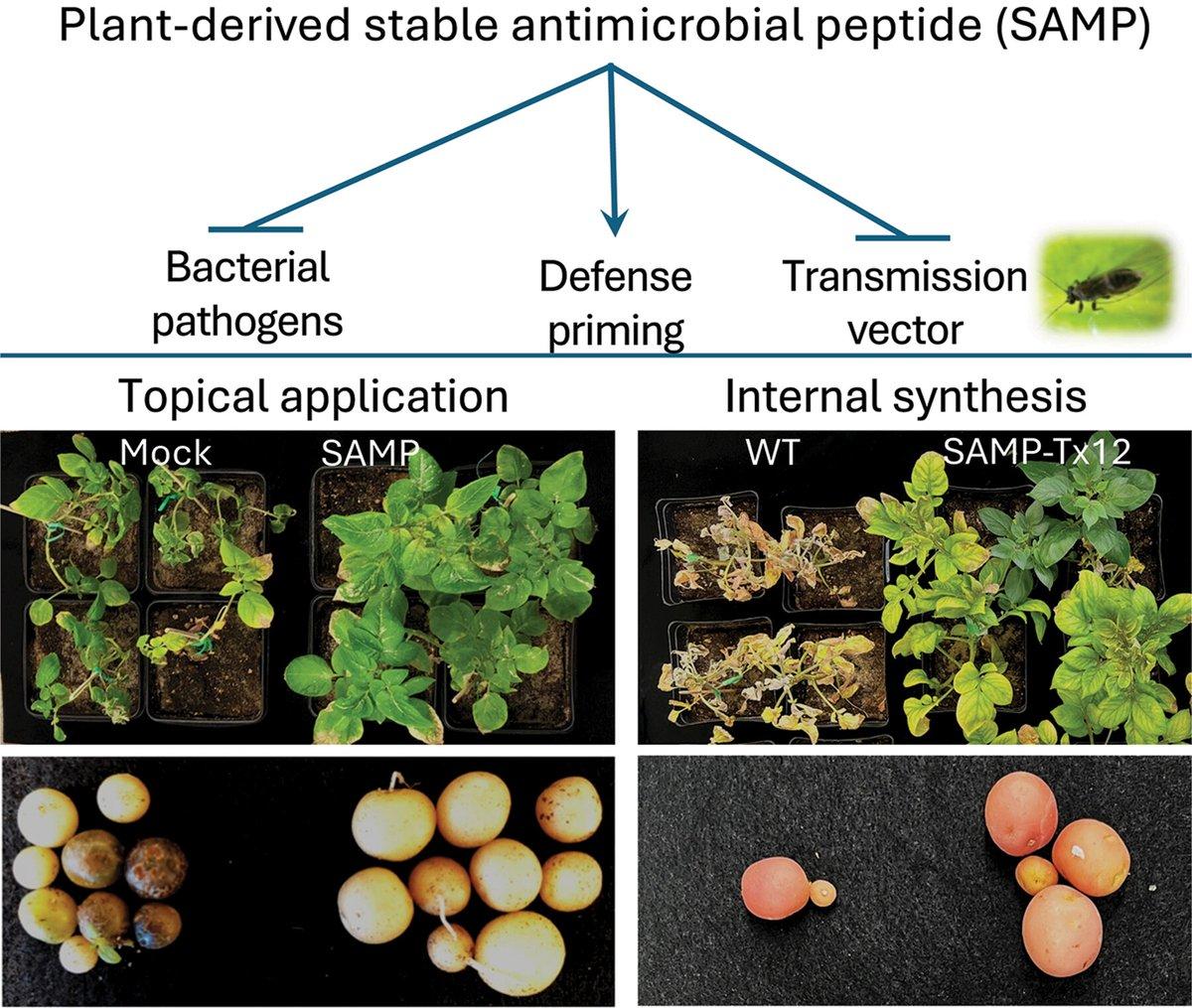
Australian finger #lime (Citrus australasica) proves an unlikely #hero in the battle against the devastating #potato #crop pathogen Candidatus Liberibacter solanacearum (CLso).
🥔https://doi.org/10.1111/jipb.70057
Find the latest in #PlantScience right here!
@WileyLifeSci
#agriculture #JIPB #botany

🍋🟩 Confitada #lima #lime #tartelette
https://tartequiche.com/produit/lima-confitada/



Austin proposes changes to electric scooter program, reports an increase in ridership
The City of Austin's Transportation and Public Works Department (TPWD) is proposing changes to its electric scooter program to allow potential new vendors to compete for contracts.
#Austin #Local #News #TopStories #Bird #Electricscooter #Kxan #Lime #MobilityCommittee
Seattle was the first major and lasting launch city for Lime back in July 2017, and the city has continued to be one of the company’s strongest markets globally. In the last year (November 2024 through November 2025), Lime and Bird reported an astounding 10.3 million trips in Seattle, according to SDOT’s data dashboard (96% of those trips were on Lime). Over the year, bike and scooter share carried about 60% as many trips as the state’s $2.15 billion SR-99 highway tunnel under downtown Seattle. During summer months, that number may have been more like 80%.
Bike and scooter share is a major part of Seattle’s transportation system today, yet the city still has not fully adapted to support it in a comprehensive manner. While the public subsidizes driving to the tune of billions, these companies actually pay Seattle for permits to operate here. Yet despite some city work to add bike and scooter parking areas in select locations (largely funded by scooter and bike permit fees), the vast majority of the devices are parked on sidewalks wherever users could find a spot. This leads to bikes and scooters blocking walkways, curb cuts and other sidewalk access needs whether due to inconsiderate parking by users or passersby knocking them over. A blocked walkway may be annoying for someone who can step around a fallen device, but it is a serious mobility blockage for people who cannot.
Meanwhile, though the city has been building more protected bike lanes, they are nowhere close to keeping up with the demand for safe bike and scooter routes. The result is the frustrating and persistent problem of people riding scooters on sidewalks. Sidewalk riding is uncomfortable for people walking, and it is also not a good solution for people riding bikes and scooters. Some of the problem may be inconsiderate user habits, but the much bigger problem is a lack of safe bike lanes. You are far more likely to experience someone riding a scooter on a sidewalk along a street filled with car traffic, such as the one where this most often happens to me: NE 45th Street in the U District. Sure, they are supposed to ride in traffic, but have you seen traffic?!?
While bike and scooter share ridership in Seattle is a major success story, problems with sidewalk riding and walkway blockages are a persistent source of justified complaints (along with some over-the-top complaints) that are not going away. The Urban Community Councils of Seattle are hosting a “Scooter Public Safety Forum” 6 p.m. Tuesday (December 2) at Plymouth Church at 6th and University downtown. Unfortunately, the event description only mentions “scooter speeding, sidewalk riding, and parking chaos” and not the safety needs of scooter riders. Hopefully that is also part of the discussion. Here’s the event description:
“Speeding, sidewalk riding, and parking chaos! Join us for a forum with Lime Scooters to talk about steps they are taking to address safety. Scooter safety is top of everyone’s minds these days. Seattle has the third largest Lime ridership in the world and is well-positioned for prioritized solutions. Join us for a presentation and audience Q&A with Lime Scooters on what they are doing to address scooter speeding, sidewalk riding, and parking chaos.”
As with any group, the vast majority of people riding scooters want to behave in a proper manner and would gladly use a safe bike lane if there was one. But when presented with the no-win options of a busy street that feels unsafe or a sidewalk, we cannot be surprised when many people choose the sidewalk. It is human nature to prioritize self-preservation. There are always going to be a few total jerks, especially from a pool of over 10 million rides per year, but most scooter riders just want to get where they’re going like everyone else. This is a mainstream way to get around, and the people riding bike and scooter share are also community members, and I hope Tuesday’s conversation keeps that in mind.
The good news is that we already know the solutions to both the scooter and bike share parking and sidewalk riding problems. For parking, the city needs to install way more parking corrals. We have a mere fraction as many as are needed. Even better, if the city installed enough bike and scooter parking, such as at least one corral at every intersection, then we could change the rules to allow the devices to be parked only within designated areas. I think this is a worthy goal, and it would be great to see the city and the companies work out together what it would take to achieve it.
For sidewalk riding the answer is also obvious: Bike lanes. This is a serious mode of transportation, and it needs dedicated space. Bike lanes not only reduce sidewalk riding, they are also part of street safety projects that can dramatically improve crosswalk safety. Likewise, on-street bike and scooter corrals can be located in the space where it is already illegal to park a car, further improving crosswalk safety by daylighting intersections so people driving can better see people about the cross the street. This strategy was a huge part of how Hoboken, New Jersey, has gone 8 years without a traffic fatality. Seattle has had success with on-street corrals, too, but we need way, way, way more of them. Every commercial intersection would be a start, and there could even be two or four of them at each intersection to cover all the approaches.
How daylighting intersections makes them safer, from the National Association of City Transportation Officials, of which SDOT is a contributing member.We are still thinking too small about bike and scooter use. It is unreasonable to expect that painting some rectangles on the sidewalk should be enough to handle the huge and increasing number of trips they are carrying around our city. We invest billions in public dollars and reserve the vast majority of public space in order to move people and goods around our city and region, and we need to be willing to dedicate resources to bikes and scooters, as well.
There are more scooters than there used to be
Does it feel like there are more scooters and bikes out there these days? It’s not your imagination, but it’s for a good reason. When Lime added about 2,600 sit-down scooters in May the city did not require them to remove stand-up scooters or bikes to maintain a total fleet count. The sit-down scooters are designed to be more accessible so people who are not able or comfortable riding a bike or stand-up scooter are still able to use Lime to get around. However, stand-up scooters remain the most profitable device type, so if the city required companies to choose between them, profit would direct companies to prioritize stand-up scooters. By allowing an additional allotment, Lime was able to add sit-down scooters without cannibalizing their own business. The data suggests it has been a success.
Lime’s record-smashing year saw a 4.29 million ride increase over the previous year, thanks in part to the company’s rollout of their Glider sit-down scooters (they did a small test starting in late 2024, but didn’t add them in significant numbers until May and June 2025). Lime-reported data shows that users took 6.73 million stand-up scooter trips (about 6,600 deployed), 1.78 million sit-down scooter trips (about 2,600 deployed starting in May) and 1.4 million bike trips (about 3,100 deployed). They are still new enough that we don’t yet know how long the devices will last or how ridership trends will develop, but it seems like they slot in well between bikes and stand-up scooters.
Perhaps most tellingly, adding Gliders did not result in a reduction in stand-up scooter and bike trips, which both saw record ridership on their own. This suggests that Seattle is still in the phase where adding devices results in an even larger increase in ridership, a phenomenon that became very well-known back during the first dockless bike share boom that started in China nearly a decade ago. Companies observed this pattern and responded by adding more and more bikes until the sheer volume of bikes overwhelmed cities, resulting in world-famous photos of towering piles of bike share bikes. SDOT’s strategy for avoiding such a problem was to issue permits that limited the number of devices a company could operate at any given time. This artificial limit means that we do not know what Seattle’s bike and scooter ride ceiling might be if we found a way to responsibly add more devices to the streets. It’s pretty exciting to consider the potential, especially if rides were also more affordable. Perhaps the city could work out a deal to make rides more affordable in return for significant new public investment in bike and scooter parking. The city already requires a reduced cost program for folks who qualify (including anyone with an ORCA Lyft card), but ride prices are also a bit steep for middle-income folks who might otherwise make it a regular part of their transportation habits.
#SEAbikes #Seattle



Iedereen kent wel iemand of meerdere mensen met #PAIS #ME #CVS #LongCovid #Lime #Pem enz
Zij zijn meestal onzichtbaar en aan huis of bed gekluisterd. Ze zijn #NietHersteld
Er is veel meer onderzoek nodig naar deze ziekten en naar mogelijkheden van herstel.
30 november is er in Den Haag een demonstratie #PaisProtest om hiervoor aandacht te vragen.
Laat jouw stem ook horen, alle stemmen gelden, ook online!
TEQUILA MATADOR
¾ oz lime juice
2 oz pineapple juice
2 oz Tequila blanco
Shake // Strain // Garnish: none
Originally from Trader Vic, this version tweaks proportions to make it a bit bolder. I actually ratcheted the tequila back down a bit, because I used an overproof. PS: no one will complain if you add a few drops of saline in there.
🔗 https://potentpotables.app/drinks/tequila-matador/
#alcohol #cocktail #cocktails #tiki #TikiCocktails #ServedUp #lime #pineapple #tequila #TraderVic #HomeBar #drinkstodon #fedithirst
¾ oz lime juice
2 oz pineapple juice
2 oz Tequila blanco
Shake // Strain // Garnish: none
Originally from Trader Vic, this version tweaks proportions to make it a bit bolder. I actually ratcheted the tequila back down a bit, because I used an overproof. PS: no one will complain if you add a few drops of saline in there.
🔗 https://potentpotables.app/drinks/tequila-matador/
#alcohol #cocktail #cocktails #tiki #TikiCocktails #ServedUp #lime #pineapple #tequila #TraderVic #HomeBar #drinkstodon #fedithirst


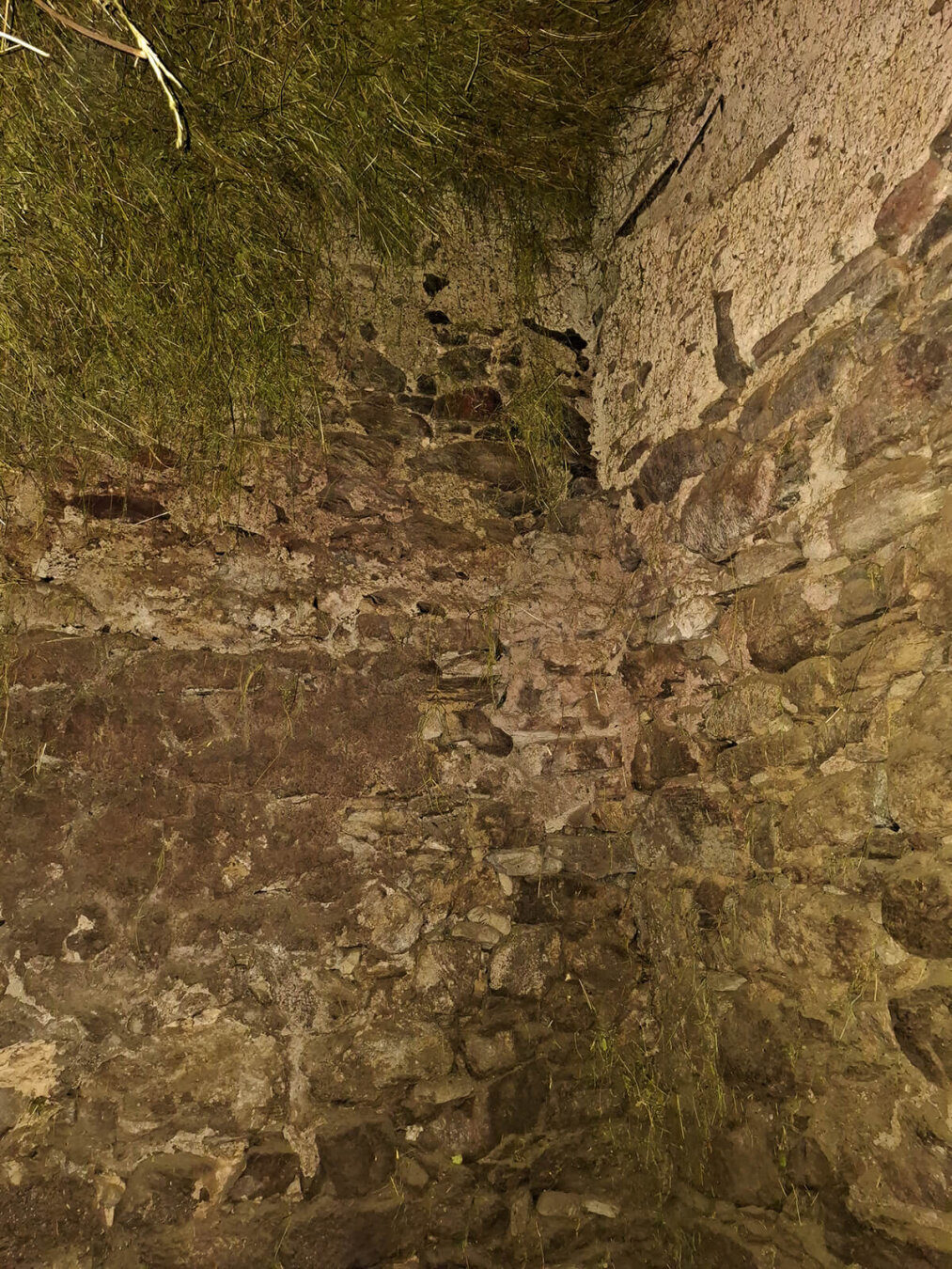
The very old stone wall of our barn. Joints partially filled with newer and historic mortar. The two boards in the upper right corner were once part of the wood paneling in a residential building. Before the 1900, our stable was a residential building, and two or even more families originally lived in this house on two floors.
#old #history #barn #hay #traditonal #lime #stonewall #worth #preserving
#old #history #barn #hay #traditonal #lime #stonewall #worth #preserving
20/11/25 So far, the oven has hardly developed any cracks in the plaster, apart from a few tiny hairline cracks that disappear again after cooling down. Embedding the glass fiber fabric in the plaster was a good decision.
I always applied thin layers and waited a long time between coats, which is absolutely necessary when working with lime plaster.
Next time, however, I would start all the work in spring. :)
This is definitely advisable for bricklaying and plastering work in order to remove all residual moisture from the bricks, mortar, and plaster.
Insufficiently dried materials can lead to high tension and cracks (due to rapid evaporation) when making the first fires.
#oven #traditional #handcrafted #woodwork #solid #wood #handbuilt #diy #natural #lime #plaster
I always applied thin layers and waited a long time between coats, which is absolutely necessary when working with lime plaster.
Next time, however, I would start all the work in spring. :)
This is definitely advisable for bricklaying and plastering work in order to remove all residual moisture from the bricks, mortar, and plaster.
Insufficiently dried materials can lead to high tension and cracks (due to rapid evaporation) when making the first fires.
#oven #traditional #handcrafted #woodwork #solid #wood #handbuilt #diy #natural #lime #plaster

20/11/25 Back to making fire for a week now. I'm very satisfied with the overall work and the new plaster. The heat is now distributed more evenly throughout the entire oven and it retains the heat even longer (for almost 20 hours). The natural lime plaster feels pleasant, breathes, and has no odors whatsoever. Top-notch products.
#oven #traditional #handcrafted #woodwork #solid #wood #handbuilt #diy #natural #lime #plaster
#oven #traditional #handcrafted #woodwork #solid #wood #handbuilt #diy #natural #lime #plaster

SHUDDERS IN A WHISPER
¾ oz lime juice
½ oz passion fruit syrup
½ oz pear liqueur
¼ oz Drambuie
2 oz seltzer
2 oz Column Still Aged Rum ❹
2 dashes Peychauds bitters
1 dash Angostura bitters
Flash blend // Open pour // Garnish: mint sprig, edible orchid
It's really getting cold here, so my solution is to flash blend drinks and pretend I'm somewhere tropical 😎 This one comes from the Smuggler's Cove book, page 118. I made it because I was trying to use pear liqueur, and it really blends nicely with the Drambuie, with the rum playing second fiddle.
And how about that glass bamboo straw?? I just got a new set from Surfside Sips, and they're next-level quality. I can't recommend them enough, and you'd be supporting a small self-owned business! Non-spon, I'm just a happy customer like you will be: https://www.surfsidesips.com/
🔗 https://potentpotables.app/drinks/shudders-in-a-whisper/
#alcohol #cocktail #cocktails #tiki #tikicocktail #tikidrink #SmugglersCoveSF #lime #passionfruit #pear #liqueur #drambuie #rum #peychauds #angostura #bitters #mint #orchid #garnish #AddClassWithGlass #HomeBar #drinkstodon #fedithirst
¾ oz lime juice
½ oz passion fruit syrup
½ oz pear liqueur
¼ oz Drambuie
2 oz seltzer
2 oz Column Still Aged Rum ❹
2 dashes Peychauds bitters
1 dash Angostura bitters
Flash blend // Open pour // Garnish: mint sprig, edible orchid
It's really getting cold here, so my solution is to flash blend drinks and pretend I'm somewhere tropical 😎 This one comes from the Smuggler's Cove book, page 118. I made it because I was trying to use pear liqueur, and it really blends nicely with the Drambuie, with the rum playing second fiddle.
And how about that glass bamboo straw?? I just got a new set from Surfside Sips, and they're next-level quality. I can't recommend them enough, and you'd be supporting a small self-owned business! Non-spon, I'm just a happy customer like you will be: https://www.surfsidesips.com/
🔗 https://potentpotables.app/drinks/shudders-in-a-whisper/
#alcohol #cocktail #cocktails #tiki #tikicocktail #tikidrink #SmugglersCoveSF #lime #passionfruit #pear #liqueur #drambuie #rum #peychauds #angostura #bitters #mint #orchid #garnish #AddClassWithGlass #HomeBar #drinkstodon #fedithirst

17/11/25: Today I used up the rest of a second bag of cocciopesto. I finally closed the gaps in the wall with a mortar mix of cocciopesto:promptcement at 2:1, plus some hemp shives. This should buffer the temperature difference between cold and warm, and reduce condensation thanks to the improved insulation of the wall. The cocciopesto in the cement makes the mortar more elastic and more permeable to vapor, while the hemp shives provide slightly better insulation. The romancement offers better adhesion to the stone/iron and allows greater layer thicknesses to be applied in a single pass.
The good thing about 100% natural mortar/cement is that you can dispose of the leftovers in the environment without hesitation. It can even improve the soil because no artifical and plastic additives are used.
#waterpipe #wall #diy #craftmanship #renovation #natural #lime #cocciopesto #romancement #hemp #sustainability
The good thing about 100% natural mortar/cement is that you can dispose of the leftovers in the environment without hesitation. It can even improve the soil because no artifical and plastic additives are used.
#waterpipe #wall #diy #craftmanship #renovation #natural #lime #cocciopesto #romancement #hemp #sustainability

Our house was built around 1900 by my great-grandfather. This is a niche in an old house wall the recess of a former oven opening, bricked up with stones and natural lime. The vault is made with wedge stones in natural-stone masonry.
Next year I will stabilize this arch with minimal intervention, using only natural materials. Natural hydraulic lime (NHL5) is perfect for this and has a beautifully matching beige tone. In addition, I will use small stones and coarse sand. I’ll try to keep as much of the old material (lime, sand, earth) as possible and stabilize it with an NHL5 mortar.
#old #stones #traditional #ovenhole #natural #lime #vault #renovation
Next year I will stabilize this arch with minimal intervention, using only natural materials. Natural hydraulic lime (NHL5) is perfect for this and has a beautifully matching beige tone. In addition, I will use small stones and coarse sand. I’ll try to keep as much of the old material (lime, sand, earth) as possible and stabilize it with an NHL5 mortar.
#old #stones #traditional #ovenhole #natural #lime #vault #renovation


Aviation weather for Milan Bergamo airport (Italy) is “LIME 170820Z 23010KT 2000 BR BKN002 11/11 Q1004 NOSIG” : See what it means on https://www.bigorre.org/aero/meteo/lime/en #milanbergamoairport #airport #bergamo #italy #lime #bgy #metar #aviation #aviationweather #avgeek vl
Aviation weather for Milan Bergamo airport (Italy) is “LIME 161050Z 04003KT 360V070 0900 R28/1700U -RA FG BKN004 OVC020 12/12 Q1012 BECMG 1500 RA BR” : See what it means on https://www.bigorre.org/aero/meteo/lime/en #milanbergamoairport #airport #bergamo #italy #lime #bgy #metar #aviation #aviationweather #avgeek vl
Client Info
Server: https://mastodon.social
Version: 2025.07
Repository: https://github.com/cyevgeniy/lmst