
Blue Flash
https://kiko.io/photos/D50_7036_2602
#deutschesmuseum #camera #moodytones #classiccamera #vintagevibes #artofvisuals #analogphotography #photography #inspiration #filmphotography #photographyart #moodygrams #details #vintagecamera #lighting #oldschool #cameragear #photographylovers #studio #cinematic #blueaesthetic #lightbulb #closeup #lowlight #idea #stilllife #photographylife #minimalmood #innovation #retro #creativephotography
#classiccamera

Triple Lens
https://kiko.io/photos/D50_7032_2602
#deutschesmuseum #cameragear #photooftheday #creative #filmcamera #photographylovers #retro #macro #camera #details #cinematic #oldschool #primeLens #optics #photography #filmphotography #lens #classiccamera #vintagecamera #nostalgia #closeup #artofvisuals #analogphotography #vintagestyle #bokeh #35mm #gearhead

Nikon Legend
https://kiko.io/photos/D50_7030_2602
#deutschesmuseum #50mm #moodytones #cameragear #photography #productphotography #depthoffield #primeLens #creativephotography #nikonf4 #camera #retrogear #classiccamera #filmphotography #lowlightphotography #lens #gearshot #nikon #dslr #35mmfilm #analogphotography #vintagecamera #cameralove #closeup #bokeh #filmcamera


Voigtländer Klappkamera
Fotografiert mit einem Leitz Macro-Elmarit-R 2.8/60 an einer Fujifilm GFX 50R
#classiccamera #filmcamera #selectivecolor #squareformat #6x9 #voigtlander #fujigfx #gfx50r
Fotografiert mit einem Leitz Macro-Elmarit-R 2.8/60 an einer Fujifilm GFX 50R
#classiccamera #filmcamera #selectivecolor #squareformat #6x9 #voigtlander #fujigfx #gfx50r


A visit to the Museumsdorf Niedersulz, Austria – Part III
The village features many typical Weinviertel front gardens, famous for their abundance of blossoms and colors. Between old wooden fences and whitewashed houses, these flower gardens show the region’s love for detail and tradition.
📷 Canon AE-1
#MuseumsdorfNiedersulz #Austria #Weinviertel #CanonAE1 #FilmPhotography #AnalogPhotography #35mmFilm #KodakGold #FilmIsAlive #VintageCamera #ColorFilm #CottageGarden #WeinviertelTradition #AustrianCountryside #HeritageVillage #AnalogueVibes #Blumenliebe #Gartenfotografie #AnalogLove #CanonFilmCamera #NaturePhotography #RuralLife #VillageLife #CountryLiving #OldHouse #RusticCharm #HistoricalVillage #FolkCulture #CulturalHeritage #Tradition #SlowLiving #FlowerLovers #GardenInspiration #RetroPhotography #FilmCommunity #StayBrokeShootFilm #Filmisnotdead #Filmgrain #FilmFeed #LensCulture #ShootFilmStayBroke #ClassicCamera #RuralAustria #AnalogVibes #Fujicolor #CreativePhotography #TimelessBeauty #EverydayAustria #AustrianVillage #bloomscrolling
The village features many typical Weinviertel front gardens, famous for their abundance of blossoms and colors. Between old wooden fences and whitewashed houses, these flower gardens show the region’s love for detail and tradition.
📷 Canon AE-1
#MuseumsdorfNiedersulz #Austria #Weinviertel #CanonAE1 #FilmPhotography #AnalogPhotography #35mmFilm #KodakGold #FilmIsAlive #VintageCamera #ColorFilm #CottageGarden #WeinviertelTradition #AustrianCountryside #HeritageVillage #AnalogueVibes #Blumenliebe #Gartenfotografie #AnalogLove #CanonFilmCamera #NaturePhotography #RuralLife #VillageLife #CountryLiving #OldHouse #RusticCharm #HistoricalVillage #FolkCulture #CulturalHeritage #Tradition #SlowLiving #FlowerLovers #GardenInspiration #RetroPhotography #FilmCommunity #StayBrokeShootFilm #Filmisnotdead #Filmgrain #FilmFeed #LensCulture #ShootFilmStayBroke #ClassicCamera #RuralAustria #AnalogVibes #Fujicolor #CreativePhotography #TimelessBeauty #EverydayAustria #AustrianVillage #bloomscrolling



The desktop table in my hotel room and the nice light by the window gave me the rare opportunity to set my Minolta XD7 into the right light - pure cameraporn!
Sony A6600, Laowa 33mm f0,95, Darktable
#minolta #minoltalens #minoltagang #minoltaxd7 #cameraporn #filmcamera #camera #classiccamera #cameraportrait #sonya6600 #laowa #laowa33mm #darktable #darktableedit
Sony A6600, Laowa 33mm f0,95, Darktable
#minolta #minoltalens #minoltagang #minoltaxd7 #cameraporn #filmcamera #camera #classiccamera #cameraportrait #sonya6600 #laowa #laowa33mm #darktable #darktableedit


Voici ma Collection de Caméras Argentiques🤩
Elles sont toutes en parfaite condition
et sont toutes utilisées régulièrement
Vous pouvez voir beaucoup de mes photos ici:
https://cindycinnamon.com/photographie
#RetroCamera #Rollei #RolleiB35 #Yashica #YashicaMAT124G #Pentax #PentaxK1000 #PentaxKM #PentaxMESuper #Argentique #analogphotographe #filmphotographer #ClassicCamera
Habe kürzlich auf einem Flohmarkt eine Canon AE-1 erstanden - dürfte wohl so ca. 45 Jahre alt sein. Was für eine technische Meisterleistung! Funktioniert noch immer einwandfrei - hier einige Testfotos. Diese Farben! Ich bin begeistert :-)
I recently picked up a Canon AE-1 at a flea market – it must be about 45 years old. What an engineering masterpiece! It still works perfectly – here are some test shots. These colors! I’m thrilled :-)
#CanonAE1 #VintageCamera #VintageKamera #FilmPhotography #AnalogPhotography #AnalogFotografie #35mmFilm #ShootFilm #FilmCommunity #FilmIsNotDead #StayBrokeShootFilm #RetroCamera #RetroKamera #ClassicCamera #FilmPhotographyLovers #ShootFilmStayBroke #ILoveFilm #TestShots #Testfotos #AnalogLove #FilmFeed #BelieveInFilm #PhotographyLove #FotografieLiebe #PhotoEnthusiast #FotografieBegeistert #FilmVibes #FilmAesthetic #FilmCamerasOfInstagram #FilmisAlive #TheseColors
I recently picked up a Canon AE-1 at a flea market – it must be about 45 years old. What an engineering masterpiece! It still works perfectly – here are some test shots. These colors! I’m thrilled :-)
#CanonAE1 #VintageCamera #VintageKamera #FilmPhotography #AnalogPhotography #AnalogFotografie #35mmFilm #ShootFilm #FilmCommunity #FilmIsNotDead #StayBrokeShootFilm #RetroCamera #RetroKamera #ClassicCamera #FilmPhotographyLovers #ShootFilmStayBroke #ILoveFilm #TestShots #Testfotos #AnalogLove #FilmFeed #BelieveInFilm #PhotographyLove #FotografieLiebe #PhotoEnthusiast #FotografieBegeistert #FilmVibes #FilmAesthetic #FilmCamerasOfInstagram #FilmisAlive #TheseColors


«Où voudrais-tu te faire photographier?»
.
.
MUA: MySelf
Photographie: MySelf
CindyCinnamon.com
.
.
.
.
.
#AsahiPentax #PentaxKM #CindyCinnamon #Photographer #YourFace #Portrait #ClassicPhoto #VIPphotographie #AutoPortrait #OldCamera #ClassicCamera #PourLePlaisir

Fujifilm X-E5 Review: No Longer a Beginner’s Basic Camera https://petapixel.com/2025/06/12/fujifilm-x-e5-review-no-longer-a-beginners-basic-camera/ #streetphotography #travelphotography #classiccamera #vintagecamera #fujifilm23mm #fujifilmx100 #pocketcamera #fujifilmxe5 #Equipment #fujifilm #Reviews #xe5


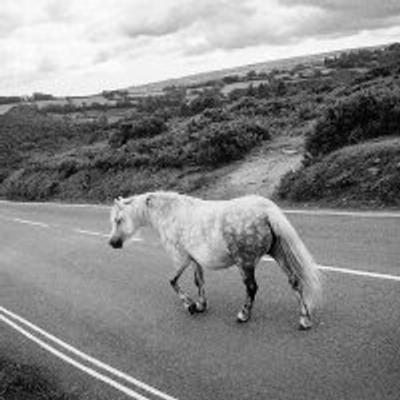
From time to time, - like to take out my
grandfather's old Kinaflex and shoot roll or two.
It's a vintage French 6x6 twin-lens camera from
the 1 950s, not very reliable anymore due to its
age. But1 love the character it gives to the
photos.
(The film was probably developed by Wolverine
himselfe
#flmshootersgroup
#filmphotography #lofiphotography #ilfordhp5
#shootfilmstaybroke #argentiquesamère
#heyfsc #blackandwhitephotography
#darkartist #bnwlovers #darkart #haunting
#monochrome #noiretblanc #blurry
#mistymorning #analog #TLR #TwinLensReflex
#VintageCamera #ClassicCamera
#OldCameraLove #1950sPhotography
grandfather's old Kinaflex and shoot roll or two.
It's a vintage French 6x6 twin-lens camera from
the 1 950s, not very reliable anymore due to its
age. But1 love the character it gives to the
photos.
(The film was probably developed by Wolverine
himselfe
#flmshootersgroup
#filmphotography #lofiphotography #ilfordhp5
#shootfilmstaybroke #argentiquesamère
#heyfsc #blackandwhitephotography
#darkartist #bnwlovers #darkart #haunting
#monochrome #noiretblanc #blurry
#mistymorning #analog #TLR #TwinLensReflex
#VintageCamera #ClassicCamera
#OldCameraLove #1950sPhotography


Der Bahnhof in Billerbeck analoge Aufnahme mit der Agfa Box 50
Film Kodak Gold 200
#AgfaBox50 #Agfa #Boxkamera #Mittelformat #120Film #Analogfotografie #FilmPhotography #VintageCamera #ClassicCamera #AnalogueLove #ShootFilm #FilmCommunity #RetroPhotography #OldCamera #PhotographyHistory #Bahnhof #trainstation #Billerbeck #Münsterland
Film Kodak Gold 200
#AgfaBox50 #Agfa #Boxkamera #Mittelformat #120Film #Analogfotografie #FilmPhotography #VintageCamera #ClassicCamera #AnalogueLove #ShootFilm #FilmCommunity #RetroPhotography #OldCamera #PhotographyHistory #Bahnhof #trainstation #Billerbeck #Münsterland

Abtei Gerleve analoge Aufnahme mit der Agfa Box 50
Film Kodak Gold 200
#AgfaBox50 #Agfa #Boxkamera #Mittelformat #120Film #Analogfotografie #FilmPhotography #VintageCamera #ClassicCamera #AnalogueLove #ShootFilm #FilmCommunity #RetroPhotography #OldCamera #PhotographyHistory
Film Kodak Gold 200
#AgfaBox50 #Agfa #Boxkamera #Mittelformat #120Film #Analogfotografie #FilmPhotography #VintageCamera #ClassicCamera #AnalogueLove #ShootFilm #FilmCommunity #RetroPhotography #OldCamera #PhotographyHistory

The Agfa Box 50 – A Classic of Medium Format Photography
The Agfa Box 50 is a classic box camera produced by Agfa from 1949 to 1951. During this time, almost 600,000 units were manufactured. It is part of the long tradition of Agfa box cameras, known for their simple handling, robust construction, and characteristic image look.
Technical Specifications
Film Format: 120 roll film (6x9 cm negatives)
Lens: Simple meniscus lens
Apertures: Two settings (approx. f/11 and f/16)
Shutter Speed: Approx. 1/30 second + B-mode for long exposures
Viewfinder: Two simple mirror viewfinders for portrait and landscape orientation
Body: Metal housing with leatherette covering
Handling and Usage
The Agfa Box 50 is known for its straightforward operation. It is particularly suitable for beginners in analog photography or lovers of the classic box camera look. The photographer simply needs to load the film, use the viewfinder to frame the subject, and press the shutter release. Thanks to the B-mode, long exposures are also possible, allowing for creative night shots or light painting experiments.
Image Characteristics
The Agfa Box 50 produces a nostalgic image look with soft sharpness and slight vignetting around the edges. Due to its simple lens, the image quality does not compare to modern cameras, but this analog charm is precisely what makes the camera so appealing. Black-and-white films particularly enhance this vintage aesthetic.
Historical Context
The Agfa Box 50 was a slightly modified version of the pre-war Box 45, differing externally with additional silver decorative stripes on the front. In 1951, it was replaced by the Synchro-Box (Box 600), of which approximately 1,630,000 units were produced until 1957. The selling price of the Agfa Box 50 was 9.90 DM, which contributed to its great popularity.
Conclusion
The Agfa Box 50 is a piece of photographic history and offers a wonderful opportunity to experience the aesthetics of the 1950s. It is easy to use, reliable, and a valuable asset for anyone interested in classic analog photography. Those who appreciate the unique style of this camera will have a lot of fun with it!
#AgfaBox50 #Agfa #BoxCamera #MediumFormat #120Film #AnalogPhotography #FilmPhotography #VintageCamera #ClassicCamera #AnalogueLove #ShootFilm #FilmCommunity #RetroPhotography #OldCamera #PhotographyHistory
The Agfa Box 50 is a classic box camera produced by Agfa from 1949 to 1951. During this time, almost 600,000 units were manufactured. It is part of the long tradition of Agfa box cameras, known for their simple handling, robust construction, and characteristic image look.
Technical Specifications
Film Format: 120 roll film (6x9 cm negatives)
Lens: Simple meniscus lens
Apertures: Two settings (approx. f/11 and f/16)
Shutter Speed: Approx. 1/30 second + B-mode for long exposures
Viewfinder: Two simple mirror viewfinders for portrait and landscape orientation
Body: Metal housing with leatherette covering
Handling and Usage
The Agfa Box 50 is known for its straightforward operation. It is particularly suitable for beginners in analog photography or lovers of the classic box camera look. The photographer simply needs to load the film, use the viewfinder to frame the subject, and press the shutter release. Thanks to the B-mode, long exposures are also possible, allowing for creative night shots or light painting experiments.
Image Characteristics
The Agfa Box 50 produces a nostalgic image look with soft sharpness and slight vignetting around the edges. Due to its simple lens, the image quality does not compare to modern cameras, but this analog charm is precisely what makes the camera so appealing. Black-and-white films particularly enhance this vintage aesthetic.
Historical Context
The Agfa Box 50 was a slightly modified version of the pre-war Box 45, differing externally with additional silver decorative stripes on the front. In 1951, it was replaced by the Synchro-Box (Box 600), of which approximately 1,630,000 units were produced until 1957. The selling price of the Agfa Box 50 was 9.90 DM, which contributed to its great popularity.
Conclusion
The Agfa Box 50 is a piece of photographic history and offers a wonderful opportunity to experience the aesthetics of the 1950s. It is easy to use, reliable, and a valuable asset for anyone interested in classic analog photography. Those who appreciate the unique style of this camera will have a lot of fun with it!
#AgfaBox50 #Agfa #BoxCamera #MediumFormat #120Film #AnalogPhotography #FilmPhotography #VintageCamera #ClassicCamera #AnalogueLove #ShootFilm #FilmCommunity #RetroPhotography #OldCamera #PhotographyHistory

Abtei Gerleve analoge Aufnahme mit der Agfa Box 50
Film Kodak Gold 200
#AgfaBox50 #Agfa #Boxkamera #Mittelformat #120Film #Analogfotografie #FilmPhotography #VintageCamera #ClassicCamera #AnalogueLove #ShootFilm #FilmCommunity #RetroPhotography #OldCamera #PhotographyHistory
Film Kodak Gold 200
#AgfaBox50 #Agfa #Boxkamera #Mittelformat #120Film #Analogfotografie #FilmPhotography #VintageCamera #ClassicCamera #AnalogueLove #ShootFilm #FilmCommunity #RetroPhotography #OldCamera #PhotographyHistory

Die Agfa Box 50 – Ein Klassiker der Mittelformat-Fotografie
Die Agfa Box 50 ist eine klassische Boxkamera, die von 1949 bis 1951 von Agfa produziert wurde. In dieser Zeit wurden fast 600.000 Exemplare hergestellt. Sie gehört zur langen Tradition der Agfa-Boxkameras, die für ihre einfache Handhabung, robuste Bauweise und den charakteristischen Look der Bilder bekannt sind.
Technische Daten
Filmformat: 120 Rollfilm (6x9 cm Negative)
Objektiv: Einfaches Meniskusobjektiv
Blenden: Zwei Einstellungen (ca. f/11 und f/16)
Verschlusszeit: Ca. 1/30 Sekunde + B-Modus für Langzeitbelichtungen
Sucher: Zwei einfache Spiegel-Sucher für Hoch- und Querformat
Gehäuse: Metallgehäuse mit Kunstlederüberzug
Handhabung und Nutzung
Die Agfa Box 50 ist für ihre simple Bedienung bekannt. Sie eignet sich besonders für Einsteiger in die analoge Fotografie oder für Liebhaber des klassischen Boxkamera-Looks. Der Fotograf muss lediglich den Film einlegen, den Sucher benutzen, um das Motiv anzuvisieren, und den Auslöser betätigen. Dank des B-Modus sind auch Langzeitbelichtungen möglich, was kreative Nachtaufnahmen oder Experimente mit Lichtmalerei erlaubt.
Bildcharakteristik
Die Agfa Box 50 liefert einen nostalgischen Bildlook mit einer weichen Schärfe und einer leichten Vignettierung an den Rändern. Aufgrund des einfachen Objektivs ist die Bildqualität nicht mit modernen Kameras vergleichbar, aber gerade dieser analoge Charme macht den Reiz der Kamera aus. Schwarz-Weiß-Filme bringen diesen Vintage-Look besonders gut zur Geltung.
Historischer Kontext
Die Agfa Box 50 war eine leicht modifizierte Version der Vorkriegs-Box 45 und unterschied sich äußerlich durch zusätzliche silberne Zierstreifen auf der Frontseite. Im Jahr 1951 wurde sie von der Synchro-Box (Box 600) abgelöst, von der bis 1957 etwa 1.630.000 Stück produziert wurden. Der Verkaufspreis der Agfa Box 50 lag bei 9,90 DM, was zu ihrer großen Beliebtheit beitrug.
Fazit
Die Agfa Box 50 ist ein Stück Fotografiegeschichte und bietet eine wunderbare Möglichkeit, die Ästhetik der 1950er Jahre nachzuerleben. Sie ist einfach zu bedienen, zuverlässig und eine Bereicherung für jeden, der sich mit klassischer Analogfotografie beschäftigt. Wer den einzigartigen Stil dieser Kamera zu schätzen weiß, wird mit ihr viel Freude haben!
#AgfaBox50 #Agfa #Boxkamera #Mittelformat #120Film #Analogfotografie #FilmPhotography #VintageCamera #ClassicCamera #AnalogueLove #ShootFilm #FilmCommunity #RetroPhotography #OldCamera #PhotographyHistory
Die Agfa Box 50 ist eine klassische Boxkamera, die von 1949 bis 1951 von Agfa produziert wurde. In dieser Zeit wurden fast 600.000 Exemplare hergestellt. Sie gehört zur langen Tradition der Agfa-Boxkameras, die für ihre einfache Handhabung, robuste Bauweise und den charakteristischen Look der Bilder bekannt sind.
Technische Daten
Filmformat: 120 Rollfilm (6x9 cm Negative)
Objektiv: Einfaches Meniskusobjektiv
Blenden: Zwei Einstellungen (ca. f/11 und f/16)
Verschlusszeit: Ca. 1/30 Sekunde + B-Modus für Langzeitbelichtungen
Sucher: Zwei einfache Spiegel-Sucher für Hoch- und Querformat
Gehäuse: Metallgehäuse mit Kunstlederüberzug
Handhabung und Nutzung
Die Agfa Box 50 ist für ihre simple Bedienung bekannt. Sie eignet sich besonders für Einsteiger in die analoge Fotografie oder für Liebhaber des klassischen Boxkamera-Looks. Der Fotograf muss lediglich den Film einlegen, den Sucher benutzen, um das Motiv anzuvisieren, und den Auslöser betätigen. Dank des B-Modus sind auch Langzeitbelichtungen möglich, was kreative Nachtaufnahmen oder Experimente mit Lichtmalerei erlaubt.
Bildcharakteristik
Die Agfa Box 50 liefert einen nostalgischen Bildlook mit einer weichen Schärfe und einer leichten Vignettierung an den Rändern. Aufgrund des einfachen Objektivs ist die Bildqualität nicht mit modernen Kameras vergleichbar, aber gerade dieser analoge Charme macht den Reiz der Kamera aus. Schwarz-Weiß-Filme bringen diesen Vintage-Look besonders gut zur Geltung.
Historischer Kontext
Die Agfa Box 50 war eine leicht modifizierte Version der Vorkriegs-Box 45 und unterschied sich äußerlich durch zusätzliche silberne Zierstreifen auf der Frontseite. Im Jahr 1951 wurde sie von der Synchro-Box (Box 600) abgelöst, von der bis 1957 etwa 1.630.000 Stück produziert wurden. Der Verkaufspreis der Agfa Box 50 lag bei 9,90 DM, was zu ihrer großen Beliebtheit beitrug.
Fazit
Die Agfa Box 50 ist ein Stück Fotografiegeschichte und bietet eine wunderbare Möglichkeit, die Ästhetik der 1950er Jahre nachzuerleben. Sie ist einfach zu bedienen, zuverlässig und eine Bereicherung für jeden, der sich mit klassischer Analogfotografie beschäftigt. Wer den einzigartigen Stil dieser Kamera zu schätzen weiß, wird mit ihr viel Freude haben!
#AgfaBox50 #Agfa #Boxkamera #Mittelformat #120Film #Analogfotografie #FilmPhotography #VintageCamera #ClassicCamera #AnalogueLove #ShootFilm #FilmCommunity #RetroPhotography #OldCamera #PhotographyHistory

Reviewing Every Fujifilm X100 Camera Ever Made https://petapixel.com/2024/06/27/reviewing-every-fujifilm-x100-ever-made/ #streetphotography #fujifilmx100vi #classiccamera #fujifilmx100f #fujifilmx100s #fujifilmx100t #fujifilmx100v #fujifilmx100 #poketcamera #Equipment #fujifilm #Reviews #fashion #stylish #vintage #review

Today is my birthday! And here are my birthday photos 😆
#120film #35mm #35mmfilm #analog #analogphotography #analogue #analogvibes #art #believeinfilm #birthday #blackandwhite #blackandwhitephotography #blackwhitephotography #classiccamera #filmcommunity #filmisalive #filmisnotdead #filmphotography #fotografia #fotografiaanalogowa #happybirthday #mediumformat #oldcamera #oldcameras #oldlens #photography
#120film #35mm #35mmfilm #analog #analogphotography #analogue #analogvibes #art #believeinfilm #birthday #blackandwhite #blackandwhitephotography #blackwhitephotography #classiccamera #filmcommunity #filmisalive #filmisnotdead #filmphotography #fotografia #fotografiaanalogowa #happybirthday #mediumformat #oldcamera #oldcameras #oldlens #photography



I’ve also just stumbled across this amazing little antique shop that has a lot of vintage cameras for sale 📸
#VintagePhotography
#AnalogLove
#BelieveInFilm
#FilmIsNotDead
#RetroPhotography
#ClassicCamera
#OldSchoolCool
#VintageVibes
#AnalogueAdventures
#FilmForever
#NostalgicPhotography #Photo #Photography #photoaday #Photographer #Felixstowe


Client Info
Server: https://mastodon.social
Version: 2025.07
Repository: https://github.com/cyevgeniy/lmst