Starbirth fireworks
What is more majestic than the fireworks of stars being born?
The region visible in the center of the Orion constellation is a region of star birth, also called the Orion complex. Material from earlier star deaths (like supernovae) forms dust and gas clouds that, if dense enough, start the formation process of new stars. During and after the formation of a star, it flings out a lot of material and radiation that push away less dense material. The radiation ionizes the atoms in the surrounding area, making them emit visible light during recombination, resulting in emission nebulae. Reflection nebulae on the other hand reflect light from nearby stars.
The brightest area at the bottom of the image is the Great Orion Nebula (M 42), where hydrogen is especially excited, emitting red light. Surrounding dust clouds obstruct the nebula or reflect the light from the newborn stars, giving it the form we see in the night sky. It is bright enough to be seen with the naked eye on dark nights.
Just above the Orion Nebula is the Running Man Nebula (NGC 1977). The reflection nebula is visible here, while there is also a hydrogen II emission nebula that is too faint to see.
In the top part of the image is an elongated red nebula, also called the Horsehead Nebula (IC 434). It is a large hydrogen II emission nebula whose view is obstructed by a dark nebula in the shape of a horse’s head.
Above and to the left is the orange Flame Nebula (NGC 2024). From what I could find, the color is the result of a combination of hydrogen II emission (red), oxygen III emission (green), reflected light from the nearby blue star Alnitak (ζ Orionis), as well as dust in front of the nebula filtering its visible spectrum.
This image was created with 658 × 2 s (21 m 56 s) integration time. I had to cut the session short as clouds were forming earlier than expected, but I got the image I was aiming for. I used #Stellarium to frame the image and processed it with #Siril, #GIMP, and #GMIC.
Happy New Year!
Nikon D500, Sigma 105mm EX DG OS HSM, 105 mm, f/2.8, 658x2 s, ISO 3200, tripod, no tracker
#Nebulae #Orion #OrionNebula #FlameNebula #HorseheadNebula #astrophotography #photography #germany #digikam
#orionNebula



after a while - i finally came to a bit astronomy. work has filled up my life last months... A glimpse an Messier 42, the Great Orion Nebula. Seeing was cruel and i couldn't do more resolution then 2x2 binning. but i am happy with the result of 30 Minutes photon counting 😉


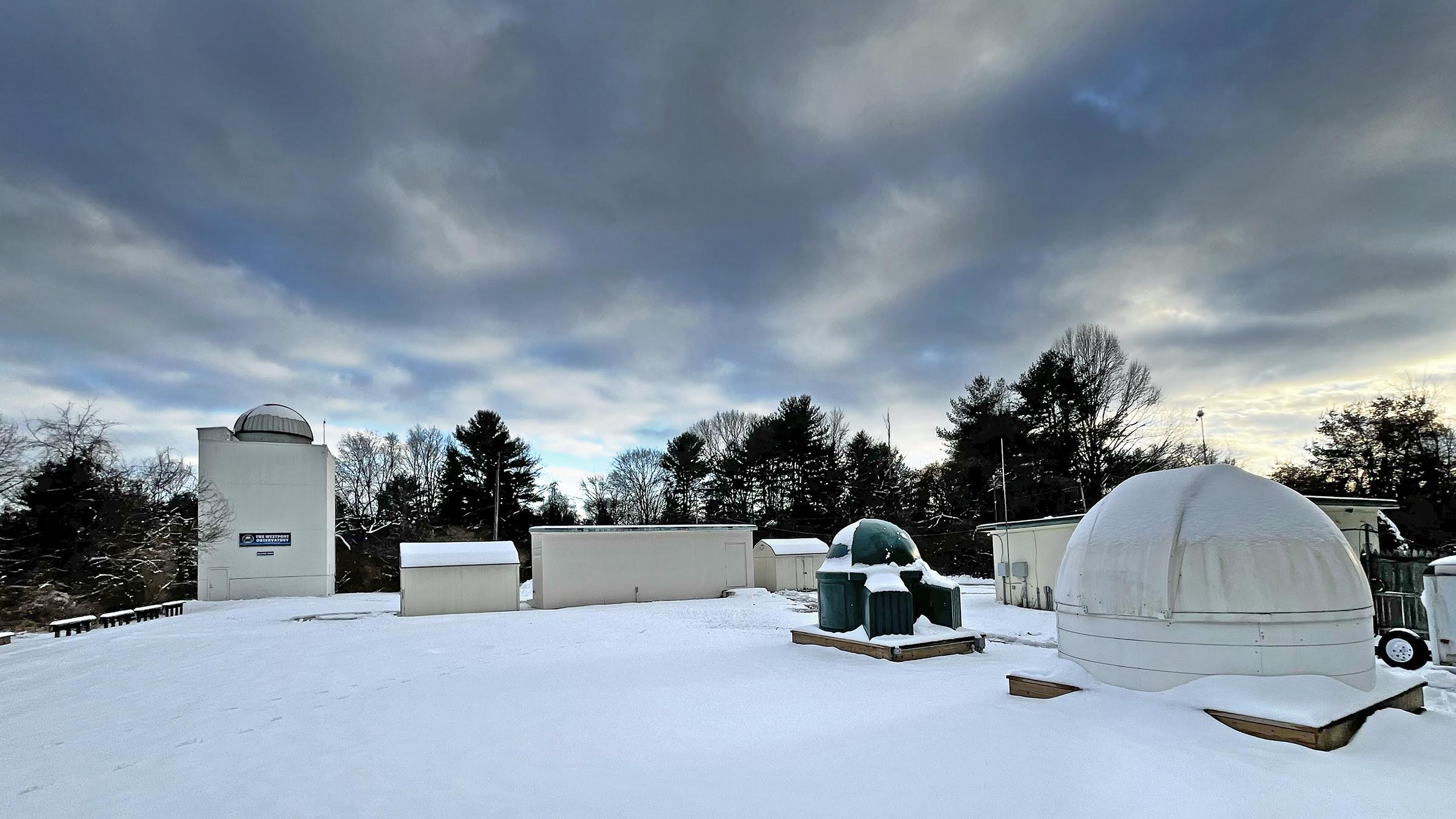
🌌 Tonight looks good at the Westport Observatory (12/17, opens 8PM). A few passing clouds, but nothing to kill the vibe. With the bright Moon out of the way, it’s deep-sky night—winter galaxies, star clusters, outer planets, and the showstopper Orion Nebula. Come see what’s out there. https://was-ct.org/programs/public-viewing/
#WestportObservatory #WestportAstronomicalSociety #StarParty #Astronomy #DeepSky #OrionNebula #Stargazing #WinterSky #SpaceNight #ConnecticutEvents #WestportCT

Soderle. Nachdem der Testshot vorgestern ja schon ganz nett war, habe ich gestern den klaren Himmel direkt wieder genutzt um mal ein wenig mit den Aufnahmeparametern am #Dwarf3 herum zu spielen. Statt der 15 sind es nun 30 Sekunden und der eingebaute Astrofilter wurde dazu genommen. Der filtert zwar schon gut Lichtverschmutzung/Stadthimmel heraus, aber men merkt es schon noch, dass ich hier recht exponiert lebe (besonders, seit gegenüber der Typ mit den Tageslichtdeckenstrahlern eingezogen ist… der illuminiert hier immer die halbe Nachbarschaft mit seiner Funzel).
Umso mehr freue ich mich auf die ersten Einsätze im ländlichen Raum.
Das gesteckte Ergebnis von über 1h Belichtungszeit habe ich naschen es aus dem Zwerg heraus fiel noch durch Siril gejagt um die Lichtverschmutzung und das Rauschen noch besser in den Griff zu kriegen. Kann sich wieder ein Stückchen mehr sehen lassen finde ich.
Learning heute: Mit dem Dwarf kann man, wenn man ihn gut kalibriert, locker die 30s Belichtung im EQ-Modus mitnehmen und sollte das auch nutzen. Außerdem: das Stativ lieber ein wenig höher aufstellen. Beim ersten Versuch war noch bei über 200 Bildern das Balkongeländer im Weg - weshalb die Bilder nicht gesteckt wurden.
Weiter geht’s bei nächstbester Gelegenheit. 😀
#Orionnebel #Orionnebula #Astrofotografie #Astrophotography
Umso mehr freue ich mich auf die ersten Einsätze im ländlichen Raum.
Das gesteckte Ergebnis von über 1h Belichtungszeit habe ich naschen es aus dem Zwerg heraus fiel noch durch Siril gejagt um die Lichtverschmutzung und das Rauschen noch besser in den Griff zu kriegen. Kann sich wieder ein Stückchen mehr sehen lassen finde ich.
Learning heute: Mit dem Dwarf kann man, wenn man ihn gut kalibriert, locker die 30s Belichtung im EQ-Modus mitnehmen und sollte das auch nutzen. Außerdem: das Stativ lieber ein wenig höher aufstellen. Beim ersten Versuch war noch bei über 200 Bildern das Balkongeländer im Weg - weshalb die Bilder nicht gesteckt wurden.
Weiter geht’s bei nächstbester Gelegenheit. 😀
#Orionnebel #Orionnebula #Astrofotografie #Astrophotography

M42 Orionnebel / M42 Orion Nebula
Aufnahmedauer: 40x120s (UV/IR Cut)
Teleskop: Askar91f Flatfield, QHY268C, 220mm mini
#astrophotography #astrofotogafie #astronomy #astronomie #m42 #ngc1976 #orionnebel #orionnebula #teleskop #telescope #askar91f #sternenhimmel #astro #nachthimmel #nightsky #weltraum #outerspace #qhy268c
Aufnahmedauer: 40x120s (UV/IR Cut)
Teleskop: Askar91f Flatfield, QHY268C, 220mm mini
#astrophotography #astrofotogafie #astronomy #astronomie #m42 #ngc1976 #orionnebel #orionnebula #teleskop #telescope #askar91f #sternenhimmel #astro #nachthimmel #nightsky #weltraum #outerspace #qhy268c

Nach dem Fiasko mit dem Intervallometer vom Wochenende konnte ich den nächsten Versuch den Orion Nebel einzufangen kaum erwarten. Die Chance kam dann schneller als gedacht, nämlich gestern. Also ratterte zwischen 21:30 und 23:30 Uhr die Kanera auf dem Balkon vor sich hin und sammelte diesmal auch (verwertbare) 1:35h Belichtungszeit vom Sternbild Orion nebst dem dazu gehörigen Nebel.
Hier das Ergebnis. Für eine Aufnahme mit einem 70mm Objektiv ist das Resultat für einen Nebel schon ganz ordentlich. Und ich habe jetzt Daten, mit denen ich noch weiter das Stacking und die Bildbearbeitung üben kann wenn es mal wieder wochenlang bewölkt ist. 😛
Learning diesmal: beim nächsten Versuch die ISO runter schrauben damit die 3 Sterne im Zentrum des Nebels heraus kommen und nicht ausbrennen. Außerdem: Brennweite, wir brauchen mehr Brennweite! Und natürlich: Bei nem Bierchen von Dänen an den Bilddaten herum zu schrauben kann eine schöne, entspannende Abendbeschäftigung sein!
#Astrofotografie #Astrophotography #OrionNebel #OrionNebula #Orion
Hier das Ergebnis. Für eine Aufnahme mit einem 70mm Objektiv ist das Resultat für einen Nebel schon ganz ordentlich. Und ich habe jetzt Daten, mit denen ich noch weiter das Stacking und die Bildbearbeitung üben kann wenn es mal wieder wochenlang bewölkt ist. 😛
Learning diesmal: beim nächsten Versuch die ISO runter schrauben damit die 3 Sterne im Zentrum des Nebels heraus kommen und nicht ausbrennen. Außerdem: Brennweite, wir brauchen mehr Brennweite! Und natürlich: Bei nem Bierchen von Dänen an den Bilddaten herum zu schrauben kann eine schöne, entspannende Abendbeschäftigung sein!
#Astrofotografie #Astrophotography #OrionNebel #OrionNebula #Orion


Ich habe mir vor ein paar Wochen ein sogenanntes "Smart Teleskop" gekauft, genauer, ein "Dwarf 3". Seitdem wartete ich darauf, dass es mal eine klare Nacht gibt. Gestern Nacht war es dann das zweite Mal so weit, nachdem ich Anfang der Woche den ersten Versuch machen konnte.
In der Zeit zwischen Montag und gestern Nacht hab ich mich dann intensiv mit der Technik beschäftigt, weil die ersten Ergebnisse von Anfang der Woche noch nicht waren, was ich wollte und ich denke, es hat sich gelohnt: ich komme mit dem Gerät selber deutlich besser klar als zu Beginn, und auch für die Nachbereitung habe ich langsam das Gefühl, dass ich doch langsam weiß was ich tue (und tun muss).
Es war scheiße kalt gestern Abend, aber ich denke, das Ergebnis ist es wert gewesen, sich für ein paar Stunden den Arsch abzufrieren :-)
Ich präsentiere also meinen ersten Versuch, das Objekt Messier 43 im Sternbild Orion abzubilden.
Gestackt aus 40 Aufnahmen á 15 Sekunden mit leichter ISO-Verstärkung (Dwarf gibt leider keinen ISO an sondern nur einen "Gain", in dem Fall 60), "Astro"-Filter (was bedeutet, dass der IR/AA Filter, den normale Digitalsensoren haben, weshalb sie sich nicht so gut für solche Zwecke eignen, ausgeschaltet ist und damit auch diese Wellenlängen aaufgenommen werden), Stacking im Gerät, Nachbearbeitung des gestackten Ergebnisses in Siril und Photoshop.
#astrophotography #astrofotografie #deepspace #orionnebel #orionnebula
In der Zeit zwischen Montag und gestern Nacht hab ich mich dann intensiv mit der Technik beschäftigt, weil die ersten Ergebnisse von Anfang der Woche noch nicht waren, was ich wollte und ich denke, es hat sich gelohnt: ich komme mit dem Gerät selber deutlich besser klar als zu Beginn, und auch für die Nachbereitung habe ich langsam das Gefühl, dass ich doch langsam weiß was ich tue (und tun muss).
Es war scheiße kalt gestern Abend, aber ich denke, das Ergebnis ist es wert gewesen, sich für ein paar Stunden den Arsch abzufrieren :-)
Ich präsentiere also meinen ersten Versuch, das Objekt Messier 43 im Sternbild Orion abzubilden.
Gestackt aus 40 Aufnahmen á 15 Sekunden mit leichter ISO-Verstärkung (Dwarf gibt leider keinen ISO an sondern nur einen "Gain", in dem Fall 60), "Astro"-Filter (was bedeutet, dass der IR/AA Filter, den normale Digitalsensoren haben, weshalb sie sich nicht so gut für solche Zwecke eignen, ausgeschaltet ist und damit auch diese Wellenlängen aaufgenommen werden), Stacking im Gerät, Nachbearbeitung des gestackten Ergebnisses in Siril und Photoshop.
#astrophotography #astrofotografie #deepspace #orionnebel #orionnebula


#moon
#orionnebula
#astronomy
#crescentwaningmoon
#lunarpics
#photography
#astrophotography
#smartphoneastronomy


The moon at 47.8% Illumination
Orion Nebula with no filters. This is what it looks like through the telescope but with a 2 second capture.
4mm lens used for Orion, Android Cam set on 2 sec exposure and 1600 ISO
#moon
#waningcrescent
#orionnebula
#astronomy
#astrophotography
#smartphoneastronomy


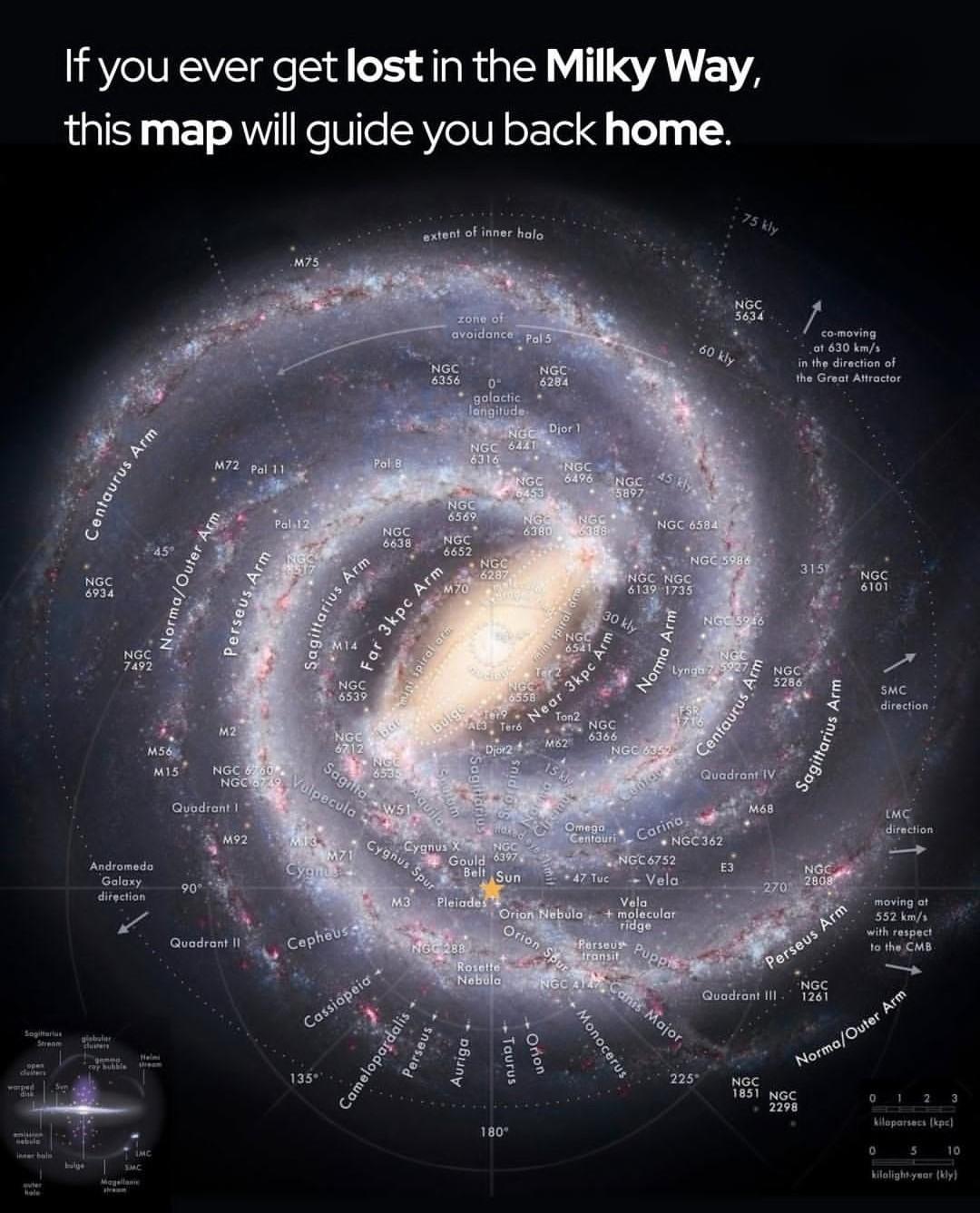
Home hides in a quiet corner of the #MilkyWay, a vast spiral galaxy 100,000 light-years wide with arms like luminous highways. #Earth rests in the #OrionArm, a modest spur between #Sagittarius and #Perseus, marked by the #OrionNebula and the #Pleiades cluster. There, about two-thirds from the galactic center, a yellow star glows—the #Sun. One among roughly 400 billion #stars, it shelters the only world we know, the fragile speck where every human story unfolds. #Science #Physics #Astrodon #Space
The Nebulas of Orion!!
Visible early in the morning now before sunrise in Eastern skies!
#astronomy
#orion
#horseheadnebula
#orionnebula
#nebulas
#educationalshorts
#nature
#astrophography
#photography
#smartphoneastronomy
Learning something new with my friend Tracy who has a 20 inch Dob and nightscope. These were my best two shots of Orion last night using her set up.
#orion
#orionnebula
#nebula
#astronomy
#astrophotography
#nature
#smartphoneastronomy

🚀🎨 Oh, look! Yet another tale of a tech enthusiast who thought a $200 tracker wasn't enough, so they over-engineered a telescope mount with harmonic drives and an #ESP32, just to be the Bob Ross of the Orion Nebula. Next up: building a particle accelerator to make better toast. 🥇🔧
https://www.svendewaerhert.com/blog/telescope-mount/ #techenthusiast #overengineering #telescopemount #harmonicdrives #OrionNebula #HackerNews #ngated

Goodbye, Orion Nebula! As the nights grow warmer, this cosmic nursery slips lower in the sky, soon to vanish from our view. A stellar birthplace, it is a stunning cloud of gas and dust, where new stars and planetary systems come to life. (Only!) 1344 light-years away from Earth, its brightness and size make it visible to the naked eye in the night sky.
See you again in autumn.
#camping #connectwithnature #stargazing #lookup #Alentejo
#darksky #seestar #astrophotography #orionnebula #orion #deepsky
See you again in autumn.
#camping #connectwithnature #stargazing #lookup #Alentejo
#darksky #seestar #astrophotography #orionnebula #orion #deepsky
The #OrionNebula in #Visible and #Infrared
#Astronomy #Picture of the Day

The Great Orion Nebula (M42)🌌. The Orion constellation, is one of the brightest and closest star-forming regions to Earth. It spans about 24 light-years across and is approximately 1,344 light-years away. The Nebula is notable for it's vibrant colors and the presence of young stars, making it a key area of study in astrophysics.
I Captured it last Monday just before my surgery, processed with Siril. I removed some Stars on the 2nd picture :). Only 25 stacked exposures at 100s each—
proof that even short sessions can create something magical.
#orionnebula #m42 #deepsky #spaceart #nightsky #nebulalove #tripletrefractor #stargazing #astronerd #astrophoto #orion #clearsskies #Astrophotography #SpacePhotography #CosmicWonder #AstronomyLovers #CelestialBeauty
I Captured it last Monday just before my surgery, processed with Siril. I removed some Stars on the 2nd picture :). Only 25 stacked exposures at 100s each—
proof that even short sessions can create something magical.
#orionnebula #m42 #deepsky #spaceart #nightsky #nebulalove #tripletrefractor #stargazing #astronerd #astrophoto #orion #clearsskies #Astrophotography #SpacePhotography #CosmicWonder #AstronomyLovers #CelestialBeauty


@FotoVorschlag es ist 'Verblüffend' was sich trotz der heftigen Lichtverschmutzung (und dem/n Flugverkehr und Satelliten) doch noch beobachten lässt.
#pentax #deepsky #FotoVorschlag #OrionNebula

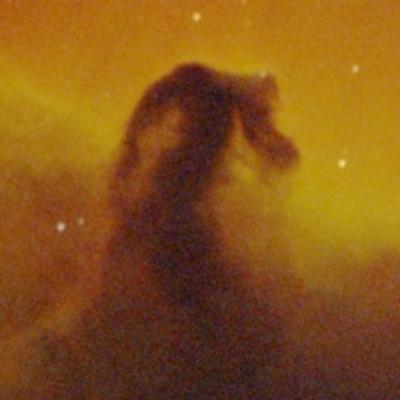
Finally got around to processing M42 in narrowband from February. My flats routine wasn't very good this time, so this is heavily cropped. Also had some mechanical issues that I didn't notice since I was trying out a homebrew autofocuser, so some stars are a little long. On top of all that, some stars in the center are overcooked so, more to do next year!
Color is H-alpha, Sii, and Oiii mapped to their actual wavelength so this is "true color"...sort of. #astrophotography #M42 #orionnebula
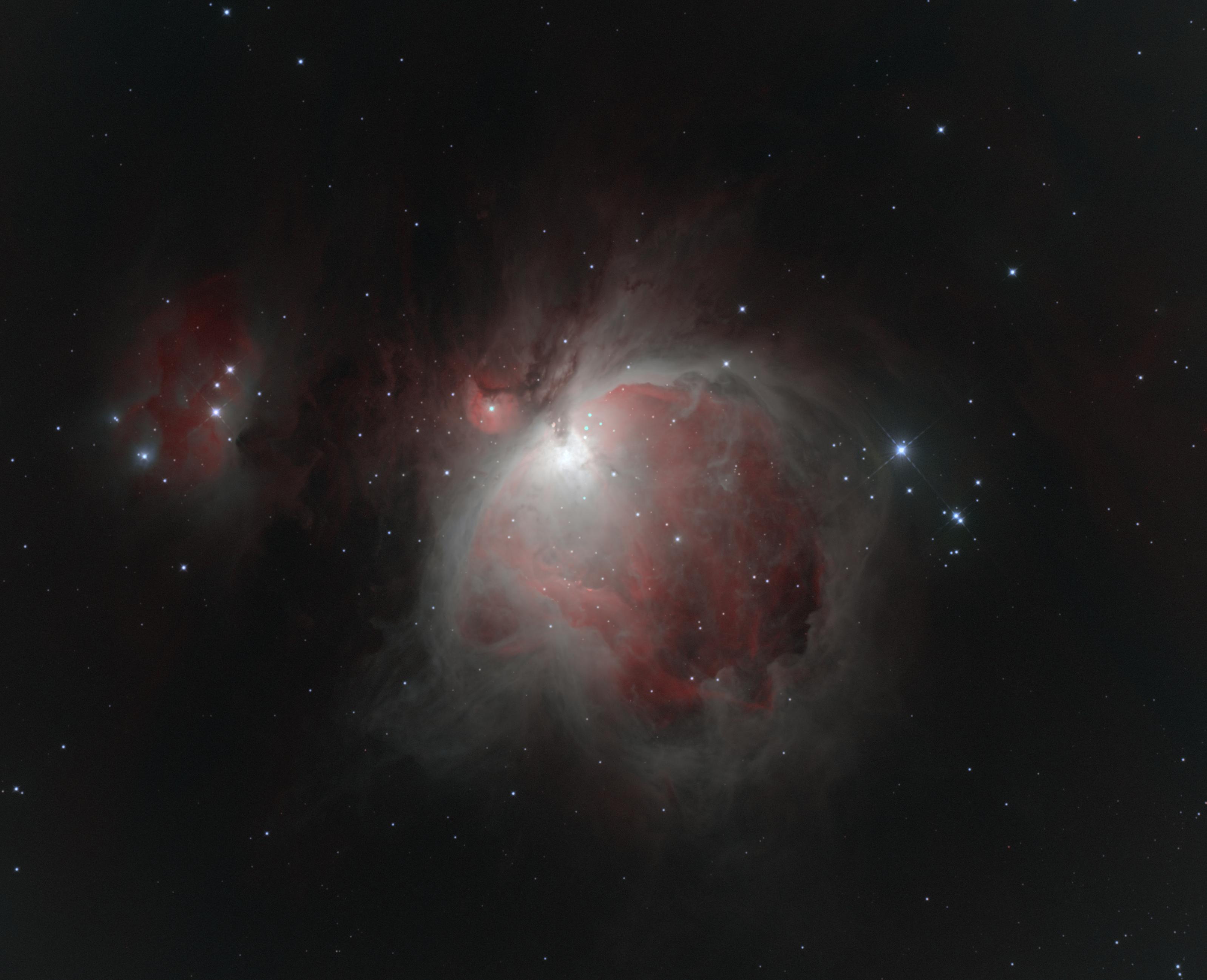
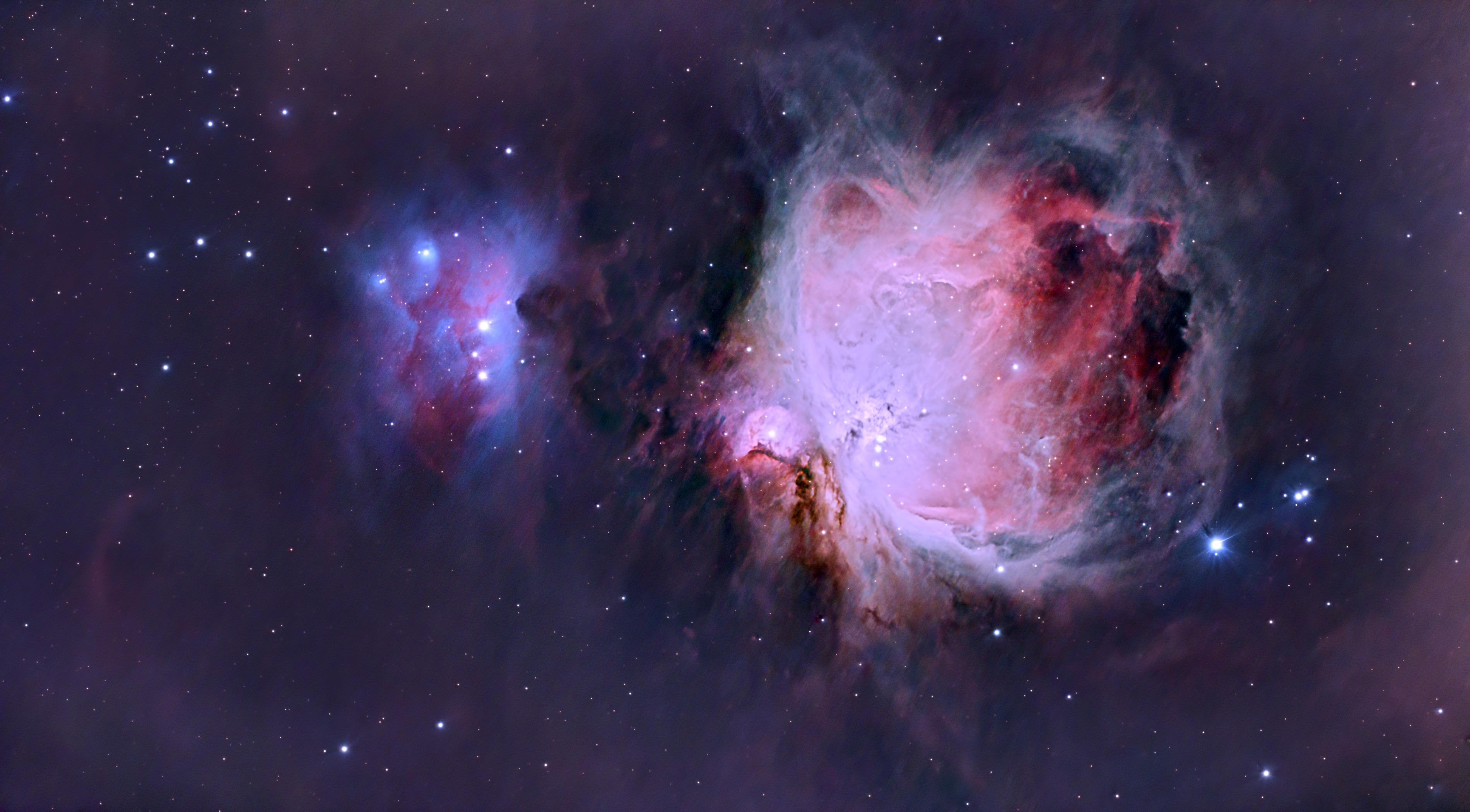
M42 Orion Nebula.
Celestron NexStar Evolution 6 + ZWO ASI585MC Pro.
300mm, f2, 400 exposures of 10’’.
#telescope #telescopes #celestron #celestrontelescope #celestronnexstar #nexstarevolution #nexstarevolution6 #zwo #zwoasi #zwoasi585mc #astro #astrophoto #astrophotos #astrophotography #astrophotographer #spacephotography #astronomy #spaceexploration #nasa #universe #space #deepsky #deepspace #nebula #orion #orionnebula #m42 #messier42 #messier
Celestron NexStar Evolution 6 + ZWO ASI585MC Pro.
300mm, f2, 400 exposures of 10’’.
#telescope #telescopes #celestron #celestrontelescope #celestronnexstar #nexstarevolution #nexstarevolution6 #zwo #zwoasi #zwoasi585mc #astro #astrophoto #astrophotos #astrophotography #astrophotographer #spacephotography #astronomy #spaceexploration #nasa #universe #space #deepsky #deepspace #nebula #orion #orionnebula #m42 #messier42 #messier

M42 Orion Nebula.
Celestron NexStar Evolution 6 + ZWO ASI585MC Pro.
300mm, f2, 400 exposures of 10’’.
#telescope #telescopes #celestron #celestrontelescope #celestronnexstar #nexstarevolution #nexstarevolution6 #zwo #zwoasi #zwoasi585mc #astro #astrophoto #astrophotos #astrophotography #astrophotographer #spacephotography #astronomy #spaceexploration #nasa #universe #space #deepsky #deepspace #nebula #orion #orionnebula #m42 #messier42 #messier
Client Info
Server: https://mastodon.social
Version: 2025.07
Repository: https://github.com/cyevgeniy/lmst