
#Flyer von #KDE zum Thema #FOSS gegen #Elektroschrott.
siehe (PDF 9MB): invent.kde.org/teams/eco/opt-g…
Falls ihr #Argumente oder #Fakten braucht für #Linux oder #OpenSource - #Software auf dem #Computer beim Arbeitgeber oder in Behörden. Bitte helft mit damit die #Menschheit auf diesem Planeten eine #Zukunft hat und wir nicht alle in den Fängen von #BigTech enden 🙁
#Floss #OS #Freiheit #Unabhängigkeit #Wirtschaft #Müll #Verschmutzung #Umwelt #Umweltschutz #Klimaschutz #Notebook #Laptop #Schrott #Microsoft #Windows #TPM #endof10 #diday #Resilienz #Demokratie #Politik #Freiheit #Verwaltung #Unabhängigkeit #USA


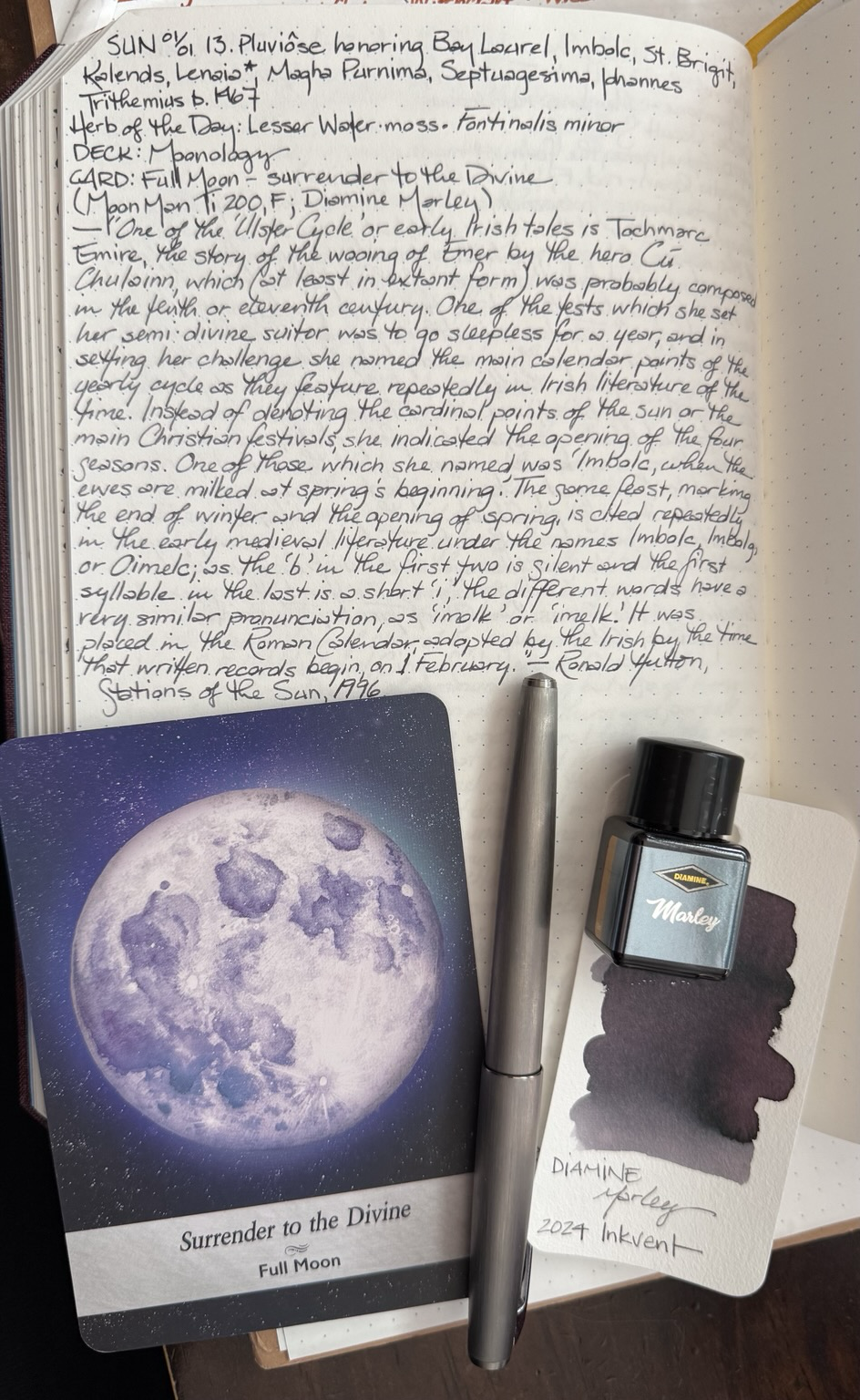
![Open notebook with handwritten text from the post at the top of the page with additional text: “Harts Tongue. Scolopendria. Nature and Vertues] Authours disagree whether it be hot or cold, but I judge it to be moderately hot, of the nature of Jupiter, it hath a binding drying faculty , it is an excellent herb for all diseases of the Milt, by reducing it to its right temper, whether it be too much opened, or swollen hard, or stopped. The decoction thereof taken in Wine, and the herb boiled and laid to the grieved place; it likewise mollifies, opens, and strengthens the Liver and Stomach , and stops the Terms, spitting of blood, and other Fluxes. A decoction made of Harts Tongue, Knot-grass, and Comfrey roots, a draught thereof being drunk, every morning, and the boiled herbs applyed to the grieved place, is a good remedy against Burstness: it is also profitable in the Jaundies, Kings Evil, and bitings of venomous Beasts. The herb, or juyce applyed, cleanseth Wounds and Ulcers, and the distilled water is commended against the passion of the Heart, Hiccop, and bleeding of the Gums.” — Robert Turner, The Brittish Physician, 1664. Below the text is a card with “gone gone the form of man…” in small black text on a white background; a red fountain pen; a swatch of red bean colored ink; and a rounded rectangular bottle of same.](https://files.mastodon.social/media_attachments/files/115/990/884/554/795/795/original/b590f692e94c7aaa.png)



![Open notebook with handwritten text from the post at the top of the page with additional text: “The Cudweeds derive their generic name, Gnaphalium, from the downy substance of their leaves, flowers and stems, which were used by the Romans as a substitute for down in stuffing pillows and mattresses. There are five British species, which are called in various parts of the country by the names Cud-weed, Chafe-weed and Cotton-weed. These and the Antennarias and Helichrysums are usually grouped indiscriminately as ‘Everlastings’. The Cudweeds are the Immortelles of the French, and recall to those who know Paris well, the cemetery which occupies the hill of Pére La Chaise, for every cottager in the neighbourhood, at one time was occupied in making chaplets and crosses to sell to those who visited the graves of their dead. These flowers have always made a much greater appeal on the Continent than in England because they last and keep the graves looking fresh for a long period of time. They are also very much used in the house in the winter for vases and in the decoration of churches, especially in Portugal.” — Mrs. C. F. [Hilda] Leyel, Cinquefoil: Herbs to Quicken the Senses, 1952. Below the text is a card with an illustration of a peacock on full strut; a purple fountain pen; a swatch of red-purple ink with red/gold shimmer; and a small square bottle of same.](https://files.mastodon.social/media_attachments/files/115/985/295/807/484/145/original/8e1cabf1e5250518.png)






![Open notebook with handwritten text from the post at the top of the page with additional text: “In modern gardening books, Venus’s Looking-Glass is botanically described as Legonsia speculum veneris. This is one of the seventy-eight varieties of Campanula. According to classical tradition it acquired its name from the broken remnants of the mirror that Venus dropped on one of her visits to earth. This mirror had the power of beautifying whatever was seen in it. It was picked up by a shepherd who fell in love, like Narcissus, with his own image in the glass, and deserted his nymph and his sheep. Cupid, discovering what had happened, broke the looking-glass into small pieces and transformed the pieces into the flower, which has ever since borne his mother’s name. […] Its old name is Corn Violet and under that name Gerard says ‘I found it in a field among the corn, by Greenhithe, as I went by thence.’” — Mrs. C. F. [Hilda] Leyel, Green Medicine, 1952. Below the text is a card with an illustration of a gray and white cat in an armchair; a silver-tone fountain pen with a black loop clip; a swatch of black ink with silver shimmer; and a sample vial of same.](https://files.mastodon.social/media_attachments/files/115/979/762/514/970/140/original/f8a4288f5587b206.png)






![Open notebook, text from the post & additional text: “Dorcas signifies a roe, or gazelle, & was the name, probably, given to indicate some peculiar characteristic of this amiable woman. Dorcas lived in Joppa, now called Jaffa, a seaport upon the eastern coast of the Mediterranean Sea, about 45 miles northwest of Jerusalem. She had early become a convert to the Christian religion, and must have been a most zealous disciple, as she 'was full of good works and alms-deeds, which she did.’ She was not satisfied with advocating the right way, or giving in charity; she worked with her own hands in the good cause—she made garments for the poor; she relieved the sick, she comforted those who mourned. We feel sure she must have done all these deeds of love, because when she died, the 'widows’ were ‘weeping, and shewing the coats and gnrmeats Dorcas had made.’ Peter, the apostle, was journeying in the country near Joppa when Dorcas died. The disciples sent for him to come and comfort them in this great affliction; he went, and prayed, and raised the dead Dorcas to life.[…]A woman was thus distinguished for her ‘good works’ And her name has since been, and will ever continue to be, synonymous with the holiest deeds of woman’s charity, till time shall be no more.” — H G Adams, A Cyclopædia of Female Biography, 1857. Below is a card a battered mosaic of octopodes & fishes; a dk red fountain pen; a swatch of dk red ink w/red shimmer; & a bottle of same.](https://files.mastodon.social/media_attachments/files/115/969/004/478/819/095/original/f6ea4ce6272a75d2.png)