Portion Control join Artoffact and release 'SEED EP3.1' #PortionControl
https://www.side-line.com/portion-control-seed-ep31-artoffact-deal/
Portion Control join Artoffact and release 'SEED EP3.1' #PortionControl
https://www.side-line.com/portion-control-seed-ep31-artoffact-deal/

Tired of uncontrollable cravings? Try this 3-bite rule and enjoy indulgence guilt-free https://english.mathrubhumi.com/lifestyle/food/all-about-3-bite-rule-satisfy-cravings-without-guilt-xph0oolm?utm_source=dlvr.it&utm_medium=mastodon #3BiteRule #MindfulEating #PortionControl #HealthyEating

5 powerful benefits of cooking at home, according to top cardiac surgeon |
Cooking at home offers numerous benefits beyond just satisfying hunger. Dr. Jeremy London emphasizes that home-cooked meals promote conscious eating by controlling ingredie…
#dining #cooking #diet #food #Cooking #cardiovascularhealth #cookingathome #healthbenefitsofhomecooking #mealpreparation #portioncontrol
https://www.diningandcooking.com/2223104/5-powerful-benefits-of-cooking-at-home-according-to-top-cardiac-surgeon/

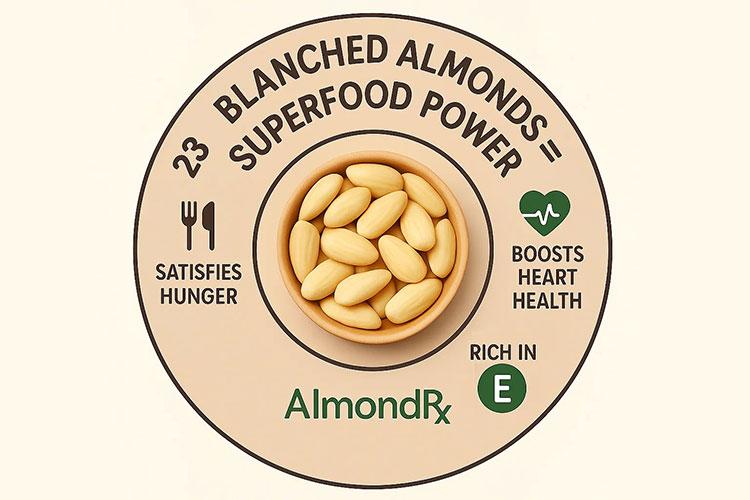
How many almonds in a serving? About 23 whole almonds (1 oz)! Master portion control for max nutrition & weight management. #AlmondRx makes it easy!
https://zurl.co/0ZPNI
#AlmondServing #PortionControl #HealthySnacks #SmartEating
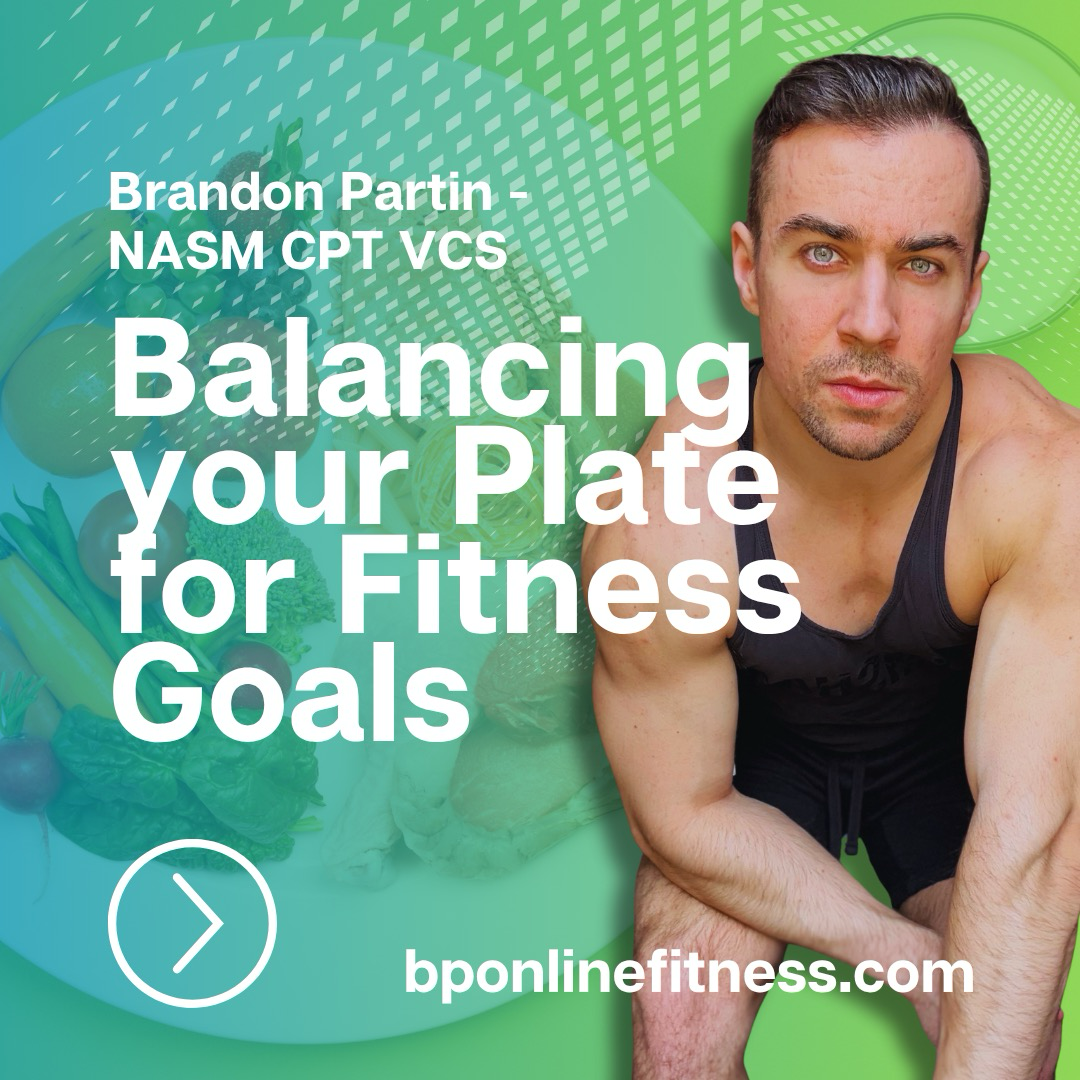
Balancing Your Plate for Fitness Goals 🍽️
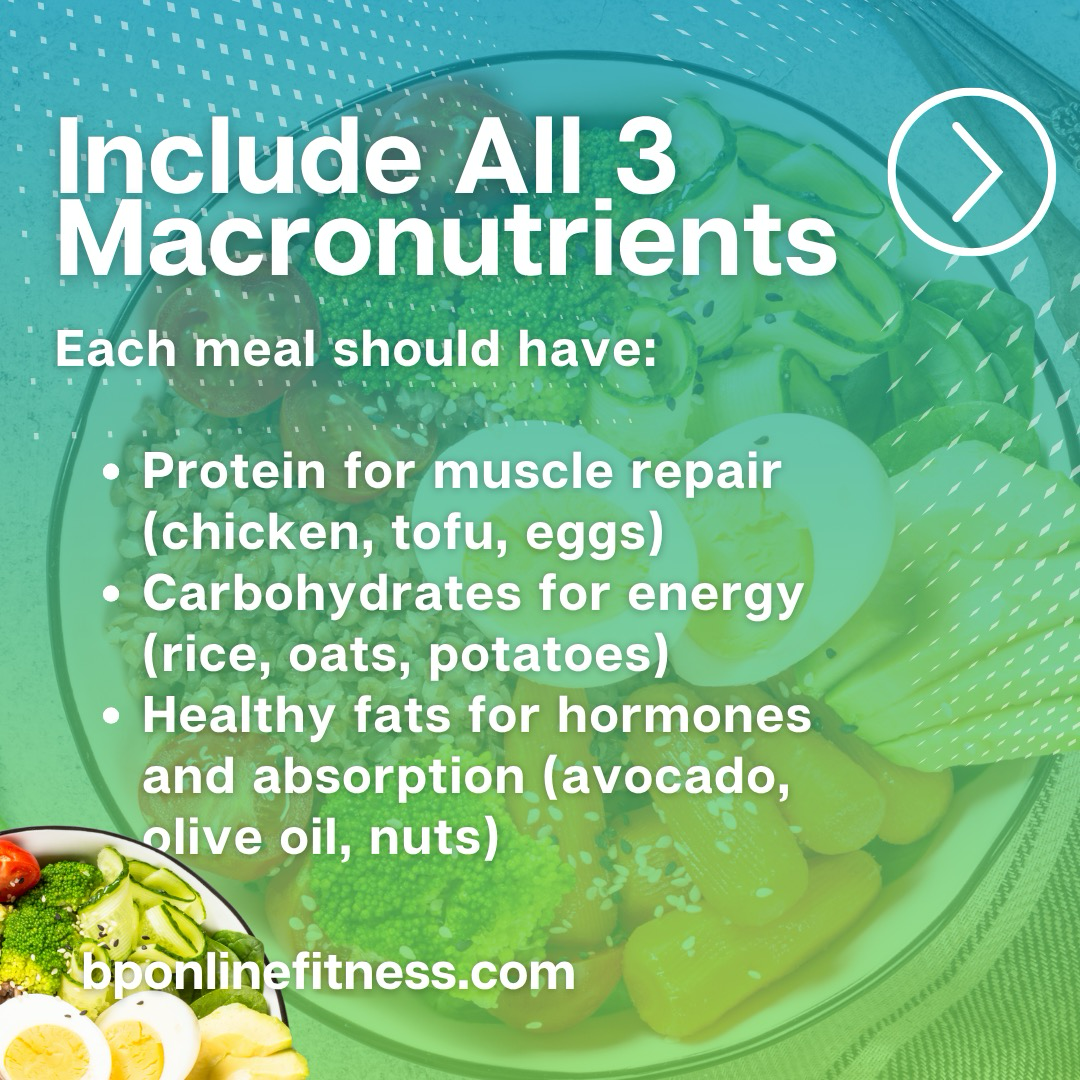
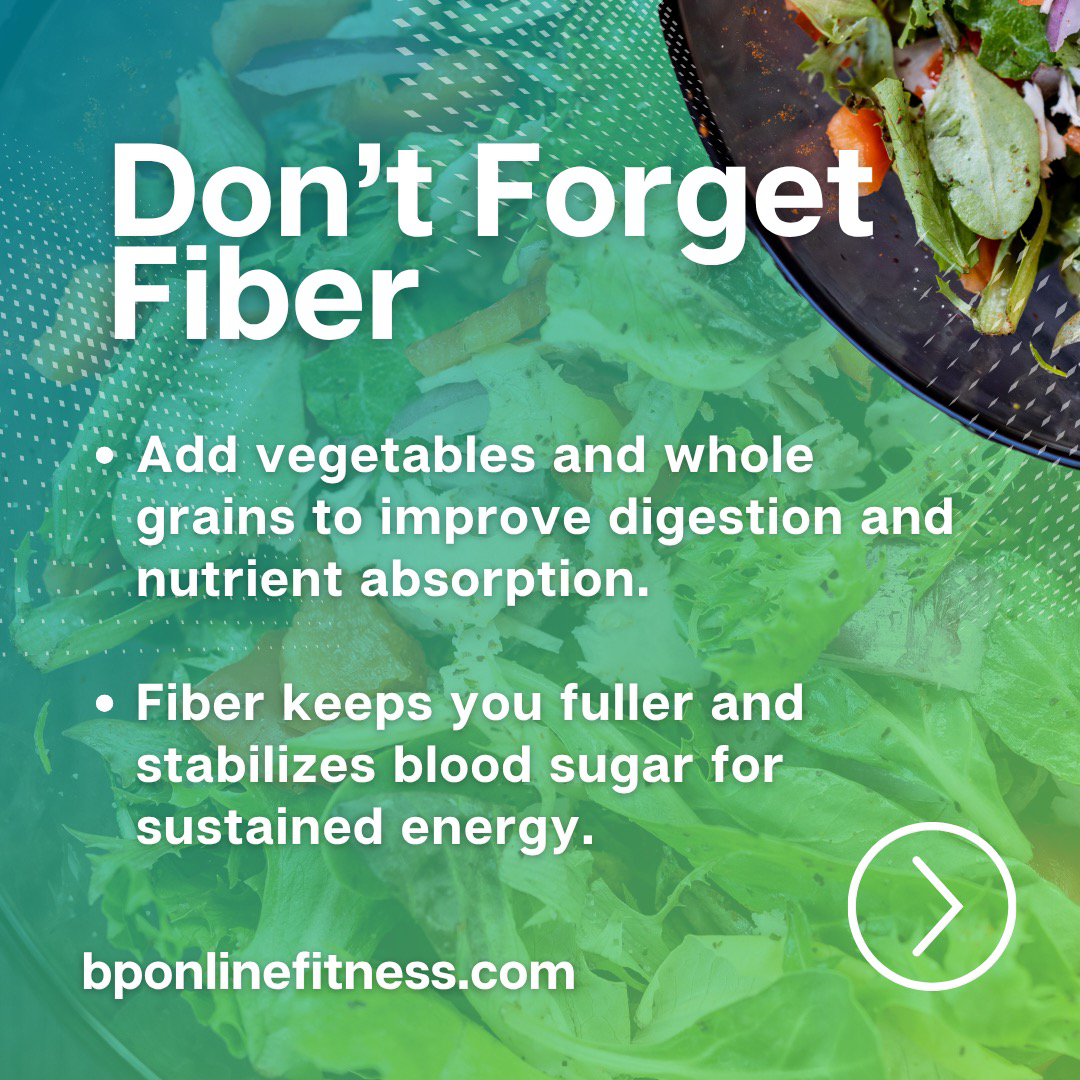
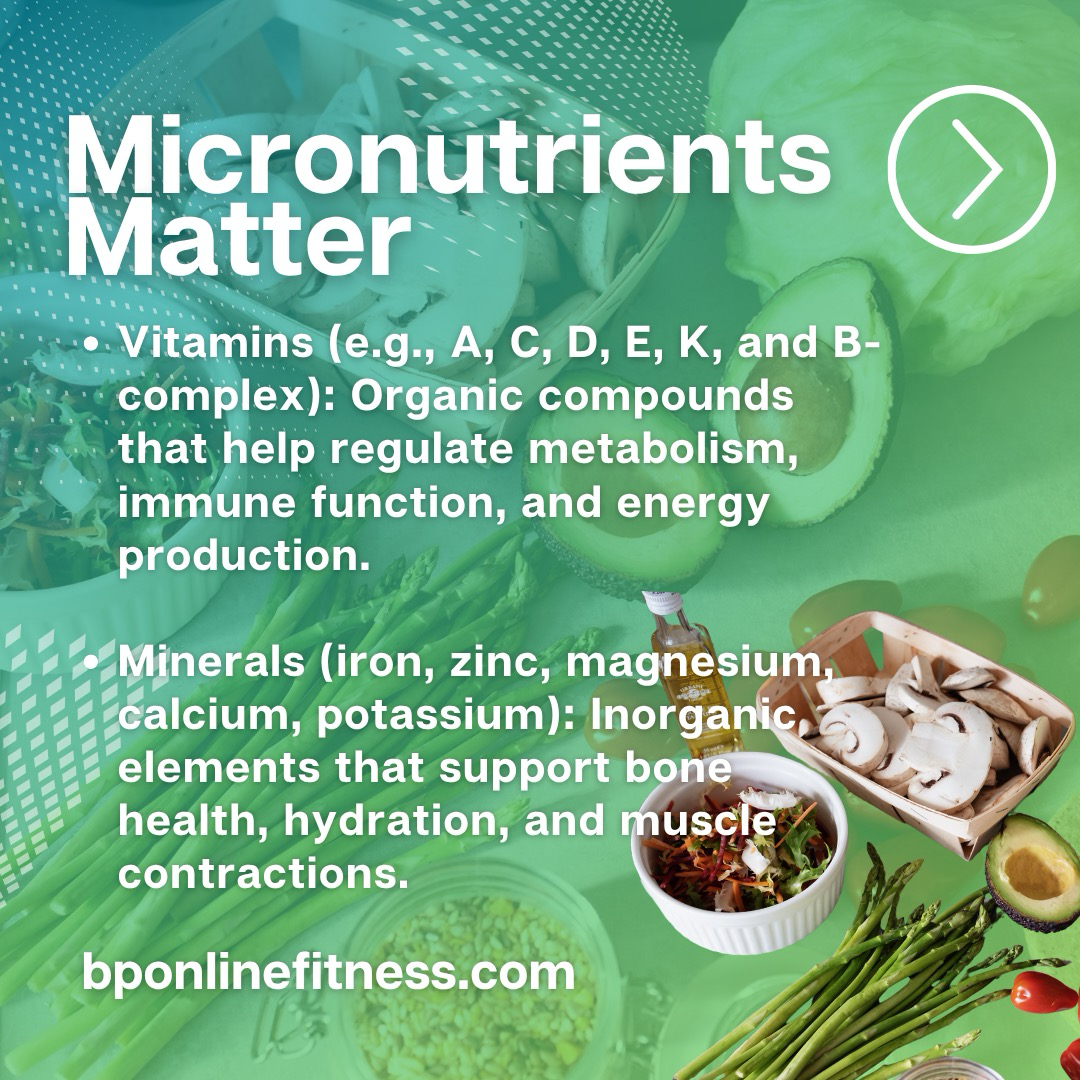
Balancing your plate is about aligning your meals with your fitness goals, whether that’s building muscle, losing fat, boosting performance, or improving recovery.
Muscle gain? Larger portions, especially carbs and protein.
Fat loss? Focus on lean proteins, veggies, and moderate carbs.
#balance #macronutrients #protein #carbs #fats #micronutrients #fiber #portioncontrol #musclegain #fatloss #trainingintensity #recovery #onlinecoach #personaltrainer
Tracking every bite like a boss 😎⚖️
This scale keeps my portions in check — no more guessing games!
Easy to use, sleek AF, and super accurate 👌
Watch till the end... this glow-up is serving ✨
🥗 On a health kick? Tap to grab yours now!
WWW.ULTREAN.COM
#DietTools #PortionControl #MealPrepGoals #HealthyEating #FoodScale #KitchenGadgets #FitnessJourney #MacrosMadeEasy #WeighYourFood #UltreanEssentials
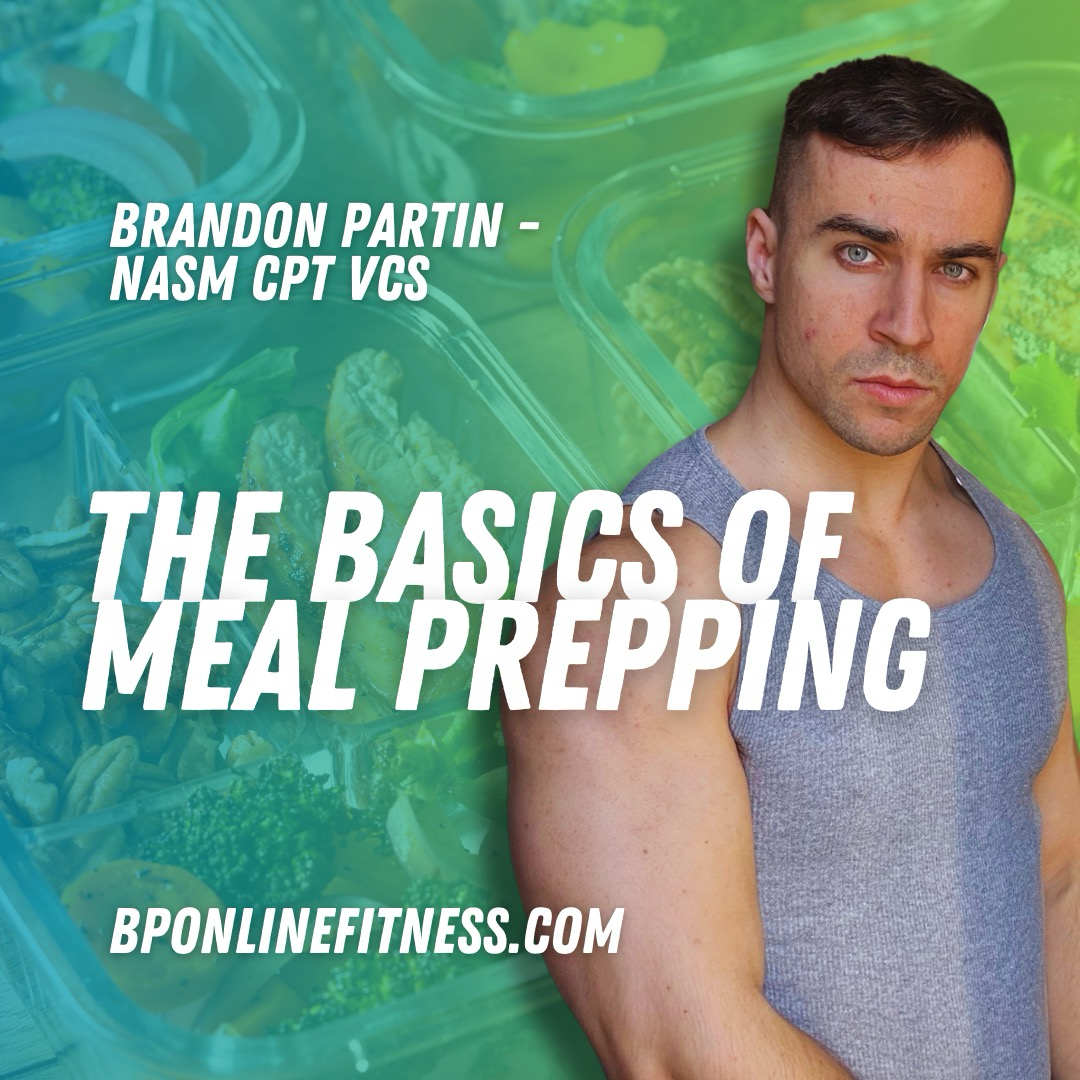
The Basics of Meal Prepping 🍲
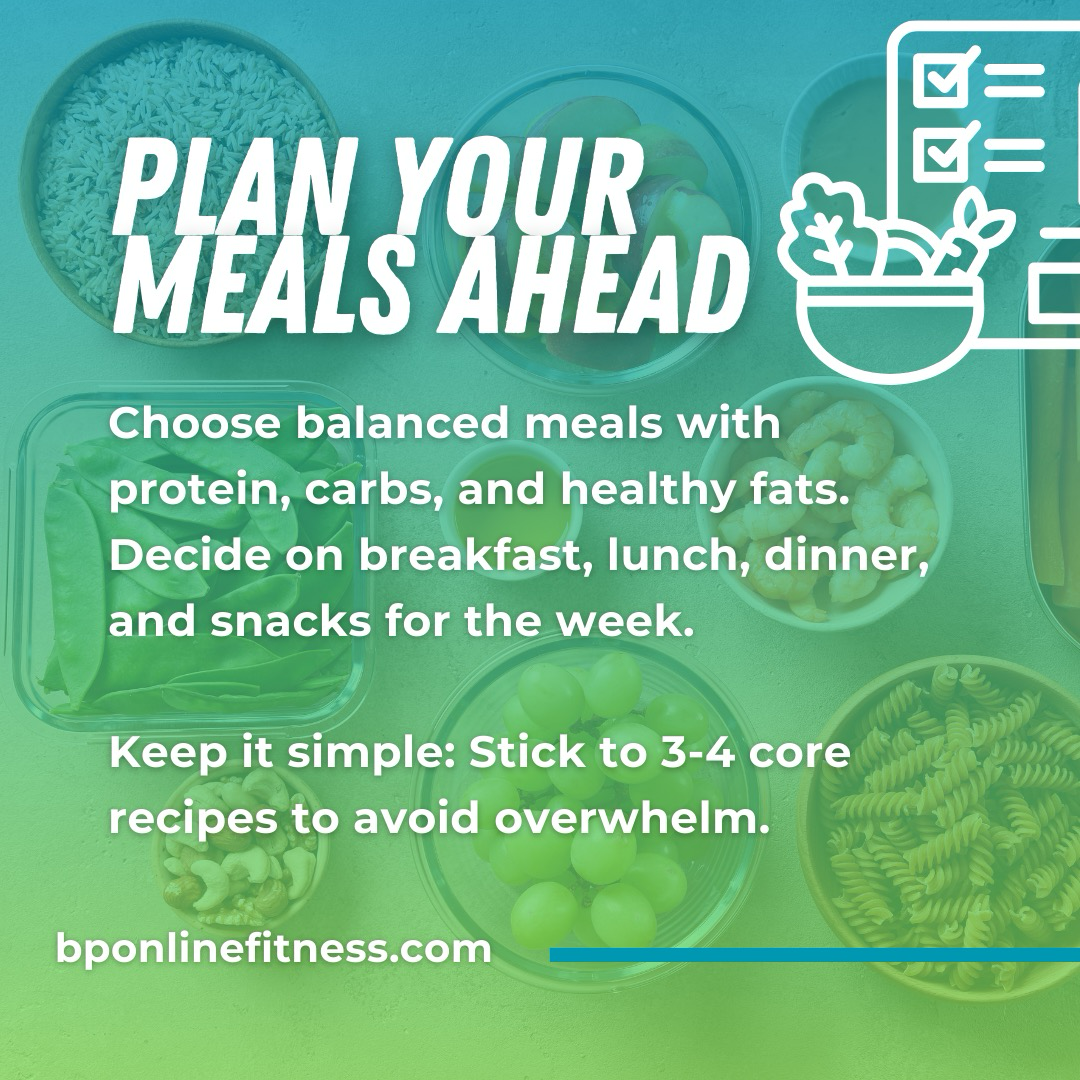
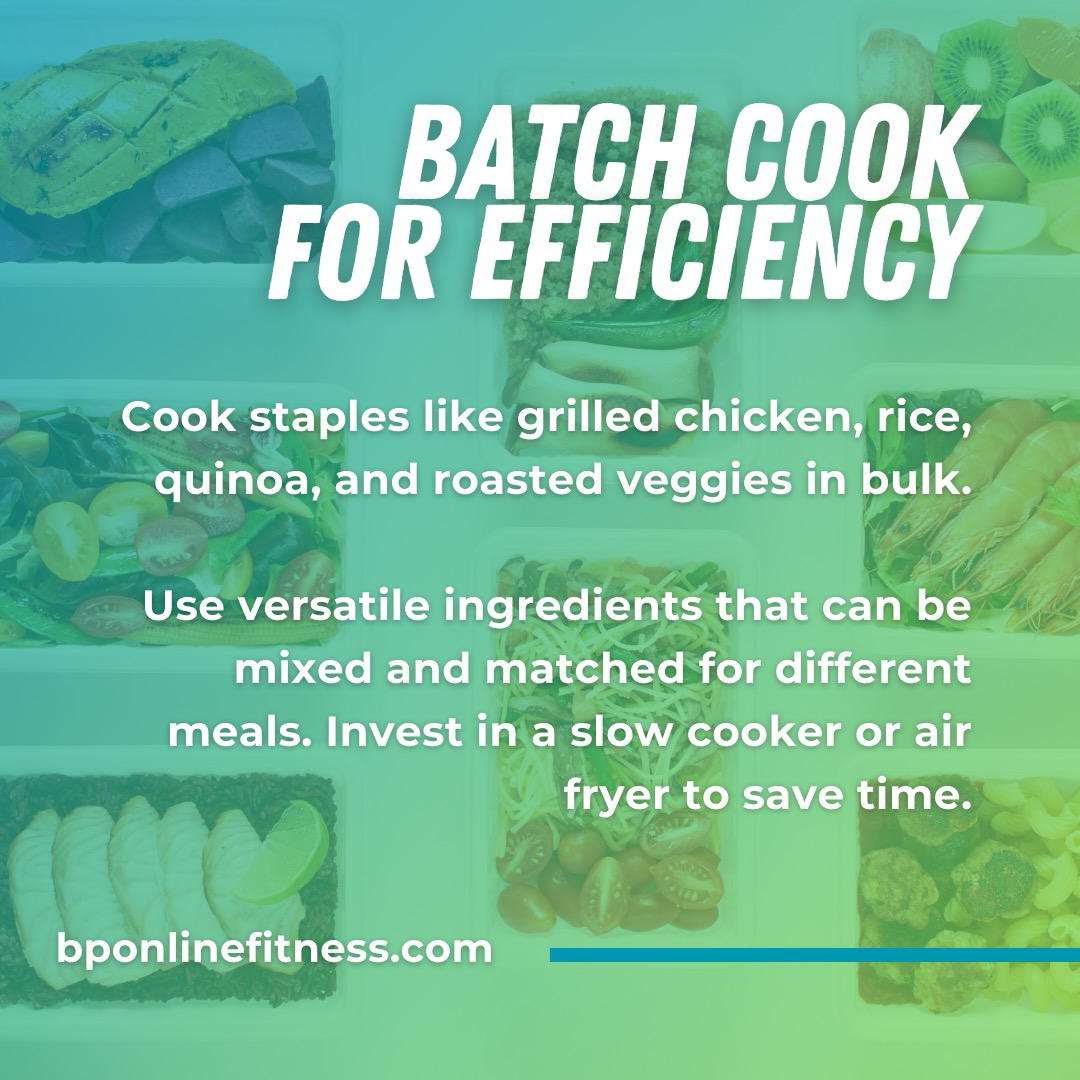
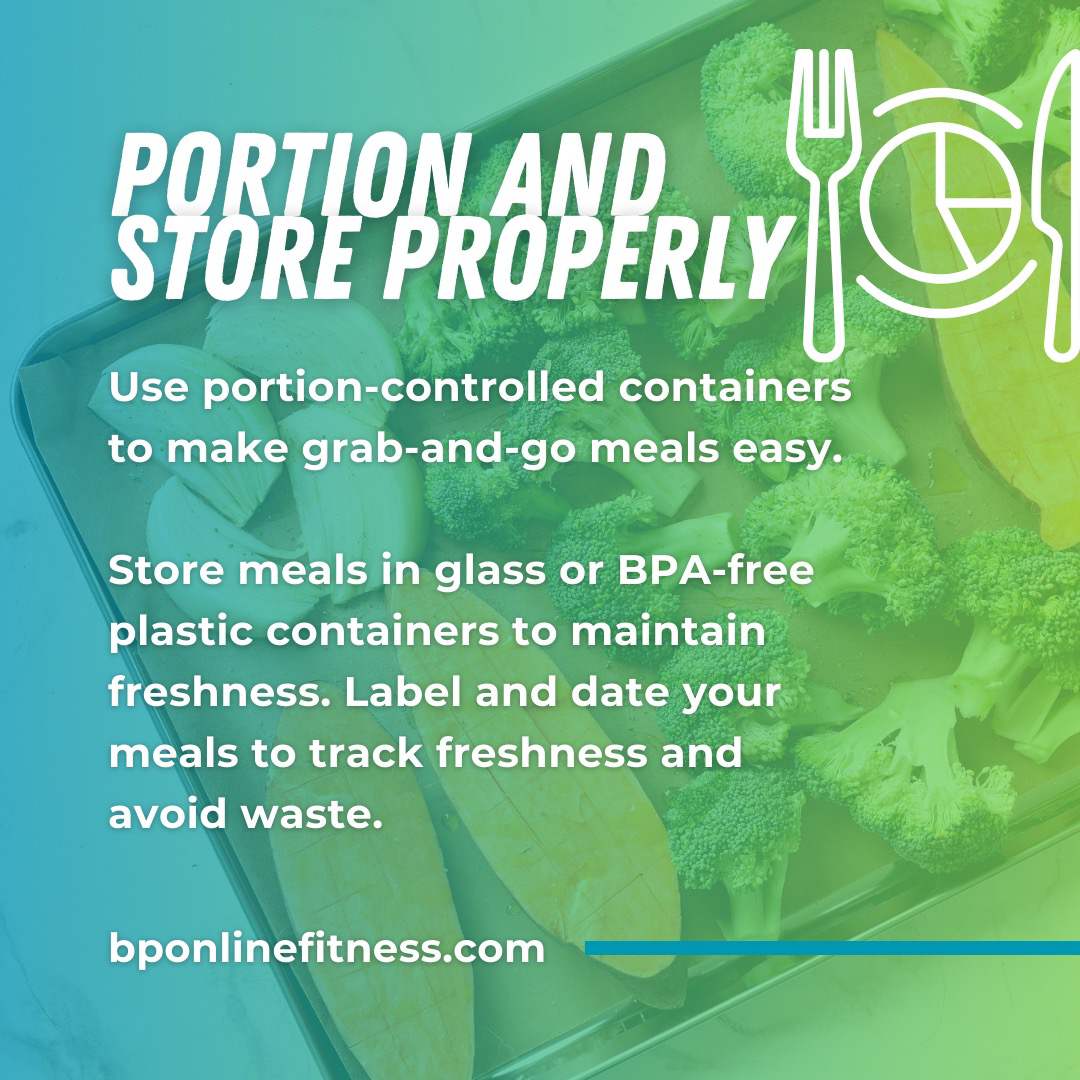
Understanding meal planning leads to balanced nutrition with the right mix of proteins, carbs, and fats.
🍽️ Plan Your Meals Ahead
🥘 Batch Cook for Efficiency
🫙 Portion and Store Properly
🛒 Smart Grocery Shopping
🥬 Keep It Fresh and Interesting
#nutrition #nutritiontips #nutritiontips #mealprepping #batchcook #portion #portioncontrol #groceryshopping #fresh #onlinecoach #onlinepersonaltrainer #onlinefitnesscoach
Ever wonder how to balance your meals like a pro? 🍎🥗 Our Ultrean Food Scale is your secret weapon for perfect portions every time! 💪 No more guessing – just accurate, healthy choices.
Grab yours now at https://bitl.to/3hPb (link in bio)
#HealthyEating #PortionControl #UltreanFoodScale #BalancedDiet #HealthyLifestyle #MealPrepMadeEasy #SmartEating #FoodieGoals #DietHacks #KitchenGadget #NutritionTips #FoodScaleLife #HealthJourney #StayHealthy #CookingMadeSimple #FitnessFoodies
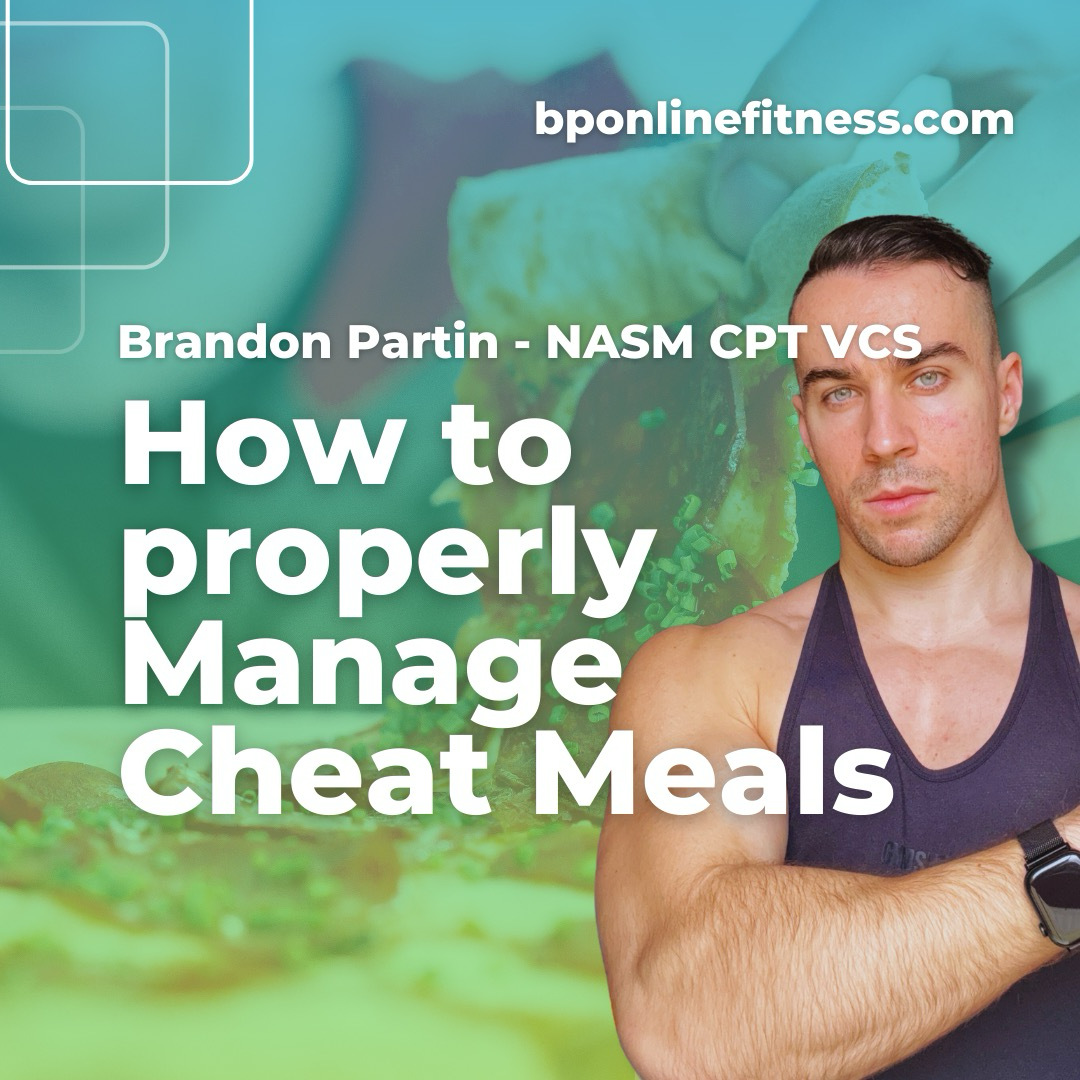
How to properly Manage Cheat Meals 🍕
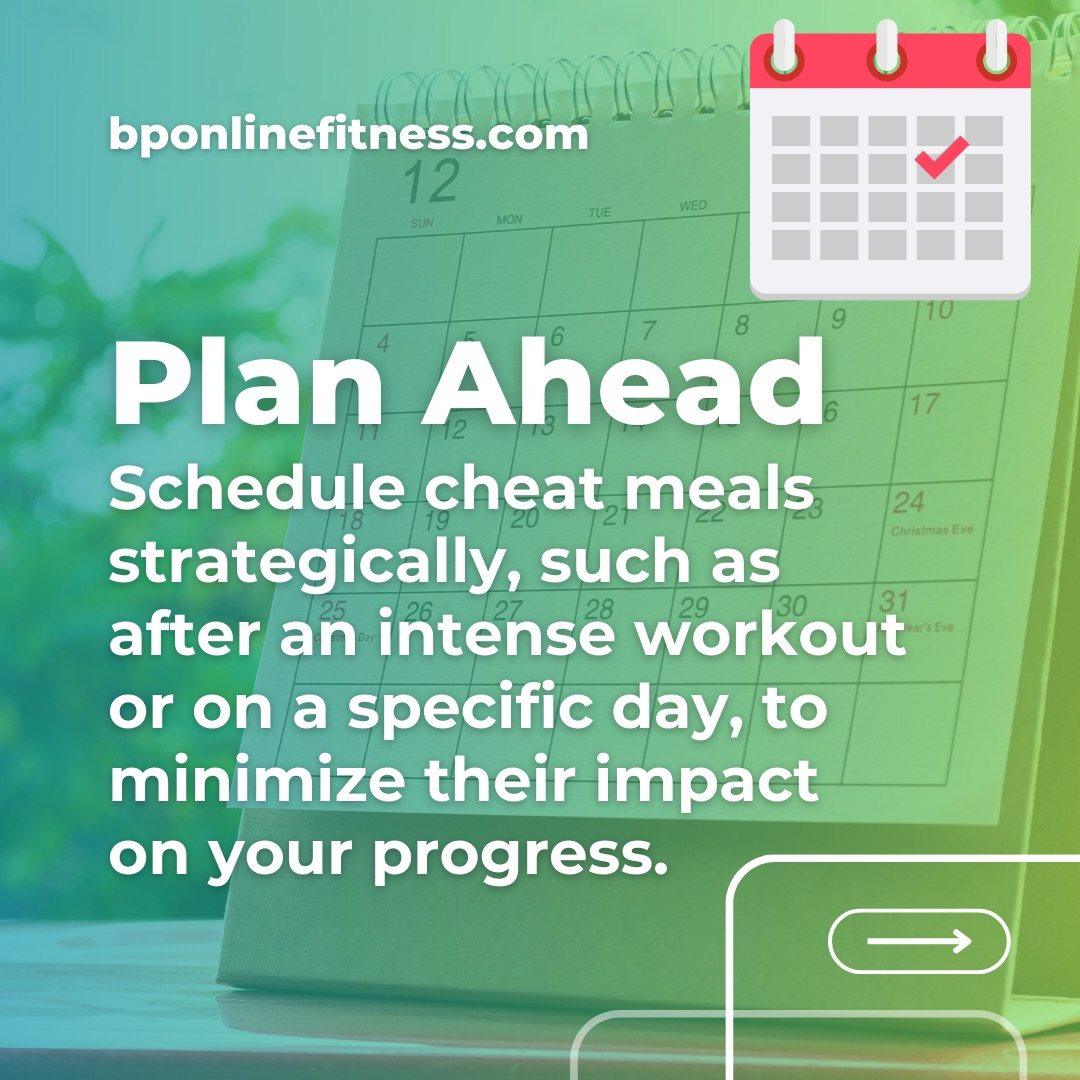
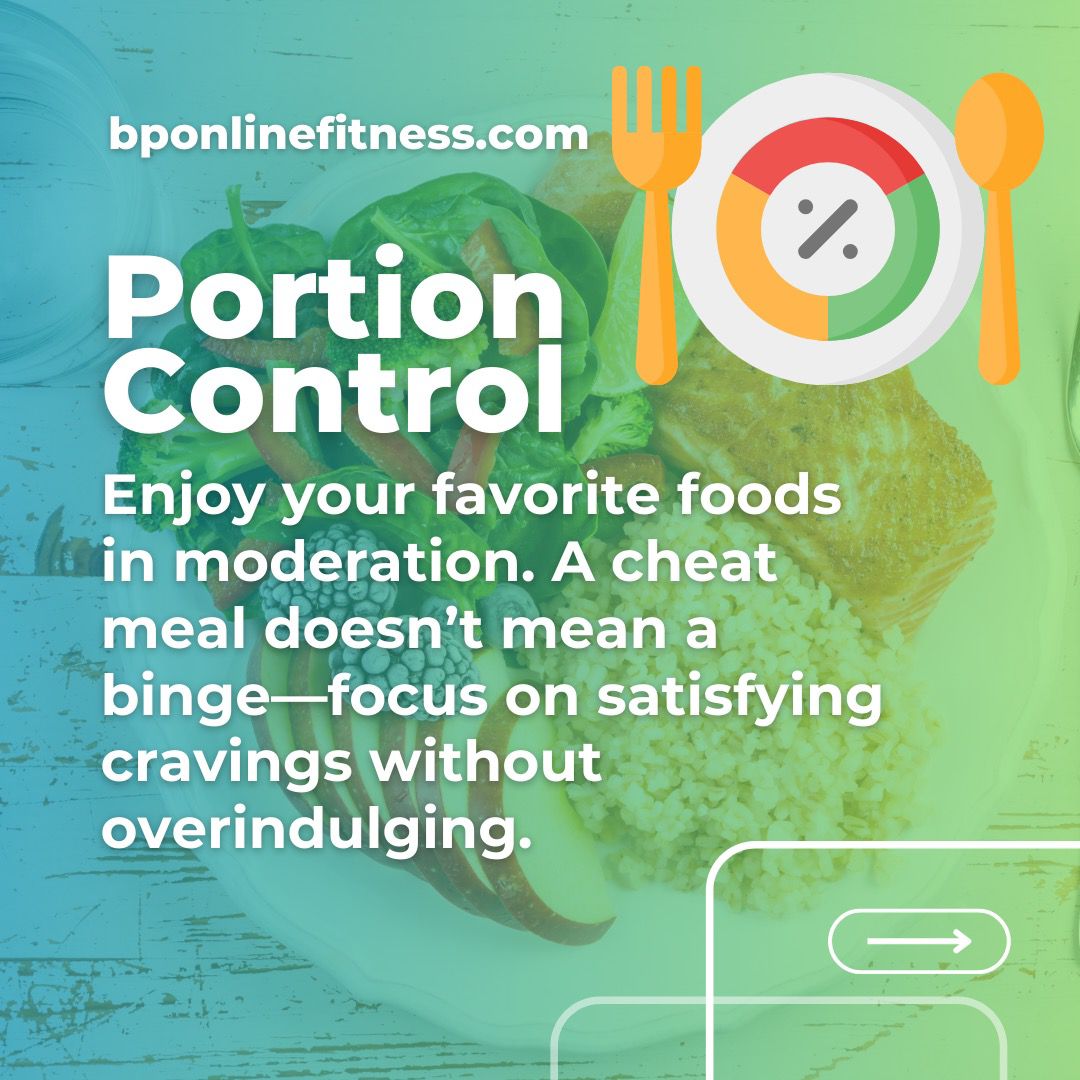
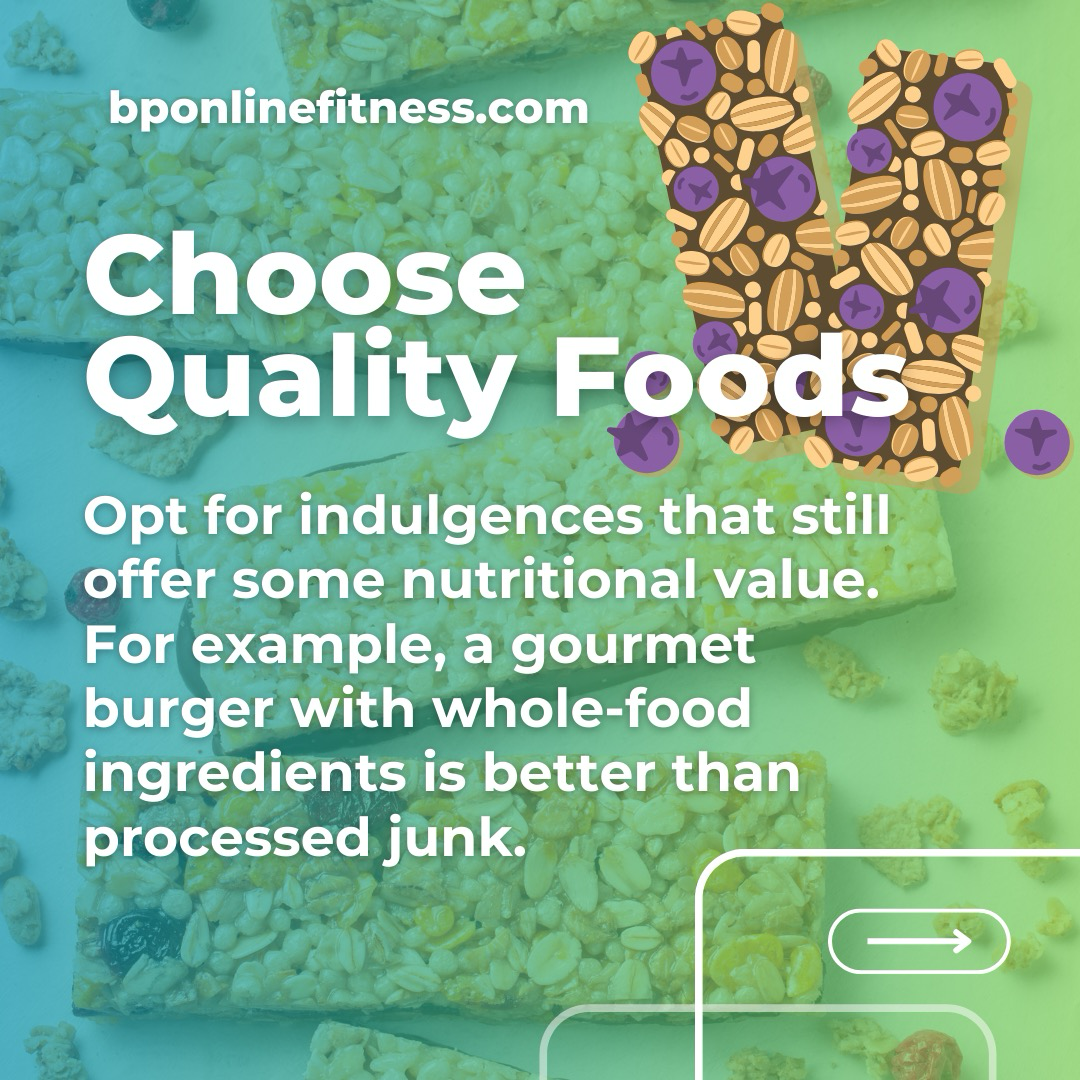
Managing cheat meals is important because it allows you to enjoy indulgences without derailing your progress.
🗓️ Plan Ahead
🥗 Portion Control
🥦 Choose Quality Foods
#cheatmeals #planahead #portioncontrol #hydration #qualityfood #nutrition #sodium #wholefoods #processedjunk #onlinecoach #onlinepersonaltrainer
🎉 Day 1️⃣3️⃣ of the Open Food Facts Feature Calendar! 🎁
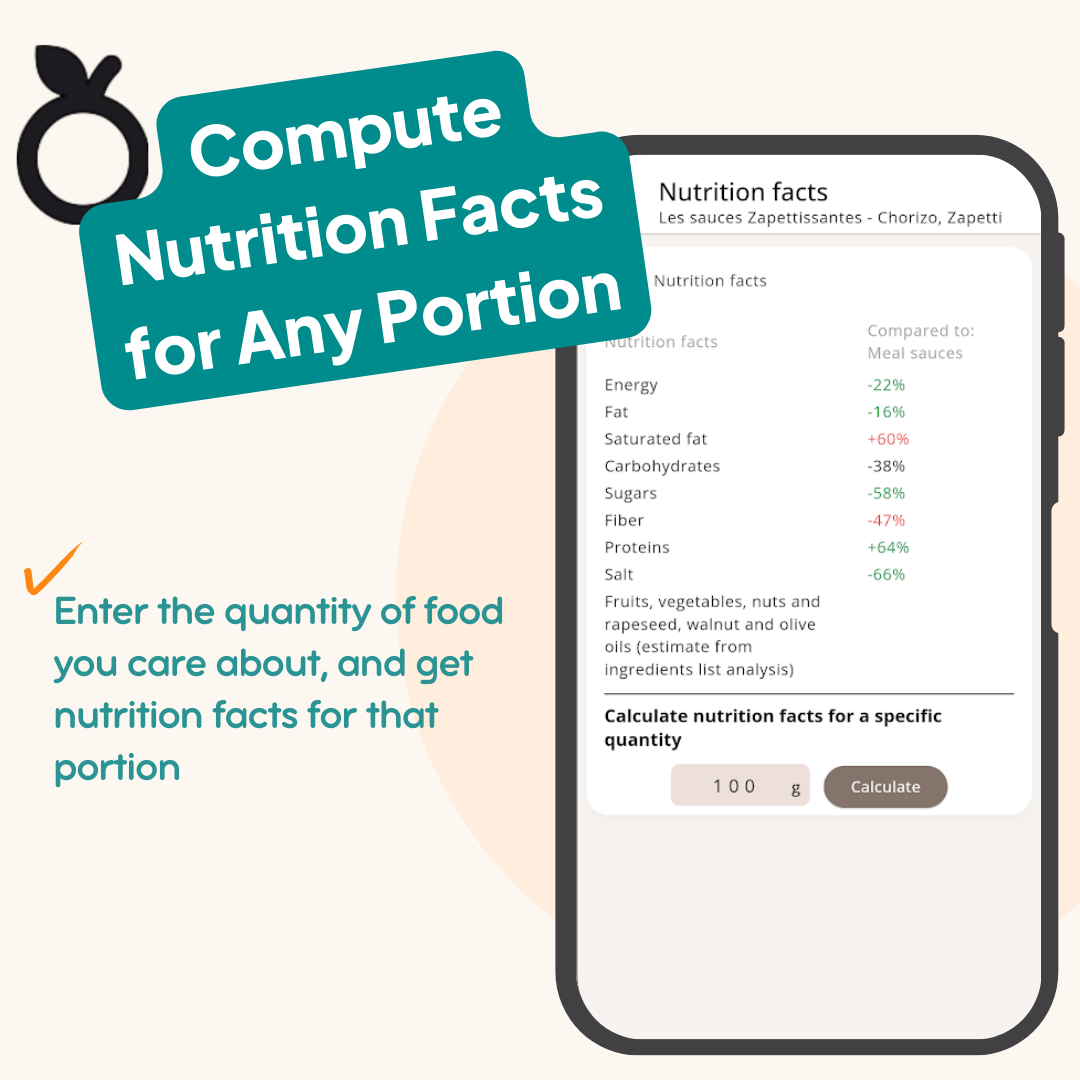
Ever wondered about the nutritional value of half a cookie or 100g of rice? 🤔 With our new feature, you can calculate the nutrition facts for ANY portion! Just enter the quantity on the product page. Get precise, personalised nutrition info!
You can download the app from https://openfoodfacts.app or F-Droid
#Nutrition #HealthyEating #PortionControl #portionsize #calories #recipe #intake #food #diet #foodproducts #groceries #health
The air was crisp as I took my usual morning walk through the neighborhood park. The sun was just beginning to rise, casting golden hues over the dew-kissed grass. #exercise #healthtips #healthyeating #mealplanning #obesity #physicalactivity #portioncontrol #sustainableweightloss #weightloss
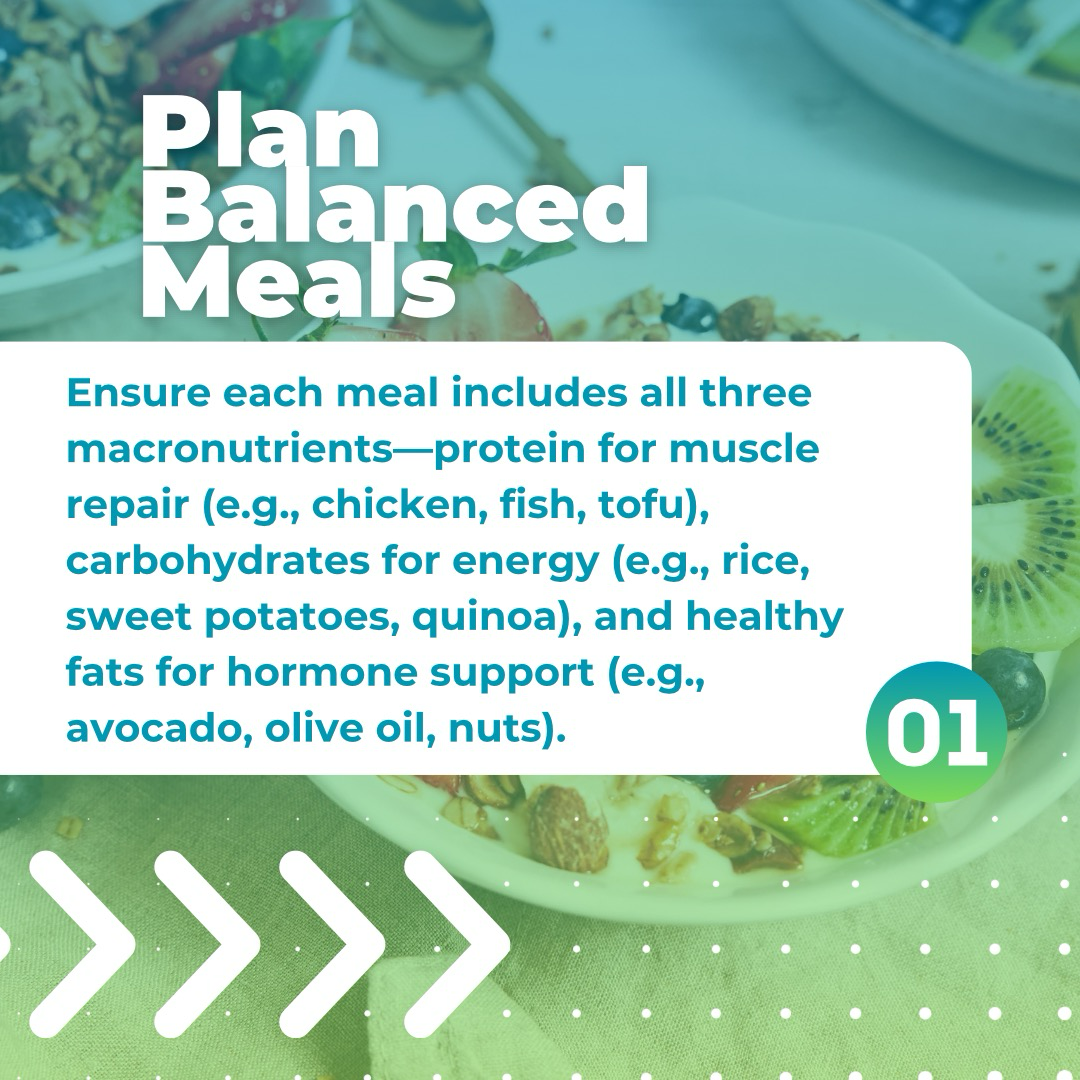
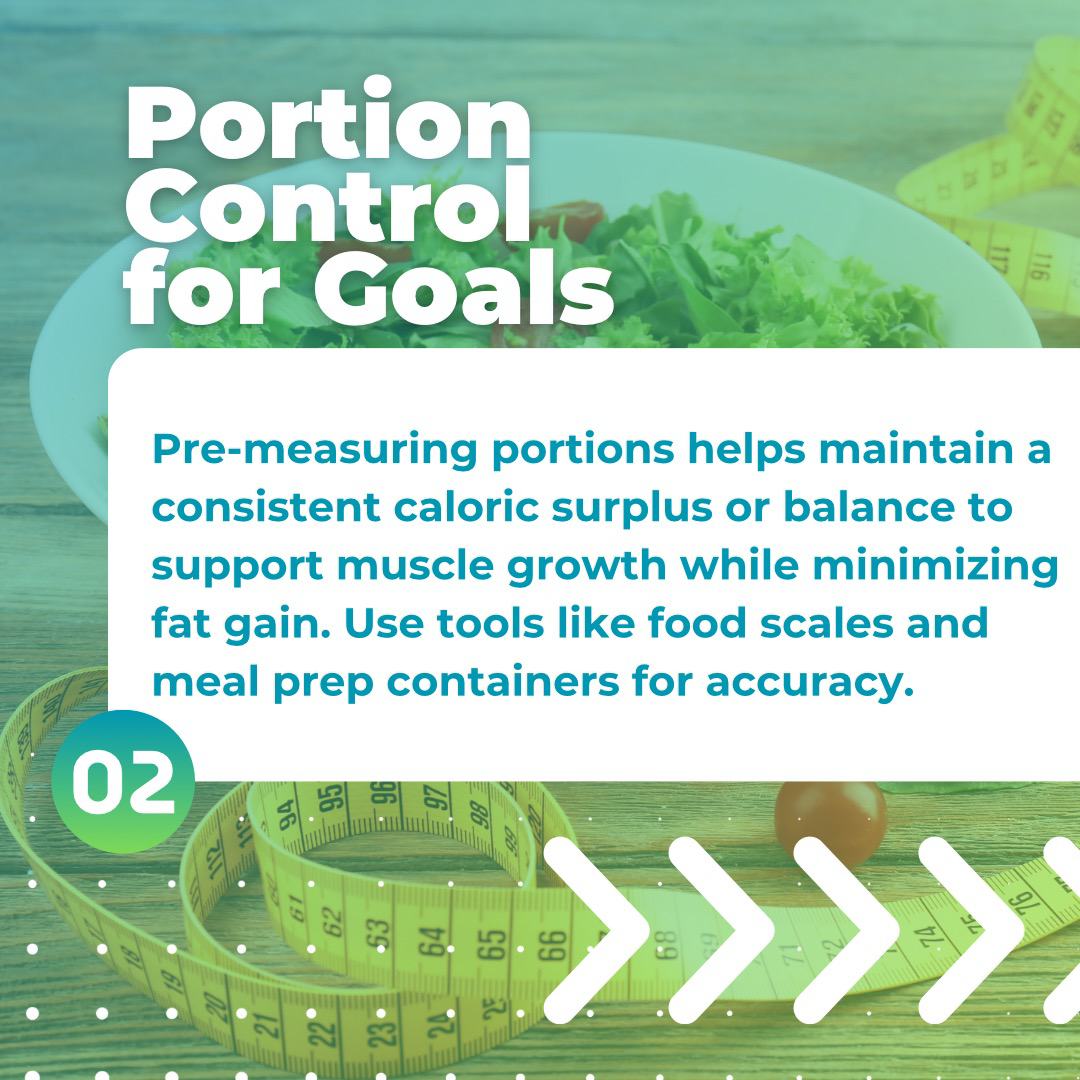
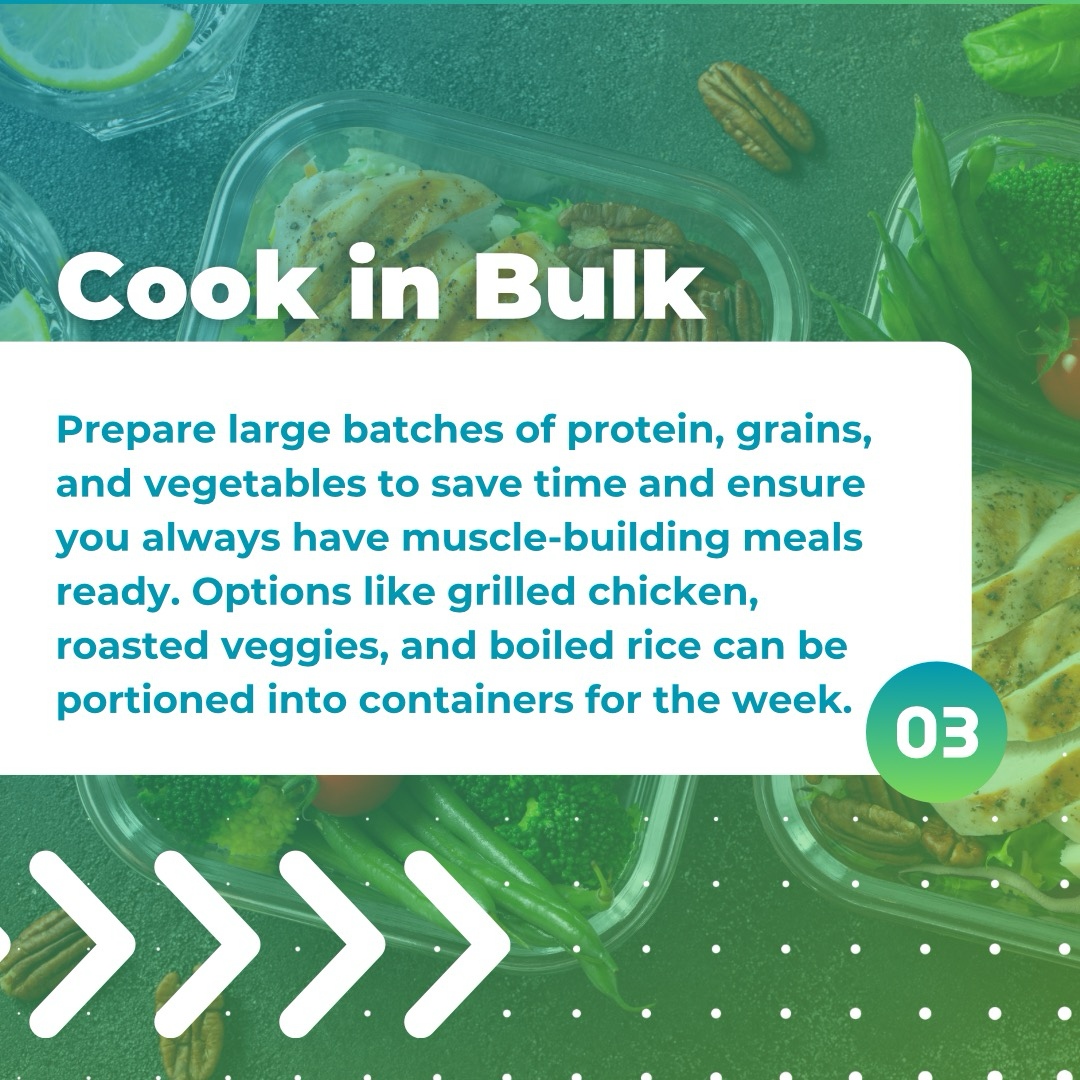
Meal prep for muscle gain is essential for achieving consistent results and optimizing muscle growth. 🥗💪
🍎 Plan Balanced Meals
🍐 Portion Control for Goals:
🍊 Cook in Bulk
🍇 Incorporate Variety
🍓 Include Pre- and Post-Workout Meals
#musclegain #musclegrowth #mealprep #balancedmeals #portioncontrol #bulk #variety #preworkout #postworkout #nutrition #macronutrients #onlinecoach #onlinepersonaltrainer
To Avoid release brand new album 'All Gods Are Gone' double album - Out now #AlfaMatrix #Circumpolar #Corruption #Front242 #Grendel #Haujobb #PortionControl #SkinnyPuppy #VomitoNegro
https://www.side-line.com/to-avoid-announces-all-gods-are-gone-double-album-pre-order-now/
Insulin resistance occurs when your body’s cells don’t respond effectively to insulin, leading to higher blood sugar levels.
For example, if you often feel fatigued, have cravings for sugary foods, or notice unexplained weight gain, these could be signs of insulin resistance.
Causes of insulin resistance.
How does insulin resistance happen?
Insulin resistance develops when the body’s cells become less responsive to insulin, a hormone produced by the pancreas that regulates blood sugar levels.
Trending Changing Food Habits For Weight Loss.Under normal conditions, insulin helps cells take in glucose from the bloodstream for energy or storage. When you eat, your blood sugar rises, triggering insulin release to manage that increase.
With insulin resistance, cells, particularly in muscles, fat, and the liver, do not respond effectively to insulin. This reduces response means that glucose remains in the bloodstream rather than being absorbed by the cells.
In response to the rising blood sugar levels, the pancreas compensates by producing more insulin to help glucose enter the cells. This results in higher insulin levels in the blood, a condition known as hyperinsulinemia.
Over time, excessive insulin can lead to increased fat storage, particularly visceral fat around the abdomen. This fat can further contribute to insulin resistance.
Genetics, sedentary lifestyle, poor diet (high in sugars and refined carbs), and obesity are significant contributors.
What does insulin resistance lead to?
Insulin resistance can lead to several serious health conditions, that include:
How can I prevent insulin resistance?
What to Eat;
What to Avoid;
Regular physical activity and maintaining a healthy weight are also crucial in supporting insulin sensitivity.
Popular!
https://simplenutrition.co.ke/how-do-you-know-you-have-insulin-resistance/
#CardiovascularDiseases #Diabetes #healthyEating #healthyFoods #lowCarbohydrateDiet #portionControl #type2Diabetes #weightLoss #Women
Weight gain can be a reflection of life’s changes, but it doesn’t define a woman’s worth or beauty.
While it’s common for women to experience weight gain over the years, three primary factors often contribute to this change: hormonal fluctuations, lifestyle changes, and metabolic shifts.
Hormonal Fluctuations and Weight Gain.
Estrogen, a key hormone in women’s health, plays a significant role in weight management. As women age, especially during perimenopause and menopause, estrogen levels tend to drop.
This decline can lead to an increase in body fat, particularly around the abdomen. Low estrogen levels are often caused by natural aging processes, certain medical conditions, or surgical interventions like hysterectomies.
Trending Embracing Healthy Eating With These Five Principles.On the other hand, high estrogen levels, which can arise from conditions like estrogen dominance or certain medications, can also contribute to weight gain.
To keep estrogen levels balanced, women can focus on a healthy diet rich in phytoestrogens ( Flaxseeds, Chia seeds, Lentils, Chickpeas, Whole grains like oats and brown rice, Cruciferous vegetables like broccoli, cauliflower, and kale, Berries, Avocado, Nuts especially walnuts, Green tea), regular physical activity, and stress management techniques.
Family Planning Methods and Weight Gain.
Hormonal family planning methods, such as birth control pills, can also impact weight. Some women may experience weight gain as a side effect, while others may not notice any changes.
To maintain a healthy weight while using these methods, it’s essential to adopt a balanced diet and engage in regular physical activity. Make the gym your friend.
Unrecognizable Reasons for Weight Gain
Aside from hormonal factors, several other less obvious reasons can contribute to weight gain as women get older.
These include lifestyle changes, such as decreased physical activity due to busy schedules or family responsibilities. Emotional eating related to stress or life transitions, and sleep disturbances that can lead to weight gain. Getting enough sleep and managing stress can be helpful in weight management.
Understanding these factors is also very important for developing effective strategies for maintaining a healthy weight.
Childbirth and Weight Management
Childbirth is another significant event that can impact a woman’s weight. Postpartum weight retention is common, often due to hormonal changes, lifestyle adjustments, and the physical and unending demands of caring for a newborn.
To maintain a healthy weight after childbirth, women can focus on gradual, sustainable weight loss through a balanced diet and regular exercise. Prioritizing rest and self-care is also important, as these elements can aid recovery and help manage weight.
Trending Changing Food Habits For Weight Loss.While weight gain is a common experience for many women as they age, understanding the underlying factors—including hormonal changes, lifestyle habits, and the effects of childbirth—can empower women to adopt effective strategies for maintaining a healthy weight throughout their lives.
Popular!
https://simplenutrition.co.ke/why-do-most-women-gain-weight-as-they-get-older/
#healthyEating #HormonalFluctuations #portionControl #weightLoss #Women
To Avoid announces 'All Gods Are Gone' double album - Pre-order now #AlfaMatrix #Circumpolar #Corruption #Front242 #Grendel #Haujobb #PortionControl #SkinnyPuppy #VomitoNegro
https://www.side-line.com/to-avoid-announces-all-gods-are-gone-double-album-pre-order-now/
How to Avoid Overeating: Portion Control 🥗🎛️
Portion control is the practice of managing the amount of food you eat in one sitting to avoid overeating and maintain a balanced diet.
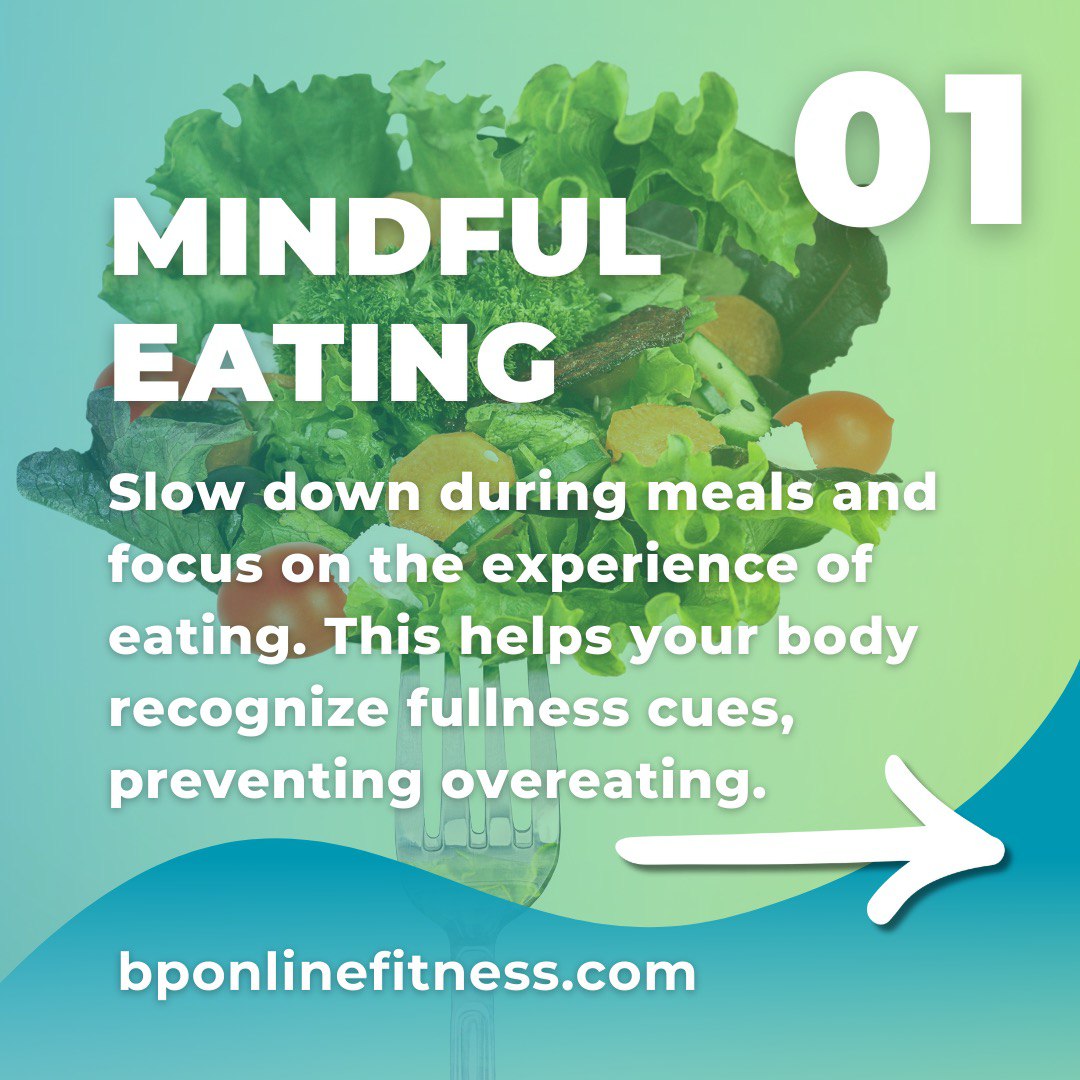
🧠 Mindful Eating
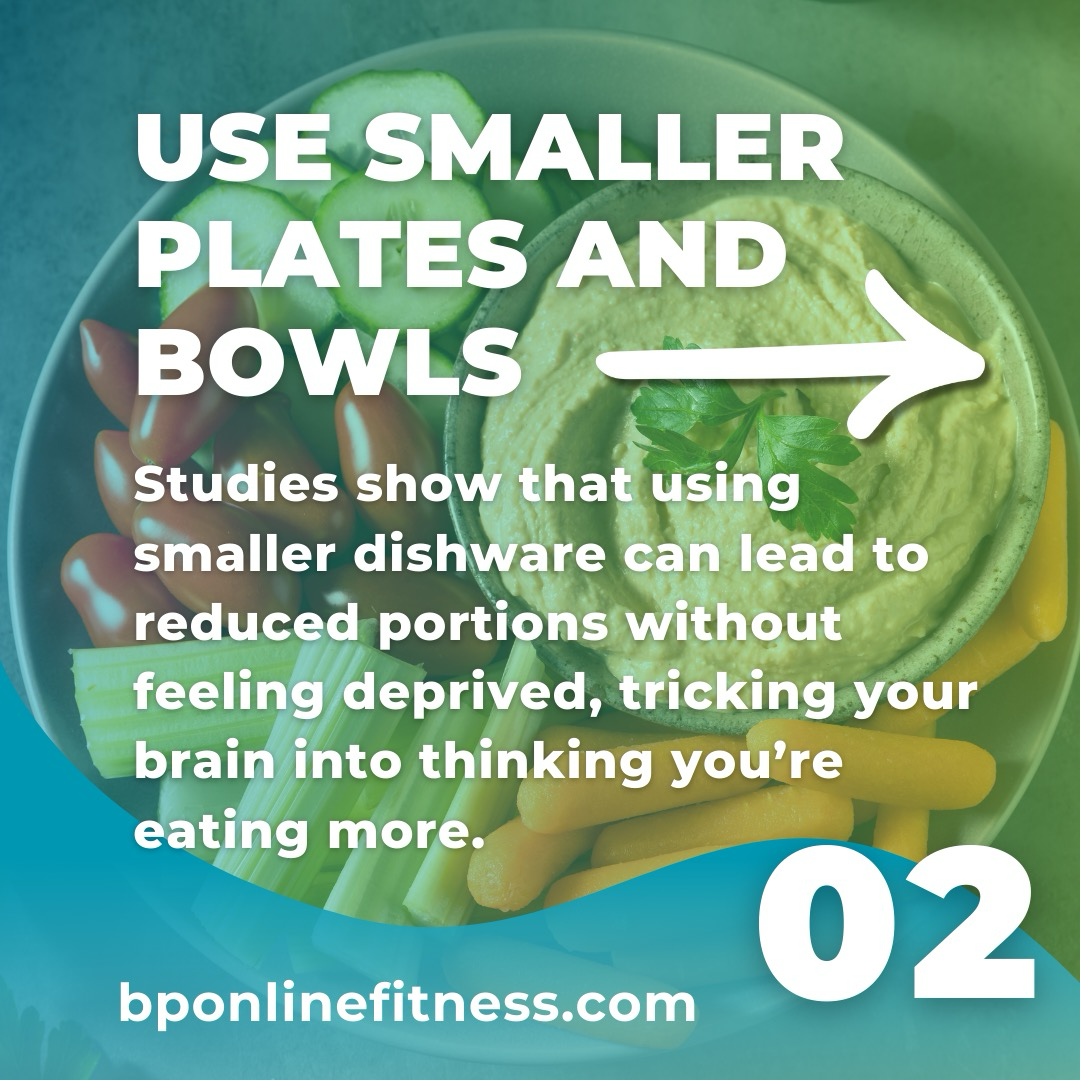
🍽️ Use Smaller Plates and Bowls
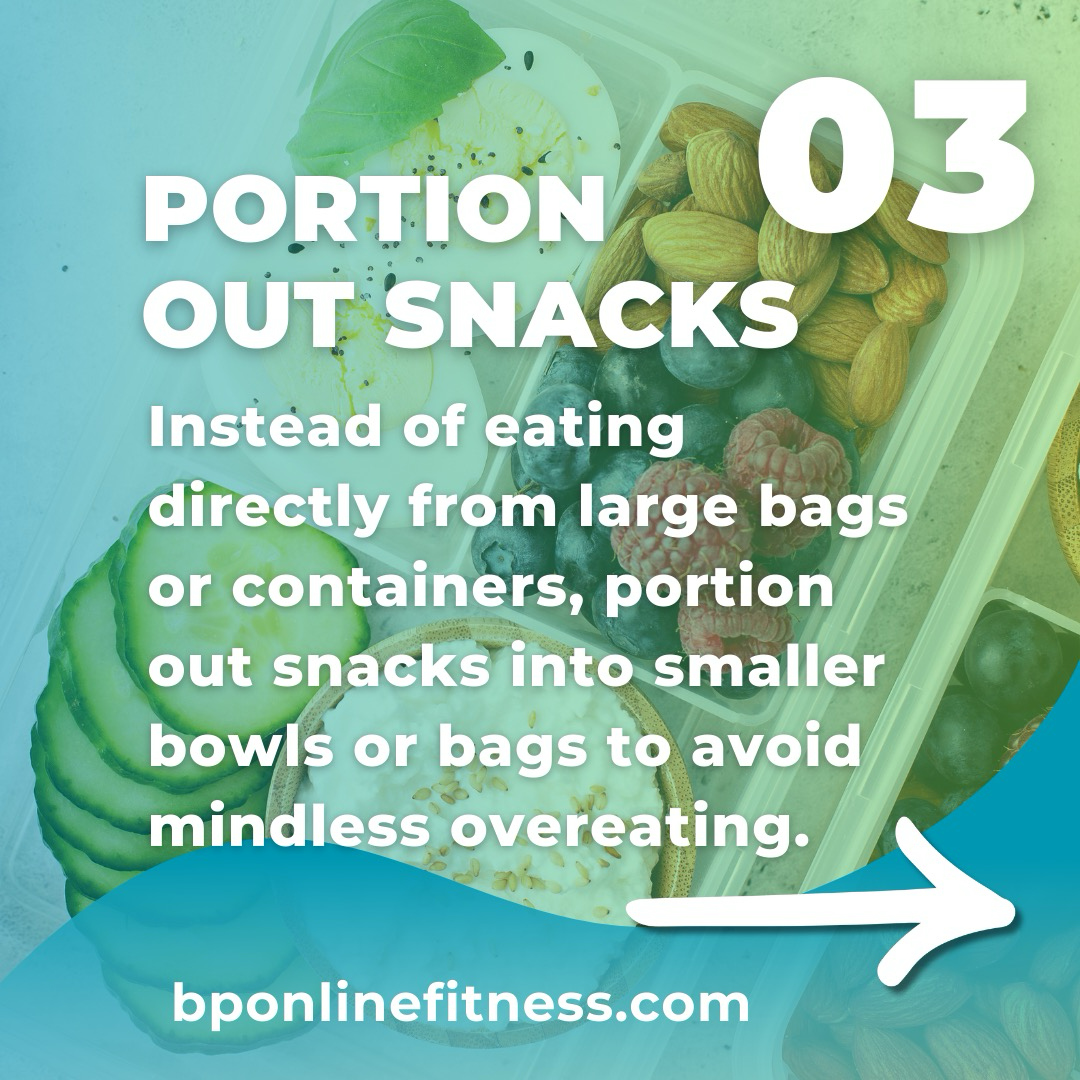
🍟 Portion Out Snacks
—
#overeating #portioncontrol #nutrition #meals #balanceddiet #mindful #plates #bowls #snacks #hunger #fullness #nutrientdense #onlinecoach #onlinepersonaltrainer
Diabetes is a chronic condition characterized by elevated blood sugar levels due to the body’s inability to produce or effectively use insulin.
Managing diabetes effectively is important, as it can help prevent complications such as heart disease, nerve damage, and kidney issues.
Nutrition plays a key role in this management, as the foods we consume can significantly impact blood sugar levels.
A well-structured meal plan is an essential tool for individuals with diabetes, helping them maintain stable glucose levels and overall health.
Trending Changing Food Habits For Weight Loss.Meal Plans Available for Patients with Diabetes
Trending Embracing Healthy Eating With These Five Principles.Several meal plans are designed specifically for individuals with diabetes. Some of the most common include:
How to Choose a Meal Plan for Diabetes
Choosing the right meal plan depends on individual preferences, lifestyle, and specific health goals. Here’s a practical guide to help make this decision:
What you need to Know about Nutrient Deficiency (Signs and symptoms)
It’s easy to overlook the importance of proper nutrition. However, nutrient deficiency can have significant impacts on our health and well-being. Understanding the signs and symptoms of these deficiencies is crucial for maintaining optimal health.Selecting a meal plan for diabetes requires careful consideration of personal preferences, lifestyle, and health goals. By understanding the available options and taking a personalized approach, individuals with diabetes can effectively manage their condition.
Popular!
https://simplenutrition.co.ke/how-to-choose-a-meal-plan-for-diabetes/
#CardiovascularDiseases #Diabetes #healthyEating #healthyFoods #lowCarbohydrateDiet #portionControl #type2Diabetes #weightLoss #Women
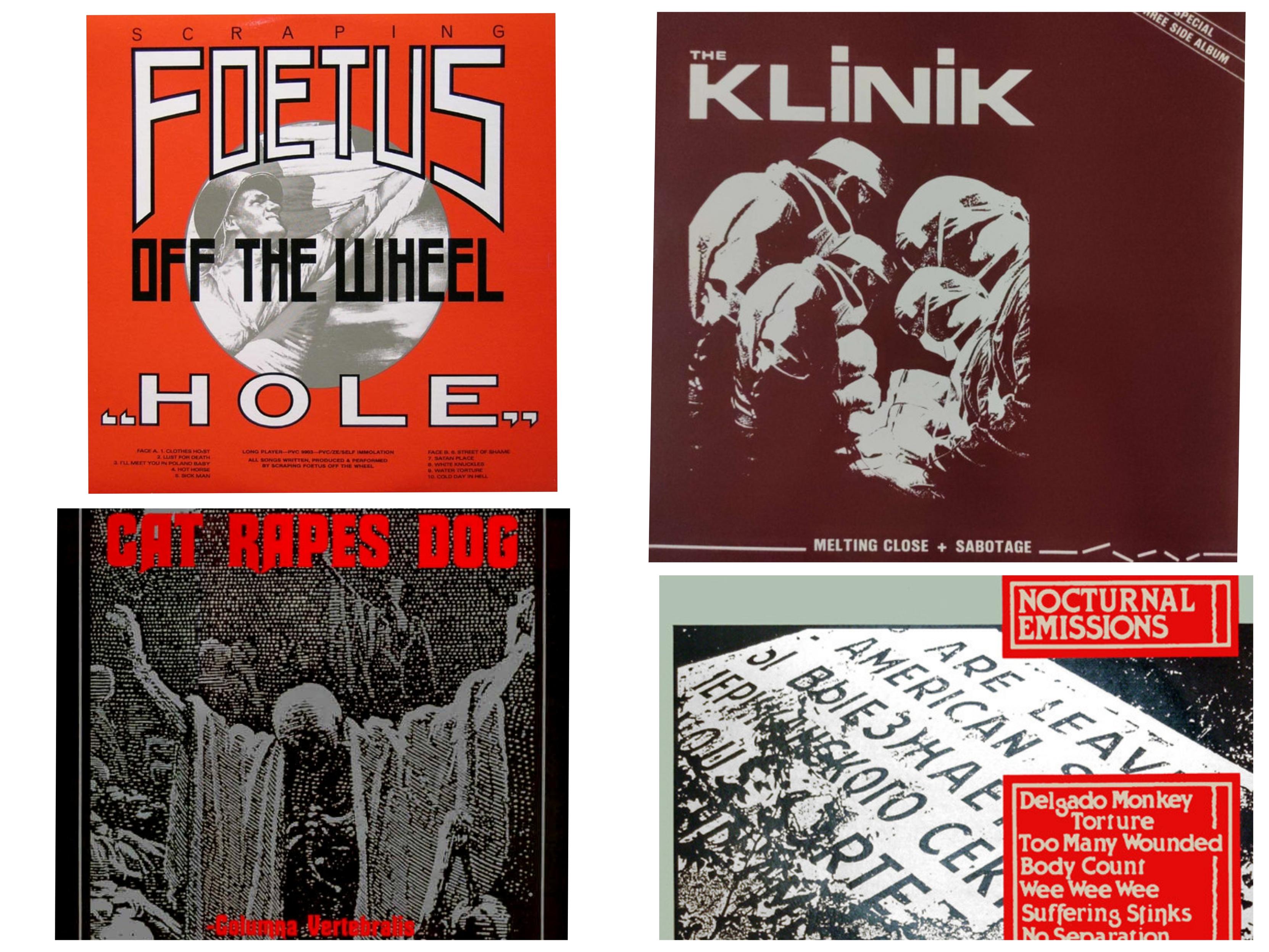
''Influencers of the musical kind... "
#albumartwork #albumcollection #vinylrecords #vinylcommunity #vinyl #schallplatten #albumart #schallplattensammlung #schalplatte #synthpop #lp #music #collageart #music #minimalsynth #records #albumcover #front242 #klinik #fadgadget #23skidoo #severedheads #skinnypuppy #CabaretVoltaire #konstruktivits #theklinik #clickclick #nocturnalemissions #portioncontrol #testdepartment
--> check vinyl sets https://hearthis.at/emuziek



🍽️ Lessen your serving size for better health! Reduce portions by a quarter or third, use dinner rolls for sandwiches, and order child-size portions. A recent report notes that obesity rates have soared because serving portions and sizes have grown too
Let's make a change for the better! 🍔🥗 #HealthyEating #PortionControl #BetterHealth