#ShortwaveRadiogram is starting on 15770 in less than 30 minutes (13:30 UTC / 08:30). Do you know where your #FLdigi is?
#flDigi
#ShortwaveRadiogram is starting on 15770 in less than 30 minutes (13:30 UTC). Do you know where your #FLdigi is?
I missed the 15:30 UTC broadcast of #ShortwaveRadiogram on 9955khz this morning. Anyone out there catch it?
The #shortwave #radiogram will be beaming out of WINB (9265khz) to your #radios again in about an hour (0330-0400 UTC).
WINB Coverage Map: https://www.winb.com/Coverage%20Map.html
#Shortwave Radiogram starting in about 15 minutes on 9265khz
You got #fldigi fired up?
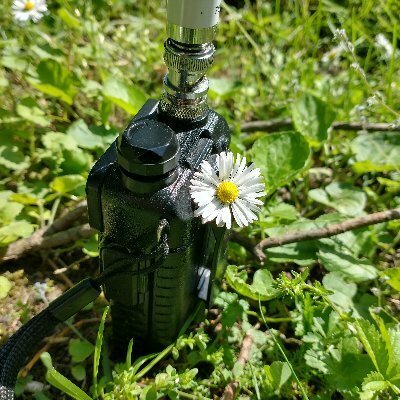
#HamChallenge Week 20: Decode the RTTY transmission of DWD on 10101 kHz
I just decoded this weather report using #fldigi:
GENERAL SYNOPTIC SITUATION:
A LOW 1013 IS MOVING FROM BELARUS TO EASTERN UKRAINE. A
HIGH 1028 OVER THE CZECH REPUBLIC IS MOVING TOWARDS
ROMANIA WHILE WEAKENING. A STEADILY WEAKENING RIDGE WILL
REMAIN OVER SOUTHERN NORWAY. A DEEP LOW 977 WEST-SOUTHWEST
OF IRELAND IS MOVING TO THE CELTIC SEA. A FRONT WILL SHIFT
ACROSS THE ENGLISH CHANNEL TODAY [...]
![Screenshot of the software fldigi showing the received text:
CQ CQ CQ DE DDK2 DDH7 DDK9
FREQUENCIVL 4583 KHZ 7646 KHZ 10100.8 KHZ
RYRYRYRYRYRYRYRYRYRYRYRYRYRYRYRYRYRYRYRYRYRYRYRYRYRYRYRYRYRYRYRY
ZCZC 626
FQEW77 EDZW 270600
WEATHER AND SEA BULLETIN FOR WESTERN EUROPEAN SEA
ISSUED BY MARINE WEATHER SERVICE HAMBURG
27.12.25, PP UTC:
GENERAL SYNOPTIC SITUATION:
A LOW 1013 IS MOVING FROM BELARUS TO EASTERN UKRAINE. A
HIGH 1028 OVER THE CZECH REPUBLIC IS MOVING TOWARDS
ROMANIA WHILE WEAKENING. A STEADILY WEAKENING RIDGE WILL
REMAIN OVER SOUTHERN NORWAY. A DEEP LOW 977 WEST-SOUTHWEST
OF IRELAND IS MOVING TO THE CELTIC SEA. A FRONT WILL SHIFT
ACROSS THE ENGLISH CHANNEL TODAY AND REACH THE WESTERN
PARTOF THE NORTH SEA ON MONDAY, FOLLOWED BY A TROUGH ON
MONDAY MORNING.
DWD FORECAST OF SA/27/12.2025 PP UTC:
WIND FORCE: BEAUFORT, WAVE HEIGHT: METRE
IRELAND-S (50.9N 7.7W) SST: QW C
SA 27. QWZ: NE-E 6 UAI WMT M //
SA 27. QIZ: NE-E 6 UAI E M //
SU 28. PPZ: E 5-6 U E M //
SU 28. PYZ: E 5 YAU WMT M //
SU 28. QWZ: E 4-5 W M //
SU 28. QIZ: E 4-5 W M //
MO 29. PPZ: NE-E 4-5 W M //
ISLE.O.MAN-S (53.8N 4.5W) SST: QQ C
SA 27. QWZ: E 4-5 Q M //
SA 27. QIZ: NE-E 4-5 Q M //
SU 28. PPZ: E 5 YAU Q M //
SU 28. PYZ: E 4-5 Q M //
SU 28. QWZ: E 4 Q M //
SU 28. QI [...]](https://files.mastodon.social/cache/media_attachments/files/115/790/983/896/821/762/original/e0f17044db26c614.png)

The Gentleman’s Guide to Ham Radio: Unwritten Rules for Modern Operators
1,301 words, 7 minutes read time.
Amateur radio, or ham radio, is a unique hobby that combines technical skill, communication expertise, and community interaction. Success on the airwaves requires more than just a license—it demands understanding both regulations and the unwritten conventions that keep the hobby enjoyable and efficient for everyone. Operating responsibly ensures clear transmissions, prevents interference, and helps operators avoid being labeled a “lid,” a term for someone who makes avoidable mistakes on the air. This article explores the core practices that define effective ham radio operation.
Understanding Ham Radio Regulations
Every amateur radio operator is bound by regulations set forth by licensing authorities, and compliance is the first step in responsible operation. In the United States, for example, the Federal Communications Commission (FCC) enforces rules that prohibit broadcasting music, transmitting encrypted messages, or conducting commercial activities over amateur frequencies. Operators must also perform station identification at the start of a transmission, every ten minutes during prolonged contacts, and at the end of a conversation. These regulations are not merely formalities; they protect the integrity of the amateur radio spectrum and ensure that operators can communicate openly without interference from unauthorized sources.
Knowing the law is only the foundation. Equally important is understanding how to transmit responsibly. Operators must choose the correct calling frequency for their band, whether on VHF, UHF, or HF. For instance, in VHF operation, 146.52 MHz serves as the standard calling frequency in the Americas. HF operators must also be aware of band segments, using the upper portion for voice modes and the lower portion for data. Ignoring these guidelines and transmitting randomly can disrupt ongoing contacts and frustrate other operators. Listening before transmitting is critical; it prevents unintentional interference and helps operators gauge whether a frequency is active or clear.
Proper Repeater Etiquette and Communication Practices
Once you understand the rules, the next step is learning effective communication techniques, especially when using repeaters. Repeaters are shared resources, and using them incorrectly can annoy fellow operators or even create safety hazards during emergency communications. One of the most common mistakes for new operators is “chunking” the repeater—pressing the push-to-talk button without speaking. This generates unnecessary noise on the frequency and signals inexperience. If such an accident occurs, it should be acknowledged promptly to avoid being labeled a lid.
Operators should also avoid using the term “broadcast” to describe amateur transmissions. Amateur radio is inherently a two-way communication system. It is designed for interaction and connection, not one-way transmission of information. Similarly, operators should become familiar with repeater personalities. Some repeaters are formal and structured, with strict conversation protocols, while others are informal or casual. Observing the repeater’s tone and conventions before transmitting allows new operators to integrate seamlessly, reducing the risk of conflicts or misunderstandings. Listening, patience, and proper identification are key components of this stage of operation.
Calling Frequencies, Codes, and Phonetics
Another critical aspect of ham radio best practices is understanding how to make effective contact on a frequency. Calling frequencies are designated portions of a band where operators can announce their presence, such as calling “CQ” to signal availability for a conversation. On VHF repeaters, it is unnecessary to use traditional CQ calls. Instead, a simple identification or request for contact is sufficient. On HF, the situation is different. Operators may use CQ calls to reach others across longer distances, but even then, care must be taken to ensure the frequency is clear. Listening for a few moments, announcing presence, and waiting for responses prevents interference and shows respect for fellow operators.
Operators should also understand the proper use of codes. Common codes, such as QSL for confirmation of receipt or QTH for location, are derived from Morse code practices and are widely accepted. Other codes like QRZ (who is calling) and QSY (change frequency) serve specific functions. In addition, the phonetic alphabet is essential for clear identification, particularly on HF or during contests, where signal clarity is critical. On VHF repeaters, however, phonetics may be unnecessary unless the call sign is difficult to discern. Using codes and phonetics appropriately ensures that communications are efficient and understandable, maintaining professionalism on the air.
Advanced Best Practices for HF and Data Modes
HF operations introduce additional technical considerations, such as antenna tuning and signal management. Operators should never tune an antenna over an active conversation, as the tuning noise can disrupt ongoing contacts. Instead, move a few kilohertz away from an active frequency before initiating tuning procedures. Similarly, when engaging in data modes using software like FL Digi, operators should be aware of RSID tones and mode identification to prevent confusion for others receiving the signal.
Calling CQ on HF requires attentiveness and timing. Operators should first confirm that a frequency is free, announce their presence, and then issue a CQ call in a measured manner. Ragchewing, or extended conversational contact, requires awareness of the other operator’s signal strength and readability. Signal reports, often expressed using the RST system—Readability, Signal Strength, and Tone—allow operators to determine whether a conversation is feasible. Providing or interpreting an accurate RST ensures that communication remains clear and efficient, and prevents frustration caused by attempting contacts under suboptimal conditions.
Effective Interaction During Nets and Group Communications
Net operations, where one operator serves as a controller for a structured group conversation, demand disciplined communication. Operators should not transmit until called upon and must follow the net control protocol. Interrupting ongoing conversations is acceptable only under certain circumstances, such as emergencies or brief interjections. Understanding how to enter and participate in group discussions without dominating the channel is an advanced skill that reinforces professionalism.
Equally important is leaving adequate pauses between transmissions. Allowing time for other operators to respond or interject ensures that conversations remain orderly and inclusive. Misusing the seven-three shorthand, or incorrectly referencing handheld transceivers, may mark an operator as inexperienced. Observing these subtle conventions distinguishes proficient operators from novices and reinforces the culture of respect that underpins amateur radio.
Conclusion: Mastering Ham Radio Conduct
Operating a ham radio effectively requires a balance of technical knowledge, regulatory compliance, and interpersonal skill. By understanding regulations, respecting calling frequencies and repeaters, and mastering proper communication techniques, operators can avoid common mistakes and participate fully in the amateur radio community. Listening attentively, using codes and phonetics appropriately, and maintaining awareness of other operators on the frequency ensures clarity, efficiency, and respect.
Ham radio is as much about community and shared experience as it is about technology. Following best practices allows operators to make meaningful contacts, expand their skills, and enjoy the hobby without causing interference or frustration. Mastery of these principles ensures that every transmission contributes positively to the amateur radio environment, fostering both technical competence and professional conduct.
Call to Action
If this story caught your attention, don’t just scroll past. Join the community—men sharing skills, stories, and experiences. Subscribe for more posts like this, drop a comment about your projects or lessons learned, or reach out and tell me what you’re building or experimenting with. Let’s grow together.
D. Bryan King
Sources
- Unwritten Rules of Ham Radio – KM6LYW Radio (YouTube)
- ARRL – Good Operating Practices
- ARRL Amateur Radio Operating Manual (PDF)
- NewHams.info – Guides for New Amateur Operators
- Rockford Amateur Radio Association – Repeater Conduct
- Ham Radio Etiquette (WRARC PDF)
- eHam – Basic Repeater Etiquette
- Operating Practices and Procedures (General Ham Radio PDF)
- Repeater Operating Practices – QCWA
- Ham Universe – HF Operating Tips
- Ham Radio Training School – Etiquette Guide
- HamRadioSchool – Etiquette & Operating Behavior
- OnAllBands – Amateur Radio Etiquette
- RSGB – Operating Practice & Procedure
- ITU Standard Phonetic Alphabet Reference
Disclaimer:
The views and opinions expressed in this post are solely those of the author. The information provided is based on personal research, experience, and understanding of the subject matter at the time of writing. Readers should consult relevant experts or authorities for specific guidance related to their unique situations.
#amateurOperator #amateurRadio #amateurRadioAdvice #amateurRadioCommunity #amateurRadioEquipment #amateurRadioHobby #amateurRadioInstruction #amateurRadioKnowledge #amateurRadioNetwork #amateurRadioRules #amateurRadioSafety #amateurRadioSignals #amateurRadioStation #amateurRadioTraining #antennaTuning #callingFrequencies #communicationProtocol #contestOperation #cqCalls #cw #dataModes #digitalModes #effectiveRadioCommunication #emergencyCommunication #fccRegulations #flDigi #hamRadio #hamRadioBeginner #hamRadioBestPractices #hamRadioCommunity #hamRadioEtiquette #hamRadioGuide #hamRadioLicense #hamRadioOperations #hamRadioTips #handheldTransceiver #hfContacts #hfRadio #ht #morseCode #netControl #phoneticAlphabet #properCommunication #psk31 #pushToTalk #qCodes #qrz #qsl #qsy #qth #radioBestPractices #radioCallSigns #radioCheck #radioClarity #radioCodes #radioCommunicationSkills #radioContact #radioConversation #radioConversationEtiquette #radioEngagement #radioEtiquette #radioFrequency #radioGuidelines #radioHobbyist #radioInterference #radioLearning #radioLicense #radioListener #radioListening #radioMonitoring #radioOperation #radioOperationGuide #radioOperationTips #radioOperatorGuide #radioOperatorTips #radioSetup #radioSignal #radioTerminology #radioTransmission #ragchew #readability #repeaterCommunication #repeaterEtiquette #repeaters #rsidTone #rstReport #rtty #sevenThree #signalReport #signalStrength #toneReport #uhfCommunication #uhfContacts #vhfCommunication #vhfContacts


I've been working on getting my various #HamRadio programs working under #Linux and #Wine. I'm getting there; it'll be nice to get out for some more #ParksOnTheAir soon...
#N1MM and #fldigi don't play nicely unless they're both the wine variants; N1MM tries to look up the window by title.
The audio enumeration thing not being implemented in wine was especially aggravating; but I managed to get N1MM to stop trying to do that.


Spannend. Hab gerade den Pi4 am TV angeschlossen. Und, mit etwas Kabelei-Voodoo am Funkgerät (für #fldigi / #SSTV). Wenn der Screensaver vom Pi anspringt, gibt es Störungen bis S7 auf unserer 2m Ortsfrequenz. Bewege ich dann die Maus und das Bild kommt wieder: Störungen weg. Gleich mal TV ausschalten wenn es stört.
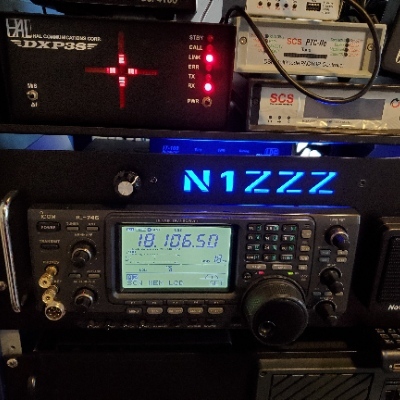
Had a rather strange failure last night on a net. The USB cord failed on me. I switched to backup equipment and did some troubleshooting after the net. Fortunately, i have several spares so minimal downtime. #amateurradio #fldigi
Flrig v2.0.06 now available
The FLdigi development team led by W1HKJ have announced the latest release of Flrig. Flrig is a transceiver control program designed to be used either stand alone or as an adjunct to Fldigi.
As with all of the FL suite, Flrig supports PowerPC, Intel (i386) and Apple Silicon (M1) processors with individual downloads available for eac ...
https://machamradio.com/blog/2025/06/12/flrig-v2-0-06-now-available/

Fldigi v4.2.07 now available
The development team led by Dave, W1HKJ have announced the latest release of Fldigi.
Fldigi is a modem program for most of the digital modes used by radio amateurs today: CW, PSK, MFSK, RTTY, Hell, DominoEX, Olivia, and Throb are all supported. It can help calibrate a sound card to a time signal and do frequency measurement tests. As with a ...
https://machamradio.com/blog/2025/06/12/fldigi-v4-2-07-now-available/


@hamchallenge I must have heard the RTTY transmission a million times, often using it as an indicator for how long the skip is on 30m. Today I finally decoded it for the first time with fldigi, with the settings described by @ian in his blog (450Hz shift, 50 bd, 5N1). I was not patient enough to wait for an actual weather report, though. #HC20S #rtty #fldigi


... A neat script which installs #winehq, #winlink and the vara modems ! The project is called #Winelink and is available on github.
This works great ! Only some final tweaking is needed to configure com ports and sound card.
#VarAC is damn easy to install as a next steps.
As my other #EmCom software is #FLDigi, I now have my full setup up and running on Linux 👍


HF Fax reception
It seems I have mostly fixed the issue of non-centred images when decoding using FLDigi.
I think it was a combination of the audio level being too high and not enough audio bandwidth.


HF Fax reception
Just looking for some advice from anyone else who uses FLDigi to receive HF weather fax transmissions...
I have "auto image centering" selected, but many images are offset. Is this a fault of FLDigi or am I doing something wrong?
Thank you.



Eben gerade erfolgreich das BBS https://db0bbs.de/ auf 3590,25 kHz kontaktiert 😄
#fldigi #packetradio #amateurradio
Client Info
Server: https://mastodon.social
Version: 2025.07
Repository: https://github.com/cyevgeniy/lmst