#radioInterference

The Gentleman’s Guide to Ham Radio: Unwritten Rules for Modern Operators

1,301 words, 7 minutes read time.

Amateur radio, or ham radio, is a unique hobby that combines technical skill, communication expertise, and community interaction. Success on the airwaves requires more than just a license—it demands understanding both regulations and the unwritten conventions that keep the hobby enjoyable and efficient for everyone. Operating responsibly ensures clear transmissions, prevents interference, and helps operators avoid being labeled a “lid,” a term for someone who makes avoidable mistakes on the air. This article explores the core practices that define effective ham radio operation.

Understanding Ham Radio Regulations

Every amateur radio operator is bound by regulations set forth by licensing authorities, and compliance is the first step in responsible operation. In the United States, for example, the Federal Communications Commission (FCC) enforces rules that prohibit broadcasting music, transmitting encrypted messages, or conducting commercial activities over amateur frequencies. Operators must also perform station identification at the start of a transmission, every ten minutes during prolonged contacts, and at the end of a conversation. These regulations are not merely formalities; they protect the integrity of the amateur radio spectrum and ensure that operators can communicate openly without interference from unauthorized sources.

Knowing the law is only the foundation. Equally important is understanding how to transmit responsibly. Operators must choose the correct calling frequency for their band, whether on VHF, UHF, or HF. For instance, in VHF operation, 146.52 MHz serves as the standard calling frequency in the Americas. HF operators must also be aware of band segments, using the upper portion for voice modes and the lower portion for data. Ignoring these guidelines and transmitting randomly can disrupt ongoing contacts and frustrate other operators. Listening before transmitting is critical; it prevents unintentional interference and helps operators gauge whether a frequency is active or clear.

Proper Repeater Etiquette and Communication Practices

Once you understand the rules, the next step is learning effective communication techniques, especially when using repeaters. Repeaters are shared resources, and using them incorrectly can annoy fellow operators or even create safety hazards during emergency communications. One of the most common mistakes for new operators is “chunking” the repeater—pressing the push-to-talk button without speaking. This generates unnecessary noise on the frequency and signals inexperience. If such an accident occurs, it should be acknowledged promptly to avoid being labeled a lid.

Operators should also avoid using the term “broadcast” to describe amateur transmissions. Amateur radio is inherently a two-way communication system. It is designed for interaction and connection, not one-way transmission of information. Similarly, operators should become familiar with repeater personalities. Some repeaters are formal and structured, with strict conversation protocols, while others are informal or casual. Observing the repeater’s tone and conventions before transmitting allows new operators to integrate seamlessly, reducing the risk of conflicts or misunderstandings. Listening, patience, and proper identification are key components of this stage of operation.

Calling Frequencies, Codes, and Phonetics

Another critical aspect of ham radio best practices is understanding how to make effective contact on a frequency. Calling frequencies are designated portions of a band where operators can announce their presence, such as calling “CQ” to signal availability for a conversation. On VHF repeaters, it is unnecessary to use traditional CQ calls. Instead, a simple identification or request for contact is sufficient. On HF, the situation is different. Operators may use CQ calls to reach others across longer distances, but even then, care must be taken to ensure the frequency is clear. Listening for a few moments, announcing presence, and waiting for responses prevents interference and shows respect for fellow operators.

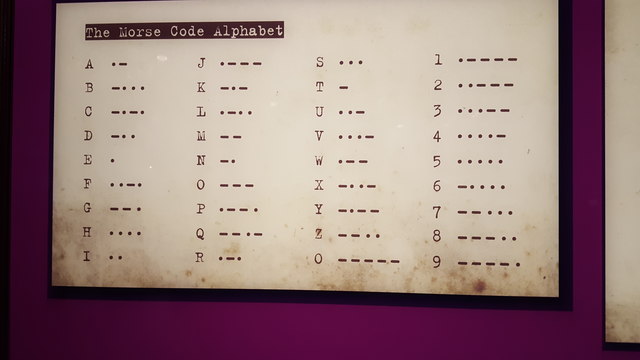
Operators should also understand the proper use of codes. Common codes, such as QSL for confirmation of receipt or QTH for location, are derived from Morse code practices and are widely accepted. Other codes like QRZ (who is calling) and QSY (change frequency) serve specific functions. In addition, the phonetic alphabet is essential for clear identification, particularly on HF or during contests, where signal clarity is critical. On VHF repeaters, however, phonetics may be unnecessary unless the call sign is difficult to discern. Using codes and phonetics appropriately ensures that communications are efficient and understandable, maintaining professionalism on the air.

Advanced Best Practices for HF and Data Modes

HF operations introduce additional technical considerations, such as antenna tuning and signal management. Operators should never tune an antenna over an active conversation, as the tuning noise can disrupt ongoing contacts. Instead, move a few kilohertz away from an active frequency before initiating tuning procedures. Similarly, when engaging in data modes using software like FL Digi, operators should be aware of RSID tones and mode identification to prevent confusion for others receiving the signal.

Calling CQ on HF requires attentiveness and timing. Operators should first confirm that a frequency is free, announce their presence, and then issue a CQ call in a measured manner. Ragchewing, or extended conversational contact, requires awareness of the other operator’s signal strength and readability. Signal reports, often expressed using the RST system—Readability, Signal Strength, and Tone—allow operators to determine whether a conversation is feasible. Providing or interpreting an accurate RST ensures that communication remains clear and efficient, and prevents frustration caused by attempting contacts under suboptimal conditions.

Effective Interaction During Nets and Group Communications

Net operations, where one operator serves as a controller for a structured group conversation, demand disciplined communication. Operators should not transmit until called upon and must follow the net control protocol. Interrupting ongoing conversations is acceptable only under certain circumstances, such as emergencies or brief interjections. Understanding how to enter and participate in group discussions without dominating the channel is an advanced skill that reinforces professionalism.

Equally important is leaving adequate pauses between transmissions. Allowing time for other operators to respond or interject ensures that conversations remain orderly and inclusive. Misusing the seven-three shorthand, or incorrectly referencing handheld transceivers, may mark an operator as inexperienced. Observing these subtle conventions distinguishes proficient operators from novices and reinforces the culture of respect that underpins amateur radio.

Conclusion: Mastering Ham Radio Conduct

Operating a ham radio effectively requires a balance of technical knowledge, regulatory compliance, and interpersonal skill. By understanding regulations, respecting calling frequencies and repeaters, and mastering proper communication techniques, operators can avoid common mistakes and participate fully in the amateur radio community. Listening attentively, using codes and phonetics appropriately, and maintaining awareness of other operators on the frequency ensures clarity, efficiency, and respect.

Ham radio is as much about community and shared experience as it is about technology. Following best practices allows operators to make meaningful contacts, expand their skills, and enjoy the hobby without causing interference or frustration. Mastery of these principles ensures that every transmission contributes positively to the amateur radio environment, fostering both technical competence and professional conduct.

Call to Action

If this story caught your attention, don’t just scroll past. Join the community—men sharing skills, stories, and experiences. Subscribe for more posts like this, drop a comment about your projects or lessons learned, or reach out and tell me what you’re building or experimenting with. Let’s grow together.

D. Bryan King

Sources

Disclaimer:

The views and opinions expressed in this post are solely those of the author. The information provided is based on personal research, experience, and understanding of the subject matter at the time of writing. Readers should consult relevant experts or authorities for specific guidance related to their unique situations.

#amateurOperator #amateurRadio #amateurRadioAdvice #amateurRadioCommunity #amateurRadioEquipment #amateurRadioHobby #amateurRadioInstruction #amateurRadioKnowledge #amateurRadioNetwork #amateurRadioRules #amateurRadioSafety #amateurRadioSignals #amateurRadioStation #amateurRadioTraining #antennaTuning #callingFrequencies #communicationProtocol #contestOperation #cqCalls #cw #dataModes #digitalModes #effectiveRadioCommunication #emergencyCommunication #fccRegulations #flDigi #hamRadio #hamRadioBeginner #hamRadioBestPractices #hamRadioCommunity #hamRadioEtiquette #hamRadioGuide #hamRadioLicense #hamRadioOperations #hamRadioTips #handheldTransceiver #hfContacts #hfRadio #ht #morseCode #netControl #phoneticAlphabet #properCommunication #psk31 #pushToTalk #qCodes #qrz #qsl #qsy #qth #radioBestPractices #radioCallSigns #radioCheck #radioClarity #radioCodes #radioCommunicationSkills #radioContact #radioConversation #radioConversationEtiquette #radioEngagement #radioEtiquette #radioFrequency #radioGuidelines #radioHobbyist #radioInterference #radioLearning #radioLicense #radioListener #radioListening #radioMonitoring #radioOperation #radioOperationGuide #radioOperationTips #radioOperatorGuide #radioOperatorTips #radioSetup #radioSignal #radioTerminology #radioTransmission #ragchew #readability #repeaterCommunication #repeaterEtiquette #repeaters #rsidTone #rstReport #rtty #sevenThree #signalReport #signalStrength #toneReport #uhfCommunication #uhfContacts #vhfCommunication #vhfContacts
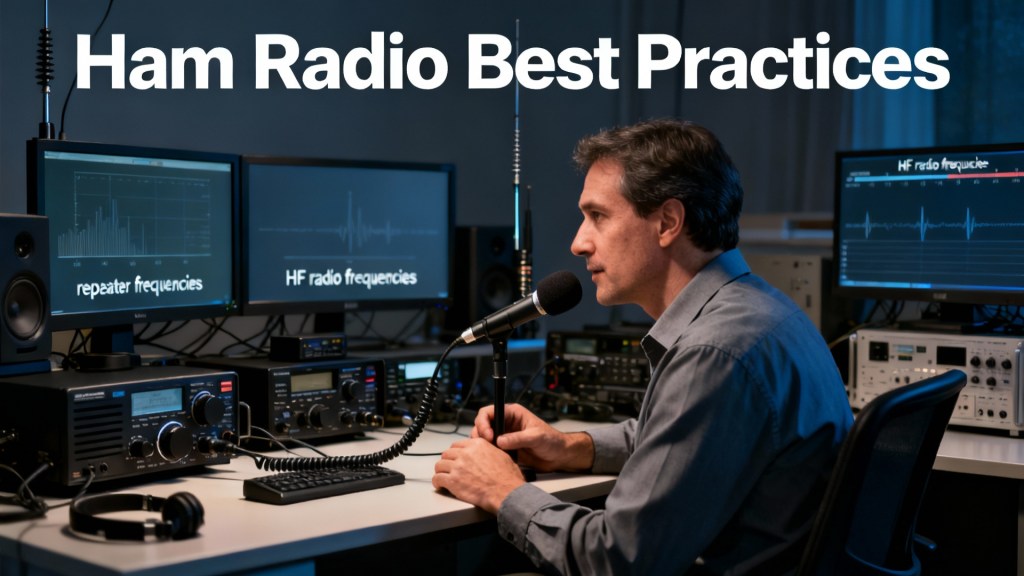

Amateur radio operator in a professional radio room, surrounded by transceivers and antennas, actively making a responsible radio transmission. Title “Ham Radio Best Practices” is displayed.
Dr. John Barentine FRASJohnBarentine@astrodon.social
2025-06-06

A new SKA-Low study accepted for publication in A&A finds that "some datasets have a detectable #Starlink #satellite in ~30% of all images acquired".

arxiv.org/abs/2506.02831

#RadioAstronomy #Astronomy #RadioInterference #RFI

Fig. 2: The percentage of images in each dataset with at least one Starlink satellite identified. Image noise was calculated by performing two passes of pixel excision above 3¢ and calculating the standard deviation of pixel values across a central box in the image of size 10% of the image. This is similar to the procedure used in Hancock et al. (2018).

Understanding Ham Radio Operating Modes: A Beginner’s Guide to SSB, CW, FM, and More

1,756 words, 9 minutes read time.

As you consider diving into the fascinating world of amateur radio, one of the most important areas to familiarize yourself with is the various operating modes used by ham operators. These modes define how signals are transmitted, which directly impacts the quality, reach, and efficiency of communication. In this guide, we’ll explore the most common ham radio operating modes, including Single Sideband (SSB), Continuous Wave (CW), Frequency Modulation (FM), and more. Understanding these modes will help you not only get a better grasp of how amateur radio works but also make you a more competent operator as you progress toward getting your ham radio license.

What Are Ham Radio Operating Modes?

Ham radio operating modes refer to the different ways a ham radio signal can be transmitted and received. Each mode has its own characteristics, advantages, and limitations, which affect the type of communication it is best suited for. Whether you’re communicating locally or across continents, choosing the right mode can make all the difference in the quality of your transmission. As a newcomer to ham radio, learning about these modes will help you choose the most suitable method for various communication scenarios. It’s a critical aspect of mastering the hobby and ensuring effective communication on the airwaves.

An Overview of the Common Ham Radio Operating Modes

  1. Single Sideband (SSB)

Single Sideband (SSB) is one of the most popular modes used in amateur radio, particularly for long-distance communication. SSB is a type of amplitude modulation (AM) where only one sideband of the signal is transmitted, reducing the bandwidth and power requirements compared to traditional AM transmissions. This makes SSB particularly advantageous for communication over long distances, especially on the HF (High Frequency) bands.

In SSB, the carrier wave is suppressed, and only the upper or lower sideband is transmitted. This results in more efficient use of the frequency spectrum, allowing for clearer signals with less interference. Many ham radio operators prefer SSB for global communication because it’s capable of reaching farther distances with less power, which is important for operators who are working with limited equipment or those trying to make contacts in remote areas.

According to the ARRL (American Radio Relay League), SSB is particularly useful for DX (distance) communications. The frequencies used for SSB typically fall within the HF bands, and operators use SSB to make voice contacts, known as “phone” contacts. The convenience and efficiency of SSB have made it the go-to mode for many long-haul communications on the ham bands (source: ARRL – Ham Radio Modes).

  1. Continuous Wave (CW)

Continuous Wave (CW) mode is a form of Morse code communication. In CW, a signal is transmitted as a series of on-off keying (dots and dashes), which represent letters and numbers in Morse code. While this may seem old-fashioned to some, CW remains one of the most effective modes for weak-signal communication, particularly under challenging conditions where voice transmissions might not be possible.

One of the biggest advantages of CW is its ability to operate effectively in low signal-to-noise conditions. The simple nature of the transmission makes it less susceptible to interference, and even very weak signals can be received and understood using CW. This mode is commonly used by operators seeking to make contacts in very distant locations, especially when there is a lot of atmospheric interference or in regions with poor propagation conditions.

CW is still widely used in ham radio today, especially for operators who are focused on maximizing their reach with minimal equipment and power. The ability to send Morse code manually or via automatic keyers gives CW a distinct appeal to those looking to hone their skills in a very traditional aspect of ham radio. In fact, many experienced ham radio operators swear by CW for its efficiency and ability to make reliable contacts even in adverse conditions (source: K7ON – CW and SSB Basics).

  1. Frequency Modulation (FM)

Frequency Modulation (FM) is another popular mode, particularly on VHF and UHF bands. Unlike AM or SSB, where the amplitude or frequency is varied, FM works by modulating the frequency of the carrier wave. This results in high-quality, noise-resistant signals that are well-suited for local communications. FM is the standard mode used by repeaters, which are devices that extend the reach of ham radio signals by retransmitting signals received from lower-power stations.

FM is especially favored for short-range communication, such as local contacts or communication with repeaters, and it is most commonly used in the 2-meter and 70-centimeter bands. FM’s primary advantage is its resilience to interference, making it perfect for urban areas where noise is more prevalent. The clear, voice-quality signal that FM provides makes it ideal for informal conversations or emergency communication within a local area.

One of the main advantages of FM is the fact that once the signal reaches a certain level, the sound quality doesn’t degrade much, even if the signal strength weakens. However, FM has a limited range compared to SSB or CW and typically isn’t used for long-distance communication. The quality and simplicity of FM make it ideal for casual use and for beginner ham radio operators who are starting to experiment with their radios (source: Ham Universe – Modes of Operation).

  1. Digital Modes

Digital modes have gained significant popularity in recent years due to advancements in technology and the ability to send information more efficiently. Digital modes, such as FT8, PSK31, and RTTY (Radio Teleprinter), use computer-generated signals to send and receive data. These modes can operate at very low power levels, which makes them perfect for weak signal propagation or for operators looking to maximize their battery life.

One of the most popular digital modes is FT8, a mode designed for weak-signal communication that allows operators to make contacts under extremely low signal-to-noise conditions. FT8 operates in narrow bandwidths, allowing multiple contacts to be made on a single frequency, even when propagation is poor. PSK31 is another widely used digital mode, particularly for keyboard-to-keyboard communications. It uses phase shift keying to transmit signals that can easily be decoded by a computer.

Digital modes are a fantastic way for new ham operators to make contacts with minimal power and without needing to master Morse code or voice communication. Digital signals are often more reliable in conditions where noise and interference would otherwise render voice or CW transmissions unusable. Many operators appreciate the challenge of fine-tuning digital signals and enjoy the flexibility that digital modes offer in terms of communication techniques and automation (source: eHam – Understanding SSB (Single Sideband)).

  1. Amplitude Modulation (AM)

Although it is less commonly used today, Amplitude Modulation (AM) still holds a place in ham radio, especially among enthusiasts who enjoy experimenting with vintage equipment. AM is a form of modulation where the amplitude of the carrier wave is varied in accordance with the modulating signal, typically a voice or music signal. AM has a characteristic “wide” signal, which takes up more bandwidth compared to SSB. This can result in interference with other stations operating on the same frequency, which is one of the main reasons AM has fallen out of favor for general communication.

However, AM still has its applications, especially in certain historical contexts or for specialized communication, such as in aircraft communications or vintage radio operations. Some ham radio operators prefer to use AM for nostalgia’s sake, or they might enjoy operating within the AM portions of the bands, which can often be quieter and less crowded compared to the SSB portions. For those who enjoy the history and evolution of radio technology, operating in AM mode can be a fun and rewarding challenge (source: QRZ – Ham Radio Operating Modes).

Why Learning These Modes is Important for New Hams

As a new ham, understanding the various operating modes available will help you communicate more effectively and efficiently. It allows you to select the best mode for each situation, whether you’re trying to make a local contact on FM, reach across the globe using SSB, or send a weak signal over long distances with CW or digital modes. Furthermore, many modes are used during contests, emergency communications, and special events, so becoming proficient in multiple modes will enhance your overall ham radio experience.

In addition to improving your communication skills, learning different modes will also help you gain a deeper understanding of how radio waves propagate and how various factors such as power, frequency, and modulation affect signal transmission. This knowledge will not only make you a better operator but also help you troubleshoot and optimize your station setup for various conditions.

How to Get Started with These Modes

Getting started with different ham radio modes doesn’t require a lot of advanced equipment. Many beginners start with simple radios capable of operating in FM mode and gradually progress to more sophisticated transceivers that support SSB, CW, and digital modes. Local ham clubs are a great place to connect with experienced operators who can help you learn the basics of each mode.

Once you’re familiar with the theoretical aspects of ham radio modes, you can begin experimenting on air. Start by making simple local contacts on FM, and then try making longer-distance contacts using SSB. As you gain experience, you can explore CW or digital modes, which offer unique challenges and rewards.

Conclusion

Understanding the various operating modes of ham radio is essential for any new operator who wants to make the most of their hobby. Whether you’re communicating locally on FM or making global contacts with SSB or CW, each mode has its unique advantages and applications. By exploring these modes, you’ll not only enhance your communication skills but also deepen your appreciation for the technical side of amateur radio. So, dive in, experiment with different modes, and enjoy the world of ham radio communication!

D. Bryan King

Sources

Disclaimer:

The views and opinions expressed in this post are solely those of the author. The information provided is based on personal research, experience, and understanding of the subject matter at the time of writing. Readers should consult relevant experts or authorities for specific guidance related to their unique situations.

Related Posts

Rate this:

#AmateurRadio #amateurRadioCommunity #amateurRadioEquipment #amateurRadioLicense #beginnerHamRadio #CW #CWMode #digitalCommunicationModes #digitalModes #FM #frequencyModulation #FT8 #globalCommunication #hamOperators #hamOperatorsGuide #hamRadio #hamRadioBands #hamRadioBeginners #hamRadioCommunication #hamRadioContact #hamRadioContests #hamRadioEquipment #hamRadioExperience #hamRadioHobby #hamRadioLicense #hamRadioModes #hamRadioModesExplained #hamRadioNetworks #hamRadioSchool #hamRadioTechniques #hamRadioTips #localCommunication #longDistanceCommunication #MorseCode #MorseCodeCommunication #operatingModes #radioCommunication #radioCommunicationSkills #radioFrequencies #radioFrequencyModes #radioInterference #radioPropagation #radioPropagationConditions #radioRepeaters #radioSignals #radioTransmission #radioTransmissionModes #SSB #SSBCommunication #UHF #VHF #weakSignalCommunication

Video Game Lunaticvg_lunatic@mstdn.social
2024-12-20

I work in an area that has a lot of radio interference (secure facility all staff wears a duress alarm). It's particular, every evening as the sun begins my mobile data degrades to the point where I can no longer stream music, podcasts, etc. Any ideas why this happens?

#streaming #radiointerference #mobiledata

2024-10-09

Another #XFlare / Severe #GeomagneticStorm Watch

via #SolarHam

October 9, 2024 @ 15:50 UTC (UPDATED)

"A moderate (S2) to Strong (S3) radiation storm remains in progress following the energetic X-Flare produced by #AR3848.

"A severe (G4) geomagnetic storm watch was officially added beginning tomorrow when the fast moving CME associated with the flare event is expected to sweep past Earth. While there are no guarantees, a repeat of the geomagnetic storm and aurora event back in May could be on the horizon.

"Oh... and an impulsive X1.4 solar flare was observed around departing AR 3842 at 15:47 UTC (Oct 9)."

Source:
solarham.com/

#SolarCycle25 #XClassFlares #Auroras #RadioInterference #CMEs #SolarFlares #SolarFlare

Bryan King (W8DBK)bdking71
2024-09-25

Breaking the rules on the airwaves can get you in big trouble with the FCC! Learn how they handle radio interference and what happens if you're caught. 📻

bdking71.wordpress.com/2024/09

Units of Measurementunits@mathstodon.xyz
2024-09-19

Second-Generation #Starlink #Satellites Leak 30 Times More #RadioInterference, Threatening #Astronomical Observations astron.nl/starlink-satellites/

2024-09-18

🌌 #SpaceX's 2nd gen Starlink satellites are leaking up to 32 times more unintended radio waves than the 1st gen, potentially blinding telescopes like LOFAR and jeopardizing our understanding of the Universe!

astron.nl/starlink-satellites/

#Starlink #RadioInterference

Dr. John Barentine FRASJohnBarentine@astrodon.social
2024-06-08

The website for the American Astronomical Society’s Committee for the Protection of #Astronomy and the #SpaceEnvironment (COMPASSE) is now live!

Get updates and learn how to be involved with issues such as #LightPollution, #RadioInterference, and #space #sustainability: compasse.aas.org/

Dr. John Barentine FRASJohnBarentine@astrodon.social
2024-05-16

Bad news for radio astronomy AND optical astronomy. Not only is 'Supplemental Coverage from Space' (aka direct-to-cell) transmission unregulated at this point, but the 2nd generation of #BlueBird satellites will be monstrously large reflectors of sunlight.

reuters.com/business/media-tel

#Space #SpaceSustainability #SCS #RadioAstronomy #RFI #RadioInterference

Dr. John Barentine FRASJohnBarentine@astrodon.social
2023-01-08

The American Astronomical Society Committee on #LightPollution, #RadioInterference and #SpaceDebris invites #AAS241 attendees to join our splinter session on "Space as an #Environment" in Room 205 on Tues. 10th Jan. @ 2-3:30 PM.

Event description: submissions.mirasmart.com/AAS2

This splinter session is for anyone interested in learning more about the night sky/environmental impacts of space activities.

If you're not attending #AAS241 in person but would like to listen in on the session, DM me.

Space as an Environment
Seattle Convention Center Room 205
2:00 PM PT - 3:30 PM PT

Client Info

Server: https://mastodon.social
Version: 2025.07
Repository: https://github.com/cyevgeniy/lmst