#splashes

2026-01-19

Wavy Water Entry

When an object like a sphere enters the water, it drags air into the water behind it, creating a cavity. Depending on the sphere’s impact speed, the cavity might close first under the water, forming a deep seal, or at the surface with a surface seal. But, as this video points out, water often isn’t still. Here, they explore how the sphere’s entry changes when there are ripples on the water surface. (Video and image credit: M. Ibrahim et al.; via GFM)

#2025gofm #fluidDynamics #physics #science #splashes #vibration #waterEntry #waterImpact #waves
2026-01-01

The Best of FYFD 2025

Happy 2026! This will be a big year for me. I’ll be finishing up and turning in the manuscript for my first book — which flows between cutting edge research, scientists’ stories, and the societal impacts of fluid physics. It’s a culmination of 15 years of FYFD, rendered into narrative. I’m so excited to share it with you when it’s published in 2027.

As always, though, we’ll kick off the year with a look back at some of FYFD’s most popular posts of 2025. (You can find previous editions, too, for 2024, 202320222021202020192018201720162015, and 2014.) Without further ado, here they are:

  • Charged Drops Don’t Splash
  • Strata of Starlings
  • Espresso in Slow-Mo
  • The Incredible Engineering of the Alhambra
  • Uranus Emits More Than Thought1
  • Kolmogorov Turbulence
  • Bow Shock Instability
  • How Particles Affect Melting Ice
  • The Puquios System of Nazca
  • Cooling Tower Demolition
  • A Glimpse of the Solar Wind
  • Bubbling Up
  • A Sprite From Orbit
  • Cornflower Roots Growing
  • How Sunflowers Follow the Sun

What a great bunch of topics! I’m especially happy to see so many research and research-adjacent posts were popular. And a couple of history-related posts; I don’t write those too often, but I love them for showing just how wide-ranging fluid physics can be.

Interested in keeping up with FYFD in 2026? There are lots of ways to follow along so that you don’t miss a post.

And if you enjoy FYFD, please remember that it’s a reader-supported website. I don’t run ads, and it’s been years since my last sponsored post. You can help support the site by becoming a patronbuying some merch, or simply by sharing on social media. And if you find yourself struggling to remember to check the website, remember you can get FYFD in your inbox every two weeks with our newsletter. Happy New Year!

(Image credits: droplet – F. Yu et al., starlings – K. Cooper, espresso – YouTube/skunkay, fountain – Primal Space, Uranus – NASA, turbulence – C. Amores and M. Graham, capsule – A. Álvarez and A. Lozano-Duran, melting ice – S. Bootsma et al., puquios – Wikimedia, cooling towers – BBC, solar wind – NASA/APL/NRL, Lake Baikal – K. Makeeva, sprite – NASA, roots – W. van Egmond, sunflowers – Deep Look)

  1. I know what I did. ↩︎
#biology #bowShock #espresso #flowVisualization #fluidDynamics #fluidsAsArt #history #ice #melting #physics #plants #science #shockwave #solarWind #splashes #sprite #turbulence #Uranus

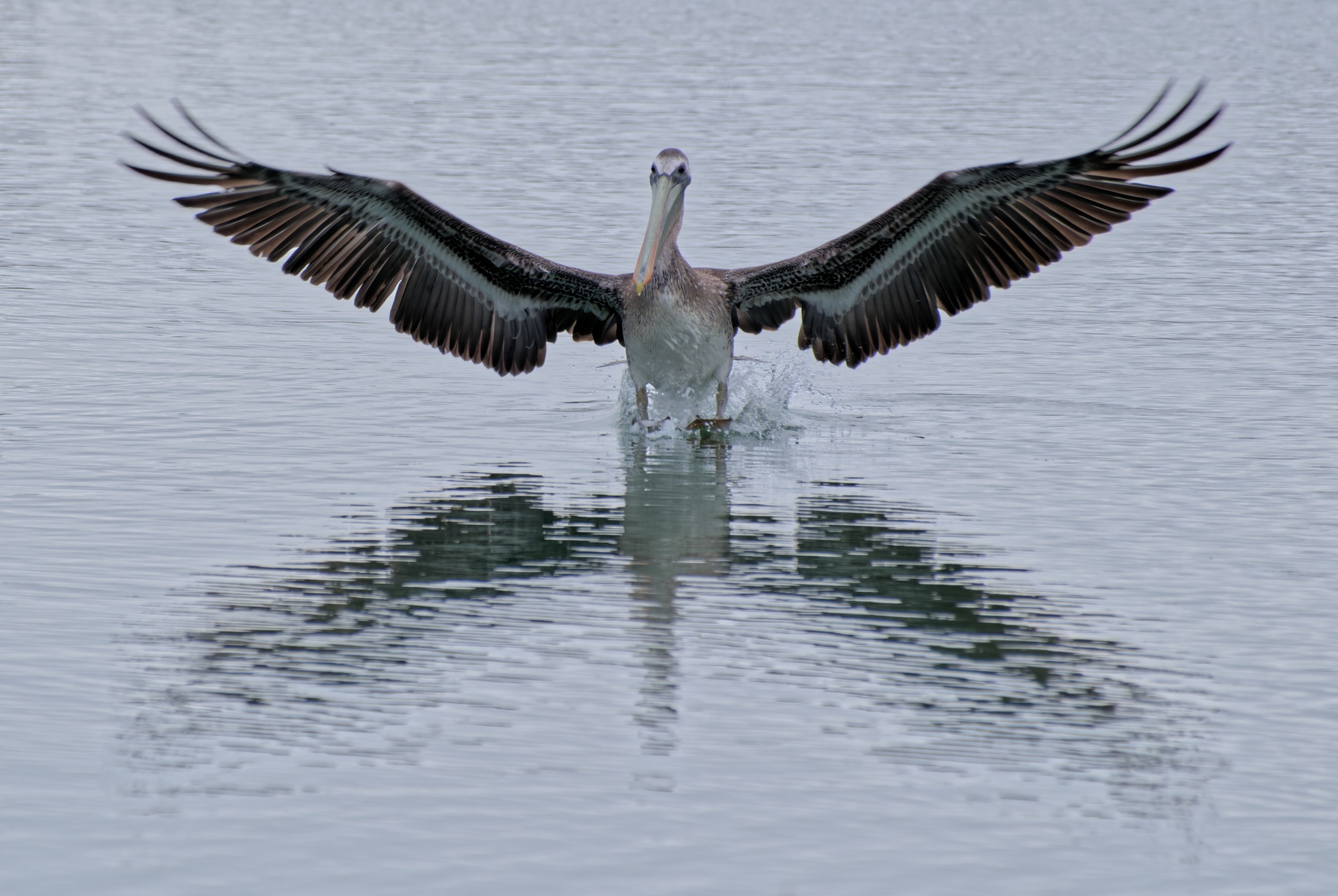
#FlyDay and #Splashes for #BirdoftheDay in one pictures, with a Brown Pelican making a landing on water. So much more graceful than when they hit the waves after a fish. #Birds 🪶 #EastCoastKin #Photography

A Brown Pelican, making a splash as it hits the water coming in to land.  This isn't the usual fishing attempt, which usually sees the bill hitting the water first, and a much bigger splash.  Wings are outstretched, and mirrored in the wavy reflection - a grey day.

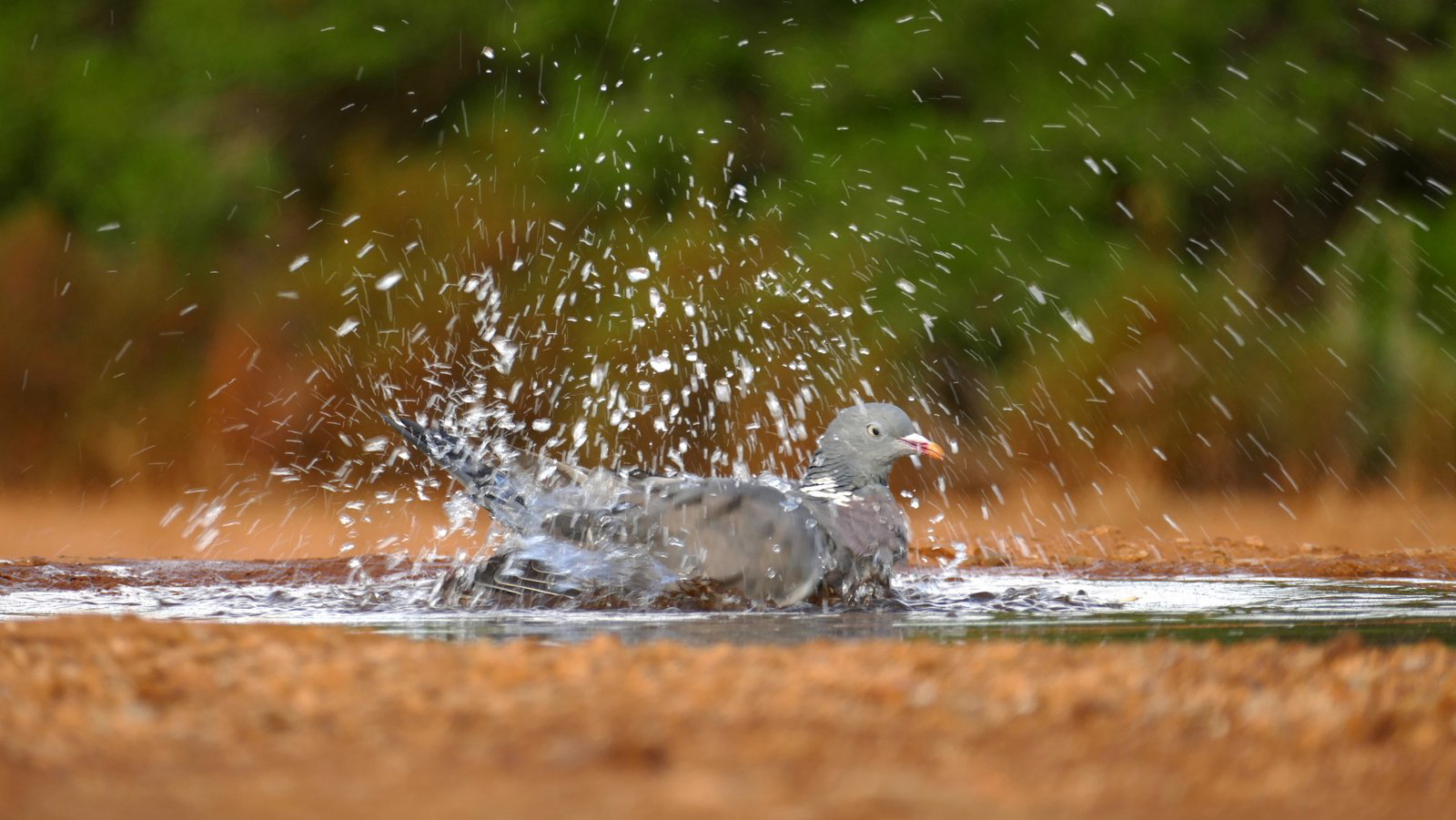
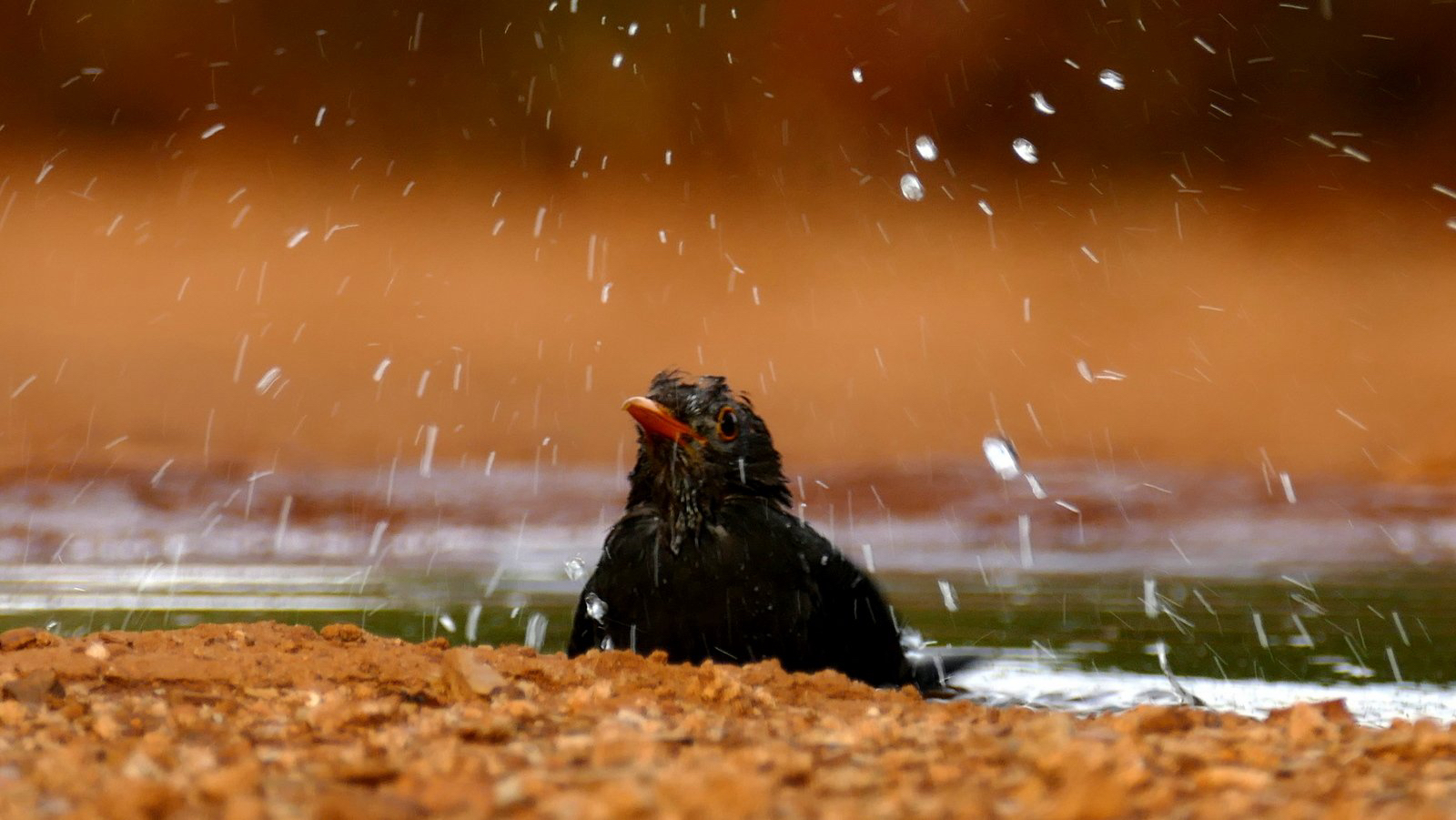
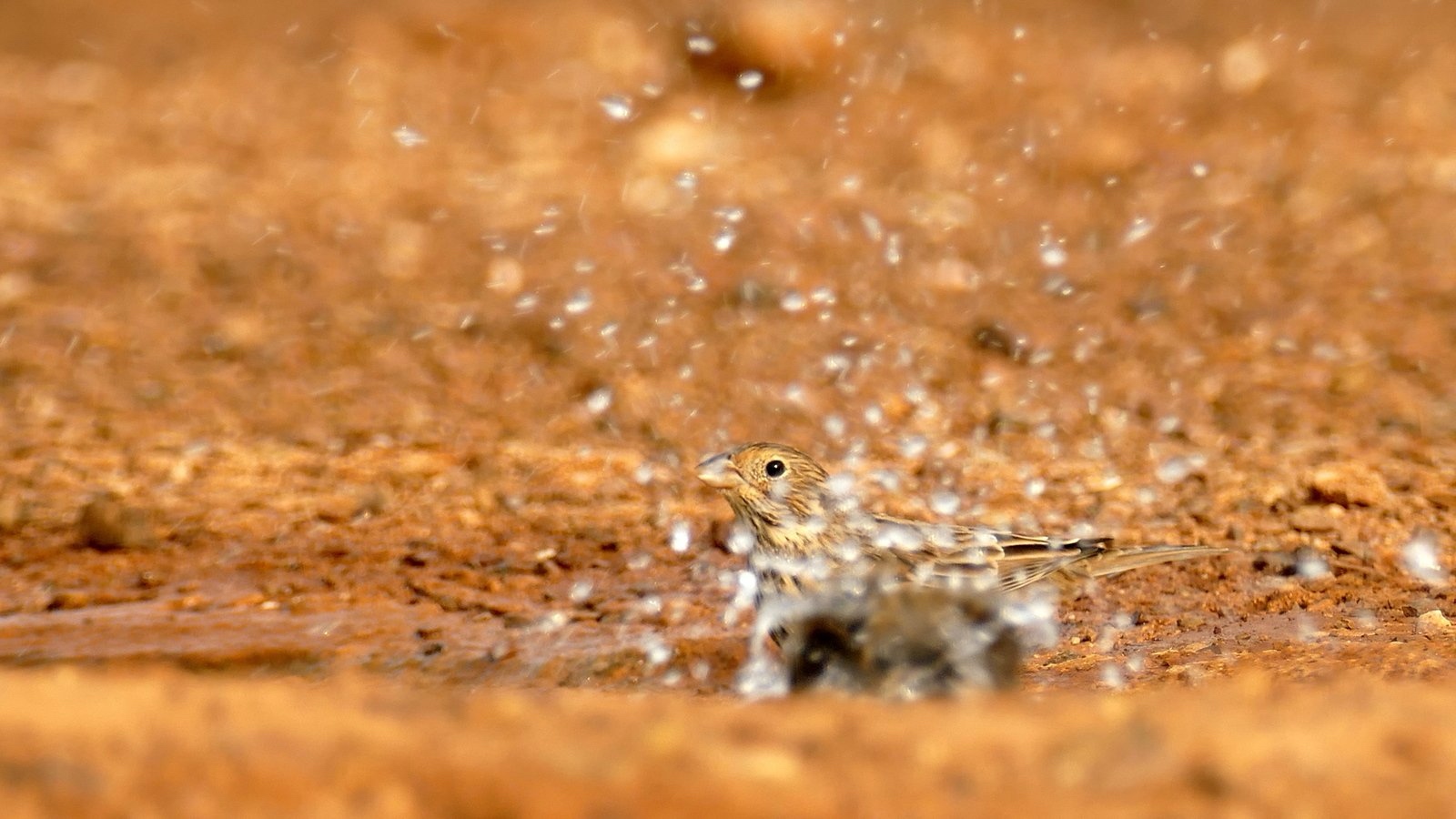
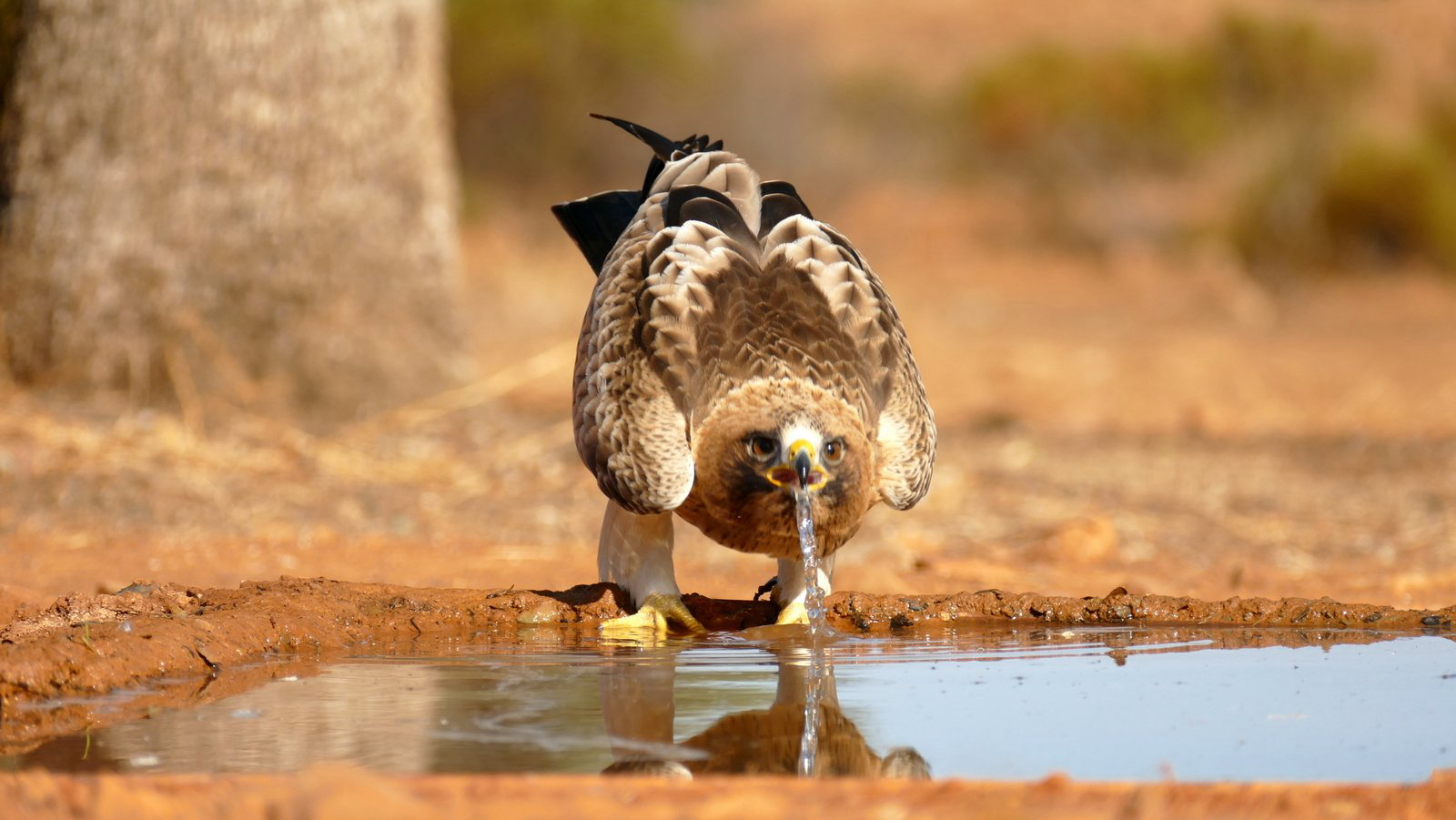
Today's #BirdOfTheDay theme is #Splashes. Here are some Birds from a waterhole in Spain: Wood pigeon, blackbird, corn bunting and booted eagle. #birds

A bathing wood pigeon with a lot of flying dropsA bathing blackbirdA corn bunting almost hidden in splashesA drinking booted eagle with the water rising in drops

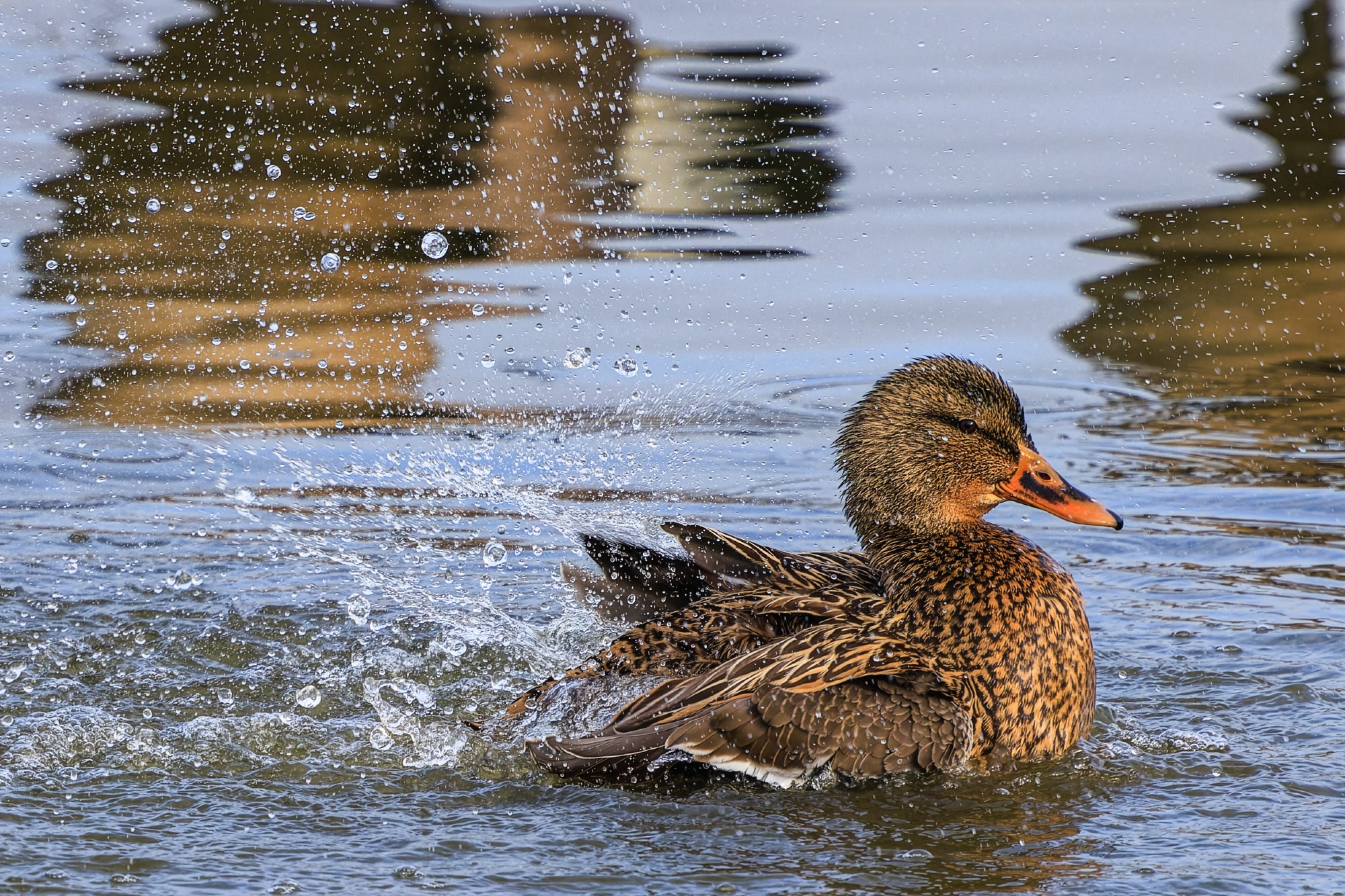
Little duck, big splash. #BirdOfTheDay #Splashes 📷🌿🪶🦆

A photo of a brown mottled duck with an orange bill, perhaps a female mallard, vigorously splashing water with its wings while bathing in a pond in warm-toned late afternoon light, creating dramatic sprays and droplets all around it. Reflections of other birds create abstract brown and black reflections on the surface of the water in the background.
2025-12-12

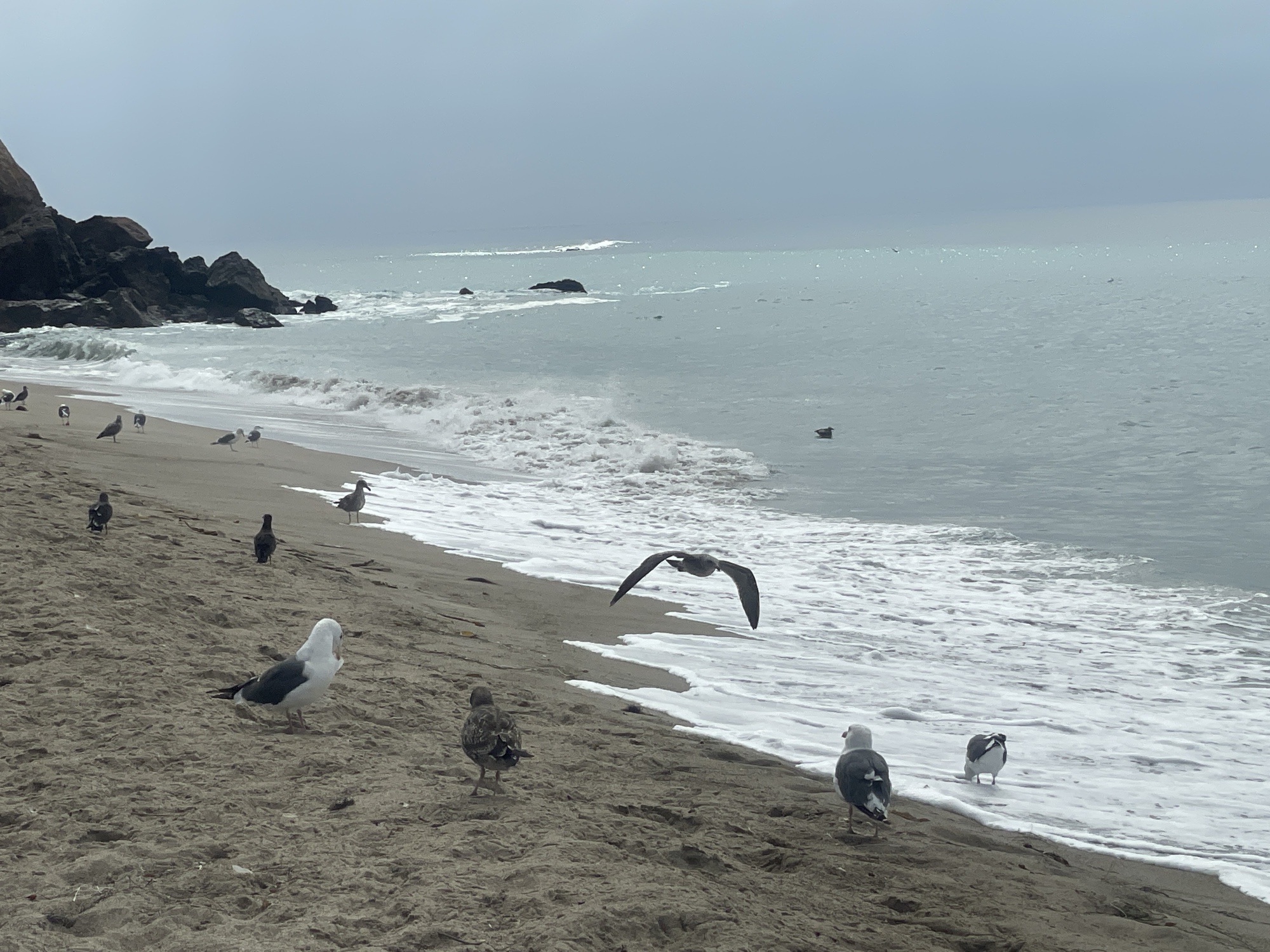
#BirdOfTheDay theme today is #splashes - which I don’t have. But I do have gulls hanging out on the beach at Malibu.

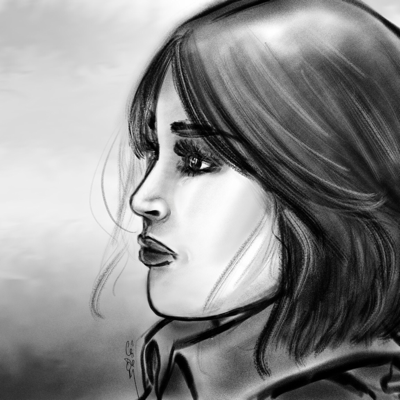
The Doctor (Commissions open)lucidillusions.in@bsky.brid.gy
2025-12-12
The bird has plonked into the water so you can see it's wings, a big splash, 

and a nonchalant white bird swimming in the background.
2025-08-05

Forming Vesicles on Titan

Scientists are still debating exactly what shifts nature from chemical and physical reactions to living cells. But vesicles — small membrane-bound pockets of fluid carrying critical molecules — are a commonly cited ingredient. Vesicles help cluster important organic molecules together, increasing their chances of combining in the ways needed for life. Now scientists are suggesting that Titan, Saturn’s moon, could form vesicles of its own.

On Earth, molecules known as amphiphiles feature a hydrophilic (water-loving) end and a hydrophobic (water-fearing) one. When dispersed in water, amphiphiles crowd at the surface, placing their hydrophilic end in the water and their hydrophobic end outward toward the air. On Titan, the Cassini mission revealed organic nitrile molecules that behave similarly with methane rather than water.

Their two-sided structure means that these molecules — like Earth’s amphiphiles — will gather at the surface of Titan’s liquids. When methane rain falls on the Titan’s seas, the impact creates aerosol droplets that slowly settle back to the liquid surface. When that happens, the droplet’s molecular monolayer and the lake’s monolayer meet, enclosing the droplet’s contents in a double-layer of molecules that prevent contact between the droplet and the lake.

Within that newly-formed vesicle, all kinds of molecules can bump shoulders, creating new opportunities for complex chemistry. (Image credit: Titan – ESA/NASA/JPL/University of Arizona, illustration – C. Mayer and C. Nixon; research credit: C. Mayer and C. Nixon; via Gizmodo)

#biology #chemistry #fluidDynamics #physics #science #splashes #Titan #vesicle

A view from the Huygens probe as it descended through Titan's atmosphere in 2004. ESA/NASA/JPL/University of Arizona
2025-06-05

Manu Jumping, a.k.a. How to Make a Big Splash

The Māori people of Aotearoa New Zealand compete in manu jumping to create the biggest splash. Here’s a fun example. In this video, researchers break down the physics of the move and how it creates an enormous splash. There are two main components — the V-shaped tuck and the underwater motion. At impact, jumpers use a relatively tight V-shape; the researchers found that a 45-degree angle works well at high impact speeds. This initiates the jumper’s cavity. Then, as they descend, the jumper unfolds, using their upper body to tear open a larger underwater cavity, which increases the size of the rebounding jet that forms the splash. To really maximize the splash, jumpers can aim to have their cavity pinch-off (or close) as deep underwater as possible. (Video and image credit: P. Rohilla et al.)

#2024gofm #diving #flowVisualization #fluidDynamics #manuJumping #physics #science #splashes #sports #WorthingtonJet

2025-05-08

Charged Drops Don’t Splash

When a droplet falls on a surface, it spreads itself horizontally into a thin lamella. Sometimes — depending on factors like viscosity, impact speed, and air pressure — that drop splashes, breaking up along its edge into myriad smaller droplets. But a new study finds that a small electrical charge is enough to suppress a drop’s splash, as seen below.

The drop’s electrical charge builds up along the drop’s surface, providing an attraction that acts somewhat like surface tension. As a result, charged drops don’t lift off the surface as much and they spread less overall; both factors inhibit splashing.* The effect could increase our control of droplets in ink jet printing, allowing for higher resolution printing. (Image and research credit: F. Yu et al.; via APS News)

*Note that this only works for non-conductive surfaces. If the surface is electrically conductive, the charge simply dissipates, allowing the splash to occur as normal.

#dropletImpact #droplets #electricalField #electrohydrodynamics #fluidDynamics #lamella #physics #science #splashes #splashing

Two black and white images of a droplet impacting a surface. On the left, an uncharged droplet splashes. On the right, an electrically charged droplet spreads without splashing.
2024-11-23

PuddlesInGray

Blogpost: blog.illestpreacha.com/wcccliq

Video: youtu.be/VxMfDIfNQaw

#worldbuilding #scifiart #WCCC #LiveCoding #dipinCode

For this week's Creative Code challenge by @sableRaph: #Liquids, PuddlesInGray is Coded with #Hydravideosynth @hydra & #SonicPi.

Digital Splashes and Puddles are visualized through the Hydra sketch.
As Beverages are liquids & Some are colours, Sonified through SonicPi are the following drinks: Merlot Red & Burgundy Wine. Modified from their original DipInCode form.

#Poem

Liquids spilling
As they are,
One of the physical states
Oozing & cruising
Engulfing & infusing
Infused with aroma
With a hint of charisma
As the liquids are filling
Denser than air
With the puddles, they create

#creativecoding #coding #beverages
#designchallenges #datamusic
#math #geometricart #colorscape #colorfull #splashes

2024-09-17

When a raindrop hits a leaf, it spreads out into a rimmed sheet that breaks up into droplets. These tiny drops can carry dust, spores, and even pathogens as they fly off. But many leaves aren’t smooth-edged; instead they have serrations or teeth. How does that affect a splash? That’s the question at the heart of today’s study.

A water drop hits a star-shaped pillar and breaks up.

To simplify from a leaf’s shape, the team studied water dropping onto star-shaped pillars. As seen above and below, the pillar’s edge shaped the splash sheet, with the sheet extending further in the edge’s troughs. This asymmetry extends into the rim also, concentrating the liquid — and the subsequent spray of droplets — along lines that extend from the edge’s troughs and peaks.

A viscous water-glycerol drop hits a star-shaped pillar, spreads, and breaks into droplets.

The team found that, in addition to sending drops along a preferred direction, the shaped edge made the droplets larger and faster than a smooth edge did. (Image and research credit: T. Bauer and T. Gilet)

https://fyfluiddynamics.com/2024/09/shaped-splashes/

#dropletEjection #dropletImpact #droplets #flowVisualization #fluidDynamics #physics #science #splashes

2024-09-04

finally I can sleep… 😵‍💫 somewhat about a week ago I decided that I want to give a try to #Blender #fluid #simulation. I've never before did fluid simulation in Blender (consciously, at least), so it was great opportunity to know something new. and then was it. a week of intensive learning, searching Internet, watching and reading tutorials, solving all kinds of unexpected problems and (finally!) actually simulation. tbh I didn't know what waited for me on this long and winding road to beautiful (as I thought) world of splashes and droplets. the main problem was time. it was years ago and it is today. 'cos any change in simulation parameters causing recompute all data in all frames. it's expected and I knew that. and I consider myself lucky, 'cos several years ago there were people on some forums that reported that their simulation took hours and even many days. 😰 in my case usually it took no more than an hour. nevertheless several days I was so obsessed with the idea of generating splashes, that I sat before my computer instead of sleep. well, technically I slept at least 3 hours a day, but whatever. finally I've got almost what I wanted and very carefully (or else I could lose simulation cache and would start from scratch) I rendered several variants of the video…

so, here you are: meet milk #splashes. 😎 yes, I know, it resembles more PVA glue than milk, lighting and the background are the worst possible, splashes in itself are not so gorgeous. but this is just a PoC, and now I know a bit more about Blender. 😍 and about physics of liquids in particular. 🙄

P.S.: I guess if I'll ever need beautiful static splash, I'll just model it. and even something dynamic (probably) would be faster to model than simulate. moreover, the process of modeling is more controllable than simulation. 🙃

#Blender3D #b3d #learning #study #beginner #video #render

Client Info

Server: https://mastodon.social
Version: 2025.07
Repository: https://github.com/cyevgeniy/lmst